Mechanical Stoppage
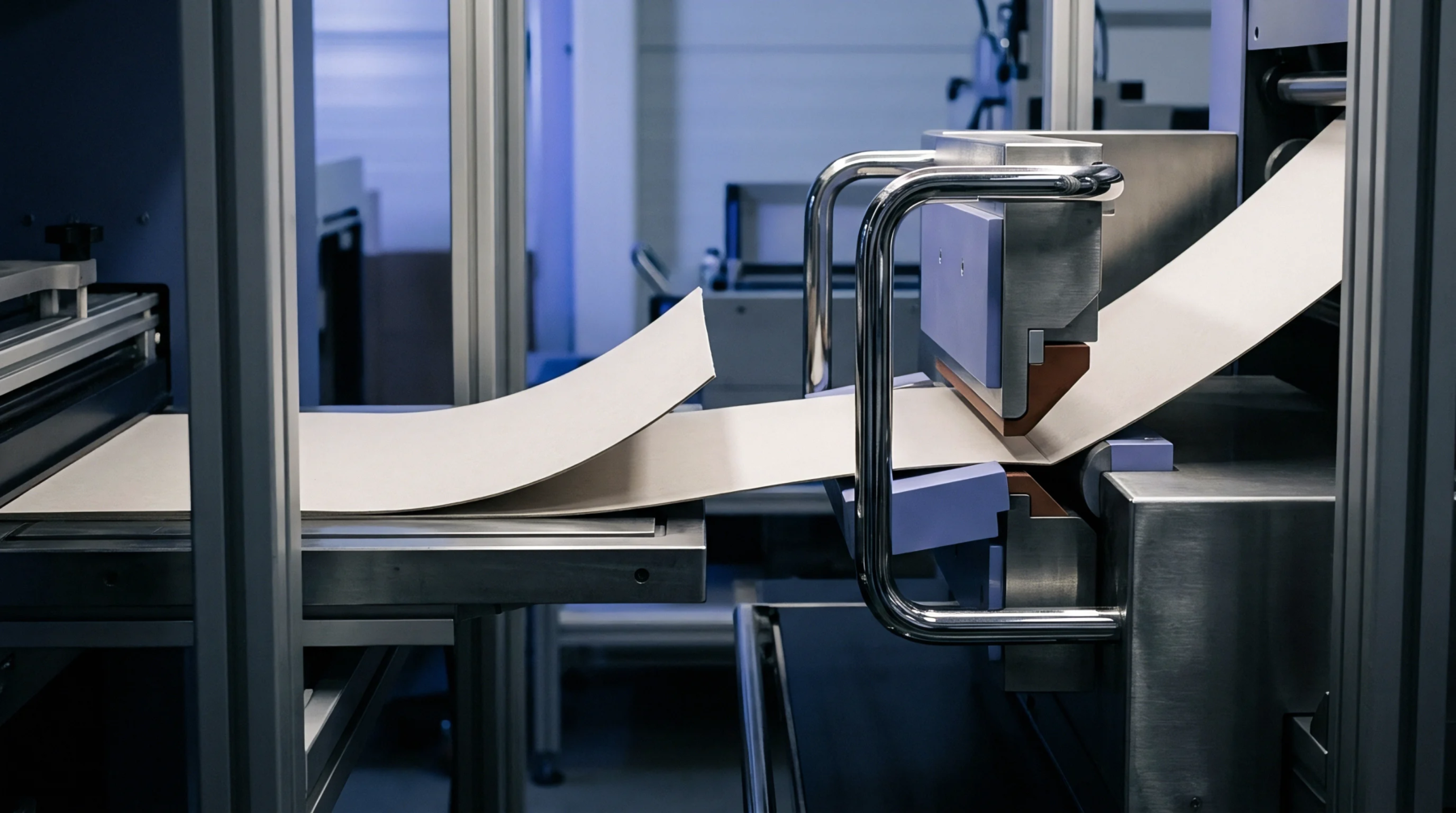
Unplanned operational halts occur when paperboard blanks, folding cartons, or corrugated containers wedge within automated conveying, erecting, filling, or sealing mechanisms. A packaging line jam stems from physical interference where an incoming container deviates from expected dimensional, structural, or positional tolerances, physically blocking moving machine components and triggering overload trip sensors. The event abruptly halts line throughput, often causing upstream container pile-ups, crushed packaging materials, and loss of synchronization across automated processing stations.
The jam state terminates once manual or automated clearing protocols remove the lodged substrate, reset machine timing, and re-establish continuous container flow.
Causation Factors
Dimensional variance across carton blanks represents a primary driver of line blockages. Variations in board moisture content cause warp, curl, and altered scoreline bending resistance, resulting in misshapen carton sleeves that miss mechanical pocket openings. If an erected carton exhibits excessive spring-back force along its side scores, vacuum opening cups lose grip before mechanical flight lugs capture the base.
Slipped carrier belts introduce skew, causing carton edges to snag against stationary guide rails. Foreign debris, adhesive stringing, and damaged blank corners also trigger mechanical wedging in feeding throats.
Process Recovery
Clearing obstructed machinery requires stopping primary drive motors and exhausting pneumatic pressure systems. Operators must clear crushed board sections, verify rotary timing positions, and inspect guide rails for adhesive buildup before restarting feed systems. Recurring blockages accelerate machine component wear, distort drive chains, and degrade overall operational efficiency.
Ensuring consistent board stiffness, stable relative humidity in production zones, and precise scoreline formation reduces unplanned downtime. High-speed imaging diagnostics help detect intermittent container misalignments before full line stoppages occur.