Debris Accumulation
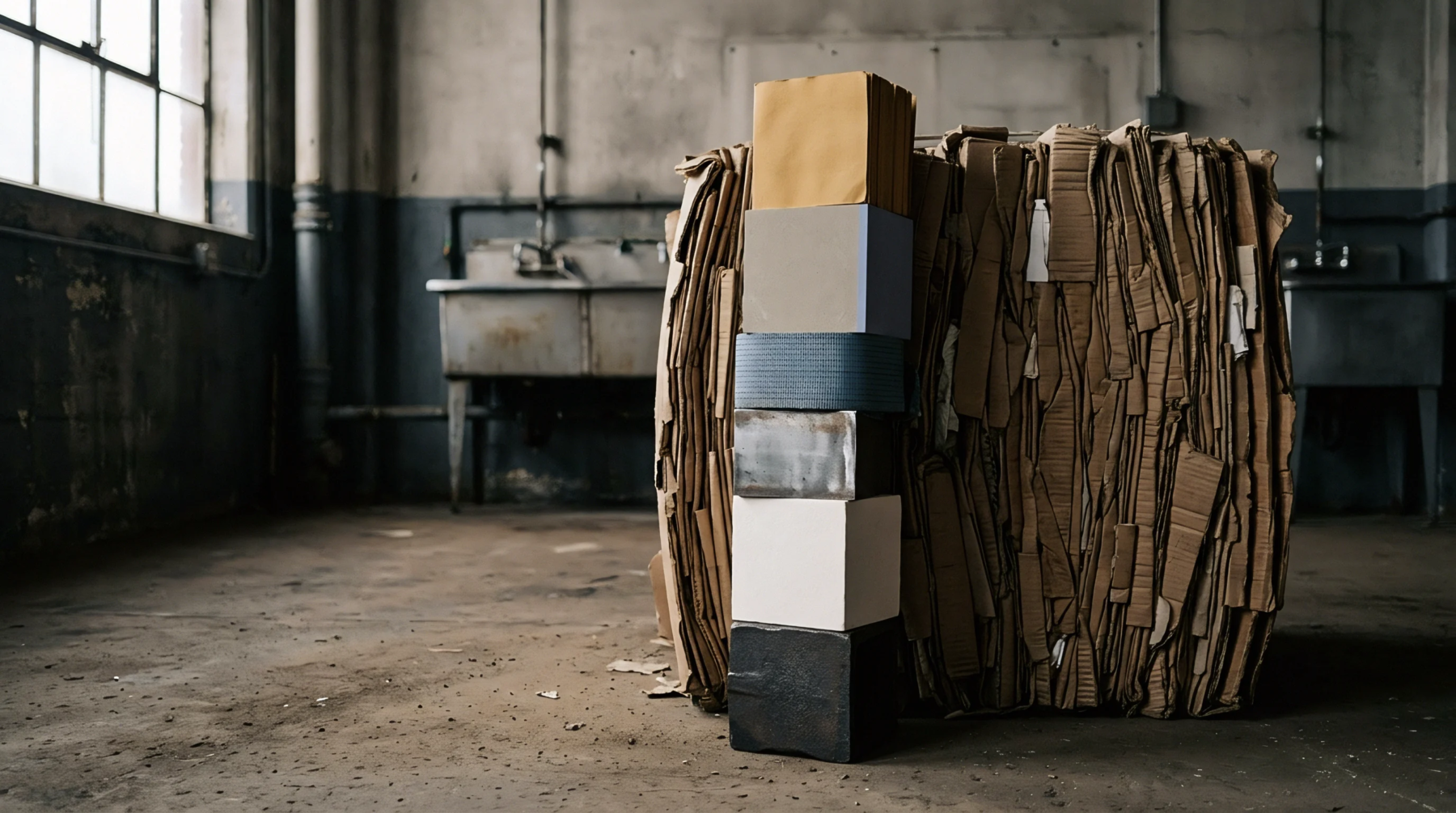
Presence of loose fibres, paper dust, and mineral pigment particles on the surface of paperboard or paper substrates. During the slitting, sheeting, and converting steps, particle contamination arises when cutting knives dull and tear the edges of the sheet rather than shearing them cleanly. This loose debris is carried on the surface of the board into the printing press.
Process Disruption
Accumulated dust on the printing blankets or gravure cylinders prevents the complete transfer of ink to the substrate, which creates white spots and voids in the printed graphics. This defect, often called hickeys, requires the press operator to stop the run to wash the blankets, which increases waste and reduces productivity. In digital printing, these particles can clog printhead nozzles or damage sensitive imaging drums, which leads to costly replacement of parts.
Furthermore, loose dust can contaminate the sealing areas of food packaging, which compromises the integrity of the heat seal.
Mitigation Action
Installing web-cleaning systems and electrostatic neutralizers on the converting lines removes the loose dust before the board is wound or sheeted. Keeping slitter knives sharp and properly aligned also minimizes the generation of debris. Regular maintenance of the cutting tools ensures a clean edge and high-quality print runs.