Quantifying Non Intentionally Added Substance Migration Thresholds in Barrier Coated Recycled Paperboard Formulations under Dynamic Temperature Regimes
Evaluating dynamic migration kinetics confirms functional barrier specs for recycled paperboard under variable transport temperatures.

Contaminants
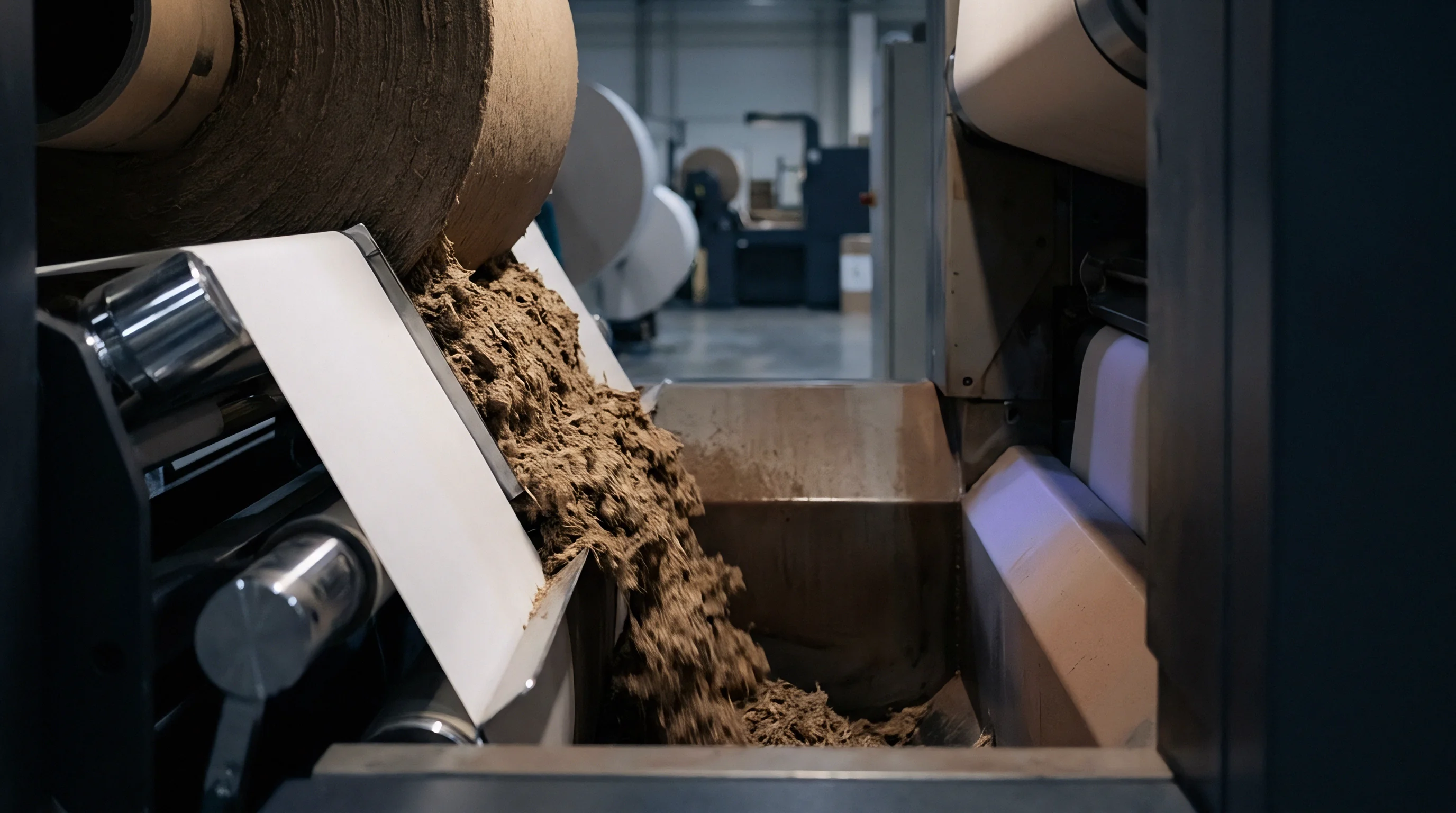
Recycled pulp streams carry chemical residues from printing inks, adhesives, lacquers, processing aids, and previous packaging applications. Modern folding boxboard made with recycled furnish, including GD2 and GT grades, relies heavily on recovered newspapers and corrugated containers. Repulping, mechanical de-inking, and washing reduce bulk impurities, but low-molecular-weight organic compounds remain embedded within the cellulose matrix.
These unmeasured impurities fall under non-intentionally added substances, posing a technical challenge for paperboard used in direct or indirect food packaging.
Secondary fiber contains a range of unmeasured migrants, including saturated aliphatic hydrocarbons, aromatic hydrocarbons, alkylated naphthalenes, and plasticizers. Saturated hydrocarbons with 10 to 35 carbon atoms migrate easily through raw paperboard. Aromatic hydrocarbons across the same carbon range carry higher toxicological concern because of potential mutagenicity.
Printing ink photoinitiators, such as benzophenone derivatives and isopropylthioxanthone, survive standard pulping. Thermal breakdown of synthetic additives during drying generates secondary degradation products like oligomeric species and substituted phenols. Cellulose fibers provide little resistance to the vapor-phase transport of highly volatile, moderately polar compounds.
The structural composition of multi-ply paperboard influences how chemicals distribute across the substrate thickness. Standard GD board features an unbleached recycled core sandwiched between outer layers of mechanically ground pulp or recycled fiber. Residual substances in the interior plies migrate outward along concentration gradients, eventually reaching the contact surface during transit or shelf storage unless blocked by an effective barrier.
Mineral oil aromatic hydrocarbons in the carbon fraction between 10 and 25 carbon atoms undergo vapor-phase transport through 300 micrometers of raw paperboard within 48 hours at 40 degrees Celsius.
Chemical analysis of paperboard extractives shows distinct molecular weight bands tied to specific operational risks. The table below lists primary contaminant groups isolated from secondary fiber furnish alongside their source materials and analytical mass spectrometry markers.
| Chemical Category | Molecular Weight Range (Da) | Primary Stock Origin | Representative Analytical Marker |
|---|---|---|---|
| Mineral Oil Saturated Hydrocarbons (MOSH) | 140 to 490 | Offset printing inks, lubricants | n-C16 to n-C25 alkanes |
| Mineral Oil Aromatic Hydrocarbons (MOAH) | 150 to 480 | Newsprint inks, industrial lacquers | Alkyl-substituted di- and tri-aromatics |
| Diisopropylnaphthalenes (DIPN) | 212 to 240 | Carbonless copy paper recycling | 2,6-diisopropylnaphthalene |
| Photoinitiators | 182 to 254 | UV-curable overprint varnishes | 4-methylbenzophenone |
| Phthalate Plasticizers | 278 to 390 | Adhesives, film laminates | Diisobutyl phthalate (DIBP) |

Recycled Fiber Furnish Chemistries
Pulping recovered paper exposes cellulose fibers to residual chemicals that absorb into the amorphous regions of the fiber wall. As the sheet consolidates during papermaking, these molecules become trapped within the porous network. While water-soluble additives wash out during wet-end operations, lipophilic compounds bind tightly to residual lignin and fiber surfaces.
These hydrophobic compounds show strong affinity for secondary fibers, making complete extraction during standard recycling impractical. Consequently, board made with high percentages of mixed post-consumer waste exhibits greater chemical diversity than stock produced from controlled pre-consumer streams.
Speciation of Unintended Migrants
Mapping the full spectrum of chemical migrants requires distinguishing known process chemicals from secondary reaction products. Antioxidants degrade thermally during paper converting into quinone derivatives and breakdown fragments, while polyurethane-based adhesive residues decompose into aromatic amines under heat. Identification relies on matching mass spectra against reference libraries, though structural isomerism leaves numerous peaks unidentified.
These unidentified signals complicate efforts to establish total chemical migration profiles against legal safety limits.
- Mineral Oil Fractionation creates complex hydrocarbon humps on gas chromatograms that obscure individual substances and complicate baseline integration.
- Adhesive Degradation Products release primary aromatic amines into the paperboard matrix when drying temperatures exceed 80 degrees Celsius.
- Vapor Phase Volatilization allows medium-chain plasticizers to pass through porous paperboard and condense directly onto dry food.
- Photoinitiator Partitioning transfers volatile curing agents from the printed outer surface to the unprinted food-contact side during storage in tightly wound rolls.
What structural modifications in barrier dispersion coatings prevent aromatic hydrocarbon fractions below 150 Daltons from migrating under cyclic heat loads?

Thermodynamics
Mass transport of volatile and semi-volatile compounds through barrier-coated paperboard follows Fickian diffusion driven by temperature-dependent kinetic parameters. A migrant’s diffusion coefficient inside a polymer coating increases exponentially with temperature. Thermal fluctuations during shipping, warehousing, and consumer preparation introduce transient heat spikes that accelerate transport.
Isothermal migration testing fails to capture the cumulative mass transfer that occurs during these non-steady-state thermal events.
The relationship between temperature and the diffusion coefficient follows the Arrhenius equation, where heat supplies the activation energy for migrant molecules to jump between free-volume voids in the polymer matrix. Moving from cold storage at 4 degrees Celsius to warm transit at 40 degrees Celsius can increase diffusion coefficients by two to three orders of magnitude. When temperature spikes cross the coating polymer’s glass transition point, structural relaxation opens additional free-volume pathways for chemical transfer.
Compliance testing executed under static storage conditions fails to predict peak migration levels triggered by transient temperature spikes during surface transportation.
Thermal cycling alters the equilibrium partition coefficient between the paperboard substrate, the functional barrier coating, and the food simulant. Higher temperatures increase the solubility of hydrophobic compounds in the coating, accelerating movement across the substrate interface. As temperatures drop, the coating matrix contracts, driving dissolved migrants into the food or headspace.
This thermal pumping effect moves chemicals faster than static storage at an equivalent mean kinetic temperature.

Kinetic Modeling across Thermal Spikes
Predicting total migration under variable thermal conditions requires integrating the full time-temperature history of the package assembly. Mathematical models apply numerical integration to Fick’s second law, updating diffusion and partition parameters at each time step. Brief exposure to high temperatures ~ such as hot filling at 85 degrees Celsius or microwaving at 100 degrees Celsius ~ often accounts for most of the mass transferred across the barrier.
Ignoring these short peaks results in underestimating consumer exposure.
Validating kinetic models in the laboratory relies on modified polyphenylene oxide, commercially known as Tenax, as a solid simulant for dry foods. Tenax adsorbs volatile compounds leaving the barrier surface without swelling the polymer coating. Testing across stepped temperature profiles produces non-linear accumulation curves for mineral oil components.
In addition, micro-cracks formed in rigid barrier coatings during thermal expansion cycles accelerate mass transport by creating direct pathways through the film structure.

Static Simulants versus Dynamic Thermal Regimes
Standard regulatory testing specifies fixed conditions, such as 10 days at 40 degrees Celsius or 10 days at 60 degrees Celsius, to simulate long-term ambient storage. These protocols assume a constant diffusion rate throughout exposure. Transport dynamics under fluctuating conditions differ markedly, as brief exposure to elevated heat alters barrier properties in ways static low-temperature tests do not capture.
A barrier coating showing zero migration during standard testing at 20 degrees Celsius can exhibit significant polymer chain mobility above 45 degrees Celsius. Added thermal energy lowers the effective activation energy for diffusion, enabling higher molecular weight compounds to cross the barrier. Reports based on static conditions offer little assurance of barrier integrity when packages encounter extreme ambient heat during cross-docking or tropical transport.
Functional barrier performance ultimately hinges on keeping activation energy thresholds above the maximum thermal load encountered across the distribution chain.

Coatings
Functional barrier coatings for recycled paperboard include aqueous polymer dispersions, bio-based polyesters, polyolefin extrusions, and multi-layer film structures. Water-based acrylic and styrene-butadiene dispersions simplify recycling but vary in resistance to organic chemical migration. Polyethylene extrusions block liquid water effectively but provide little protection against saturated or aromatic mineral oil hydrocarbons.
A polymer layer’s chemical structure ultimately dictates its selective permeability to different migrant classes.
The glass transition temperature of the polymer dictates its physical state under operating conditions. Below this temperature, the polymer remains in a glassy state with minimal chain mobility and low free volume. Once temperatures reach the rubbery regime, chain mobility increases, allowing chemical migrants to diffuse through the matrix.
Crosslinking density and mineral filler loading alter these transition boundaries.
| Coating Polymer Type | Glass Transition Temperature (°C) | MOSH/MOAH Barrier Efficiency (%) | Thermal Failure Threshold (°C) | Application Coat Weight (g/m²) |
|---|---|---|---|---|
| Aqueous Acrylic Dispersion | 15 to 35 | 88 to 96 | 55 | 6 to 10 |
| Poly lactic Acid (PLA) Extrusion | 55 to 60 | 92 to 98 | 60 | 15 to 25 |
| Ethylene Vinyl Alcohol (EVOH) Co-extrusion | 55 to 65 | 99.5 to 99.9 | 85 | 3 to 6 (interior layer) |
| Low-Density Polyethylene (LDPE) | -120 to -100 | 15 to 35 | 70 | 12 to 20 |
| Bio-based Polyhydroxyalkanoate (PHA) | -5 to 10 | 75 to 88 | 50 | 15 to 30 |

Polymer Barrier Performance Profiles
Formulating dispersion coatings for recycled board requires balancing flexibility, coatability, and barrier performance. Adding platy minerals like talc or kaolin clay creates a tortuous path that forces migrating molecules to travel longer distances through the film. How these mineral flakes align in the dried layer strongly influences overall barrier performance.
Incomplete drying or poor film formation leaves microscopic voids between polymer particles, creating low-resistance channels for migration.
Extruded biopolymers such as polylactic acid provide better mineral oil barrier performance than standard polyolefins, owing to their higher polarity and rigid ester backbone. However, biopolymer films undergo hydrolytic degradation under combined high humidity and elevated temperatures. Breakdown of the polymer backbone leads to micro-cracking and loss of barrier continuity.
Selecting a coating chemistry requires evaluating potential contaminants against expected environmental conditions.
Article 3 of Regulation EC 1935/2004 demands that materials do not transfer constituents to food in quantities that endanger human health, regardless of distribution temperature profiles.
Pinhole Defect Permeability
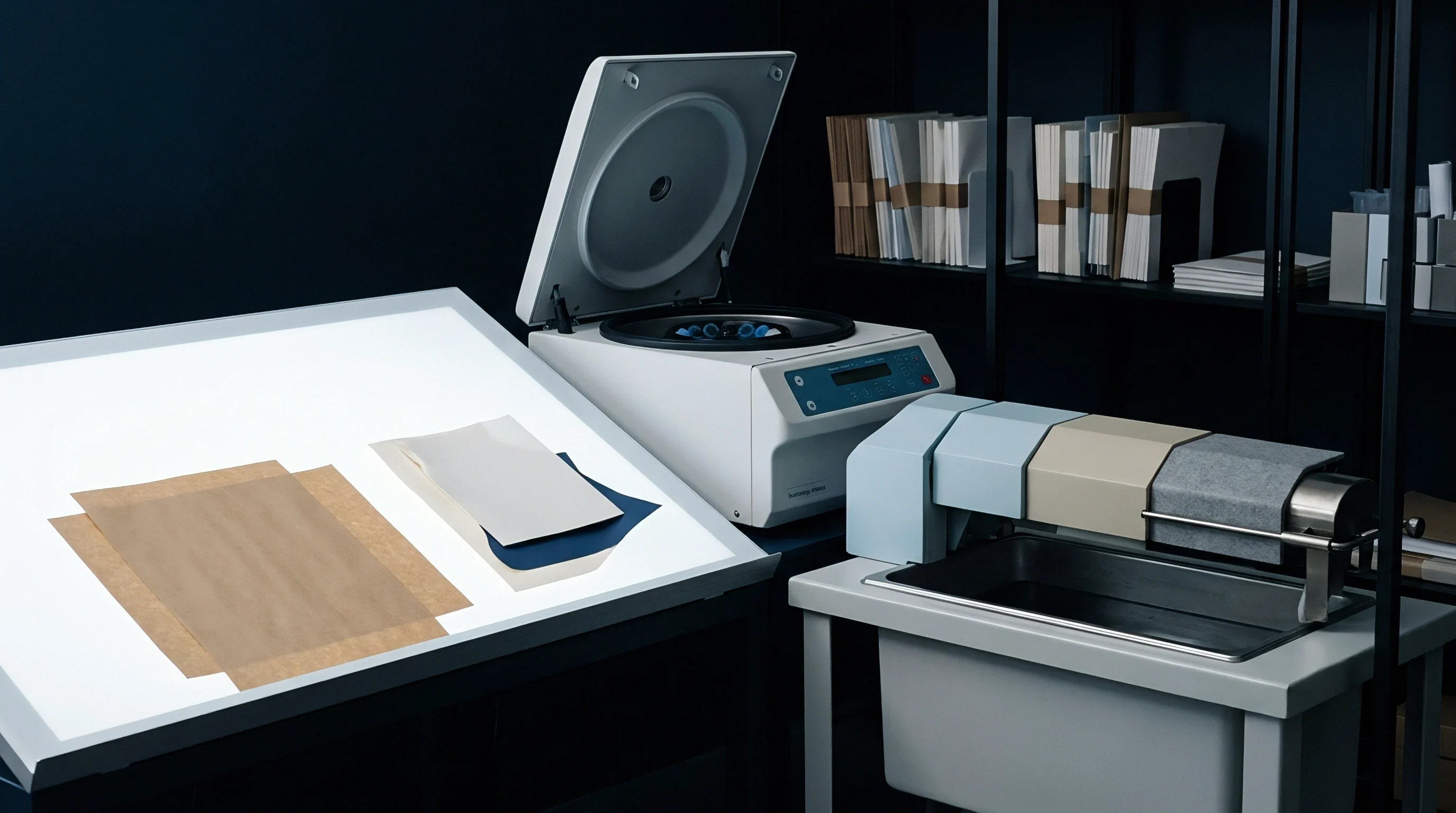
Applying thin barrier coatings to rough, porous paperboard can introduce mechanical defects like pinholes, fiber show-through, and boundary air bubbles. A single pinhole per square decimeter compromises the barrier, allowing vapor-phase contaminants to bypass the polymer layer entirely. Increasing coat weights reduces defect frequency but adds substrate stiffness, material costs, and complexity during repulping.
Creasing, folding, and carton conversion introduce micro-fissures along score lines under flexural stress. Brittle coatings crack under tensile strain during high-speed packaging, causing migrants to concentrate at these failure zones and create localized migration hot spots. Testing flat laboratory swatches yields overly optimistic barrier figures that do not reflect converted, folded cartons exposed to mechanical strain and temperature swings.
Specifying a barrier coating without defining post-conversion creasing integrity leaves packaging vulnerable to compliance failure during storage.


Quantification
Establishing migration thresholds for non-intentionally added substances requires pairing high-resolution chromatography with toxicological risk assessment. Comprehensive two-dimensional gas chromatography with time-of-flight mass spectrometry resolves complex hydrocarbon mixtures into distinct carbon number fractions. Online liquid chromatography coupled to flame ionization detection quantifies MOSH and MOAH down to 0.1 milligrams per kilogram of dry food.
High sensitivity is essential to confirm compliance with strict specific migration limits set by regulatory authorities.
Toxicological evaluation of unidentified migrants relies on the Toxicological Threshold of Concern framework, sorting unknown structures into Cramer chemical classes. Cramer Class III compounds, associated with potential toxicological hazard, carry a human exposure threshold of 1.5 micrograms per kilogram of body weight per day. Translating this limit into a packaging material threshold depends on assumed daily food consumption and package surface-to-volume ratios.
Evaluating functional barrier performance under dynamic conditions relies on transport modeling. Consider a 350 grams per square meter recycled boxboard with an initial MOAH concentration of 120 milligrams per kilogram in raw stock, a target migration limit of 0.5 milligrams per kilogram in food, and a format using 6 square decimeters of board per kilogram of food. The calculation governing migration compliance is expressed as follows:
Calculated Migration = (C_initial Density Thickness Barrier_Pass_Factor) / Food_Mass
Assuming a substrate thickness of 0.45 millimeters and an uncoated migration potential where 50 percent of volatile MOAH moves toward the food-contact side, total unbarrier transport reaches 21 milligrams per kilogram of food ~ exceeding the safety threshold 42-fold. Under an ambient distribution cycle peaking at 30 degrees Celsius, a 10 g/m² acrylic dispersion coating provides a 98.5 percent barrier reduction efficiency, resulting in a migration level of 0.315 milligrams per kilogram of food and meeting the 0.5 milligram limit. However, if a shipping spike raises internal package temperatures to 50 degrees Celsius for 48 hours, barrier efficiency drops to 92.0 percent, driving migration up to 1.68 milligrams per kilogram of food and causing a compliance failure.
Chromatographic Screening Protocols
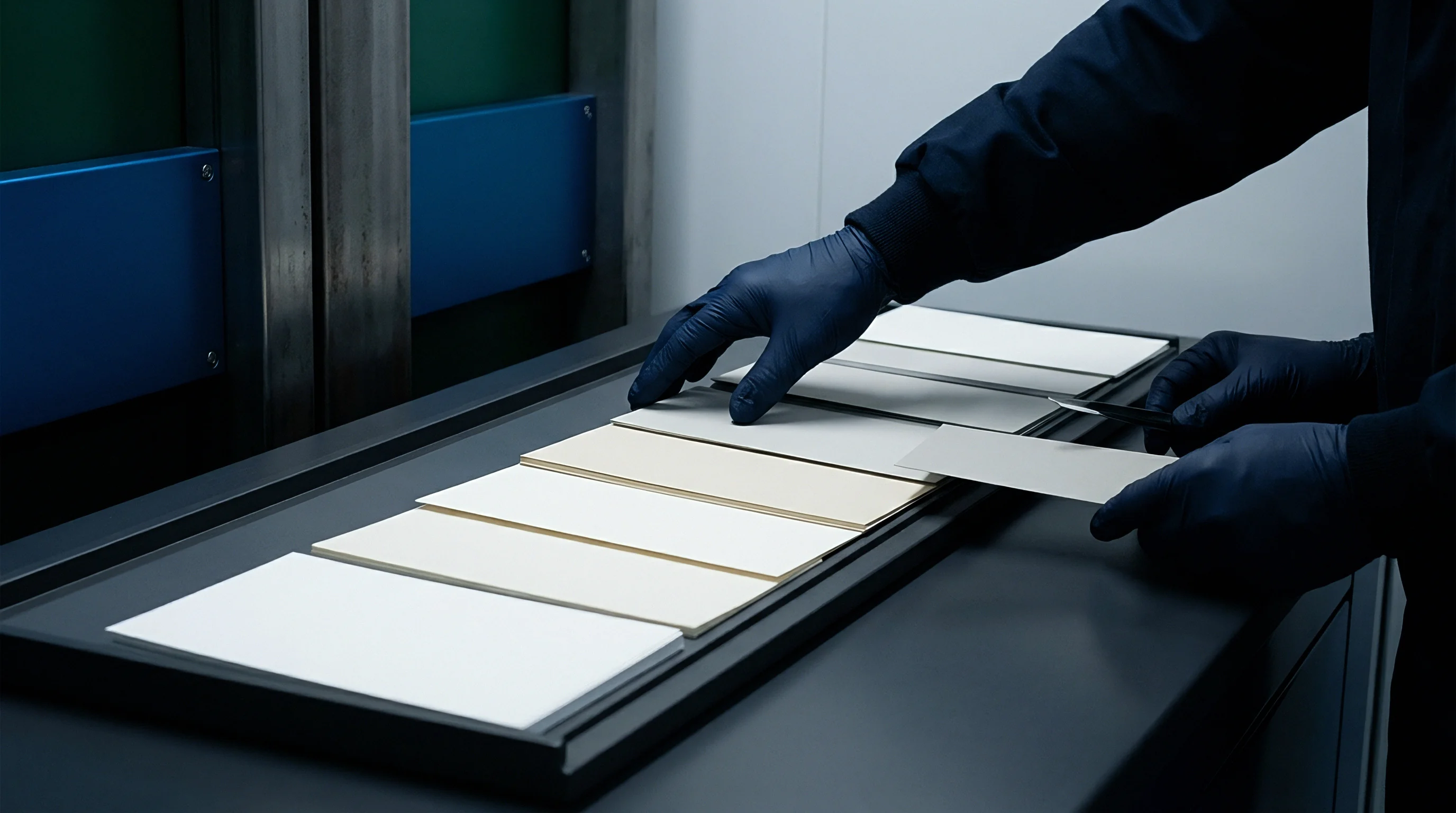
Analytical quantification starts with solvent extraction using hexane, dichloromethane, or ethanol mixtures, where solvent selection dictates yield and selectivity. Total extraction measures the full chemical reservoir within the board, whereas migration testing isolates only the portion transferred to a simulant under specific contact conditions. Distinguishing total content from migratory potential is critical when assessing compliance risks.
- Cut paperboard samples into five-by-five centimeter specimens to expose cross-sectional edges.
- Place specimens into extraction vessels containing ethanol or modified polyphenylene oxide simulant.
- Expose vessels to thermal conditioning profiles matching the intended product lifecycle.
- Extract the simulant phase with high-purity solvents suitable for gas chromatography injection.
- Analyze extracts via two-dimensional gas chromatography to quantify MOSH and MOAH fractions.
Can Static Testing Validate Dynamic Migration Limits?
Isothermal testing protocols cannot validate safety thresholds for packaging exposed to fluctuating temperatures, as static conditions fail to trigger temperature-dependent structural transitions in barrier polymers. Multi-temperature testing that includes heat-spike steps yields empirical data for modeling real-world distribution hazards. Demonstrating compliance requires verifying barrier performance across the package’s entire operating temperature range.
Testing conducted by suppliers under ambient laboratory conditions provided no defense when retail samples showed MOAH migration exceeding 1.2 milligrams per kilogram after summer transport.
Relying on compliance with baseline static standards offers no legal protection when market surveillance authorities detect non-compliant chemical transfer in retail packages.


Governance
Demonstrating legal compliance for recycled paperboard packaging requires structured documentation throughout the converting supply chain. European Union Framework Regulation EC 1935/2004 mandates safety evaluations and traceability back to production origins. Meanwhile, national measures like the German draft Mineral Oil Ordinance propose limits of 0.5 milligrams per kilogram for MOSH and 0.1 milligrams per kilogram for MOAH in dry foods packaged in recycled paperboard lacking a functional barrier.
Declarations of compliance must explicitly state the thermal operational boundaries within which the functional barrier maintains safety integrity. Broad assertions of suitability for general food contact without temperature limits create severe legal exposure for brand owners and distributors. Because regulatory authorities inspect finished packages at retail, importers of record carry the regulatory exposure and remain liable for non-compliant chemical migration detected on store shelves.
| Jurisdiction / Standard | Target Migrant Class | Numerical Limit in Food | Designated Standard Test Method |
|---|---|---|---|
| BfR Recommendation XXXVI (Germany) | MOSH (C16 to C35) | 1.0 mg/kg food | EN 14338 (Tenax Extraction) |
| Draft German Mineral Oil Ordinance | MOAH (C10 to C25) | 0.1 mg/kg food (detection limit) | EN 16995 (LC-GC-FID) |
| EU Regulation 10/2011 (Applied Guidelines) | Specific Phthalates (DBP) | 0.3 mg/kg food | EN 1186 Series (Simulant Contact) |
| US FDA 21 CFR 176.170 | Net Chloroform Soluble Extractives | 0.5 mg/in² contact surface | Gravimetric Extraction |
| Swiss Ordinance on Materials and Articles | Benzophenone (Photoinitiator) | 0.6 mg/kg food | Solvent Extraction GC-MS |

Certificate Scope Boundaries and Disclaimers
Supplier declarations of compliance frequently reveal gaps between laboratory testing and actual industrial packaging applications. Certificates often cite compliance based on room-temperature testing while omitting high-temperature processing steps, and scope disclaimers routinely shift responsibility for validating final packaging integrity onto the brand owner. A complete compliance file must contain test reports conducted under conditions matching or exceeding the worst-case time-temperature profile of the product lifecycle.
Chain-of-custody documentation must track recycled pulp inputs alongside barrier coating application specifications. Mill certificates confirming virgin fiber in outer plies do not guarantee safety when secondary fibers form the interior plies. A thorough audit requires verifying raw material supply chains, coating formulation consistency, and continuous coat-weight logs from converting operations.

Regulatory Border Compliance Protocols
Customs authorities and food safety inspectorates use targeted screening to detect non-compliant migration of non-intentionally added substances in imported packaged goods. Non-compliant shipments face border rejection, recall orders, and mandatory destruction at the importer’s expense. Responsibility for proving packaging safety rests entirely with the entity placing the finished product on the market.
- Temperature Specification Clauses must define exact upper temperature limits for storage, transport, and consumer heating within commercial supply contracts.
- Analytical Verification Reports must accompany declarations of compliance, detailing test simulants, dynamic exposure profiles, and specific chromatographic detection limits.
- Barrier Layer Coat-Weight Logs must be maintained by converting mills to demonstrate consistent application density across entire production runs.
- Recycled Furnish Traceability Records must document pulping input streams and batch-level contaminant screening metrics for secondary board plies.
Standard purchase specifications must include supplier indemnification clauses covering all financial liabilities resulting from chemical migration failures under peak supply chain temperatures.