Density Control
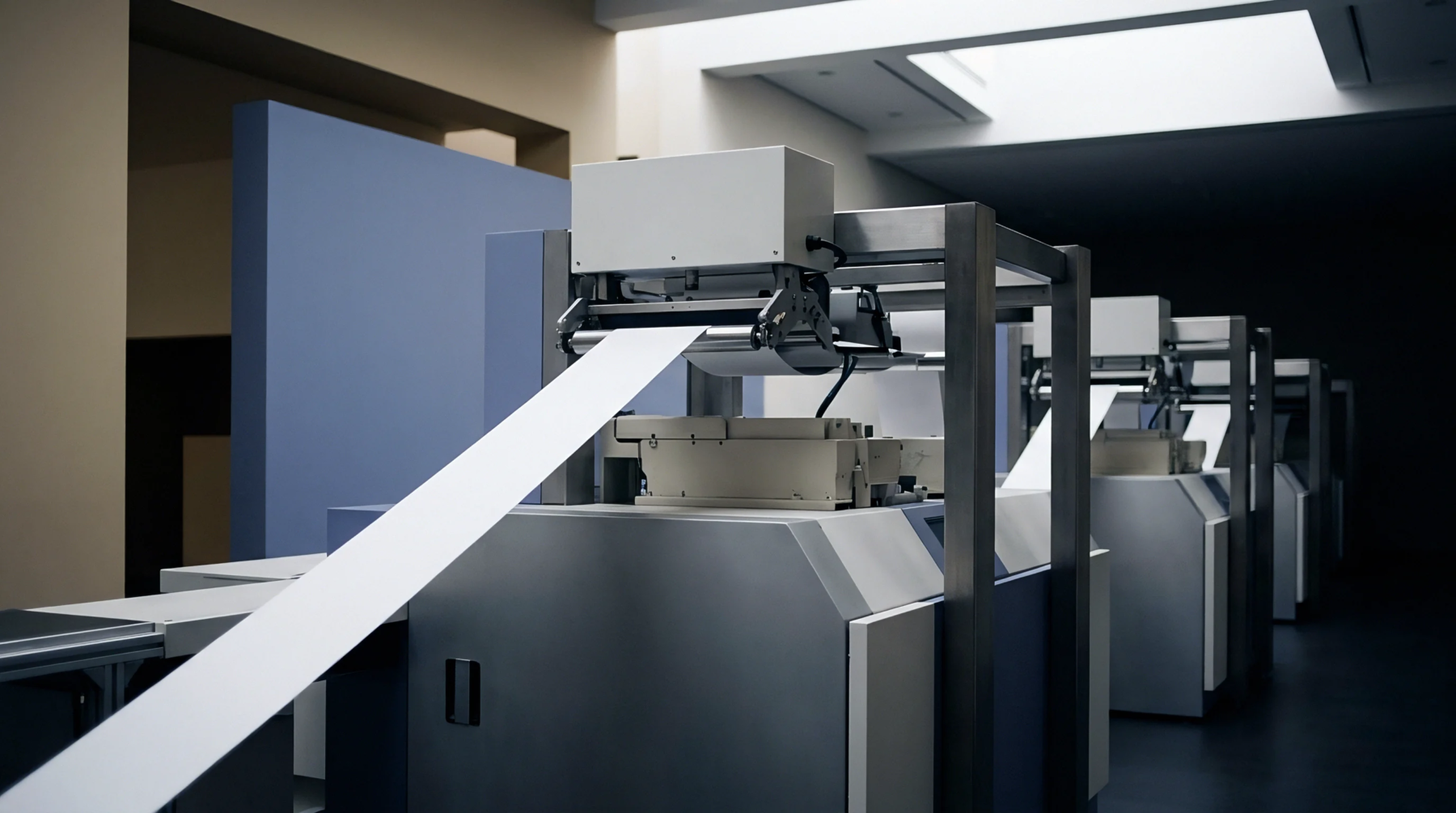
Mechanical reduction of paper web thickness achieved by passing the substrate between two pressurized rolls. In the finishing section of a paper mill, calender nip compression alters the density and smoothness of the paperboard before it is wound into reels. This process establishes the final caliper required for precise feeding through high-speed sheet-fed printing presses and folding machines.
Deformation Mechanism
Force applied in the nip collapses the void spaces between individual cellulose fibres, which forces them into closer contact and increases the overall smoothness of the sheet. Modern calenders utilize heated rolls to soften the lignin and hemicellulose in the fibres, which makes the structure more plastic and allows for permanent compaction at lower pressures. The intensity of calender nip compression dictates the balance between surface smoothness and the retention of bulk, because excess pressure degrades the stiffness of the final board.
If the board loses too much bulk, its resistance to bending diminishes.
Operational Limit
Excessively high nip pressure can cause structural damage to the paperboard by crushing the fibres and weakening the internal bond strength. This damage leads to delamination during high-speed printing or converting. Optimal compaction ensures that print quality is maintained without sacrificing carton strength.