Interface Heat Obstruction
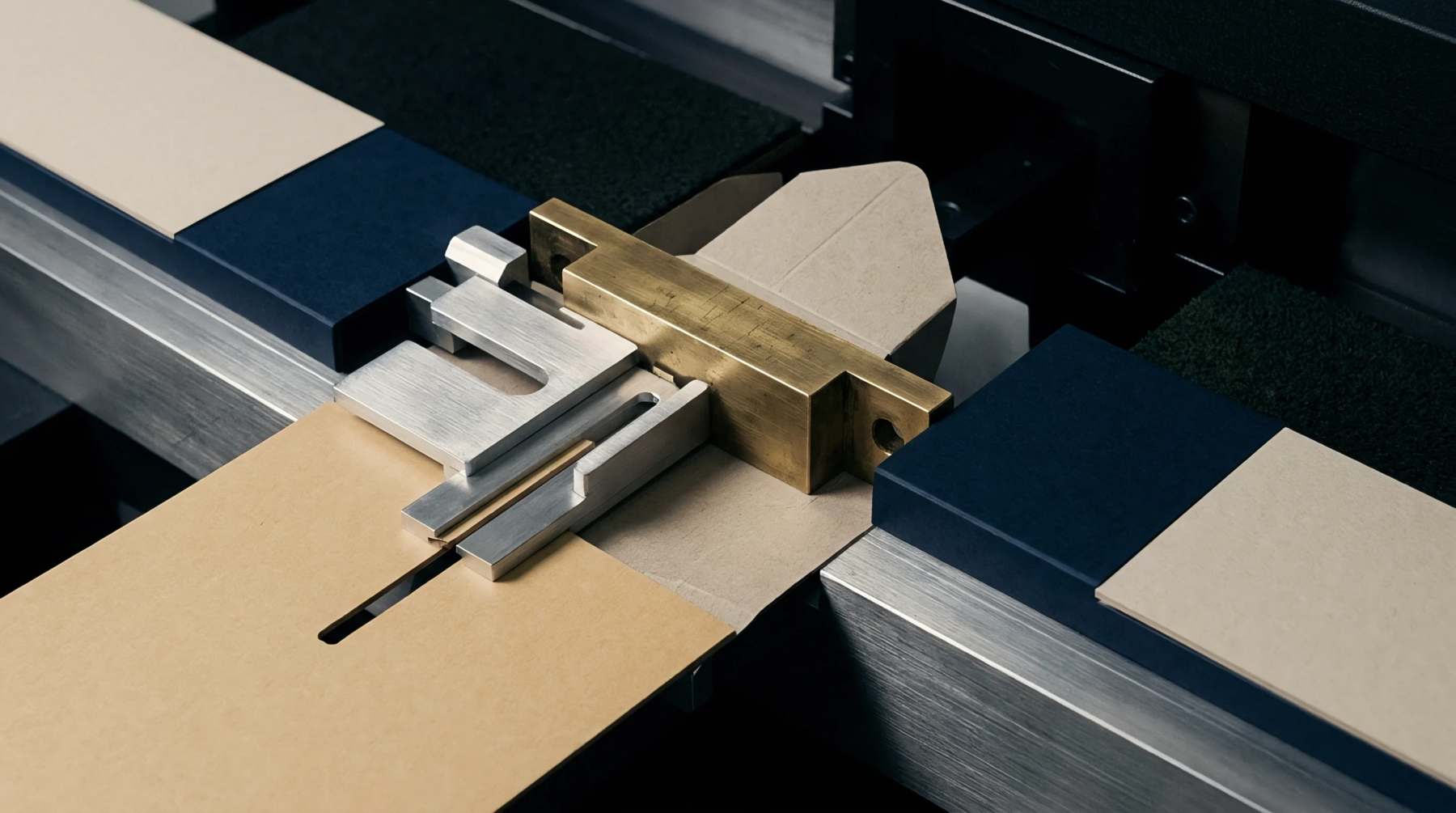
The thermal resistance that occurs at the boundary between two contacting solid surfaces due to microscopic air gaps and surface roughness determines the rate of heat flow across the interface. In paperboard converting and hot-roll laminating, thermal contact resistance limits the rate at which heat can be transferred from the heated metal roll into the paper web. This thermal barrier decreases as the contact pressure between the two surfaces rises, which compresses the air gaps.
Paper Surface Topography
Uncoated and textured papers possess a rough surface finish that limits the actual contact area with the heating source to a small fraction of the nominal area. Under low nip pressures, this high thermal contact resistance prevents the heat from penetrating the sheet quickly, which can result in spotty or incomplete lamination. The use of smoother papers or higher nip pressures increases the contact area, which lowers this resistance and allows for faster run speeds on the converting line.
Drying Cylinder Contact
Steam-heated cast iron cylinders in a paper machine dry the moving web by direct contact, where water acts as a thermal bridge. As the sheet dries and shrinks, thermal contact resistance rises, requiring higher steam pressures in the final cylinders to maintain the drying rate.