Multi Ply Board Layering Mechanics Impact on Creasing Performance
Controlled inter-ply shear delamination inside the middle layers under rule stroke impact converts rigid board into thin lamina, eliminating score cracking.
Controlled inter-ply shear delamination inside the middle layers under rule stroke impact converts rigid board into thin lamina, eliminating score cracking.
Cross direction score lines on solid bleached sulfate require a 50 percent crease stiffness reduction ratio achieved via a 1.8 to 2.0 times caliper matrix width.
Barrier coated folding boxboard converting demands female matrix channels widened to one point seven times caliper to prevent micro-fissuring.

Select matrix channel width equal to 1.5 times board caliper plus creasing rule thickness to achieve controlled internal ply delamination without liner cracking.

Matching counter matrix channel width to rule thickness plus 1.5 to 1.7 times board caliper prevents clay coating rupture and stabilizes carton score stiffness.
Piezoelectric sensor frequency response calibration prevents amplitude distortion during high speed creasing by matching amplifier cutoff to rule strike transients.
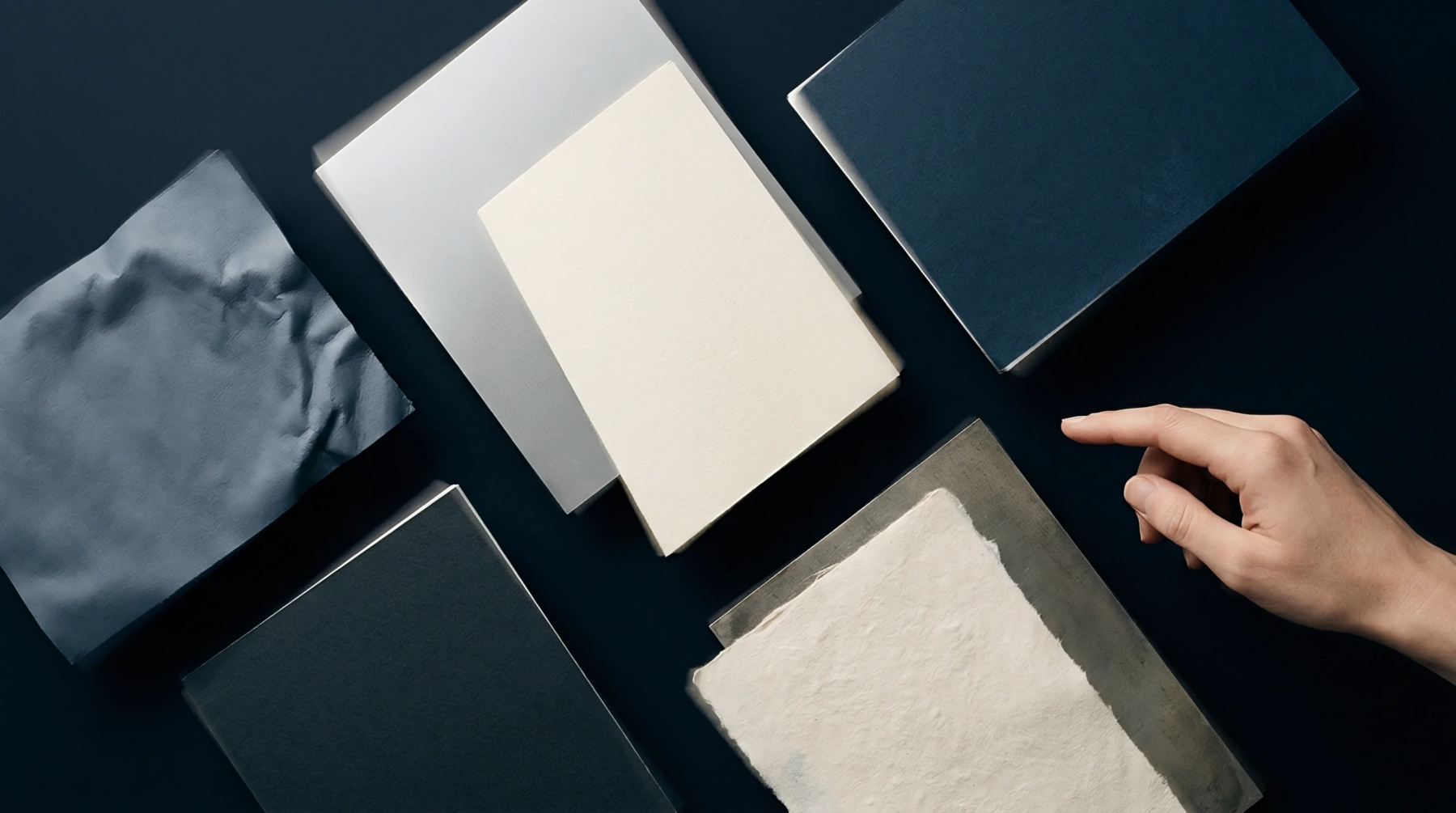
Calibrated matrix channel width relies on board caliper, rule thickness, and fiber shear mechanics to prevent liner cracking and gluer jams.
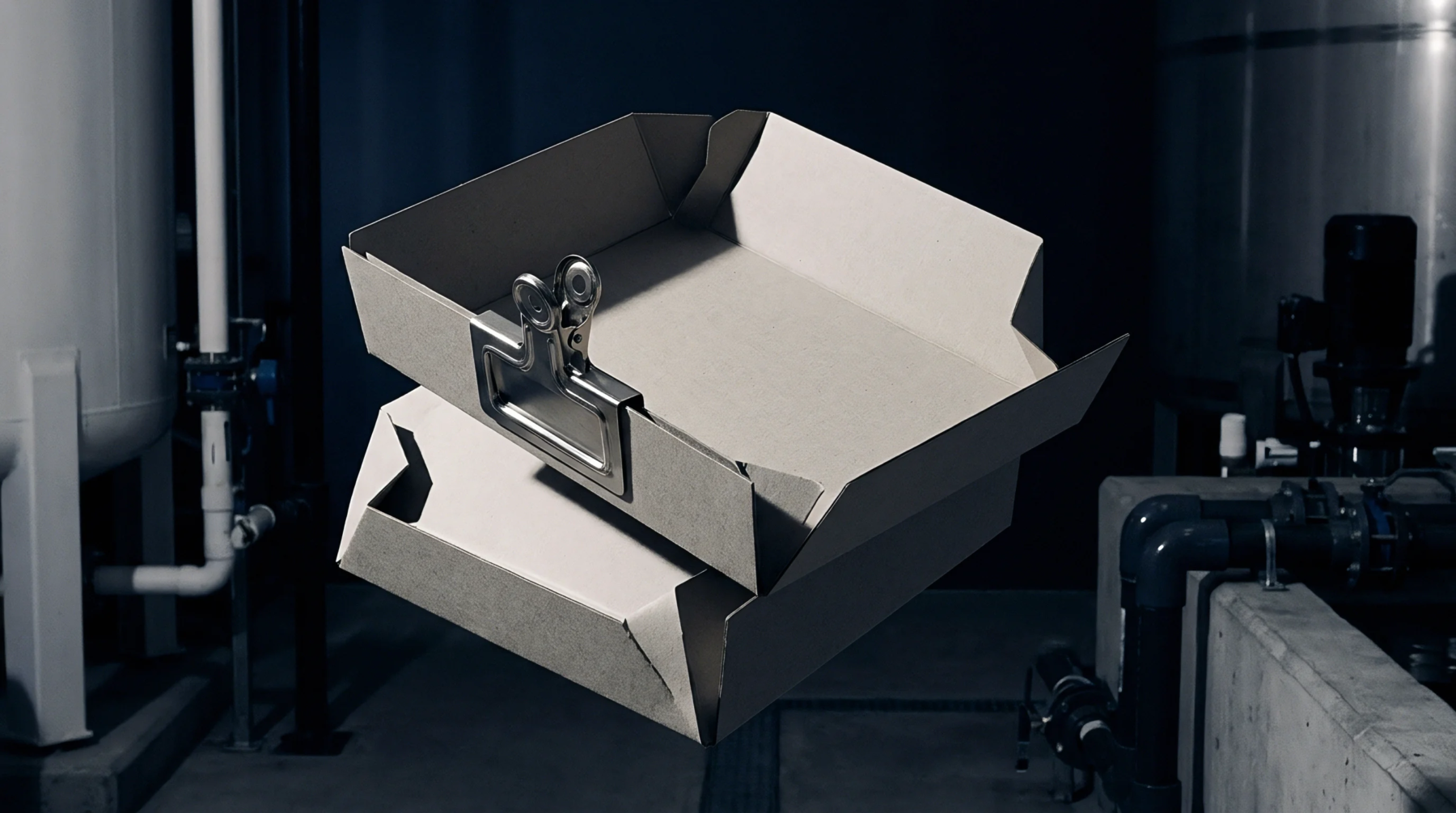
Dynamic strain rate hardening increases Z-direction stiffness during high-speed die cutting, demanding wider matrix channels to prevent crease cracking.
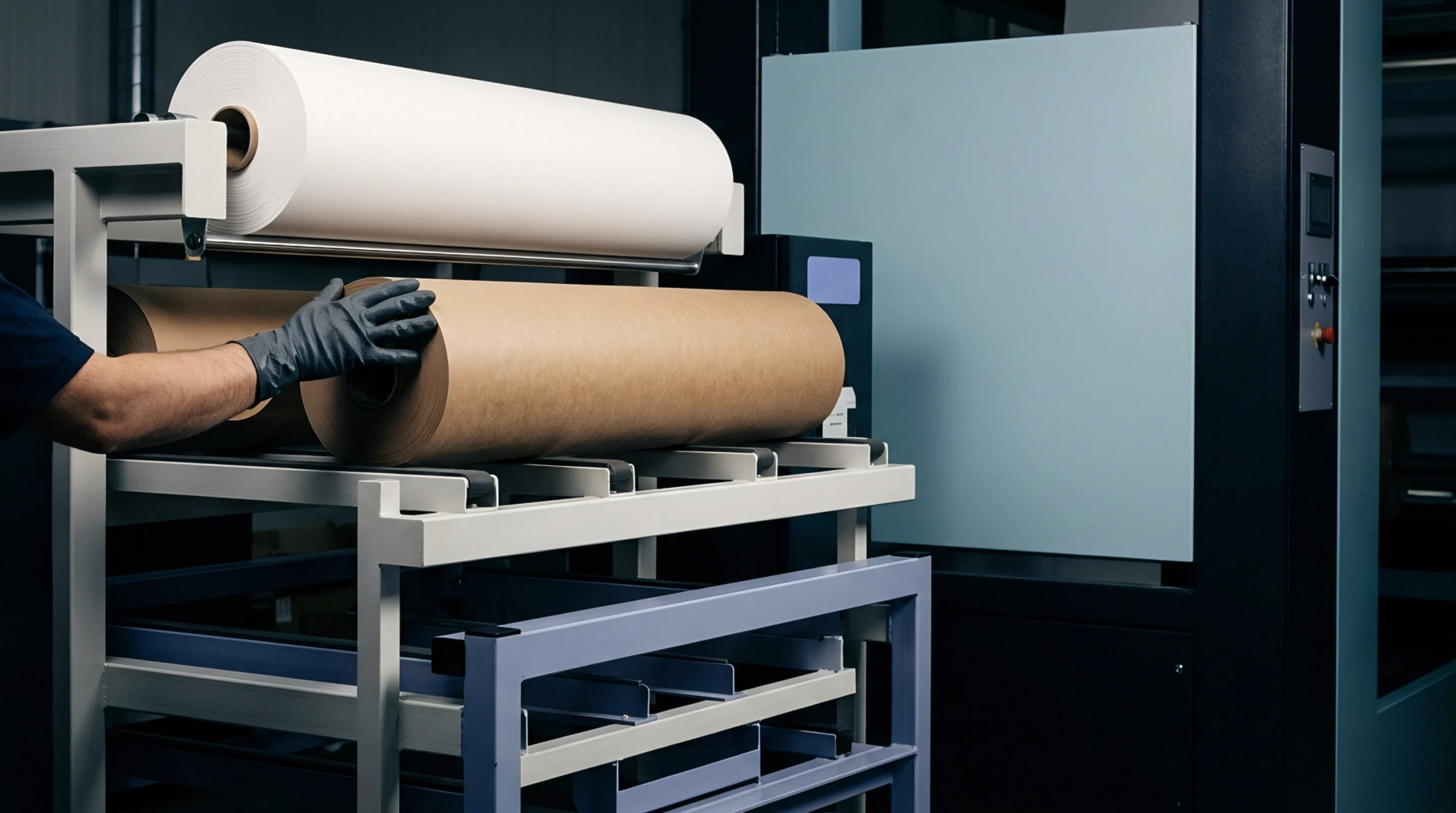
Real-time platen bed deflection correction eliminates crease depth variance across wide formats, preventing high-speed packaging jams and cutting tooling wear.
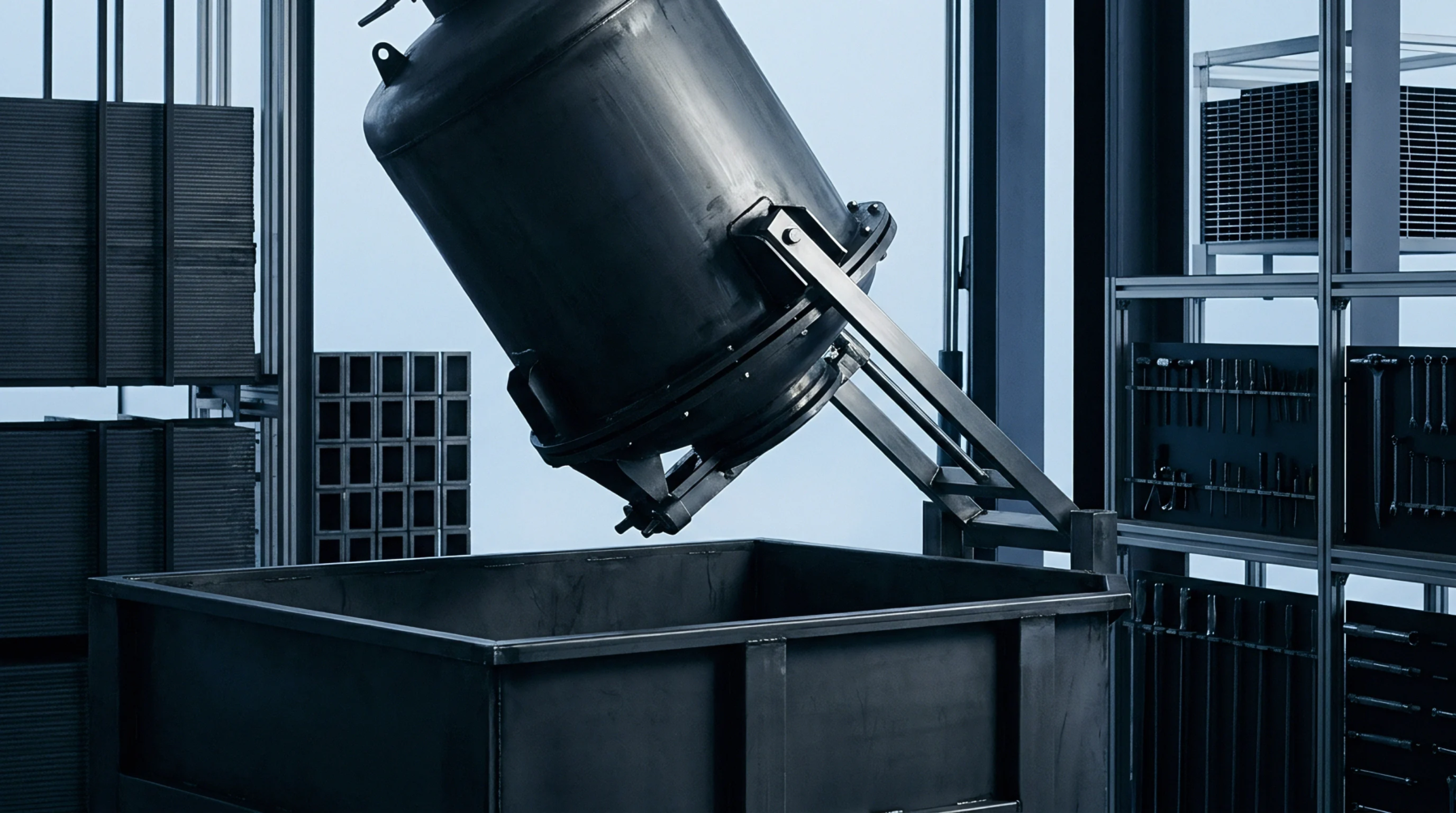
Elevated humidity reduces Z-directional tensile limits by forty percent, demanding wider matrix channels and pressure-sensitive tape with high tack shear adhesive.
Polypropylene lamination delaminates at high crease strain rates because viscoelastic stiffening elevates shear stress beyond interfacial adhesive bond strength.
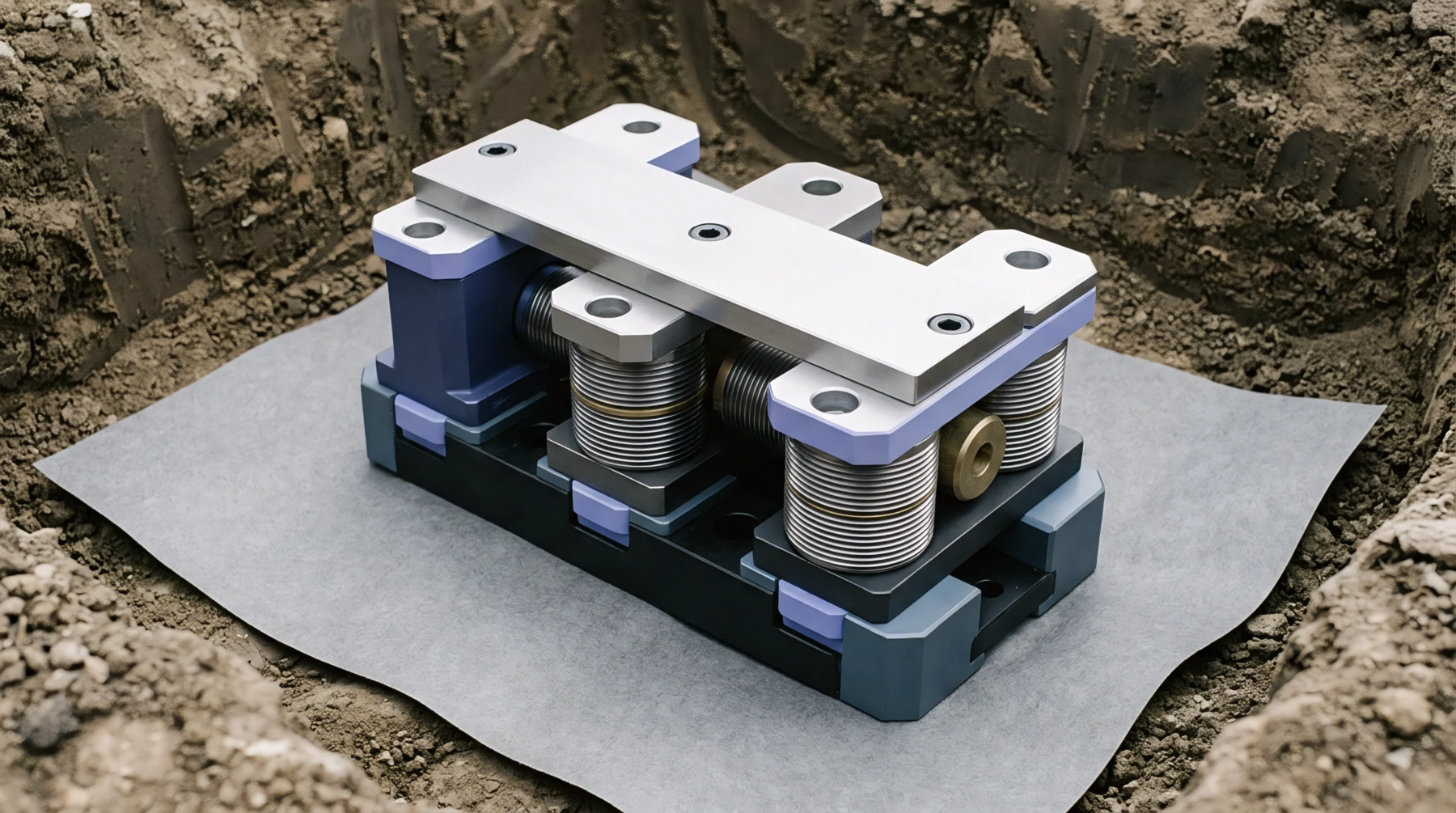
Polymer component screening identifies residual monomers, mobile additives, and degradation products in aqueous food packaging coatings before line conversion.
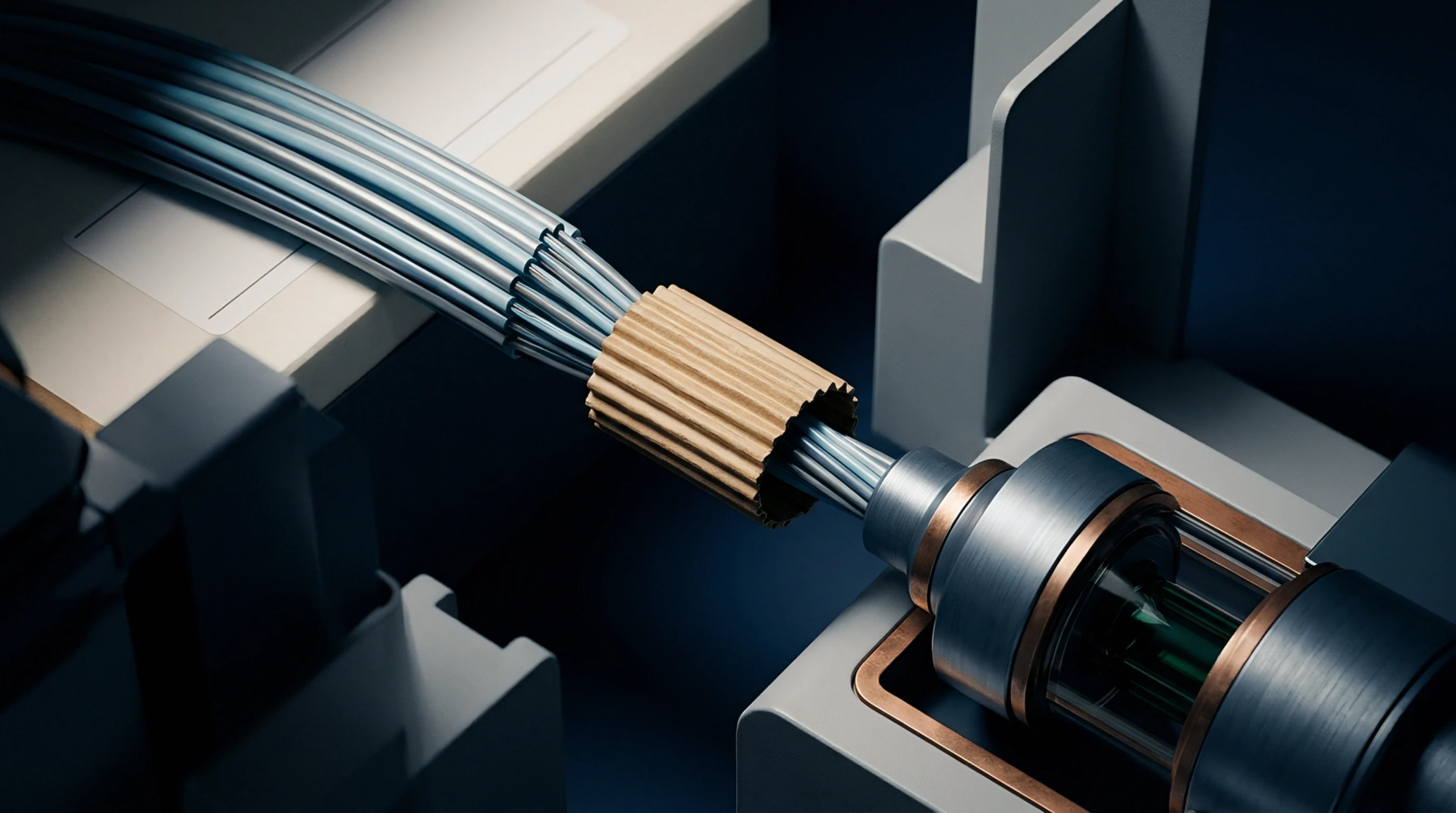
Extrusion coatings resist humidity until creasing strain shears polymer-fiber bonds, opening edge-wicking pathways that inflate converting scrap.
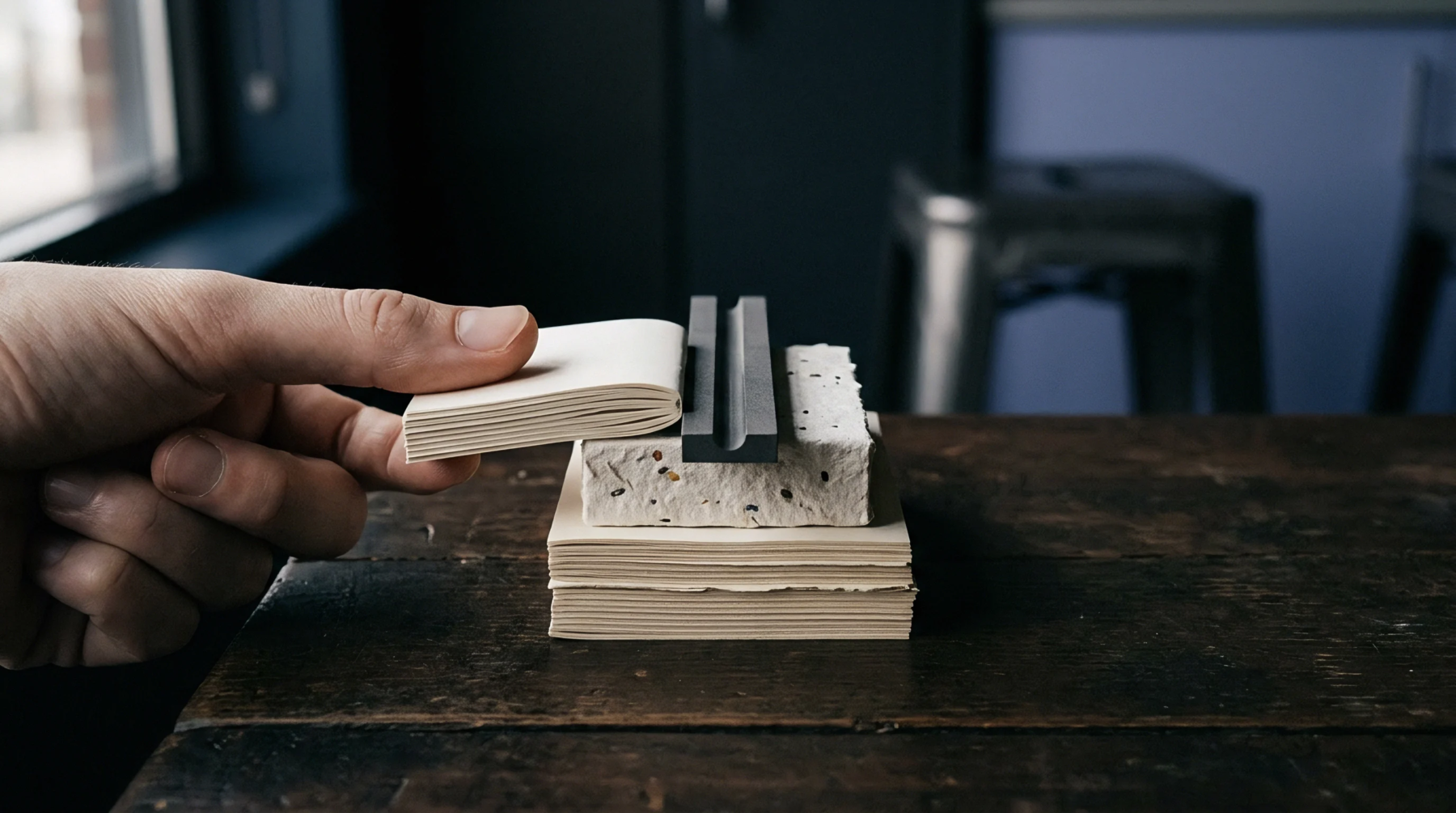
Controlled transverse shear delaminates the middle ply into sliding plates, lowering folding torque and protecting outer coated liners from tensile fracture.
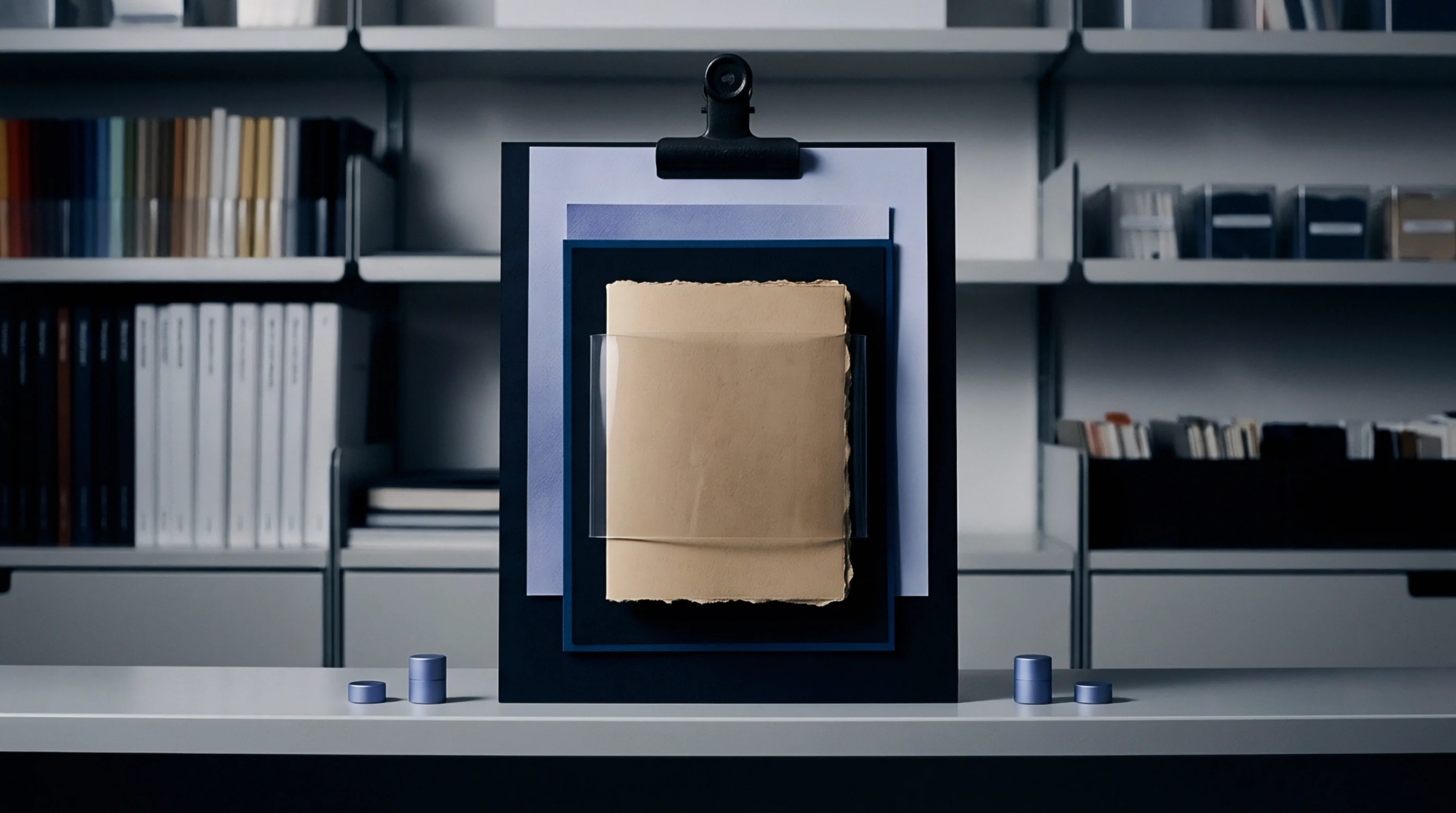
Optimize SBS counter matrix width by setting channel clearance to rule thickness plus 1.40 to 1.50 times caliper to induce delamination without surface rupture.
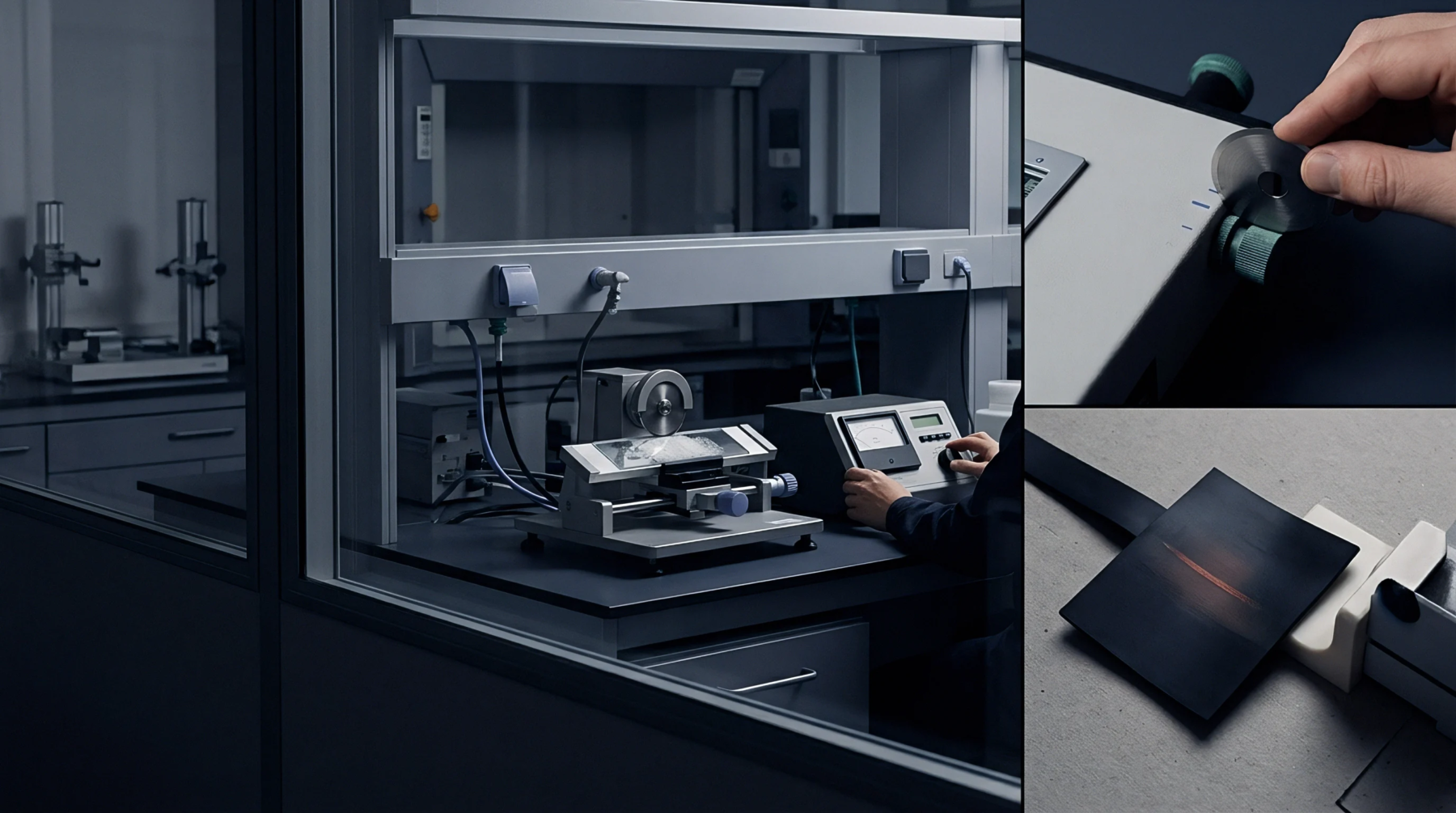
Verify paperboard crease stiffness by conditioning to ISO 187, clamping within 0.5 mm of the score, and targeting a board-to-crease ratio between 2.5 and 3.5.
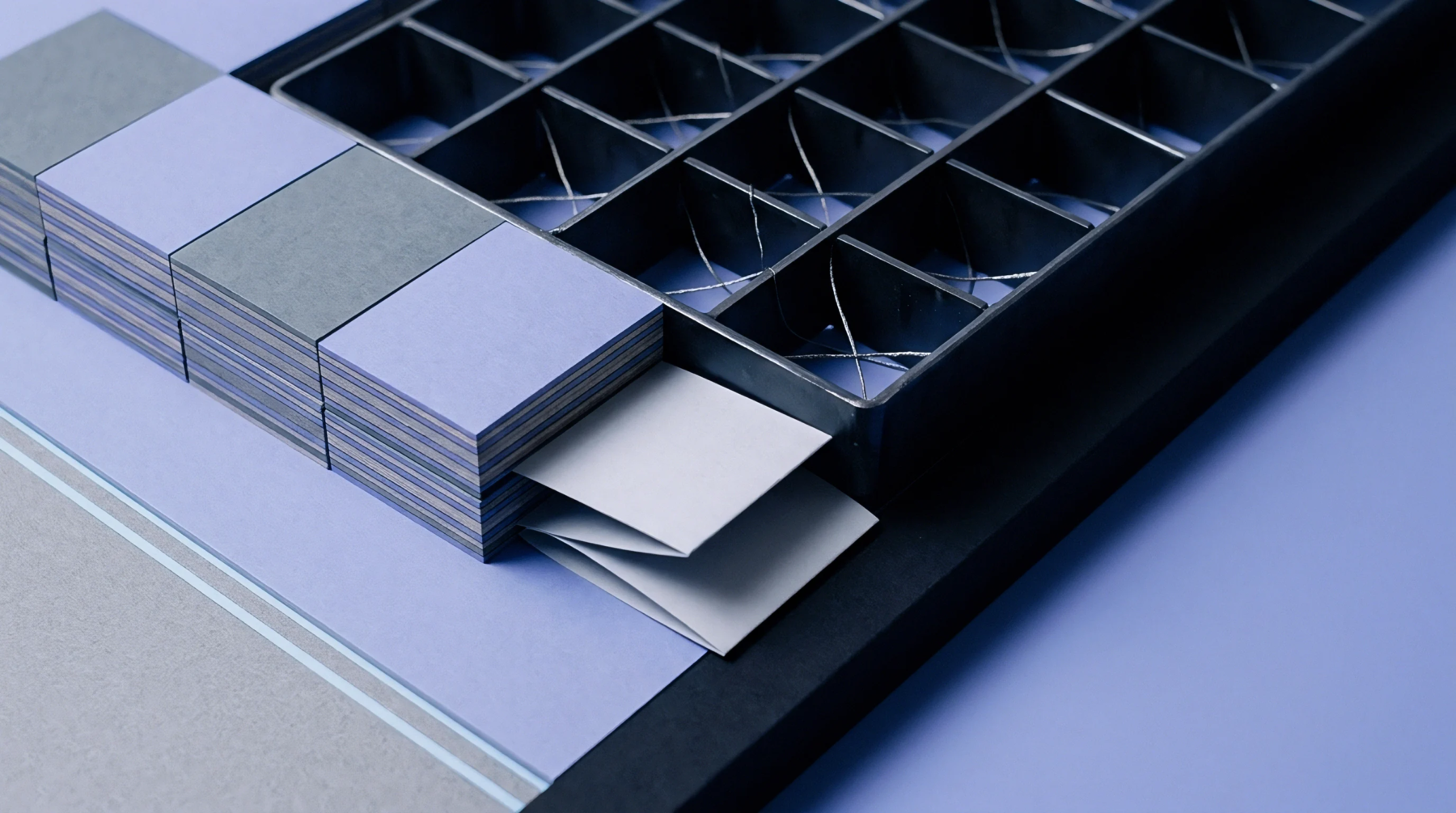
Multilayer cartonboard requires grade-specific counter die channel width calculations combining rule thickness, moisture-adjusted caliper, and fiber-yield multipliers.
Online laser profilometry decouples baseboard moisture from tool wear by combining frequency filtering with synchronized upstream near-infrared moisture sensors.

Calculate creasing matrix channel width using the formula W = T + (F × C), selecting factor F between 1.4 and 1.7 based on board grade and fiber stiffness.
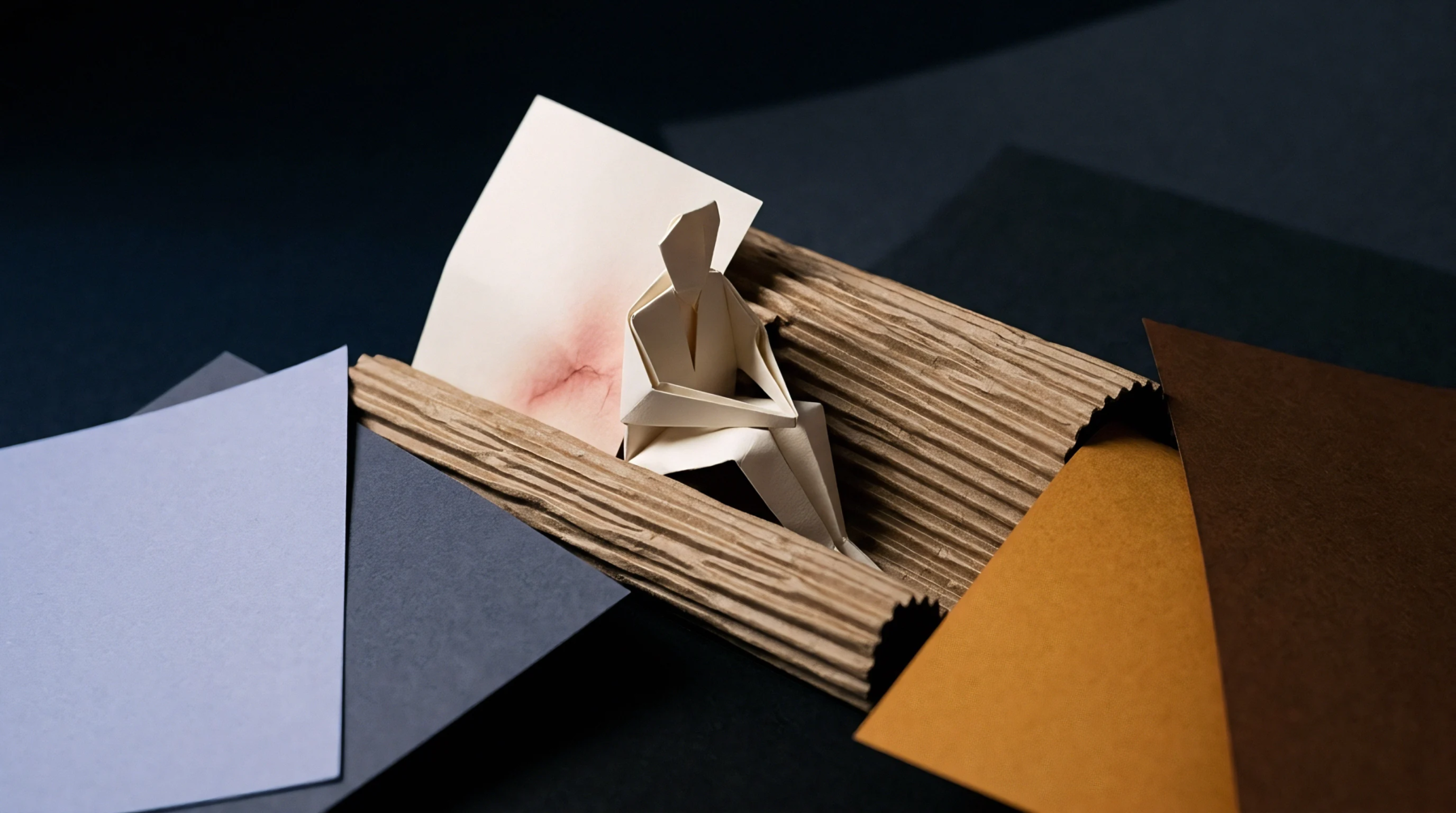
Base matrix channel width for virgin folding boxboard on rule thickness plus 1.45 times caliper, setting channel depth equal to measured sheet thickness.
Controlled interply shear delamination during creasing prevents outer liner cracking and hinge failure in multi-ply recycled folding cartonboard.

Acoustic emission calibrates multiply board creasing by tracking high-frequency ply delamination bursts to stop liner fractures before carton blanks leave the die.

Controlled multi-ply board creasing requires tuning rule penetration energy to exceed core shear strength without passing the outer liner tensile fracture limit.

Optimize charge amplifier response during board scoring by coupling wideband Bessel filtering with ten-teraohm feedback to isolate true ply delamination.
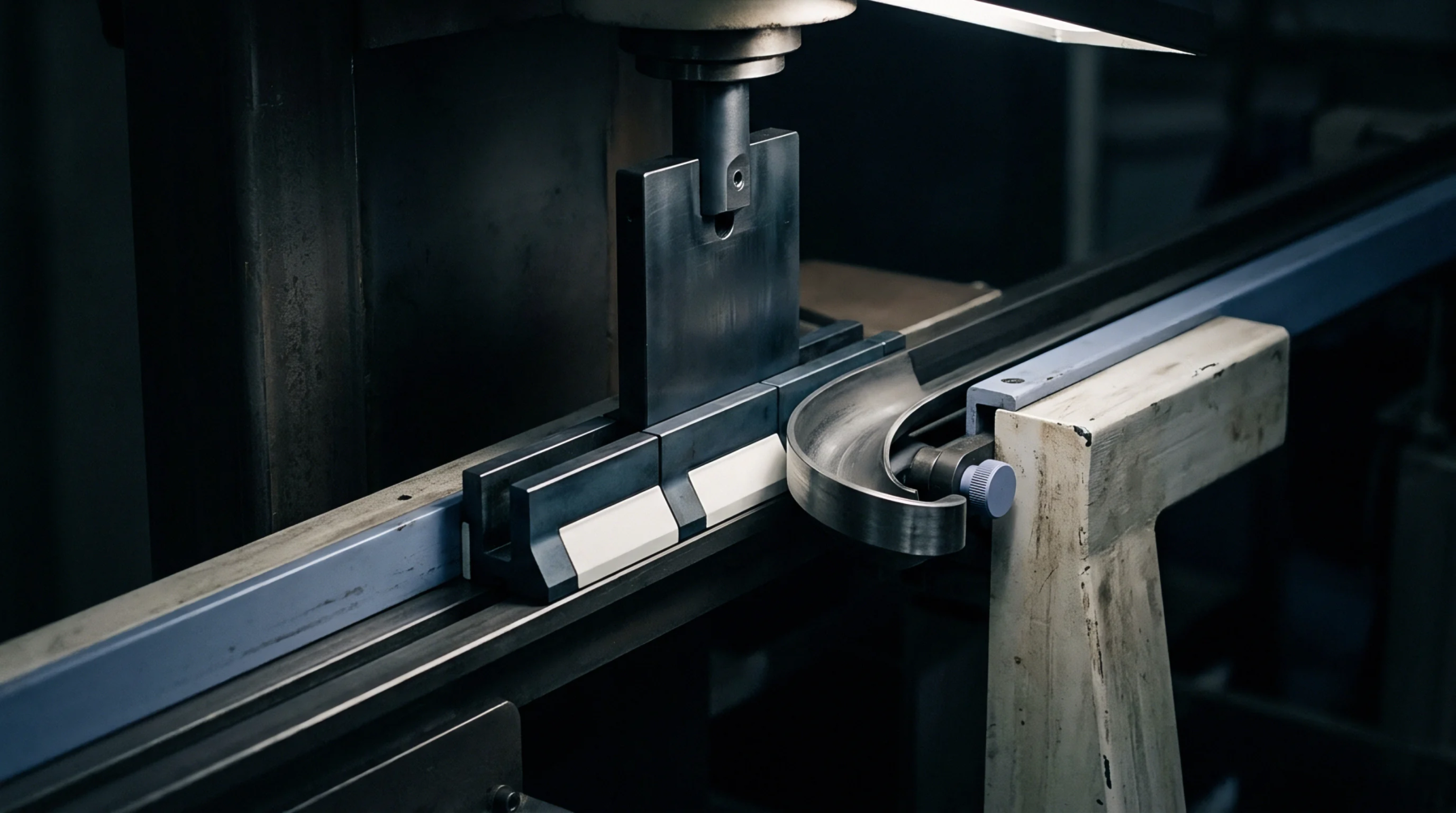
Optimizing crease tooling for coated recycled paperboard demands expanding counter channel widths to 1.65 times caliper to induce controlled ply delamination.
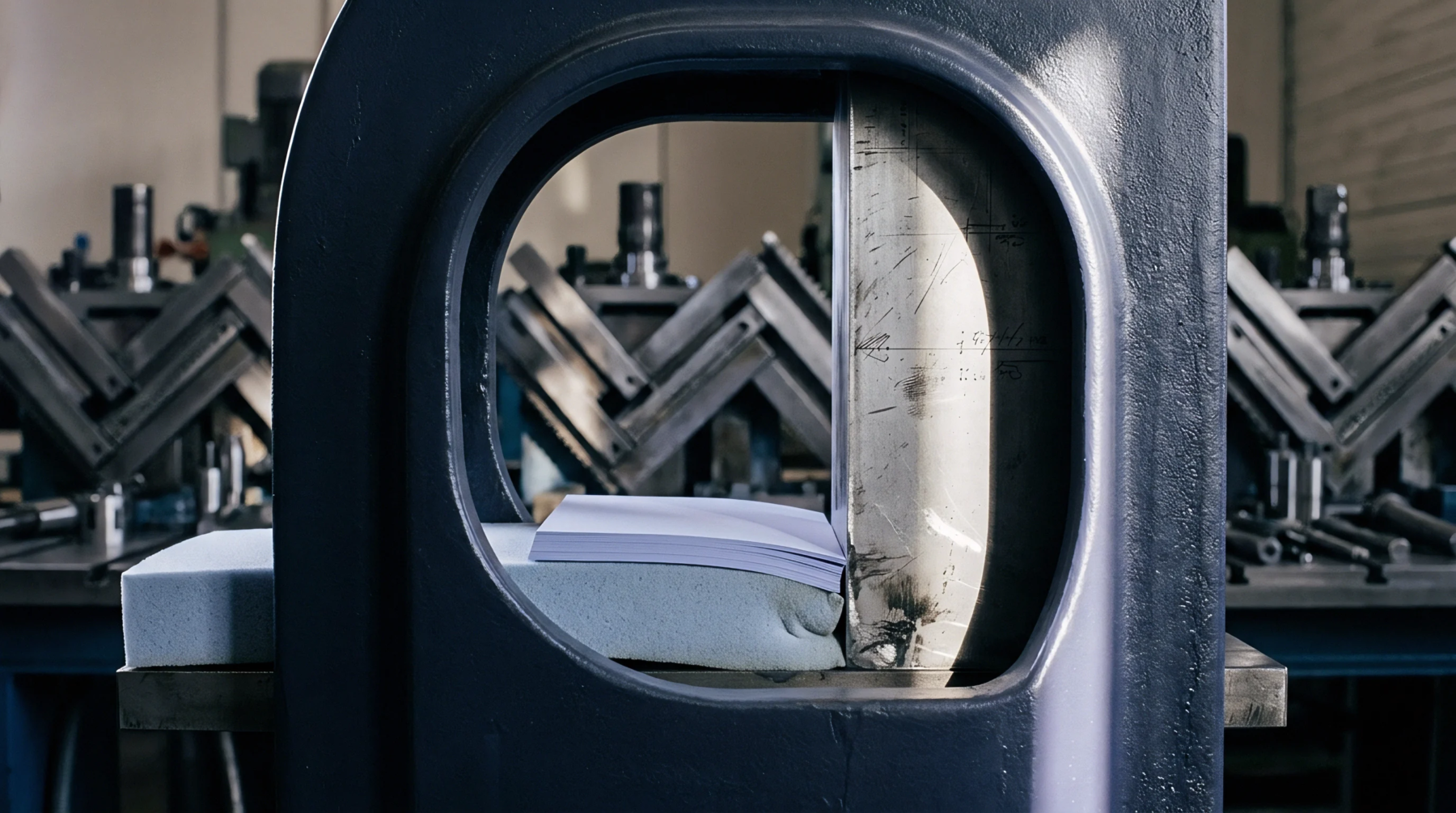
Recycled board requires 15 to 25 percent wider counter channels with radiused shoulders to absorb dynamic shear without splitting mineral coatings at speed.
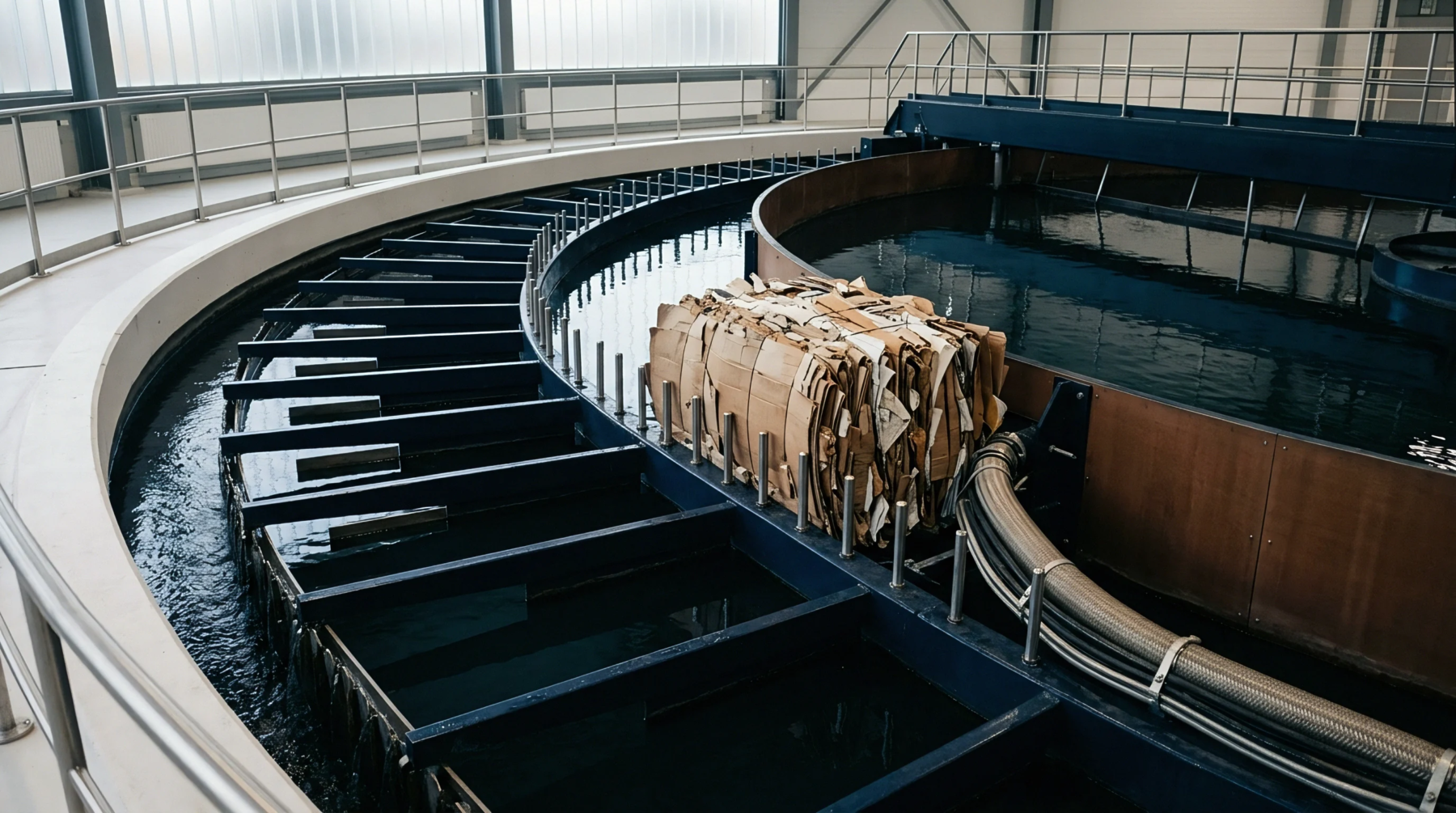
Creased aqueous barrier paperboard requires wider die channels and lower pigment volume to prevent coating rupture and massive water vapor transmission spikes.
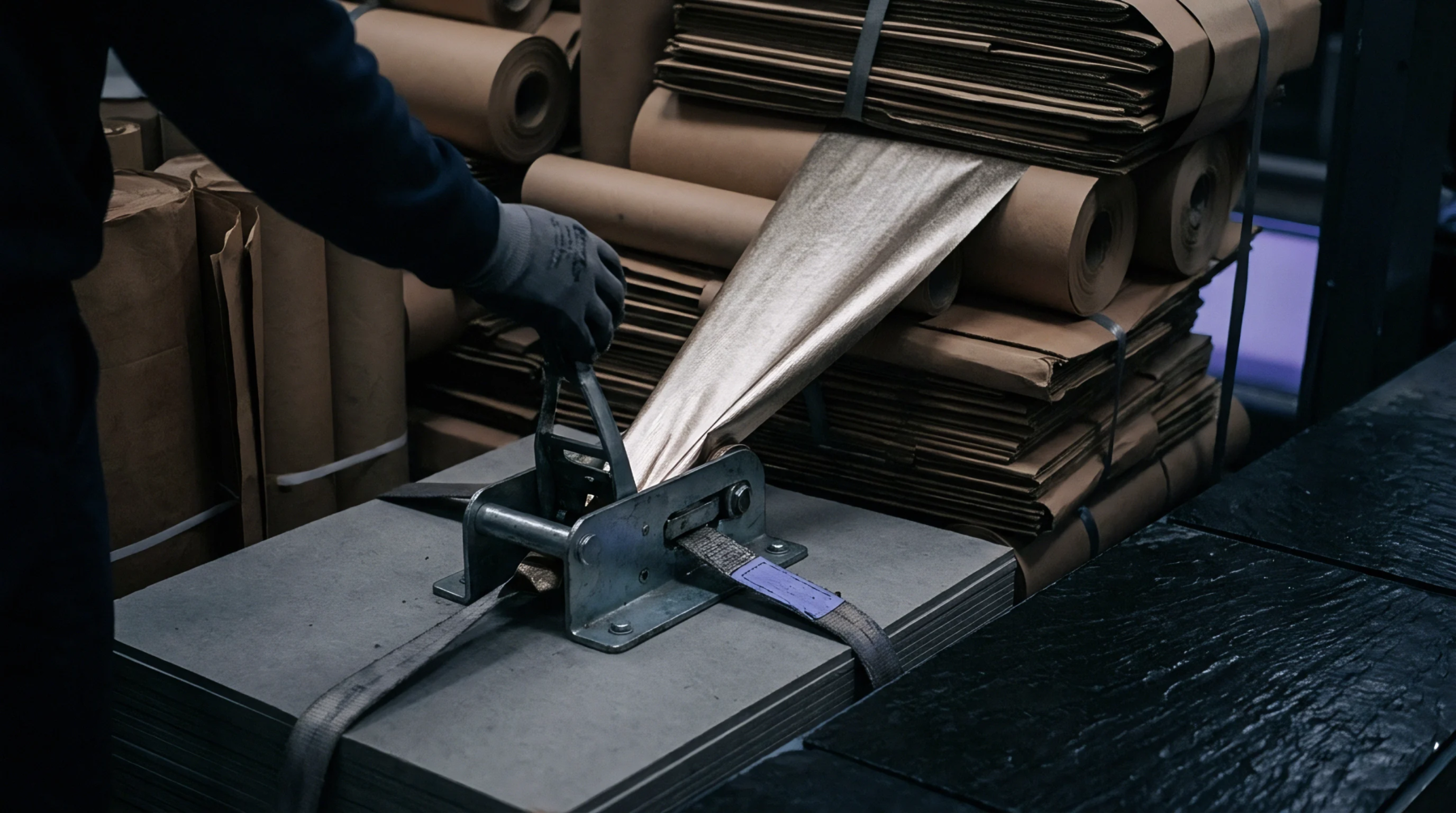
Polymer film microcracking on recycled board formats is predicted by dynamic strain-at-break testing under ISO 1924-3 at strain rates exceeding 200 s⁻¹.
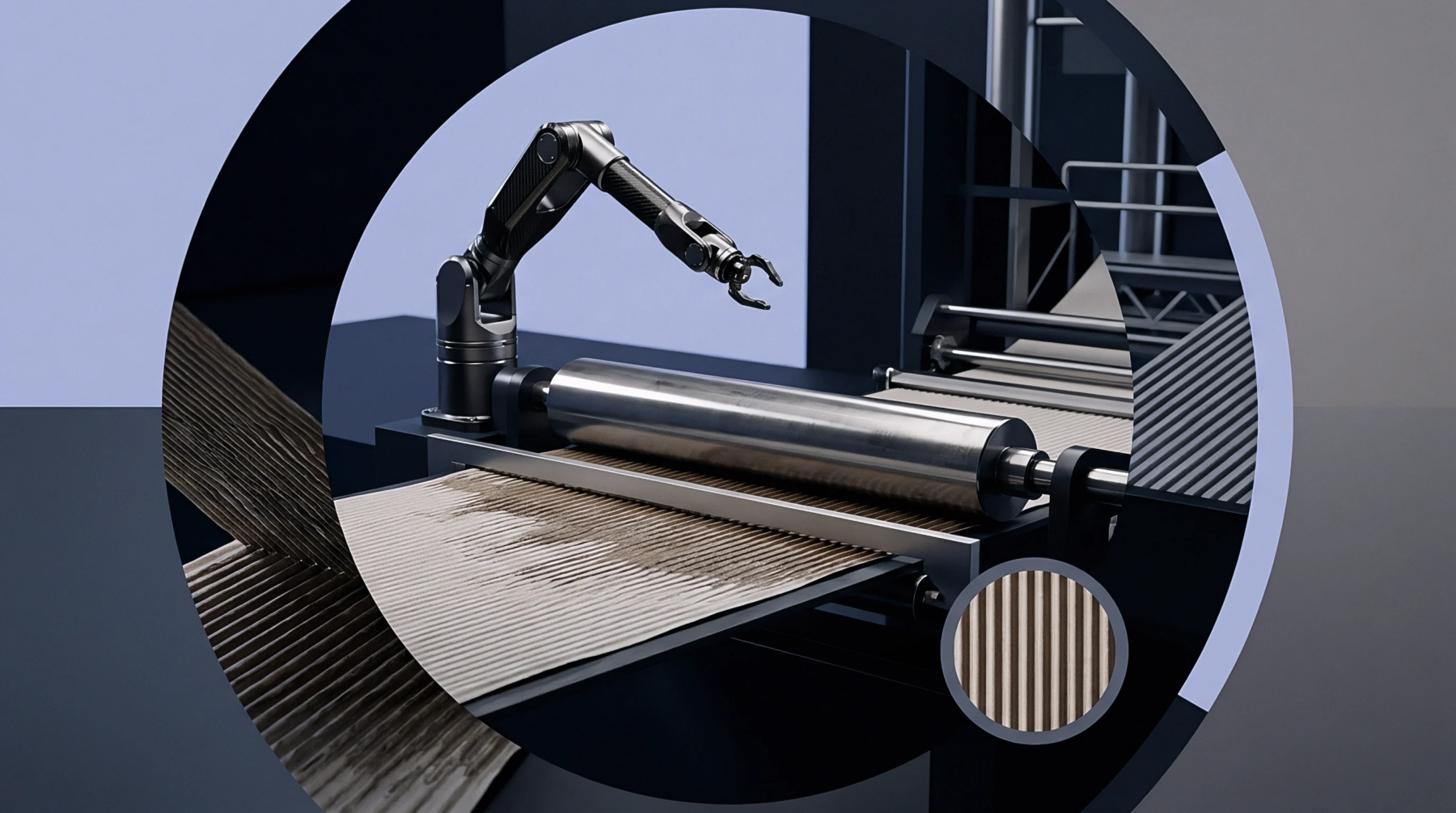
Matrix channel width variations dictate shear delamination depths in chemical linerboard, where deviating from optimal channel sizing drastically increases crease stiffness.
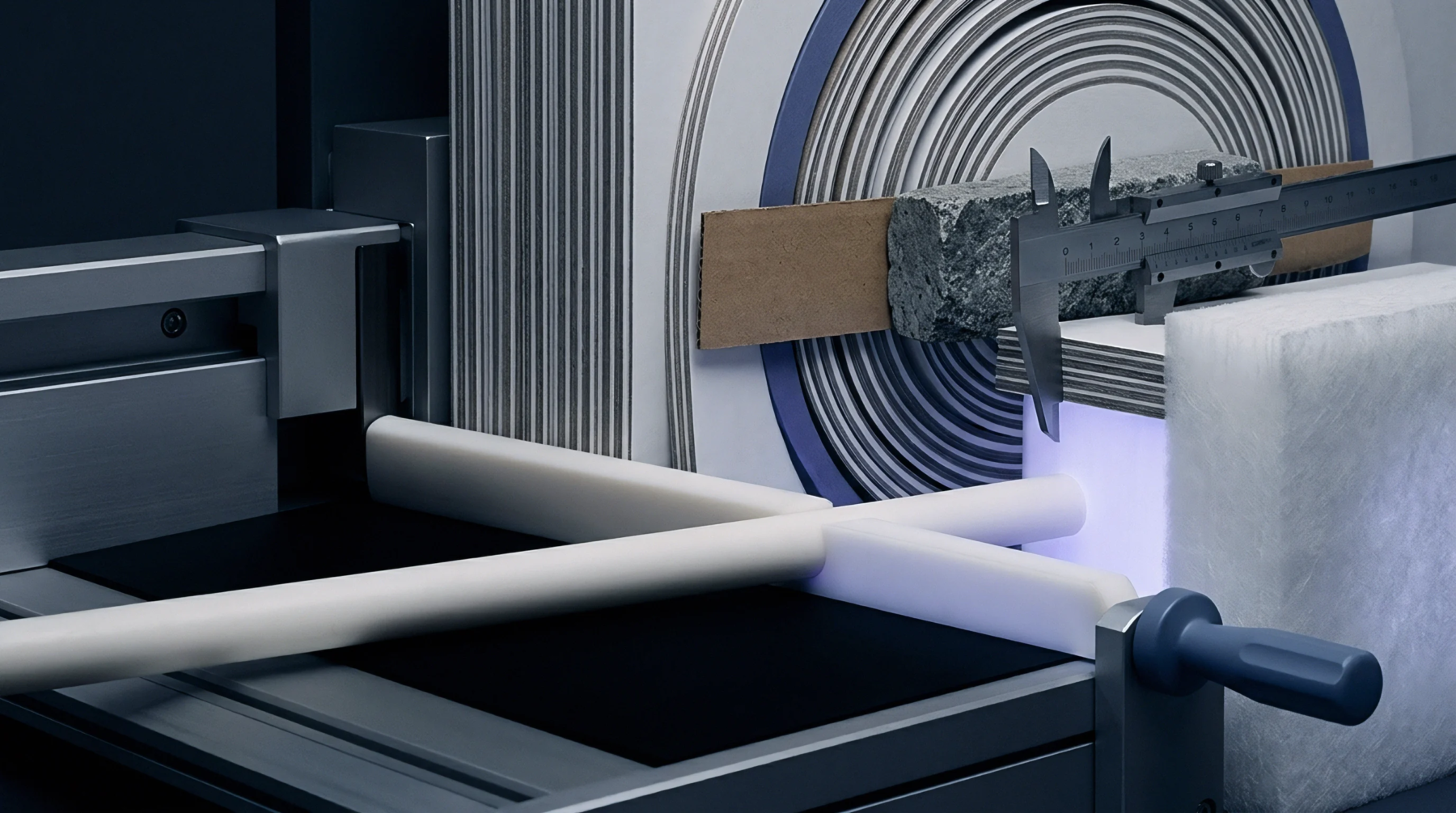
Calibrating paperboard yield stress via oscillatory mechanics prevents score line cracking by matching die channel dimensions to dynamic coating strain limits.
Expertise is a utility, not a secret. sentiention™ publishes its working knowledge as open reference: intelligence layer covering the materials it sources, the markets it enters, and the reference that serves both.