Structural Estimate
Analytical prediction of edge crush resistance determines how corrugated fibreboard performs under vertical compressive force through a calculation based on board caliper and linerboard ring crush values. The mckee formula translates these raw material properties into an expected stack strength for a finished box geometry by applying a specific mathematical model. This estimation relies on board thickness as a primary variable because heavier gauges increase the moment of inertia for the sidewalls.
Engineers apply the model during the design phase to calculate stacking limits before a single sheet moves through the corrugator. Accurate results require precise measurement of the constituent liner weights and medium flute geometry. When the moisture content of the fibre rises, the effective stiffness drops and necessitates a downward adjustment of the predicted load capacity.
Compression Limit
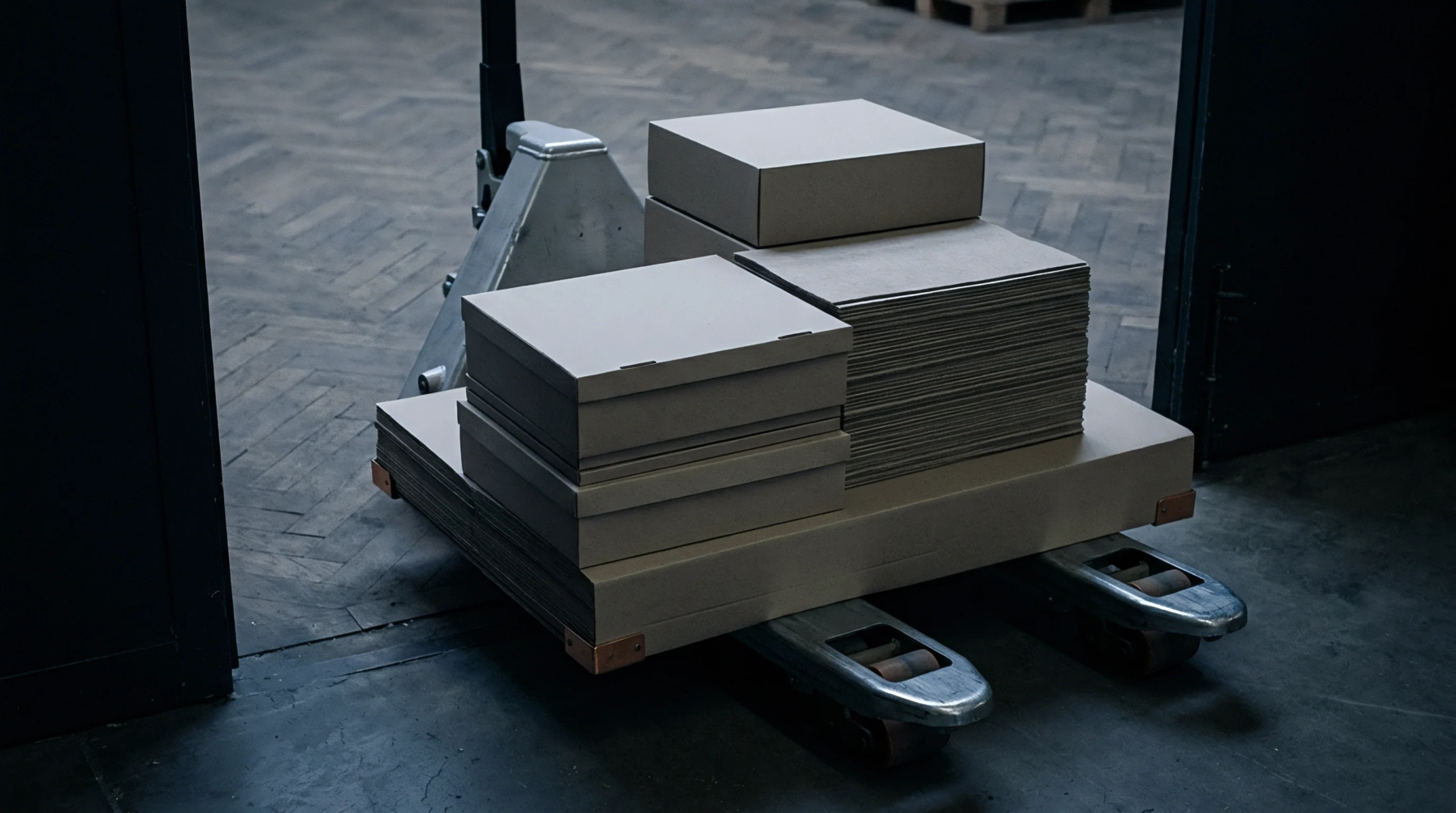
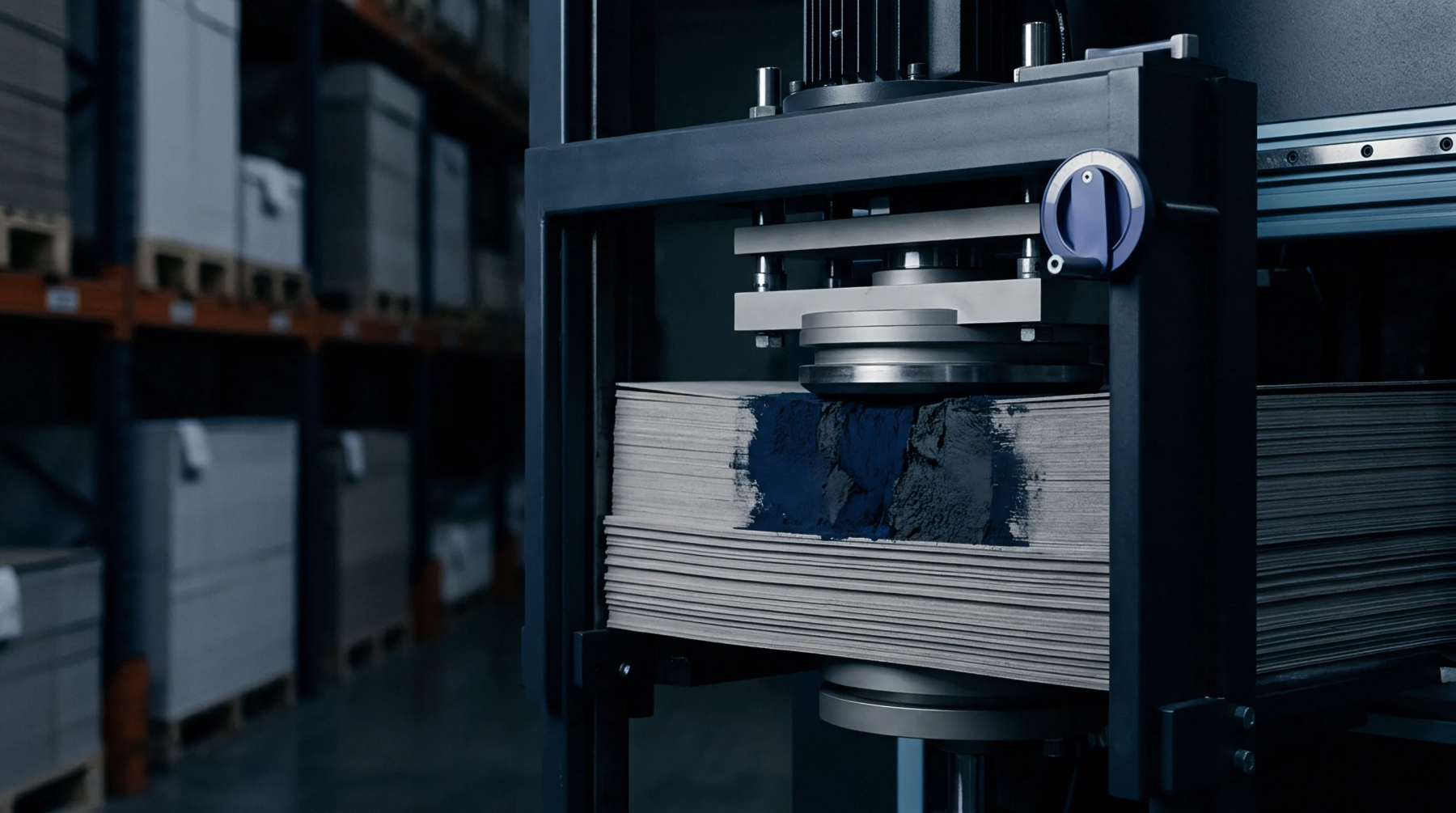
Strength testing protocols apply this method to verify that shipping containers survive the warehouse environment during palletization. The calculation assumes perfect box construction where score lines function without cracking and panels remain flat under pressure. Manufacturing tolerances often dictate the margin between theoretical performance and actual failure during physical testing.
Small variances in the application of adhesive at the joint or slight crushing of the flutes during slotting cause deviations from the predicted load values. Production teams monitor these deviations to adjust settings on the converting equipment. Constant humidity fluctuations alter the structural integrity of the paperboard, which forces a recalculation of the maximum allowable stacking height to avoid catastrophic collapse of the lower units in a stack.
Material Constraint
Physical behaviour of the substrate remains outside the scope of this calculation if the box geometry includes complex cutouts or irregular shapes that create uneven stress distribution. The model performs best on standard regular slotted containers where the side load remains uniform across all four vertical panels. Reliance on the mckee formula provides an initial screening tool for packaging development but confirms that the final specification of a container relies on empirical testing with actual product loads.
The formula serves as a baseline rather than a final certification of structural failure.