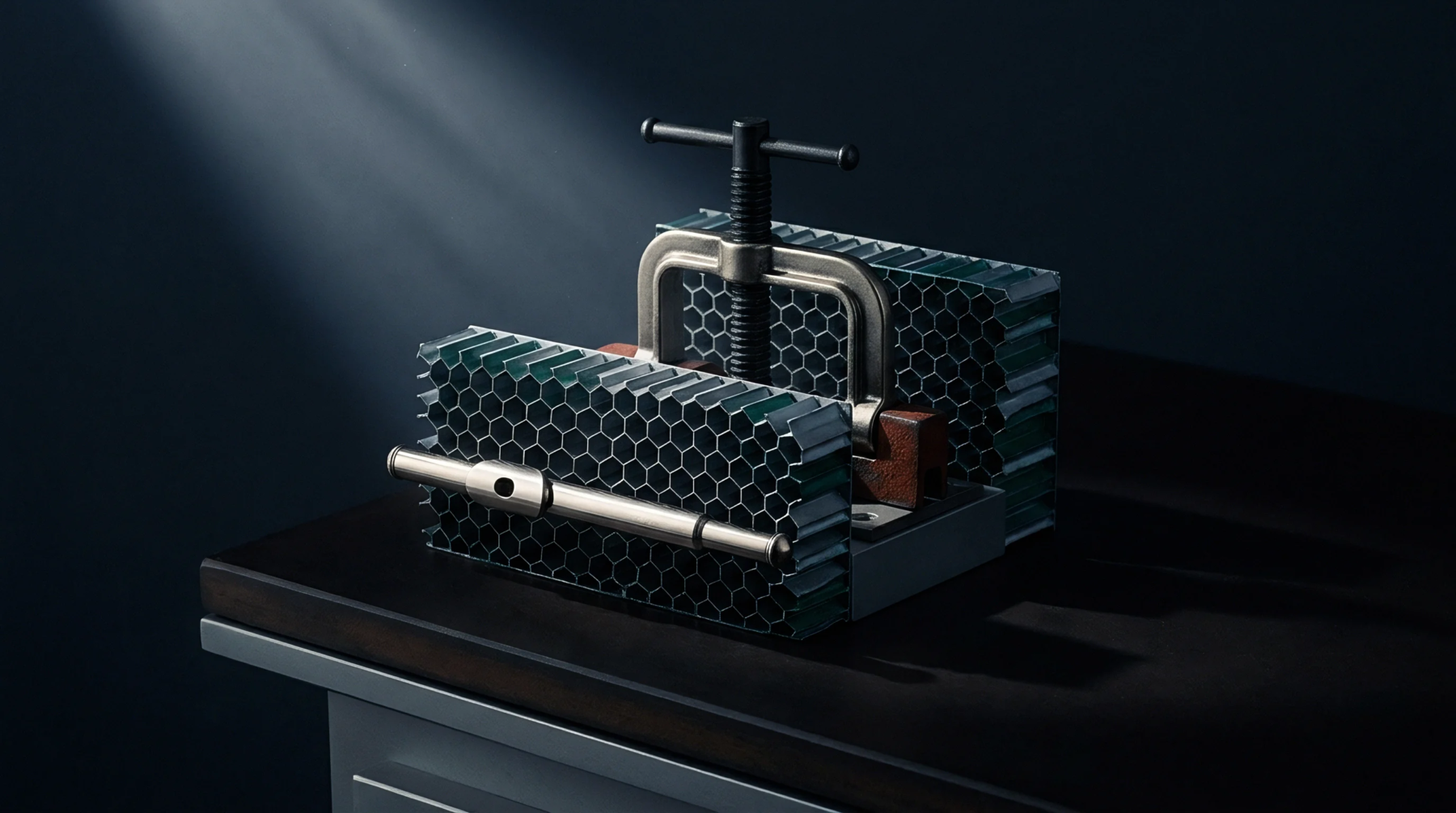
Downgauging Folding Boxboard without Losing Compression Strength
Downgauging folding boxboard demands increasing core bulk and outer ply elastic modulus to preserve caliper and bending stiffness under McKee formula laws.
Downgauging folding boxboard demands increasing core bulk and outer ply elastic modulus to preserve caliper and bending stiffness under McKee formula laws.
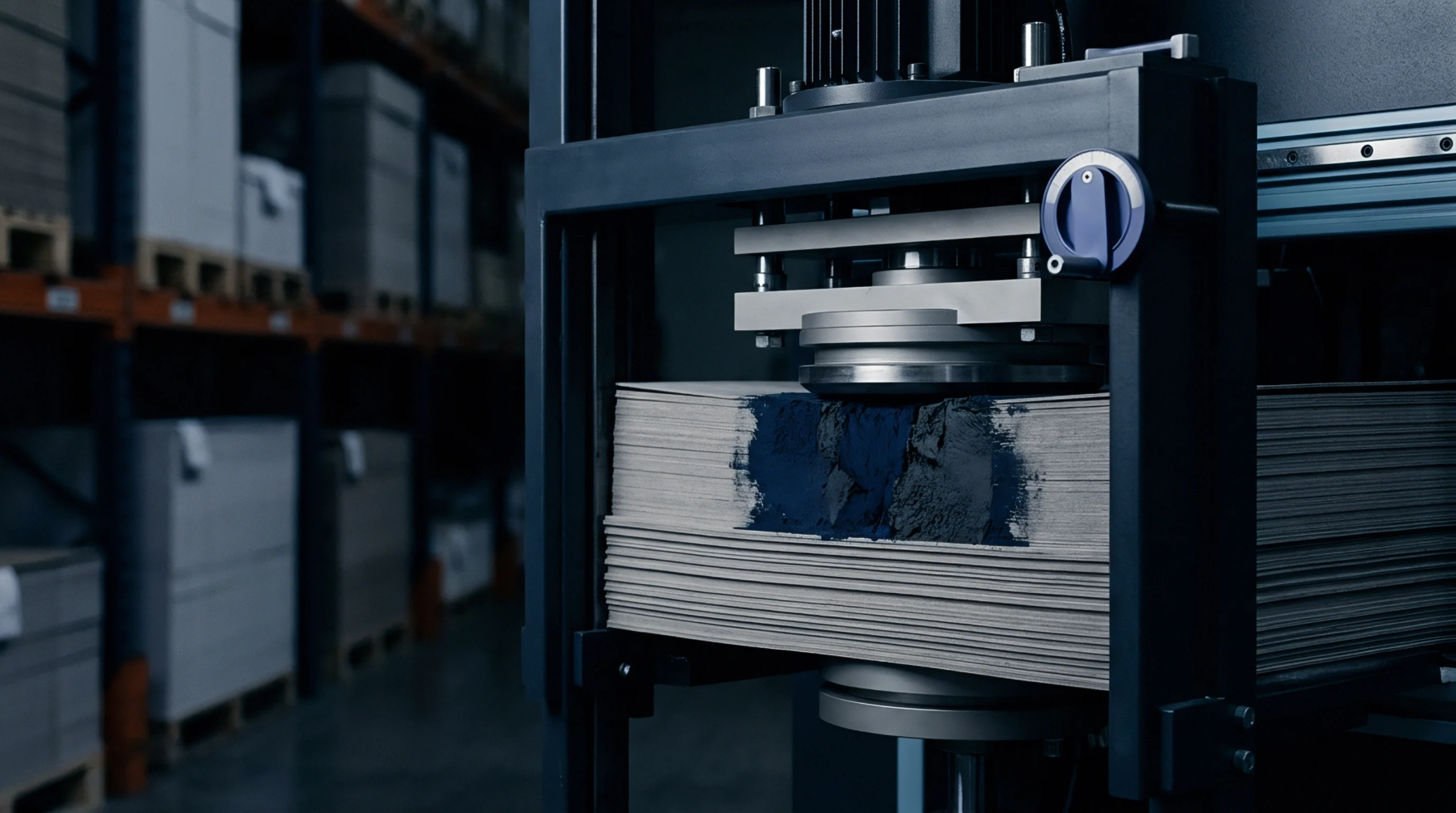
Dynamic Mechanical Analysis reveals high-speed converting nips collapse high-bulk BCTMP middle plies, dropping bending stiffness up to twenty-six percent.
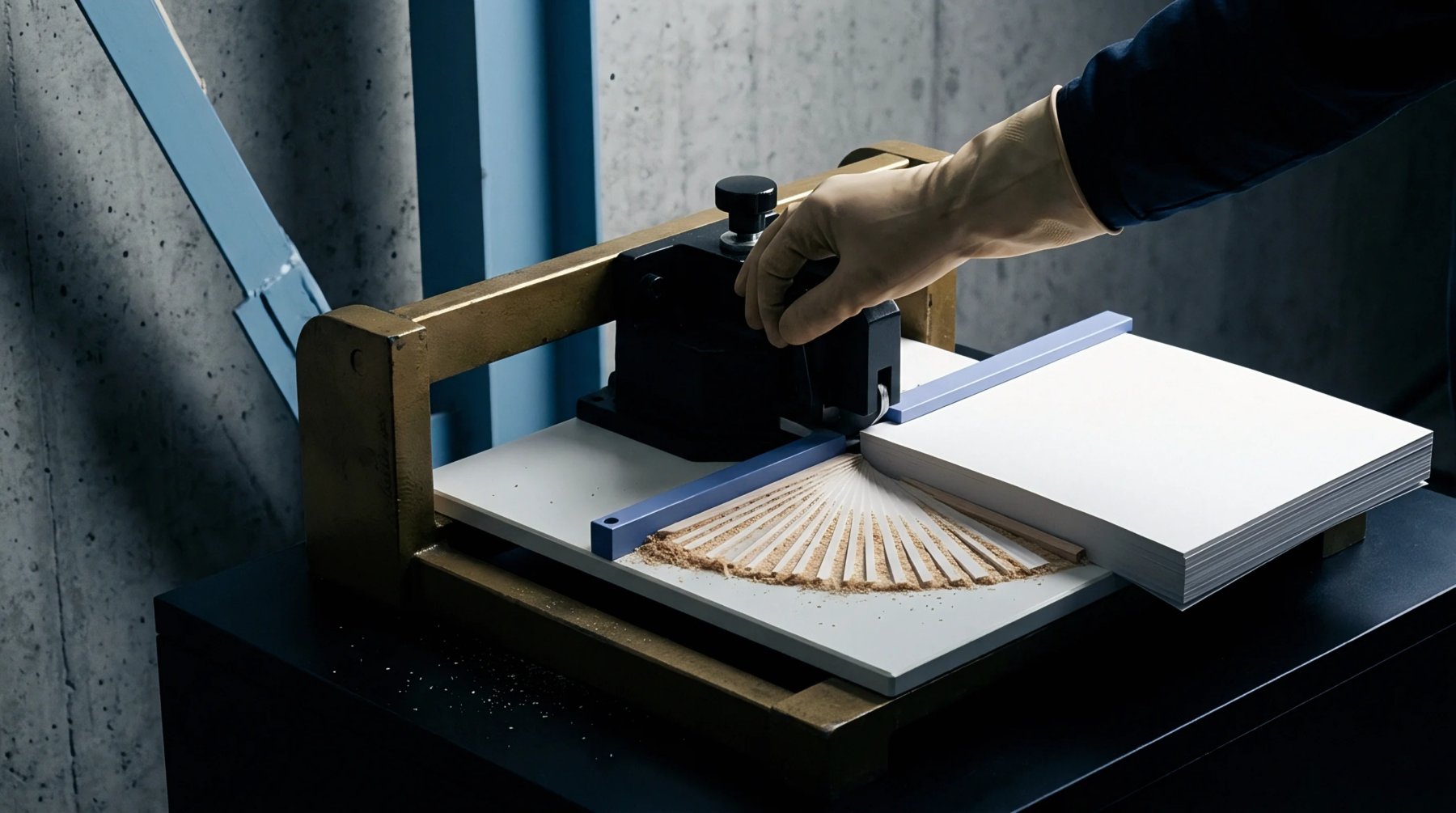
Preserving folding boxboard bending stiffness during weight reduction relies on maintaining mechanical core bulk while elevating outer ply elastic modulus.

Predicting downgauged boxboard creep buckling under cyclic tropical humidity requires integrating mechano-sorptive strain compliance into structural failure models.
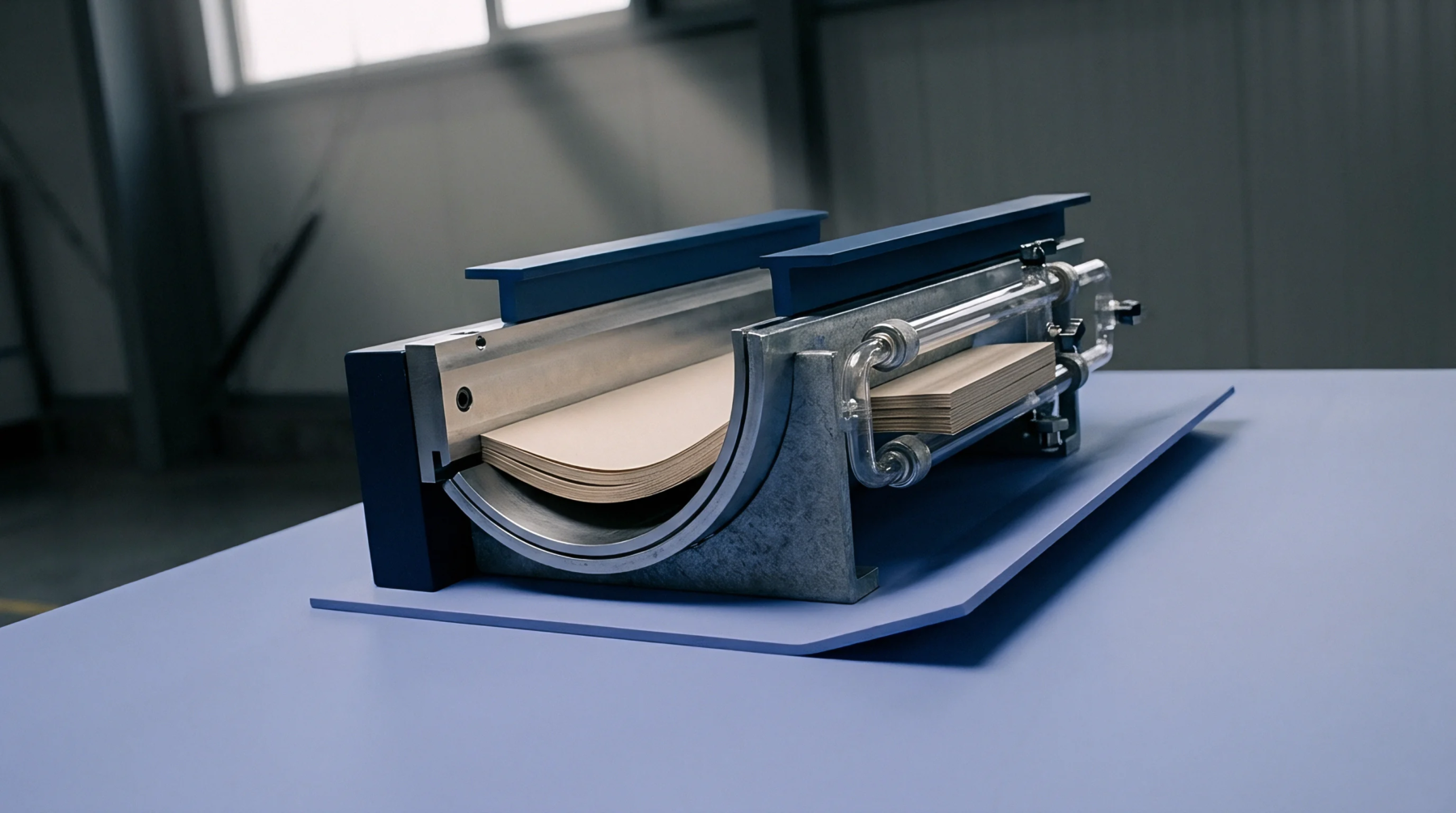
Imposition layouts that nest cartons across grain directions reduce parent sheet trim but induce bimodal stiffness variance and high-speed feeder jams.

Dynamic moisture sorption hysteresis accelerates mechano-sorptive creep failure in corrugated boxes during transit under cyclic relative humidity conditions.
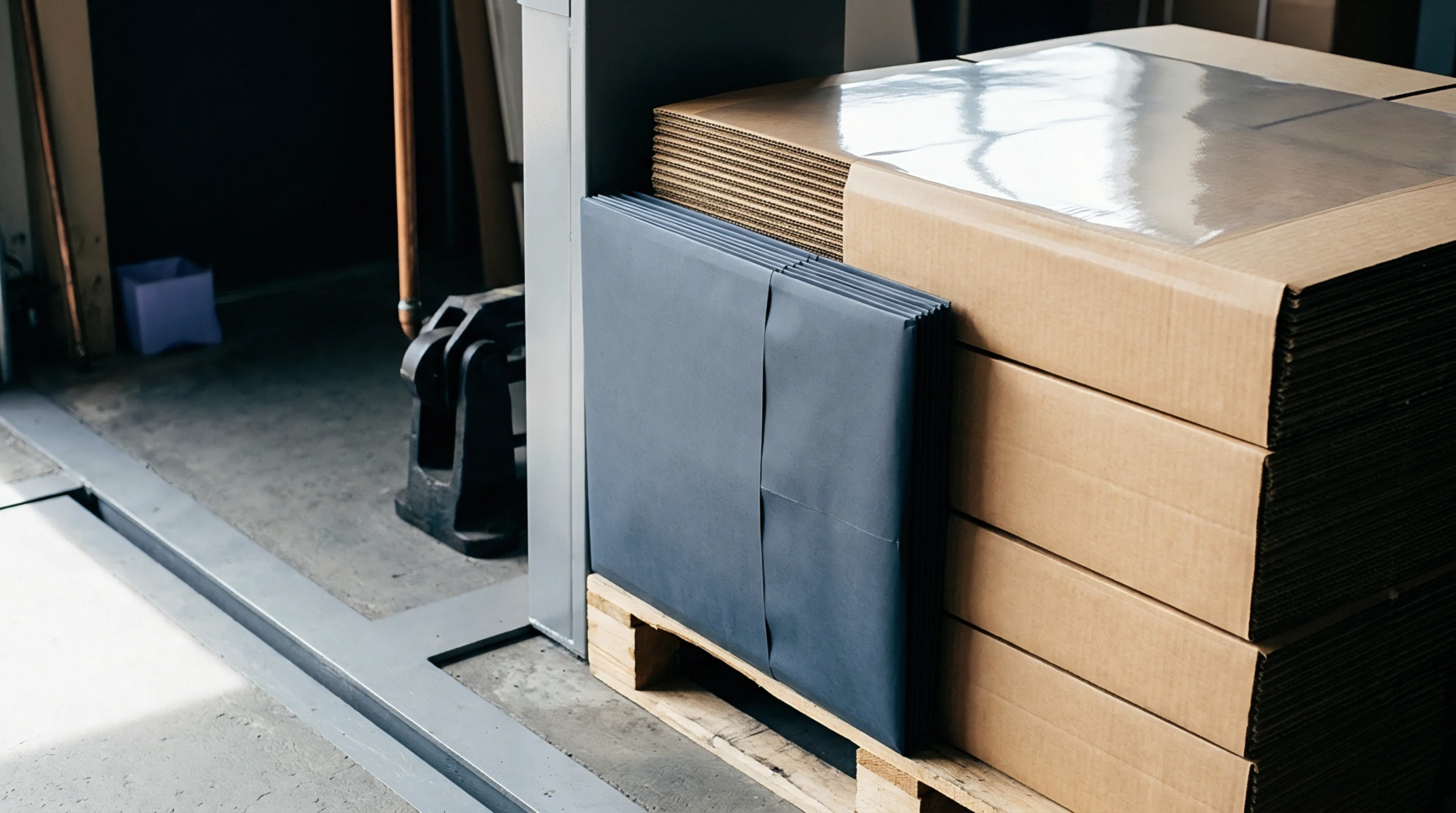
Dynamic ambient relative humidity accelerates creep collapse in corrugated boxes far beyond static moisture limits, requiring dynamic SCT safety factors in structural engineering.
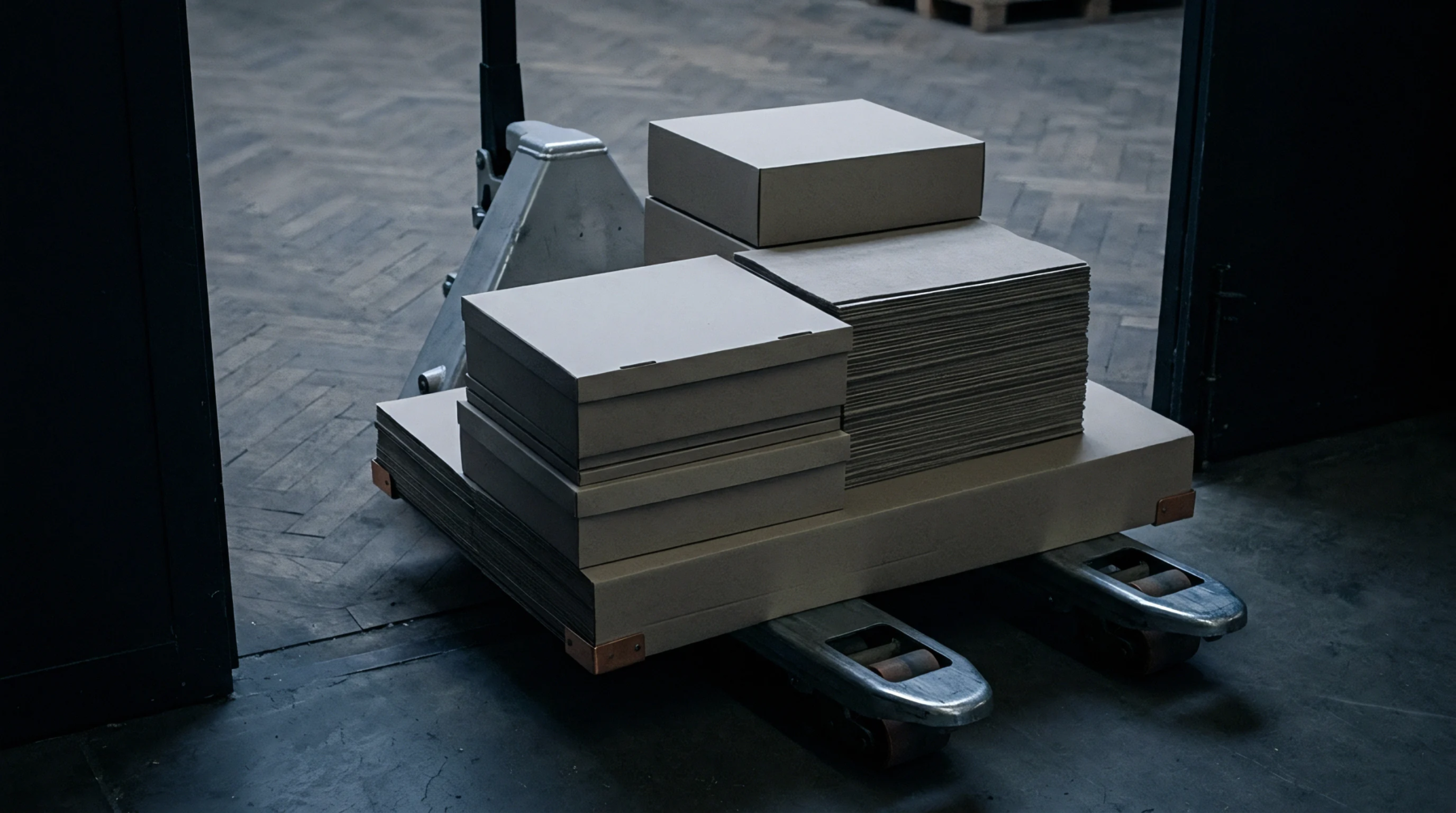
Thermal boundary layers inside stretch-wrapped pallets drive vapor condensation and localized corrugated compression strength failure during temperature transitions.
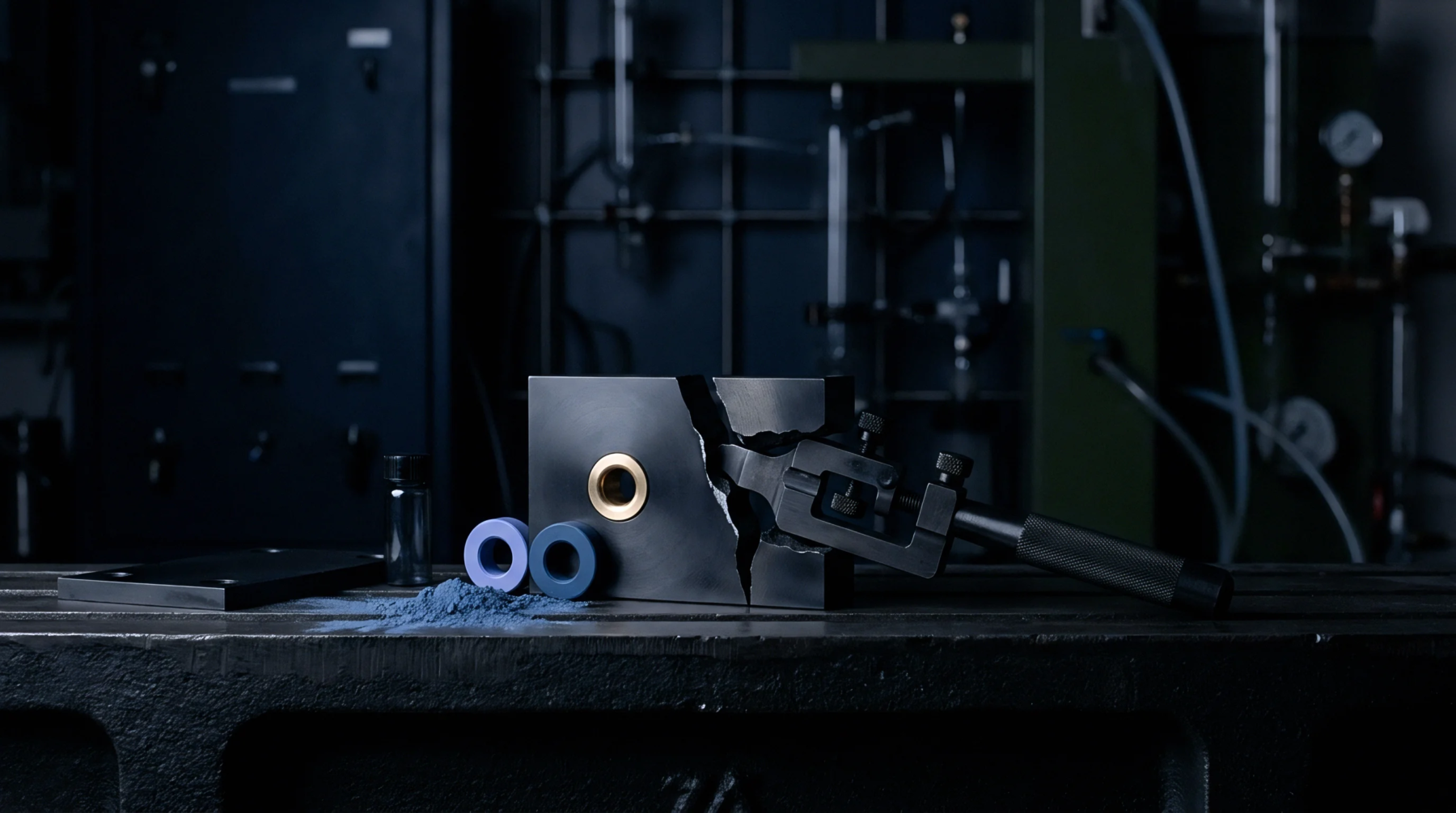
Dynamic ambient humidity accelerates creep failure in recycled containerboard, requiring increased structural safety factors and dynamic testing to prevent stack collapse.

Optimizing folding boxboard stiffness requires balancing BCTMP core bulk with chemical pulp outer layers to maximize moment of inertia at target carton speeds.

Optimizing board bulk expands sheet caliper at lower basis weight, increasing bending stiffness and yield per tonne while lowering total material cost.
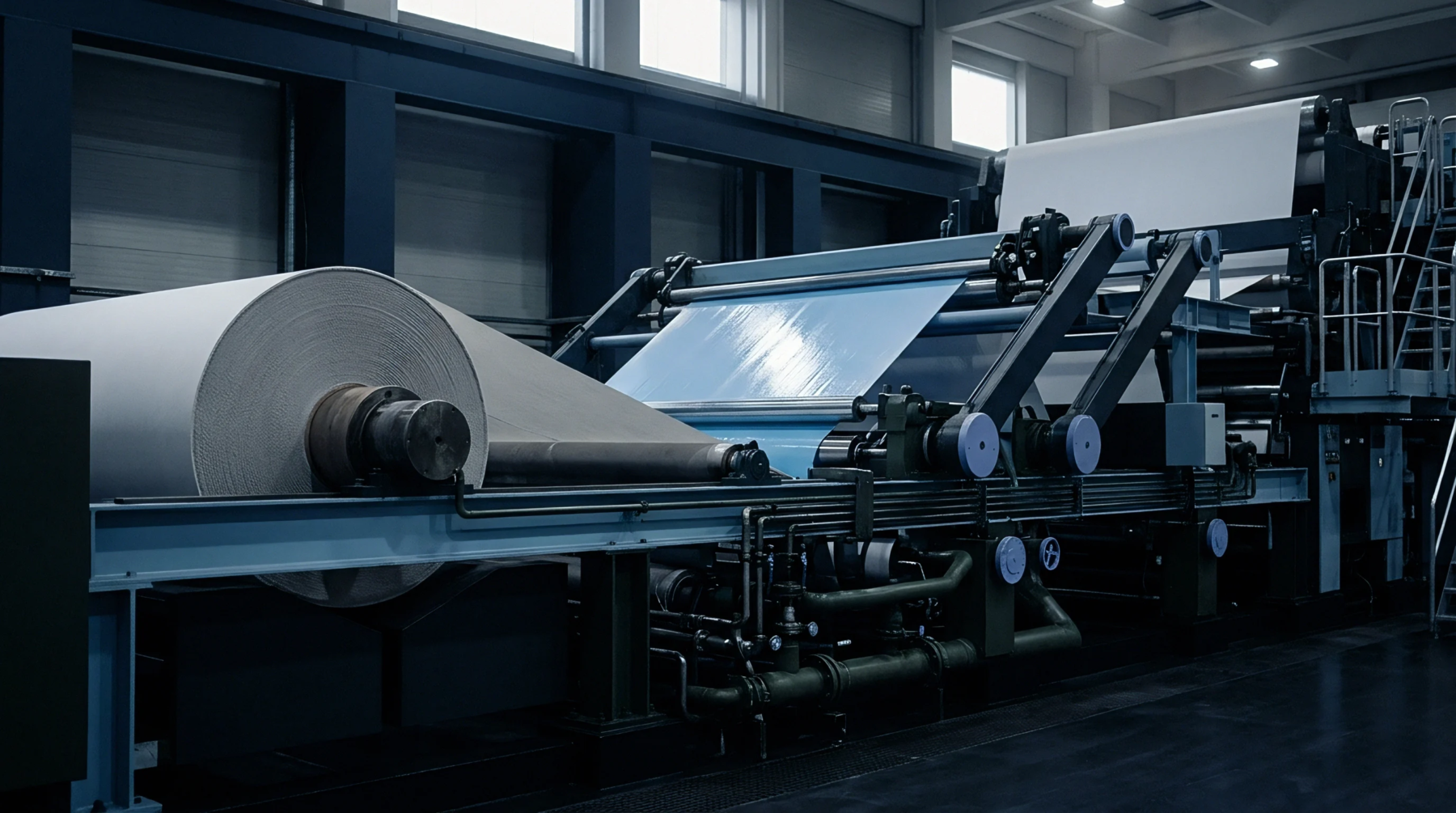
Dynamic climate chamber testing under cyclic relative humidity isolates mechanosorptive creep failure modes that standard static equilibrium conditioning miss.
Transverse hygroexpansion in recycled paperboard drives interfiber bond dislocation and mechano-sorptive creep under cyclic moisture, accelerating compressive loss.
Multi-ply board stiffness and compression depend on z-direction modulus distribution, where cubic caliper scaling governs flexure and cross-direction short-span compression dictates box stacking strength.
Swapping dense SBS for bulky FBB preserves bending stiffness through thickness retention while cutting material weight by fifteen to twenty percent per carton.
Mechanical decurling and fluid rehydration permanently degrade recycled paperboard flexural modulus by shear micro-delamination and fiber plasticization.
Multi-ply layering of post-consumer containerboard optimizes flexural stiffness and crush resistance by concentrating long fibers in outer faces.

Optimizing multi-ply boxboard caliper requires balancing mechanical core thickness against chemical skin elastic modulus to maximize bending stiffness per unit weight.

Dynamic relative humidity accelerates corrugated compression creep via mechano-sorptive softening, requiring environmental safety factor multipliers up to 2.5.
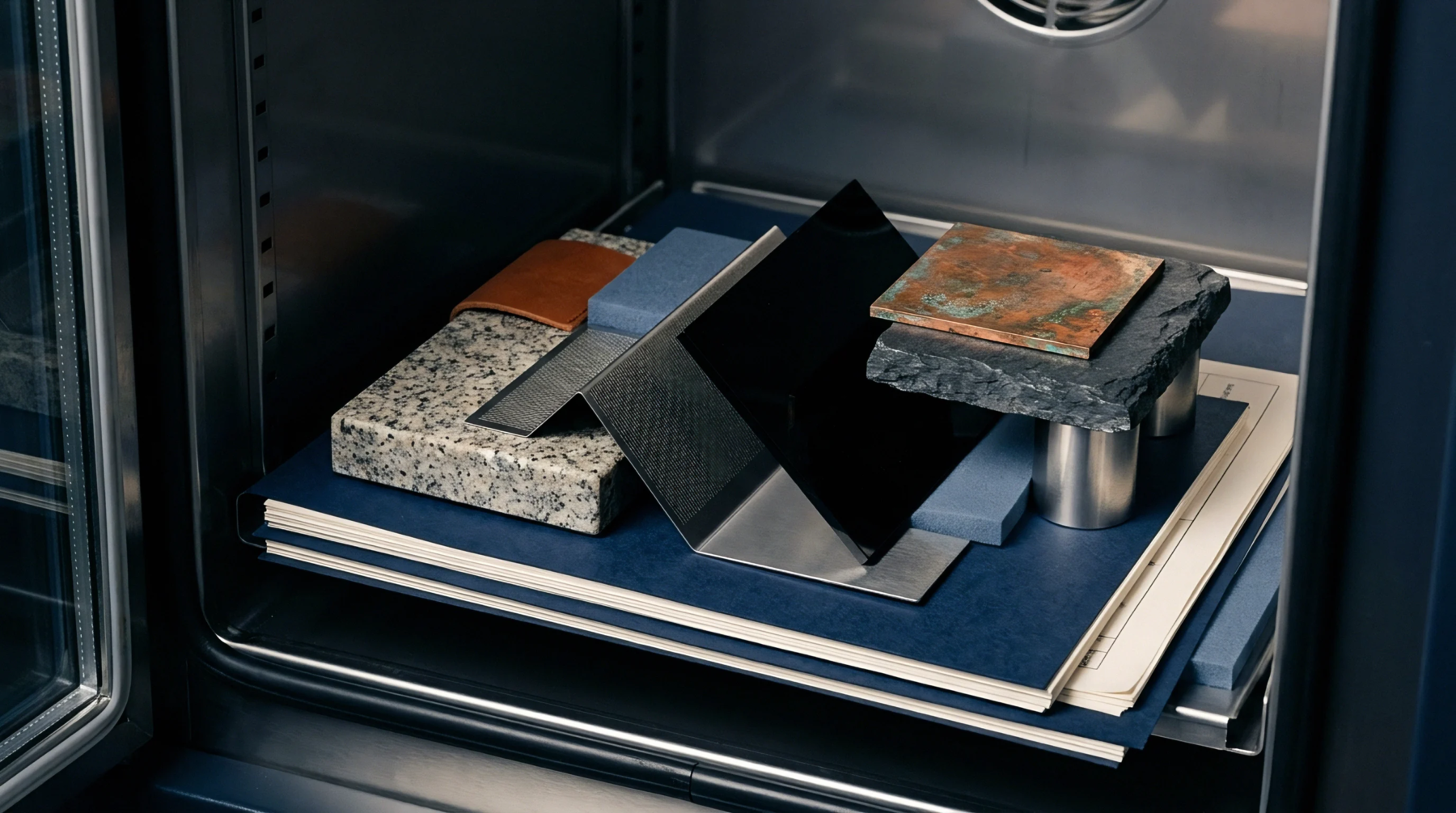
Accelerated creep buckling protocols require cyclic humidity chambers and parallel platens to predict thin boxboard stacking failure under dead loads.

Recycled containerboard loses up to 45% compression strength under constant 85% RH; specify ISO 2233 derated SCT metrics to prevent static stack collapse.
Dynamic tropical moisture cycling accelerates fiber matrix creep deformation through mechano-sorptive coupling across multilayer paperboard plies.
Double wall static compression thresholds drop 40 to 60 percent above 80 percent humidity, requiring safety factor adjustments to prevent warehouse collapse.
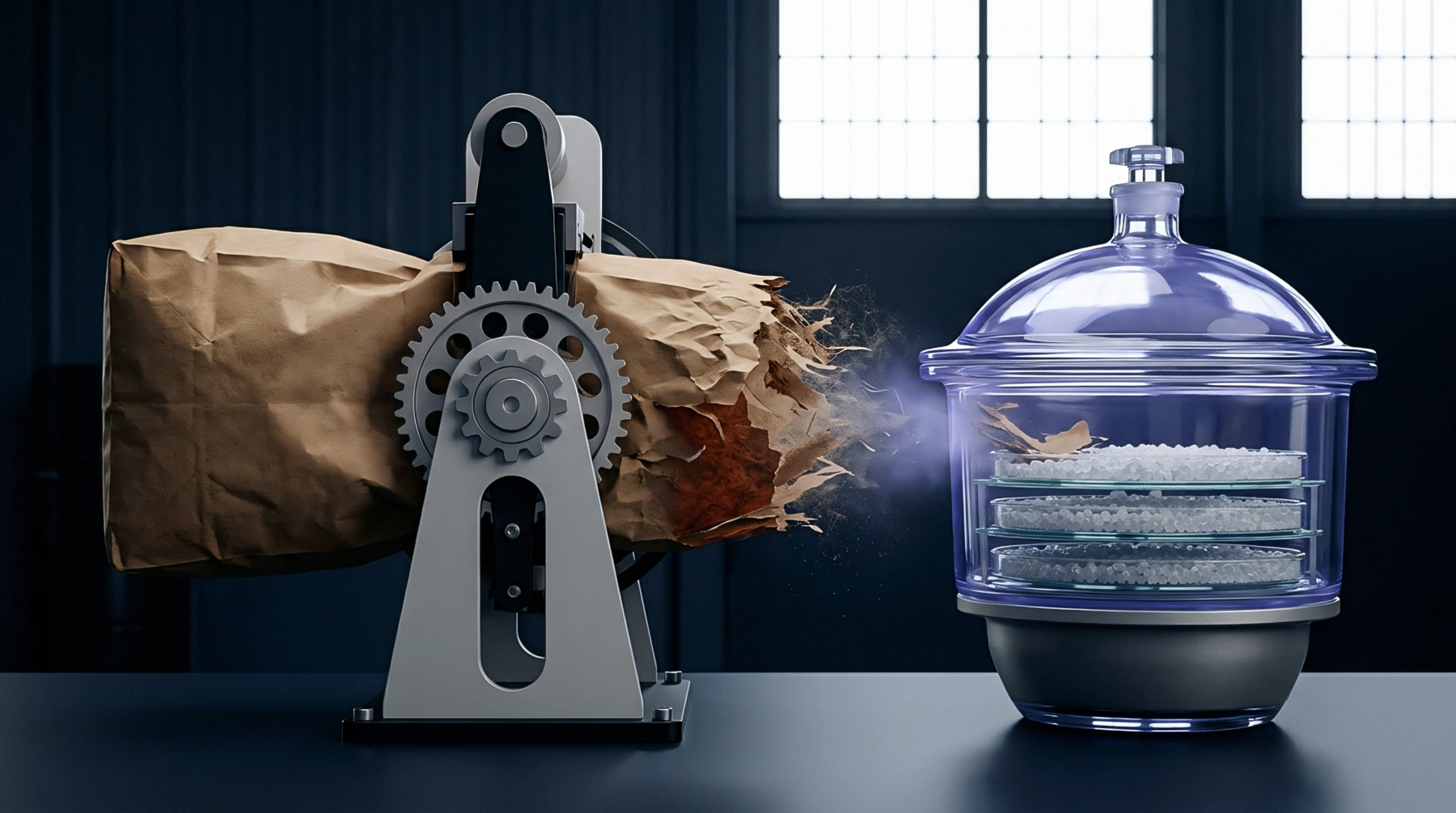
Dynamic relative humidity cycling accelerates creep deformation in recycled fluting medium beyond static predictions, requiring higher structural safety factors
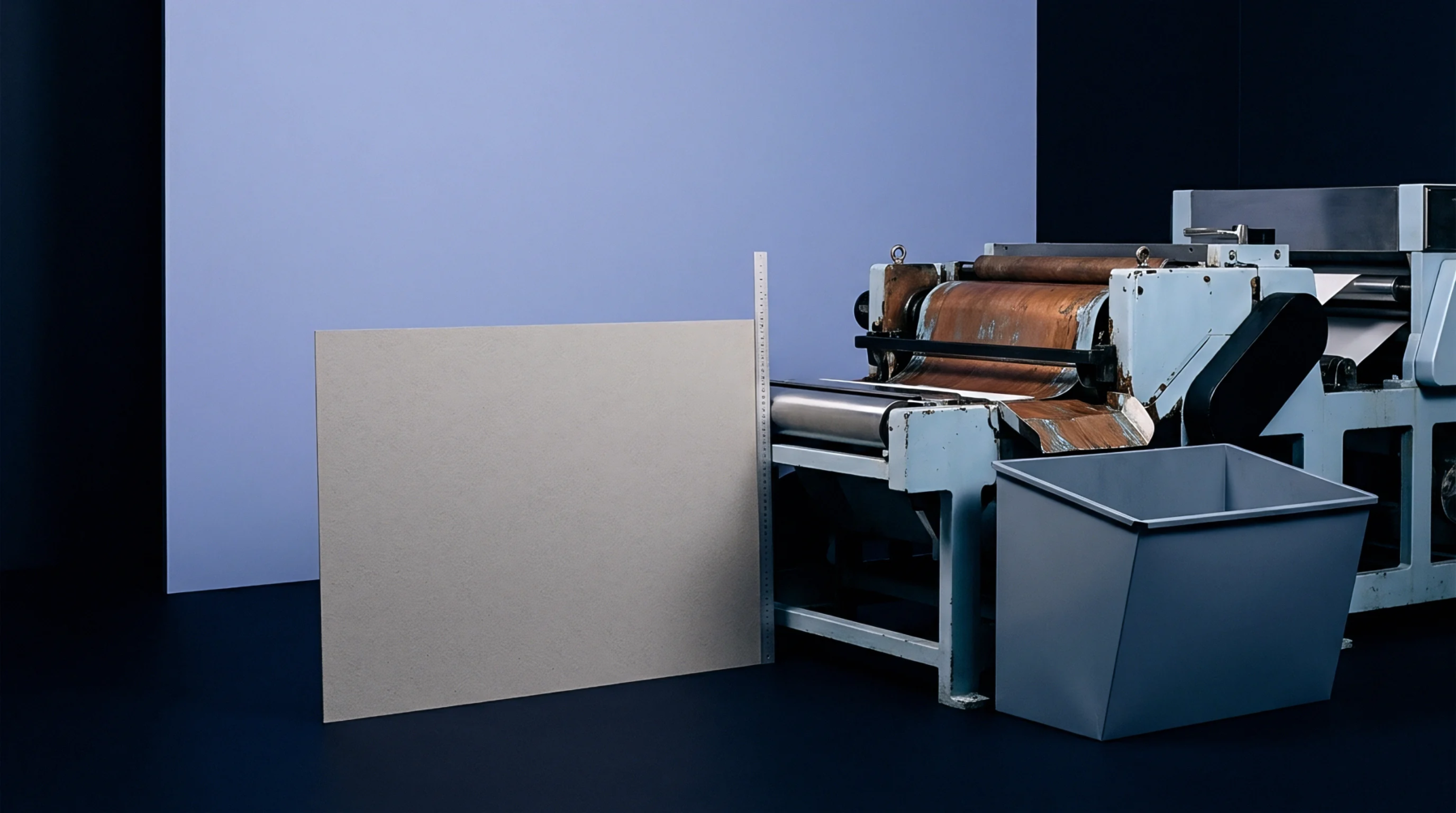
Jet-to-wire velocity ratios govern machine-direction fiber orientation, setting board anisotropy ratios that dictate box compression and score crack resistance.

Chemithermomechanical core compliance modeling predicts time-dependent box compression decay under changing humidity by coupling viscoelastic Prony series with shear kinematics.

Thermal gradients across stretch-wrapped pallets drive internal vapor to cold perimeters, causing condensation that cuts box strength by over forty percent.
Sorption hysteresis and internal buoyant convection degrade lower-tier corrugated strength in sealed cold-chain pallets, demanding moisture-resilient virgin fluting.
Transient humidity cycling accelerates board deflection fivefold, demanding decoupled ply hygroexpansivity inputs and wider safety margins to prevent collapse.
Paperboard moisture equilibrium dictates converting stability: matching substrate sorption hysteresis to hall humidity prevents carton cracking and register loss.
Expertise is a utility, not a secret. sentiention™ publishes its working knowledge as open reference: intelligence layer covering the materials it sources, the markets it enters, and the reference that serves both.