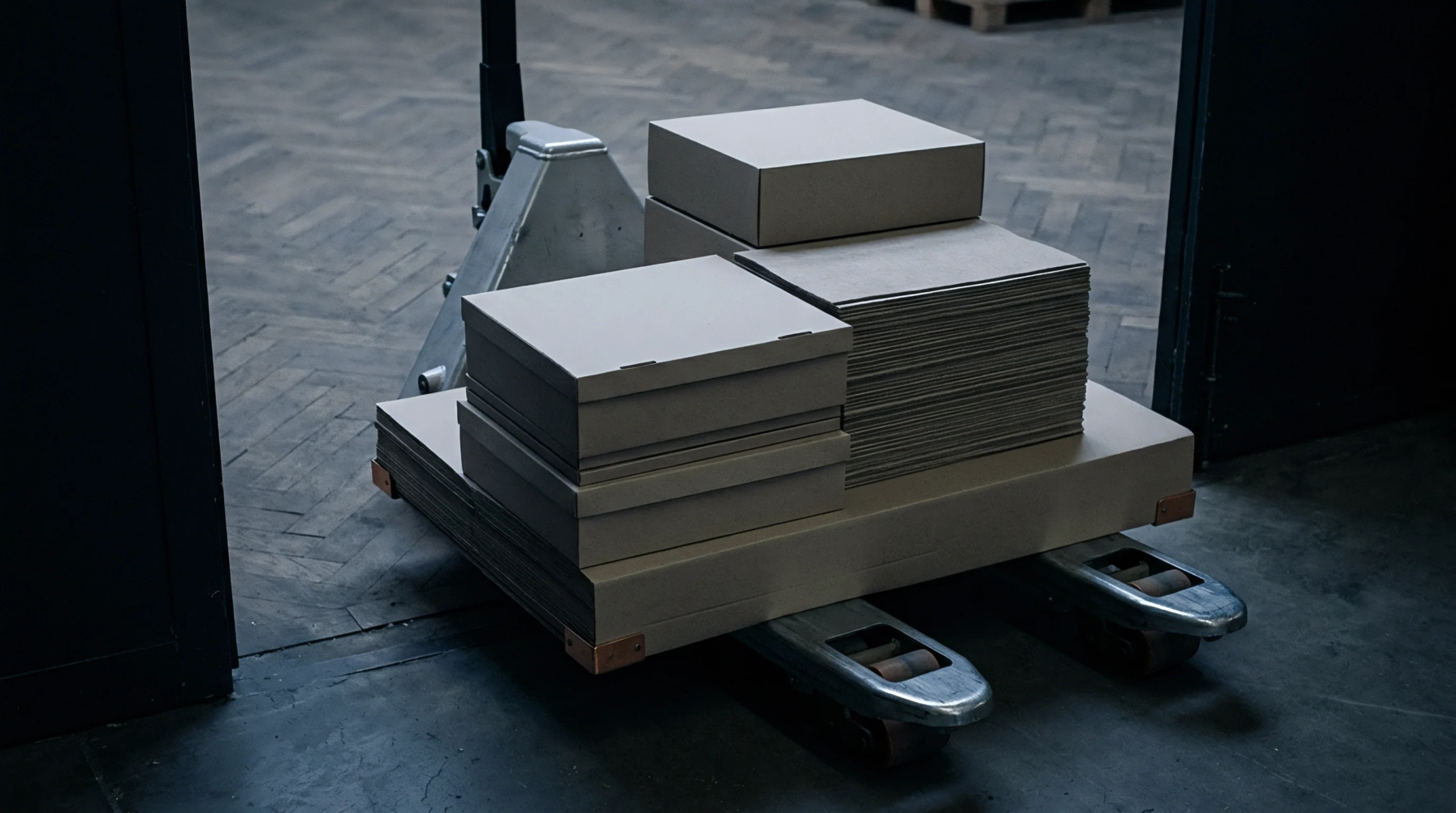
Thermal Channel Efficiency
Vertical gaps between stacked shipping units dictate the rate of heat exchange during warehouse cooling or drying cycles. Pallet flue convection relies on these calculated air pathways to ensure consistent temperature regulation across a load. The process relies on air density differentials created by temperature gradients between the floor and the ceiling of a storage facility.
A configuration lacking sufficient chimney space causes hot spots inside the core of the cargo because air movement stalls against the surface of the shrink wrap.
Operational Airflow Dynamics
Proper stacking patterns create a chimney effect that pulls ambient air through the center of a pallet load. This movement reduces the cooling time for goods packed in the middle of a stack compared to those on the exterior perimeter. Mechanical ventilation systems use the open flues to strip humidity from the product surface during the curing phase.
Air friction against the packaging slows the velocity of the updraft, and designers account for this drag by limiting the maximum stack height allowed for temperature-sensitive items. The effectiveness of the cooling process depends upon the alignment of these gaps from the bottom layer to the top of the stack.
Structural Load Constraints
Rigid physical requirements limit the width and placement of flues to prevent the collapse of the vertical column during transit. A wide flue reduces the stability of the stack and risks damage to the product during forklift maneuvers or trailer vibrations. Engineers define the minimum flue dimension to keep the pressure drop across the stack within the capacity of the facility ventilation fans.
Dense products require wider channels to move the heat out effectively before moisture reaches harmful levels. The total stability of a pallet load rests on the strength of the corners and the tension of the wrapping, which must hold despite the internal void space.