
Acceptance Quality Limit Calculations for Corrugated Carton Lot Inspection
Acceptance Quality Limit carton inspection pairs ISO 2859-1 sampling math with physical flute and joint testing to validate lots before paper release.
Acceptance Quality Limit carton inspection pairs ISO 2859-1 sampling math with physical flute and joint testing to validate lots before paper release.
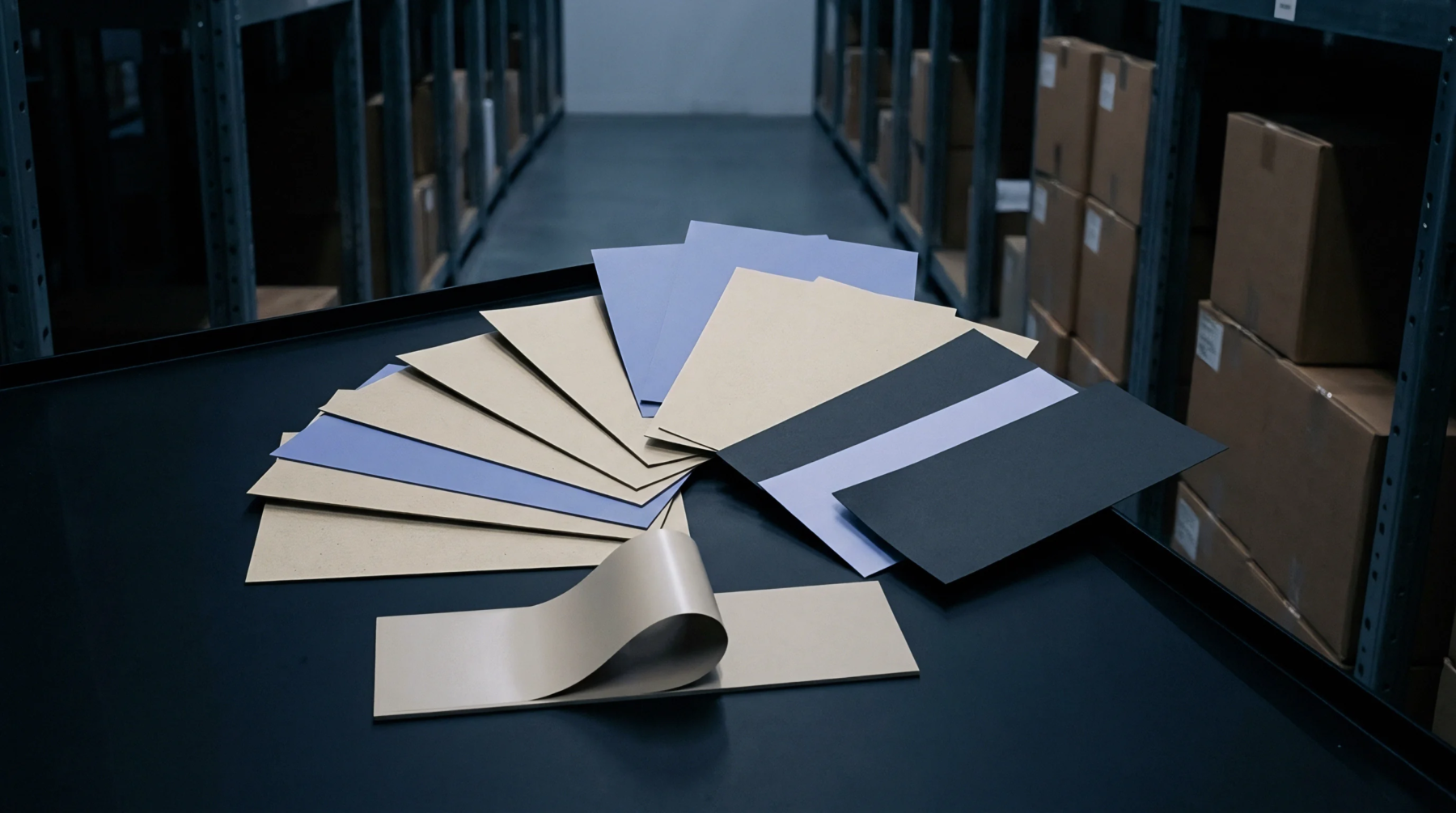
Dynamic carrying capacity in recycled board depends on ultrasonic cross-direction elastic stiffness and cyclic creep resistance, not static burst strength.
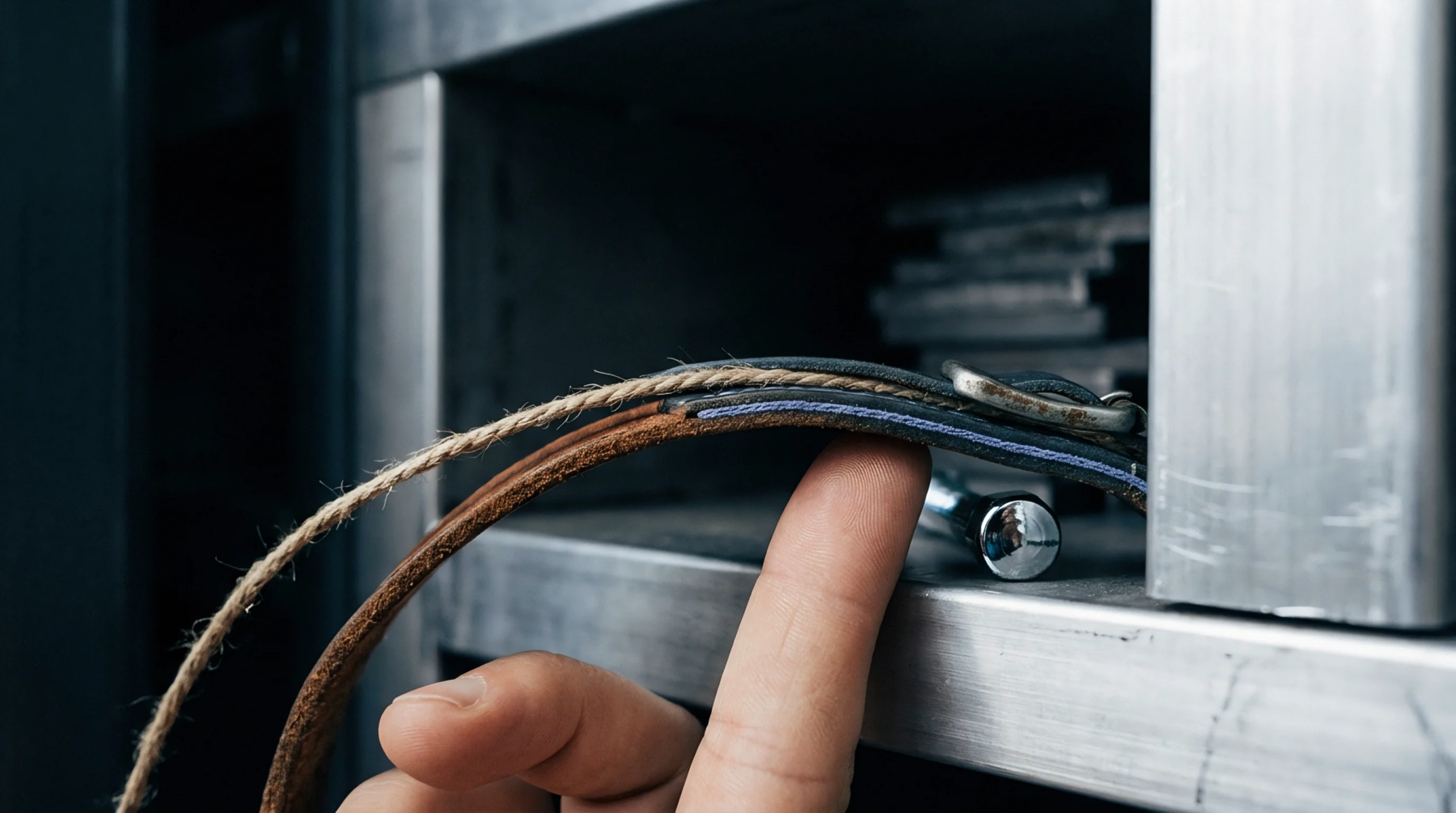
Cross direction bending stiffness scales with the cube of ply thickness, while short span compression governs vertical carton stack strength under ISO 9895.

Dynamic moisture gradients across coated cartonboard slash bending modulus well before reaching equilibrium, demanding transient rather than static design.
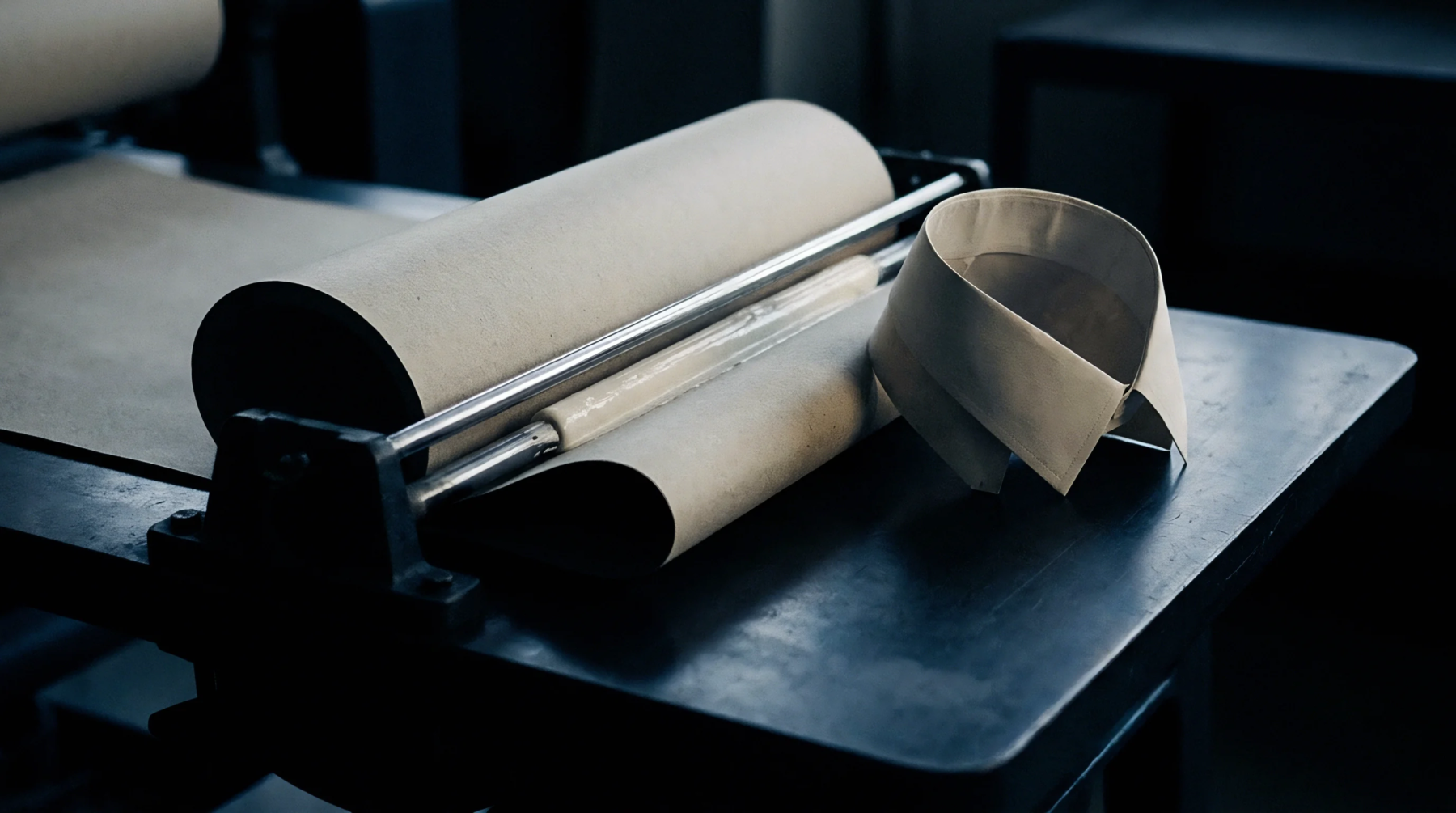
Aqueous ink vehicles dissolve interfibre hydrogen bonds within milliseconds, dropping cross-direction stiffness over 40% and driving web misregistration.
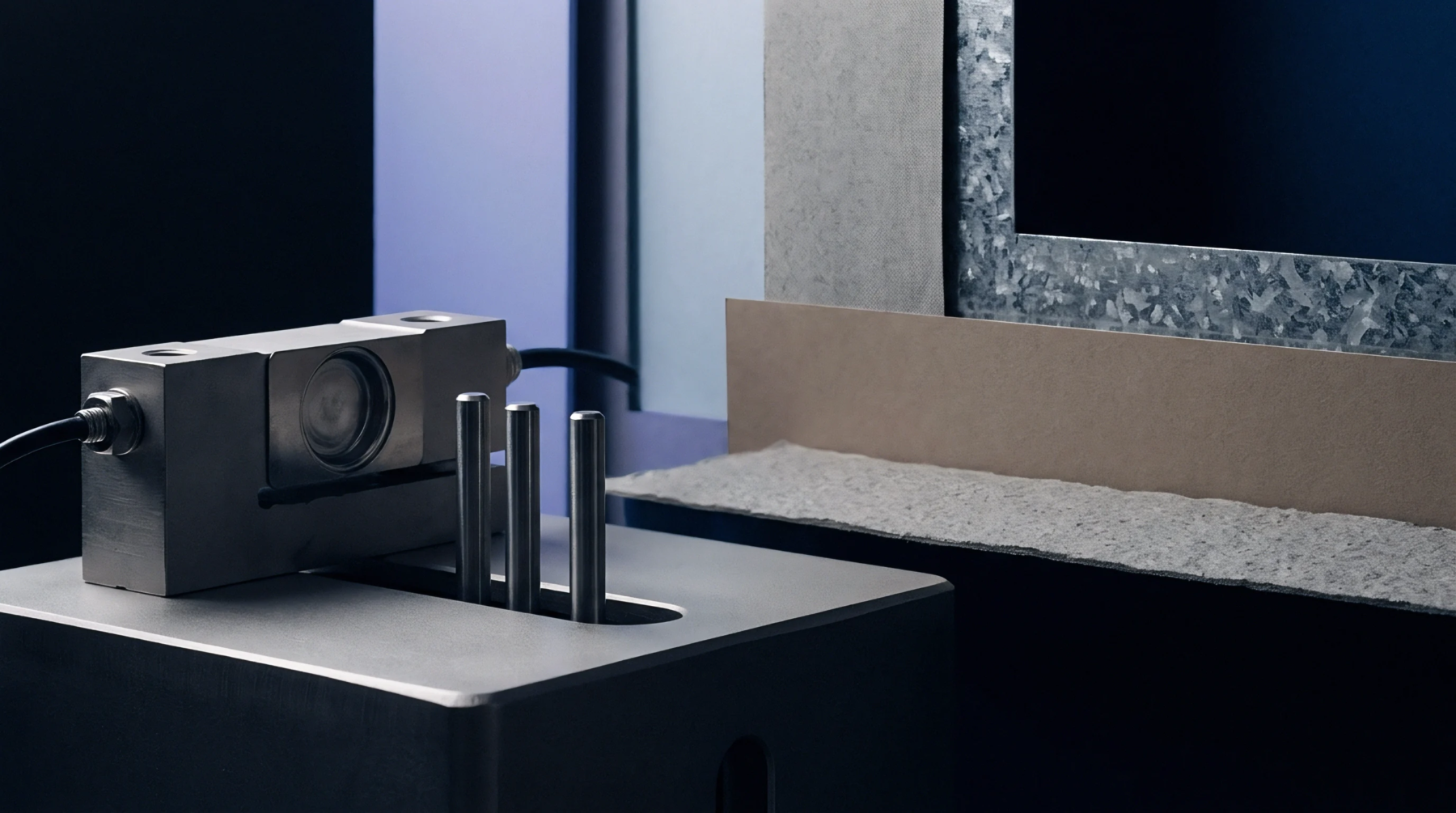
Compressive edge loading drives non-linear barrier failure when localized liner buckling exceeds polymer yield strain, requiring coupled transport models.

Recycled containerboard loses stiffness when hornified fibers slip under shear, which buyers offset with higher grammage or starch addition.
Dynamic mechanical creep compliance in recycled paper networks accelerates fivefold under cyclic humidity, requiring safety factor adjustments to prevent collapse.
Secondary fiber furnishes lose up to 45 percent of compressive strength under high humidity due to hornification and moisture-induced inter-fiber bond cleavage.
Recycled fluting creep under cyclic humidity causes warehouse pallet collapse unless procurement contracts enforce dynamic hygro-mechanical test thresholds.
Recycled containerboard exhibits accelerated transient moisture diffusion and mechano-sorptive creep, causing rapid box collapse under cyclic humidity.
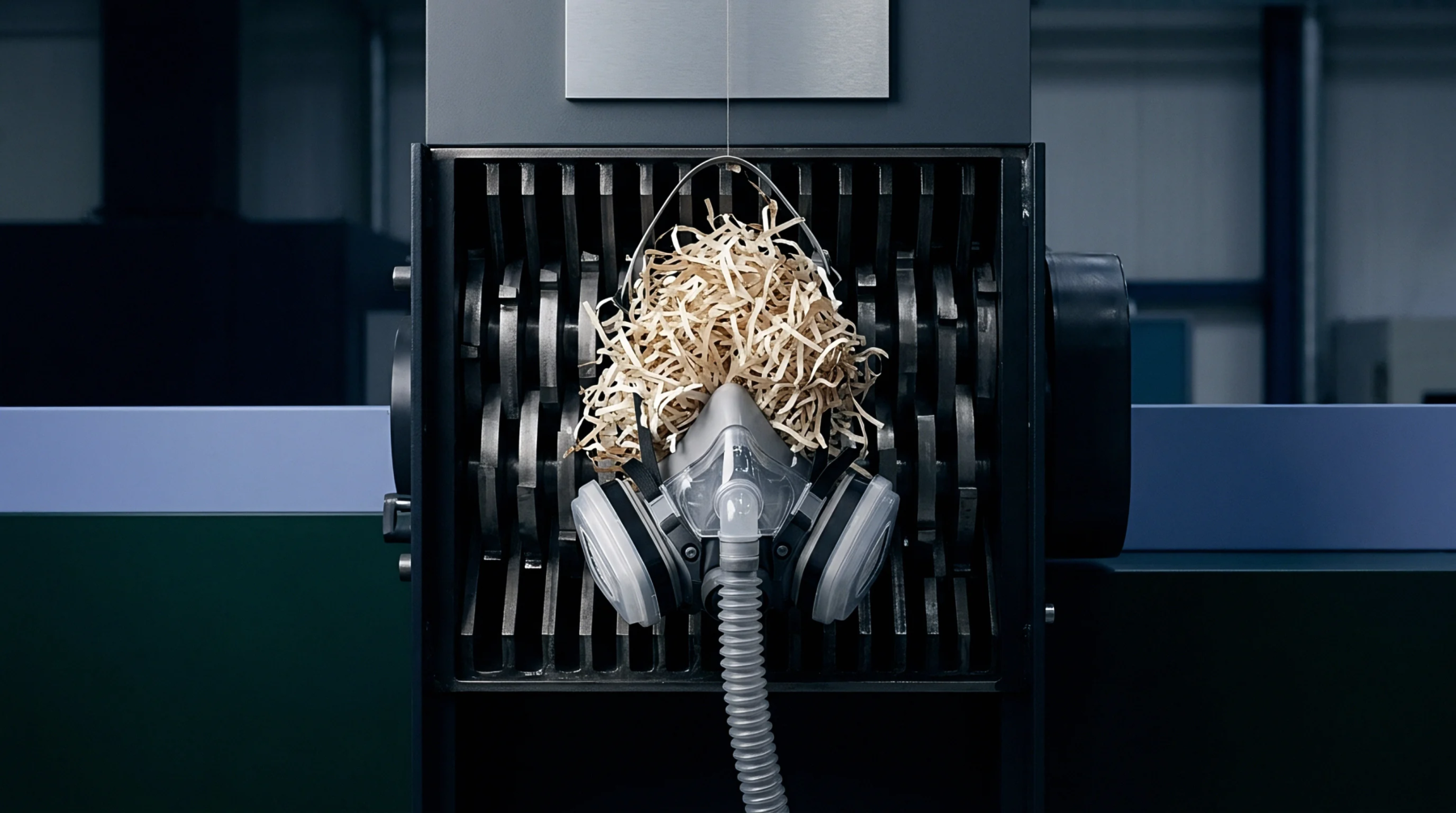
Dynamic moisture cycles accelerate double coated board stack creep through sorption asymmetry, requiring safety factors above 3.0 to avoid collapse.
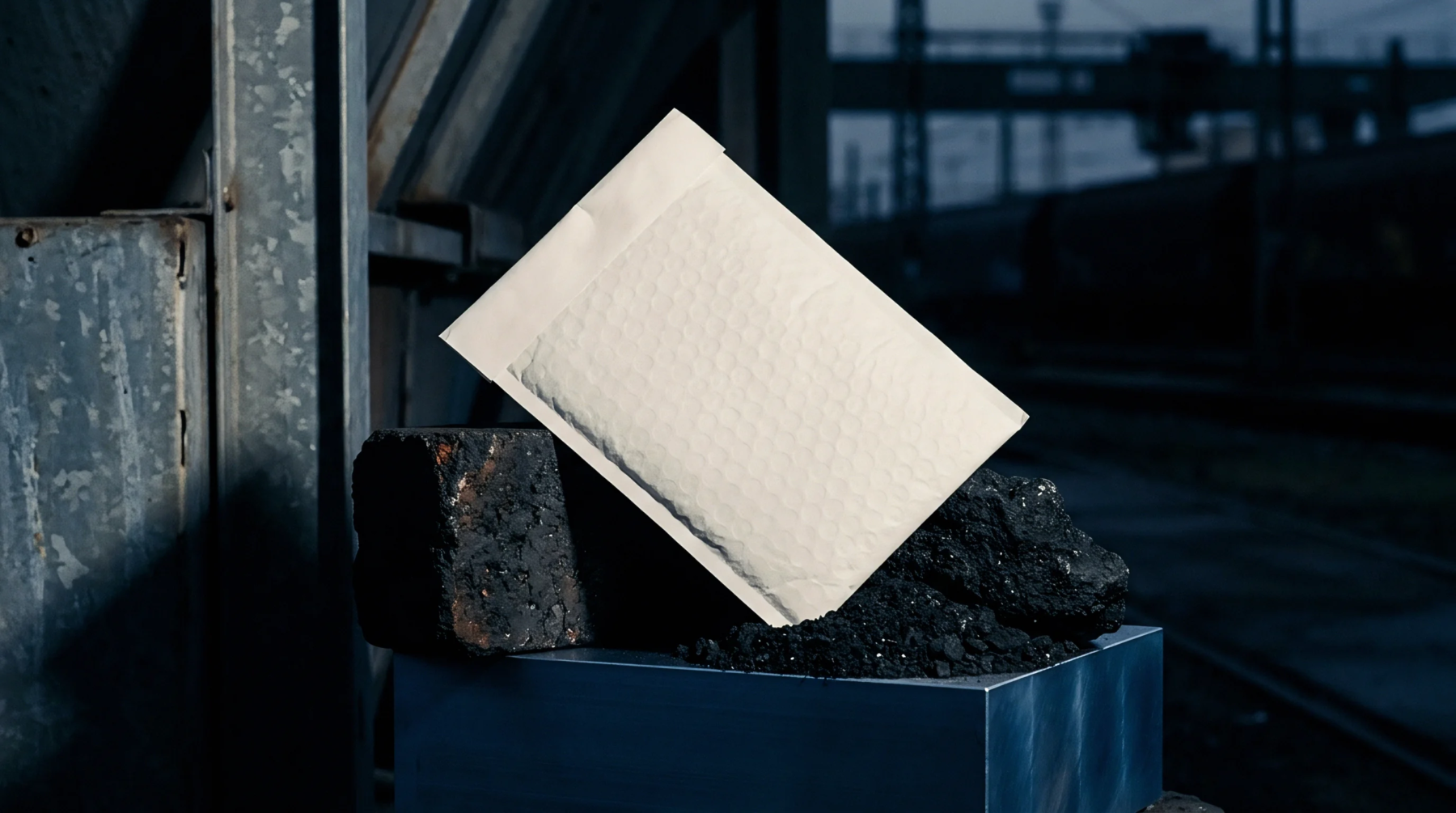
Marine container humidity drops paperboard compression by half, requiring virgin kraft furnishes and 4.0 safety factors to prevent column collapse at sea.
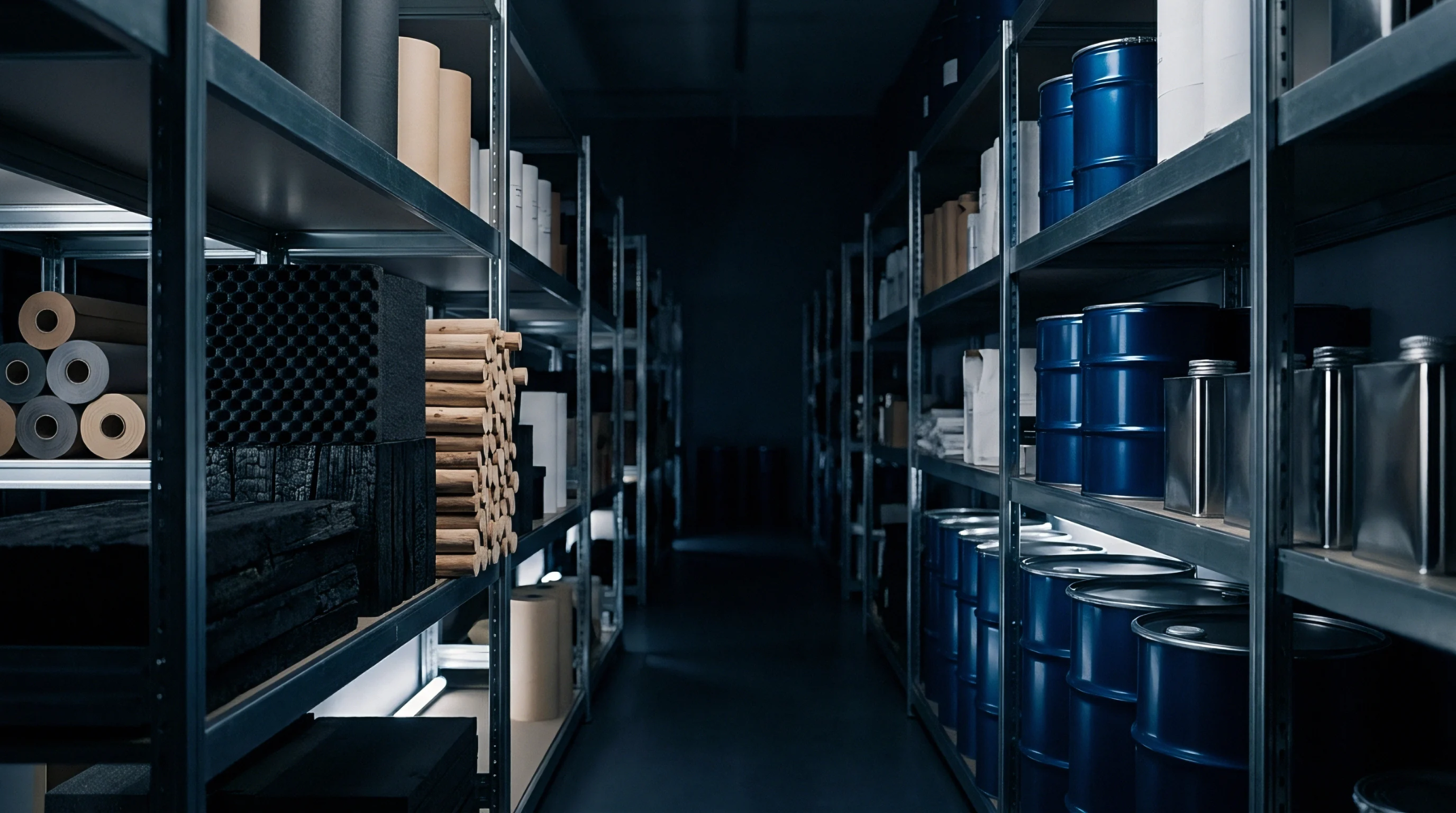
Boundary layer condensation drops containerboard compression fifty percent, demanding virgin kraft liners and desiccant capacity sized to total stowage moisture.

Dynamic cyclic humidity accelerates compressive creep in corrugated boxes, requiring derated safety factors and virgin fibre to prevent stack collapse.
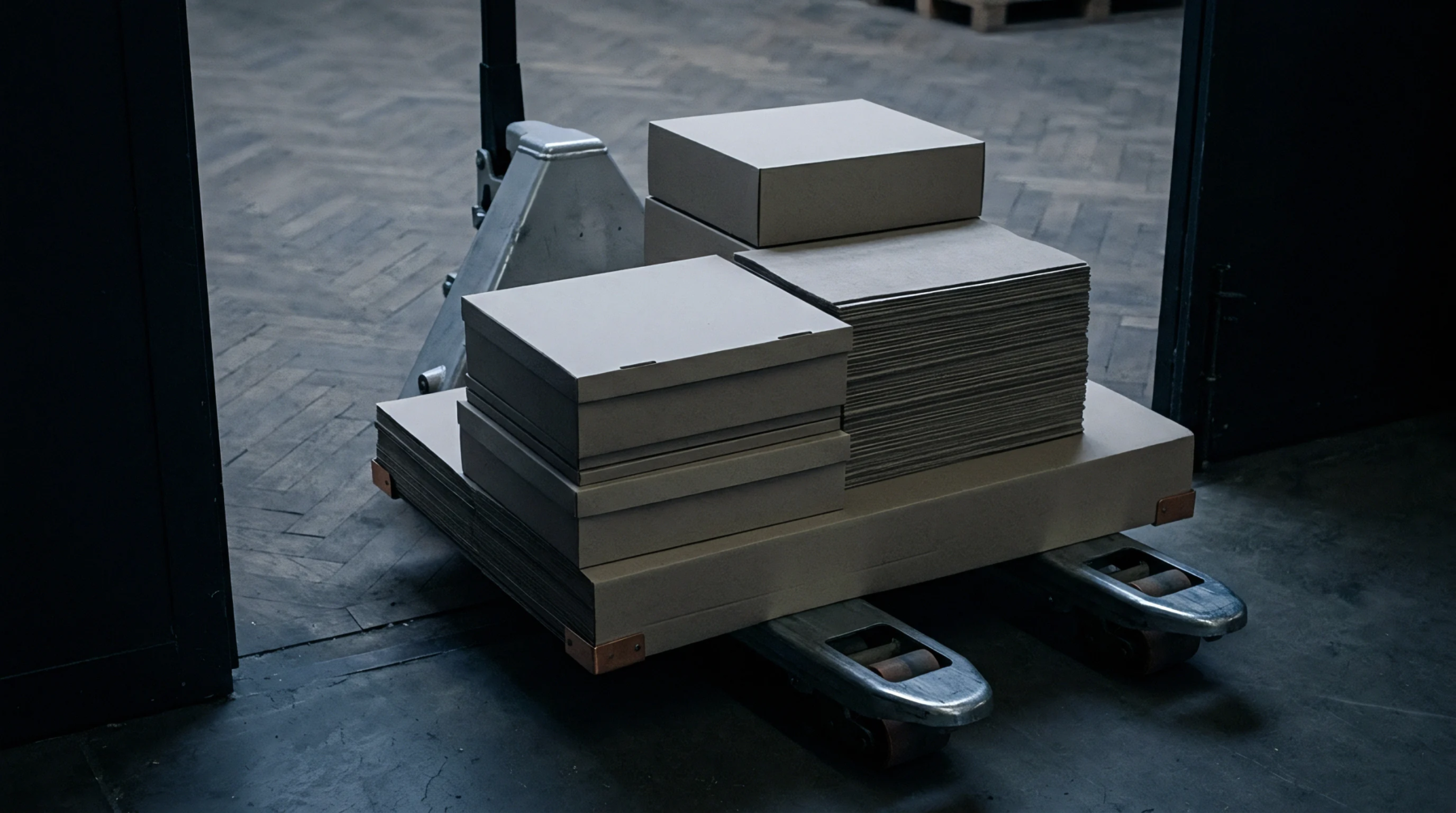
Selecting paperboard caliper and bulk requires balancing furnish density against flexural rigidity to maximize blank yield and carton compression strength.
Expertise is a utility, not a secret. sentiention™ publishes its working knowledge as open reference: intelligence layer covering the materials it sources, the markets it enters, and the reference that serves both.