Relaxation Behavior
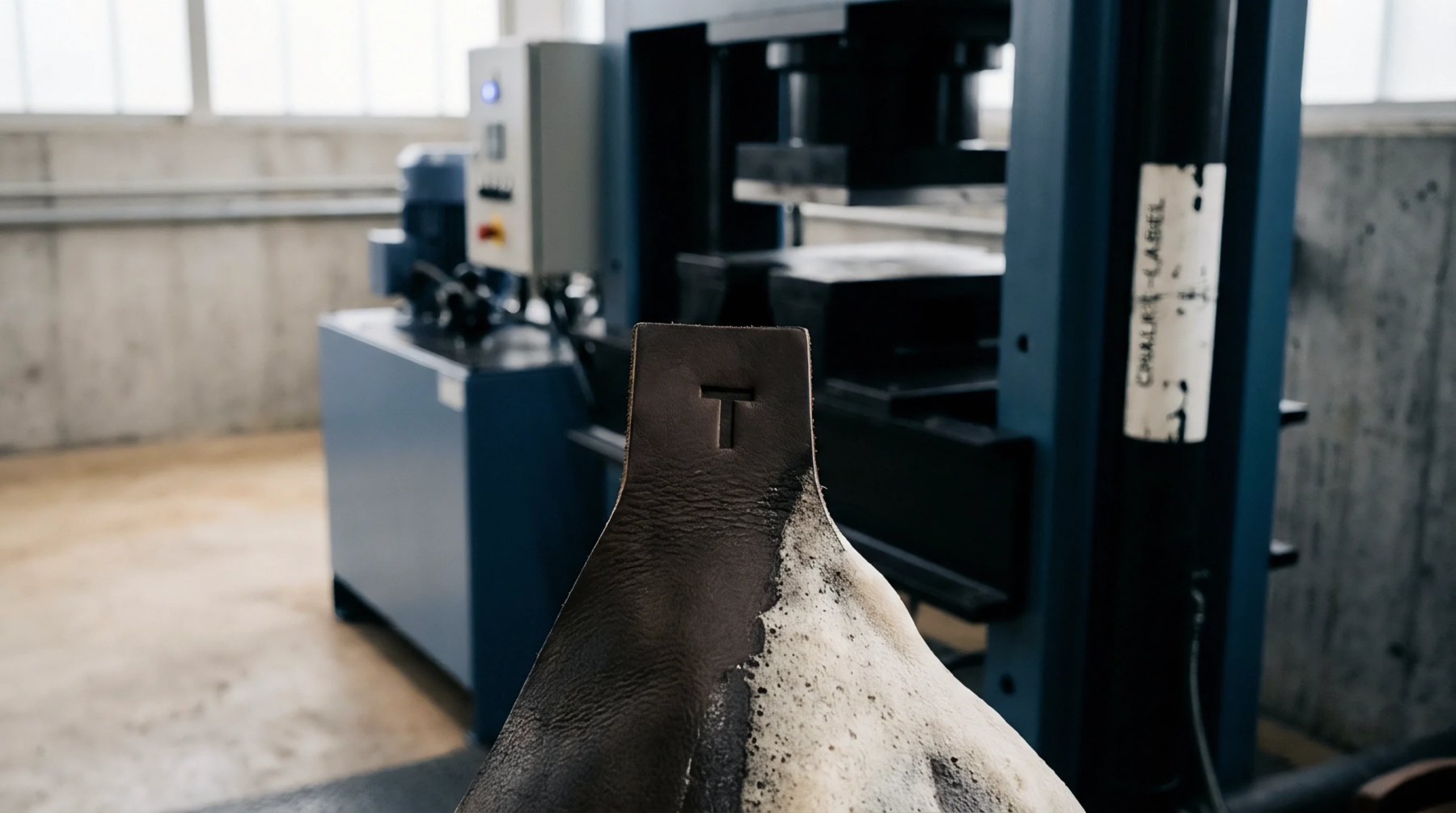
Polymer network molecules rearrange under continuous mechanical stress because internal chain segments slide past adjacent domains over time. Viscoelastic deformation describes this time dependent dimensional shift occurring within laminated barrier substrates during extended high speed web routing. Pressures exerted by nip rollers cause immediate elastic displacement followed by delayed viscous flow until the applied load ceases completely.
Substrate converters calculate this property to prevent register drift across multicolour printing stations during heavy ink laydown runs. Thermoplastic extrusion coatings exhibit higher flow rates than crosslinked cellulose networks when subjected to identical tension profiles.
Recovery Kinematics
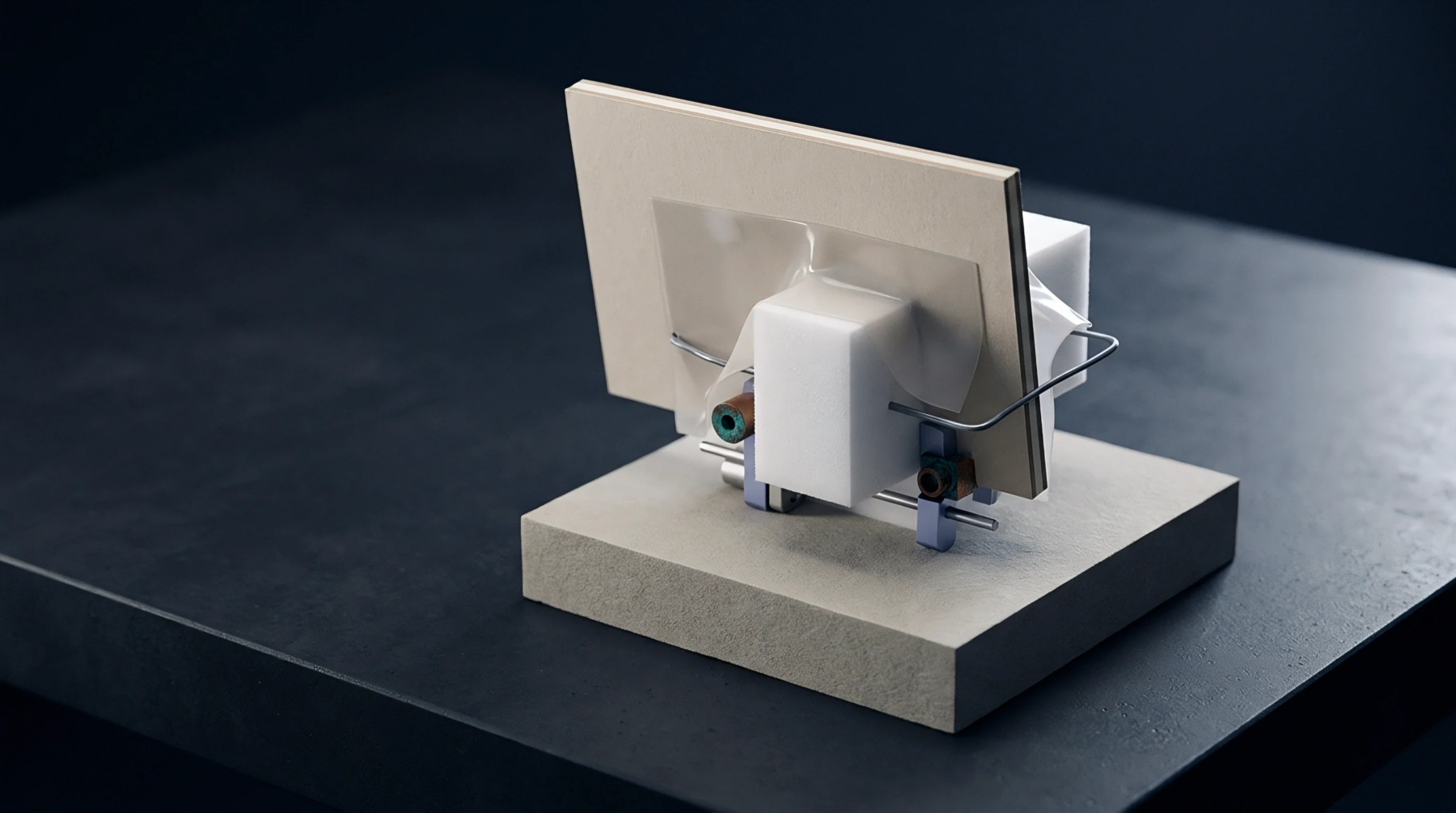
Molecular chains store mechanical energy temporarily during nip passage and return toward initial conformations once external forces dissipate. Residual strain accumulates inside heavy paperboard cartons when creasing wheels apply excessive depth without adequate dwell time allowed for complete thermal recovery. Converters measure hysteresis loops during cyclic tensile testing to quantify permanent deformation thresholds under factory operating conditions.
Higher crosslinking density restricts segmental mobility and reduces permanent set within laminated packaging films subjected to thermal sealing jaws. Tension control systems compensate for delayed dimensional rebound by adjusting braking torque profiles ahead of rotary die cutters.
Creep Compliance
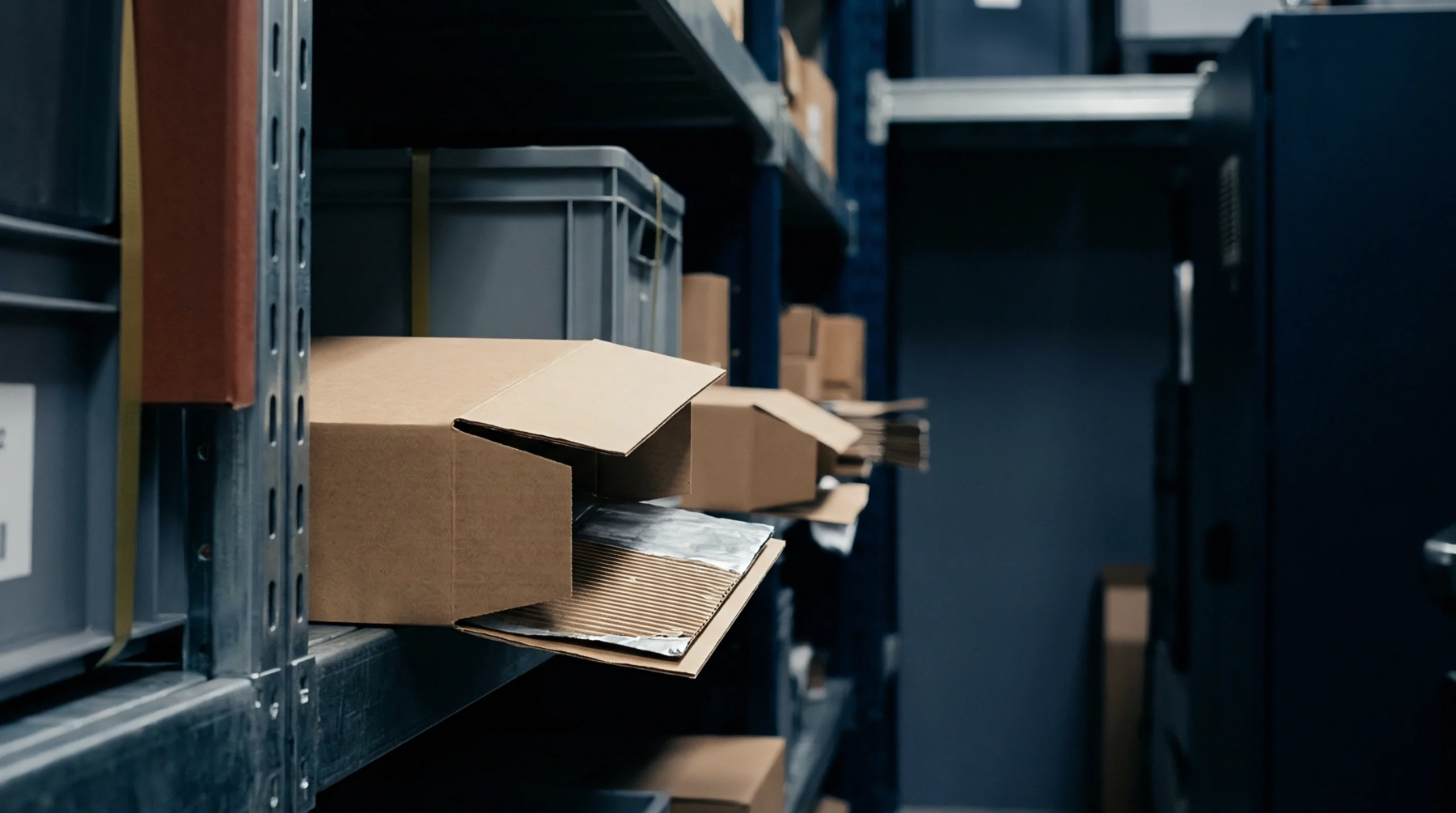
Continuous dead weight loading forces polymer chains into permanent slippage regimes that alter final caliper dimensions over storage intervals. Finished corrugated boxes stacked on warehouse pallets experience progressive dimensional settling due to prolonged compressive forces acting on flute geometry. Laboratory standards specify dead weight duration parameters to isolate permanent displacement from immediate elastic response during raw stock acceptance testing.
Environmental humidity fluctuations accelerate molecular sliding by plasticising interfibre hydrogen bonds within recycled linerboard structures. Minimising long term dimensional loss requires selecting base stocks with high crystallinity ratios and low moisture sensitivity across ambient temperature ranges.