Mechanical Allowance
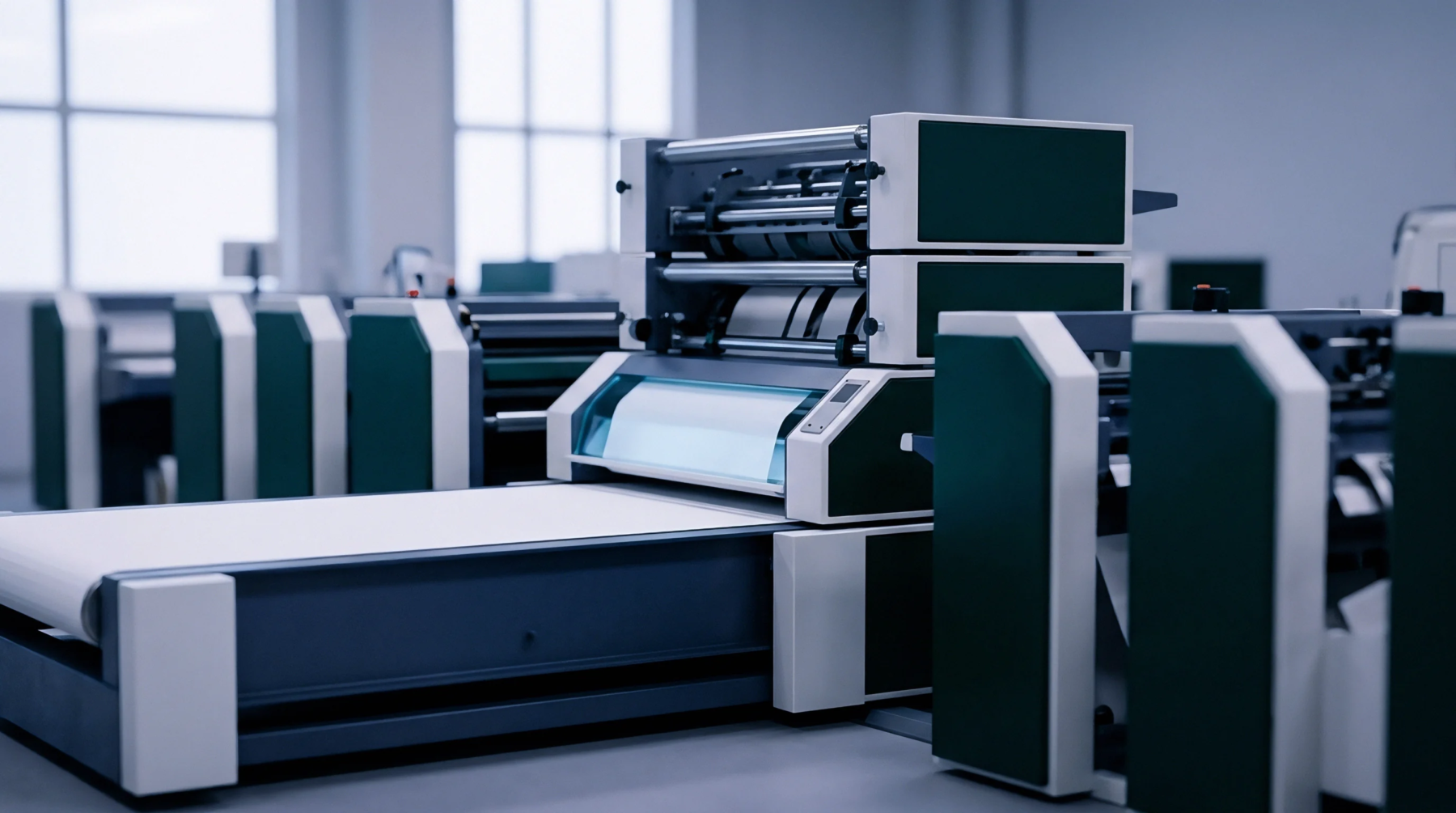
Unprinted paper edge space allows mechanical clamps to secure the sheet during multi-color offset lithography without displacing printable image areas. This unprinted border defines the physical boundary where press delivery mechanisms hold the substrate during transfer between printing units. Sheet-fed offset presses require this specific unprinted perimeter on the leading edge to prevent the metallic holding clamps from smudging wet ink on the reverse side or tearing the paper structure during high-speed acceleration.
Modern press architecture demands precise spatial allowances because mechanical fingers intrude several millimeters into the sheet boundary during feeding cycles. Substrate stability depends entirely on maintaining this exact unprinted zone, since excessive clamp intrusion compromises usable layout space while insufficient clearance causes misregistration or sheet loss.
Transfer Mechanics
Cylindrical drum rotation transfers the paper sheet from the feeder to the impression cylinder through cam-operated mechanical jaws that clamp the leading edge under high pressure. These metal fingers exert localized clamping force that compresses the paper fibers permanently along the contact line, creating a high-stress zone where subsequent finishing operations must avoid creasing. Press operators adjust the feeder timing to synchronize the sheet arrival with the rotating cylinder jaws, ensuring the unprinted border enters the bite at exact microsecond intervals.
High grammage paper stocks require greater clamping pressure to maintain registration through heavy ink coverage, which increases the risk of fiber crushing inside the clamped border. Substrate thickness variations alter the effective gripping radius, forcing press operators to recalibrate the feeder drop timing whenever stock weights change significantly between production runs.
Layout Geometry
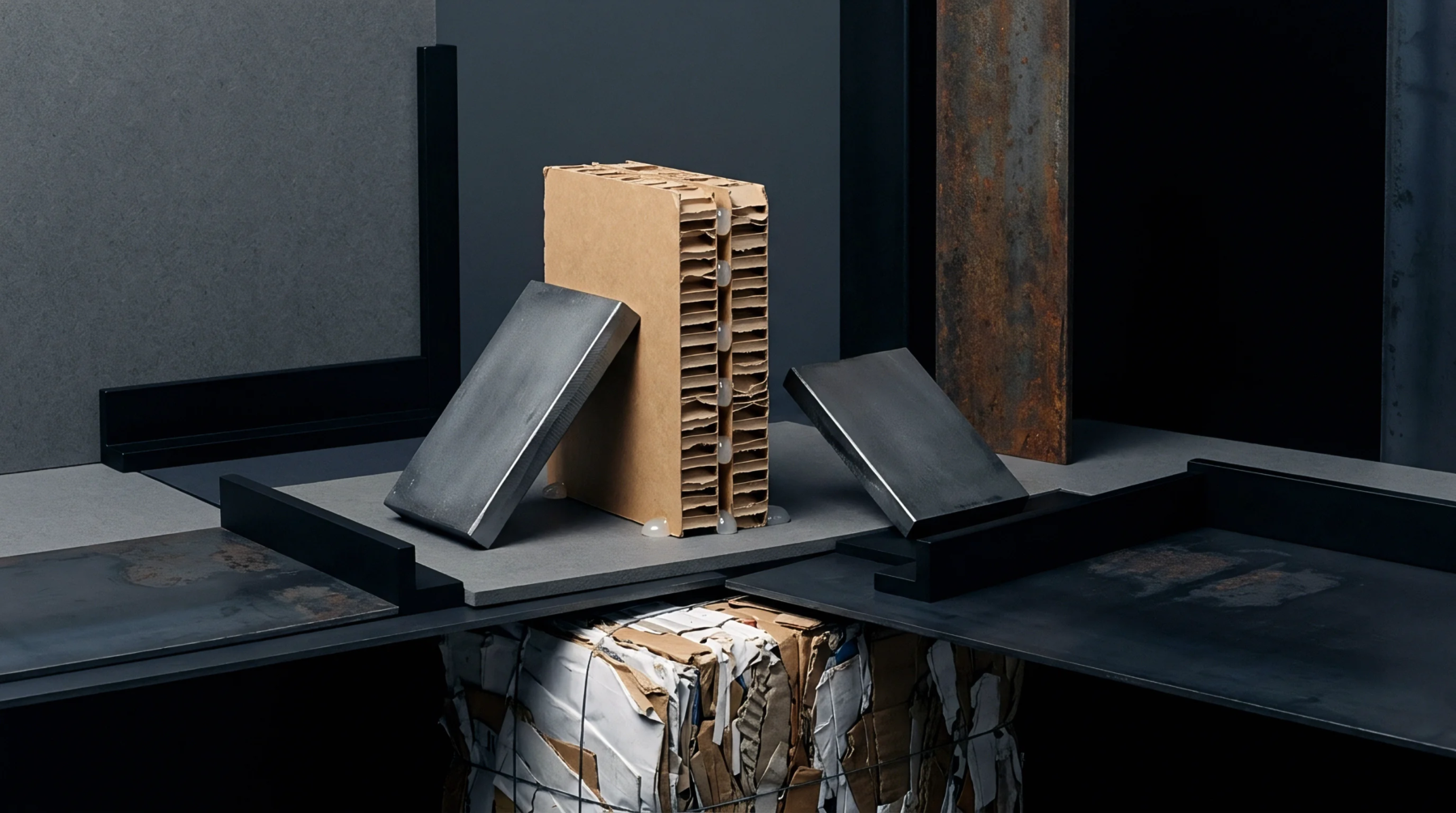
Imposition software calculates final page placement by subtracting the unprinted border from the total sheet dimensions to establish the maximum printable area available for commercial layouts. Prepress technicians must position crop marks and color bars outside the usable image frame but strictly inside the sheet boundaries to guarantee proper post-press trimming. Sheet distortion occurs if the clamping pressure exceeds the internal bond strength of the paperboard, leading to delamination during high-speed stripping operations in the bindery.
Packaging converters factor this mechanical requirement into structural carton designs, ensuring gluing flaps and window cutouts avoid the edge zones affected by press clamp indentation. Accurate imposition planning prevents costly reprints by aligning the printable design precisely within the safe zone defined by the mechanical holding limits of the press.