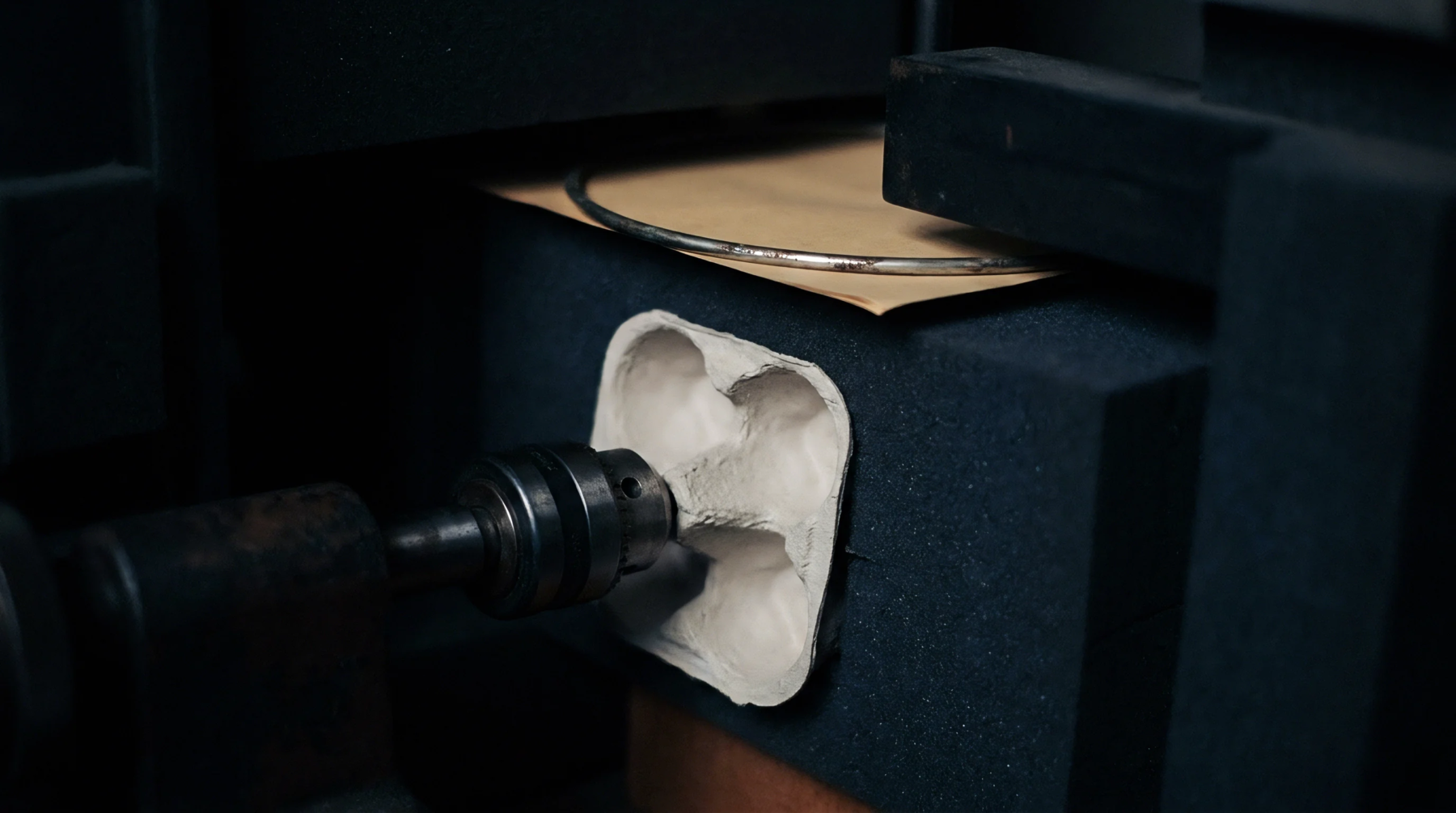
Interfiber Bond Disruption and Mechanical Modulus Decay in Humid Converting Environments
Elevated humidity causes gas-phase moisture sorption that disrupts interfiber hydrogen bonds, reducing sheet elastic modulus and causing converting failure.
Elevated humidity causes gas-phase moisture sorption that disrupts interfiber hydrogen bonds, reducing sheet elastic modulus and causing converting failure.
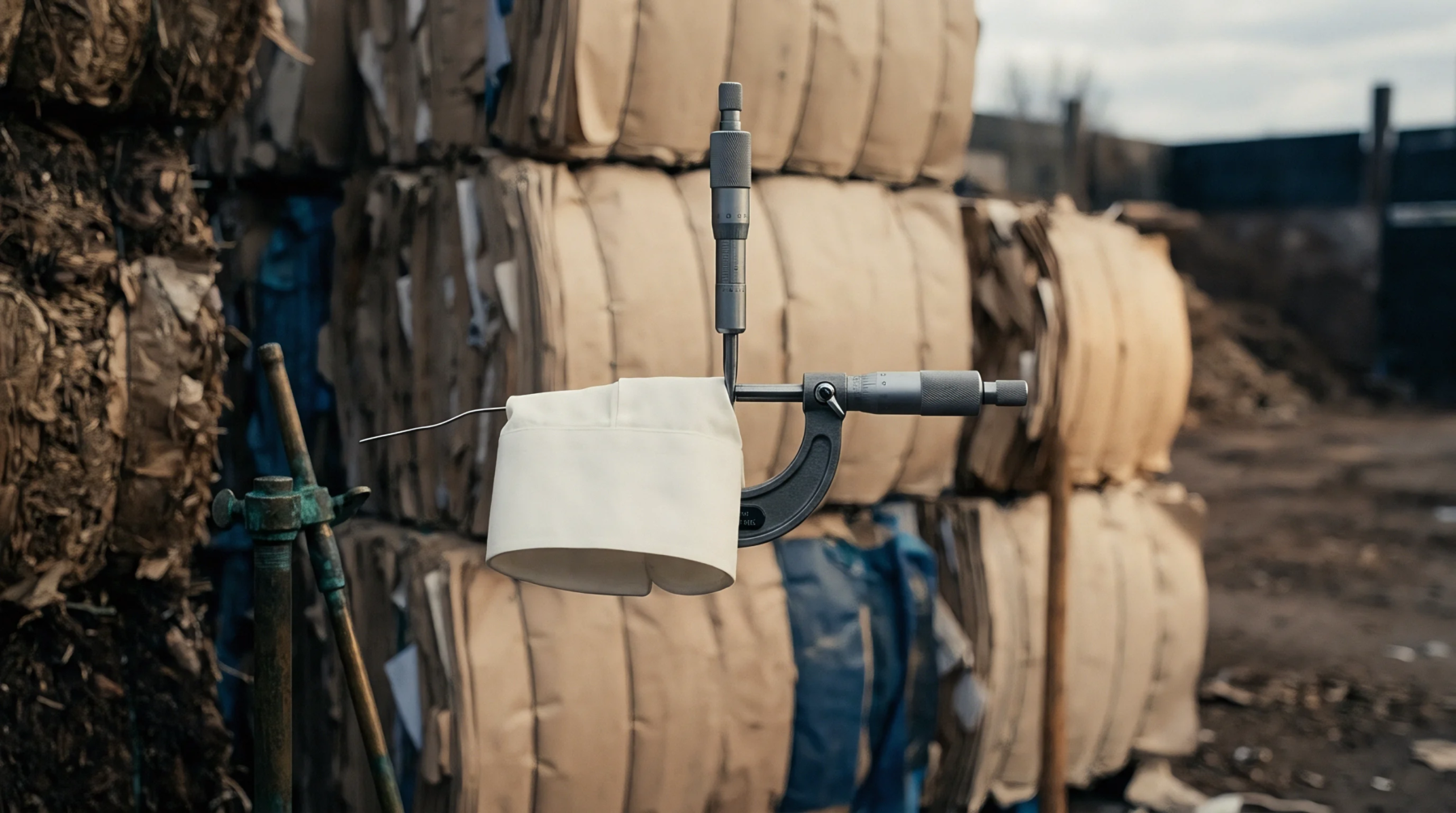
Asymmetric hygroexpansion across recycled boxboard plies induces internal shear stresses and curl, demanding strict moisture control to avoid converting scrap.

Dynamic Scott Bond impact and static Z-tensile testing verify multi-ply recycled board strength to prevent costly delamination during foil stamping and creasing.
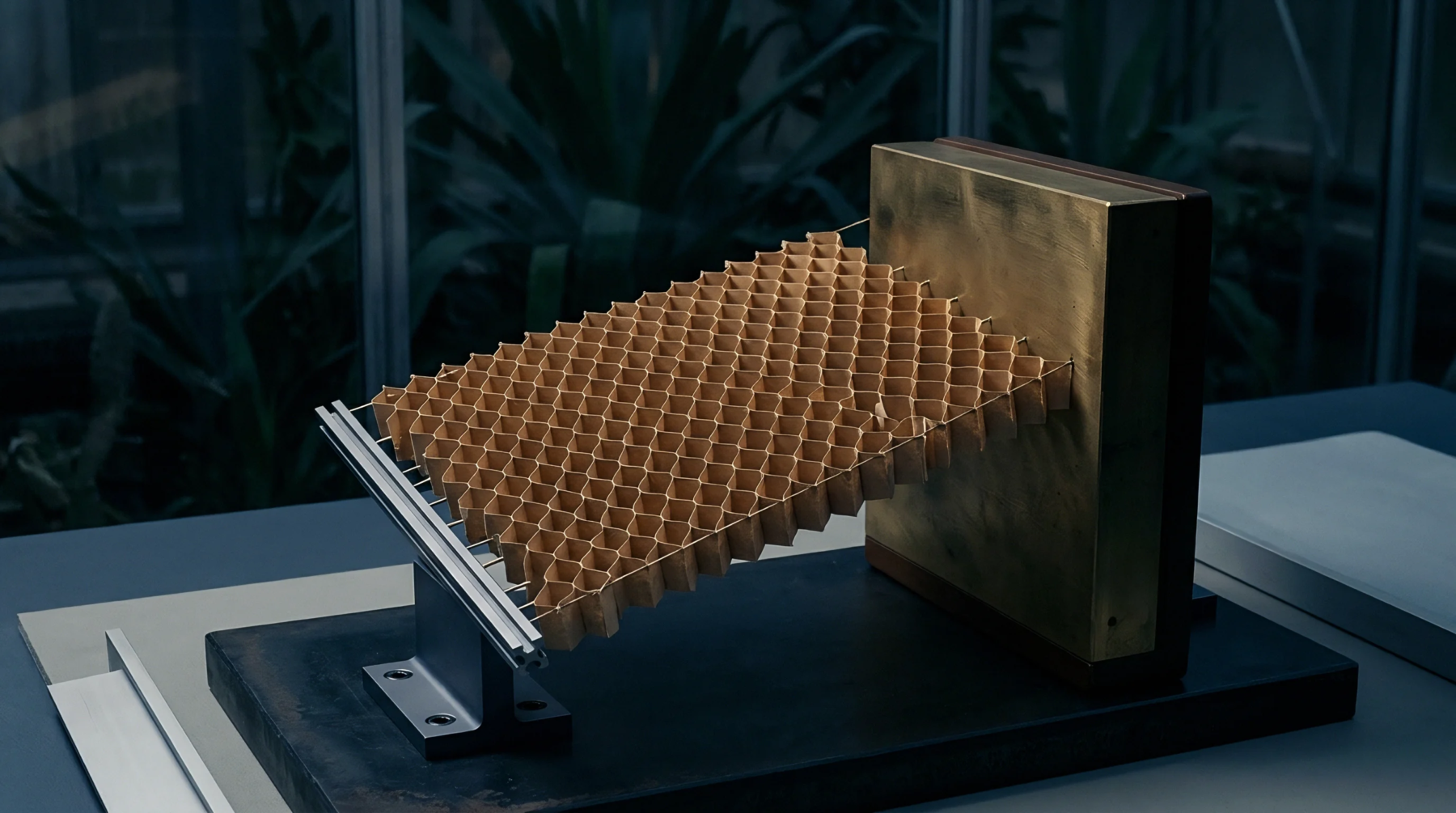
Dynamic Mechanical Analysis quantifies z-axis caliper loss under dynamic converting loads to prevent carton collapse and protect structural bending stiffness.
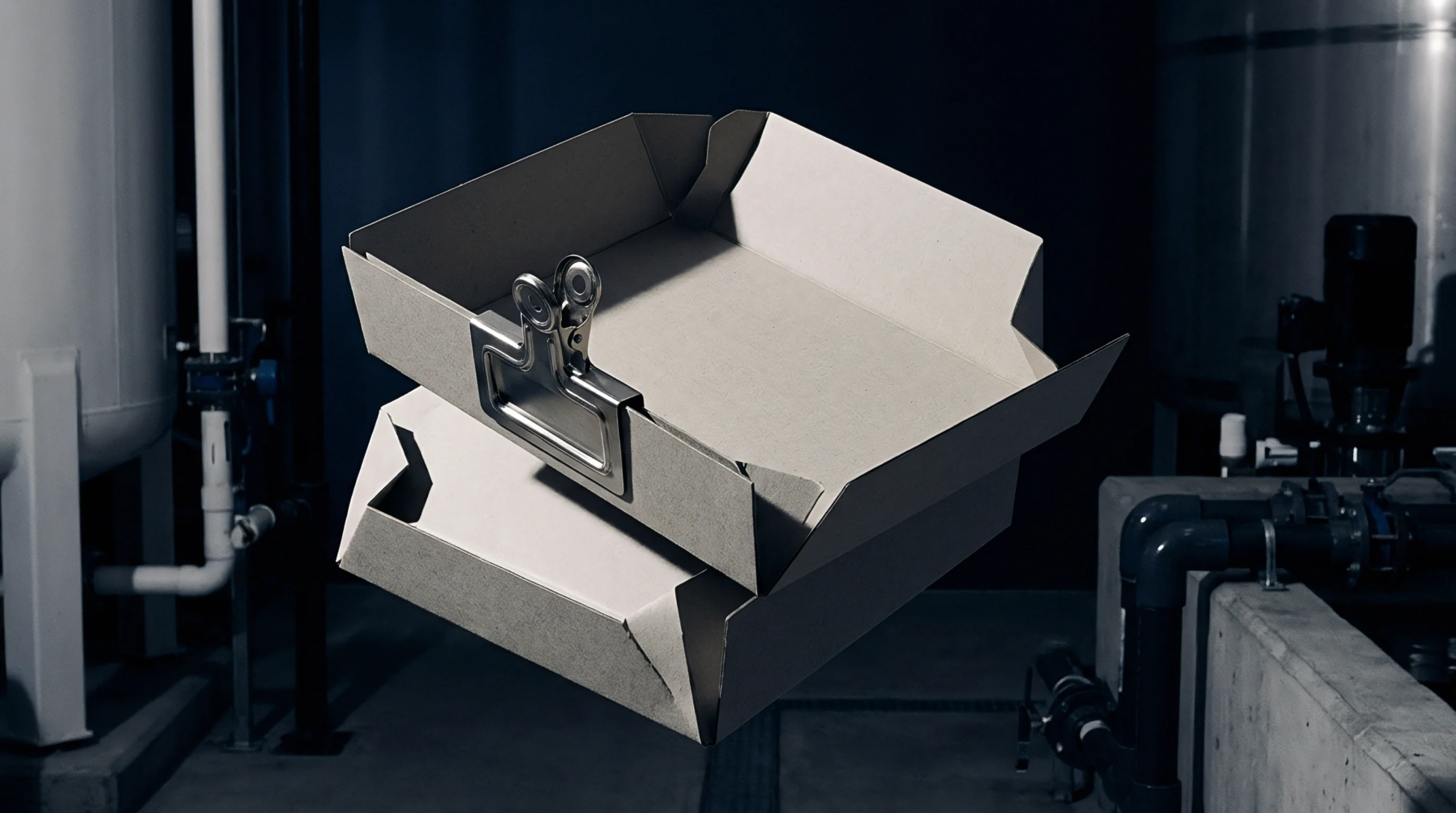
Dynamic strain rate hardening increases Z-direction stiffness during high-speed die cutting, demanding wider matrix channels to prevent crease cracking.
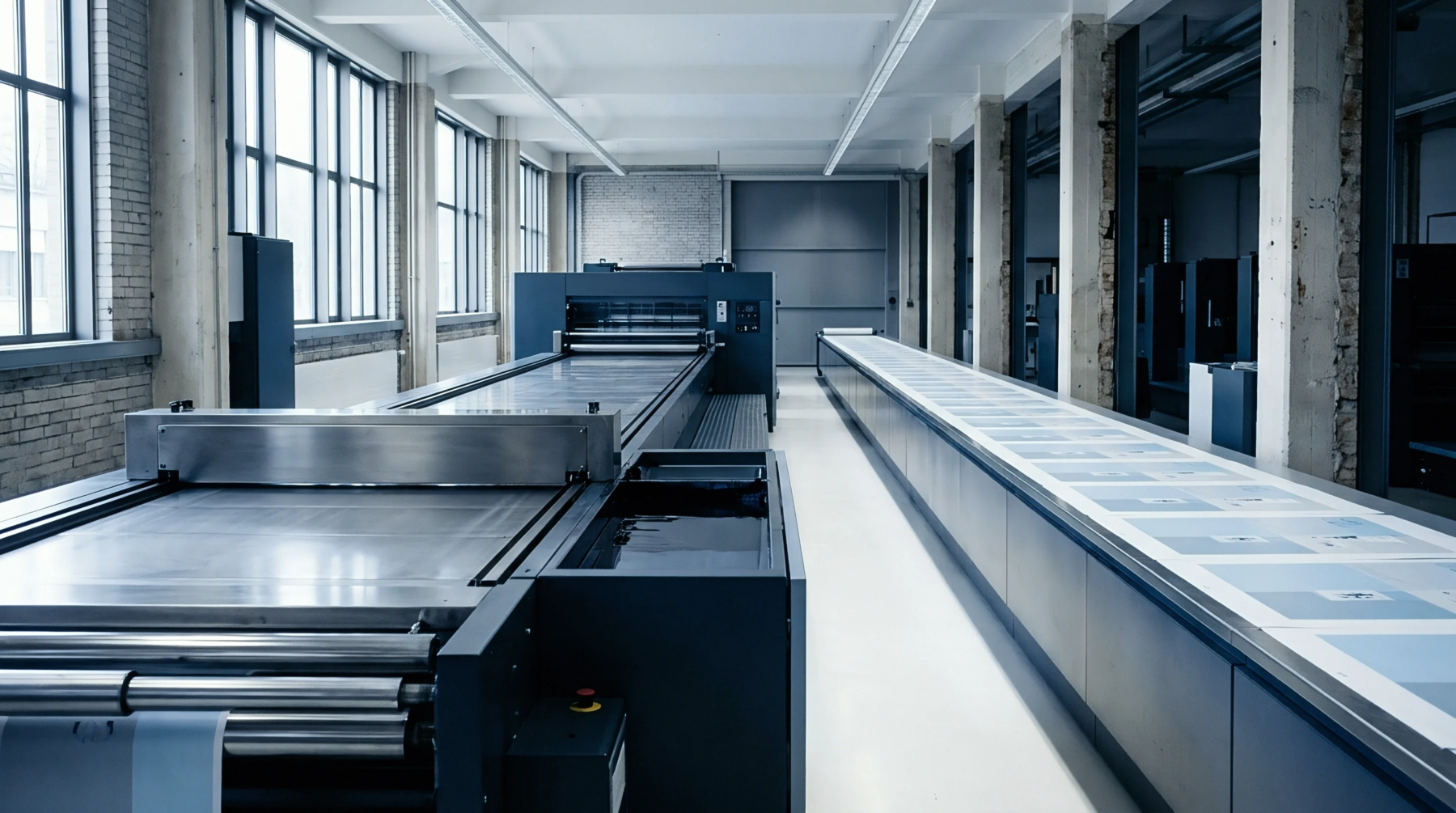
Inline ultrasonic testing verifies internal score delamination and folding resistance in real time, preventing visual surface cracking and high-speed erect jams.
Predictive stiffness loss modeling prevents folder-gluer waste by adjusting crease depth and binder chemistry to compensate for high-speed dynamic strain.
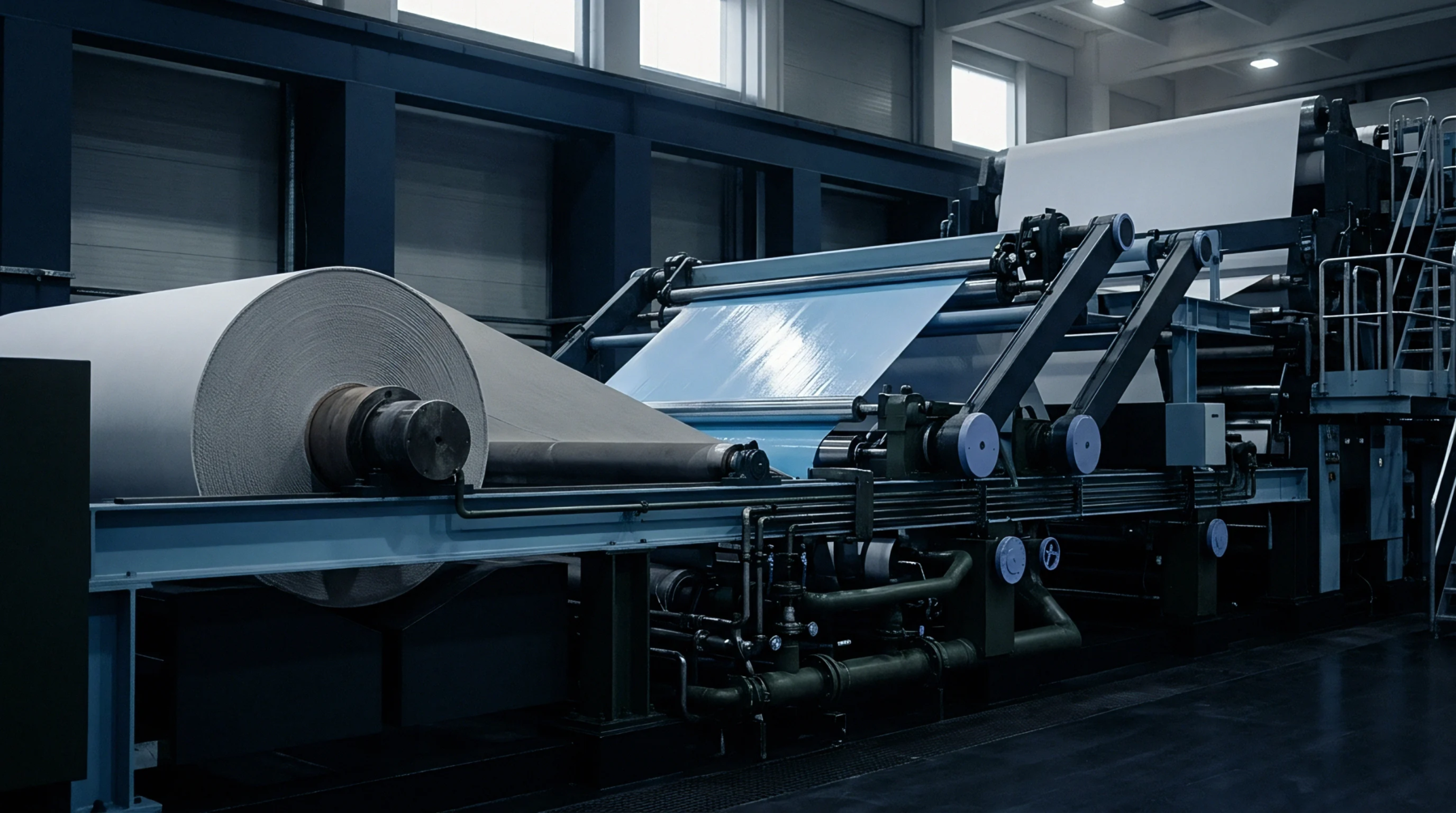
Dynamic moisture entry plasticizes paperboard core binders and depresses matrix glass transition, driving interlaminar delamination and pallet stack collapse.
Dynamic relative humidity cycling accelerates compressive creep strain and drives interlaminar delamination kinetics in recycled board packaging stacks.
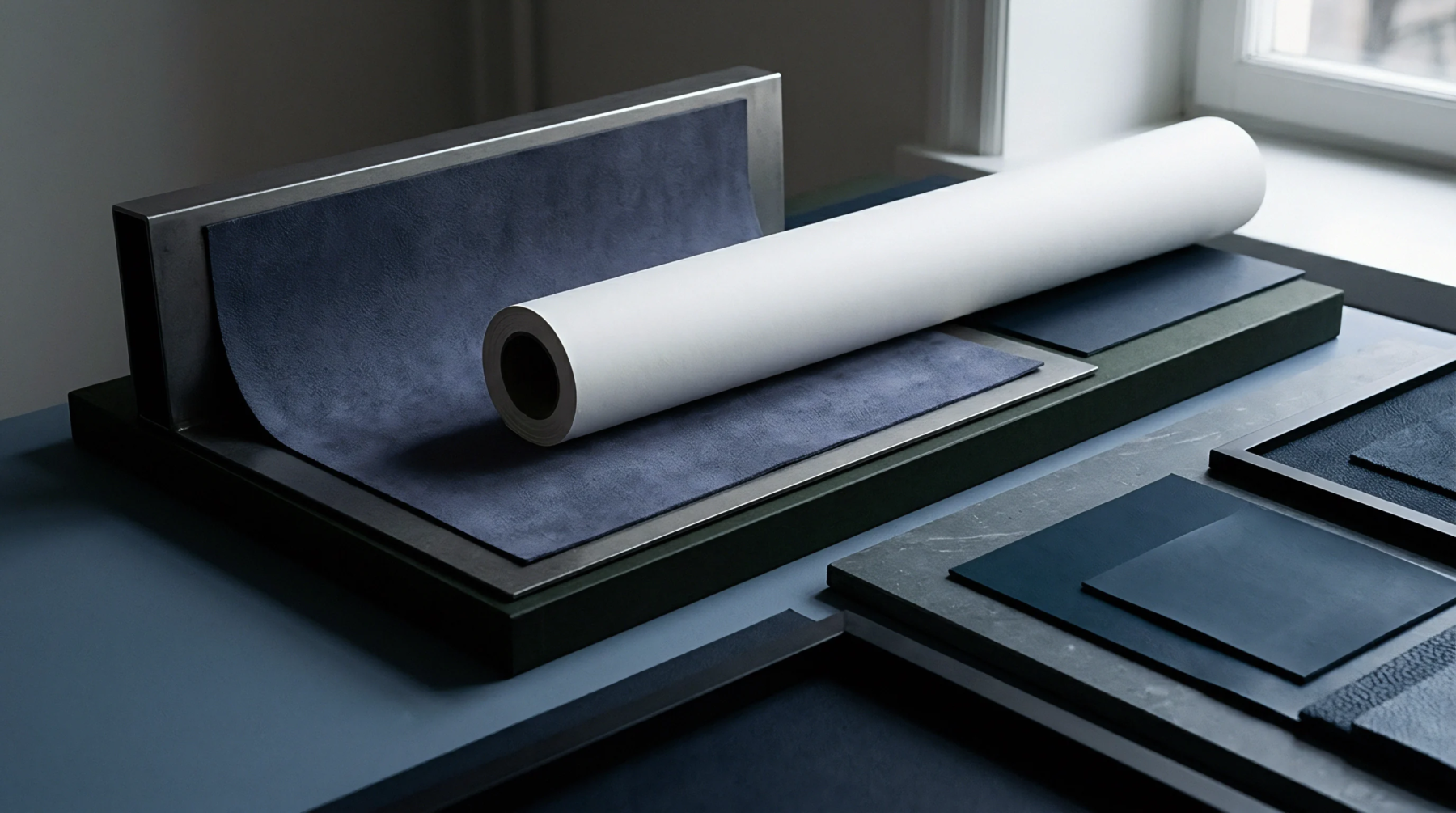
Polyurethane soft-touch films provide superior scratch resistance and score fold integrity compared to BOPP but require higher temperature control and lower web yields.

High erection speeds induce inter-ply shear strain that causes carton delamination when Z-direction bond strength drops below 180 Joules per square metre.
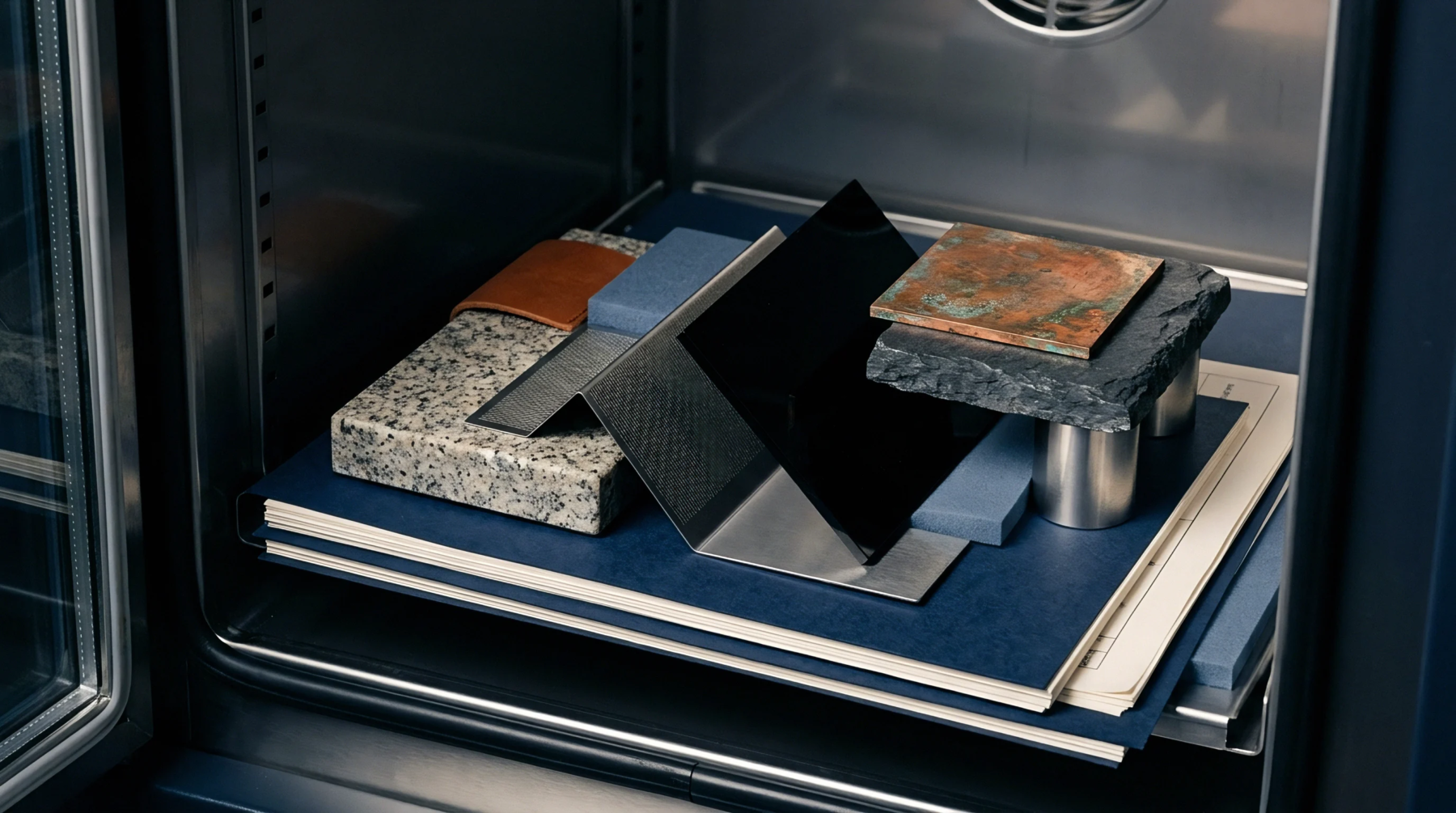
Accelerated creep buckling protocols require cyclic humidity chambers and parallel platens to predict thin boxboard stacking failure under dead loads.

Rate-dependent cohesive zone models prevent high-speed converting delamination by accurately predicting paperboard interlaminar shear failure at production speeds.
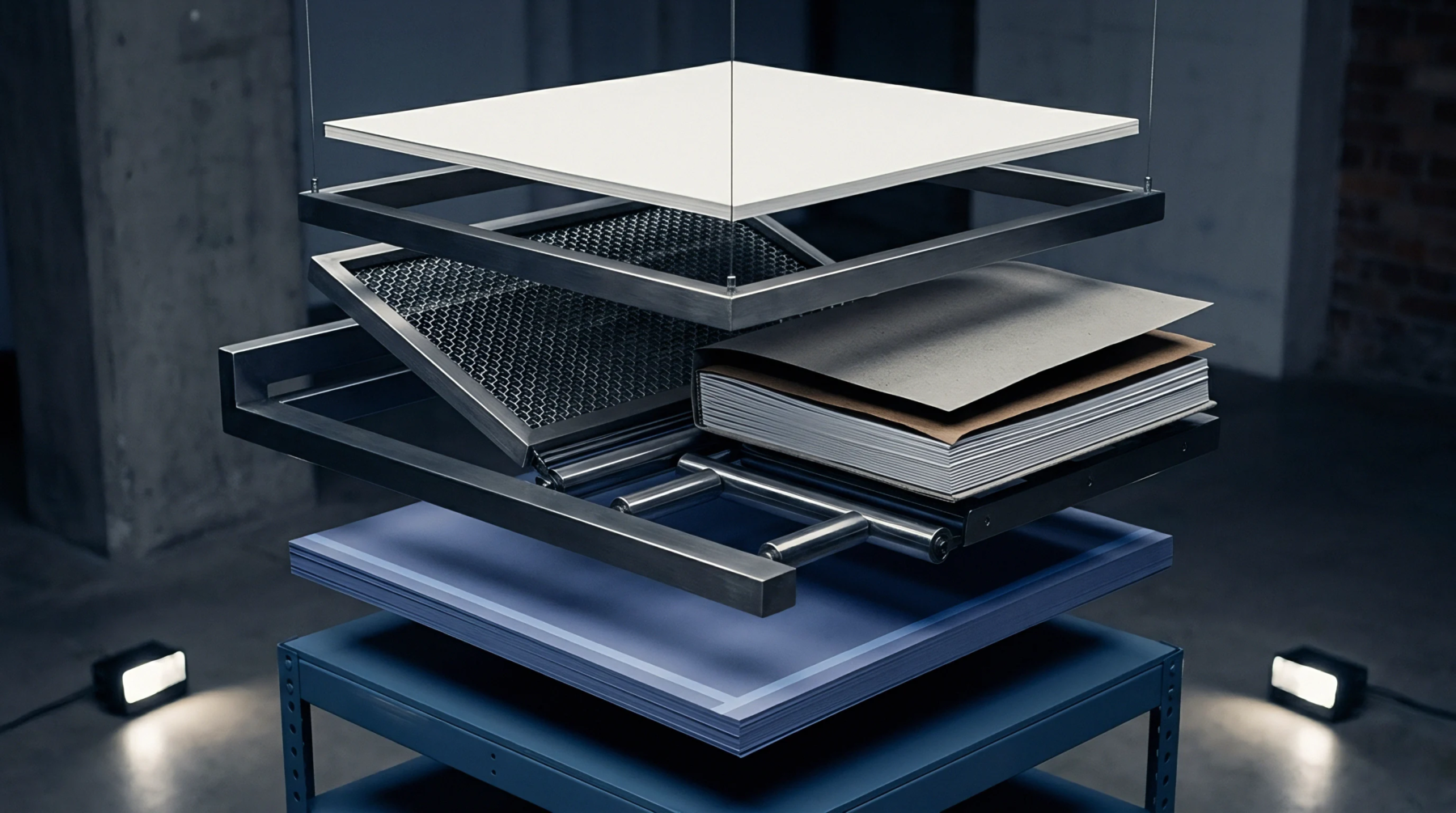
Predicting paperboard delamination requires balancing Z-direction shear strength to permit core separation while preventing outer liner tensile fracture.

Dynamic temperature and moisture transfer algorithms coupled with inline pyrometry eliminate optical sensor drift on high-speed recycled board lines.
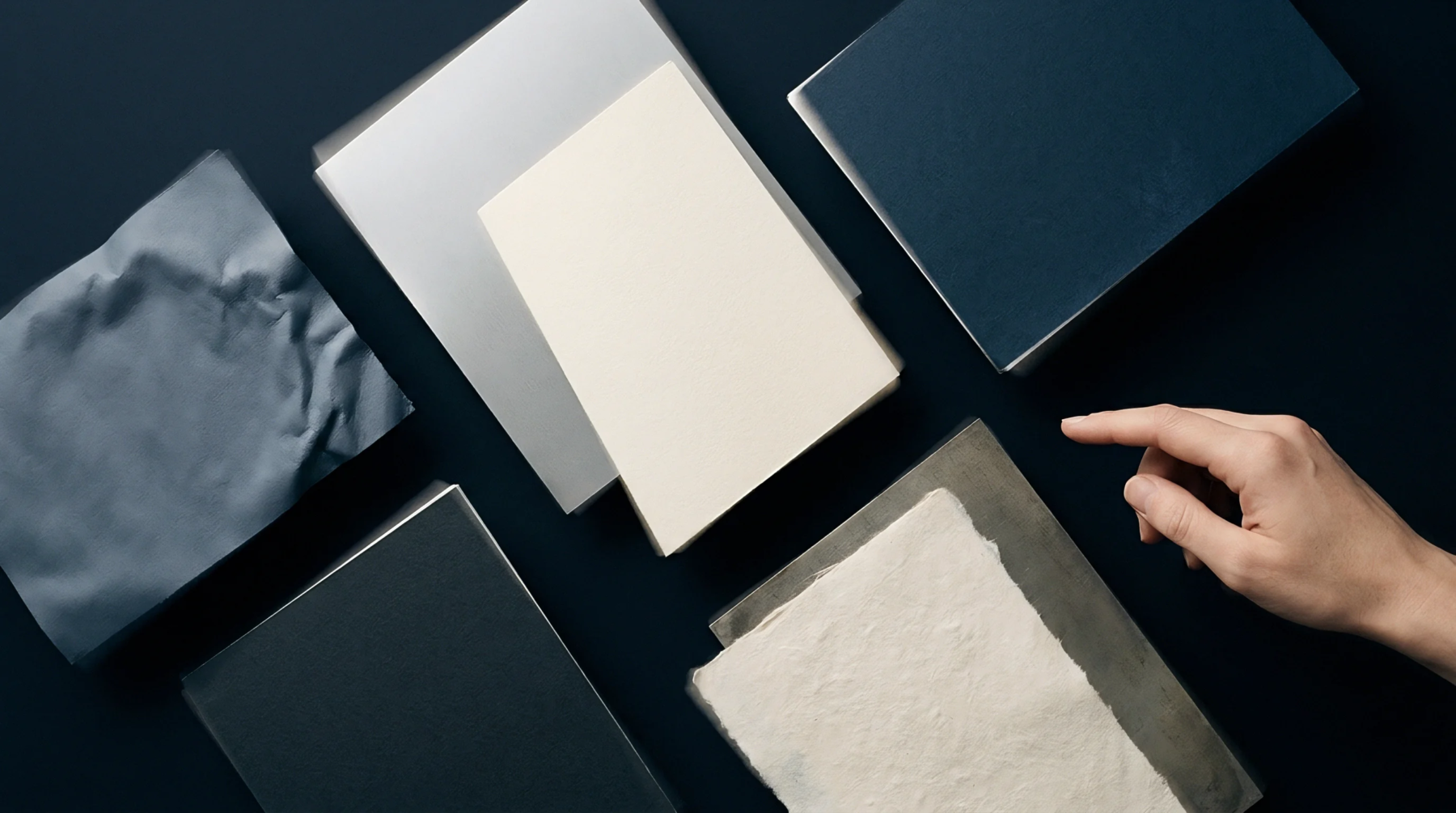
Calibrated matrix channel width relies on board caliper, rule thickness, and fiber shear mechanics to prevent liner cracking and gluer jams.
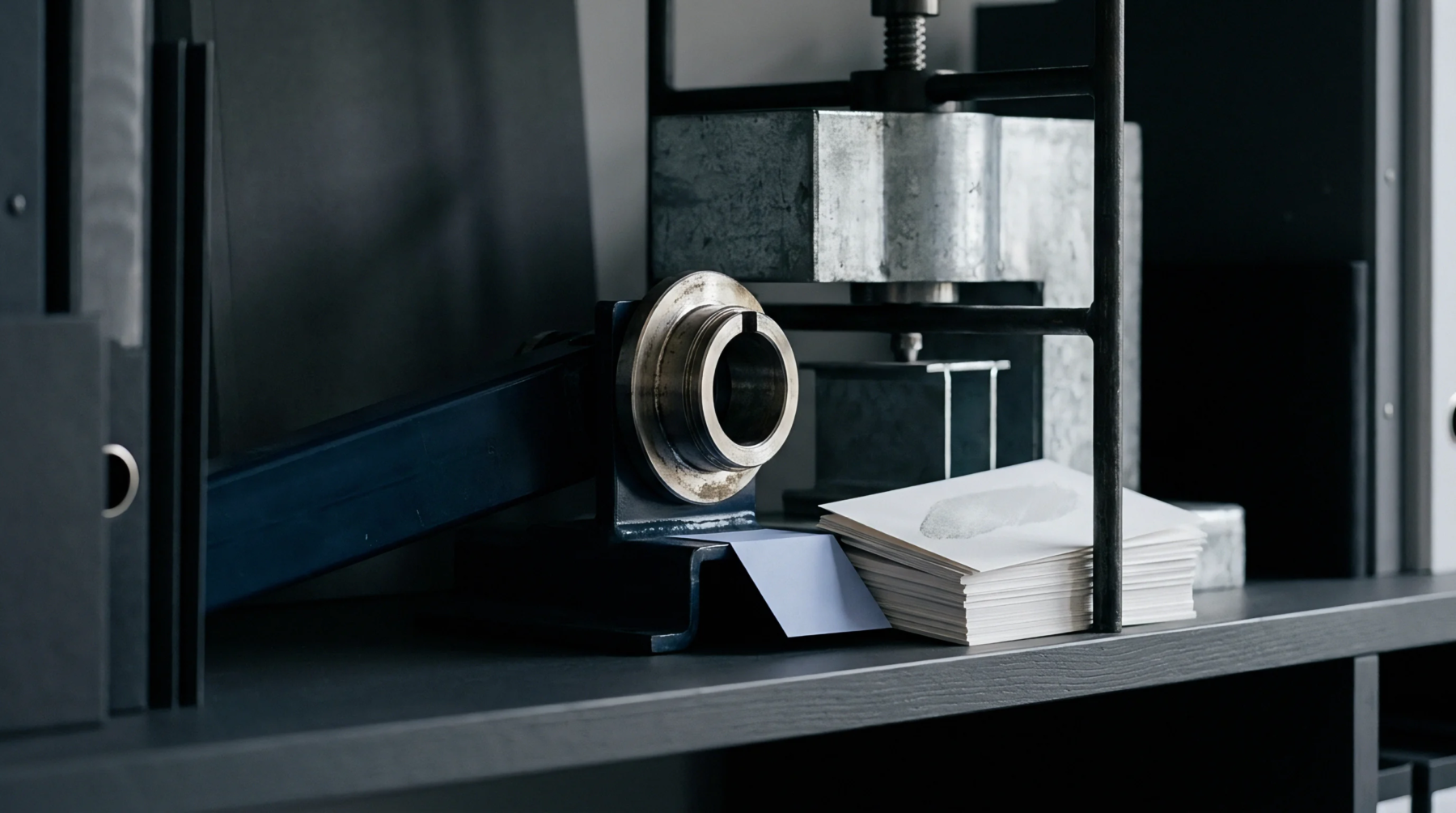
Inter-deck thermal radiation drives anisotropic sheet expansion, causing tail-end register drift that requires precise substrate grain alignment and lamp modulation.
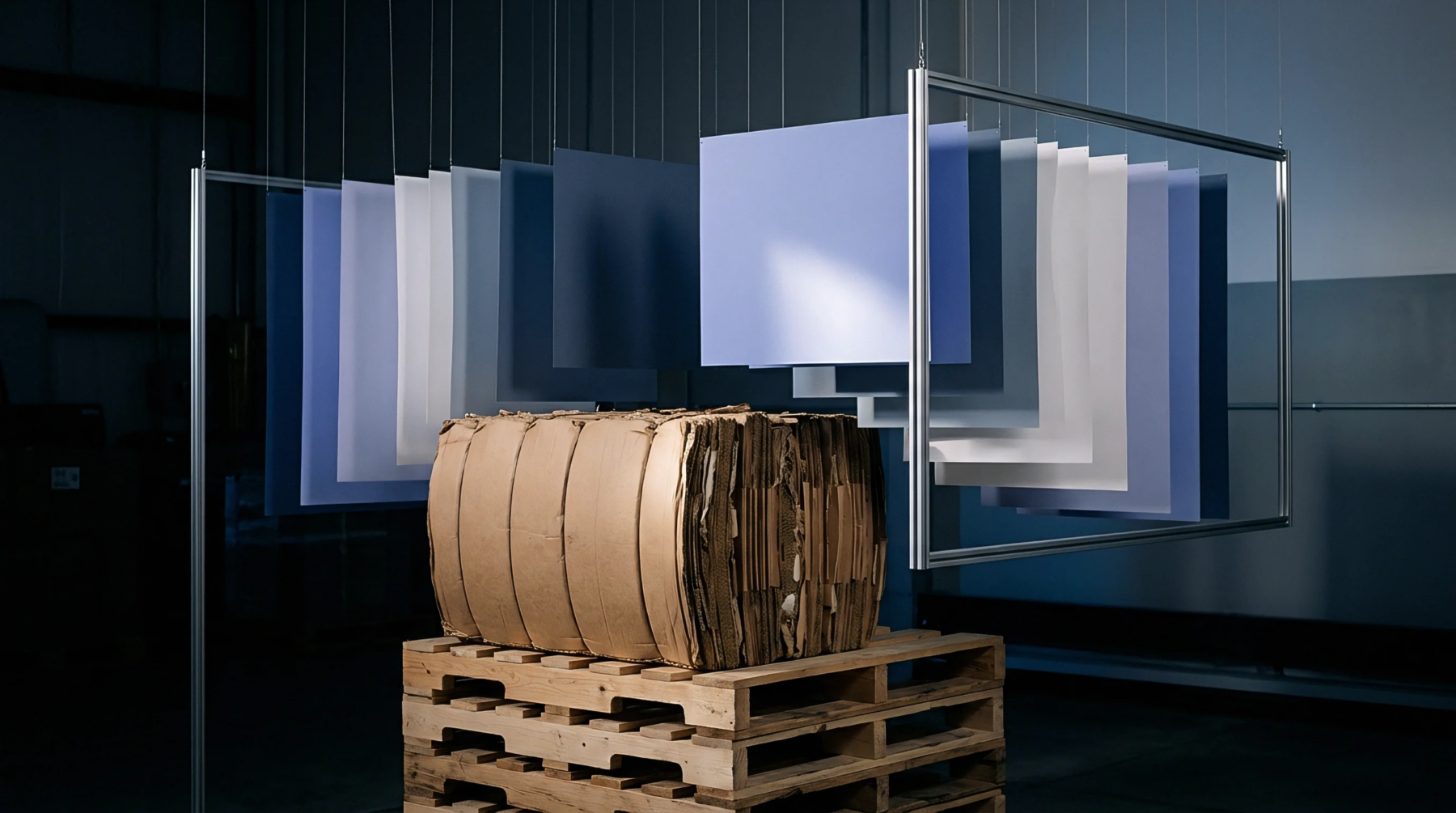
Food contact safety for recycled board requires functional barrier proof and complete chain of custody documentation down to invoice line items.

Mechanical decurling and fluid rehydration permanently degrade recycled paperboard flexural modulus by shear micro-delamination and fiber plasticization.

Single-sided lamination curl stems from differential thermal shrinkage of polymer film opposing moisture-driven hygroexpansion across anisotropic board fibers.
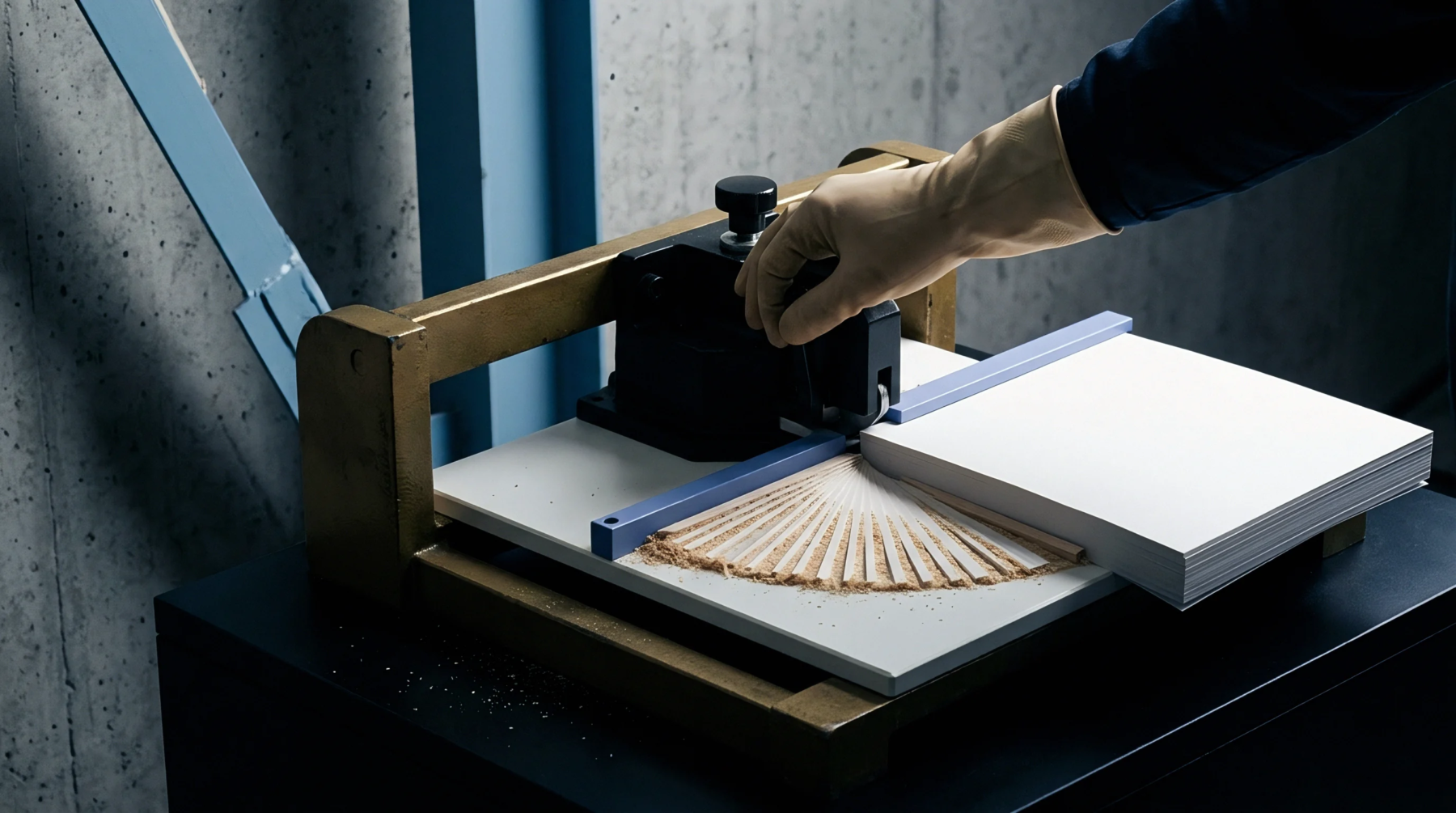
Optimizing rule depth and matrix channel width induces internal ply delamination, preventing top liner crack failures during high-speed carton folding.

Matching counter matrix channel width to rule thickness plus 1.5 to 1.7 times board caliper prevents clay coating rupture and stabilizes carton score stiffness.
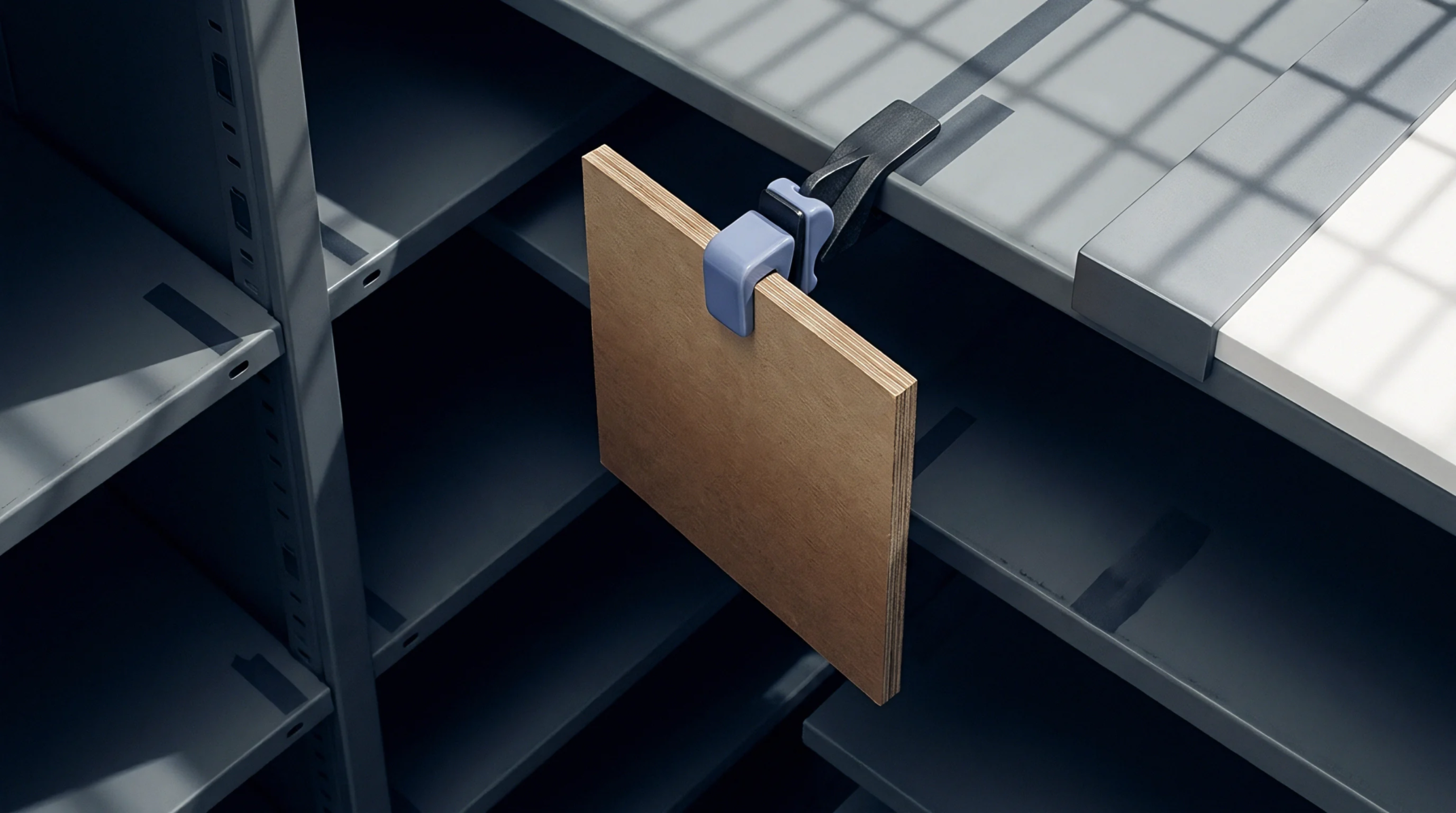
Quantifying dynamic shear planes in recycled board requires high-rate impact testing to prevent score line splitting on high-speed converting lines.
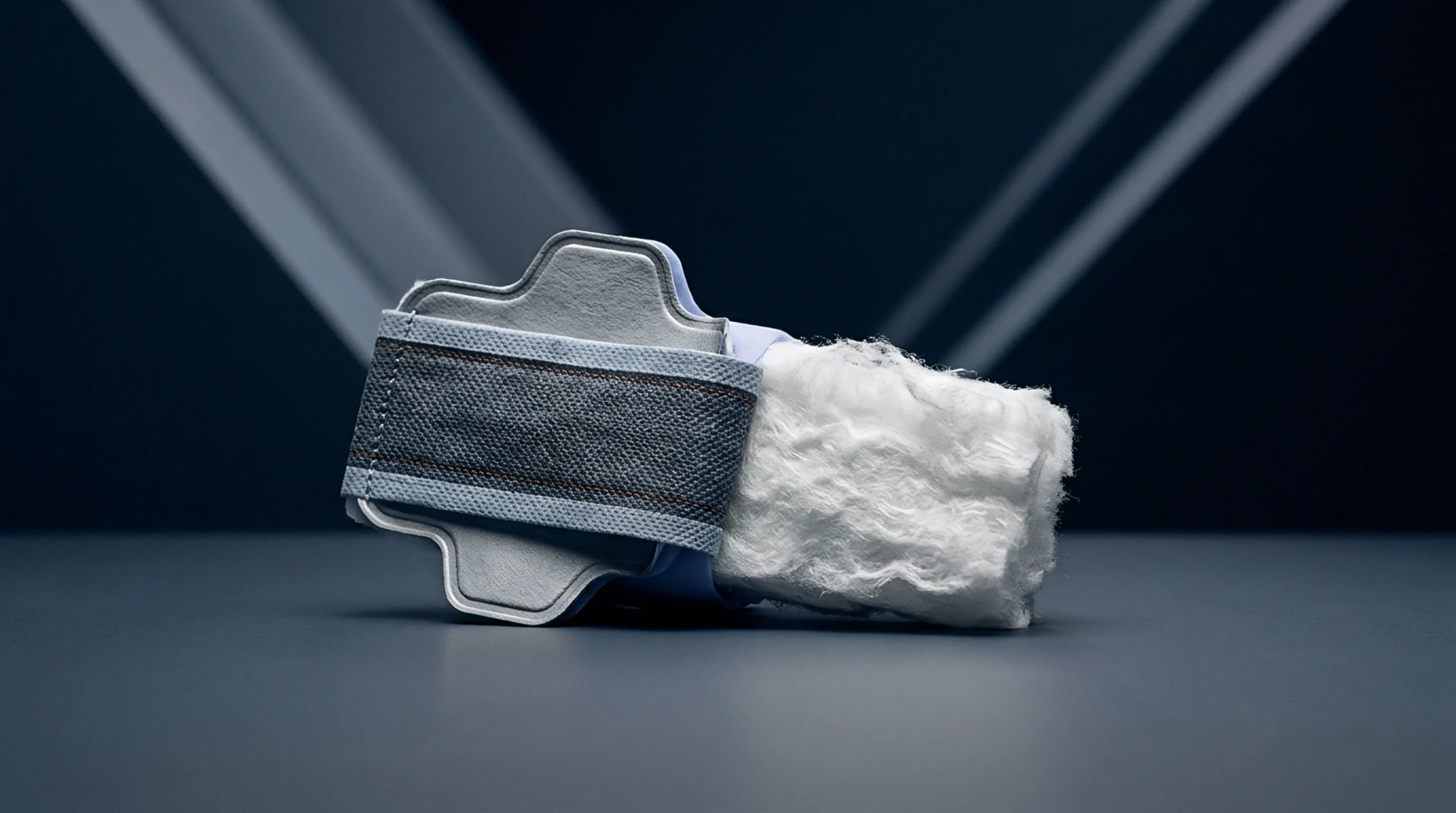
Recycled paperboard strain measurement requires direct optical extensometry under ISO 1924-3 to isolate true sheet elongation from clamp slippage.

Matching dynamic Scott Bond energy above 120 J/m² prevents high-speed folder-gluer delamination and reduces net carton cost through lower line scrap.
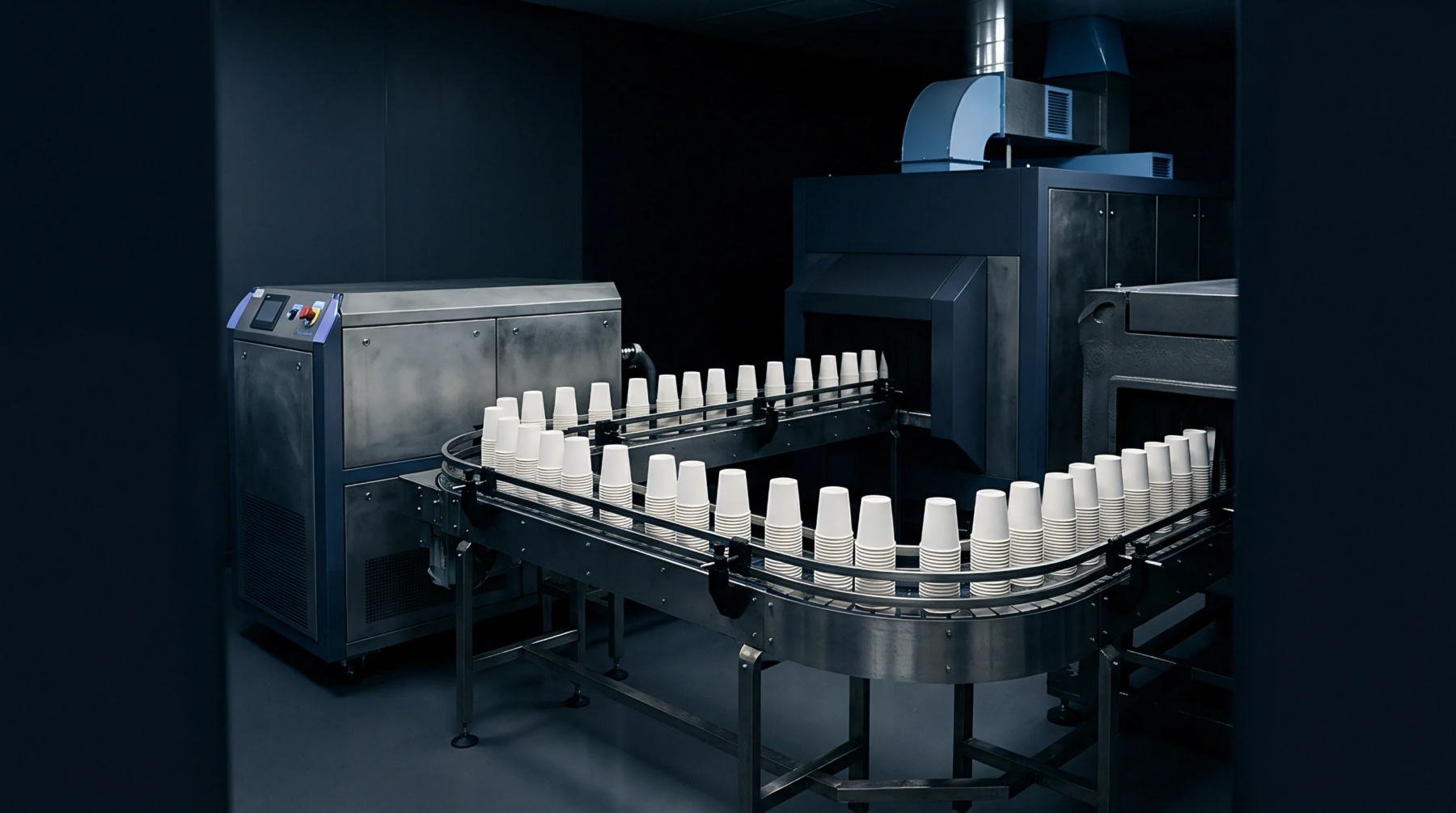
Targeting 5.5 to 6.5 percent board moisture and maintaining 50 percent relative humidity prevents hygroexpansion fan-out, registration drift, and score cracking.
Widening matrix channel width to 1.7 times board caliper mitigates score cracking on recycled board by promoting controlled internal ply delamination.
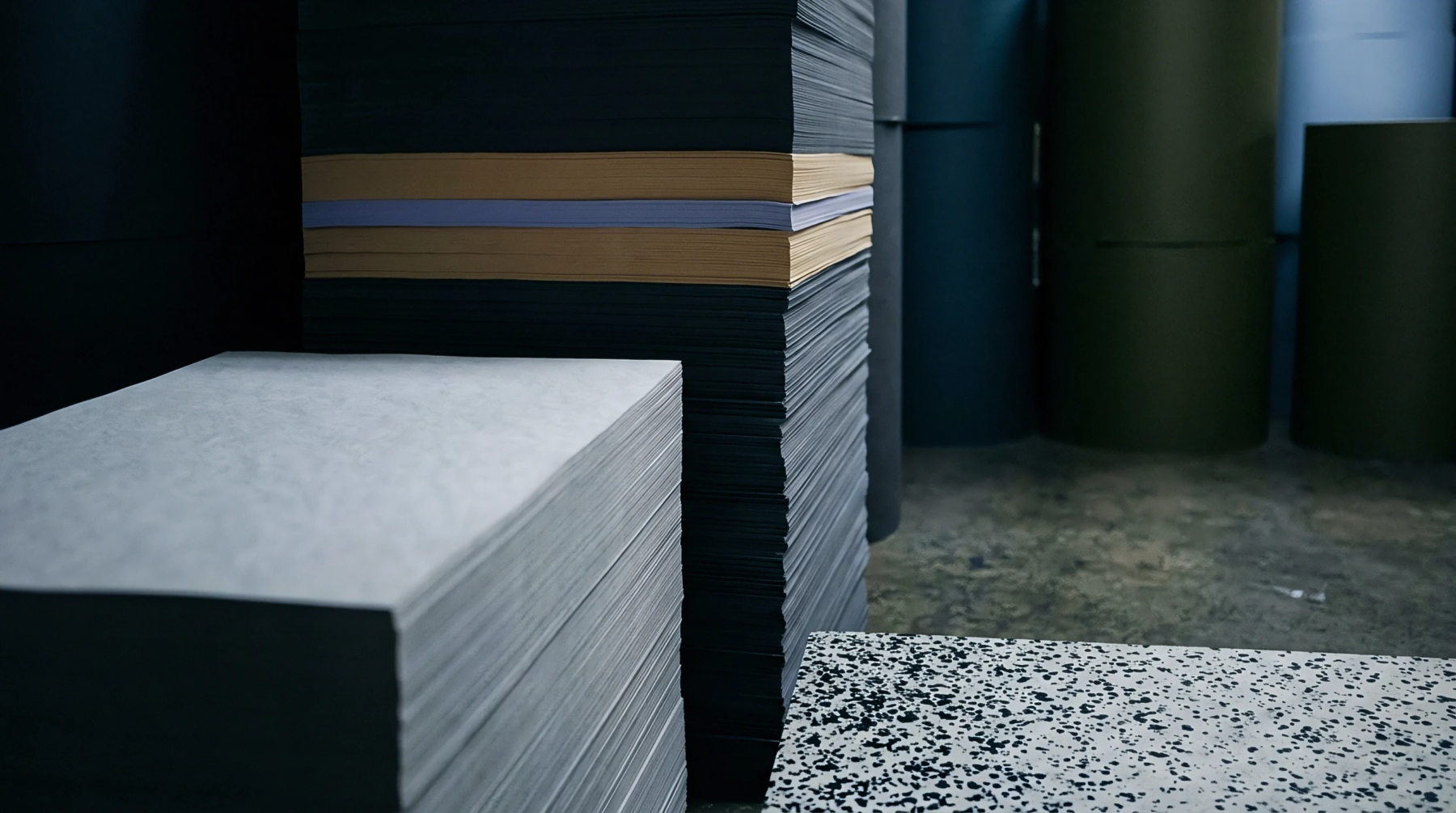
Paperboard moisture verification demands ISO 186 random lot sampling and preconditioning under ISO 187 before ISO 287 gravimetric testing.

Virgin solid bleached sulfate delivers superior score integrity and brightness, while recycled board reduces raw material expenditure when stiffness targets allow.
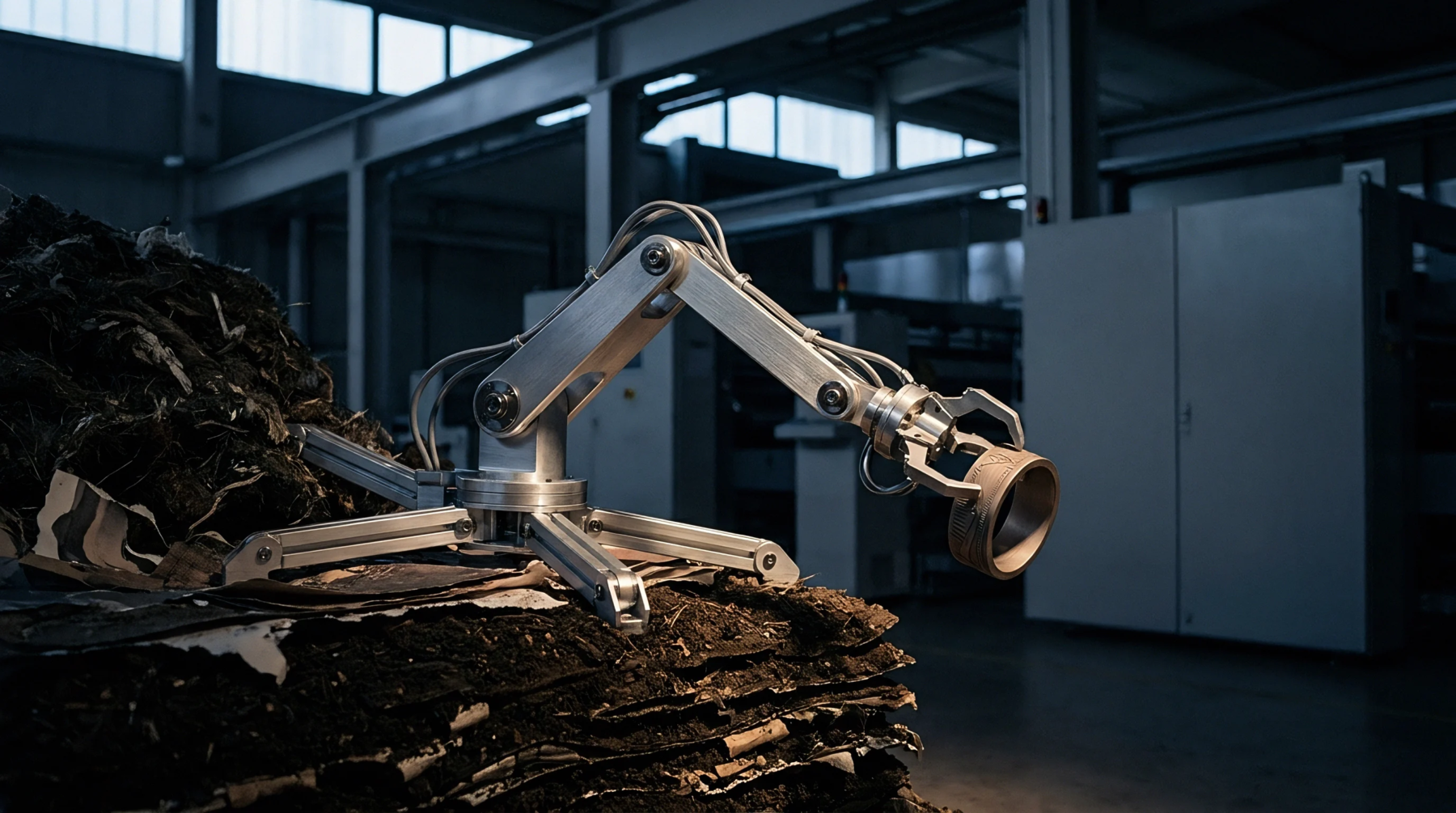
Dynamic surface tension gradients in recycled paperboard cause capillary stalling, uneven ink penetration, and severe converting spoilage.
Expertise is a utility, not a secret. sentiention™ publishes its working knowledge as open reference: intelligence layer covering the materials it sources, the markets it enters, and the reference that serves both.