Sludge Rejection
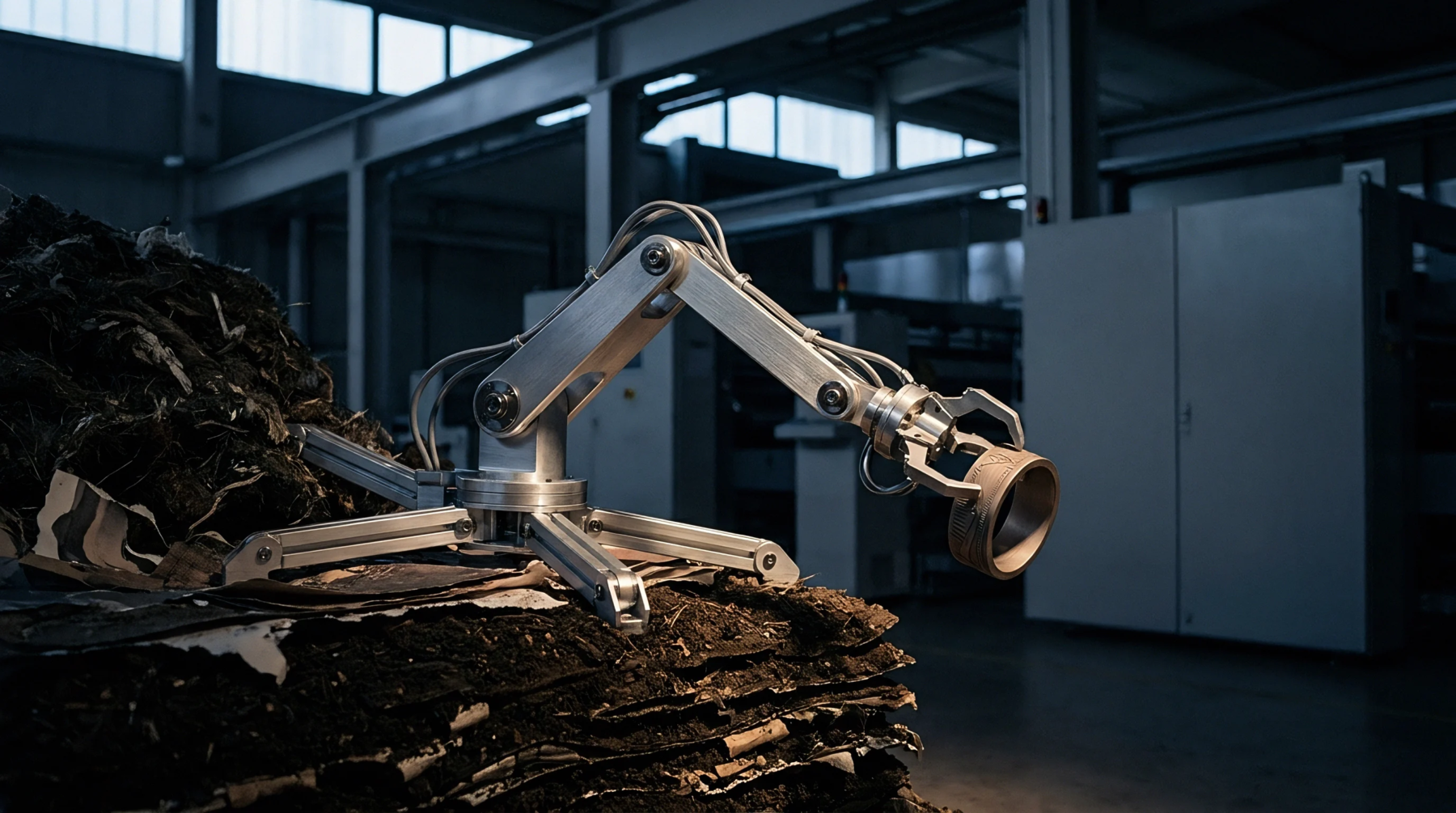
Secondary fibre processing generates heavy solid fractions during repulping and cleaning cycles. Deinking residues accumulate within flotation cells and washing stages as mineral fillers, short cellulosic fractions, and insoluble printing inks concentrate together. Sludge handling requires mechanical dewatering before external transport occurs.
Landfill disposal demands strict moisture thresholds to maintain geotechnical stability in municipal waste management sites. Mills evaluate filtration press performance continuously to control disposal overheads.
Fibre Recovery
Chemical pulping loops isolate usable cellulose strands while discharging extraneous non-fibrous constituents continuously. Deinking residues contain residual printing chemicals alongside calcium carbonate particles that originate from coated publication grades. Separation screens segregate heavier inorganic pigments from marginally buoyant organic matter during the clarification cycle.
Paper machines suffer surface defects when minute contaminant fragments bypass centricleaner arrays and embed within the wet web. Quality auditors measure ash content strictly to quantify mineral retention rates across consecutive production shifts.
Residue Valorization
Industrial combustion boilers utilize dried organic solids derived from secondary fibre operations to generate auxiliary thermal energy. Deinking residues substitute coal mixtures effectively when calorific values meet facility emission limits. Cement kilns ingest inorganic mineral components safely as raw material inputs for clinker production.
Environmental regulators mandate heavy metal leaching tests before secondary manufacturing streams accept industrial byproducts. Thermal oxidation reduces aggregate volume significantly while neutralizing trace organic surfactants present in the waste stream.