Substrate Composition
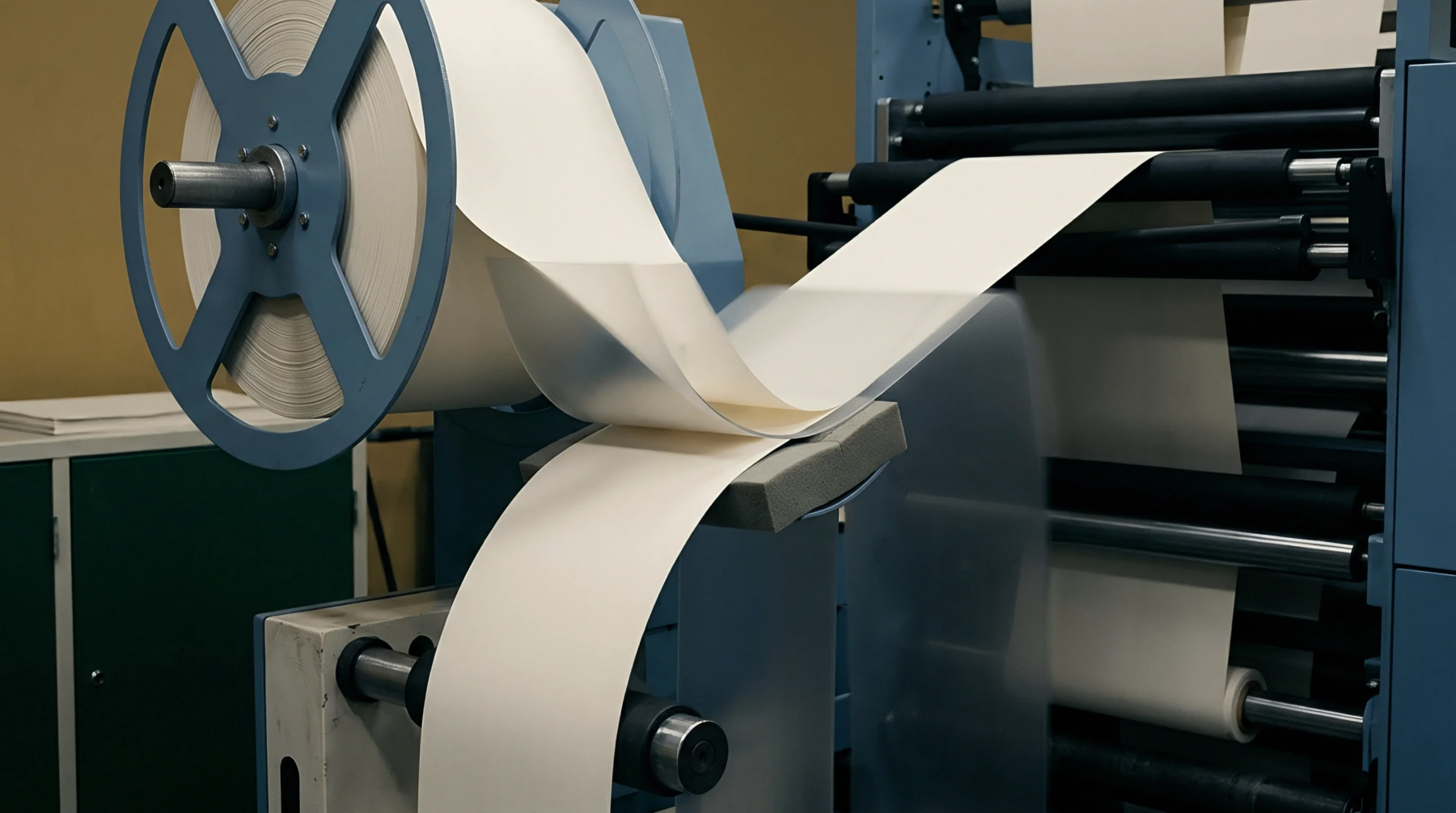
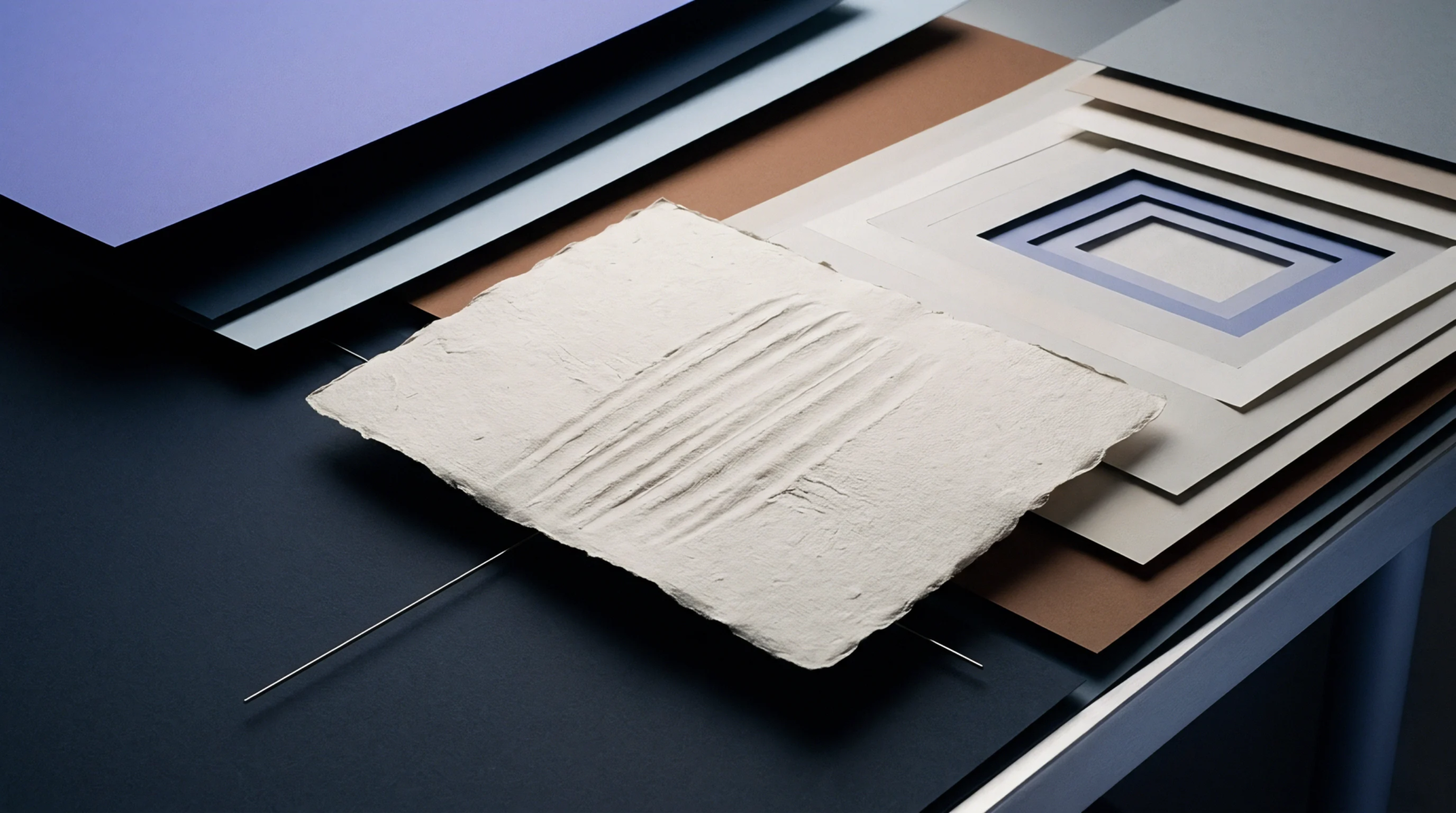
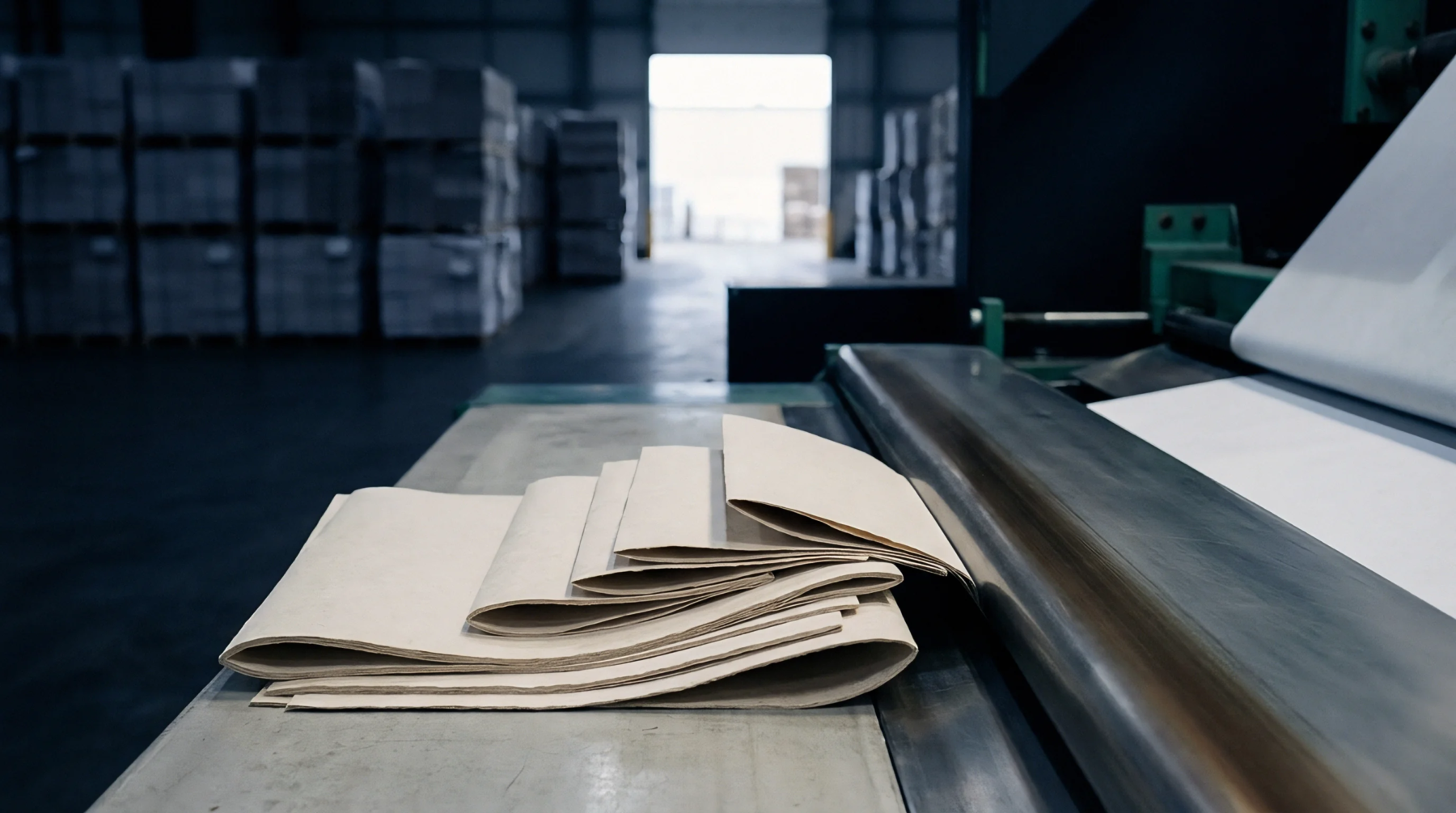
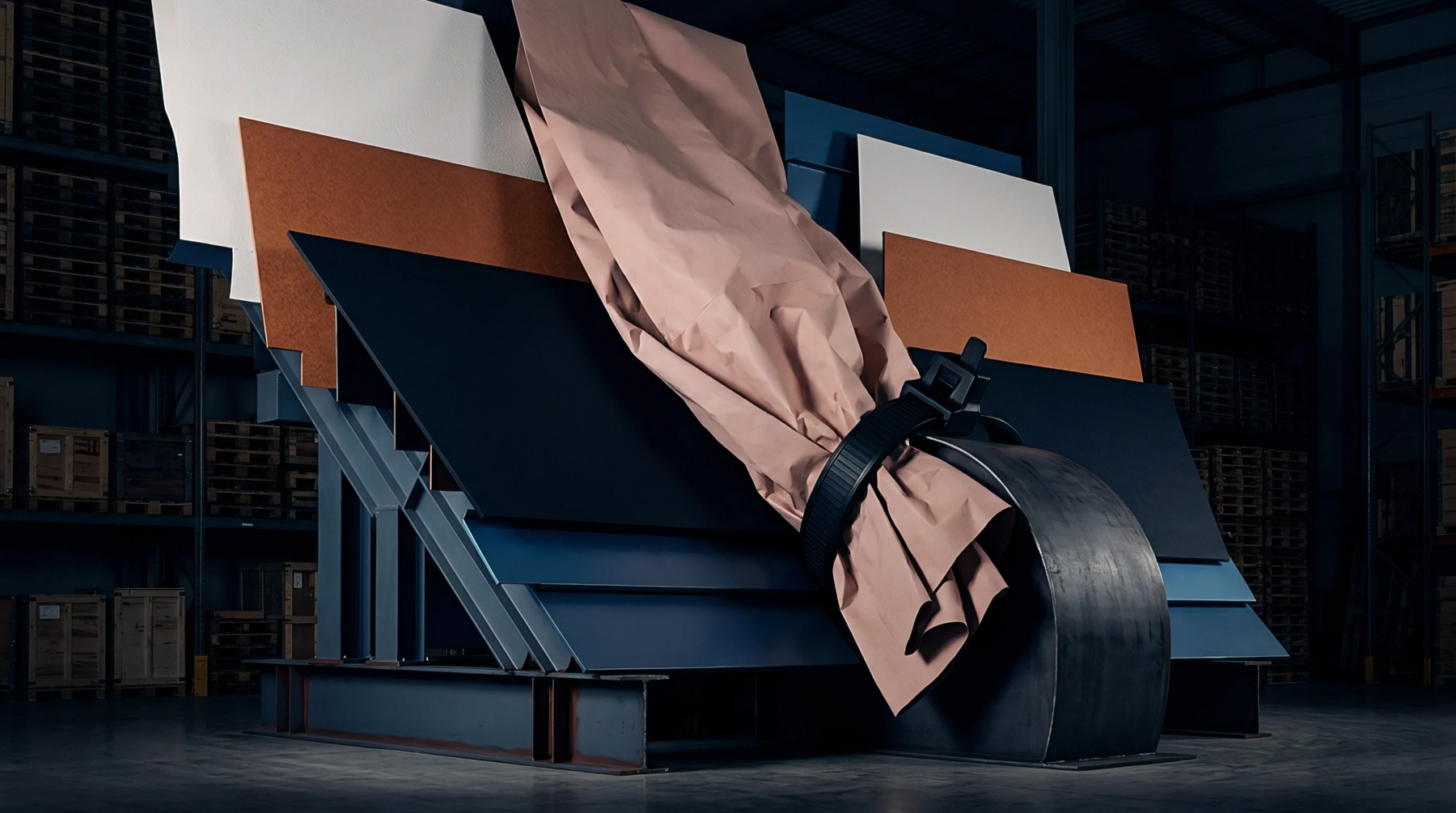
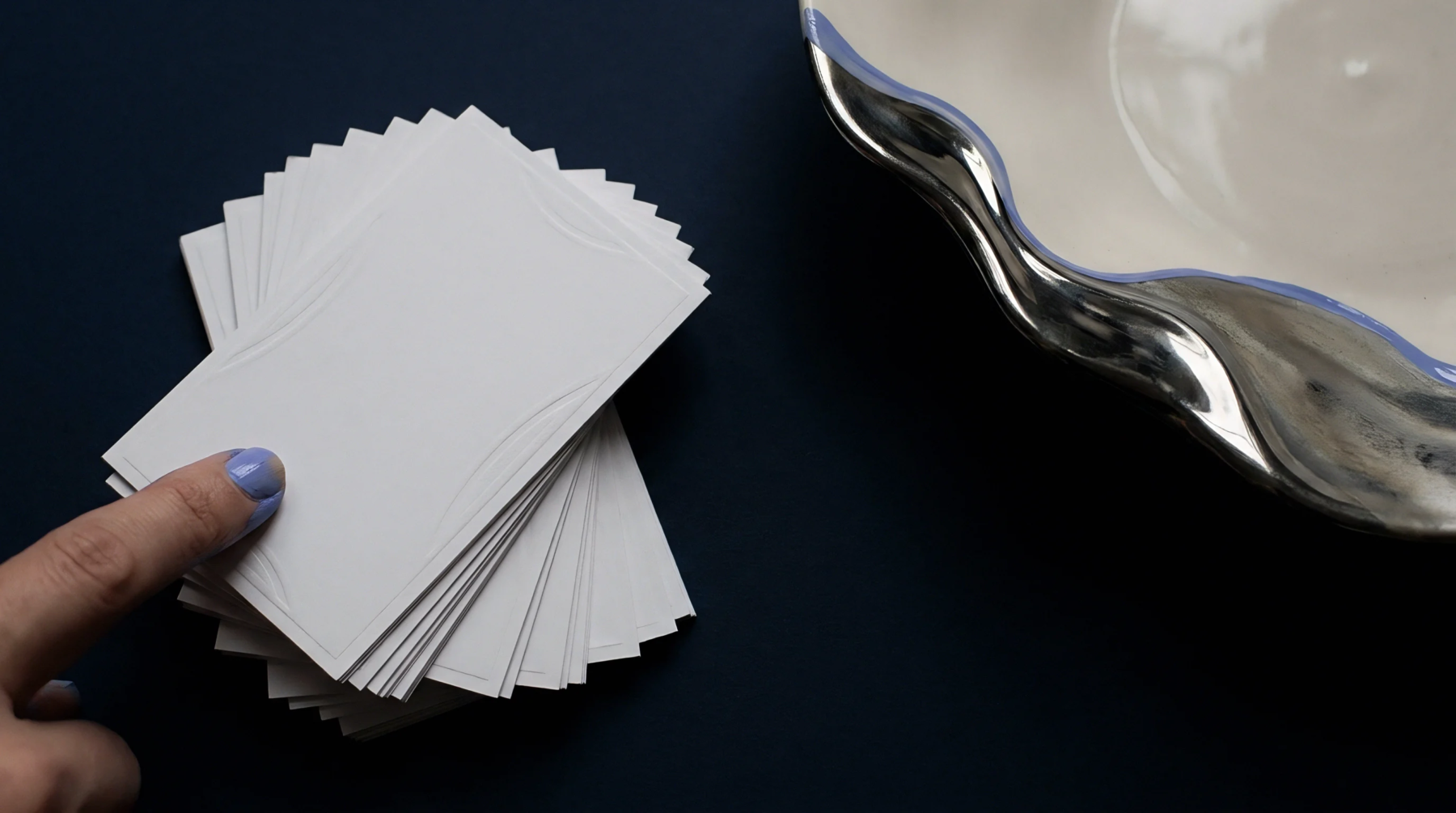
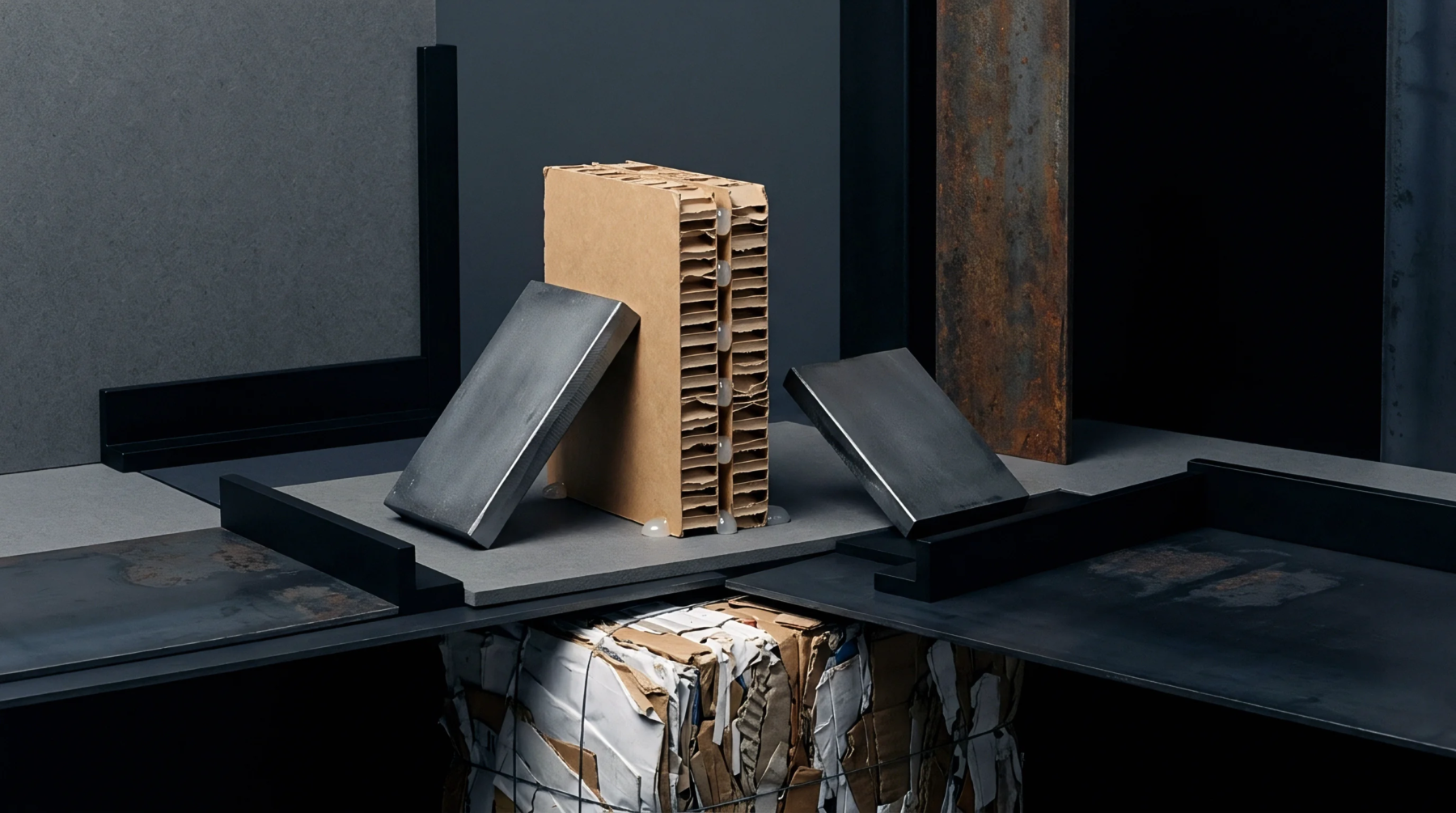
Mineral-coated paperboard composed of multiple layers of recovered fiber provides a surface for high-quality graphics. Coated recycled board often utilizes a top layer of high-grade waste paper to achieve a smooth finish while the middle and bottom plies use lower-grade recycled pulp. The coating layer usually consists of kaolin clay or calcium carbonate mixed with binders to create a uniform white appearance.
Sheet Structure
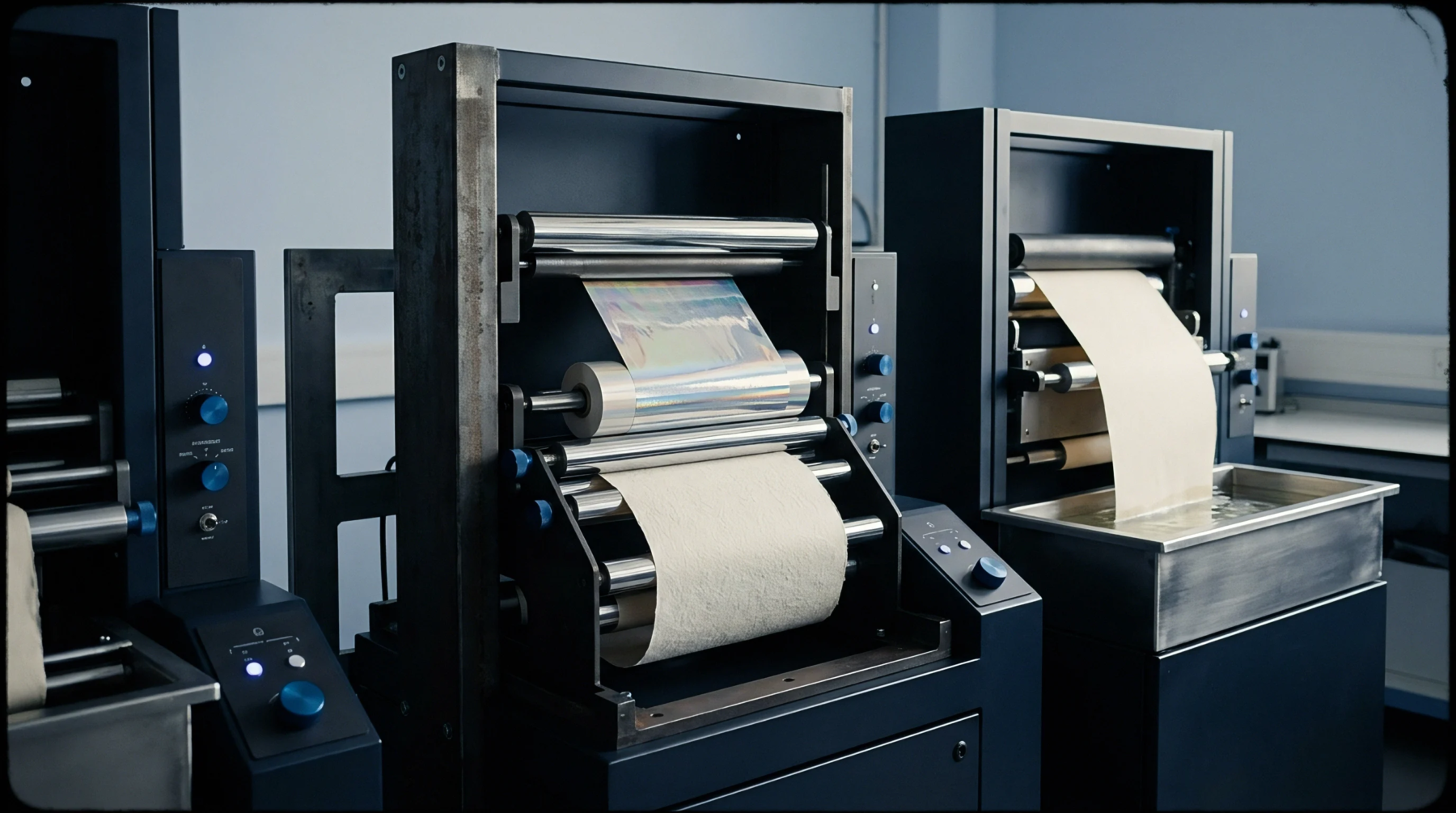
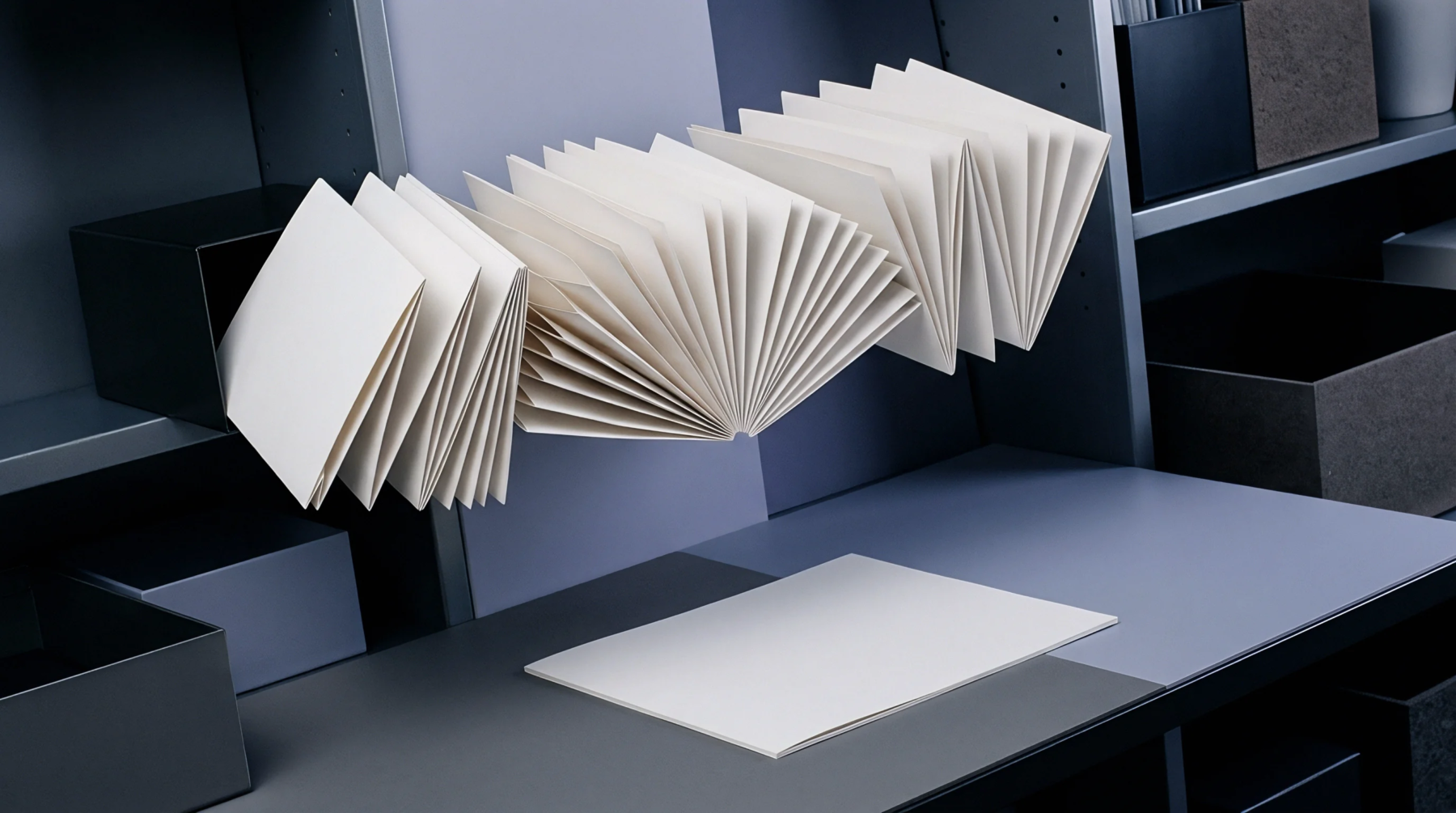
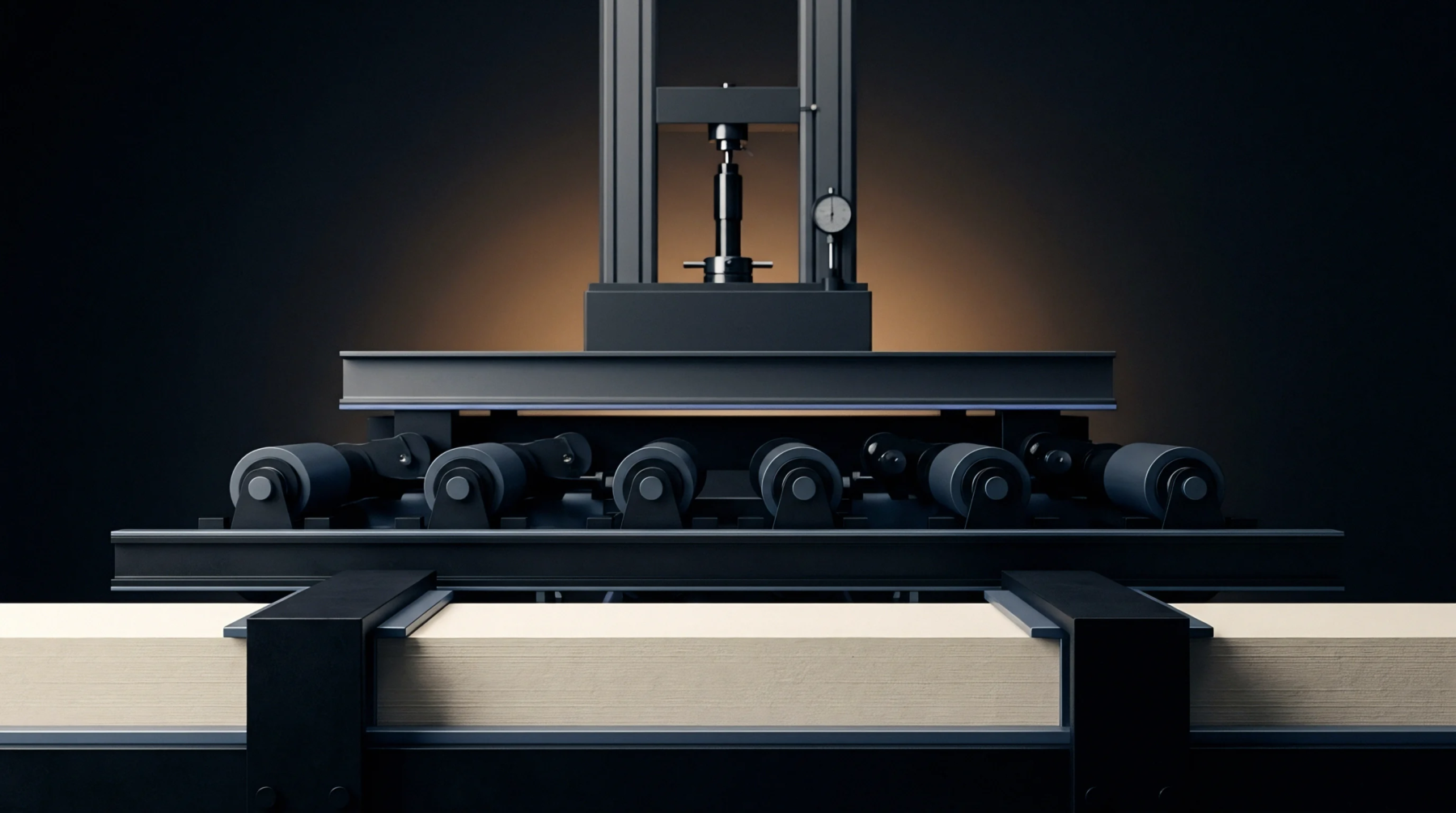
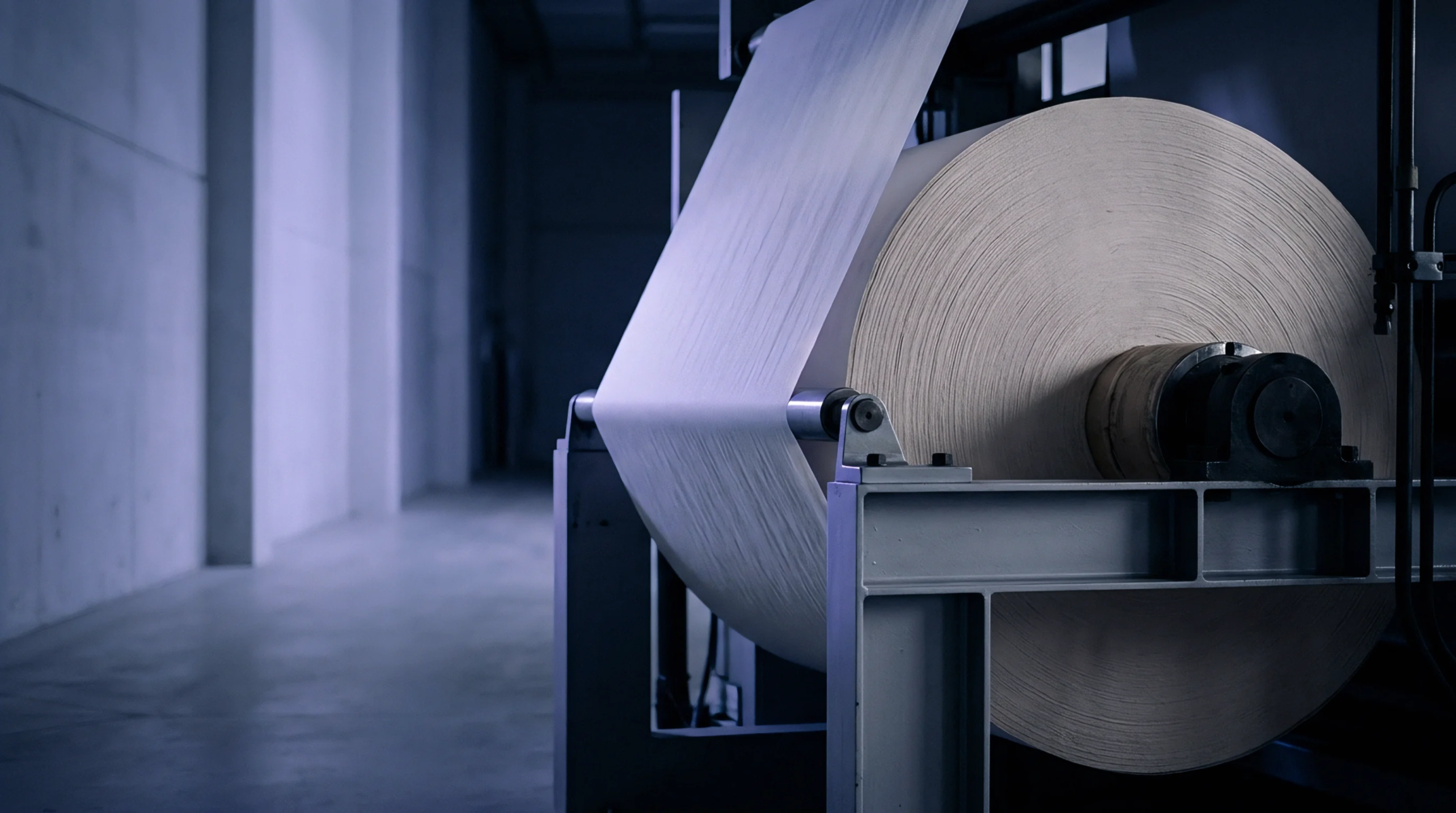
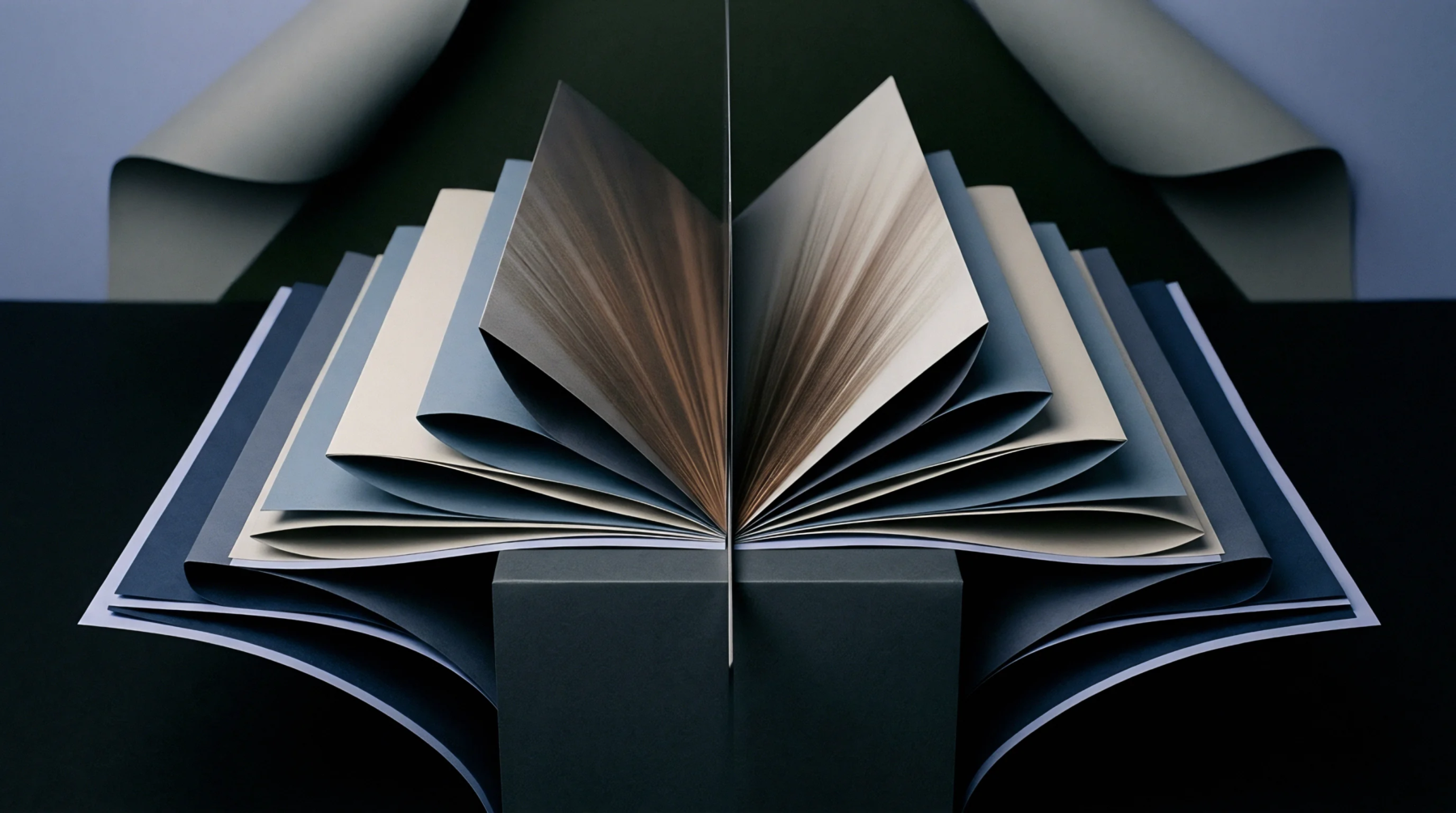
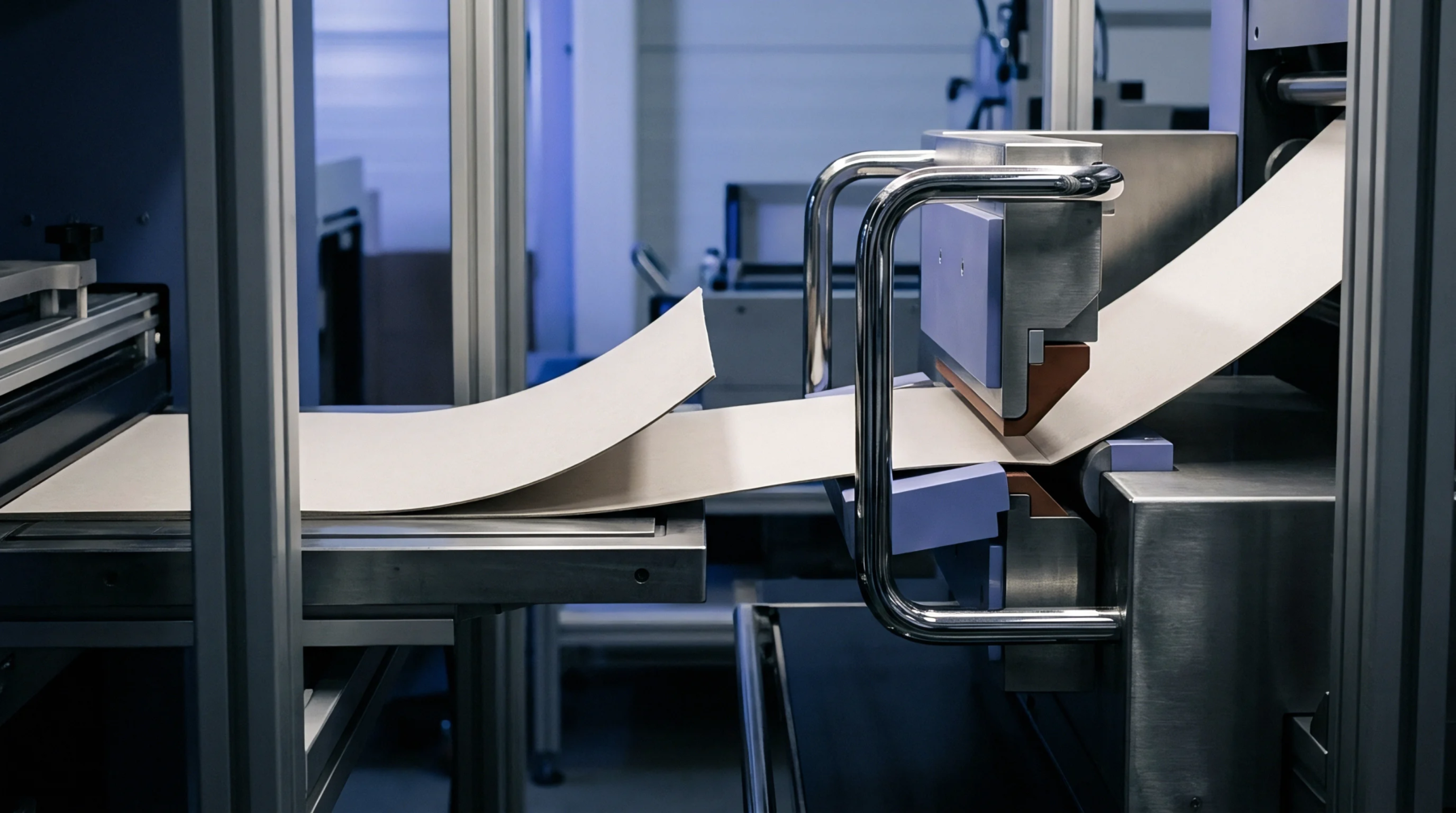
Multiple plies are bonded together during the wet forming process to create the desired thickness and stiffness. Individual layers are engineered to balance the need for tensile strength with the economic benefits of using mixed paper waste. Starch is frequently applied between the plies to ensure the board does not delaminate during high-speed printing or when the board is folded into a carton.
A moisture barrier is sometimes added to the reverse side to improve stability in humid environments.
Visual Quality
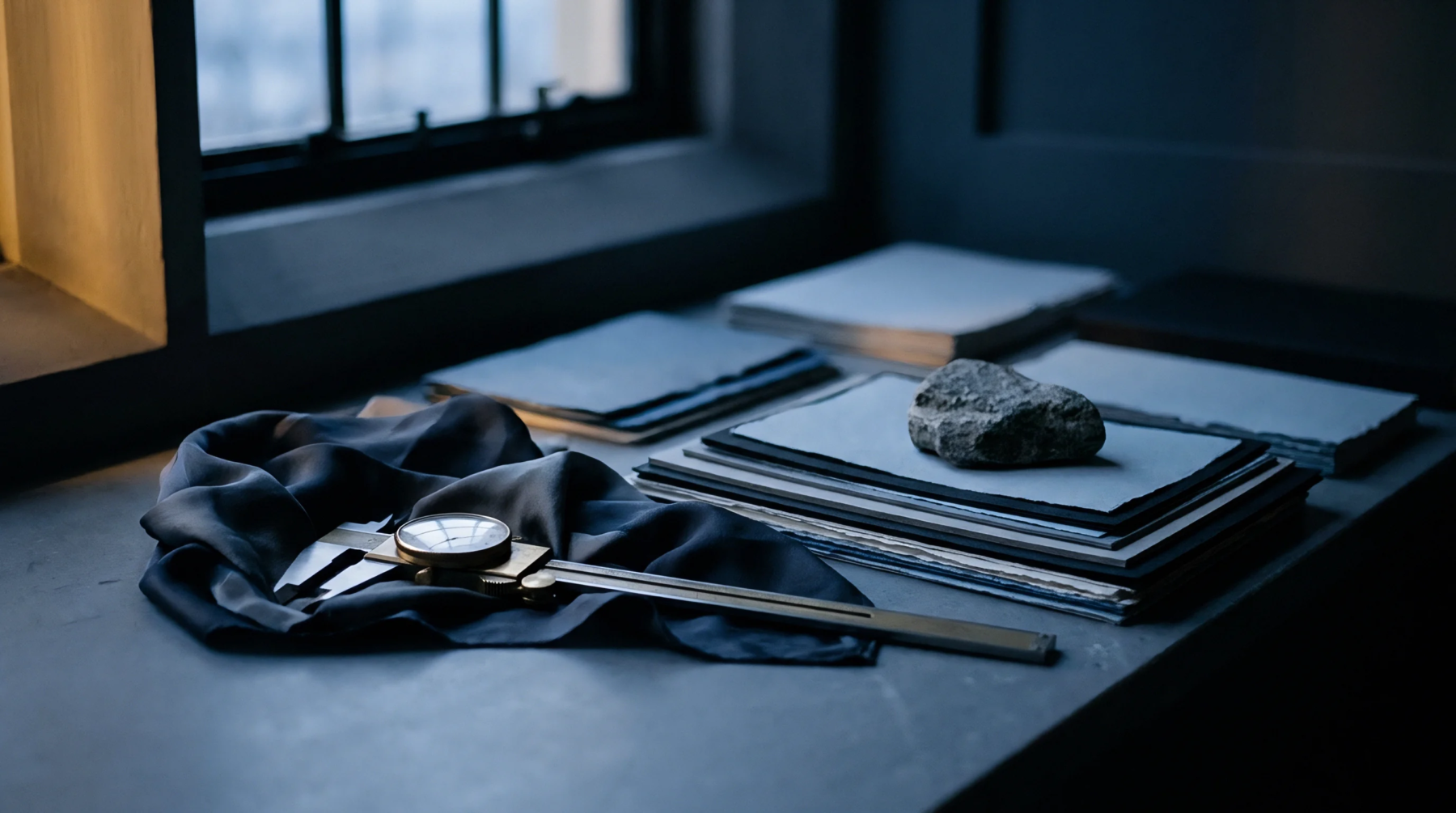
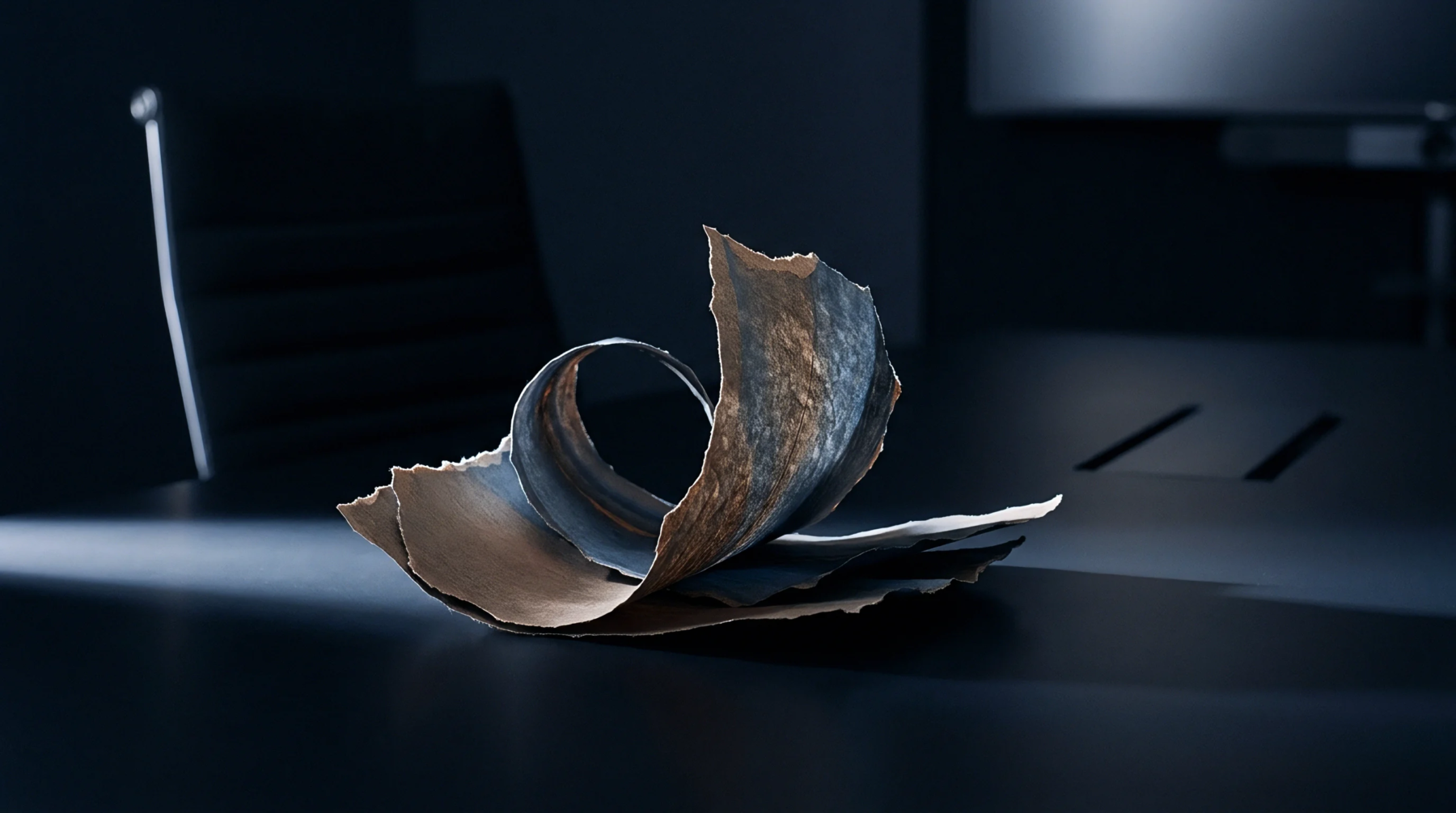
Surface treatments allow for consistent ink absorption and color reproduction on the outer face. The board often features a grey or brown reverse side depending on the purity of the waste stream used in the back ply. Printers adjust their settings to account for the slightly lower brightness compared to virgin fiber alternatives.