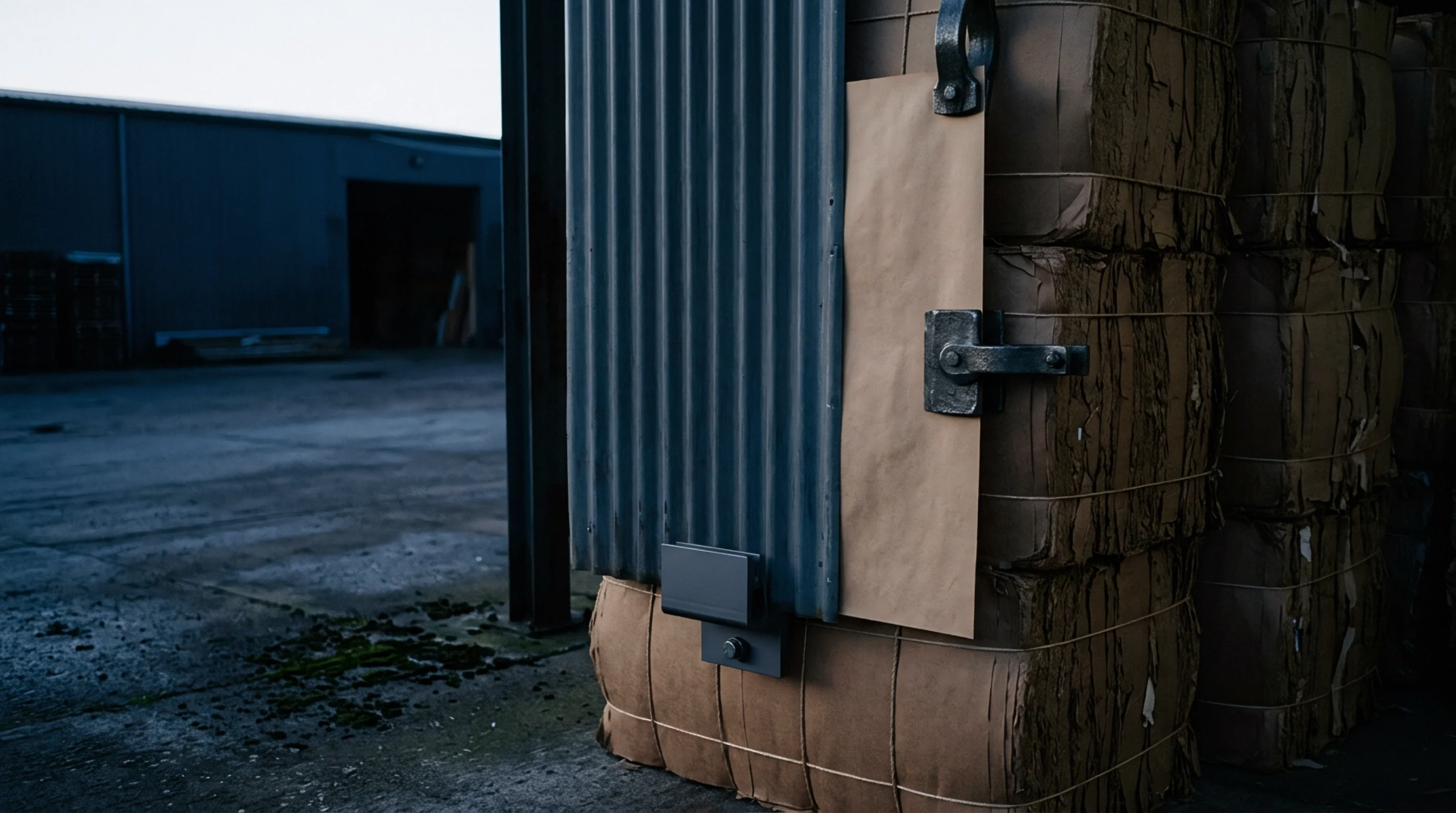
Finite Element Modeling of Transient Moisture Gradients in Stacked Recycled Cartonboard
Finite element modeling of transient moisture gradients predicts stack edge distortion and guides pre-conditioning timing to prevent press downtime and waste.
Finite element modeling of transient moisture gradients predicts stack edge distortion and guides pre-conditioning timing to prevent press downtime and waste.
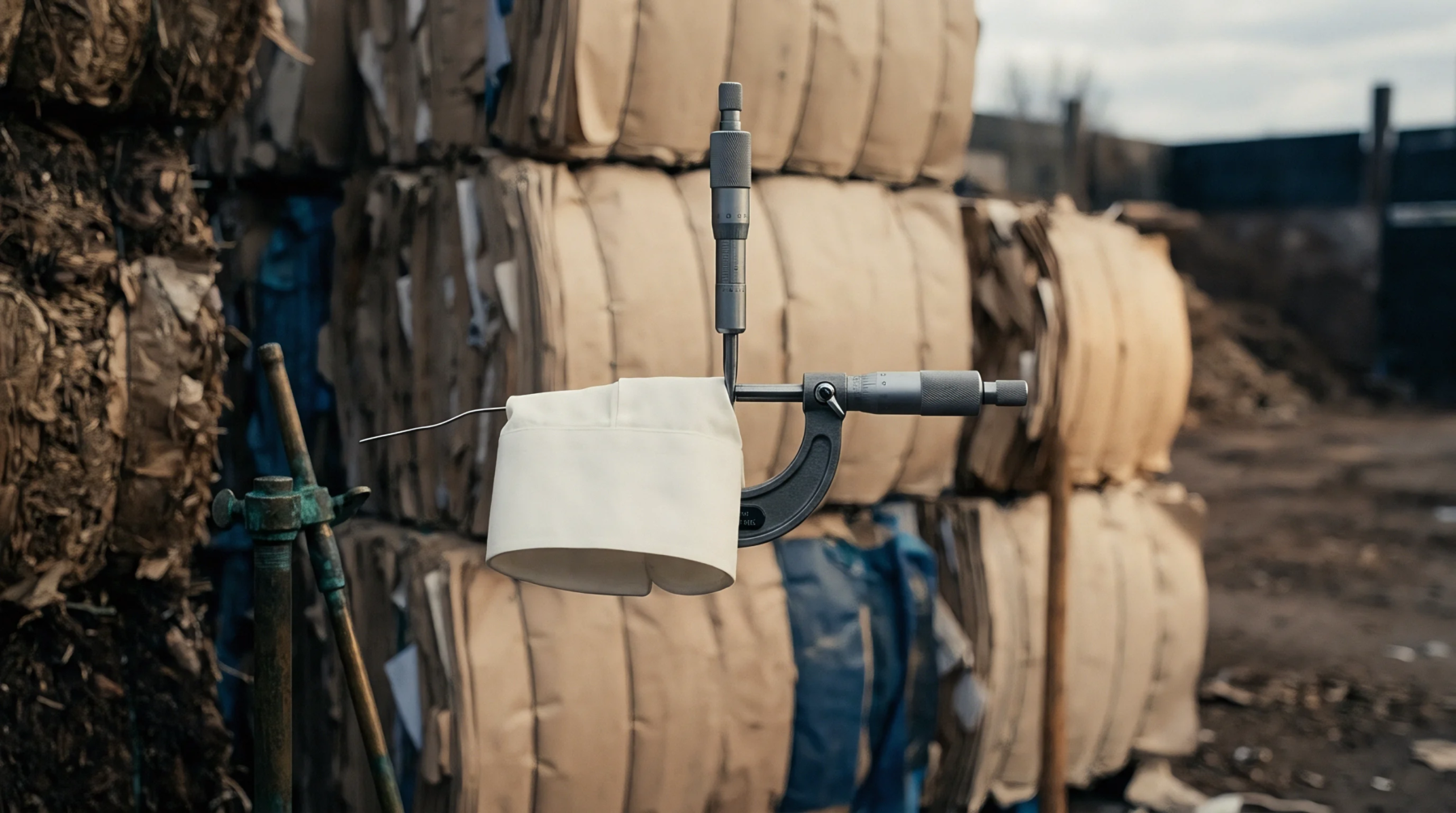
Asymmetric hygroexpansion across recycled boxboard plies induces internal shear stresses and curl, demanding strict moisture control to avoid converting scrap.
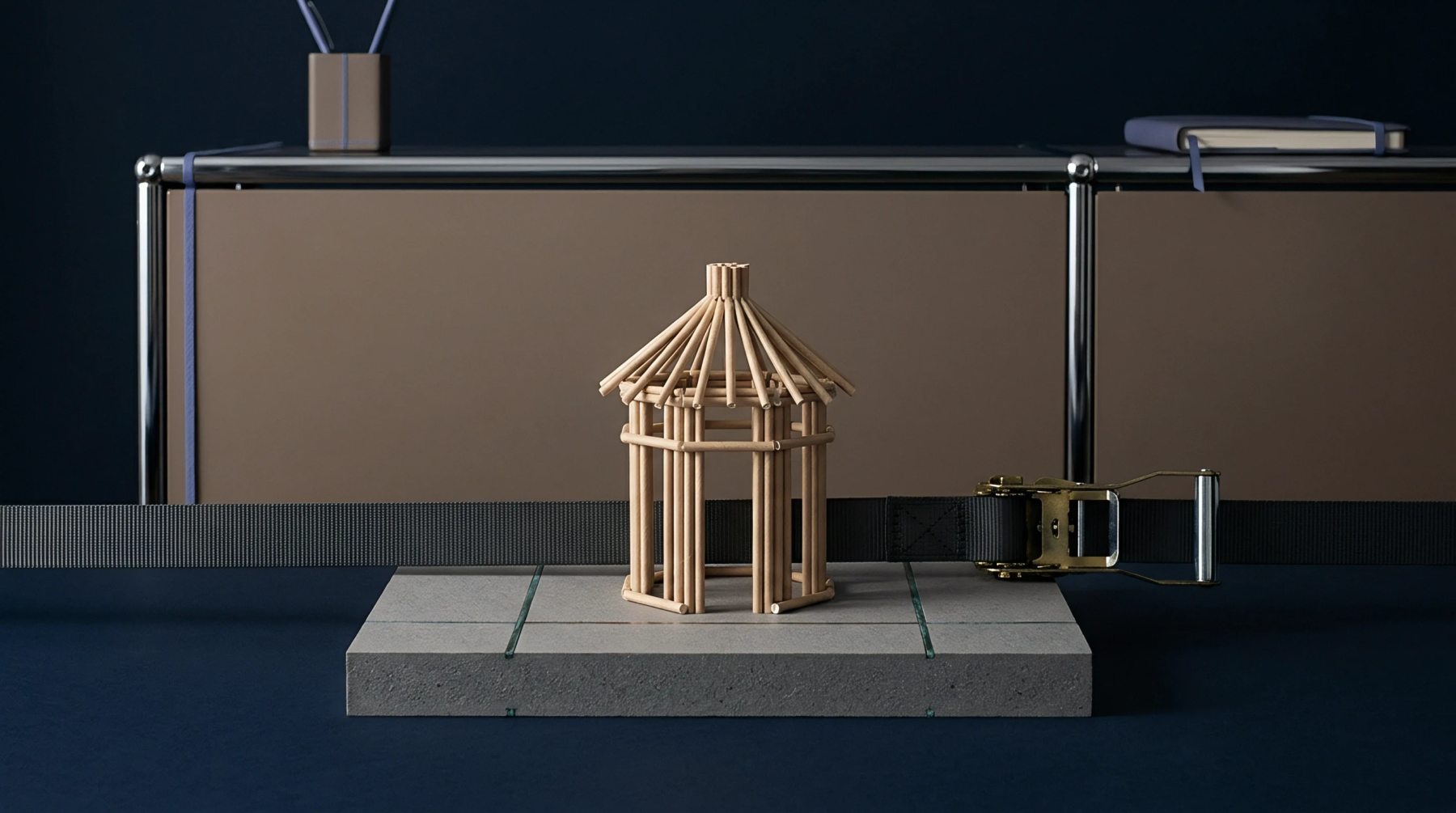
Recycled containerboard hygroexpansion demands strict cross-direction testing under ISO 8226-1 and contract moisture limits to prevent box warp and creep.

Inter-deck thermal radiation drives anisotropic sheet expansion, causing tail-end register drift that requires precise substrate grain alignment and lamp modulation.

Single-sided lamination curl stems from differential thermal shrinkage of polymer film opposing moisture-driven hygroexpansion across anisotropic board fibers.
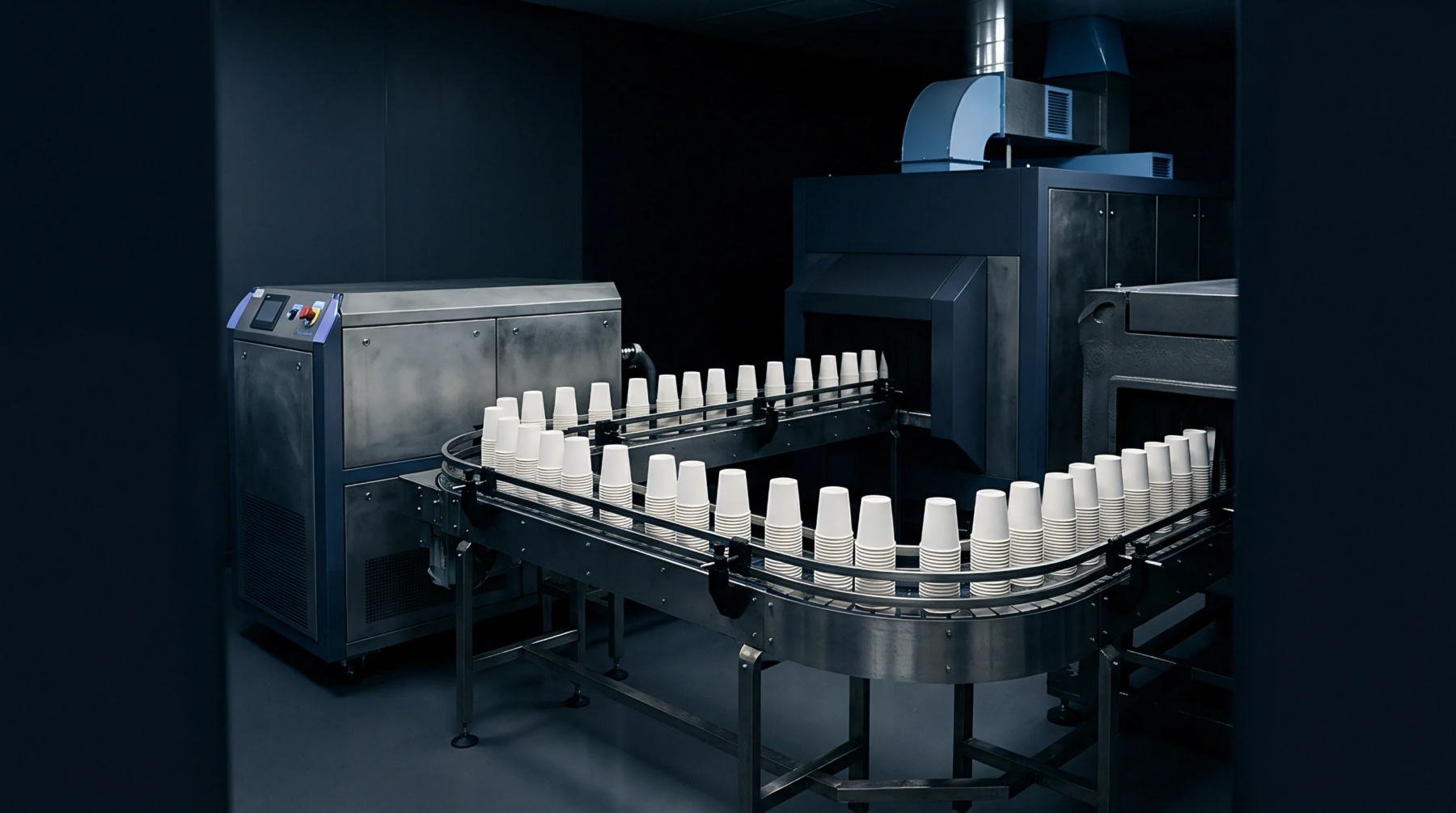
Targeting 5.5 to 6.5 percent board moisture and maintaining 50 percent relative humidity prevents hygroexpansion fan-out, registration drift, and score cracking.

Paperboard moisture sorption and vapor permeability govern pack structural integrity and shelf life through fiber swelling, stiffness loss, and mass flux.
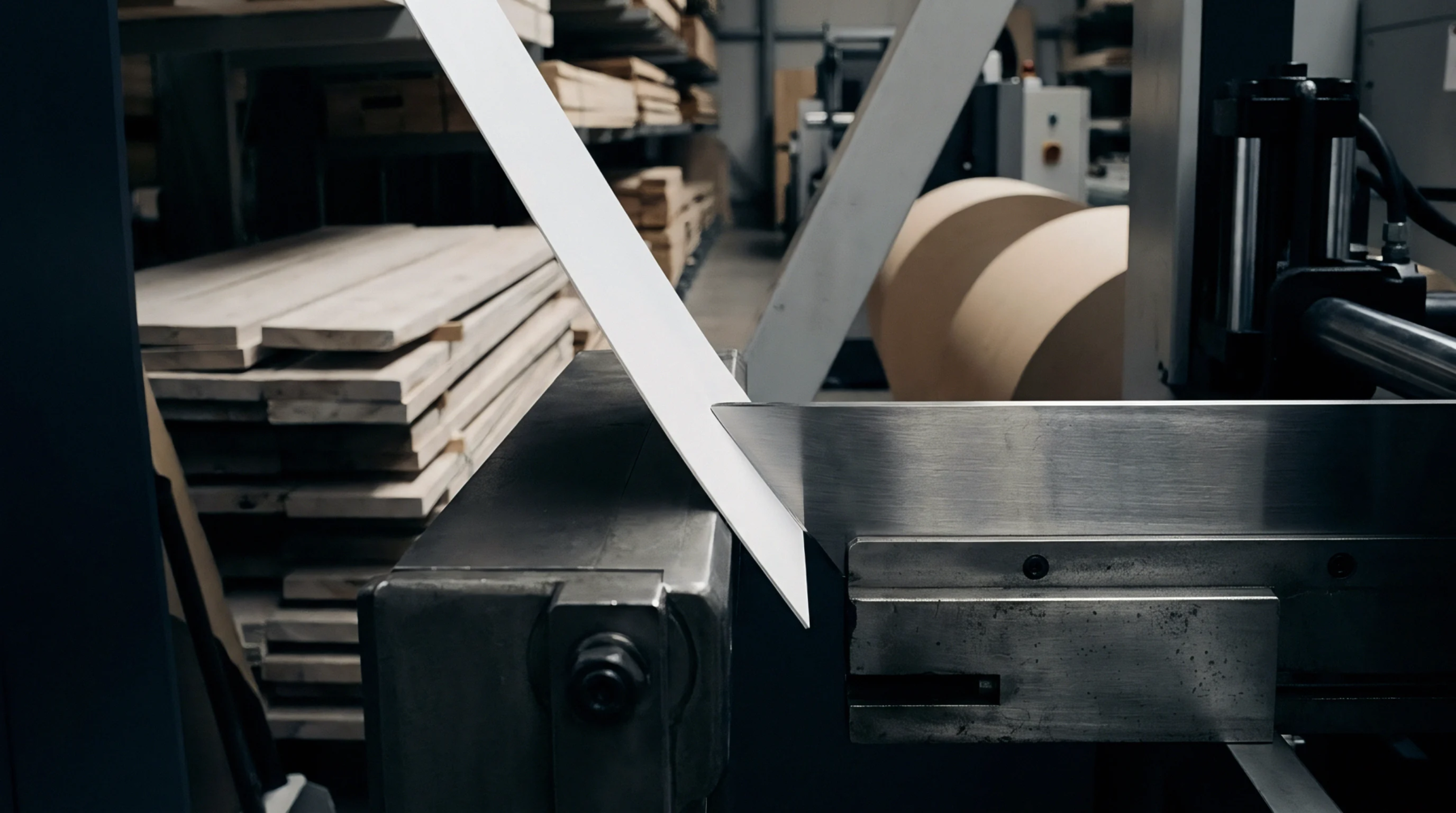
Modeling transient moisture gradients and hygral stress in high-bulk recycled cartonboard skids establishes barrier wrap limits to prevent press edge waving
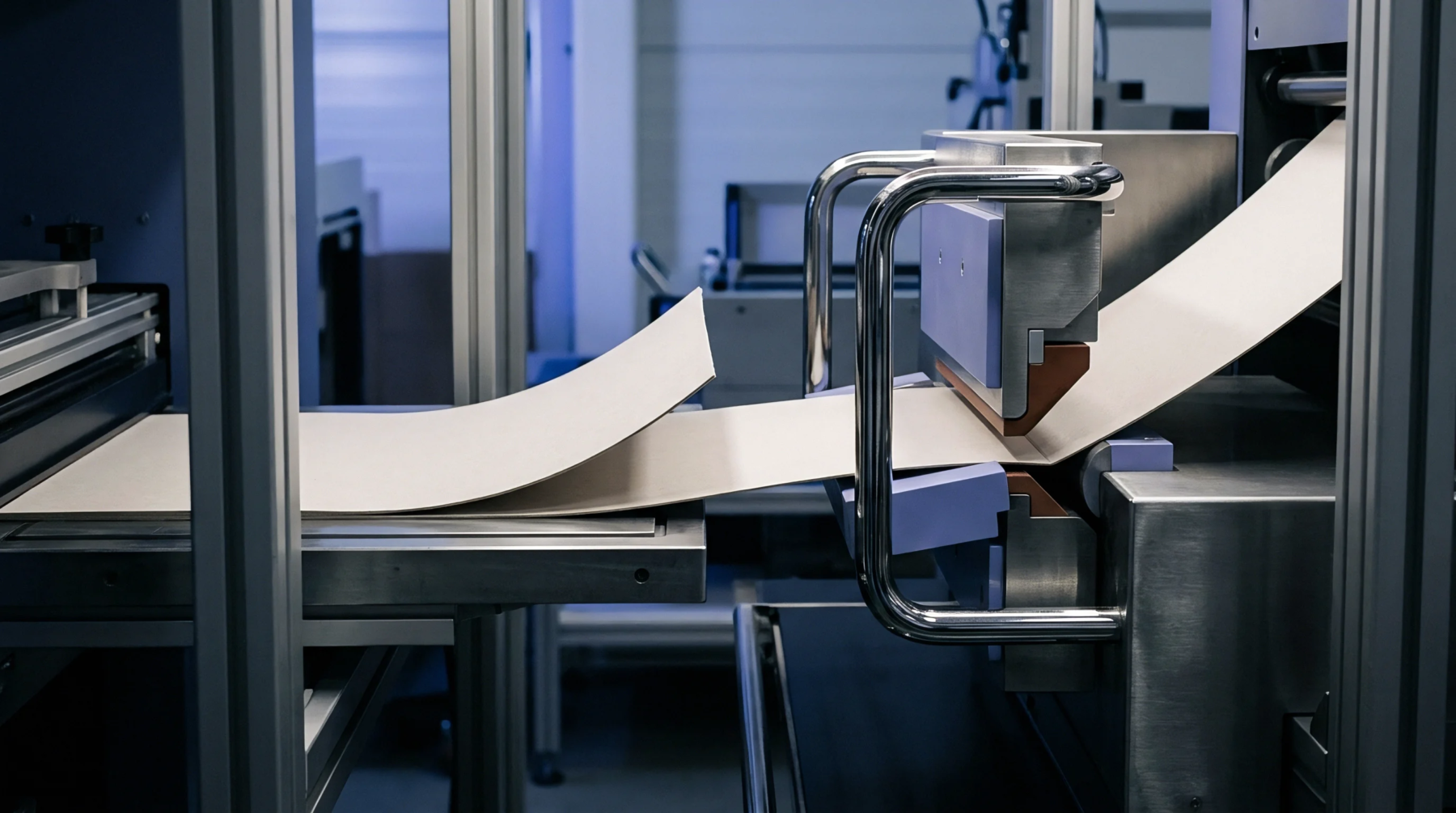
Inline decurling bar penetration forces mechanical yield in paper fibers while reverse dampening restores moisture loss to eliminate single-sided lamination curl.
Expertise is a utility, not a secret. sentiention™ publishes its working knowledge as open reference: intelligence layer covering the materials it sources, the markets it enters, and the reference that serves both.