Bonding Mechanics
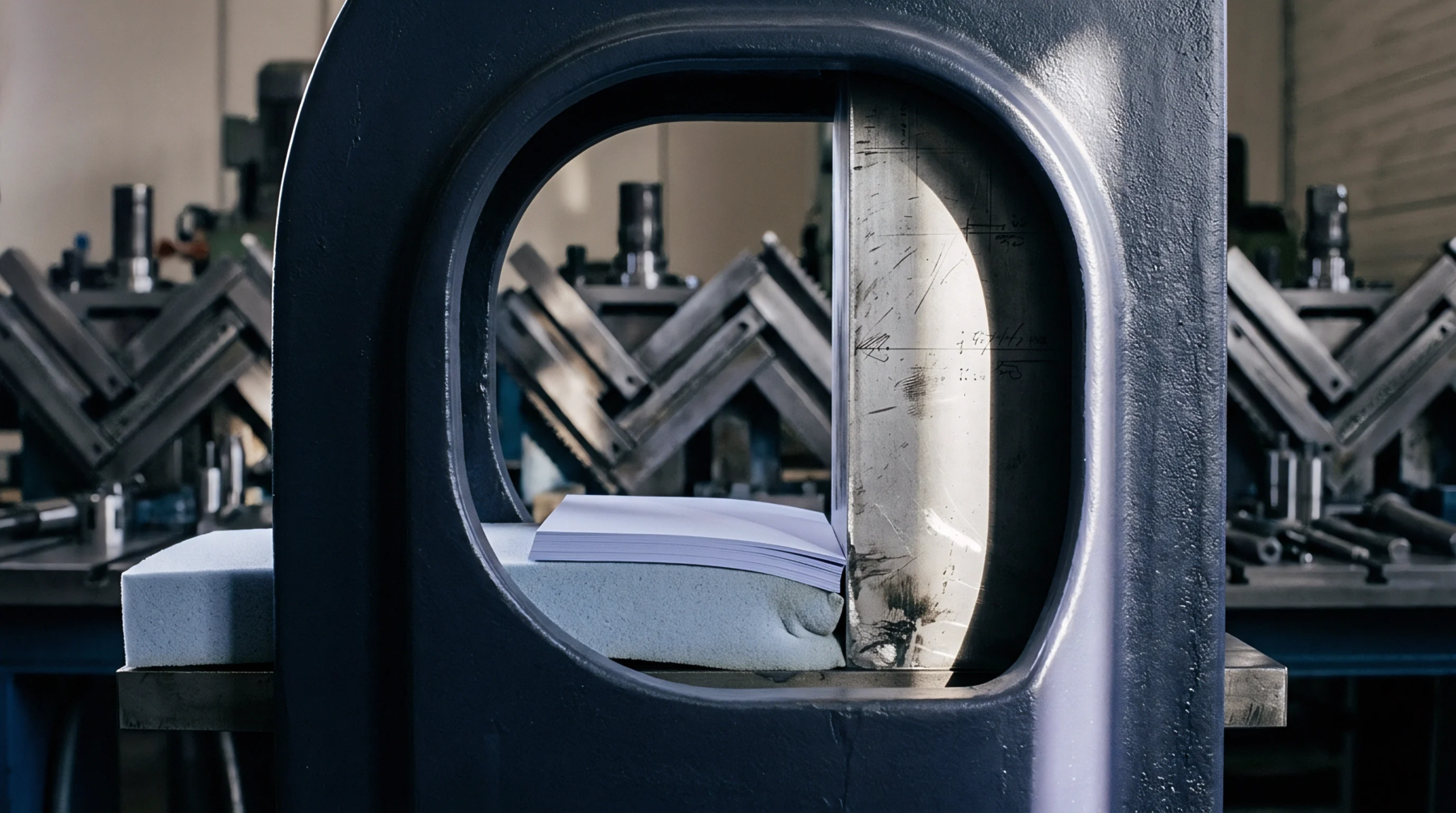
Mechanical shear force per unit area acting across the contact boundary between two adhering material layers governs structural bond integrity. Packaging material engineers measure interfacial shear stress to evaluate adhesion strength between polymer extrusion coatings and paperboard substrates. Tensile pull testing and peel tests apply lap-shear mechanical loads to measure the maximum shear force supported before bond failure occurs.
High interfacial shear strength prevents coating delamination during converting and folding operations.
Stress Distribution
Differential thermal expansion, mechanical flexure, and moisture absorption generate localized shear forces along substrate interfaces. Extrusion coated polyethylene contracts faster than paperboard during cooling, inducing residual shear stress at the fiber polymer interface. Chemical primers and corona surface treatments increase polar interactions, improving adhesive bonding and shear force resistance.
Laboratory mechanical testing determines shear stress profiles across wide temperature ranges to predict environmental stability.
Composite Delamination
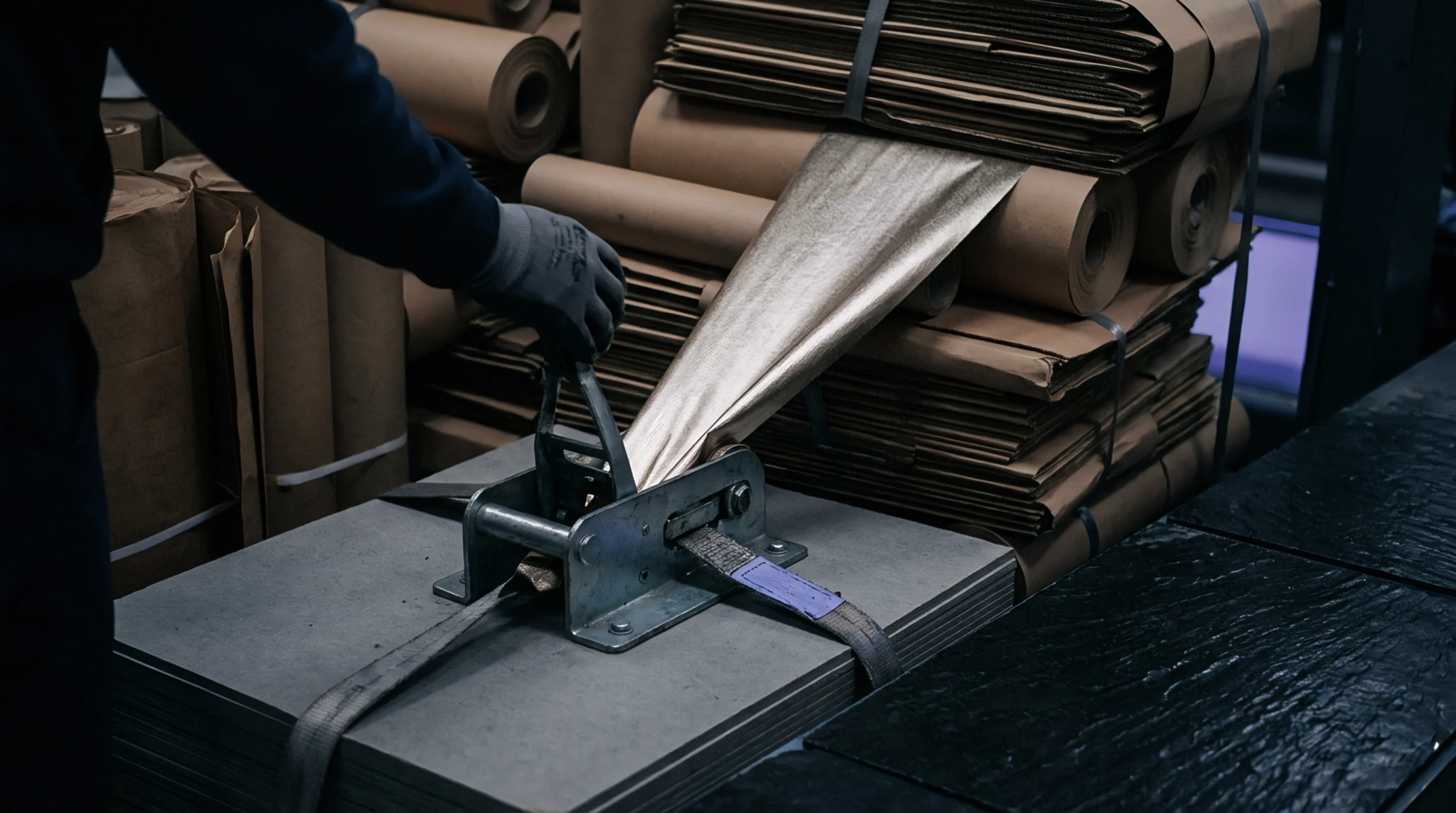
Multi-ply paperboard structures and plastic paper laminates rely on durable interfacial adhesion to resist delamination under mechanical bending loads. During carton scoring and folding, high shear forces develop between adjacent fiber plies and functional coating layers. When applied forces exceed local bond capacity, micro-delamination initiates and spreads across the packaging interface, leading to blister formation or total layer separation.
Structural failures in laminated barrier materials allow gas and moisture ingress, compromising packaged product integrity. Interfacial shear stress quantification enables packaging engineers to optimize primer coat weights and lamination nip pressures for high-speed carton converting.