Viscoelastic Degradation Mechanisms Impacting Score Cracking Performance on Coated Cartonboard
Score cracking occurs when aged latex binders exceed glass transition thresholds, preventing tensile strain accommodation during high-speed folding operations.
Nip
Creasing cartonboard on an automated platen subjects the top mineral coating to rapid flexural deformation within ten milliseconds. During this mechanical strike, the scoring rule forces the multi-ply structure into a grooved matrix counter die, inducing high strain across both the cellulose core and the outer pigmented layers. Converting lines running at eight thousand sheets per hour generate local strain rates exceeding five hundred reciprocal seconds along the fold bead.
Paperboard coatings formulated with mineral pigments and synthetic polymer emulsions must stretch instantaneously without rupturing, or the package displays unsightly fiber exposure along the carton corner.
Tension concentrates along the outer crest.
When cartonboard enters a folding nip, the primary defense against surface fracture is the deliberate shear failure of the internal fiber plies. A well-struck crease breaks the shear bond between middle plies, allowing the board to delaminate into distinct lamina that slide over each other during a ninety-degree or one-hundred-and-eighty-degree fold. This controlled internal delamination reduces the bending moment and shifts the neutral axis toward the inner compression zone, minimizing the tensile elongation experienced by the top coating.
If internal shear fails to develop, the entire thickness acts as a solid monolithic beam, thrusting the outer coating beyond its ultimate tensile elongation limit.
Coated board folds successfully only when the internal plies delaminate to form an intact hinge before the outer mineral layer reaches tensile exhaustion.

High Strain Creasing Velocity
Converting lines operating at seven thousand sheets per hour drive scoring rules into paperboard at displacement rates exceeding two meters per second. Under these dynamic impact conditions, the polymer binder within the coating layer exhibits strain-rate hardening. The synthetic emulsion behaves with a higher dynamic modulus than observed during quasi-static laboratory tensile testing.
If the rate of loading outpaces the molecular relaxation time of the polymer chains, the coating responds in a brittle manner rather than dissipating energy through viscoelastic deformation.
The time window for stress dissipation spans mere fractions of a millisecond during high-speed die cutting. When the folder-gluer subsequently rolls the creased blank through the folding belts, the board experiences a second deformation event. This folding step occurs at lower velocities than the die strike, yet the residual damage from rule penetration dictates whether micro-cracks coalesce into macroscopic coating tears.
Substrate plies composed of mechanical pulp or recycled fibers offer less shear displacement than virgin chemical kraft fibers, multiplying the peak tensile strain transferred to the surface coating layer.
Dynamic Mechanics across Plies
Paperboard structures absorb stamping forces through controlled internal separation rather than pure outer layer stretching. The physical breakdown of internal fiber networks during creasing establishes three distinct failure patterns across commercial board grades:
- Interfacial delamination failure occurs when the chemical bond between the bleached liner and the unbleached middle plies separates cleanly to permit low-energy sliding.
- Tensile coating rupture manifests as sharp micro-fissures through the calcium carbonate layer when the outer skin elongates beyond three percent strain.
- Compressive buckling shear develops on the inner liner as cellulose fibers collapse into a uniform, rounded bead within the creasing matrix.
Fibers snap under unyielding tension.
Mismatched rule penetration fractures the pigment crust, producing unbonded carton corners that fail optical inspection systems and jam high-speed cartoning machines at consumer packaging plants.
Binder
Synthetic latexes formulated from carboxylated styrene-butadiene polymers hold calcium carbonate and kaolin pigments against the bleached pulp base. The ratio of styrene to butadiene controls the glass transition temperature of the dried binder matrix, establishing the baseline ductility of the surface layer. Increasing the butadiene fraction delivers greater macromolecular chain flexibility, yet mills frequently elevate styrene content to achieve ink gloss, dry pick resistance, and blade coater runnability.
This formulation trade-off leaves the finished surface vulnerable to brittle failure when converting ambient conditions dip below twenty degrees Celsius.
Styrene content governs binder rigidity.
Physical aging alters the structural state of the amorphous polymer regions over time. At storage temperatures below the glass transition threshold, polymer chains undergo sub-yield physical aging, shedding free volume and tightening the inter-chain packing density. This loss of molecular mobility increases tensile modulus while dramatically diminishing failure strain.
A coated board that folded without defect immediately off the coater can crack severely forty-eight hours later as free volume relaxation runs to completion in the warehouse stack.
Carboxylated styrene-butadiene emulsion films lose 35 percent of their ultimate elongation after 96 hours at 60 degrees Celsius and 20 percent relative humidity.
Thermo Oxidative Embrittlement
Elevated drying tunnel temperatures induce secondary radical crosslinking within butadiene chain segments. Coater drying banks utilizing high-velocity gas burners or infrared radiators heat the wet web rapidly to remove water, yet excessive surface temperatures activate residual double bonds in the polybutadiene backbone. This crosslinking mechanism degrades the viscoelastic loss factor, dampening the ability of the polymer to deform plastically under scoring loads.
Crosslink density escalates with thermal exposure.
When board reels undergo rewinding while still retaining residual process heat above fifty degrees Celsius, thermal embrittlement accelerates within the tightly wound roll. Unsaturated carbon bonds crosslink through radical auto-oxidation, converting flexible elastomeric domains into rigid, glassy networks. Co-binders like carboxymethyl cellulose and oxidized starch exacerbate this vulnerability by forming rigid, moisture-sensitive crystal bridges that resist tensile elongation at low relative humidity.
| Binder Chemistry | Styrene Ratio (%) | Glass Transition (°C) | Tensile Strain at Break (%) | Crack Onset Strain (%) |
|---|---|---|---|---|
| Carboxylated Styrene-Butadiene (Soft) | 50 | -5 | 42 | 4.8 |
| Carboxylated Styrene-Butadiene (Hard) | 68 | 22 | 14 | 2.1 |
| Styrene-Acrylate Copolymer | 55 | 12 | 28 | 3.4 |
| Vinyl Acetate Ethylene (High Ethylene) | 0 | -10 | 55 | 6.2 |
| Starch-Extended Styrene-Butadiene | 62 | 28 | 8 | 1.5 |
Glass Transition Displacement
Polymer mobility plummets whenever the thermal threshold of the polymer network shifts above ambient room temperature. The glass transition acts as a dynamic boundary where the mechanical response changes from leathery flexibility to brittle vitrification. In standard converting halls running between eighteen and twenty-two degrees Celsius, an emulsion with an apparent glass transition of fifteen degrees Celsius sits dangerously close to its vitrification point under static conditions.
The high frequency of dynamic creasing shifts the effective transition upward by ten to fifteen degrees, dropping the binder into a fully glassy regime during the scoring nip strike.
Board mills routinely attribute split crease coatings to abnormal converting room dry bulbs or excessive platen impression rather than acknowledging binder crosslinking drift.


Shear
The formation of an internal delamination hinge dictates whether the outer tension zone fractures during folding. Multi-ply paperboard grades, including folding boxboard with mechanical pulp centers and solid bleached sulfate with pure chemical plies, respond differently to scoring loads. Solid bleached sulfate features uniform tensile strength across its thickness, demanding deep tool penetration to trigger shear planes.
Folding boxboard relies on the lower internal bond strength of groundwood or thermo-mechanical pulp to rupture cleanly under transverse rule force, preserving the outer bleached chemical plies intact.
Plies shear along starch boundaries.
The neutral axis drops immediately.
When the creasing rule enters the substrate, it exerts a localized transverse displacement that sets up high shear stresses between the plies adjacent to the matrix groove edges. These shear stresses must exceed the internal bond strength of the fibrous matrix before the tensile stress in the top coating reaches the ultimate tensile elongation limit. If the internal ply bond is excessively strong, no shear plane develops.
The board bends as a single layer, stretching the top coating beyond its critical failure strain and creating an open crack along the crease shoulder.

Does Matrix Clearance Dictate Ply Buckling?
Channel dimensions on the counter die govern the transverse displacement permitted during female groove penetration. The width of the matrix channel must match the sum of the creasing rule thickness and twice the board caliper, modified by a substrate-specific compaction coefficient. Choosing a channel that is too narrow prevents the plies from shearing laterally, causing severe surface crushing and premature coating rupture under the direct pressure of the rule tip.
Selecting an excessively wide channel creates insufficient shear stress, allowing the sheet to roll loosely into the recess without splitting the internal lamina. The resulting crease exhibits poor folding torque and high crease recovery resistance, driving erratic folding angles on downstream packaging machinery. Proper tooling geometry confines internal ply delamination strictly within the fold bead, preventing the delamination zone from spreading laterally into the flat carton panels.
| Board Caliper (Microns) | Substrate Classification | Rule Thickness (pt) | Matrix Channel Width (mm) | Crease Retention Ratio (%) |
|---|---|---|---|---|
| 350 | Solid Bleached Sulfate (SBS) | 2.0 | 1.20 | 62 |
| 450 | Solid Bleached Sulfate (SBS) | 2.0 | 1.40 | 58 |
| 350 | Folding Boxboard (FBB) | 1.5 | 1.10 | 48 |
| 450 | Folding Boxboard (FBB) | 2.0 | 1.30 | 44 |
| 550 | White Lined Chipboard (WLC) | 3.0 | 1.90 | 52 |
Delamination Resistance Measurements
Internal bond strength values evaluated via TAPPI T569 Scott bond impact indicate the z-directional energy needed to split fiber layers. Board lots exhibiting Scott bond values above two hundred and fifty joules per square meter resist internal shear separation during scoring passes. This high ply adhesion forces the top coating to absorb primary bending strains, leading to catastrophic surface fissures.
Conversely, board with Scott bond values falling below one hundred joules per square meter delaminates too readily, generating soft, spongy creases that collapse during automated cartoning.
Rule penetration creates the internal hinge.
A carton blank with sound internal delamination folds like an engineered door hinge, while a stiff sheet snaps like dry kindling.

Overprint
Applying secondary surface finishes alters the thermal and moisture equilibrium of the underlying coated substrate. Every added finishing pass deposits chemical formulations that penetrate the porous mineral coating and interact with the latex binder network. When clear coatings, hot stamping foils, or lamination films cover the board surface, they impose mechanical constraints that restrict the natural viscoelastic relaxation of the underlying layers during score deformation.
Secondary passes compound cumulative strain.
Overprint varnishes formulated with free-radical ultraviolet curing systems represent a major driver of post-print score cracking. Acrylate monomers and oligomers undergo rapid polymerization under ultraviolet lamps, shrinking between six and twelve percent in volume during crosslinking. This shrinkage builds high residual tensile stress directly within the top five microns of the board surface.
The resulting cured film exhibits an elongation at break below two percent, transforming an otherwise flexible carton substrate into an unyielding, brittle composite.
Hard UV curable gloss coatings turn flexible virgin fiber cartons brittle at the score line.
Radiation Curing Contraction
Ultraviolet chemical reactions exert volumetric shrinkage up to twelve percent during instantaneous photo-polymerization. Mercury vapor lamps emit both ultraviolet radiation and intense infrared heat, warming the paperboard stack to over sixty degrees Celsius as sheets travel across the delivery pile. This thermal blast strips equilibrium moisture from the cellulose fibers beneath the ink film, driving local relative humidity within the coating matrix down to desert levels.
Uncured monomers volatilize during drying passes.
Post-cure dark reactions continue for twenty-four hours following ultraviolet exposure, escalating crosslink density within the overprint film. As crosslinking progresses, the elastic modulus of the varnish layer climbs, while its ability to dissipate strain energy through viscoelastic loss diminishes. When the die cutter strikes the sheet after coating, the stiff overprint layer fails to stretch, initiating micro-fractures that propagate downward through the mineral pigment coating into the bleached liner.
Hot Foil Thermal Penalties
Stamping dies operating between one hundred ten and one hundred thirty degrees Celsius dry out board moisture beneath the image area. Heated brass dies compress the coated surface under mechanical pressures exceeding thirty megapascals to transfer aluminum layers from carrier films. The combination of heat and compression vitrifies the latex binder, accelerating the physical aging of polymer chains directly along the intended crease path.
Foil sizing tightens surface skin tension.
Finishing sequences must account for the spatial alignment of foil stamping and score lines. When a metallic foil band crosses a crease at ninety degrees, the adhesive sizing layer creates an impermeable, rigid skin that seals the surface against ambient moisture reabsorption. Subsequent scoring strikes shatter the foil layer along the score crest, leaving jagged metal flakes and exposed white fiber tracks across the carton edge.
- Substrate conditioning pass maintains sheet equilibrium at fifty percent relative humidity before any thermal finishing steps run.
- Sheet-fed offset lithography applies pigmented inks while balancing fountain solution absorption to prevent fiber swelling across crease corridors.
- Infrared drying and coating removes ink solvent vehicles without elevating sheet pile temperatures beyond forty-five degrees Celsius.
- Rotary hot foil stamping deposits metallic layers under narrow temperature bands to minimize localized thermal moisture depletion.
- Flatbed scoring and die cutting penetrates the conditioned board with matched rule-and-matrix sets aligned strictly to the sheet grain direction.
Whether aqueous barrier dispersions can ever deliver oil resistance without compromising latex flexibility during cold warehouse scoring remains an open industry challenge.

Chamber
Relative atmospheric humidity governs the plasticization equilibrium of both the cellulosic fibers and water-soluble starch cobinders. Water molecules act as low molecular weight plasticizers within amorphous cellulose and polymer networks, inserting themselves between polymer chains to increase free volume and reduce the glass transition temperature. When environmental relative humidity drops below forty percent, cartonboard sheds equilibrium moisture rapidly, causing the coating layer and underlying plies to lose ductile elongation.
Dry storage accelerates binder embrittlement.
Moisture desorption manifests as a steep decline in cartonboard foldability. As moisture content drops from eight percent down to five percent by weight, the tensile strain at break of the top coating falls by half. The loss of water molecules from starch co-binders converts ductile adhesive films into brittle, glassy linkages that snap under the flexural tension of a scoring rule.
Storage of pre-cut blanks or unconverted pallets in unconditioned winter warehouses guarantees score cracking during subsequent converting shifts.
DIN 53121 bending tests conducted outside the 23-degree and 50-percent standard atmosphere disqualify the board mill from disputing scoring defect rejections.
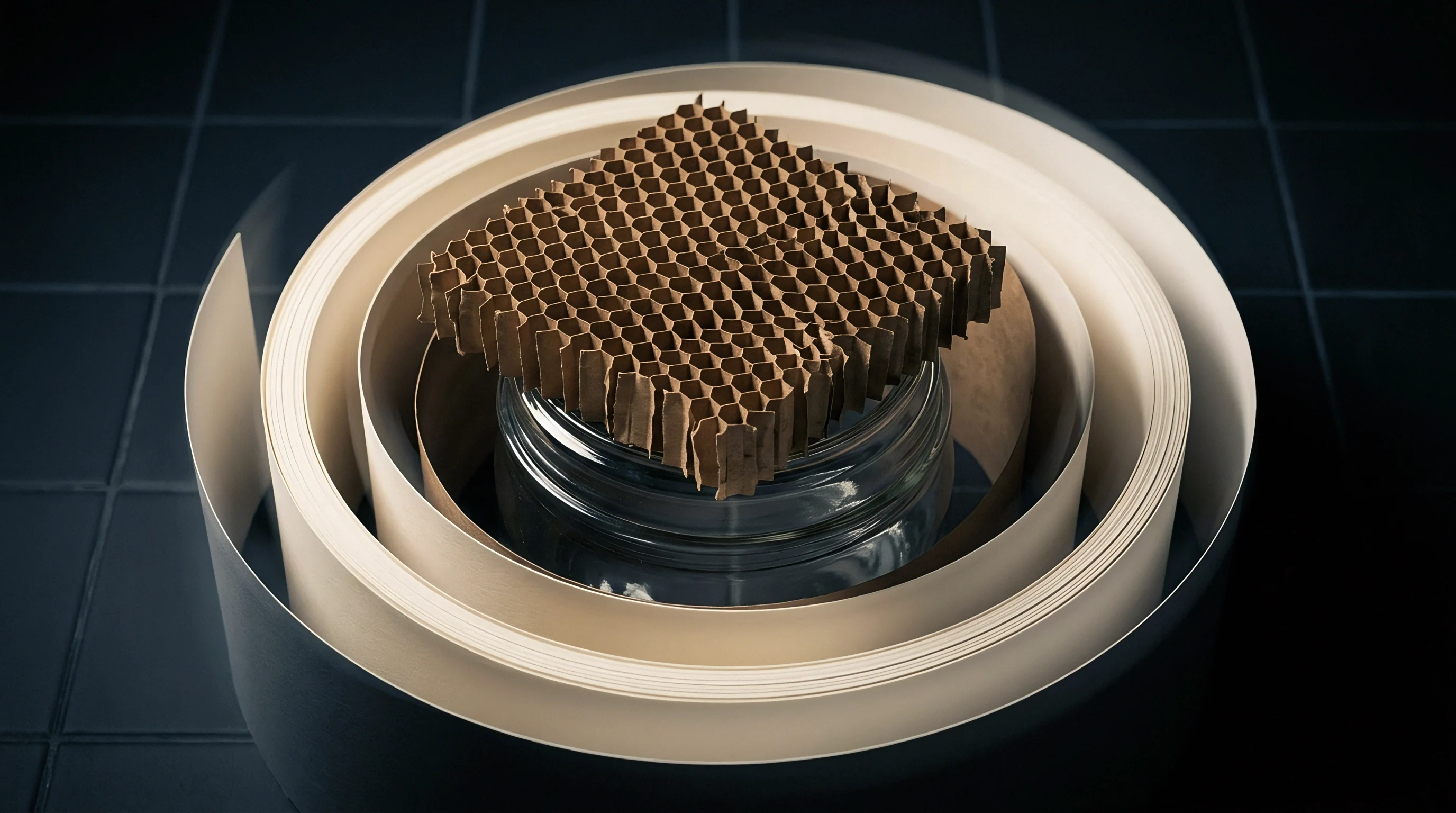
Will Controlled Equilibration Restore Folding Flexibility?
Exposing brittle board stacks to conditioned air helps recover cellulose moisture content over prolonged holding windows. Mill rolls and palletized sheets exhibit significant diffusion resistance, slowing moisture uptake through the tightly wrapped edges. Full moisture recovery demands forty-eight full hours in an atmosphere maintained strictly at twenty-three degrees Celsius and fifty percent relative humidity per ISO 187 specifications.
Conditioning unprinted board stacks does not fully reverse structural damage caused by prior thermal baking. While cellulosic fibers reabsorb water to recover some degree of flexibility, synthetic latex binders that have undergone thermo-oxidative crosslinking remain chemically altered. The additional covalent bonds formed in the polybutadiene backbone do not hydrolyze upon simple exposure to ambient water vapor, leaving the coating layer permanently more brittle than its original state.
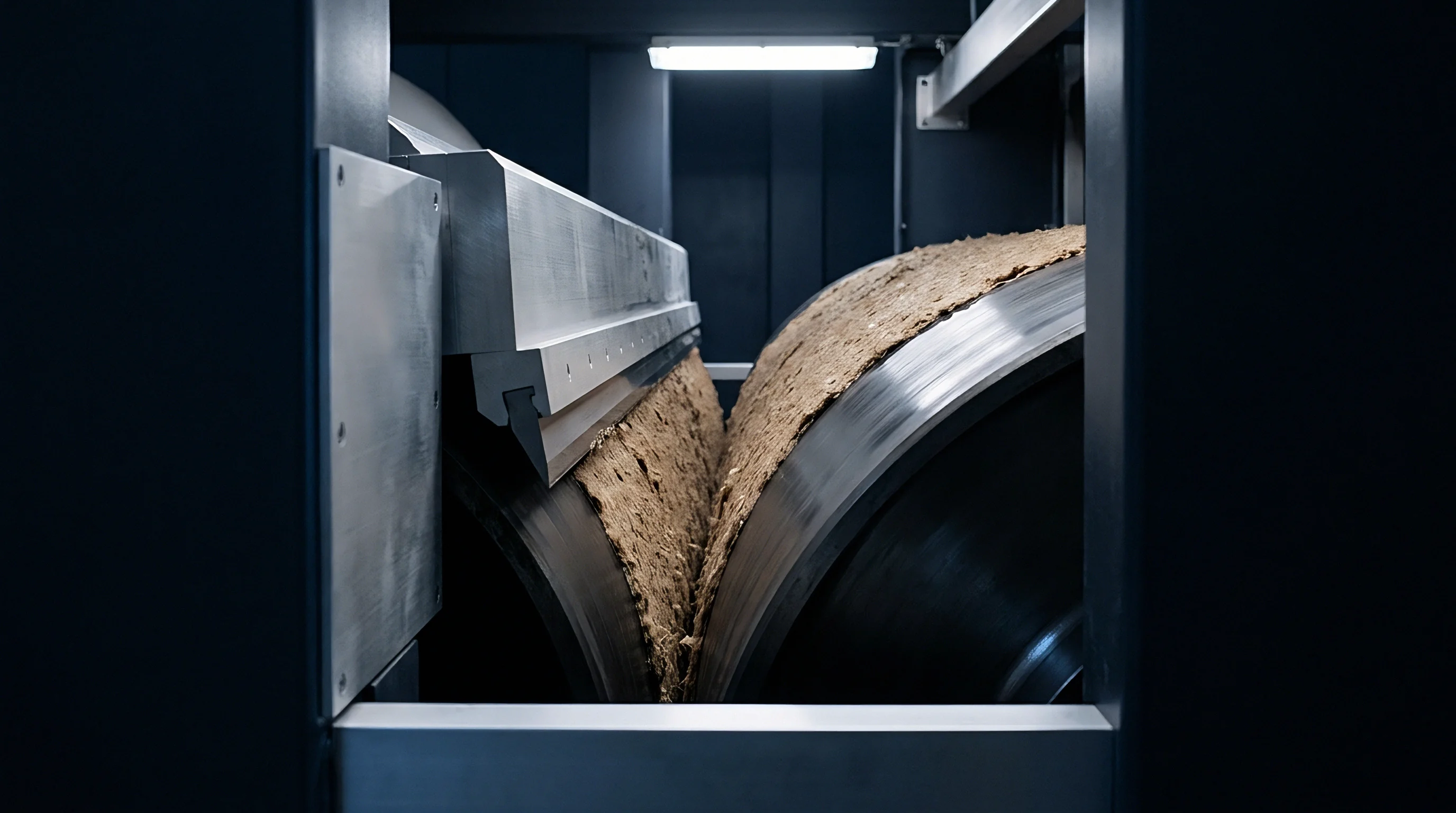
Crease Stiffness Verification Rules
Bending resistance ratios established through standard ISO 2493 procedures determine whether carton blanks fold cleanly on packaging lines. A properly executed crease reduces the bending resistance along the score line to a fraction of the uncreased board stiffness, establishing the crease recovery ratio. Evaluating score quality across shifts demands systematic qualification against three primary mechanical parameters:
- Crease stiffness retention evaluates the residual bending moment of the folded bead relative to the uncreased board stiffness along the cross direction.
- Visual cracking threshold records the optical continuity of the mineral coating across a full one-hundred-and-eighty-degree fold under ten-times magnification.
- Z-directional delamination depth measures the internal horizontal split length inside the middle plies via cross-sectional optical microscopy.
Tooling wear widens matrix shoulders.
Adding an explicit clause referencing ISO 187 conditioning compliance to commercial board purchase contracts transfers financial liability for winter score cracking back to the raw material converter.


Ledger
Financial losses caused by fractured carton scores accumulate across multiple cost centers on the converting floor. When a scoring setup cracks the top coating, the defects often escape detection during flatbed die cutting, surfacing only during gluing operations or at the customer packaging plant. A cartoner jamming on cracked carton blanks running at four hundred packs per minute generates downtime charges that outstrip the base material cost of the paperboard order.
Recycled grayboard lacks tensile flexibility.
Virgin kraft plies redistribute folding stress.
Material selection sets the base economic risk for score cracking. Solid bleached sulfate made from pure virgin chemical pulp commands a price premium of fifteen to twenty-five percent over folding boxboard and up to forty percent over coated recycled board. The chemical fiber plies in solid bleached sulfate deliver ultimate elongation values exceeding five percent, providing a wide operating window during creasing.
Specifying lower-cost recycled board grades saves upfront material expense but drastically narrows the permissible tooling tolerance band, inflating make-ready waste and running spoilage.

Sourcing Strategy for Substrate Grades
Solid bleached sulfate boards maintain tensile elongation margins exceeding recycled alternatives by two to one. Bleached chemical pulp fibers form extensive hydrogen-bonded networks that deform plastically under shear loads without tearing apart. In contrast, white lined chipboard contains recycled secondary fibers that have undergone repeated hornification cycles, shedding their native swelling capacity and fiber-to-fiber bond strength.
Using coated recycled board requires wider matrix channel dimensions and shallower penetration rules to avoid shearing the brittle middle plies completely. This compromise yields a soft, rounded crease bead with high folding resistance, elevating reject rates on automated packing lines. Purchasing teams evaluating grade substitutions must balance raw sheet savings against the risk of catastrophic score failure during dry winter production runs.
| Board Grade | Caliper (Microns) | Material Cost (€/Tonne) | Make-Ready Waste (%) | Running Spoilage Allowance (%) |
|---|---|---|---|---|
| Solid Bleached Sulfate (SBS) | 400 | 1450 | 2.5 | 1.0 |
| Folding Boxboard (FBB – Virgin) | 400 | 1220 | 3.5 | 1.8 |
| White Lined Chipboard (WLC – Recycled) | 450 | 890 | 6.0 | 4.5 |
| Coated Kraft Back (CKB – Unbleached) | 420 | 1150 | 3.0 | 1.2 |

Calculating Spoilage and Make Ready Costs
Scrap rates across printing and gluing stages determine the landed expense of rejected packaging runs. Consider an order of five hundred thousand cosmetic cartons running on folding boxboard at four hundred microns caliper, priced at one thousand two hundred and twenty euros per tonne. A standard die cutting bring-up consumes three hundred sheets to establish register and score depth.
If the mineral coating exhibits viscoelastic embrittlement from aggressive infrared drying, make-ready extends by an additional five hundred sheets as pressmen swap matrix channels and adjust rule shims to eliminate visible cracking.
Running a brittle lot inflates running spoilage from a baseline of one point eight percent up to five percent across the folder-gluer run. On a twenty-tonne paperboard job, this elevation in scrap destroys six hundred and forty euros in raw board value, while adding five press hours in sorting and re-gluing time. When secondary passes such as hot stamping or soft-touch laminations are already applied to the sheets, the financial penalty of scrapping a finished blank triples, turning a projected fifteen percent job margin into a net loss on the delivery ledger.
Finishing plants that align board elongation limits with scoring tooling clearances protect margin across every carton shipped.