Surface Resistance
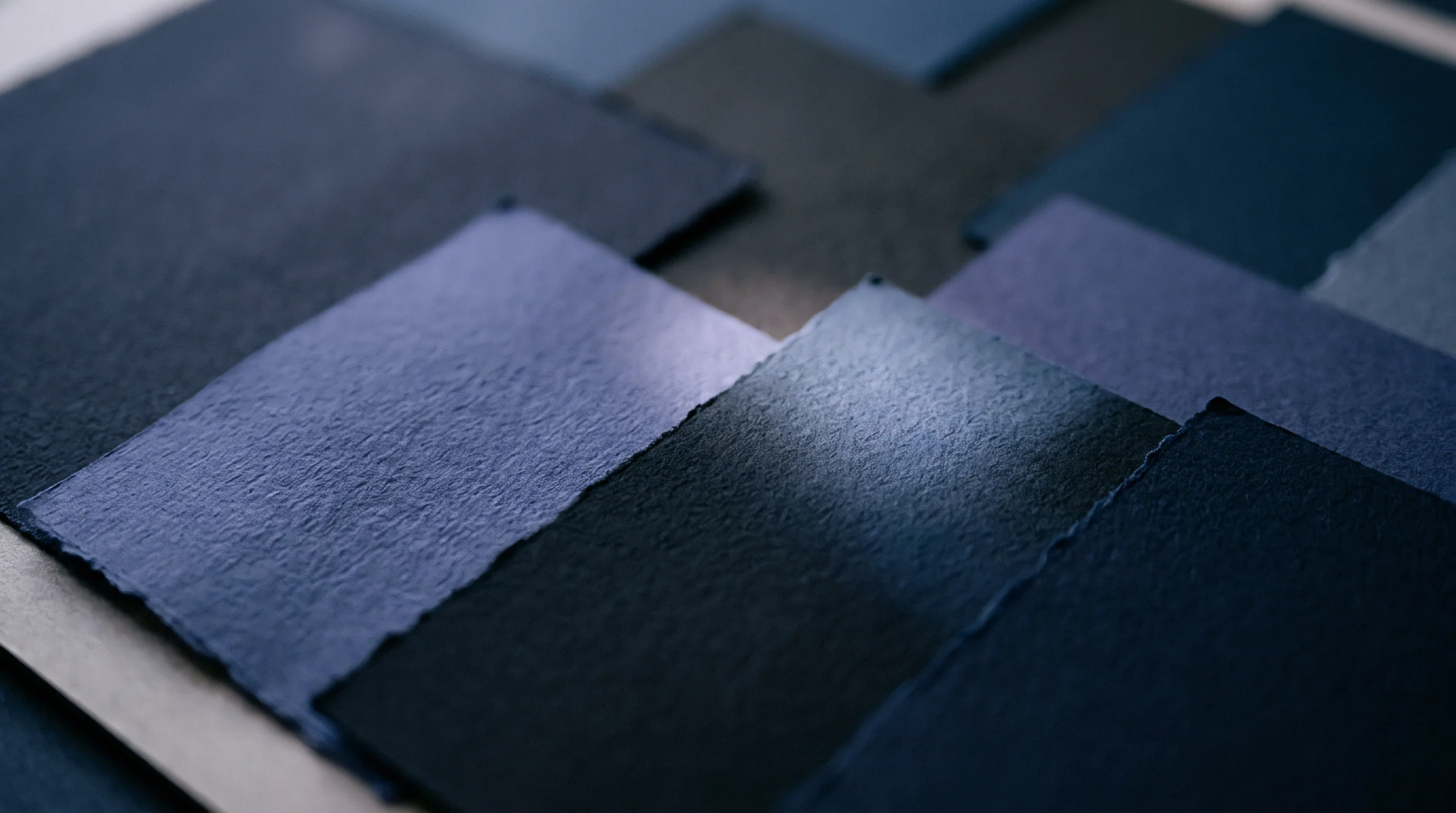
Fluid holdout capacity of a paper or board surface governs the degree to which liquid inks remain on the exterior plane rather than penetrating into the fibrous matrix. This substrate property determines flexographic ink holdout during high-speed printing with low-viscosity, water-borne or solvent formulations. Mechanical refining, surface sizing treatments, and mineral pigment coatings control the capillary pore structure that resists liquid absorption.
Standard test methods evaluate holdout via contact angle measurement, print density verification, and oil absorption procedures like the Unger or K and N tests. High resistance retains pigments at the top boundary layer, maximizing optical density, edge acuity, and color saturation. The property scope addresses ink vehicle and colorant retention, separating from physical web tensile properties and general water vapor barrier performance.
Print Dynamics
Liquid flexographic inks dry through evaporation and fast vehicle absorption into substrate voids under impression roll pressure. Uncoated recycled liners possess open, porous top plies that pull liquid vehicles downward, dragging pigment particles beneath surface fibers and dulling graphic contrast. White top kraftliners and coated folding boxboards use fine calcium carbonate or clay coatings to throttle fluid migration, creating high holdout that produces crisp halftone dots without spreading.
Excessively high holdout on non-absorbent surfaces creates drying delays that cause ink offsetting, roller tracking, and smear defects inside folder-gluers.
Coating Balance
Base sheet microporosity must achieve balanced absorption dynamics without encouraging dot gain across line screens. When chemical binder ratios are formulated with excessive latex polymers, ink vehicles pool on top of board layers and cause mottle. Conversely, low binder levels generate weak pick resistance, allowing ink tack forces to lift surface coatings off running paper webs.