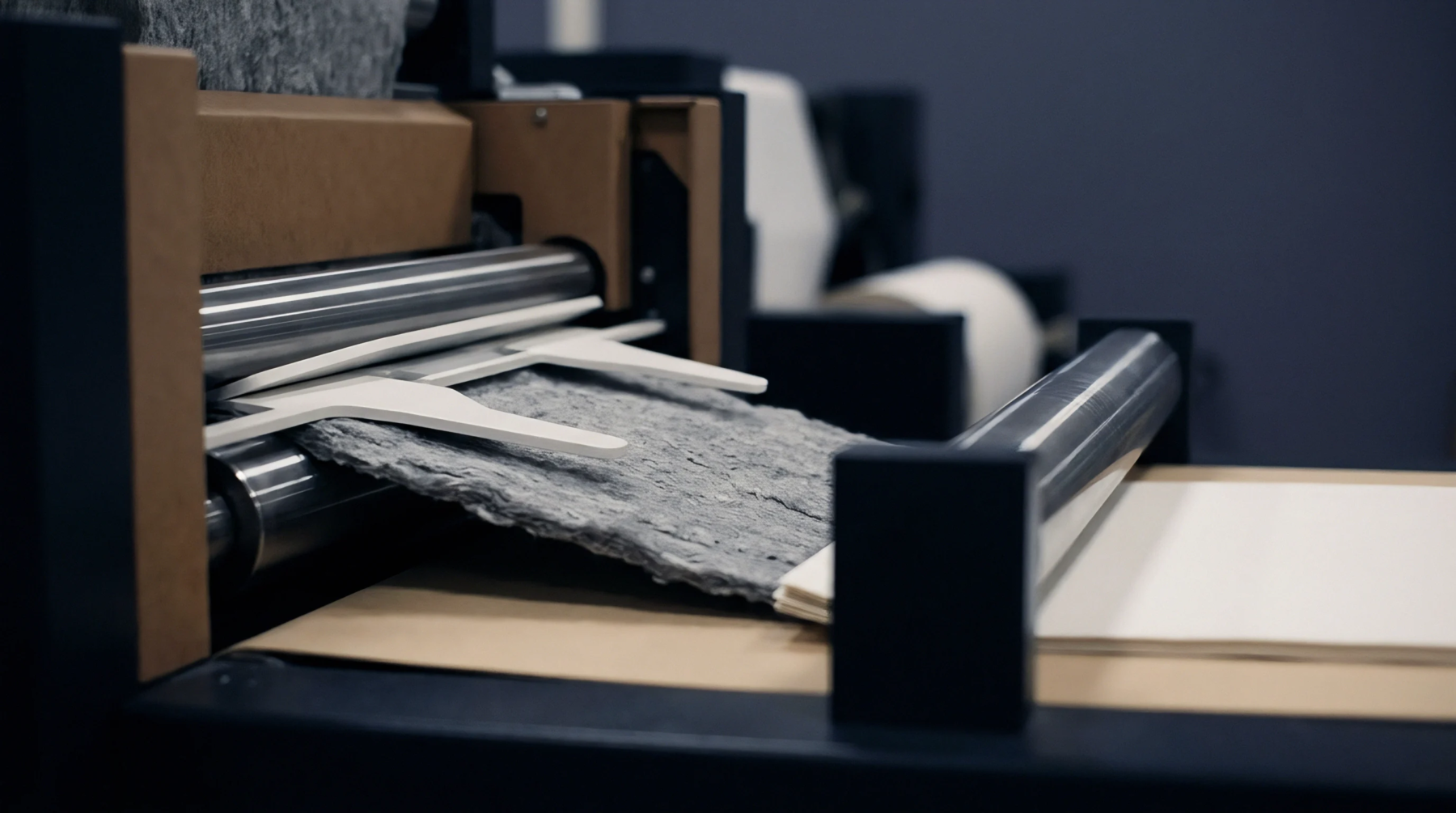
Pore Absorption
Physical fluid transport driven by surface tension forces draws liquid vehicles into fine porous networks of paper coatings and cellulose structures. Through micro capillary suction, tiny void spaces between mineral pigment particles pull low viscosity solvents and oils out of printing inks. This porous filtration governs offset ink setting speeds and print sharpness on coated printing papers.
Pore radius distribution determines the rate and volume of liquid uptake following ink film transfer.
Liquid Transport
The Lucas Washburn equation describes capillary flow velocity as proportional to surface tension and pore radius, while inversely proportional to liquid viscosity. Narrow inter-particle voids below one hundred nanometres generate high capillary pressure, drawing light oils rapidly into the coating layer while leaving heavy resin binders on the sheet surface. Rapid absorption accelerates initial ink setting, allowing printed sheets to enter stacking units without ink transfer or set-off between sheets.
Excessive suction drains ink vehicle prematurely, stripping the pigment layer of binder resins and causing ink chalking where dry pigment rubs off under mechanical friction. Coarse calcium carbonate pigments widen pore diameter, slowing capillary pressure build-up while increasing overall liquid hold capacity. Starch binders plug small inter-particle gaps, restricting capillary flow paths and slowing down vehicle absorption rates.
Separation Boundary
Non-porous film laminates and UV cured varnish layers halt capillary liquid transport entirely, requiring surface drying rather than absorption. High humidity levels fill fine pores with adsorbed water vapor, reducing capillary pressure and delaying ink setting on offset press lines.