Primary Function
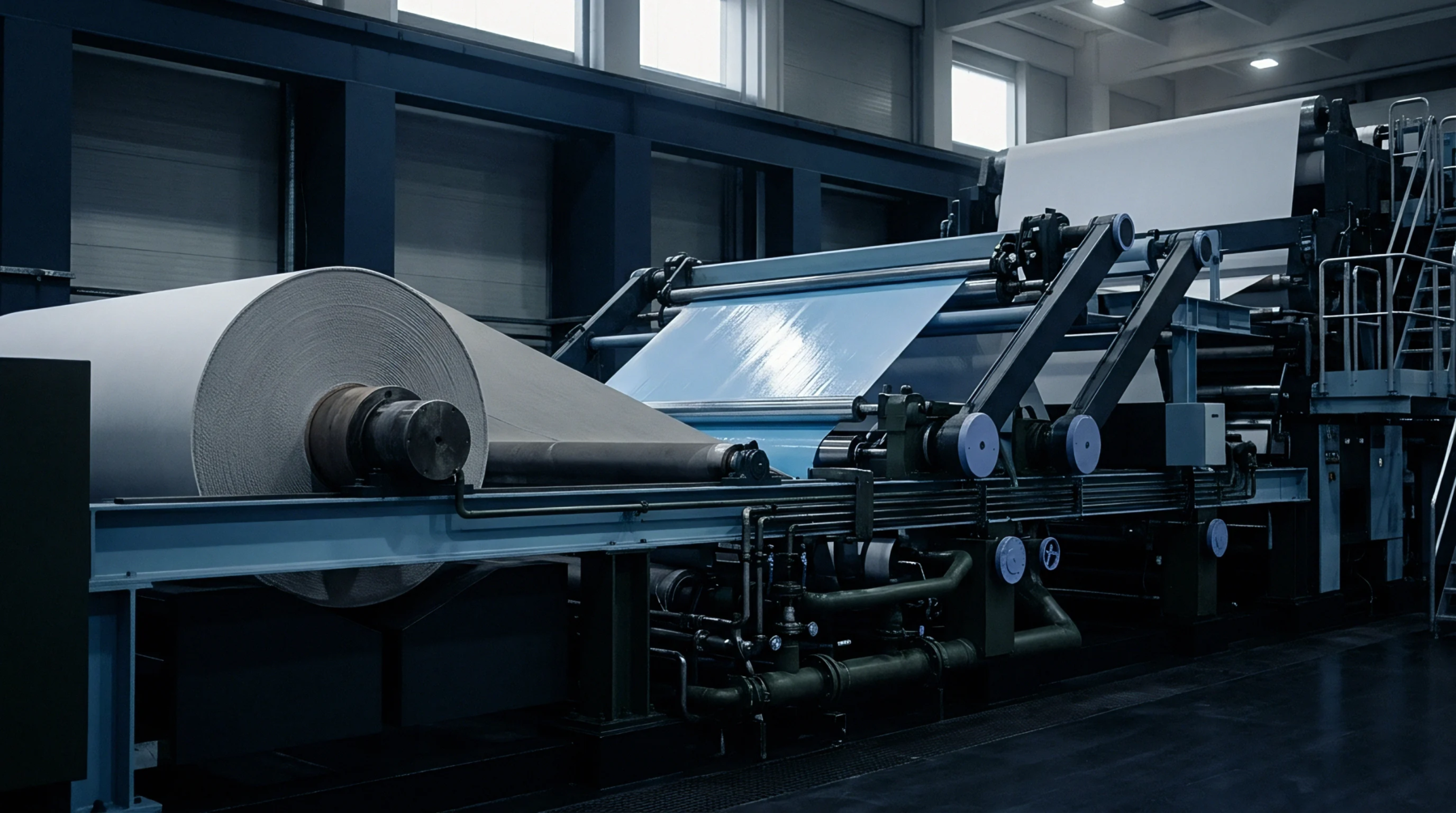
Rotary conversion machinery transforms wide mill rolls of substrate into narrower, smaller diameter reels through a combination of longitudinal separation and tensioned surface re-spooling. A slitter winder executes this separation using circular blades that shear against grooved anvils or hardened steel shafts as the paper web travels through the unit. Precise control over web tension ensures that finished reels maintain structural integrity without internal telescoping or edge deformation.
Achieving consistent reel hardness across the full deckle width prevents problems during subsequent flexographic or gravure printing passes.
Mechanical Configuration
Driven unwind stands support the parent roll while secondary systems govern the web path across dancer rolls to stabilize velocity before the cutting zone. Adjustable blade holders allow operators to position slitters according to the required width of the outbound substrate. High-speed operation demands careful synchronization between the unwind brake and the center-driven rewind shafts to prevent variations in density throughout the reel build.
Constant torque profiles allow the unit to overcome initial inertia during startup while maintaining tension as the roll diameter increases.
Performance Metric
Dimensional accuracy defines the quality of output measured by side-to-side variation against the target width and the straightness of the resulting edges. Excess vibration or blade dullness produces frayed edges which degrade runnability in downstream packaging lines. Variations in wound density cause local pressure points that lead to substrate damage during storage or transit.
Proper calibration of the shear angle between blades and anvils minimizes dust generation at the cut point. Consistent control of winding parameters dictates the eventual success of the material in high speed converting environments.