Dynamic Microcracking Thresholds in Aqueous Polymer Dispersion Barrier Coatings during Cold Weather Converting
Cold weather microcracking in aqueous barrier coatings is prevented by expanding crease matrix channels, pre-heating the board web, or specifying low Tg latices.
Frost
Unheated converting halls in winter drop ambient processing temperatures down to 4 degrees Celsius. Paperboard webs entering folder-gluers at these temperatures exhibit rapid thermal heat loss, cooling thin barrier films across their entire cross-section within seconds. Water-based aqueous polymer dispersion barrier coatings rely on film formation mechanisms that produce viscoelastic networks above their glass transition temperature.
When ambient temperatures drop near or below this thermal threshold, polymer chain mobility decreases dramatically. High strain rate deformation occurring during high-speed scoring and creasing forces the polymer film out of its flexible rubbery regime and directly into its glassy brittle regime.
Strain rate during carton creasing on automated converting lines often exceeds 1200 reciprocal seconds. Fast deformation compresses the relaxation timeframe available for polymer chains to slip past one another. Polymer films that maintain an elongation at break of 250 percent under room temperature tensile testing experience sudden brittle failure when folded at sub-zero or low ambient temperatures under identical mechanical geometric strain.
Fiber substrates also lose internal plasticization as cold winter air reduces atmospheric relative humidity, elevating the overall flexural rigidity of the paperboard structure.
The interface between the aqueous polymer dispersion and the top liner of the paperboard experiences severe shear stress concentrations during male-to-female score line insertion. As the male creasing rule forces the board down into the groove matrix, the top surface coating faces maximum tensile elongation. Cold conditions prevent the polymer binder from stretching across the outer bend radius.
Instead of undergoing smooth plastic yield, the film forms localized microscopic fissures along the crease line axis. Tensile forces concentrate at these mechanical flaws, driving crack propagation through the entire thickness of the barrier layer.
At converting temperatures below 5 degrees Celsius, acrylic dispersion film elongation at break drops from 220 percent to less than 18 percent under dynamic shear strain exceeding 1000 reciprocal seconds.
Pinhole formation occurs simultaneously along the primary bend zone. Microcracks open small pathways through which water vapor, liquid water, grease, and fatty acids subsequently penetrate the raw paperboard substrate. Visual inspection rarely reveals these microscopic ruptures on the folder-gluer line because the top coat retains its macroscopic color and gross coverage appearance.
Standard online optical sensors miss sub-micron crack networks entirely. Cold board breaks clean. Polymer chains freeze.
Microscopic fissures open instantly. Water vapor barrier values degrade before the finished cartons reach the outer packing station.
Strain Rate Sensitivity near Glass Transition
Polymer dispersions engineered for barrier performance balance soft latex segments with hard resin matrices. Soft monomer units like butyl acrylate lower the glass transition temperature, whereas hard units like methyl methacrylate or styrene build water resistance and block resistance. When converting operations run at 300 meters per minute, the deformation rate forces the effective glass transition temperature of the polymer system upward by 10 to 15 degrees Celsius relative to static differential scanning calorimetry measurements.
A coating with a static glass transition temperature of 8 degrees Celsius acts as a rigid, unyielding glass when deformed inside a creasing matrix at low ambient hall temperatures.

Polymer Chain Mobility at Sub-Zero Converting Temperatures
Low thermal energy reduces the free volume inside the amorphous zones of the latex film. Water-based dispersion coatings that rely on temporary glycol ester coalescing solvents suffer performance shifts when those volatile additives evaporate during web drying. Once dry, the unplasticized polymer matrix relies entirely on temperature to maintain segment mobility.
Operating cold packaging conversion lines without thermal web pre-heating causes immediate micro-fracturing along every longitudinal and transverse score line. Ignoring ambient seasonal temperature drops on high-speed lines results in catastrophic loss of barrier performance, leading directly to rejection of entire packaging production lots upon delivery to food processing clients.
Binder
Formulation chemistry dictates the ultimate low-temperature strain limit of an aqueous barrier coat. Water-based dispersion systems utilize synthetic latices including acrylic copolymers, styrene-butadiene rubber, vinyl acetate ethylene, or bio-based polyhydroxyalkanoates. Raw dispersion selection establishes baseline polymer chain flexibility, but functional formulation additives heavily alter cold converting performance.
Wax emulsions added to enhance surface slip and water repellency can aggregate into crystalline domains that serve as mechanical stress concentrators during bending operations. Inorganic mineral fillers like kaolin clay or talc reduce raw material costs and control block resistance while simultaneously decreasing the ultimate tensile strain capacity of the dry coating film.
| Dispersion Polymer Base | Static Glass Transition (°C) | Minimum Film Formation Temp (°C) | Elongation at Break at 23°C (%) | Microcracking Onset Temp at High Strain (°C) |
|---|---|---|---|---|
| Styrene-Acrylic Copolymer | 14 | 16 | 140 | 12 |
| Pure Acrylic Dispersion | -5 | 0 | 310 | -2 |
| Styrene-Butadiene Rubber (SBR) | -12 | -8 | 420 | -8 |
| Vinyl Acetate Ethylene (VAE) | 2 | 4 | 260 | 5 |
| Polyhydroxyalkanoate (PHA) | 8 | 10 | 85 | 15 |
Moisture exchange between the paperboard substrate and the surrounding plant atmosphere alters the physical stress state at the coating interface. Paperboard stored in unconditioned winter warehouses loses equilibrium moisture content, dropping from a standard 7.5 percent down to 4.0 percent or lower. Dry cellulose fibers lose their natural pliability, increasing the force required to form a clean crease score.
When the folder-gluer applies bending force to dry board, the underlying fiber structure suffers localized shear failure, creating an uneven, stepped support base beneath the thin barrier coat. The coating must stretch over these internal fiber steps, driving local strain values far past the average geometric calculated strain of the fold.
Higher filler loading in a water-based coating lowers raw material cost but accelerates microcracking severity during tight radius board scoring.
Formulators incorporate internal plasticizers or secondary soft latices to depress the glass transition temperature without causing room-temperature surface blocking. Blending a soft acrylic latex with a glass transition temperature of minus 15 degrees Celsius into a rigid styrene-acrylic barrier formulation improves low-temperature extensibility. Moisture leaves the sheet.
Coating stiffness escalates. Fillers build stress points. External plasticizers, while effective at restoring film ductility, risk migrating into dry food products, making chemical selection restrictive for food-contact packaging applications.
Glass Transition Modulation in Dispersion Formulations
Selecting polymer chemistry with an appropriate thermal window prevents embrittlement during cold converting runs. Formulations featuring a glass transition temperature below minus 5 degrees Celsius maintain sufficient chain mobility even under severe high-speed creasing conditions at 5 degrees Celsius ambient hall temperatures. Molecular weight distribution within the latex particles also influences performance; broad distributions provide a balance between mechanical toughness and deformability.
Core-shell latex structures allow soft, low glass-transition polymer shells to form a continuous plasticizing matrix around harder, high-barrier polymer cores.
- Polymer Chain Immobilization Glass transition temperature exceeds ambient converting temperature, causing brittle film fracture during rapid elongation.
- Substrate Moisture Depletion Low atmospheric humidity extracts bound water from cellulose fibers, stiffening the board structure and concentrating strain into the coating line.
- Pigment Micro-Voiding High mineral filler loading creates rigid interfaces where localized delamination occurs under flexural stress.
- Wax Domain Crystallization Crystalline wax particles added for slip resistance act as initiation points for microcracks under high shear rates.
Substrate Moisture Loss and Fibre Strain Concentration
Maintaining base paperboard moisture within target ranges prevents premature mechanical breakdown of the fiber network. Wetting agents and surface sizing adjustments improve interfacial adhesion between the aqueous coating layer and the top liner board. Superior adhesion forces tensile strain to distribute evenly across the coating volume rather than concentrating at localized delamination points along the crease line axis.
Chemical suppliers often claim that water-based coatings are fully flexible across all standard operating environments, omitting the critical caveat that low ambient temperatures during winter transit and converting alter the fundamental physics of latex film mechanics.
Tooling
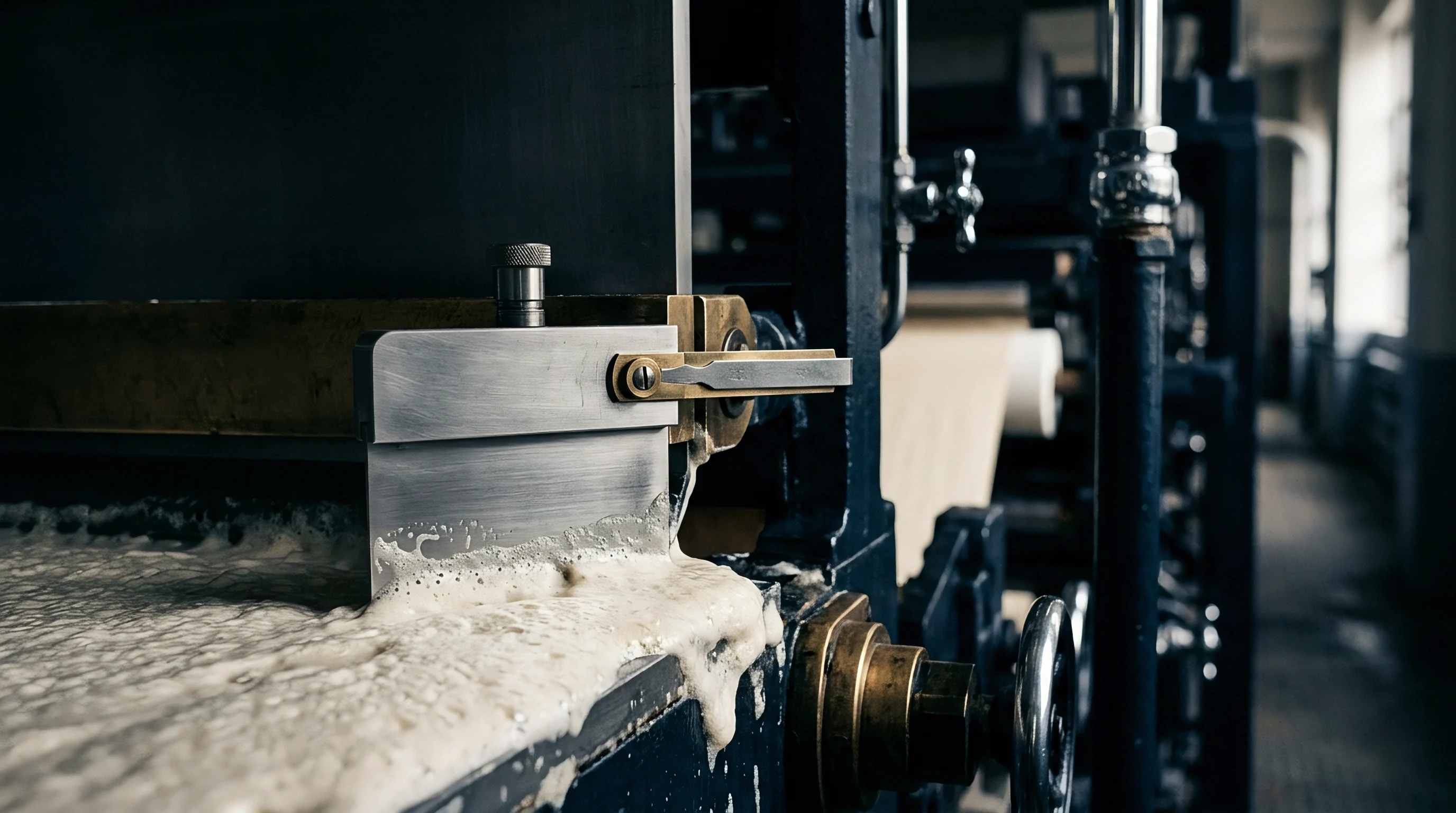
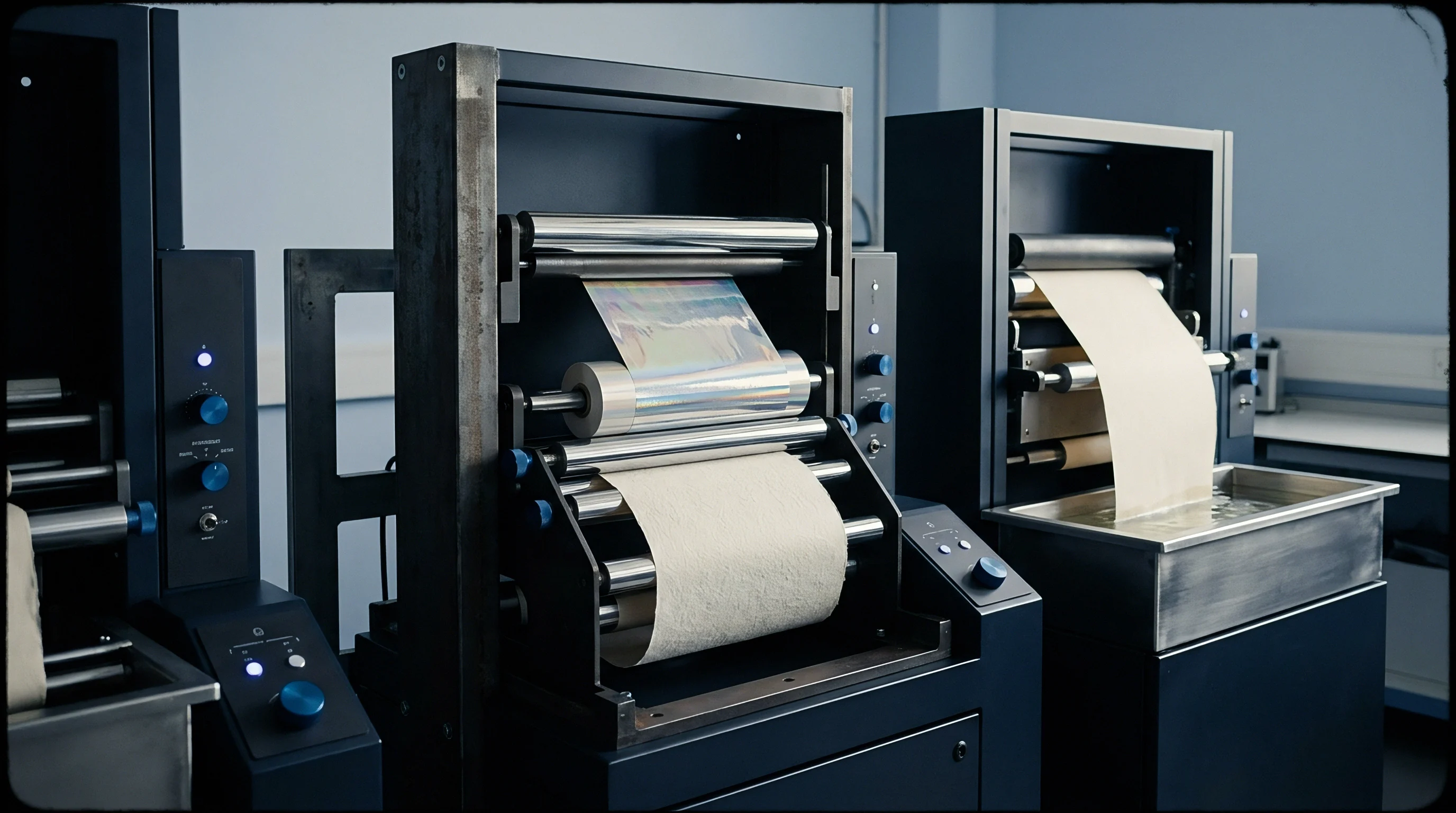
Mechanical setup adjustments on converting lines directly control the physical strain applied to aqueous barrier coatings during cold weather production runs. Male scoring rules, female matrix channels, anvil clearances, and folder-gluer folding belts establish the precise deformation path of the coated paperboard. Inadequate matrix depth or excessively narrow channel widths pinch the paperboard, creating severe localized shear stresses that rupture cold, brittle barrier films.
Proper creasing requires the paperboard layers to delaminate internally along designated plies while the top coated liner undergoes smooth, continuous bending without sharp axial cracking.
| Board Caliper (mm) | Male Rule Width (mm) | Female Channel Width (mm) | Channel Depth (mm) | Converting Speed (m/min) | Microcracking Risk at 5°C |
|---|---|---|---|---|---|
| 0.40 | 0.71 | 1.20 | 0.40 | 350 | Severe Risk |
| 0.40 | 0.71 | 1.40 | 0.45 | 350 | Moderate Risk |
| 0.40 | 0.71 | 1.50 | 0.50 | 200 | Low Risk |
| 0.60 | 1.05 | 1.90 | 0.60 | 300 | Severe Risk |
| 0.60 | 1.05 | 2.20 | 0.70 | 180 | Low Risk |
Modifying crease geometry relieves peak tensile stress on the outer face of the fold. Increasing the female matrix channel width by 10 to 15 percent beyond standard room-temperature setup guidelines yields a wider, more gradual bend radius. This geometry spreads the outer face elongation over a longer linear distance, lowering the maximum percentage strain experienced by the barrier film.
Line speed adjustments further attenuate strain rate severity; slowing down folder-gluer throughput grants polymer chains additional time to undergo viscoelastic relaxation during the physical folding step.
Crease Channel Geometry and Deformational Stress
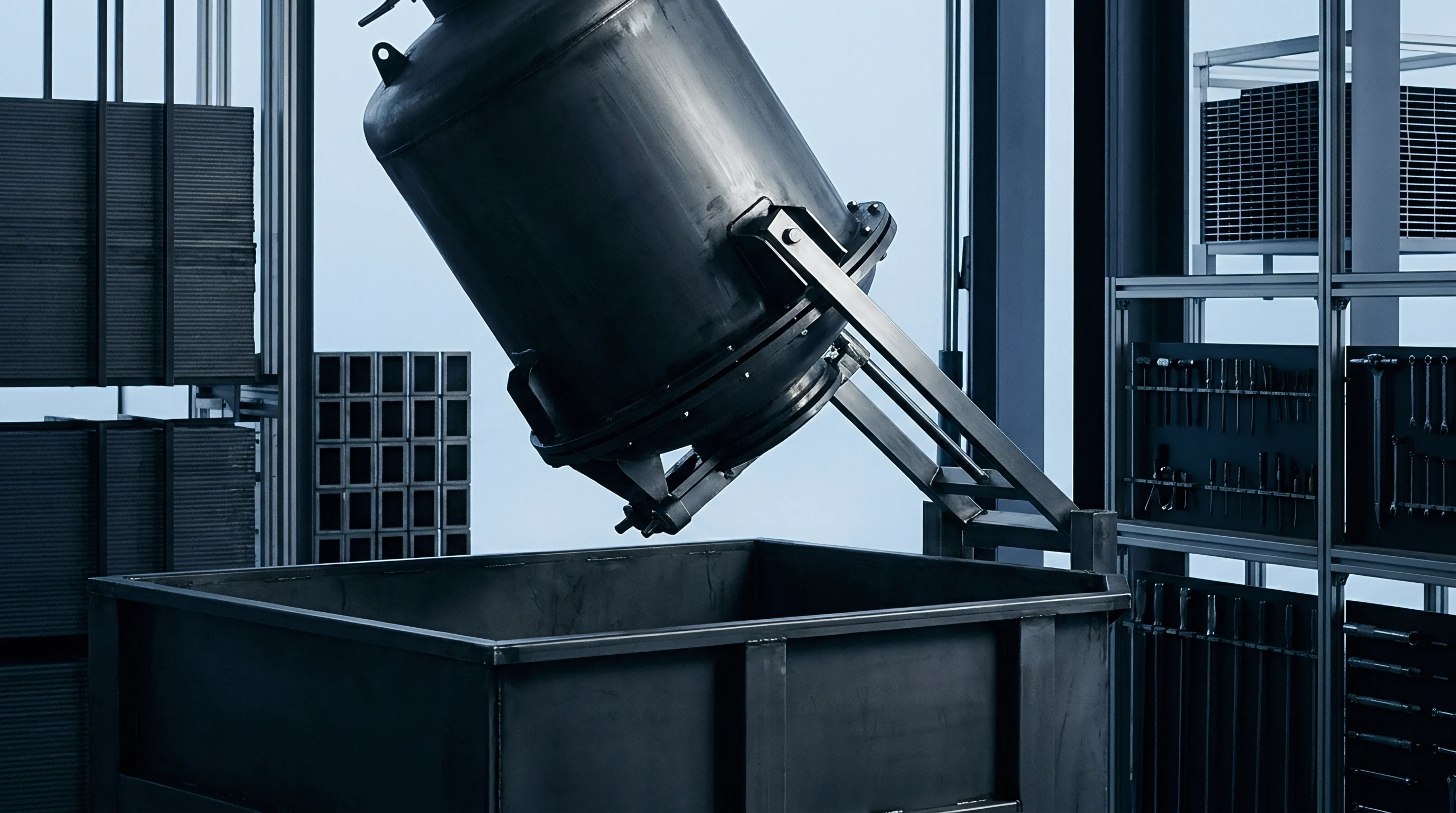
Calculations for female channel width traditionally follow standard multiplying factors based on board thickness and male rule caliper. Cold converting environments mandate expanding these factor calculations to accommodate reduced substrate and coating ductility. Using rounded, highly polished profile edges on male creasing rules prevents localized pinching or micro-scoring of the top surface coating prior to actual carton folding.
Rubber profile inserts along the creasing matrix provide cushioned resistance, distributing pressing forces evenly across the score line footprint.
- Measure ambient hall temperature and paperboard surface temperature prior to loading feed hoppers on the converting line.
- Inspect male scoring rules for sharp edges, burrs, or surface damage that could score the top barrier coat during initial impression.
- Select female creasing matrix channels that are one step wider than standard summer specification settings for the target board caliper.
- Install auxiliary inline infrared or hot-air warming units directly upstream of the primary scoring and folding stations.
- Adjust folder-gluer belt tension and folding hook timing to ensure smooth, continuous board progression without impact loading.
- Initiate sample run at 50 percent maximum line speed, collecting folded cartons immediately for dye penetration barrier verification.
How Does Converting Speed Alter Fracture Thresholds?
Line speed operates as a direct multiplier of effective strain rate on the coating matrix. Lowering converting speeds from 350 meters per minute to 180 meters per minute shifts the mechanical response of the latex film closer to its static equilibrium state, effectively lowering its dynamic glass transition temperature. Operating with wider crease channels combined with moderate converting speeds allows cold-stiffened aqueous barrier coatings to pass through folder-gluer lines without crossing their dynamic microcracking strain thresholds.
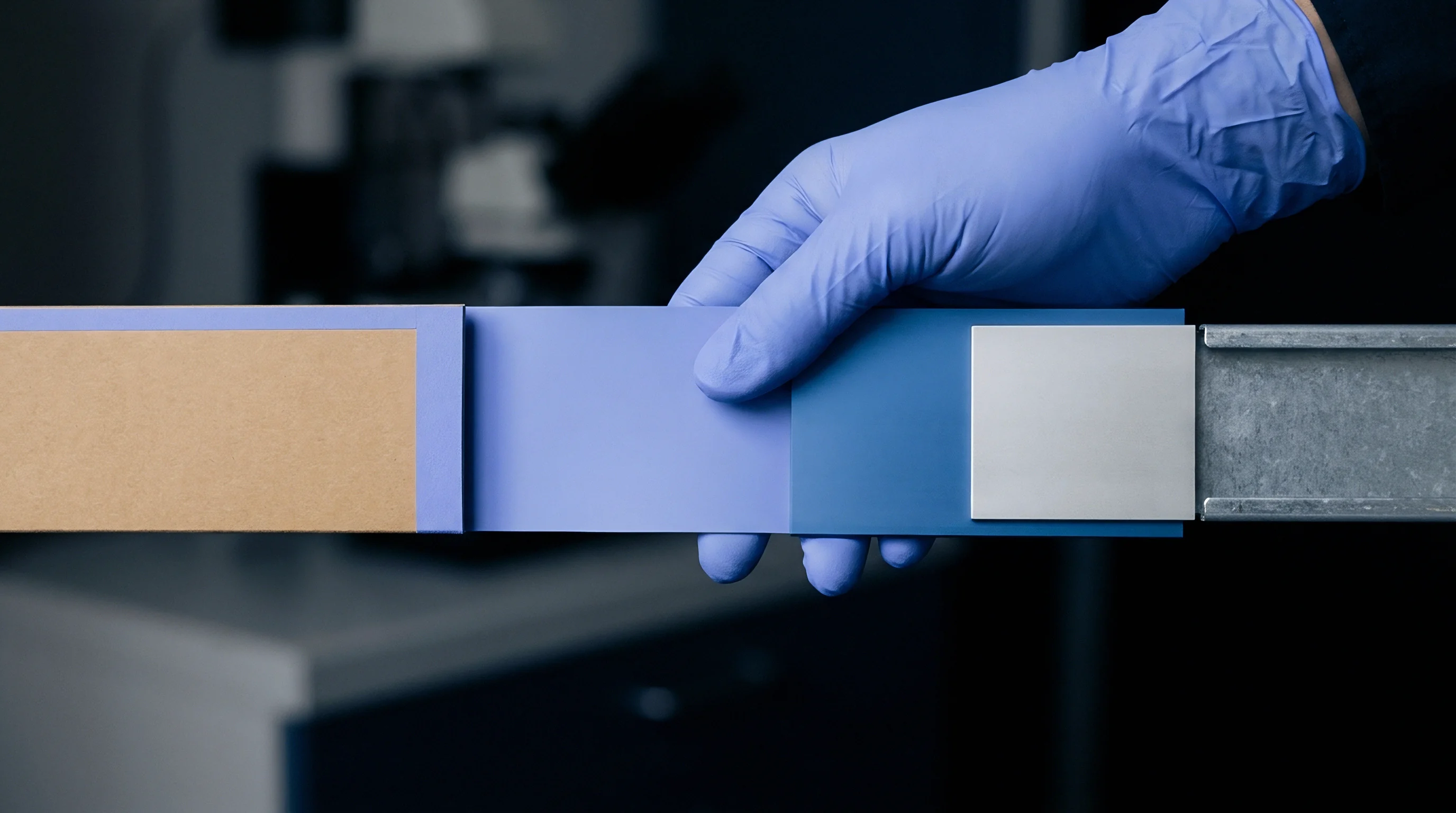
Increasing female crease matrix width while rounding male rule profiles preserves coating continuity when line heat cannot be applied.
Assay
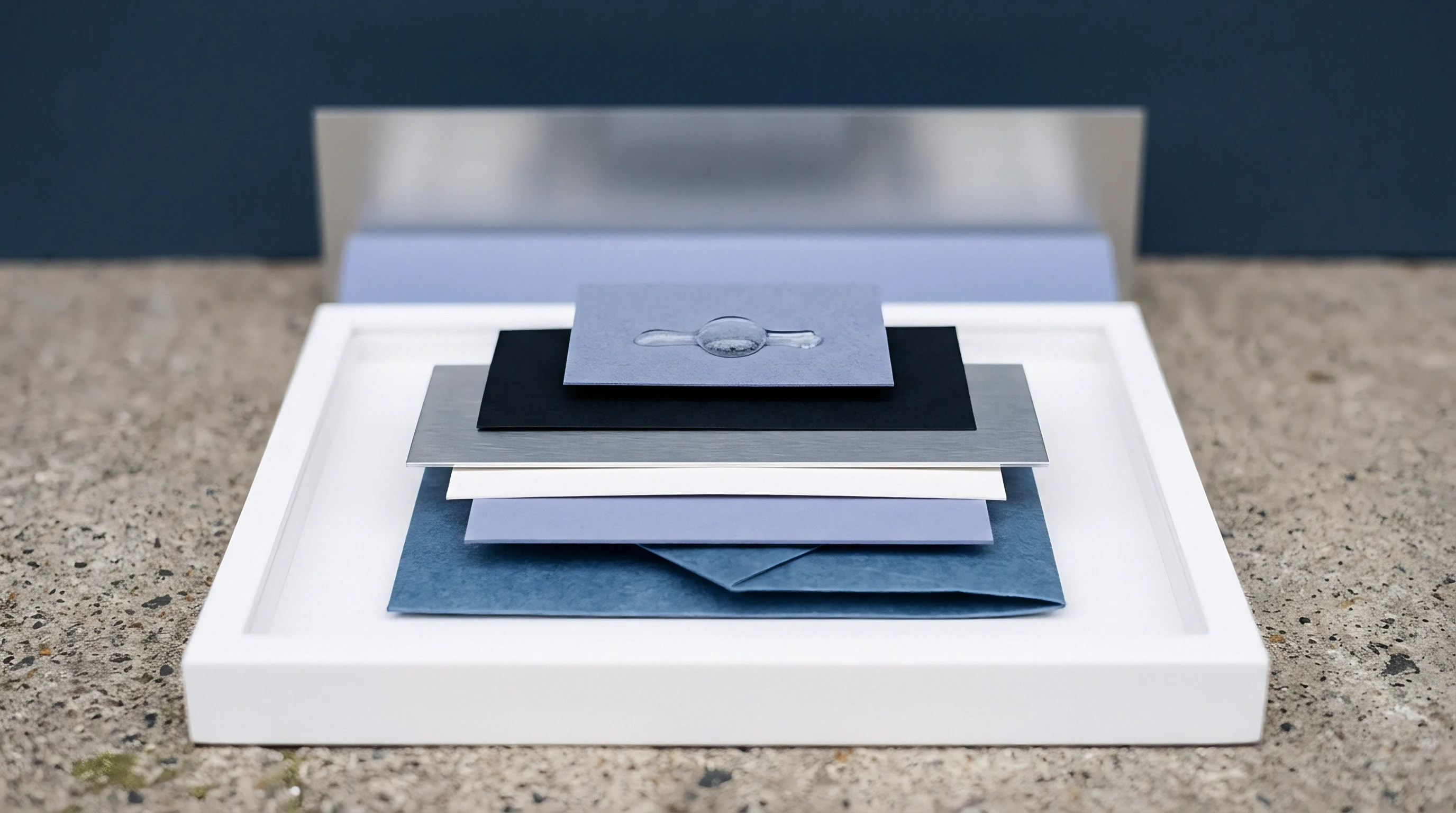
Accurate verification of microcracking requires laboratory test protocols capable of revealing sub-micron physical failures that escape visual detection. Standard room-temperature testing conducted in accordance with ISO 187 conditioning guidelines often masks defects that occurred during cold processing. When cracked cartons return to 23 degrees Celsius and 50 percent relative humidity, soft latex formulations may exhibit limited elastomeric recovery or warm flow, partially sealing surface fissures prior to quality control testing.
Laboratory procedures must evaluate barrier performance immediately post-converting under controlled low-temperature conditions or utilize aggressive chemical tracer assays.
Dye penetration testing provides immediate visual proof of barrier layer breach along score lines. A colored dye solution composed of isopropyl alcohol, water, and a high-contrast pigment dye is applied directly across creased board samples for a defined contact period of 300 seconds. Isopropyl alcohol depresses surface tension, drawing the liquid dye into microcracks via capillary action.
Subsequent wiping reveals distinct colored crack networks where the fluid penetrated down into the raw fiber substrate beneath the barrier coat. Quantifying dye penetration density per linear meter of crease line establishes a clear baseline for line qualification.
Testing barrier failure according to ISO 187 conditioning at 23 degrees Celsius misses microcracking initiated in unheated converting plants operating at 8 degrees Celsius.
Water Vapor Transmission Rate (WVTR) testing per ASTM E96 provides quantitative physical measurement of barrier degradation. Uncreased baseline flat board samples are compared directly against samples subjected to standardized cold creasing. A sudden spike in WVTR values across creased samples indicates structural failure of the polymer film.
Water absorption testing via the Cobb method (ISO 535) with extended contact times of 1800 seconds similarly exposes micro-fracturing through localized weight gain metrics.
| Test Protocol | Standard Designation | Target Barrier Property | Detection Sensitivity | Primary Failure Indicator |
|---|---|---|---|---|
| Dye Penetration Assay | TAPPI T 559 Mod. | Pinholes / Microcracks | Sub-micron cracks | Linear dye staining along fold axis |
| Water Vapor Transmission | ASTM E96 (38°C/90% RH) | Moisture vapor flux | Quantitative flux rate | WVTR increase greater than 50% vs flat |
| Cobb Water Absorption | ISO 535 (1800s contact) | Liquid water intake | Macro / Micro breaches | Weight gain exceeding targeted spec |
| Turpentine / Kit Test | TAPPI T 559 | Grease & Oil resistance | Surface pinholes | Dark stain spots through board back |
Standardized Low Temperature Bending and Crease Testing
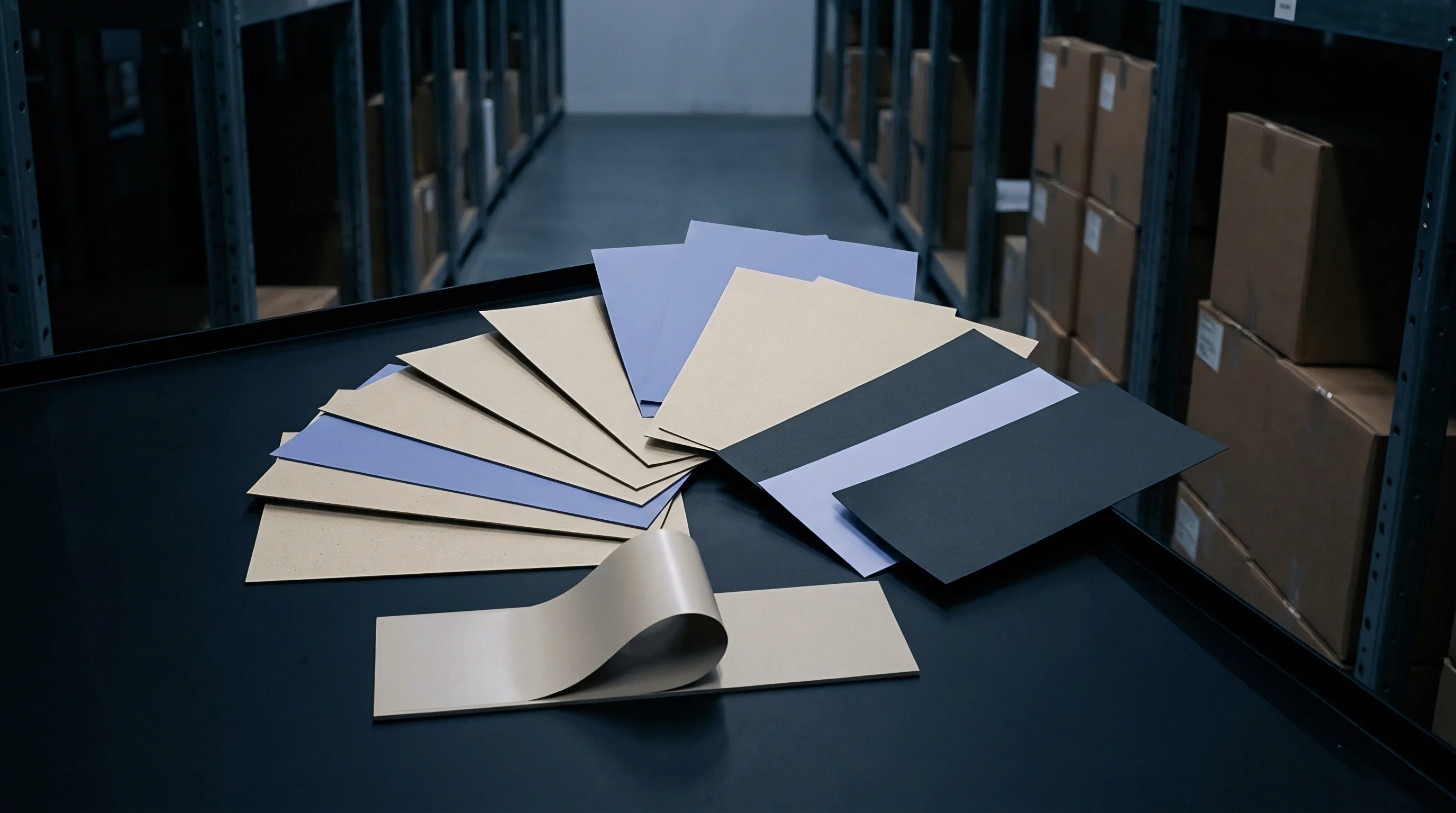
Evaluating coating performance mandates conditioning both board samples and creasing equipment inside environmental chambers set to target winter operational temperatures. Testing samples at 4 degrees Celsius accurately reflects converting hall conditions, preventing false-positive approvals generated by room-temperature lab testing. Customized benchtop creasing rigs operating inside cold chambers allow quality control technicians to map precise strain-to-failure curves across varying board calipers and coating weights.
Standardized cold testing ensures that substrate batch approvals reflect real-world converting realities.
Dye Penetration and Barrier Integrity Loss
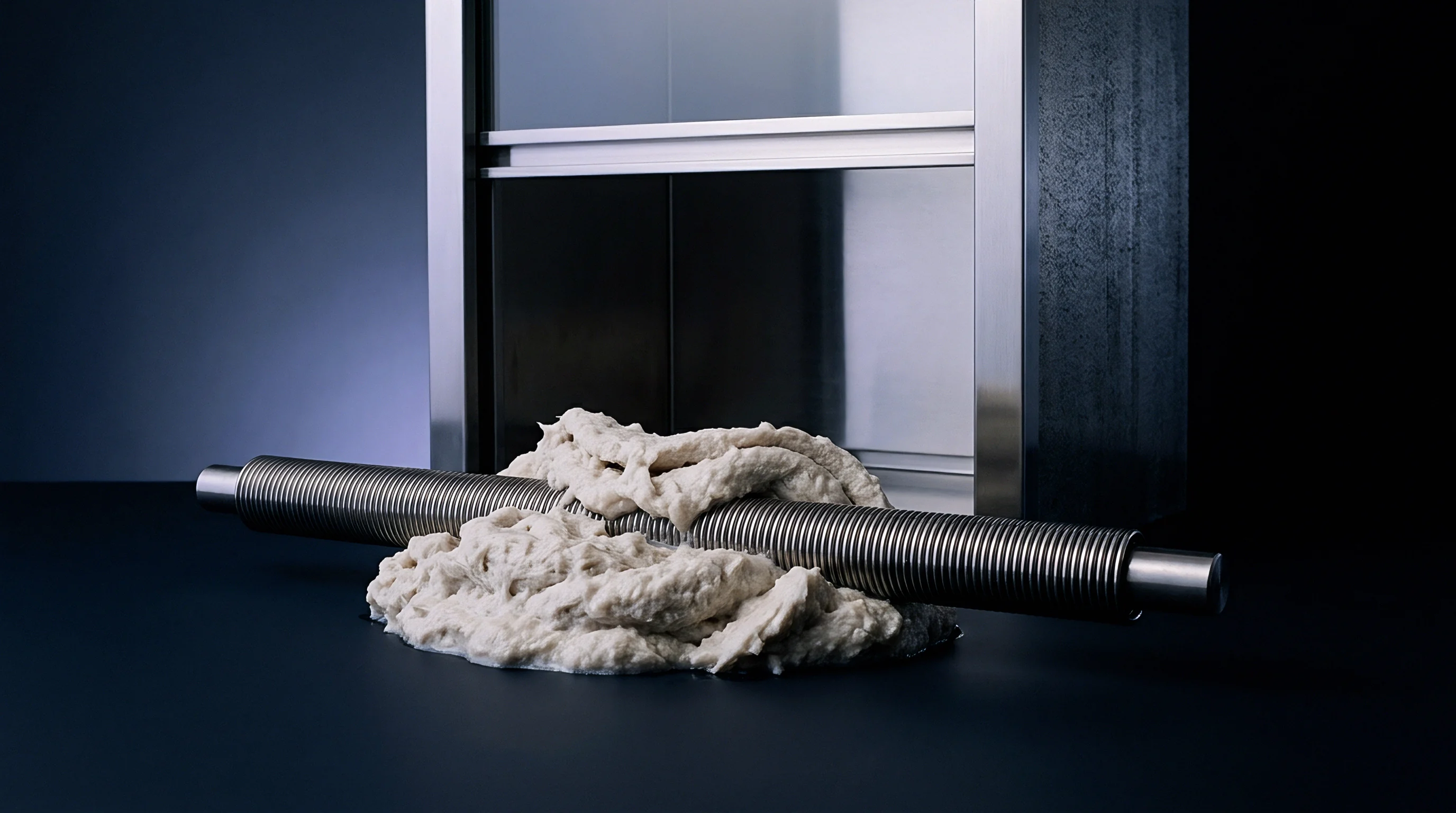
Liquid grease resistance evaluation using the TAPPI T 559 Kit Test identifies coating pinholes resulting from high-shear mechanical folding. Aggressive mixture reagents containing varying ratios of castor oil, toluene, and heptane quickly penetrate through micro-fissures, staining the unbleached kraft or recycled fiber back layer. Measuring the highest kit number passed without penetration provides an index of residual chemical resistance.
How far can laboratory dye penetration methods be standardized across cross-border supply chains to guarantee that low-temperature microcracking thresholds are uniformly audited before shipment?

Tonnage
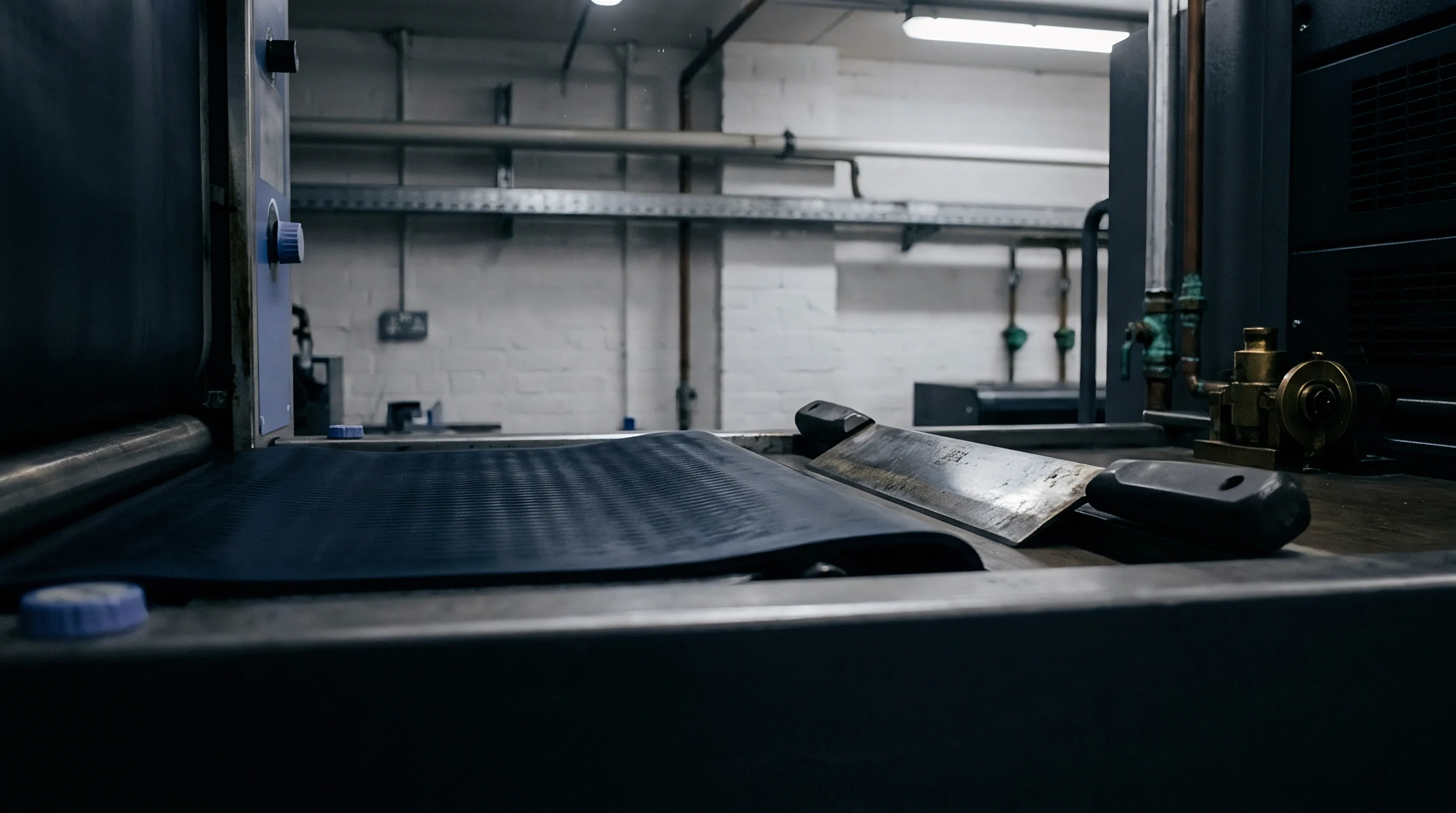
Selecting operational remedies for cold-weather microcracking involves direct trade-offs between raw material expenditure, line speed efficiency, scrap spoilage rates, and equipment capital outlays. Converters operating high-volume folding carton lines face substantial financial penalties when barrier performance fails quality audits at food packaging plants. Scrapping a 50-tonne winter production run of printed, die-cut, and folded paperboard containers results in immediate material losses, lost press capacity, and contractual non-delivery fines.
Installing inline infrared pre-heating equipment requires an initial capital investment but eliminates seasonal grade substitutions.
Consider a practical conversion example based on a typical high-volume production scenario. A packaging plant runs a 40-tonne order of 350 grams per square meter solid bleached sulfate (SBS) board coated with 15 grams per square meter of a standard aqueous styrene-acrylic barrier dispersion. Operating under unheated winter conditions at 6 degrees Celsius ambient plant temperature results in a 12 percent customer rejection rate due to microcracking discovered during post-delivery dye penetration testing.
The landed cost of the raw coated paperboard sits at 1,850 USD per tonne, bringing direct material scrap cost alone to 8,880 USD for the failed run, excluding lost converting time and freight expenses.
| Strategy Option | Capital Outlay (USD) | Added Unit Material Cost (USD/k) | Scrap Rate (%) | Landed Cost per 1,000 Cartons (USD) |
|---|---|---|---|---|
| Option A: Standard Coating (Unheated 5°C) | 0 | 0.00 | 12.5 | 142.80 |
| Option B: Soft-Polymer Latex Substitution | 0 | 6.40 | 1.0 | 132.65 |
| Option C: Inline Hot-Air Web Pre-Heater | 18,500 | 0.85 | 0.5 | 126.50 |
| Option D: Reduced Line Speed (-40%) | 0 | 0.00 | 3.5 | 148.20 |
Evaluating Option B reveals that reformulating the barrier coating with a soft latex plasticizing component adds 6.40 USD per thousand finished cartons in chemical material cost, but slashes the winter scrap rate from 12.5 percent down to 1.0 percent. Option C demonstrates that installing an inline hot-air web pre-heater requiring an initial investment of 18,500 USD adds a minor electrical energy cost of 0.85 USD per thousand cartons while achieving the lowest total landed cost per unit across long-term production. Reducing converting speed without heat (Option D) proves economically unviable due to severe hourly machine rate penalties that outweigh scrap savings.
In-line hot air heating units placed ahead of the creasing station elevate coating temperature above its glass transition threshold without slowing down folder-gluer line output.
Thermal Pre-Conditioning Capital Outlay versus Scrap Spoilage
Pre-heating equipment mounted directly on the folder-gluer frame elevates the surface temperature of the paperboard web to 35 degrees Celsius immediately prior to male rule contact. Elevating surface temperature brings the polymer coat comfortably above its glass transition point, restoring full viscoelastic chain mobility during maximum deformation. Hot-air nozzles or medium-wave infrared lamps require minimal floor space and integrate directly into existing line safety interlocks.
Payback calculations for web pre-heating systems typically clear capital investment thresholds within two winter operational months by eliminating cold-weather reject lots.
Yield Loss Arithmetic on Winter Carton Runs
Calculating the true landed cost of converted barrier cartons requires factoring in scrap disposition, re-work downtime, and seasonal productivity losses. Running unheated winter operations forces plants to accept higher spoilage allowances or reduce line throughput by up to 40 percent to maintain acceptable barrier performance. Investing in targeted thermal pre-conditioning or adopting flexible low-temperature latex formulations preserves high-speed runnability, protecting unit margins across cold weather converting campaigns without sacrificing barrier compliance.
The economic preference consistently favors inline surface heating over persistent machine speed reductions.
Dispatch
Formal purchasing specifications for aqueous barrier coated paperboard must address ambient storage conditions, thermal staging protocols, and mandatory goods-in testing procedures for winter deliveries. Paperboard reels and palletized sheets shipped during cold weather drop to sub-zero temperatures inside unheated transit trailers. Unloading frozen stock directly into warm converting halls creates immediate thermal shock and surface condensation if protective stretch-wrap packaging is removed prematurely.
Specifications must mandate holding unopened pallets in staging areas for a minimum of 48 hours to reach thermal equilibrium before processing.
Quality assurance contracts specify mandatory low-temperature flexibility parameters alongside traditional grammage, Cobb values, and caliper tolerances. Specifying minimum elongation at break metrics under cold testing conditions prevents mills from shipping rigid barrier formulations optimized purely for warm-weather block resistance. Contracts mandate that every delivered lot carries a Certificate of Analysis detailing the minimum film formation temperature and glass transition metrics of the applied coating lot.
Goods-in verification protocols require laboratory testing of incoming reels using cold-chamber creasing and dye penetration assays before releasing stock to the production floor.
- Warehouse Temperature Log Verification that paperboard storage zones maintain a continuous minimum ambient temperature of 18 degrees Celsius.
- Pallet Staging Duration Requirement to hold wrapped, cold-transit paperboard pallets in temperature-equilibrated staging areas for 48 hours prior to unwrapping.
- Lot Glass Transition Certificate Mill certification verifying that coating glass transition temperature meets winter specification limits below 0 degrees Celsius.
- Goods-In Cold Crease Assay Laboratory sampling of incoming board reels subjected to dye penetration testing following 5 degrees Celsius creasing trials.
- Moisture Content Verification Checking baseline board moisture levels upon receipt to confirm values remain between 6.5 and 7.5 percent.
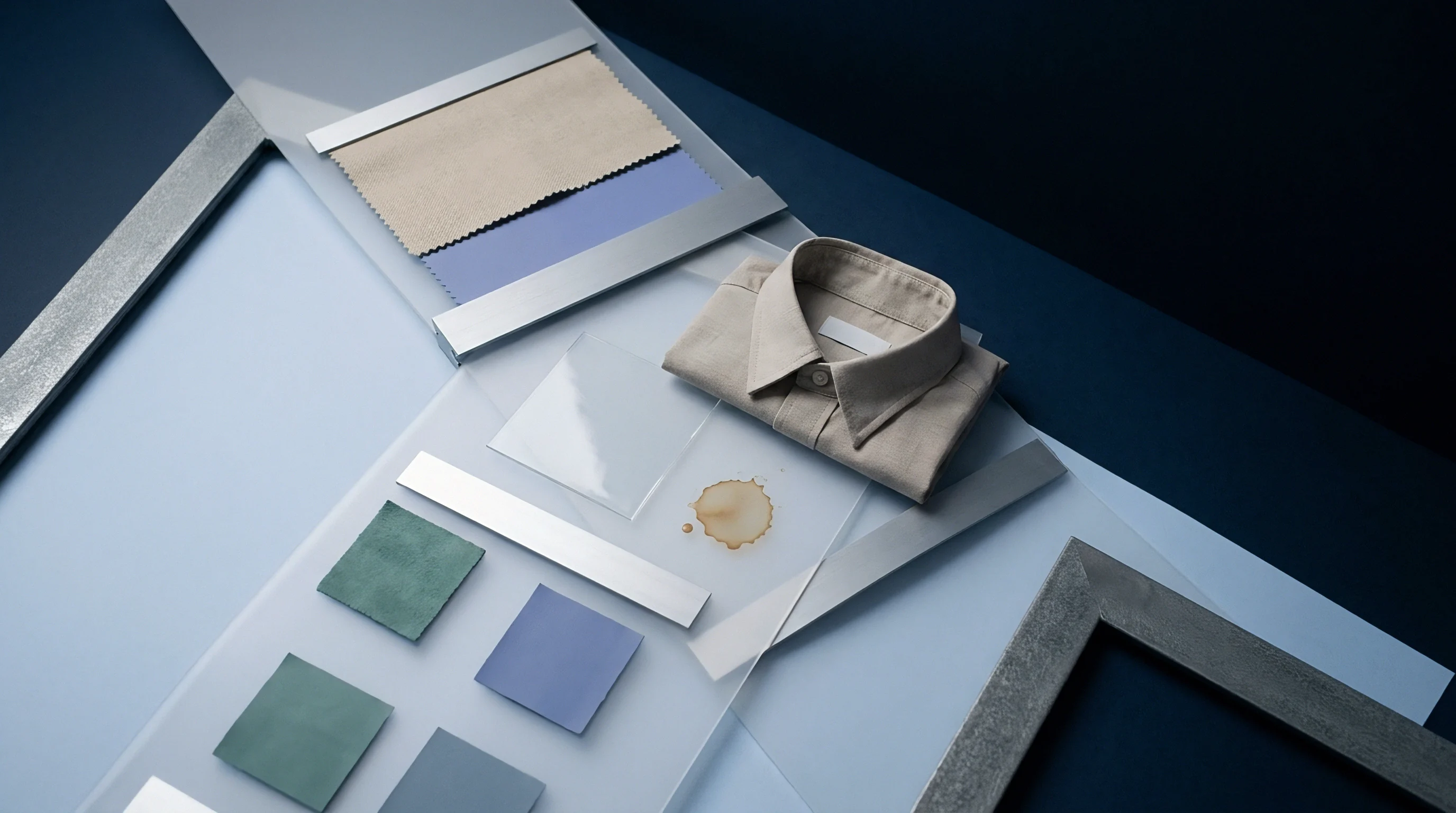
Receiving Specifications for Cold-Chain Barrier Board
Receiving departments must enforce strict protocol checklists before releasing paperboard reels into active inventory. Pallet wrapper integrity must be inspected for tears that expose cold board to plant moisture, causing moisture uptake and web edge wave. Verification logs must record ambient truck trailer temperatures upon arrival.
Stock failing cold crease dye penetration tests during goods-in inspection is quarantined immediately, preventing costly converting line scrap events and downstream food packaging failures.
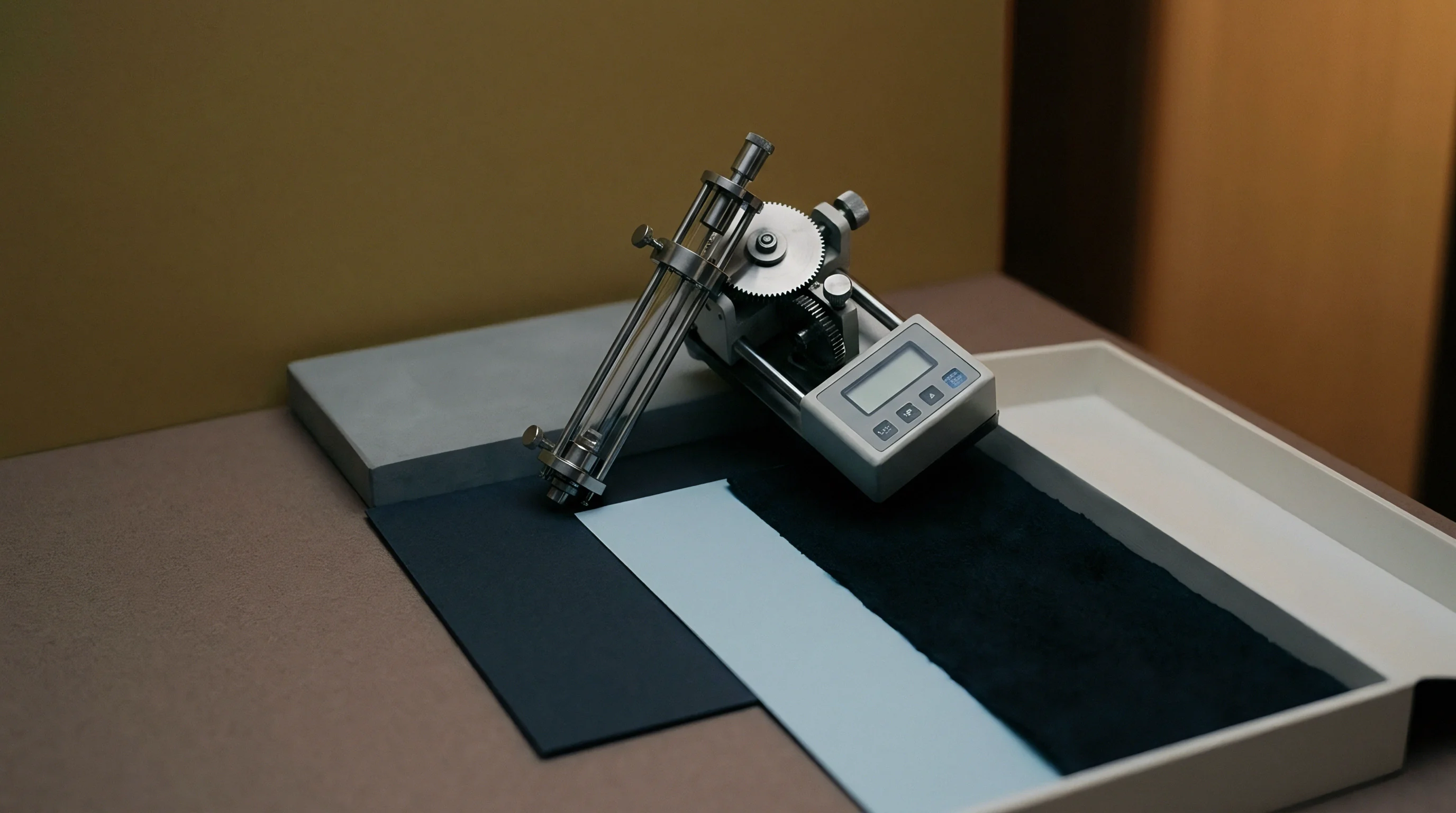
Transit Atmosphere Guarantees and Cold Staging Risk
Supply agreements must explicitly state liability boundaries for material degradation caused by extreme transport atmospheres. Standard delivery contracts include the following requirement: The supplier guarantees that the aqueous polymer dispersion barrier coating retains its certified flexibility and barrier performance down to 0 degrees Celsius converting hall temperatures, provided the converting entity executes the mandatory 48-hour thermal equilibration staging protocol prior to wrapper removal and processing. Adhering to this contract line shifts liability for cold microcracking failure back to the substrate supplier if the material fails specified low-temperature converting assays despite proper plant staging.