Financial Rebate
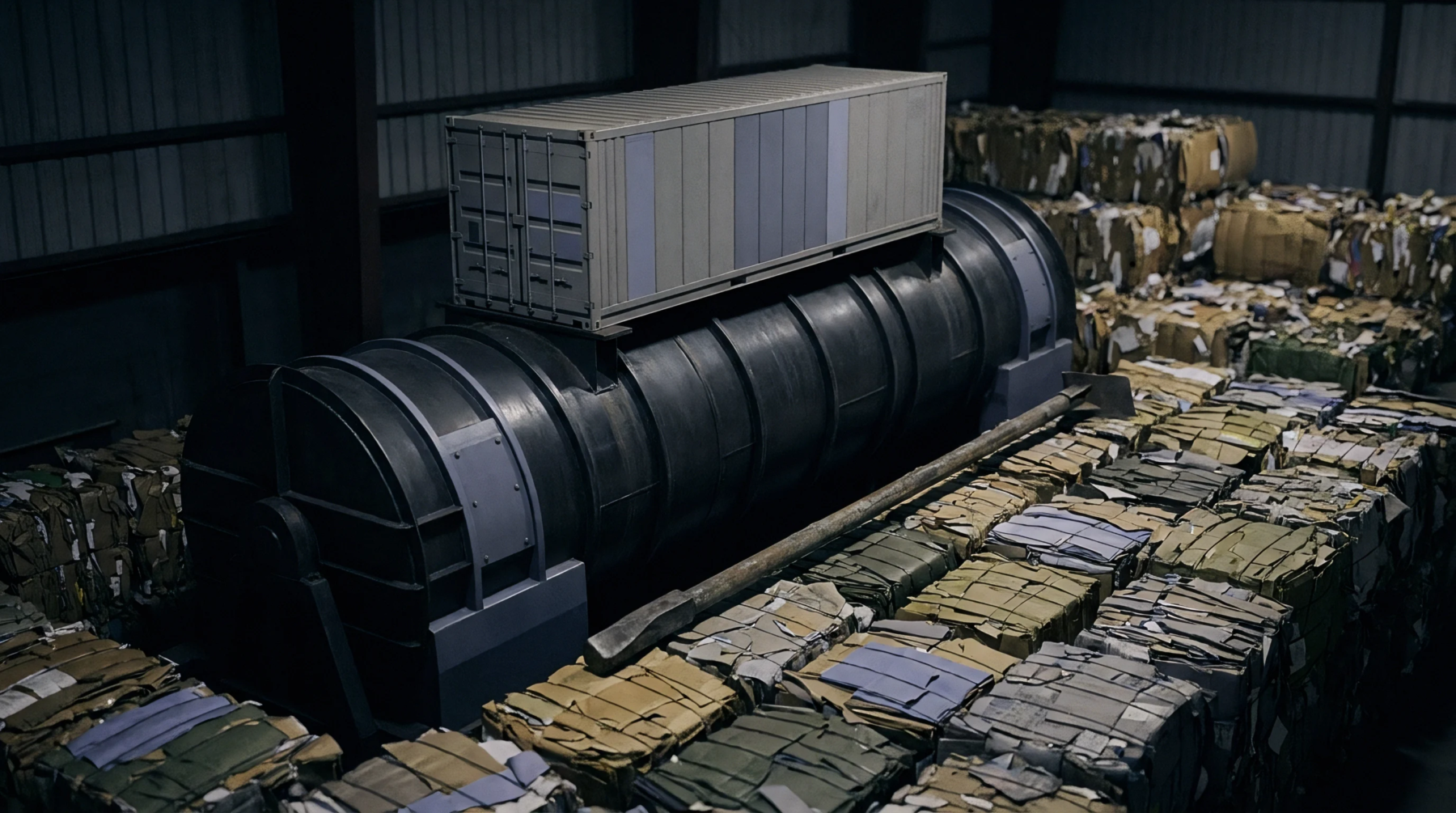
An accounting adjustment in paperboard procurement offsets the cost of new material by applying a monetary value to the recoverable waste generated during production. Converters rely on the secondary fiber scrap credit to recover a portion of their initial sheet-purchasing budget by returning clean trim to the supplier. This financial loop rewards plants that maintain high recovery rates for unprinted waste, incentivizing them to reduce production errors.
It acts as a balancing mechanism that connects the scrap-generating converter directly to the fiber-hungry board mill, ensuring that waste is treated as a tradeable resource.
Material Sorting
To maximize the value of this credit, the waste must be kept clean and separated into specific grades before it is returned. Contaminated or mixed scraps yield a much lower credit rate because they require additional processing at the recycling mill. Therefore, investing in automated sorting lines directly enhances the financial return from this program.
Contractual Structure
Most supply agreements specify the credit terms in advance, linking the rebate value to published pulp market indices. This structure protects both parties from price volatility and guarantees a steady supply of high-grade raw materials for the mill. In this way, the mechanism stabilizes paperboard sourcing costs across long-term production contracts.