Measuring Dynamic Shear Dissipation Rates in Moisture Conditioned Mechanical Furnishes
Dynamic shear dissipation rates in mechanical furnishes rise non-linearly above 12 percent equilibrium moisture content, accelerating packaging box failure.
Dynamic shear dissipation rates in mechanical furnishes rise non-linearly above 12 percent equilibrium moisture content, accelerating packaging box failure.
Polyhydroxyalkanoate binder passes require copolymer formulations with hydroxyvalerate fractions above twelve percent to prevent fold cracking at five degrees.
Quantifying micro sticky agglomeration requires tracking orthokinetic collision rates, charge decay, and thermal transitions to prevent secondary deposition.
Polymer binders with glass transition points below eight degrees Celsius absorb outer-score tensile strain to prevent carton coating fracture during folding.
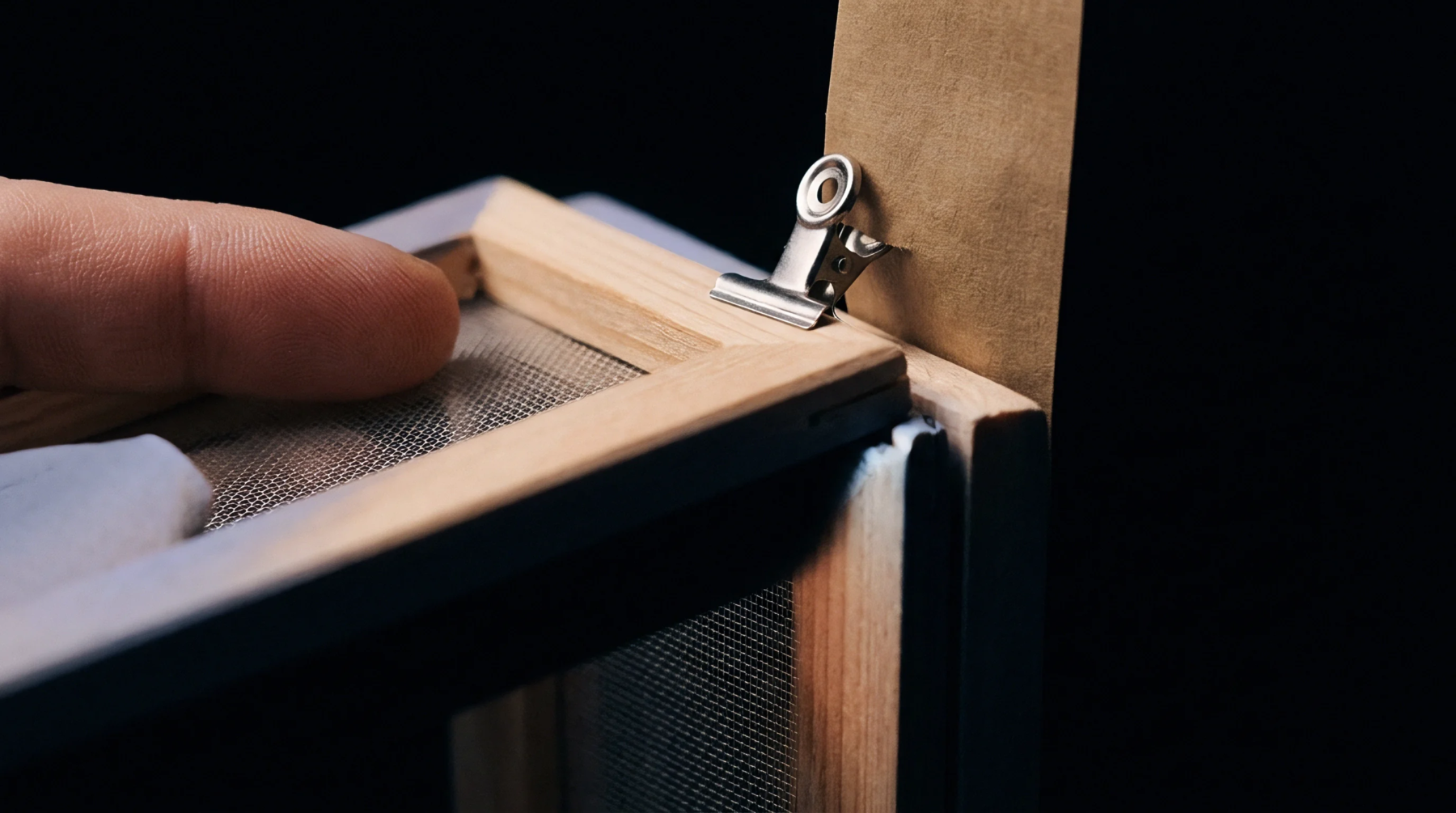
Elevated wet-end temperatures alter micro-sticky glass transition dynamics, driving colloidal coalescence that demands strict chemical passivation and verified migration limits.
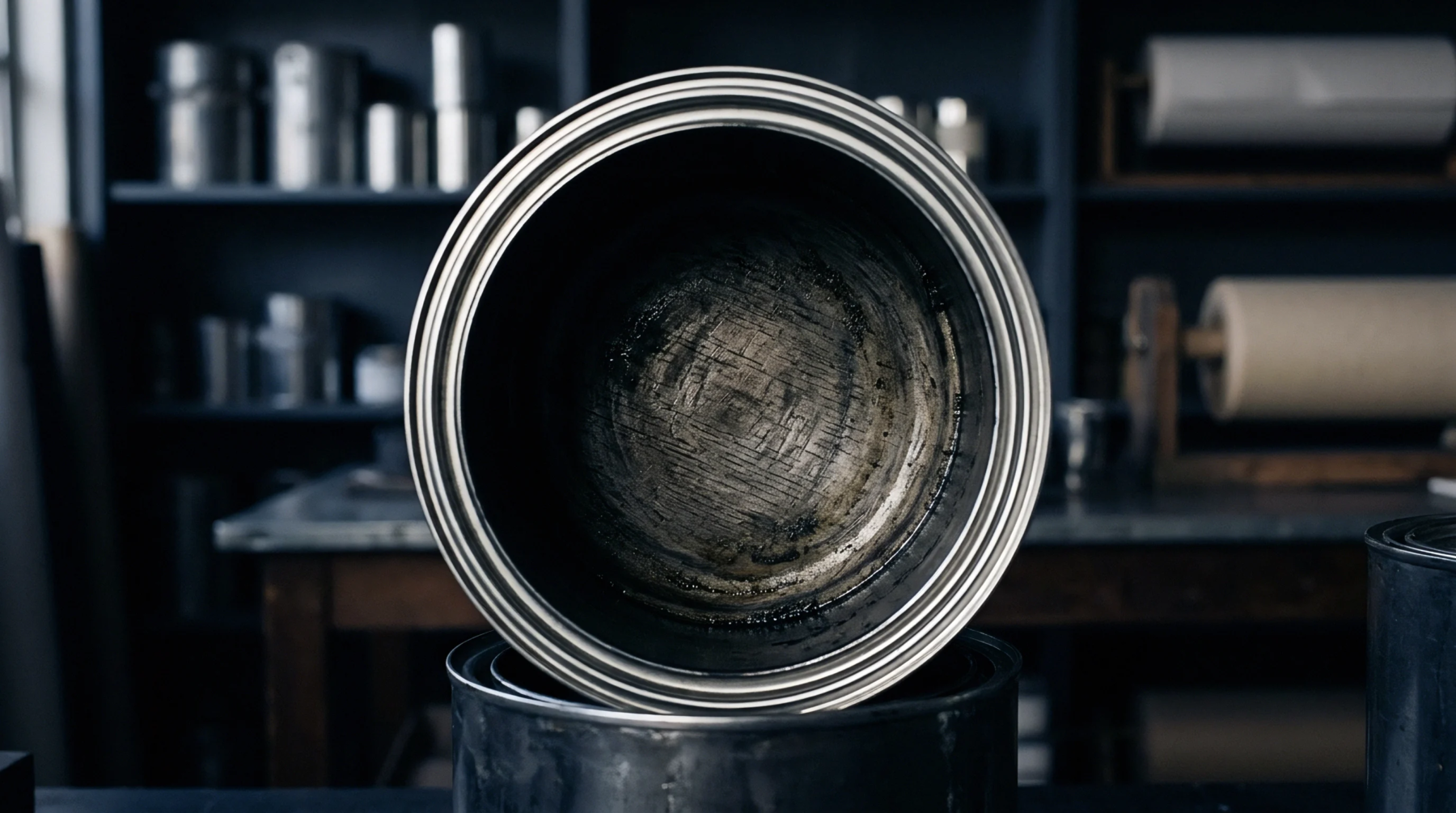
Dispersion coating performance on folding boxboard relies on surface holdout, polymer Tg control, and low-shear application to balance moisture barriers against repulpability.
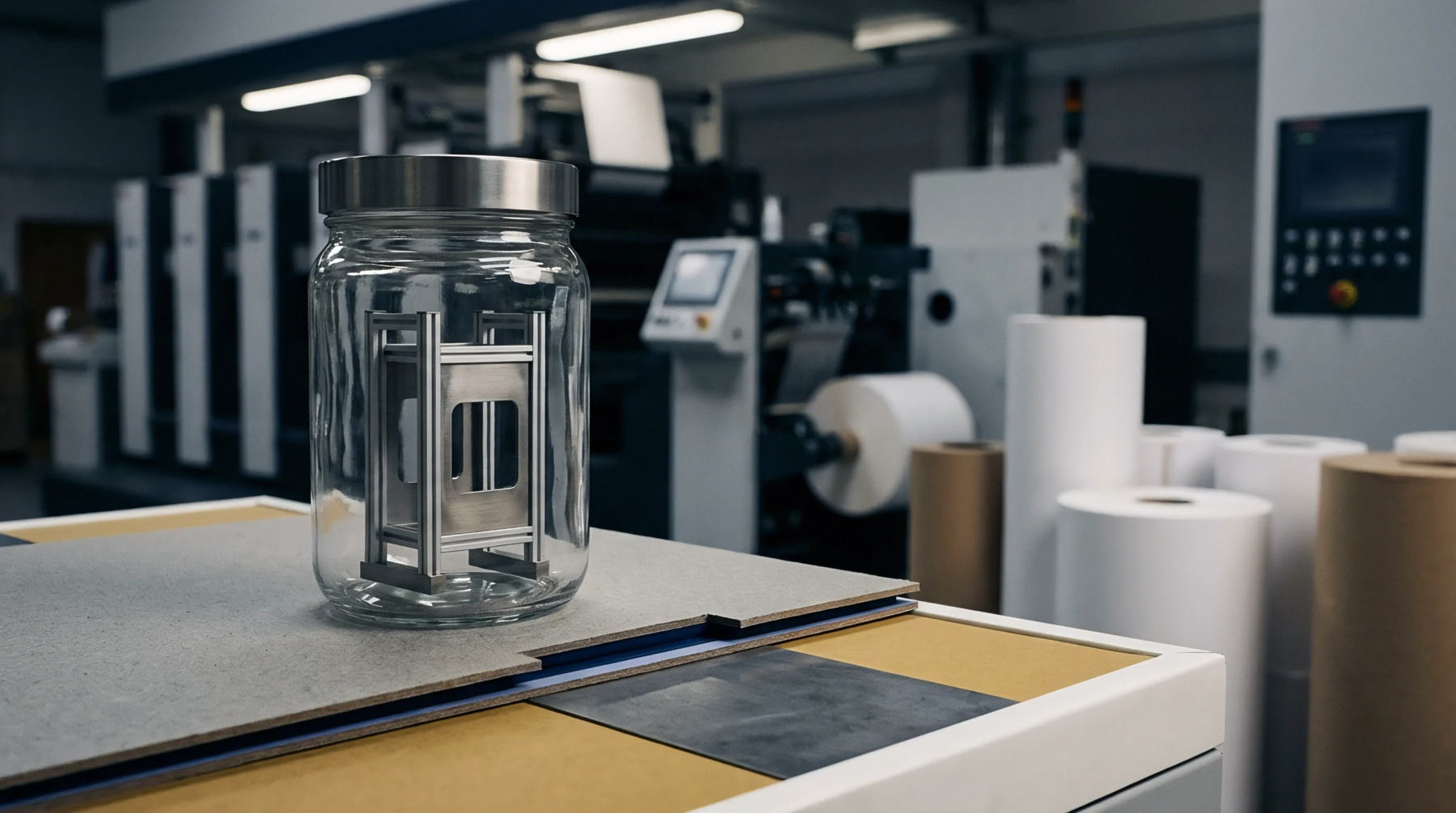
Heat embossing lowers boxboard creep resistance by disrupting fiber bonds, demanding higher safety factor allowances in carton top-load calculations.
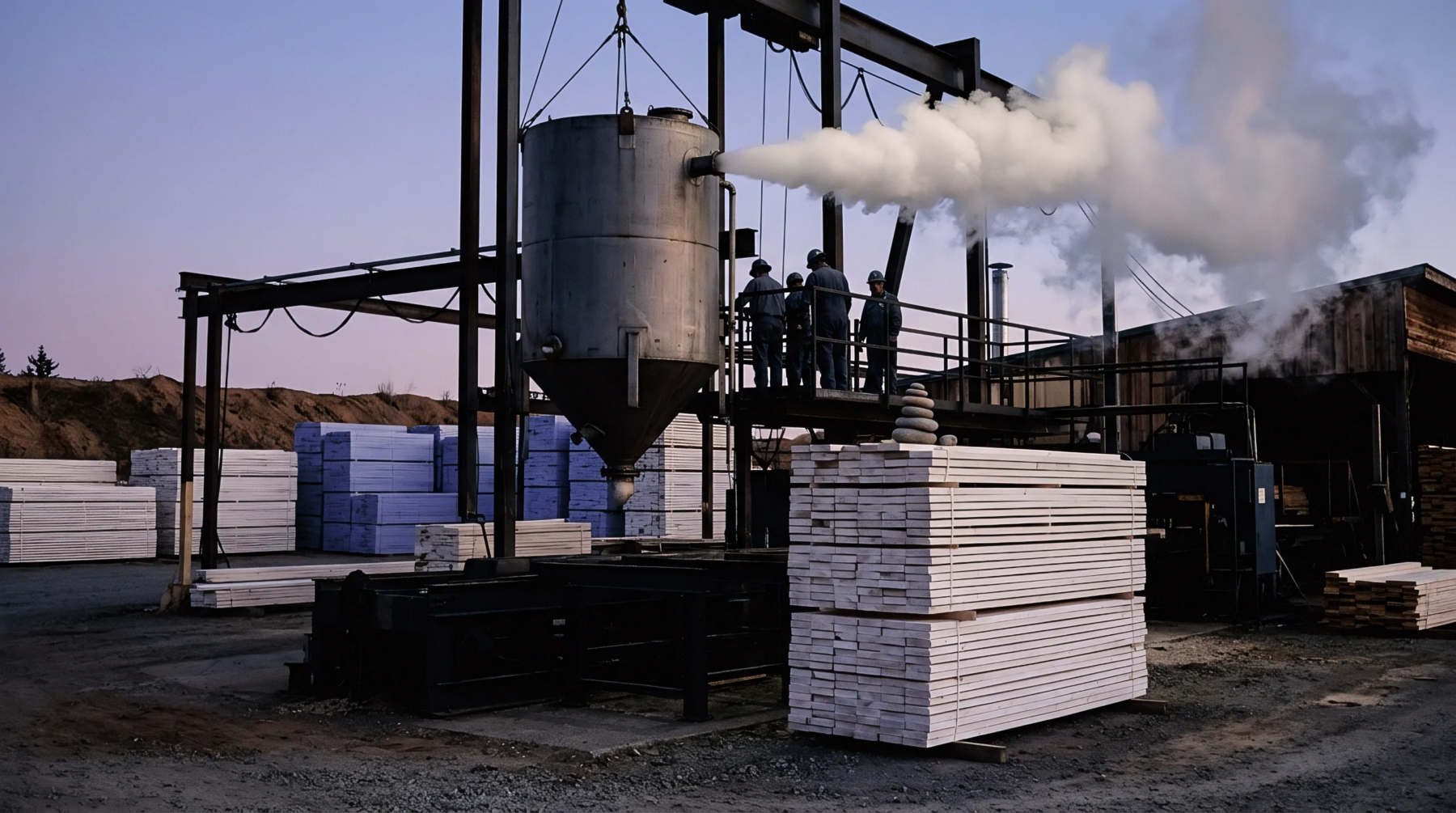
Thermal pressure collapses hornified recycled fiber networks permanently, driving localized caliper loss, blister delamination, and scoreline failures on converting.
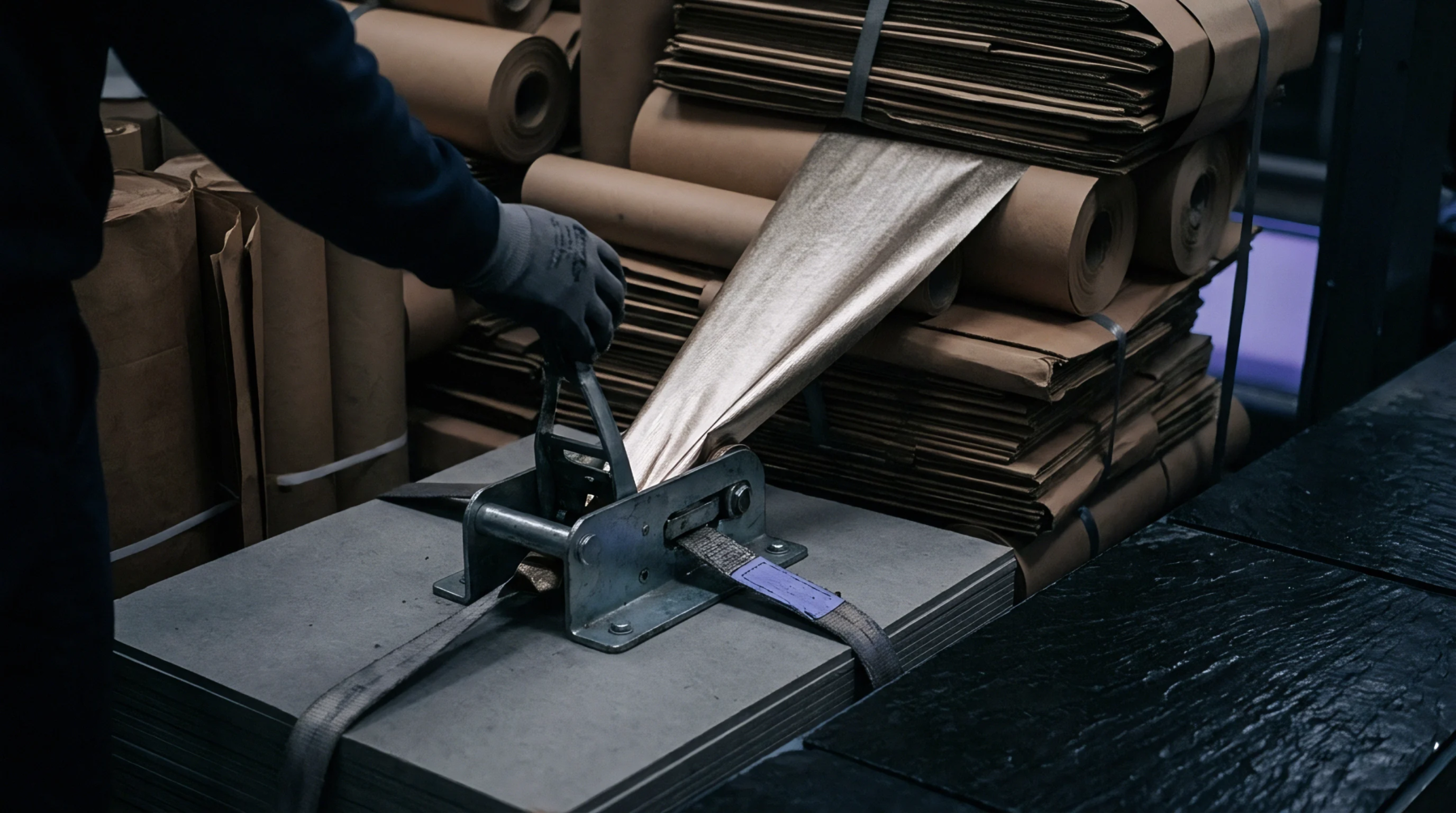
Polymer film microcracking on recycled board formats is predicted by dynamic strain-at-break testing under ISO 1924-3 at strain rates exceeding 200 s⁻¹.
Creased aqueous barrier paperboard requires wider die channels and lower pigment volume to prevent coating rupture and massive water vapor transmission spikes.
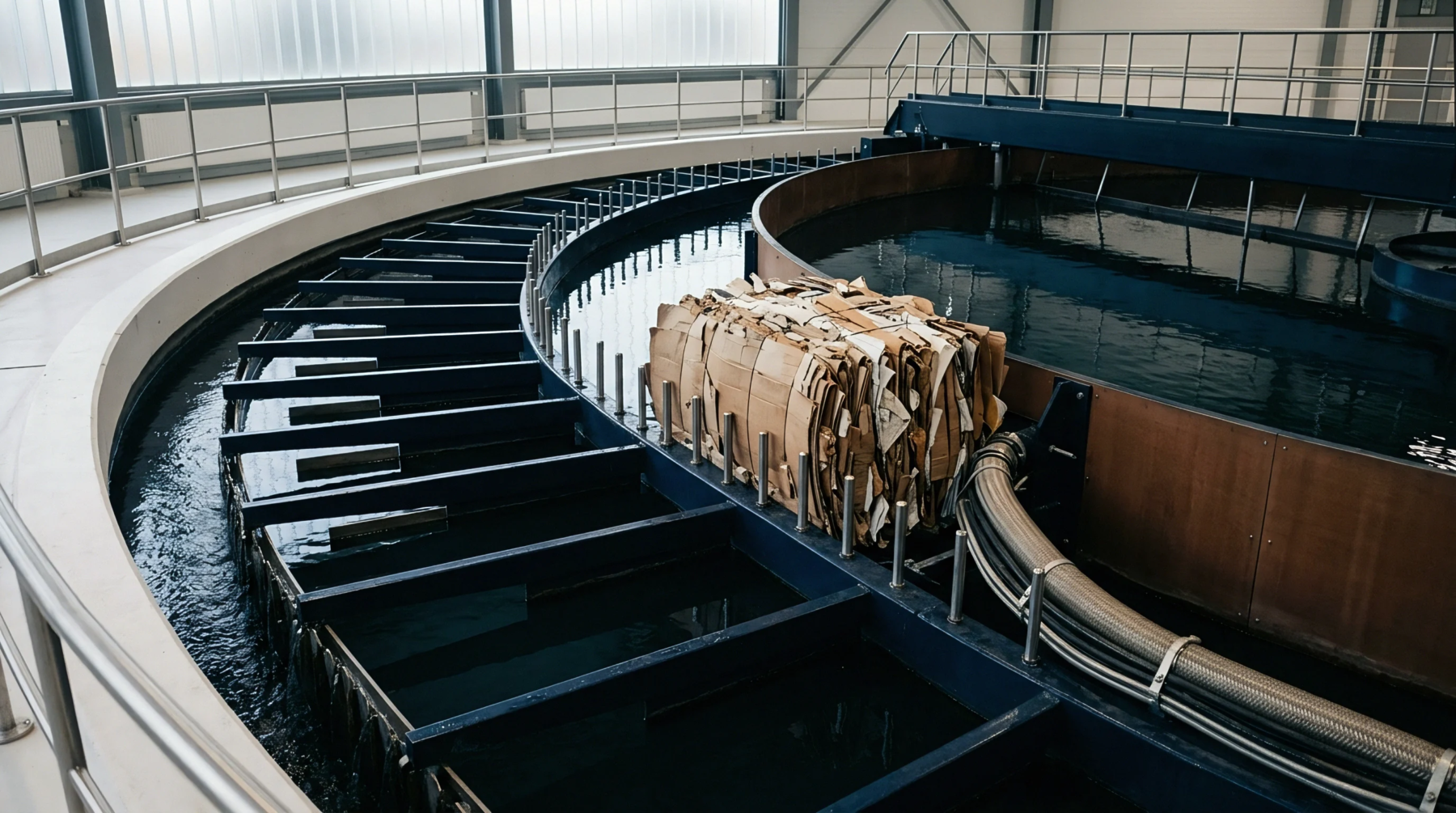
Alkaline hydrapulping combined with slotted wedge-wire screening detaches hydrophobic varnishes while controlling microsticky breakdown and fiber yield loss.
Dynamic converting shear causes dispersion coating delamination unless polymer penetration reaches five to twelve micrometers into the board fiber structure.
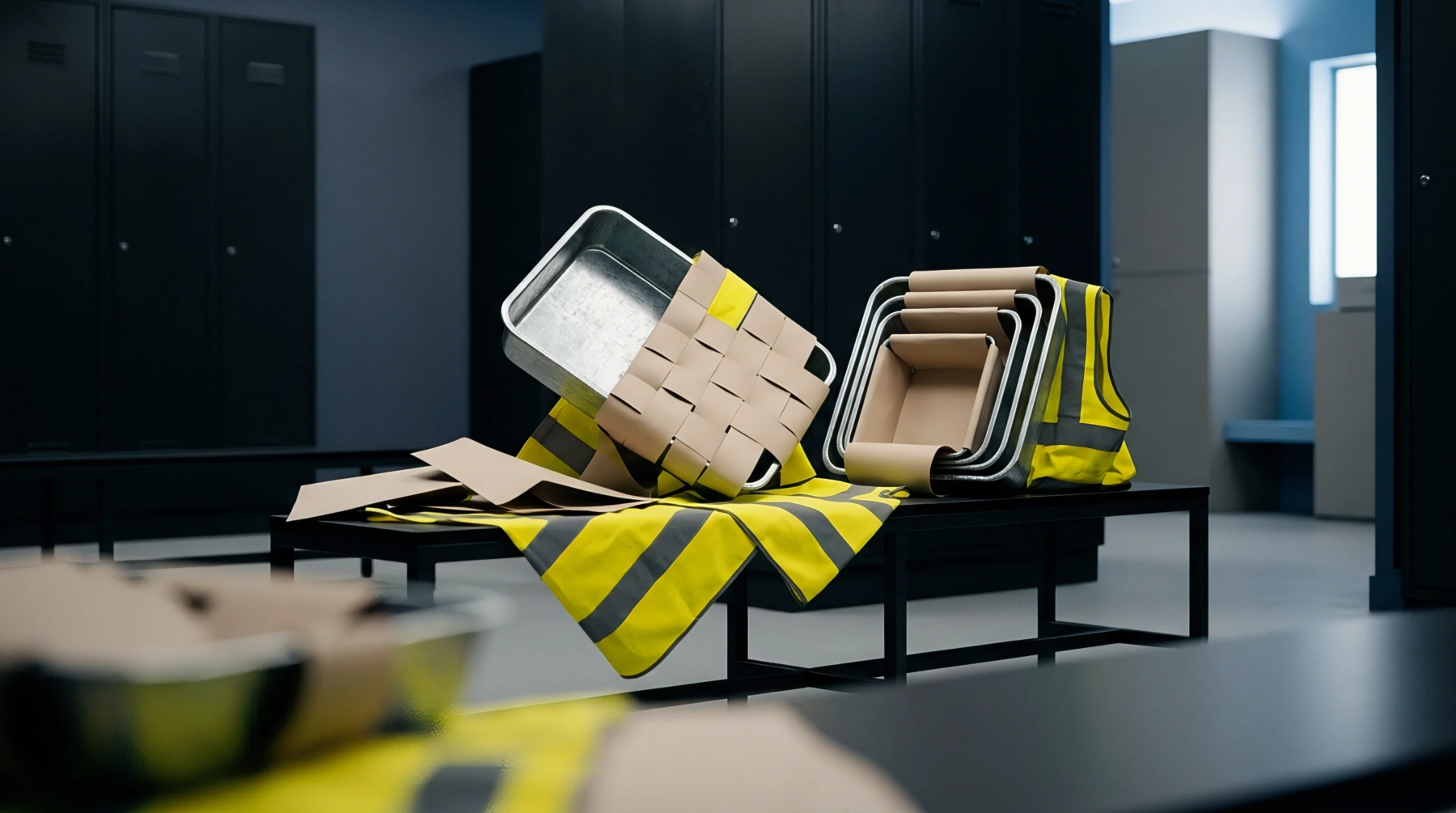
Thermal expansion mismatches induce severe interlaminar shear stresses during web cooling, requiring matched web tensions and staged chill rolls to prevent tunneling.
Inline water-based barriers stop gas transmission only when drying and holdout prevent micro-pores larger than ten nanometers from piercing the dry coating layer.
Predictive thermal models fail for folded cartons because die creasing causes physical microcracking that replaces solid diffusion with rapid gas permeation.
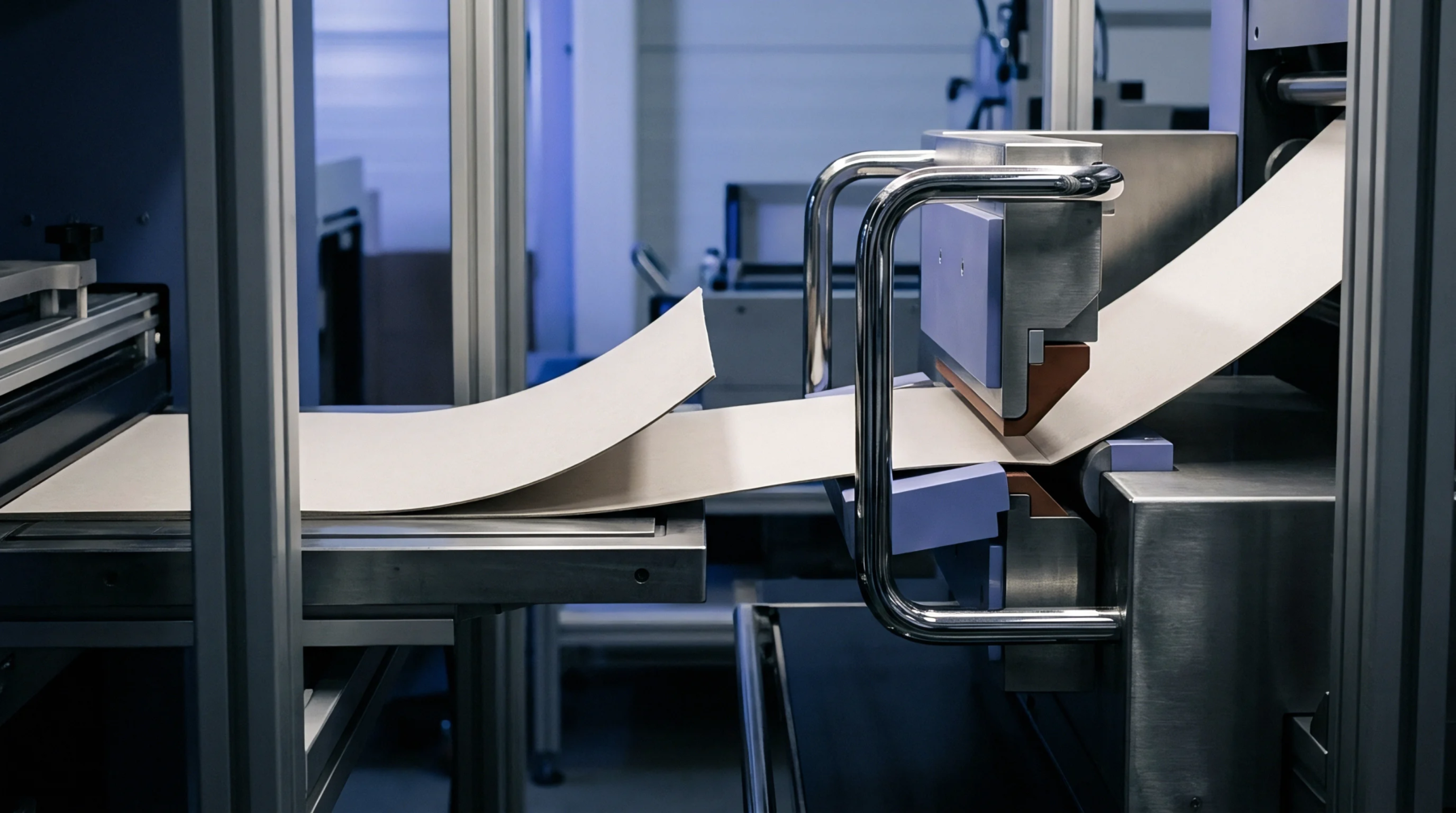
Rounded three-point creasing rules and wide steel counter channels prevent subzero dispersion barrier cracking by suppressing tensile shear along carton folds.
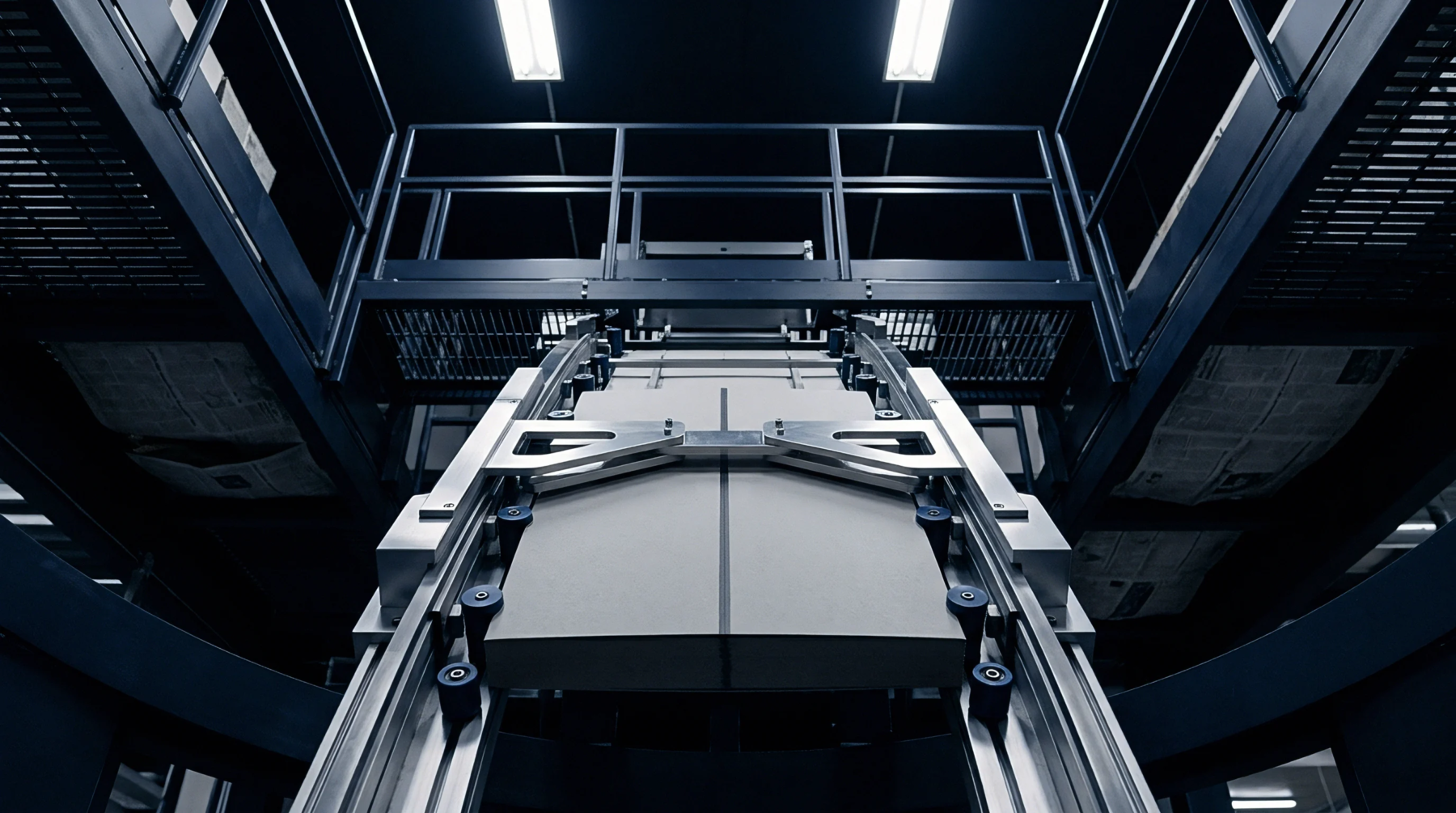
Aqueous barrier boards in cold chains resist moisture only when latex flexibility prevents crease cracking and edge wicking is sealed against dew point condensation.
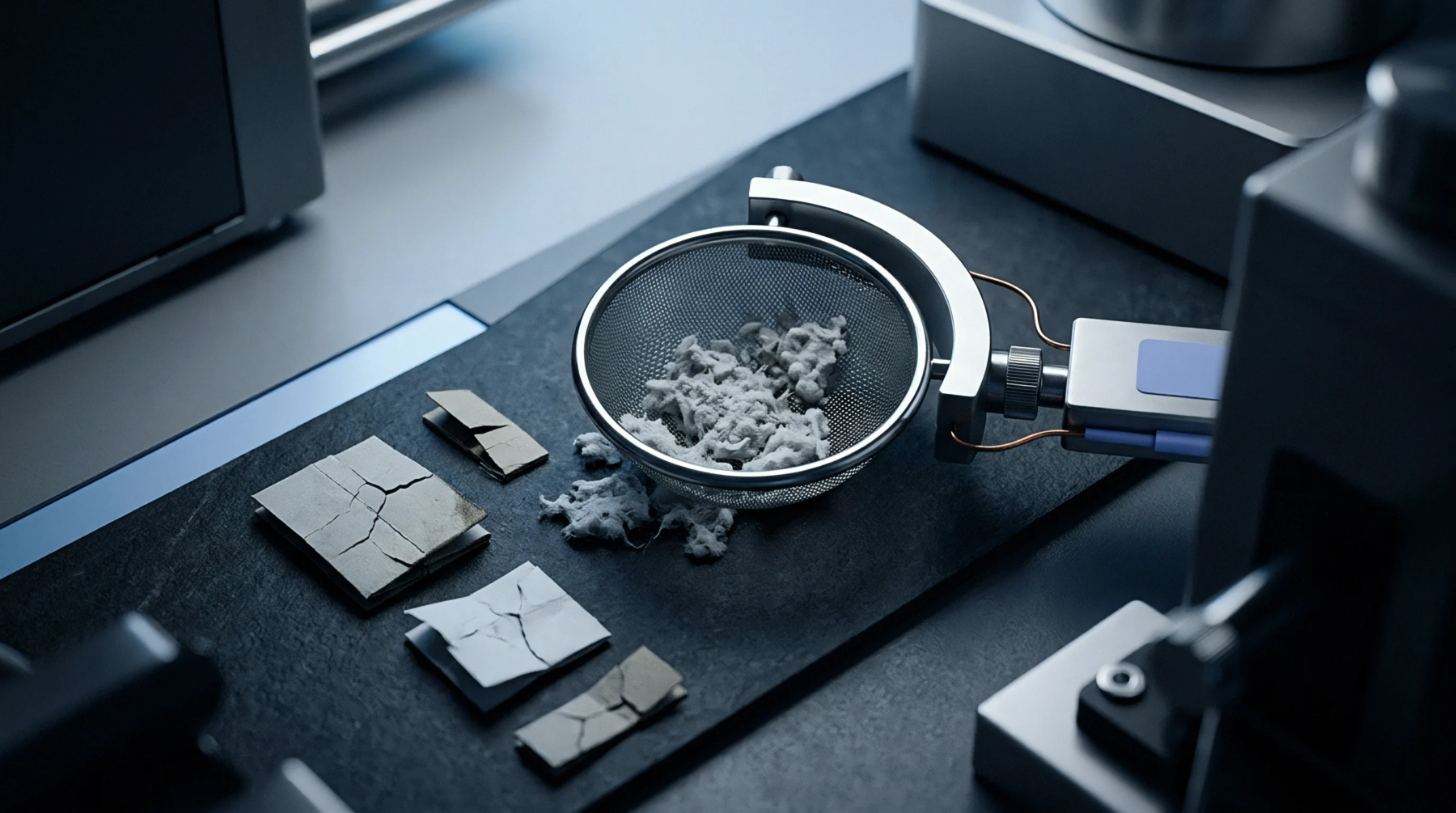
Score cracking occurs when aged latex binders exceed glass transition thresholds, preventing tensile strain accommodation during high-speed folding operations.

Dynamic shear delamination within middle plies absorbs scoring impact, preserving surface dispersion barrier continuity during high-speed carton converting.

Compensating male punch penetration depth by thirty percent balances viscoelastic fiber recovery across recycled cartonboard platen tooling passes.
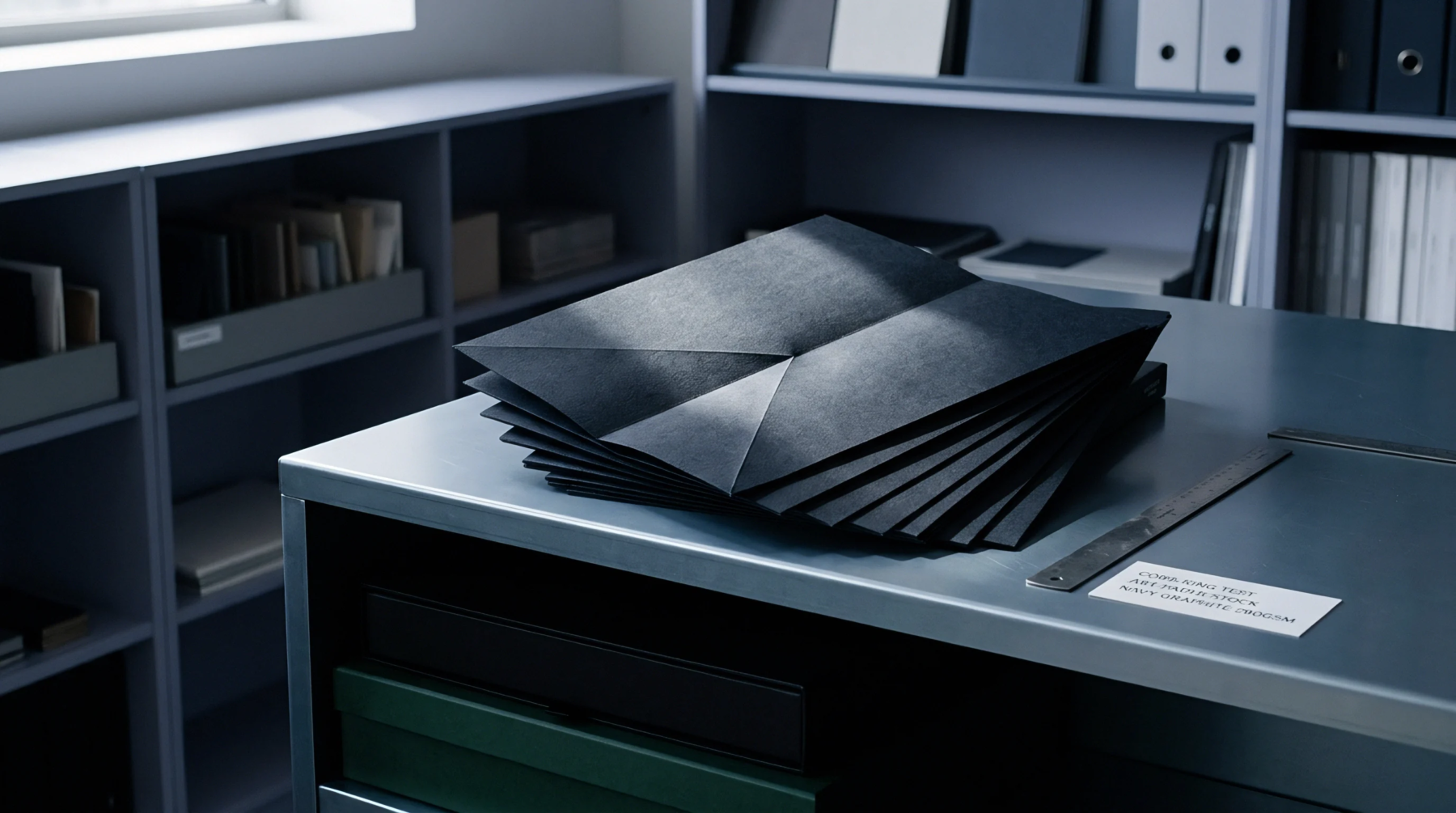
Sub-zero shear failure in bio-coated recycled board is prevented by expanding female creasing matrix channels to drive shear strain into internal plies.
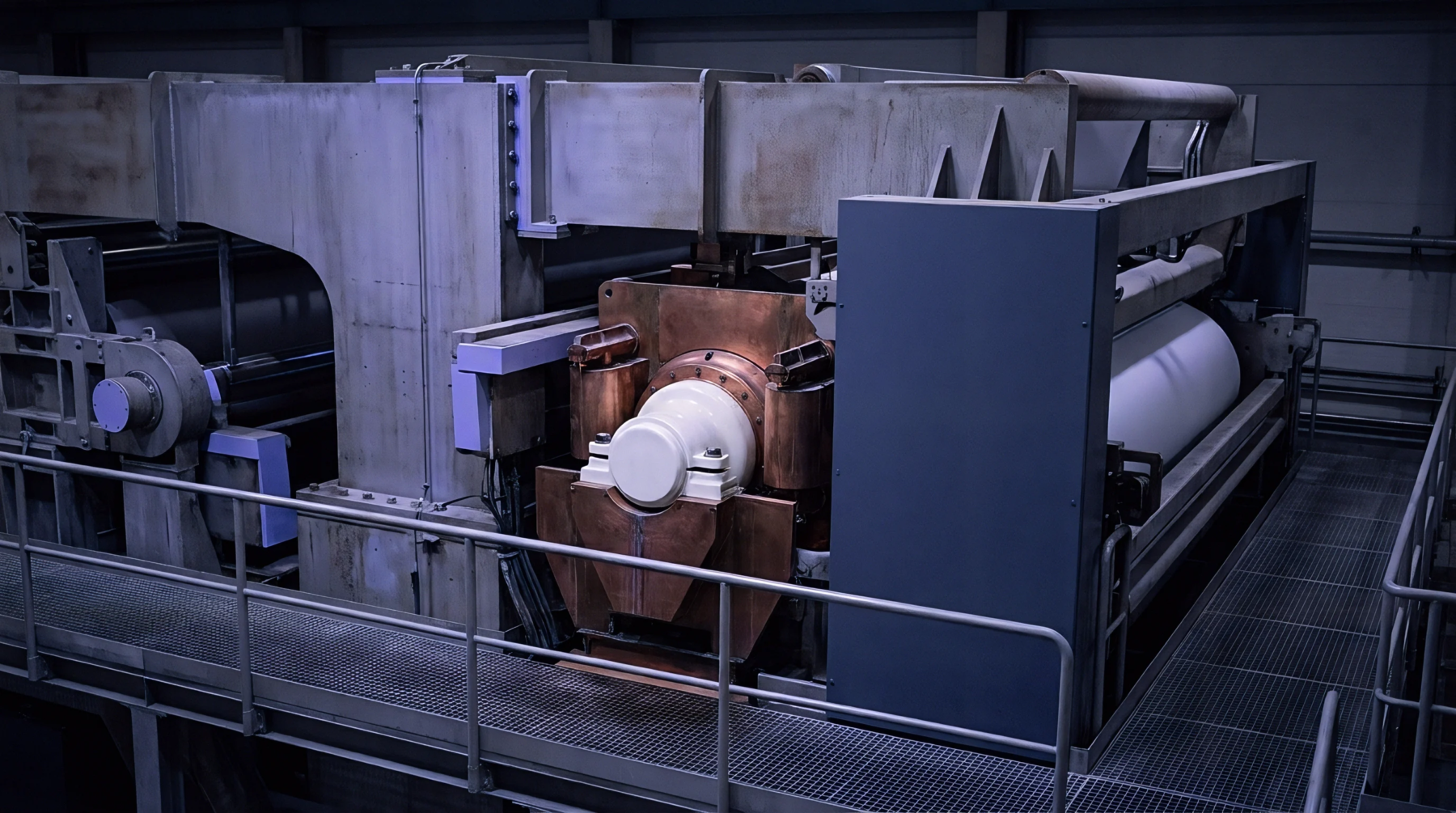
Core bulk preservation requires extending nip dwell and heating surfaces to smooth outer plies while keeping central mechanical fibres below glass transition.
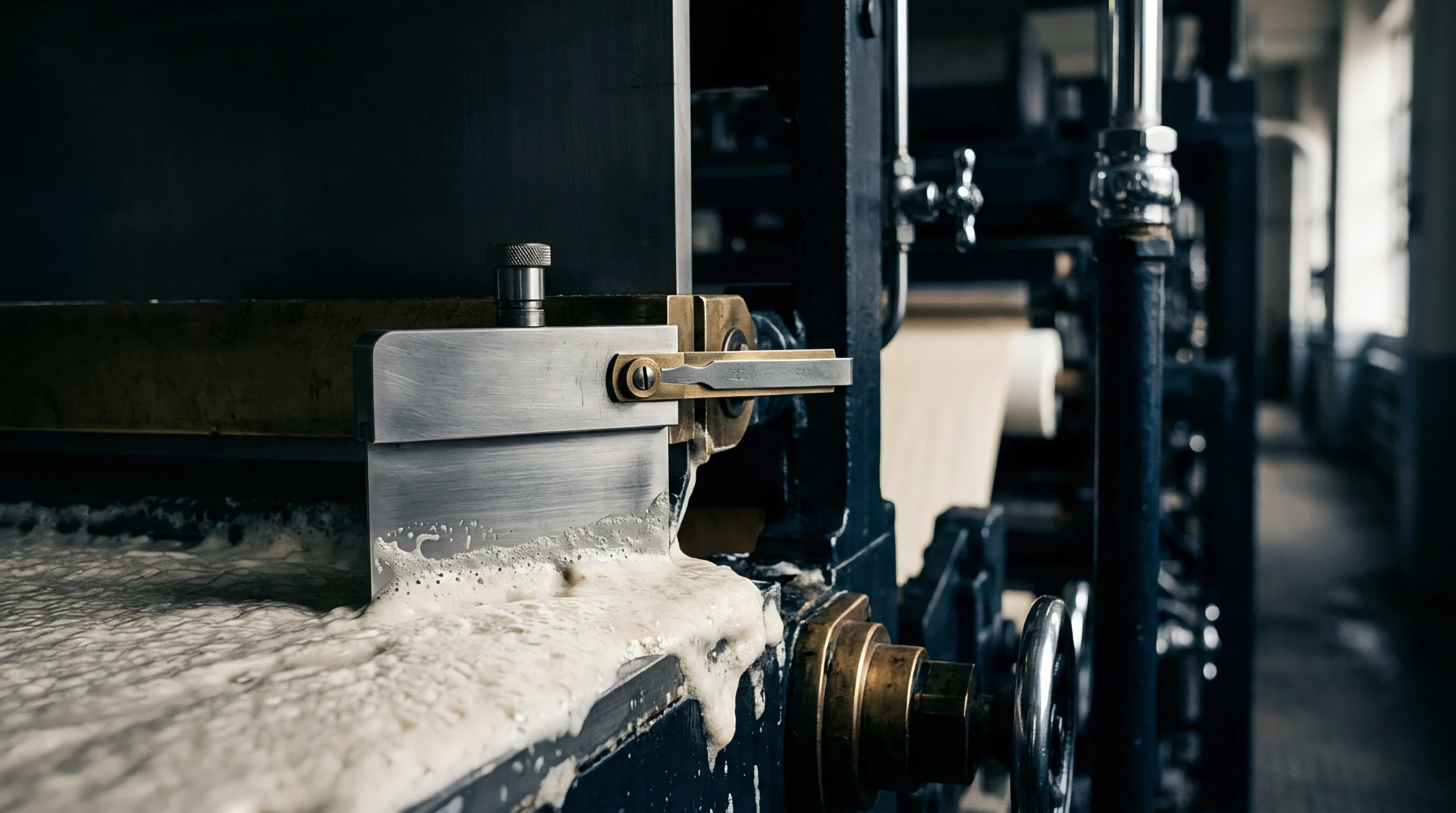
Heated soft-nip calendering closes sheet surface pores to control aqueous barrier holdout while preserving the bulk required for carton creasing.
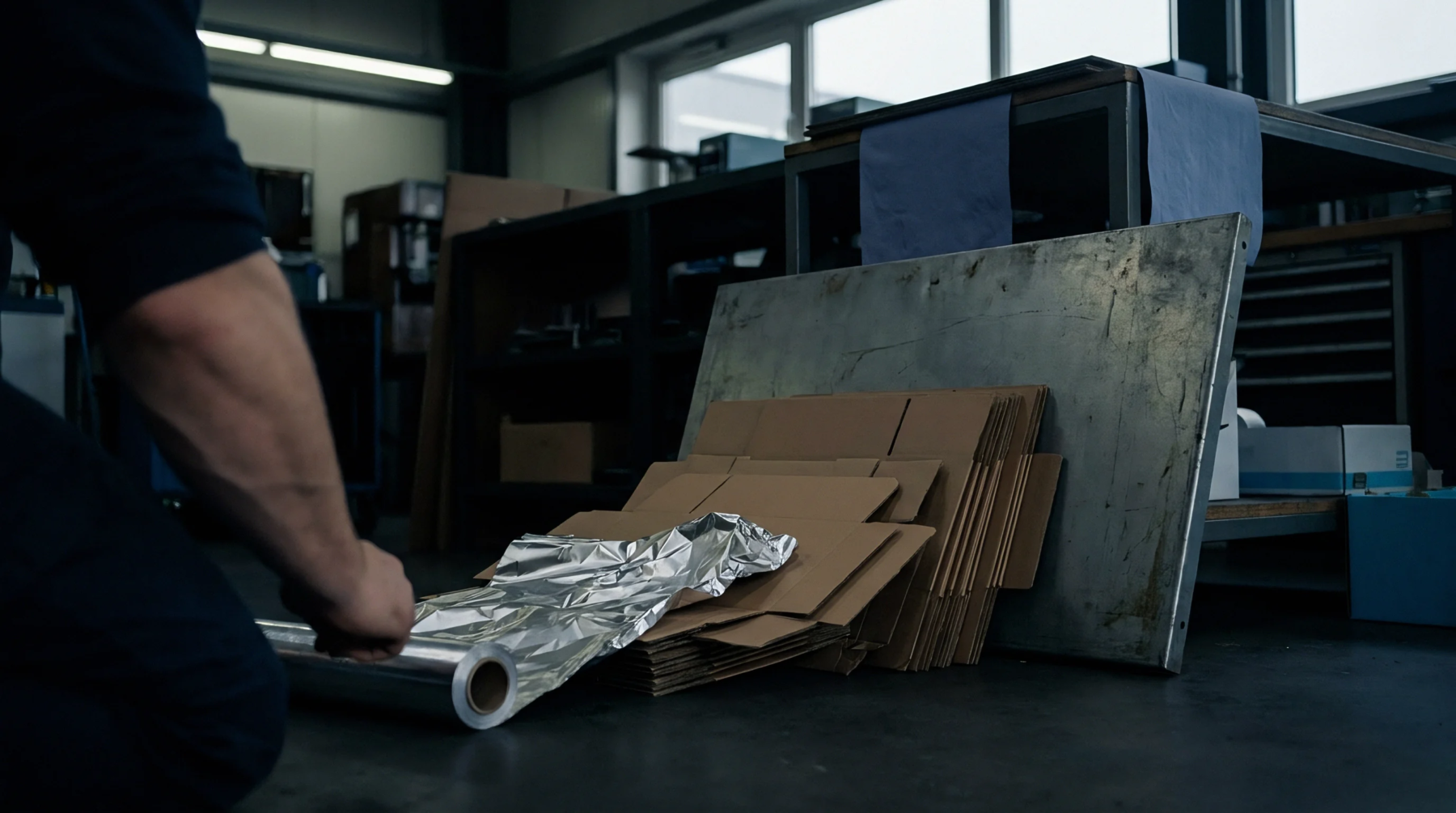
Solubility and diffusion drive polymer barrier performance, where polymer density, coatweight, and ambient relative humidity dictate moisture and oxygen transmission rates.
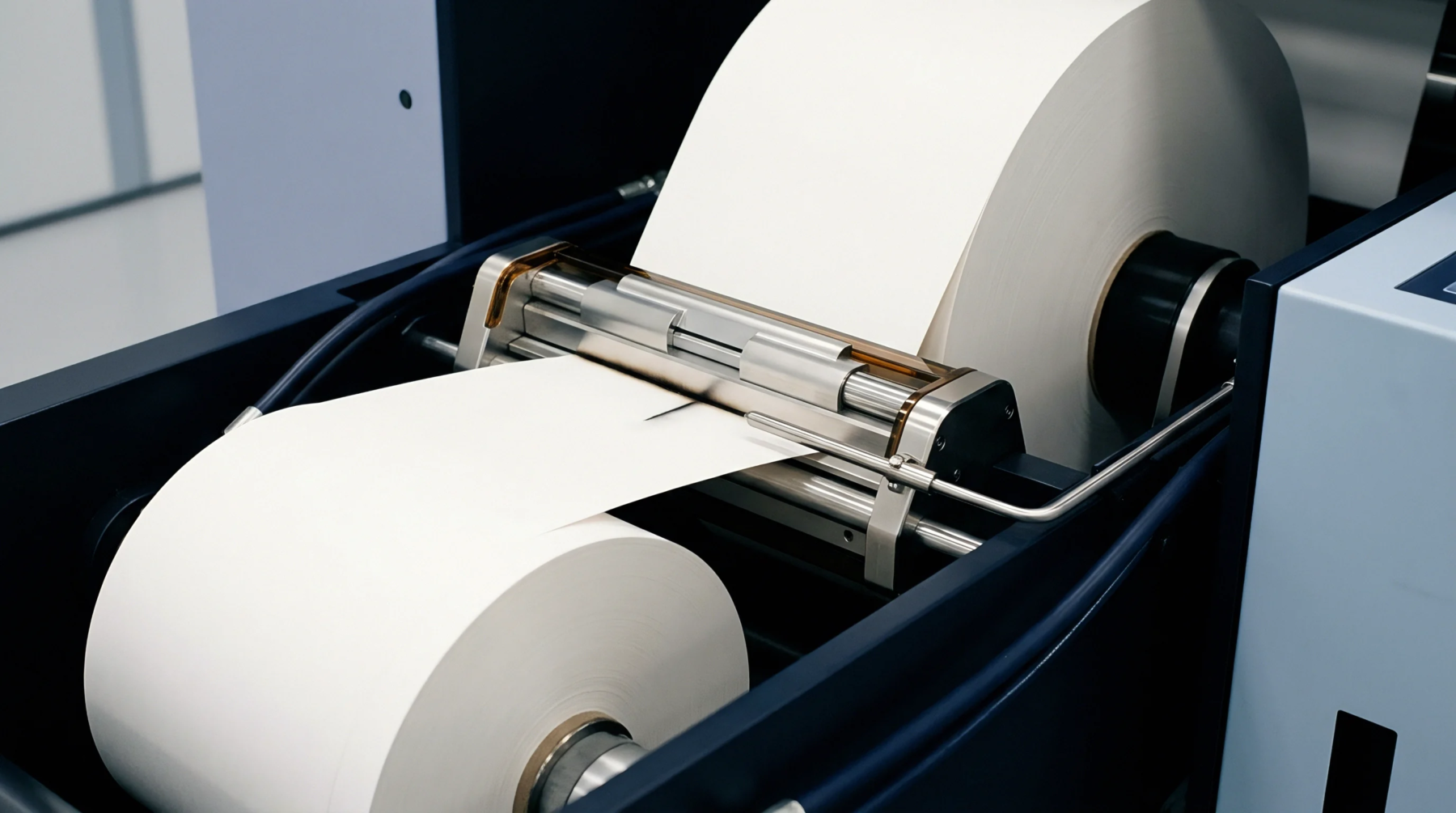
Establishing a 70% gloss retention threshold under calibrated abrasion prevents transit scuffing while maintaining certified recyclability and low EPR fees.
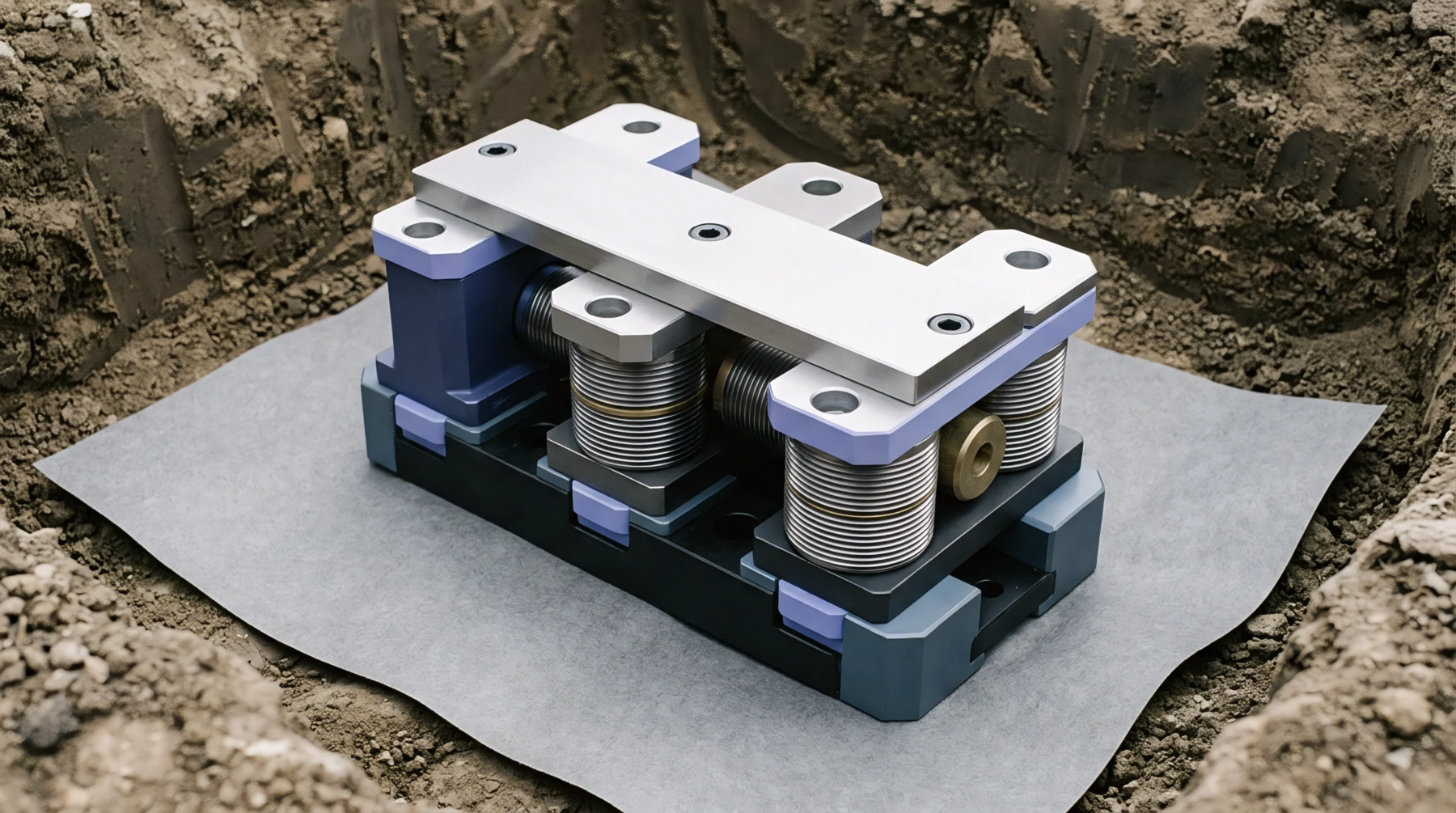
Polymer component screening identifies residual monomers, mobile additives, and degradation products in aqueous food packaging coatings before line conversion.
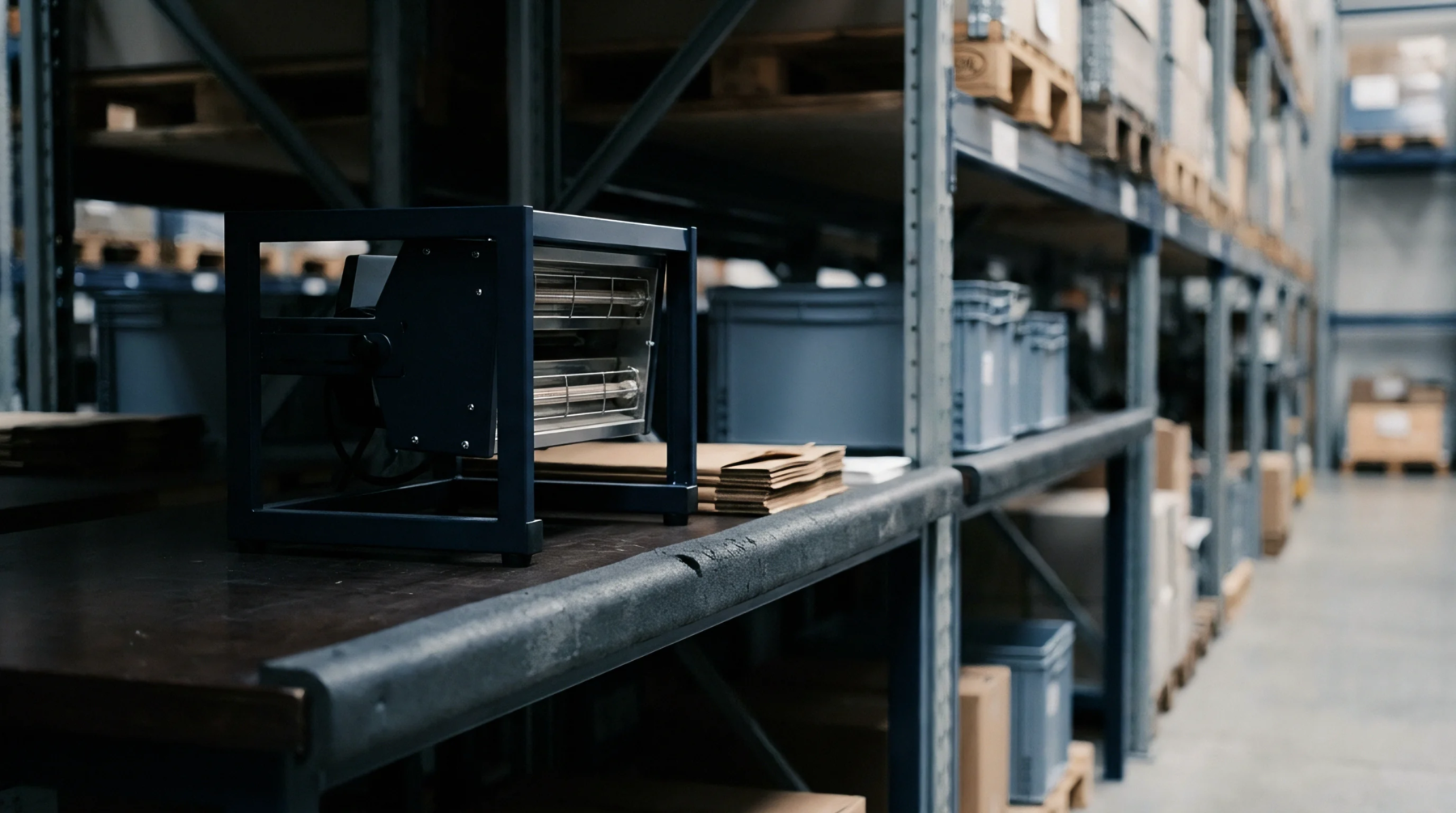
Thermal dwell matching polymer glass transition arrests micro embossed geometry loss, preventing stack creep from flattening diffraction peaks under pallet storage.

Dynamic web quenching demands closed-loop embedded sensor telemetry because internal fluid setpoints fail to reflect actual die interface micro-dwell heat.
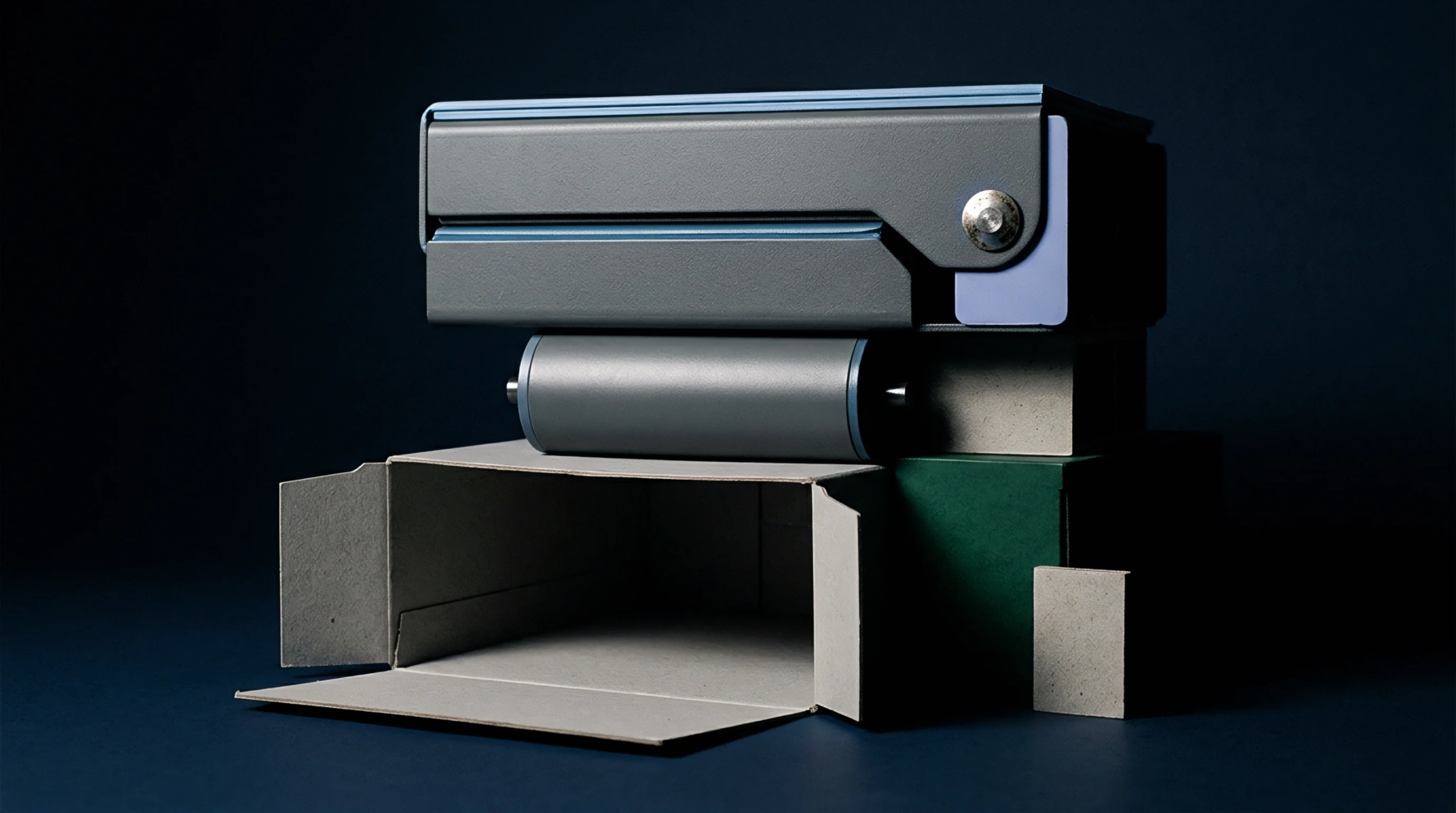
Thermally conditioning surface plies above binder glass transition depresses surface roughness without crushing core mechanical plies, boosting caliper yield.
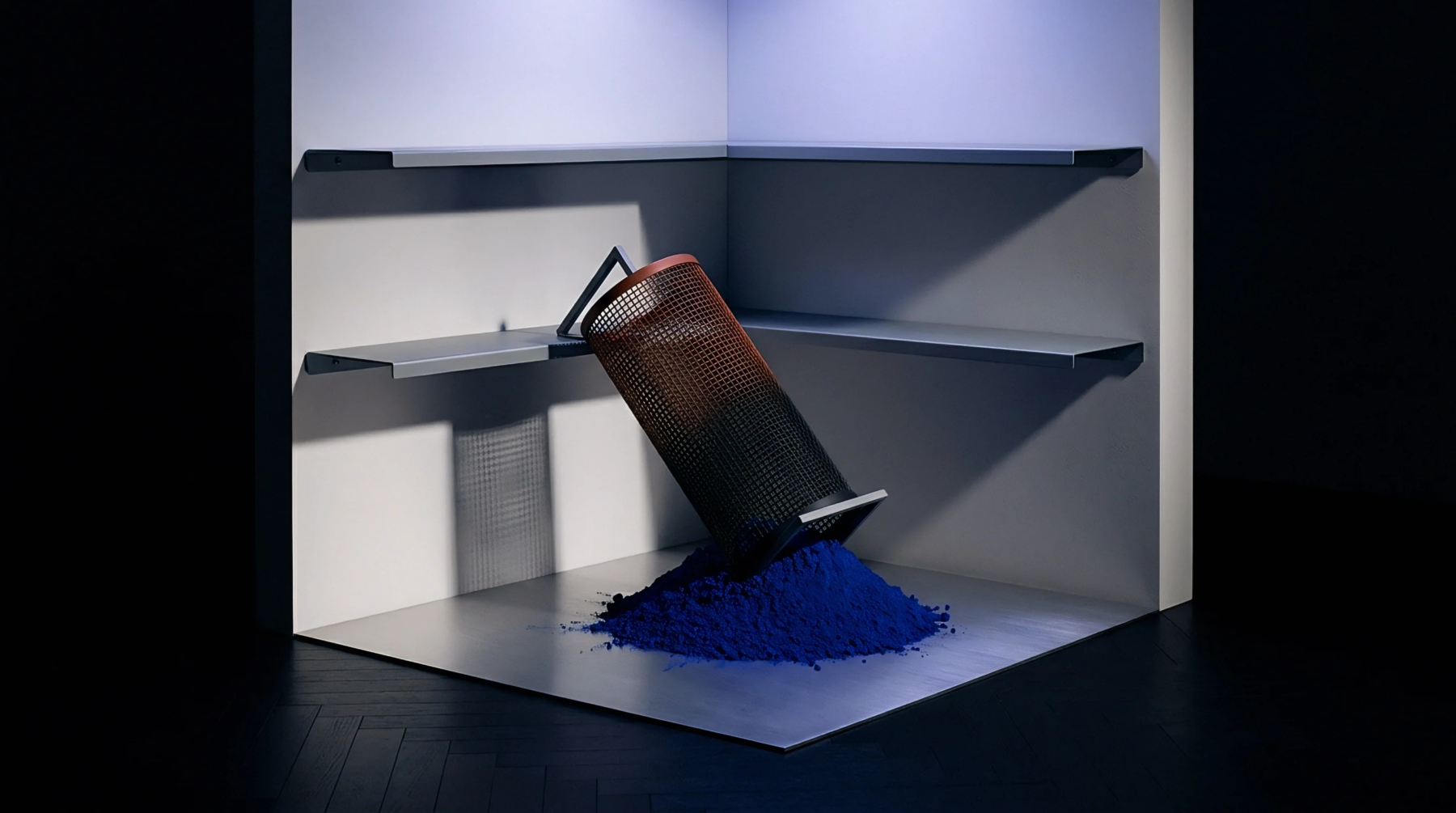
Aqueous dispersion coatings replace extruded polyolefins by trading higher drying energy for mono-material EPR fee rebates when repulpable under CEPI rules.
Expertise is a utility, not a secret. sentiention™ publishes its working knowledge as open reference: intelligence layer covering the materials it sources, the markets it enters, and the reference that serves both.