Thermal Property
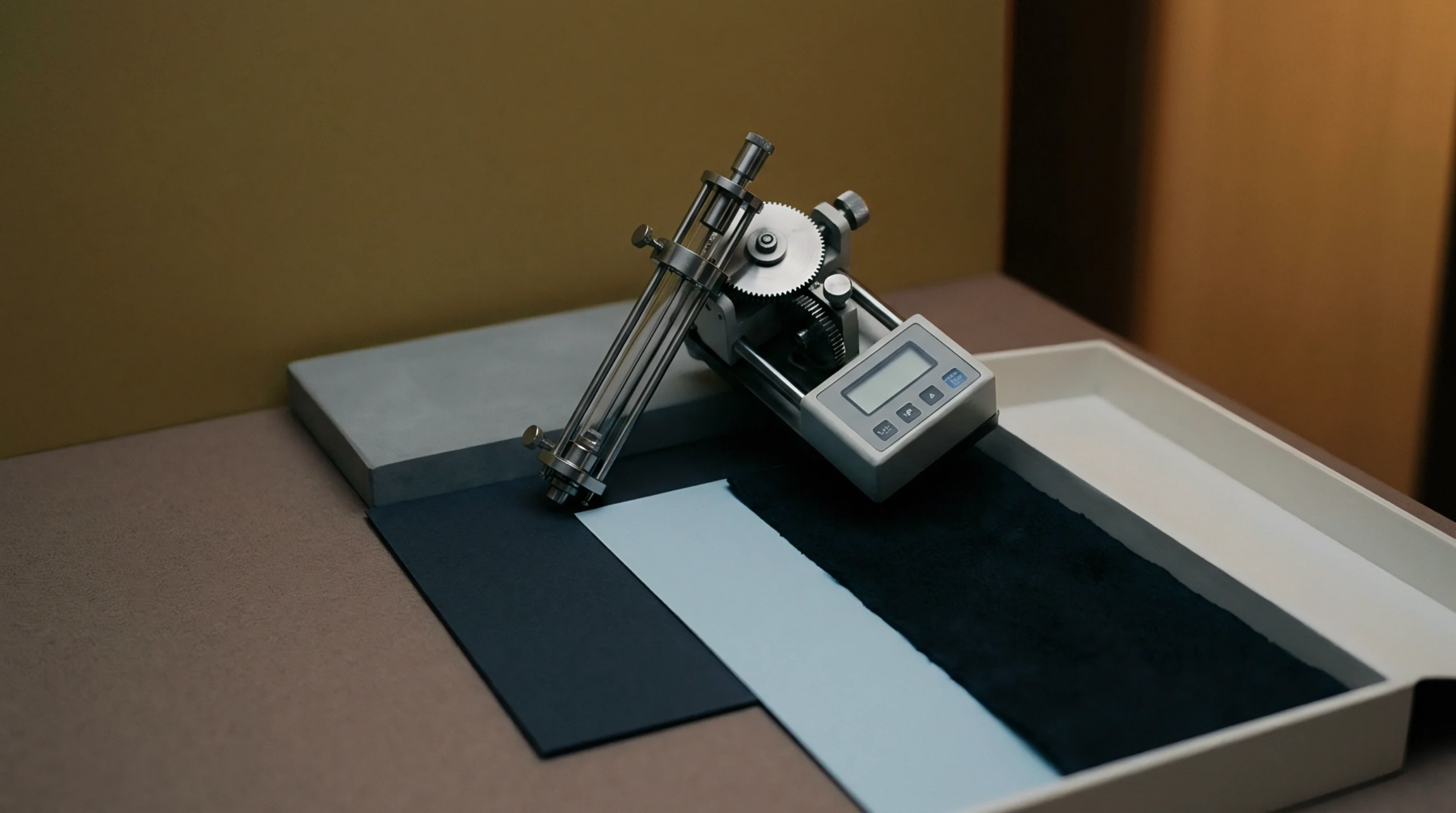
Thermal softening boundaries dictate the mechanical response of amorphous polymer films during converting operations and hot foil stamping runs. Glass transition temperature marks the narrow temperature band where molecular chains gain thermal mobility, shifting rigid print substrates into a rubbery state. Polymer morphology and plasticizer content dictate the exact location of this boundary, which governs how folding boxboard extrusion coatings behave under high speed heat sealing wheels.
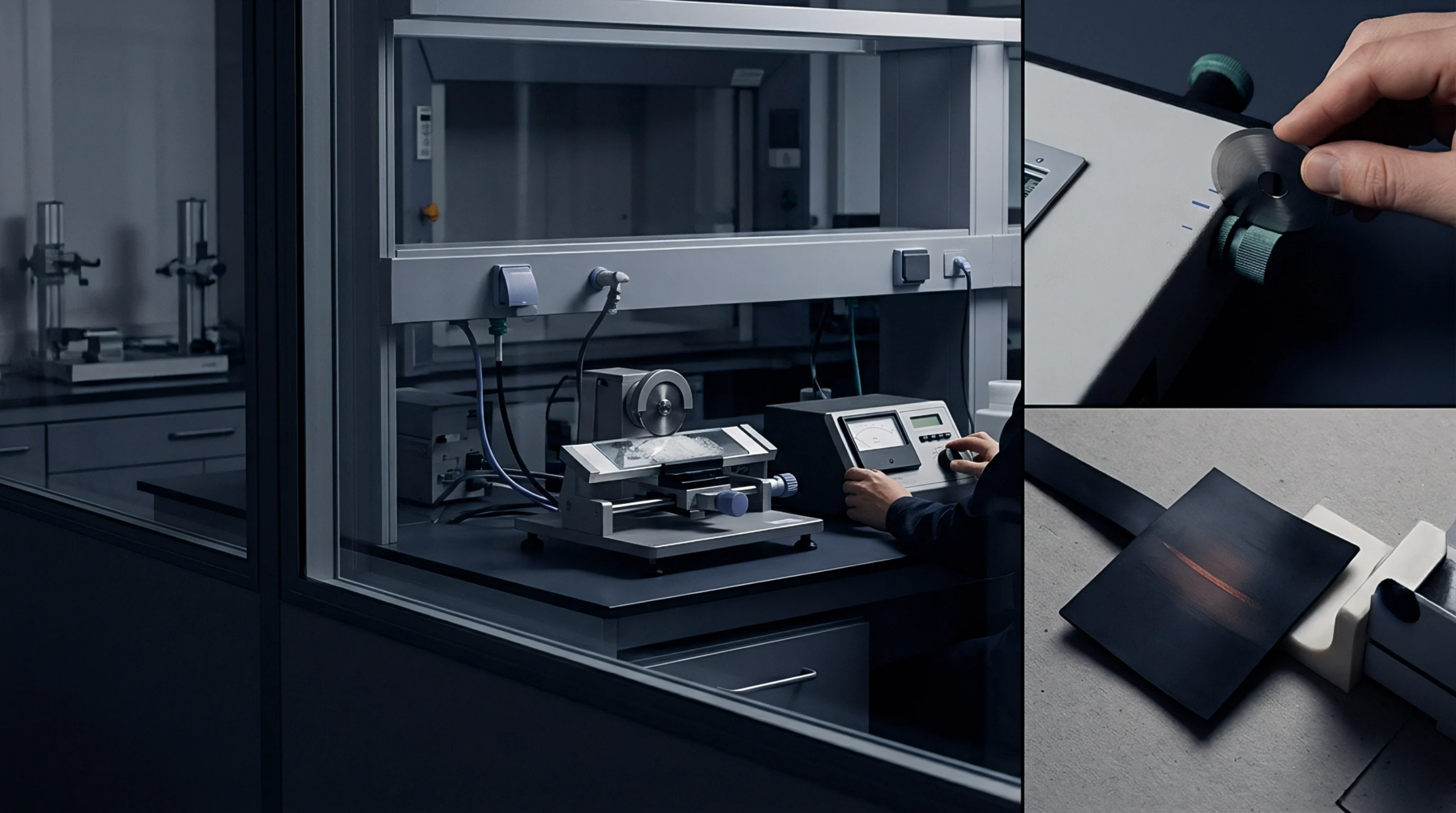
Converters monitor this shift closely because exceeding the limit causes curl distortion and web blocking inside winding rolls. Differential scanning calorimetry measures the heat capacity changes that reveal the exact onset point during laboratory testing. Cooling rates during extrusion set the final amorphous fraction, shifting the measured point upward when quench air temperature drops rapidly.
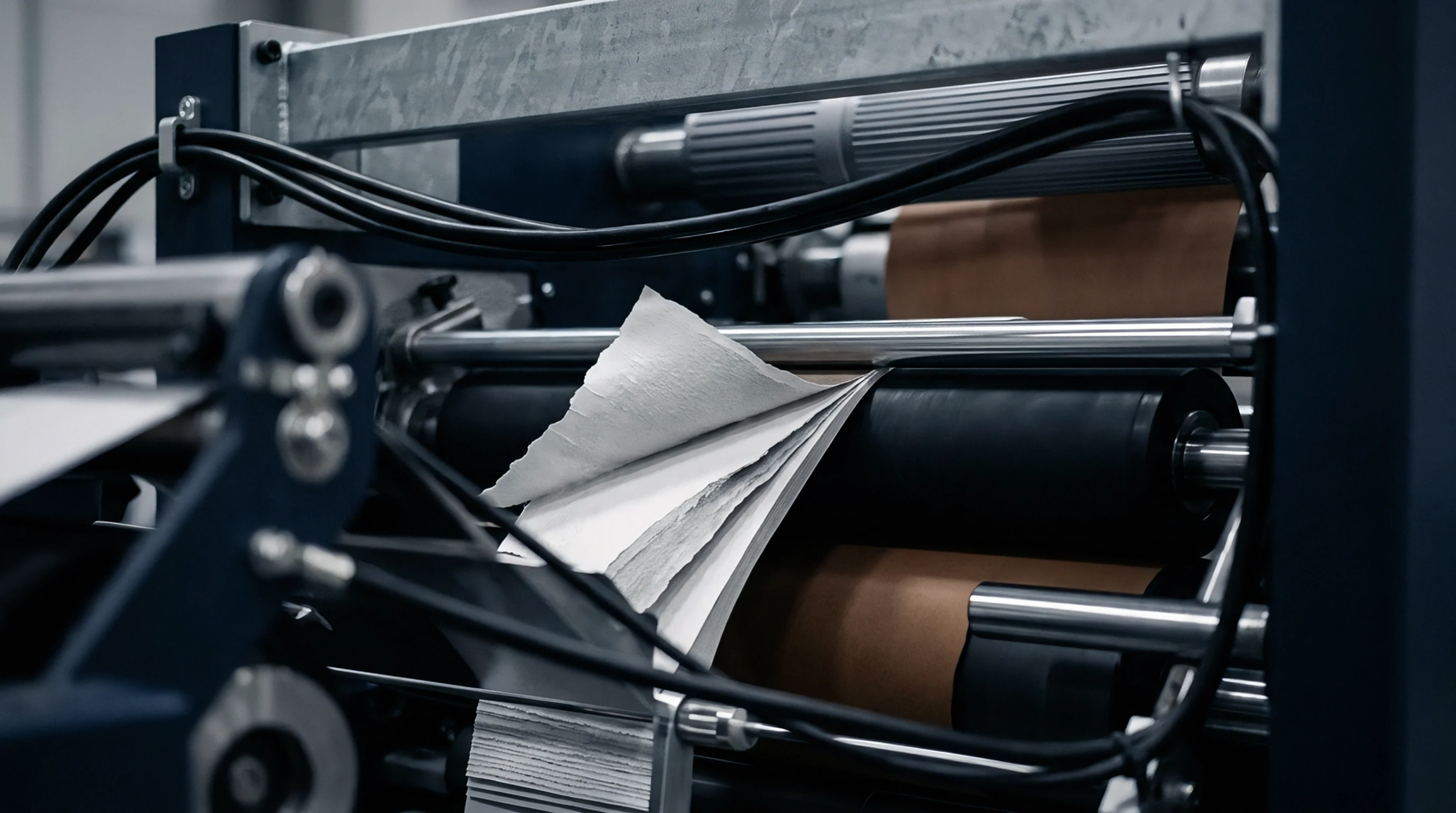
Pressroom heating elements must maintain operating windows well below this softening threshold to prevent dimensional relaxation and register loss across multi color lithographic printing presses.
Molecular Mobility
Chain segment rotation increases sharply once thermal energy overcomes secondary intermolecular forces within the polymer network. Amorphous regions absorb heat faster than crystalline domains, causing cooperative motion among backbone segments that destroys tear resistance. Plasticizer migration depresses this thermal limit by increasing free volume between polymer chains, lowering the energy required for segment displacement during thermoforming operations.
High humidity levels plasticize cellulose acetate films, shifting the softening threshold downward and changing stiffness profiles on high speed packaging lines. Extrusion temperatures must balance resin melt strength against the downstream cooling capacity required to freeze the amorphous matrix before winding. Residual stresses accumulate inside barrier coatings if web tension pulls the substrate while film temperature hovers near the softening interval.
Substrate Performance
Folding carton stiffness and blister pack formability depend entirely on maintaining correct polymer rigidity throughout the converting workflow. Die cutting blades fracture brittle substrates if operating temperatures drop below the critical softening point, leaving jagged edges on pharmaceutical cartons. Elevated ambient conditions soften extruded polyethylene coatings on liquid packaging board, causing friction spikes against guide rollers and subsequent web breaks.
Heat seal bars apply localized thermal energy to bond coated papers without exceeding the bulk softening point of the underlying carrier board. Finished barrier laminates retain dimensional stability during sterilization cycles only when the chosen polymer matrix operates safely above autoclave temperatures. Substrate selection balances low temperature brittleness against high temperature blocking, ensuring corrugated box liners survive hot truck transport without sticking together.