Thermal Threshold
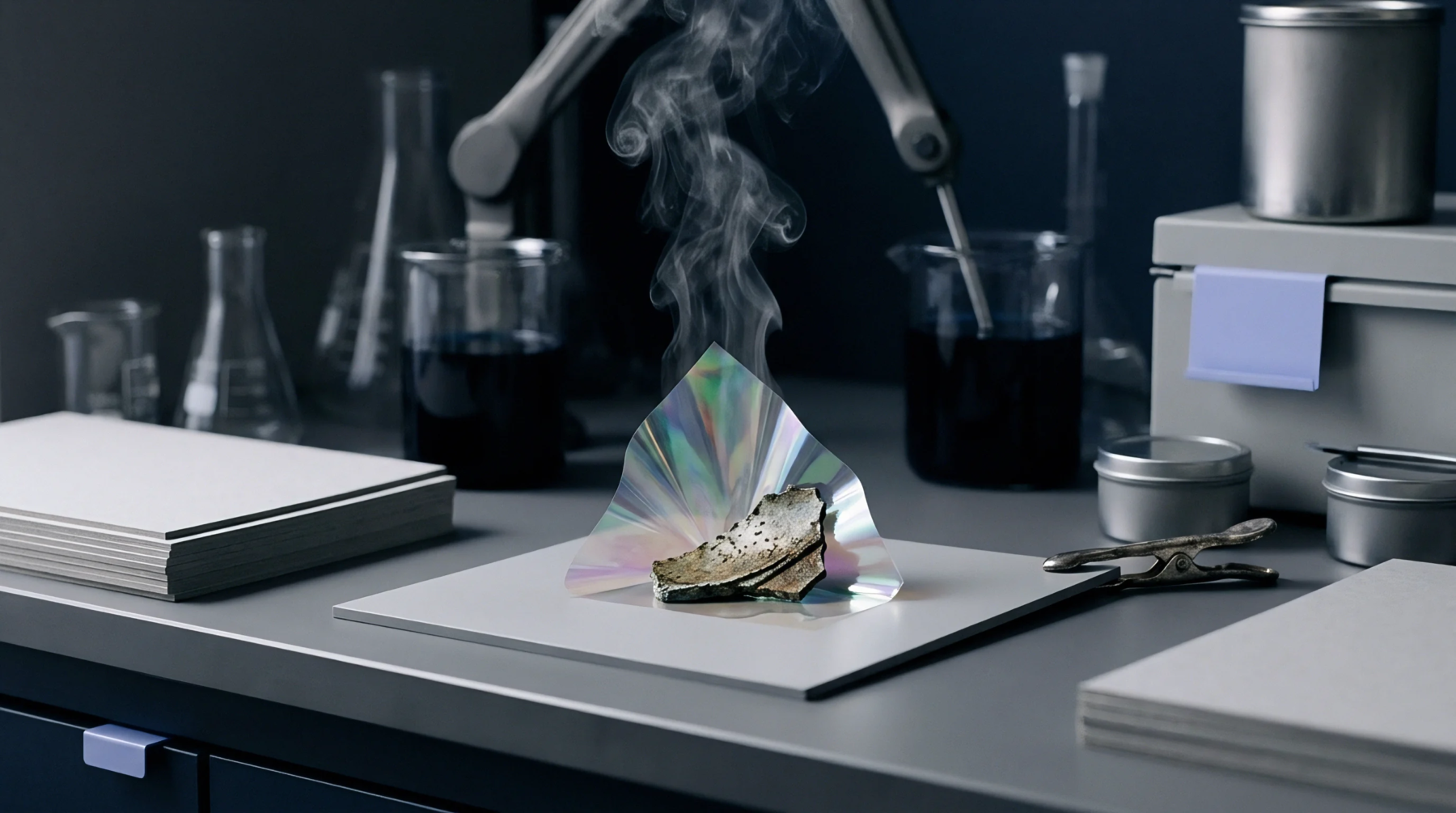
Molecular mobility shifts at a distinct temperature range where amorphous polymer matrices transform from rigid structures into viscous or rubbery states. The glass transition temperature governs the thermoforming behavior and dimensional stability of extruded plastic films, extrusion coatings, and laminated packaging substrates, stopping at temperatures where crystalline melting occurs instead. Calibrated differential scanning calorimetry measures this property by tracking heat capacity changes during controlled heating cycles.
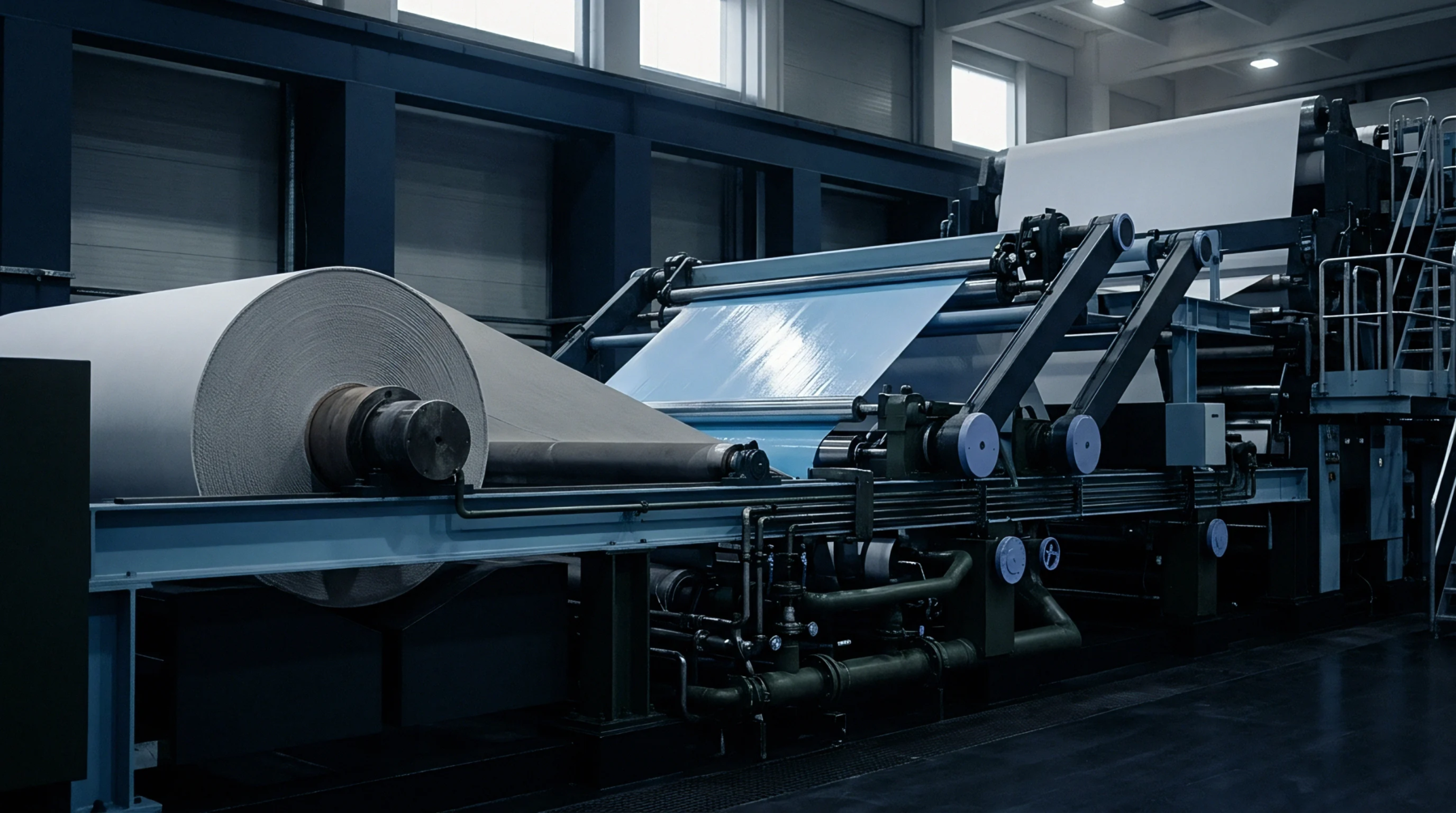
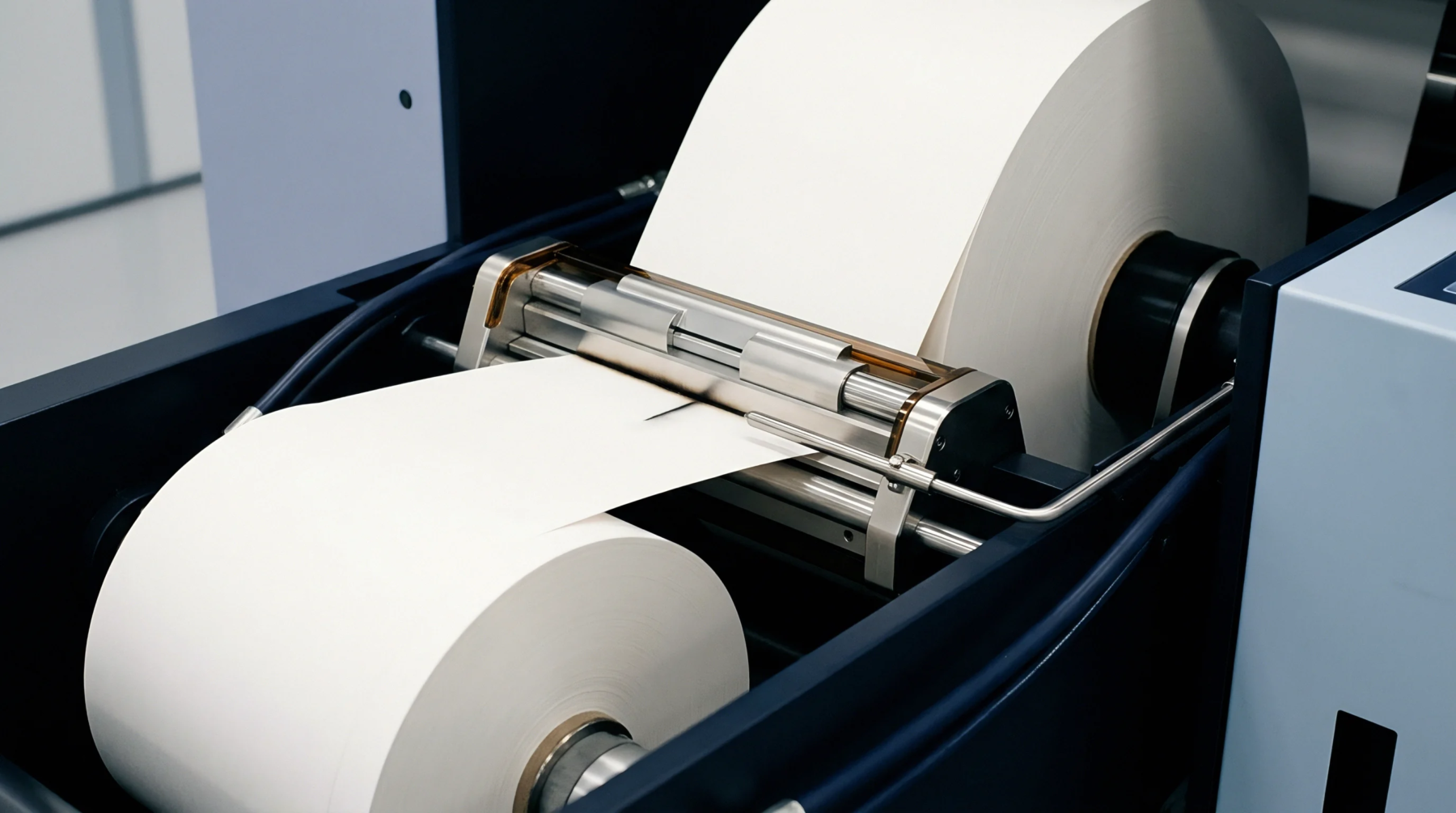
Converting plants demand strict calibration because deviations of two degrees Celsius cause curling during high speed thermal lamination and register drift on gravure printing presses.
Polymer Mobility
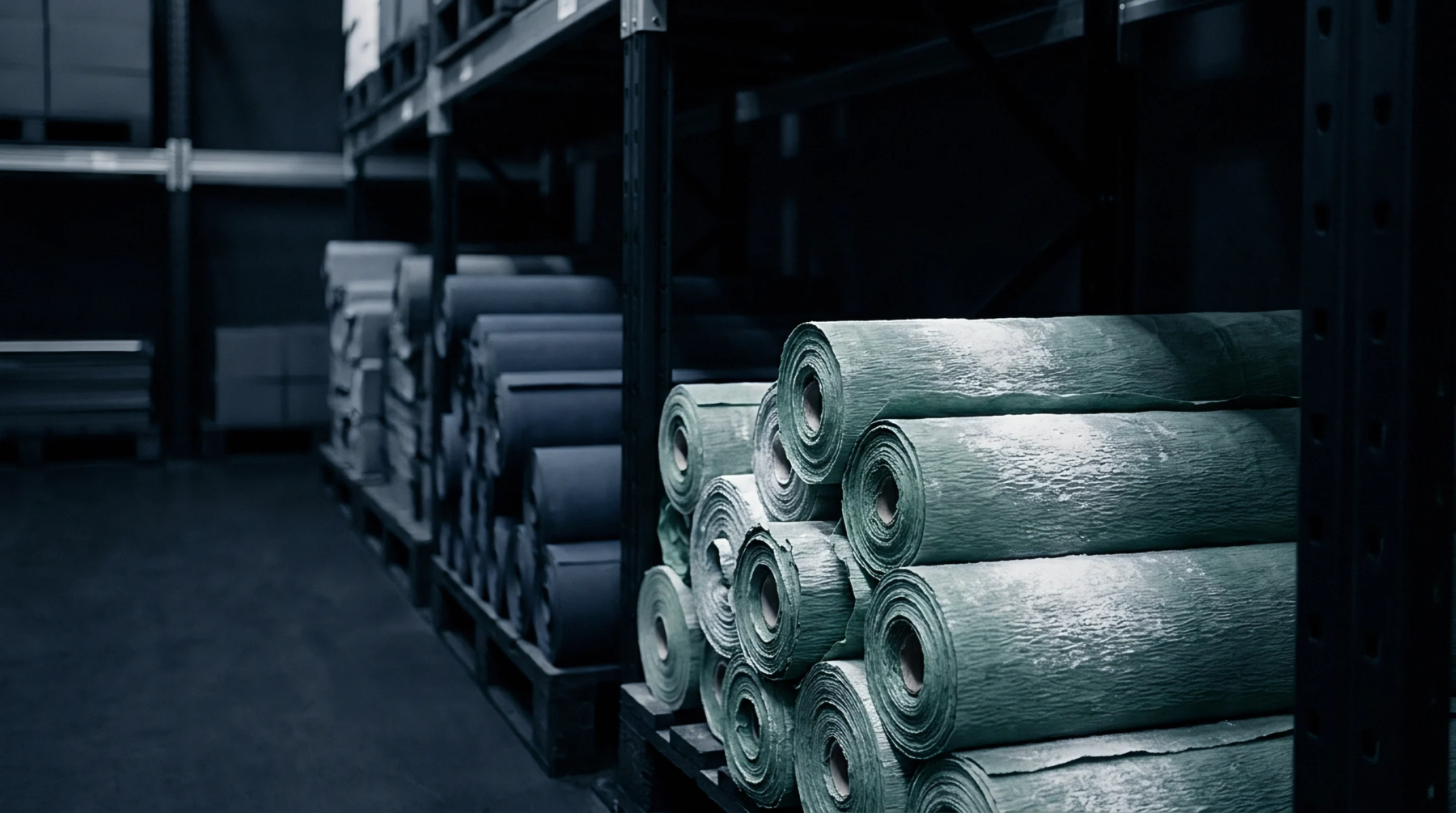
Molecular chains gain rotational freedom once thermal energy overcomes secondary valence forces within the amorphous domains. Extrusion coaters adjust chill roll temperatures to freeze the polymer structure immediately after extrusion, locking in flatness before winding. Converters monitor this behavior to prevent blocking on the reel during storage in warm warehouses.
Substrate Integrity
Structural stiffness drops sharply beyond the thermal inflection point, reducing crease recovery angles on folding carton stock coated with aqueous dispersions. Lamination speeds must remain within strict operational limits to prevent delamination caused by premature softening of the adhesive layer. Finished packaging maintains seal strength only when operational temperatures stay well below the critical threshold.