Aqueous Recirculation
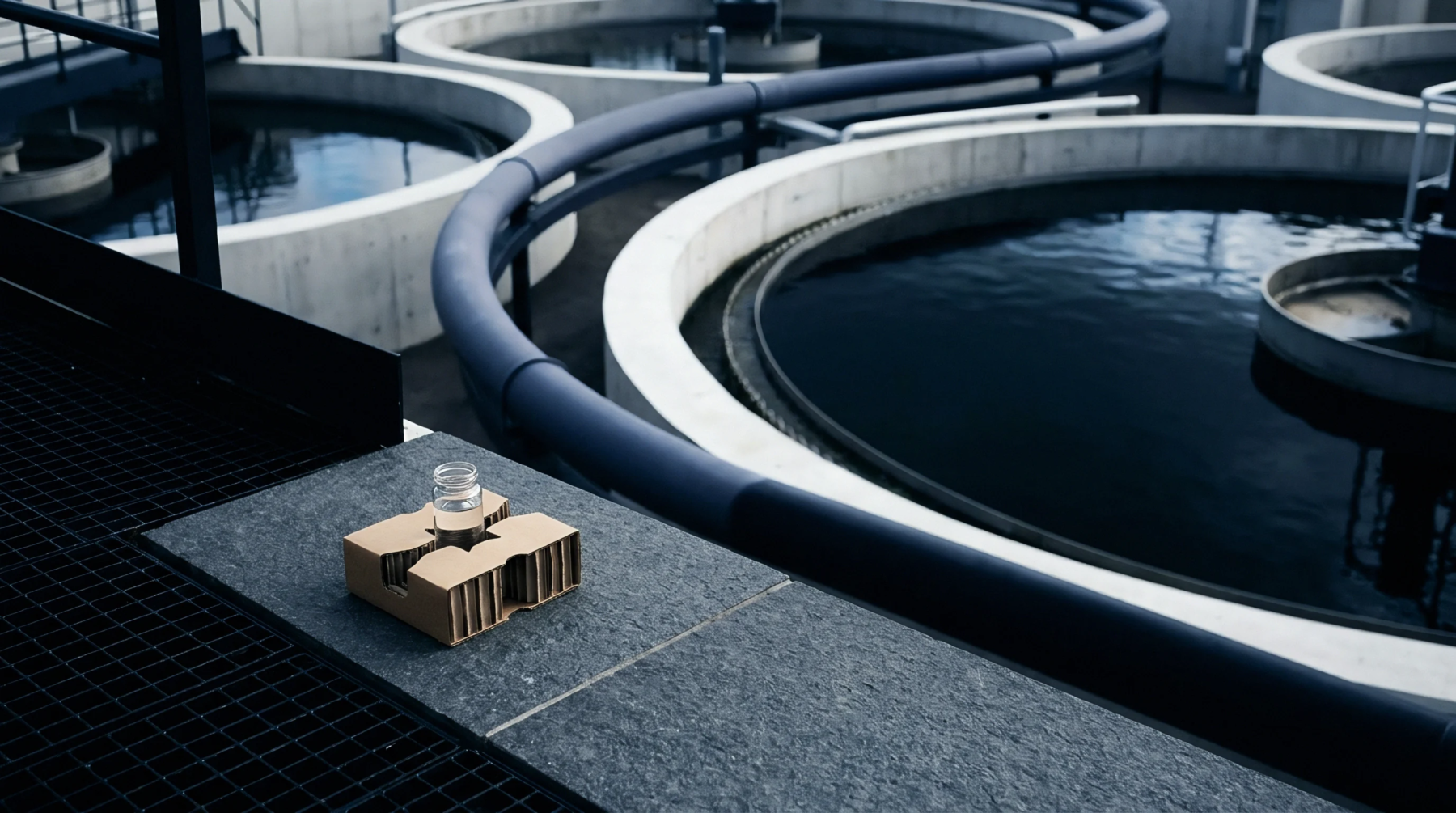
Aqueous recycling systems in a paper mill manage the reuse of water and solids from the forming section of the machine. Within these white water loops, the mill recovers valuable fibers and fillers that pass through the wire while minimizing the consumption of fresh water. The primary loop returns water directly to the fan pump for the dilution of thick stock.
A secondary loop often directs excess water to a saveall where dissolved air flotation or filtration separates the remaining solids. This tiered approach allows for the efficient use of heat and chemicals throughout the production process.
System Hierarchy
Closure of these circuits increases the concentration of dissolved organic and inorganic materials over time. While saving water is environmentally beneficial, the buildup of starch and salts can interfere with the performance of the wet end chemistry. Excessive heat in the recycled water may also promote the growth of bacteria that produce slime and cause odors in the final product.
Maintaining a balance between water conservation and system cleanliness is a central challenge for mill operators. Modern designs use membrane filtration and advanced chemistry to keep the loops as closed as possible without compromising quality.
Yield Benefit
Efficient recovery of fines improves the overall yield of the pulping process.