Spot UV against Hot Foil at the Break Even Run Length
Digital spot UV beats hot foil stamping on setup costs below 3,400 B2 sheets at 5% coverage, beyond which low foil area costs surpass high fluid burn.
Digital spot UV beats hot foil stamping on setup costs below 3,400 B2 sheets at 5% coverage, beyond which low foil area costs surpass high fluid burn.
Modulated packaging fees penalize synthetic laminates on paperboard, requiring dispersion barriers or thin extrusion layers to maintain circular fiber recovery.

Single-sided plastic lamination causes heavy converting scrap and triggers severe EU EPR eco-modulation tariffs when plastic film mass exceeds 5 percent.

Polyurethane tactile films trade high material costs for self-healing elastomeric scuff resistance, requiring precise thermal nip control and high dyne levels.
Cyclic heat and humidity drive moisture plasticization and hydrolytic ester cleavage in wet-laminated polyurethane, causing progressive interfacial shear failure.

Evaluating surface energy decay in thermal TPU lamination requires measuring polar force components to ensure bond strength before heat and pressure passes.

Pass order determines surface energy, registration accuracy, recyclability, and unit scrap rates across multi-step print converting runs.
Interfacial peel strength verification in metallized foils mandates ninety-degree fixture isolation to prevent substrate yield and accurately measure metal-polymer bond mechanics.
Crosslinked polyurethane soft touch films crack under cyclic humidity when interfacial shear stress exceeds film yield strength at elevated substrate moisture content.

Surface energy mismatch causes reticulation or edge slump in digital spot UV jetting, requiring balanced dynamic surface tension and LED pinning.

Foil adhesion succeeds when polymer film surface energy exceeds forty-two dynes per centimeter and sizing chemistry matches the polar surface component.
Sessile contact angle goniometry isolates polar and dispersive surface energy to verify polyolefin corona treatment and prevent lamination delamination.

Polyolefin surface treatment decays via polar group reorientation and slip agent bloom, requiring controlled additive specifications and inline bump corona.

Interfacial shear strain from thermal mismatch drives delamination; controlling cooling gradients and dyne levels prevents bond failure at crease lines.
Polyurethane soft-touch films provide superior scratch resistance and score fold integrity compared to BOPP but require higher temperature control and lower web yields.
Interfacial fracture toughness in laminated paperboard depends on substrate z-direction fiber strength, controlled corona energy, and scoreline strain management.
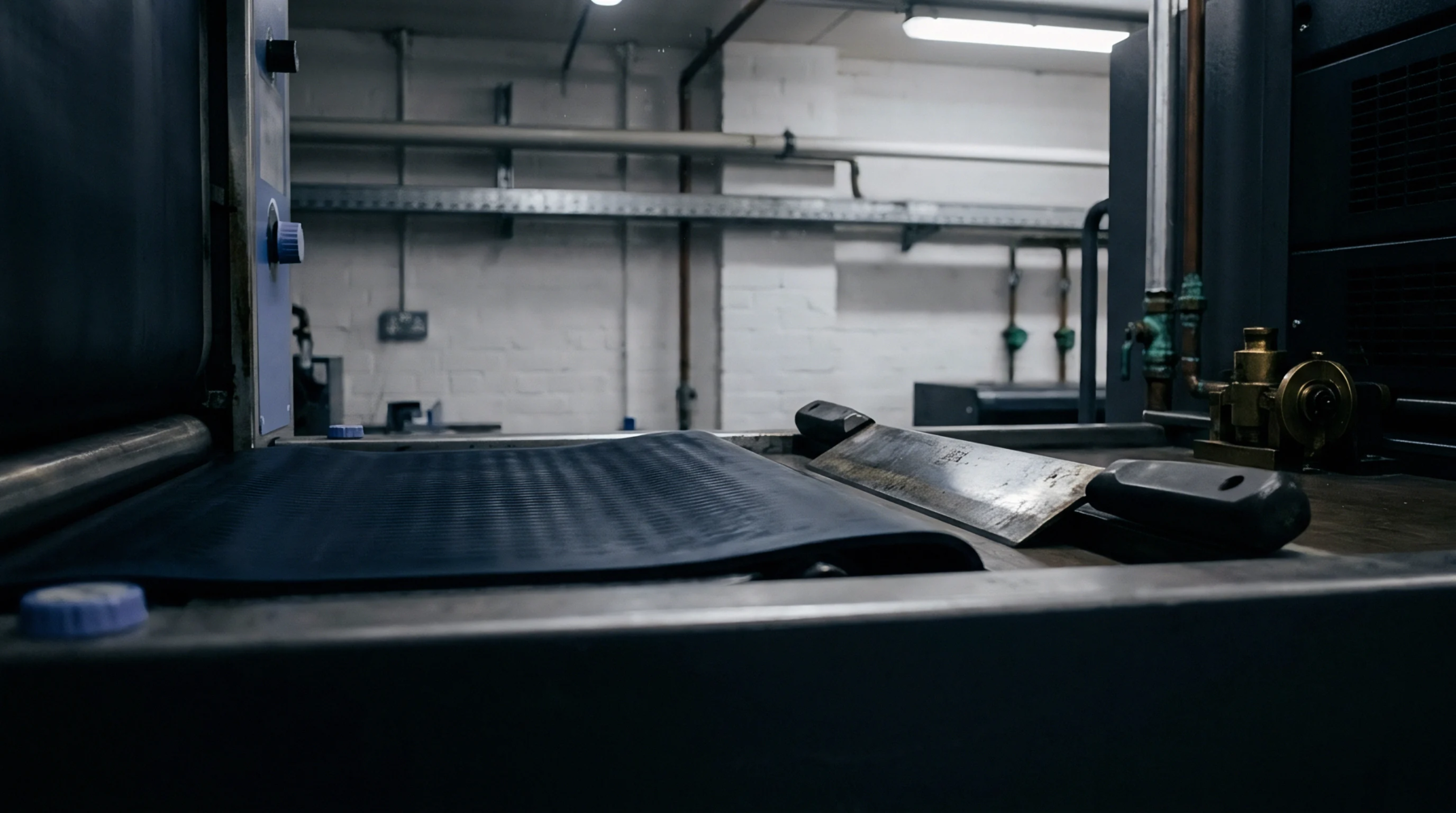
Acoustic impedance profiling detects multi-layer film debonding by measuring ultrasonic phase inversion and amplitude jumps caused by air voids at polymer boundaries.

Friction cycles mechanically strip oxidized surface layers and accelerate polar group reorientation, causing rapid dyne loss across polyolefin films.
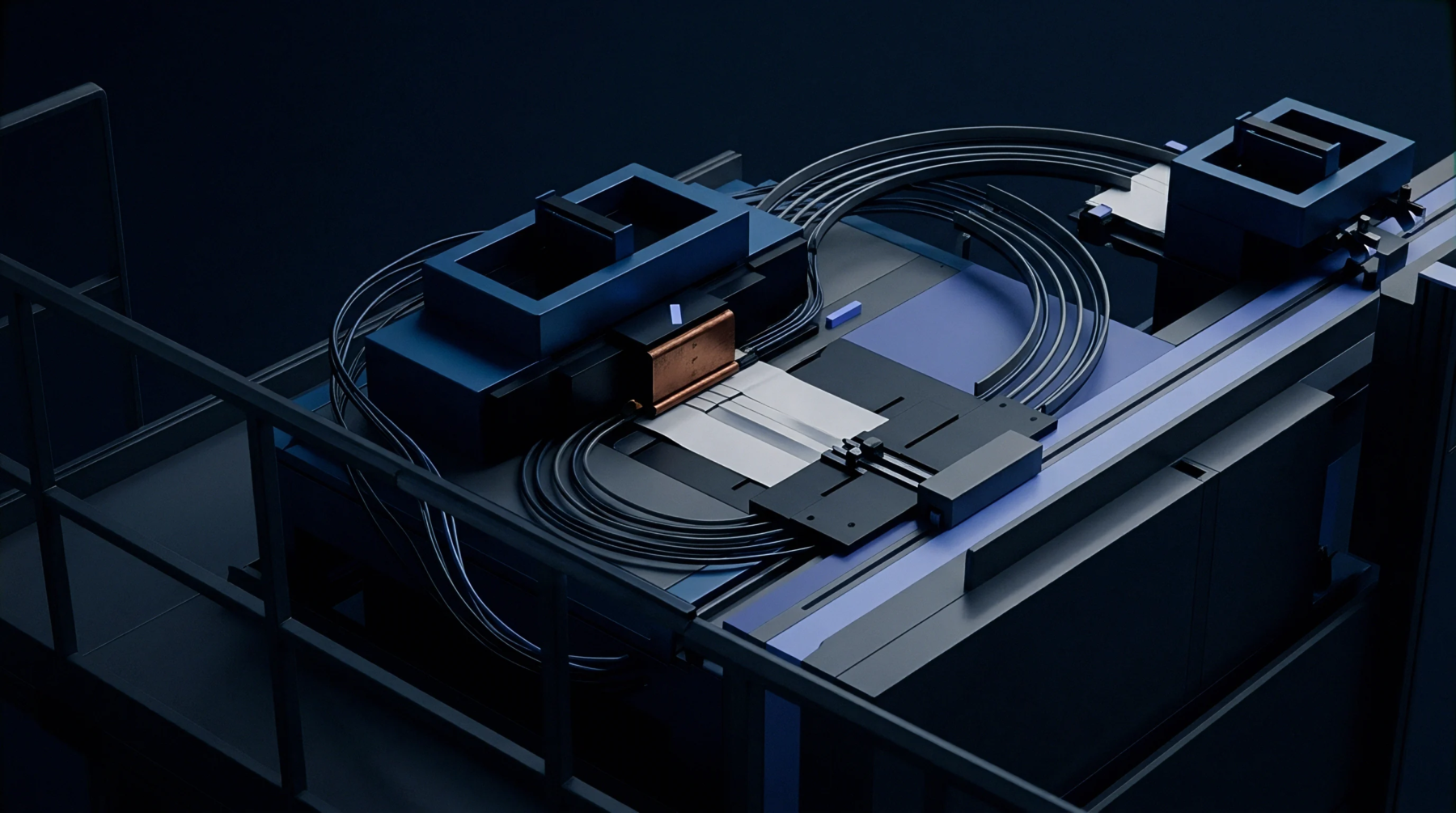
Boundary lubricant depletion during high-speed packaging stems from mechanical wiping exceeding diffusion replenishment, demanding non-migratory slip selection.
Process capability analysis for barrier laminates requires transforming non-normal permeation data before calculating Cpk to prevent latent containment failures.

Optimize counter-matrix width and rule penetration depth to induce internal core ply delamination while protecting outer extrusion barrier films from shearing.
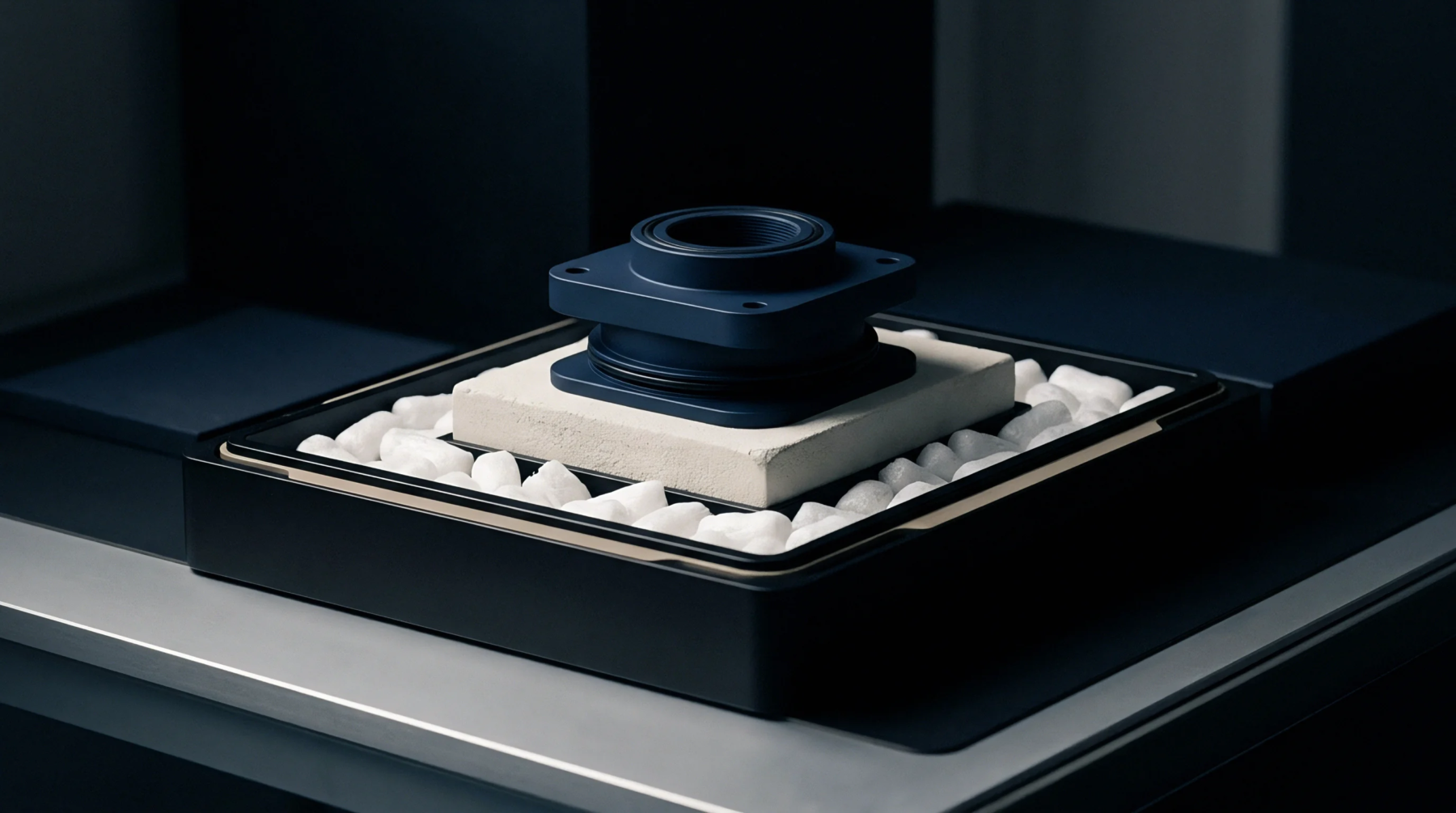
Standardized flake purity certification requires accredited third-party batch assays to verify decontamination limits and prevent border rejections.
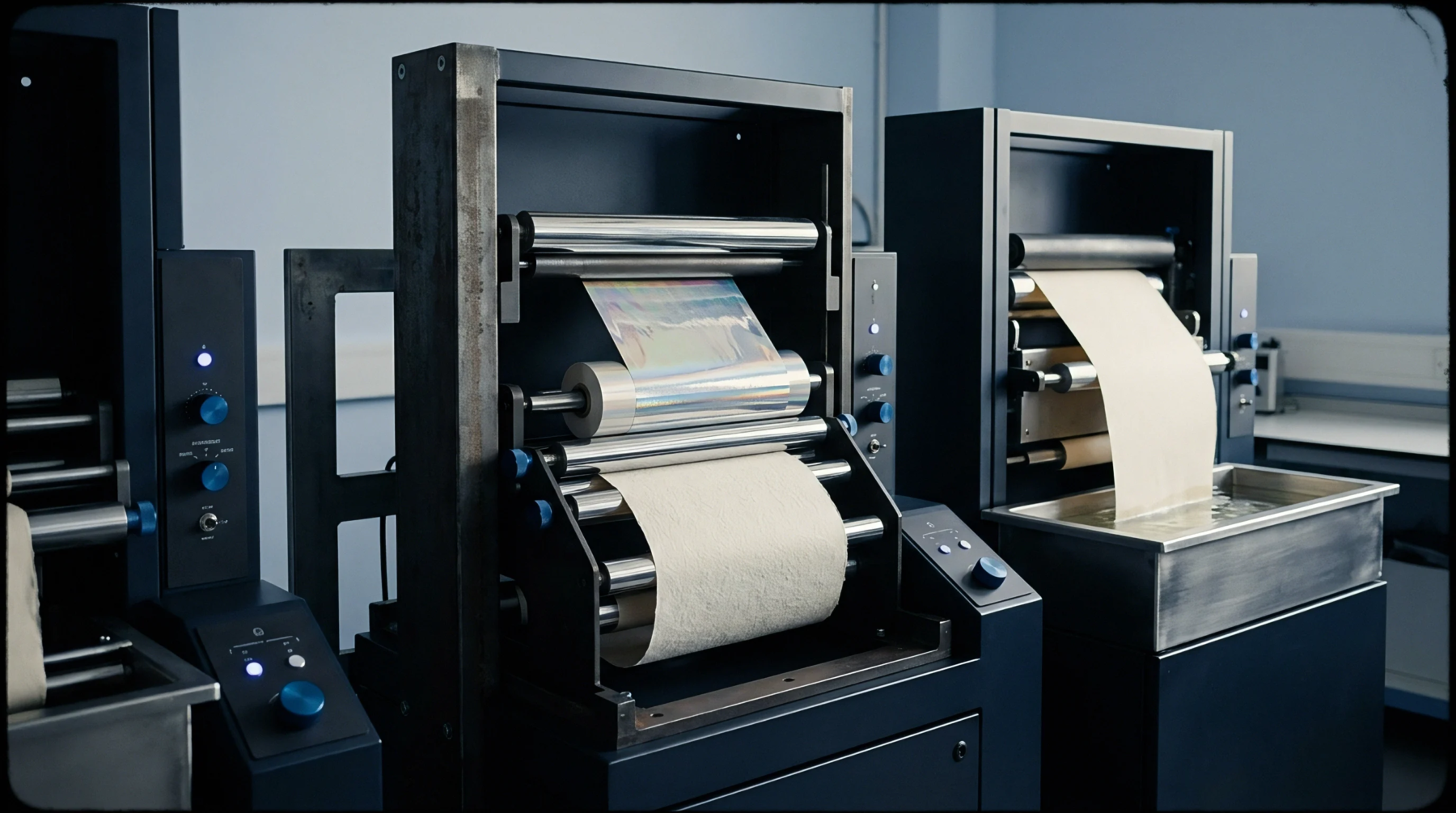
Polyurethane soft-touch laminates fail above 115 degrees Celsius and 18 kilonewtons of line pressure, causing matte collapse, score cracking, and scuffing.
Digital spot varnish stability requires substrates above 38 mN/m and rapid LED pinning to lock 60-micron profiles without capillary spread or score cracking.

Mitigate interfacial shear cracking by balancing UV curing kinetics, limiting acrylic volumetric shrinkage, and maintaining substrate surface tension past 42 mN/m.
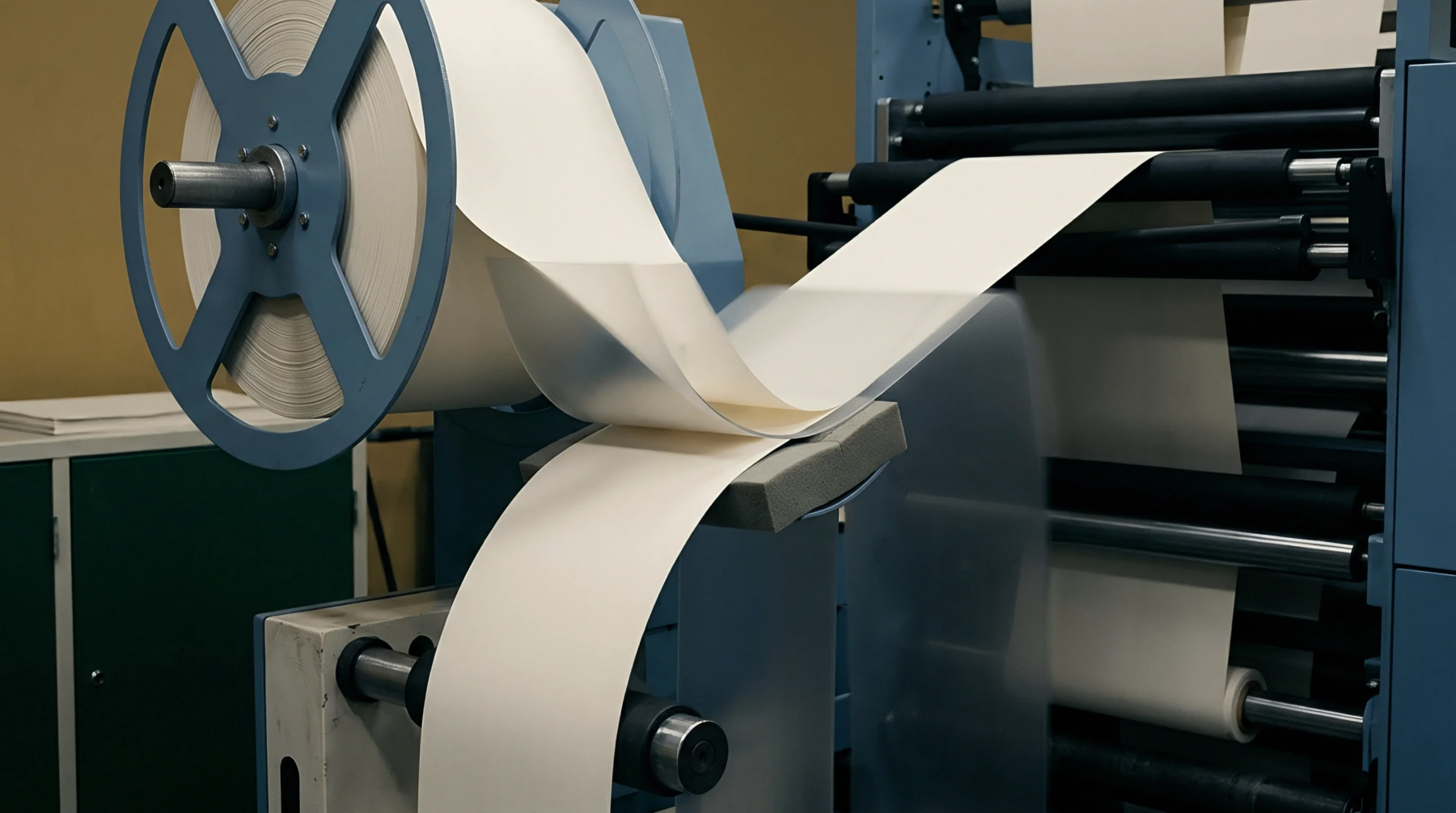
Dynamic folder-gluer speeds collapse polypropylene failure elongation from 150% to under 12%, demanding calibrated crease geometry to prevent split scores.
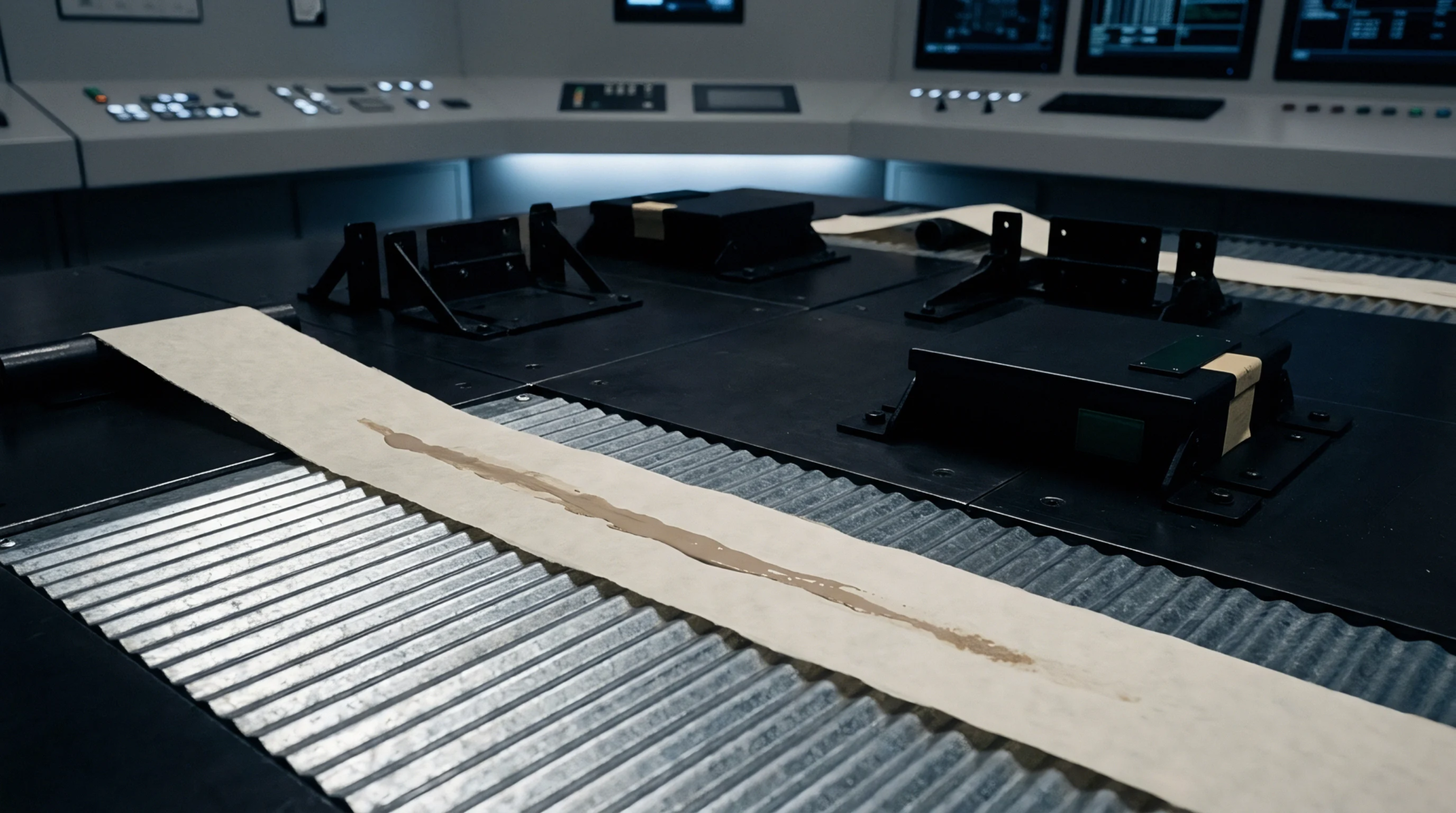
Polyolefin slip additives migrate along concentration gradients to form weak boundary layers that terminate adhesive crosslinking and cause delamination.
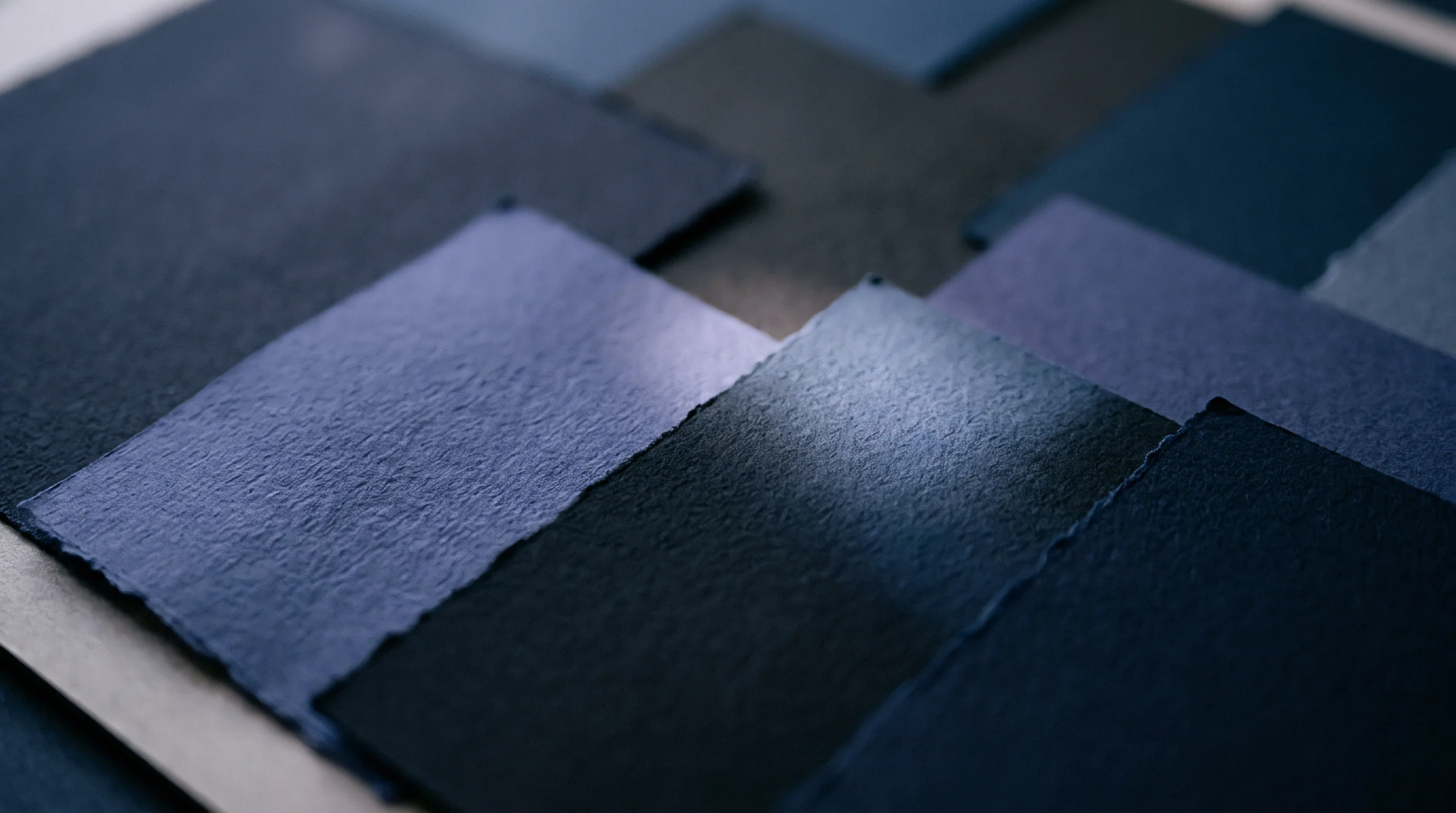
Accurate dyne testing on polyolefin films requires certified ASTM D2578 solutions and strict two-second timing to prevent adhesive delamination.
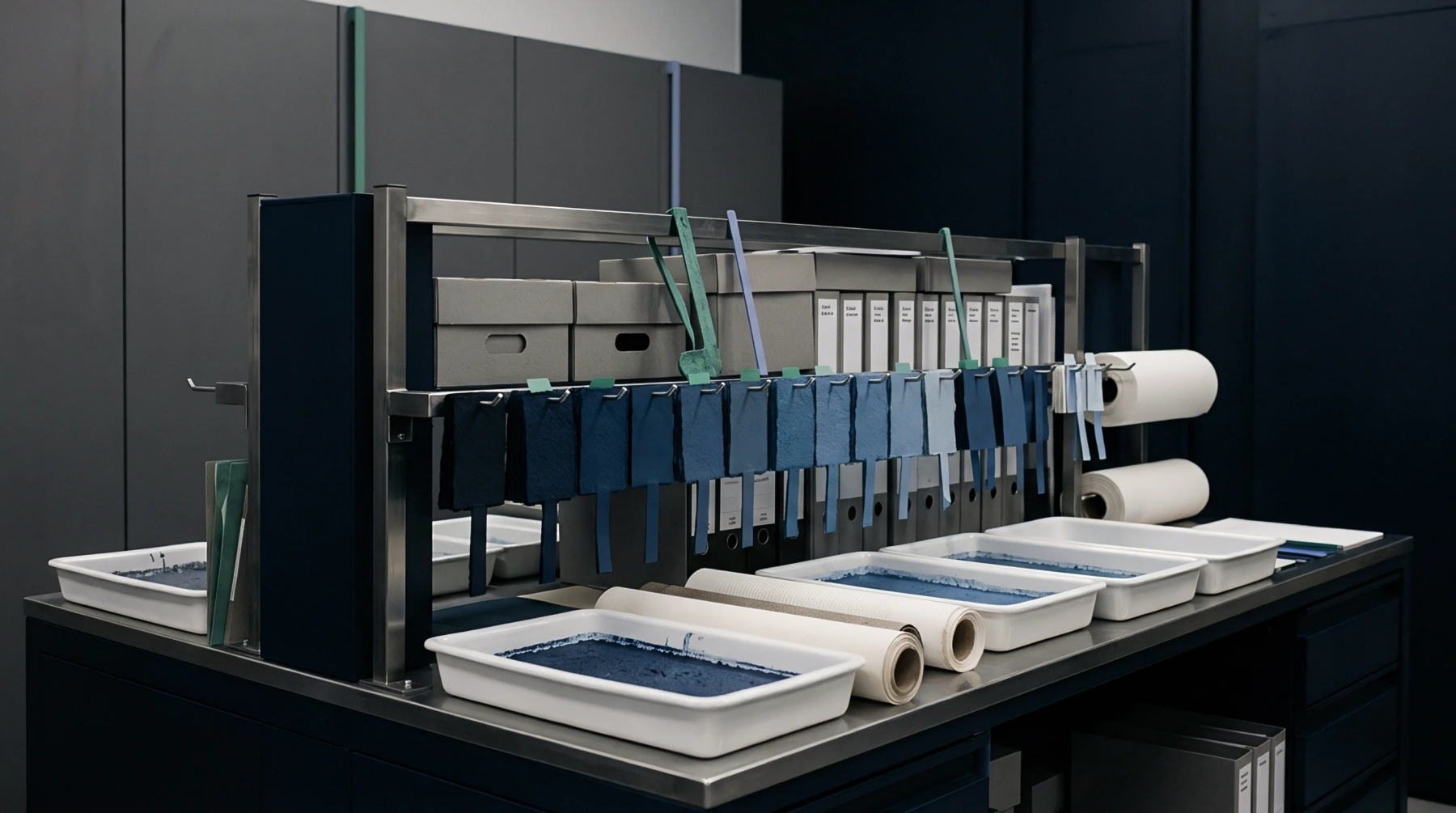
Maintain board surface energy four millinewtons per meter above emulsion surface tension to prevent air entrainment at eight hundred meters per minute.

Owens Wendt contact angle analysis isolates polar from dispersive surface energy, preventing lamination failure caused by unreliable single-value dyne pen readings.
Expertise is a utility, not a secret. sentiention™ publishes its working knowledge as open reference: intelligence layer covering the materials it sources, the markets it enters, and the reference that serves both.