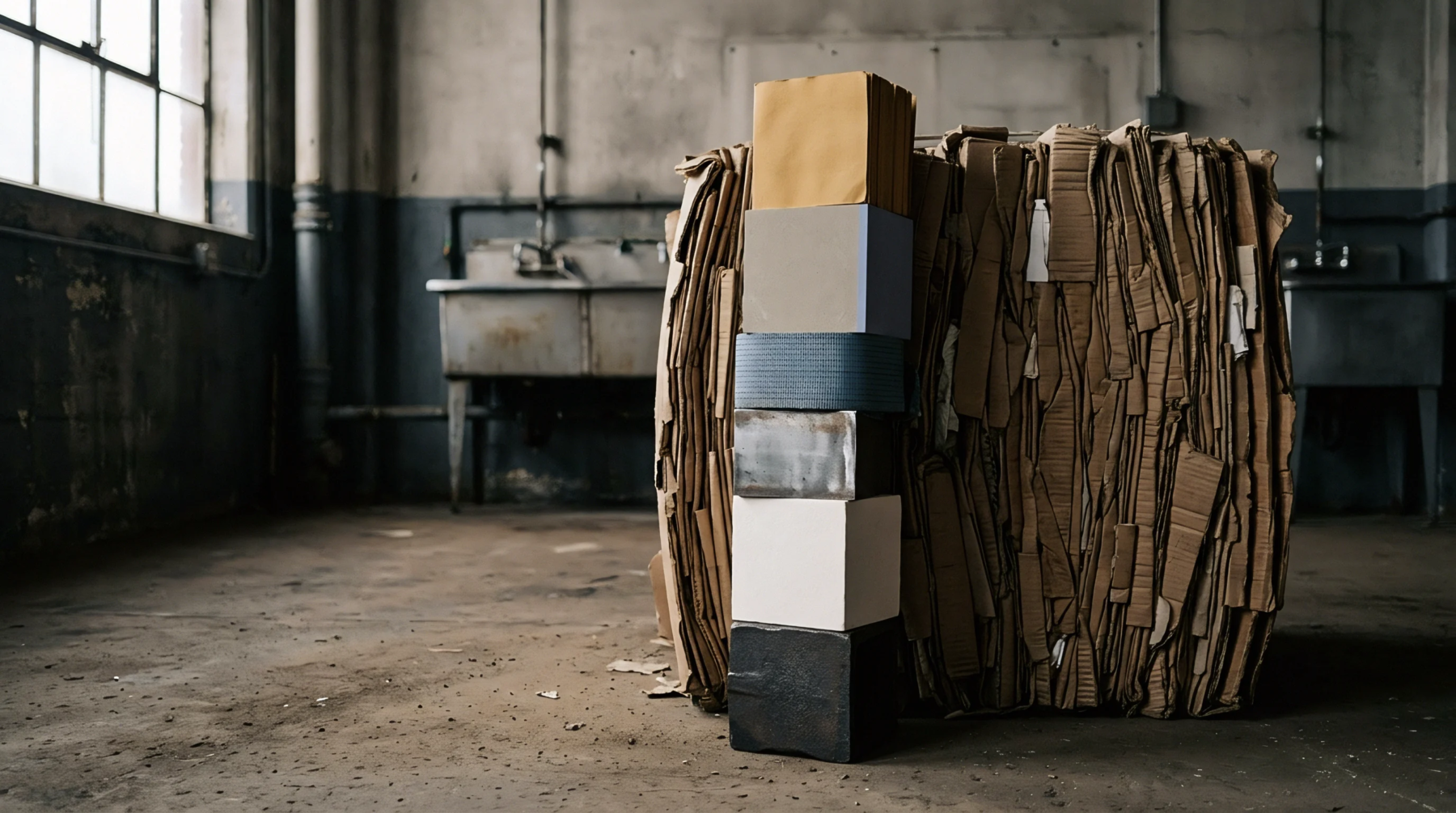
Automated Classification
Industrial separation process that utilizes light sensors and air jets to categorize and segregate waste materials by polymer type or colour. In modern municipal and commercial recycling facilities, optical sorting is used to separate paperboard and various plastic packaging streams from mixed recycling collection. This high-speed technology enables the separation of high-volume materials with minimal manual labour.
Sensor Separation
Materials move along a high-speed conveyor belt where they are scanned by near-infrared sensors, color cameras, or laser systems to identify their composition. The system compares the spectral signature of each item against a database of target materials, such as polyethylene terephthalate, high-density polyethylene, or unbleached kraft paper. Once a target material is identified, a precise blast of compressed air from a multi-nozzle manifold deflects the item into a separate collection bin.
The accuracy of optical sorting is affected by the speed of the belt, the size of the items, and the presence of surface contamination like dirt or full-body sleeves.
Recycling Yield
High sorting precision ensures that the resulting material streams have the purity required by paper mills and plastic recyclers. By isolating cardboard from plastic and other contaminants, the system maximizes the value of the recovered commodities. Efficient sorting contributes to higher recycling rates and reduces landfill waste.