
Edge Moisture Ingress Mechanics and Curl Control in Multi Ply Packaging Grades
Matching middle-ply hydrophobic sizing with surface coat barrier performance prevents differential hygroexpansion and moisture-induced curl across converted boxboard.
Matching middle-ply hydrophobic sizing with surface coat barrier performance prevents differential hygroexpansion and moisture-induced curl across converted boxboard.
Microclimate substrate failure claims require immediate vapor-sealed sampling, gravimetric moisture verification, and continuous environmental logger data to overcome standard mill liability exclusions.

Cold storage shifts boxboard equilibrium moisture content upward by up to two percent, demanding controlled thermal acclimation before unsealing parent reels.
Atmospheric moisture gradients degrade cross direction crease resistance and inflate sheet basis weight, reducing usable boxboard yield during converting.

Triple coated folding boxboard reaches moisture equilibrium via slow hysteresis, requiring precise yield controls to prevent stiffness loss and warp defects.

Standard atmospheric conditioning at 23°C and 50% RH under ISO 187 is mandatory to stabilize paperboard moisture content before stiffness bench testing.
Verify acrylate double bond conversion below specific migration limits using splitless GC-MS in SIM mode to quantify residual monomer density on packaging board.
Validating UV lamp irradiance requires matching radiometer spectral response to photoinitiator absorption while tracking peak intensity and total energy dose.
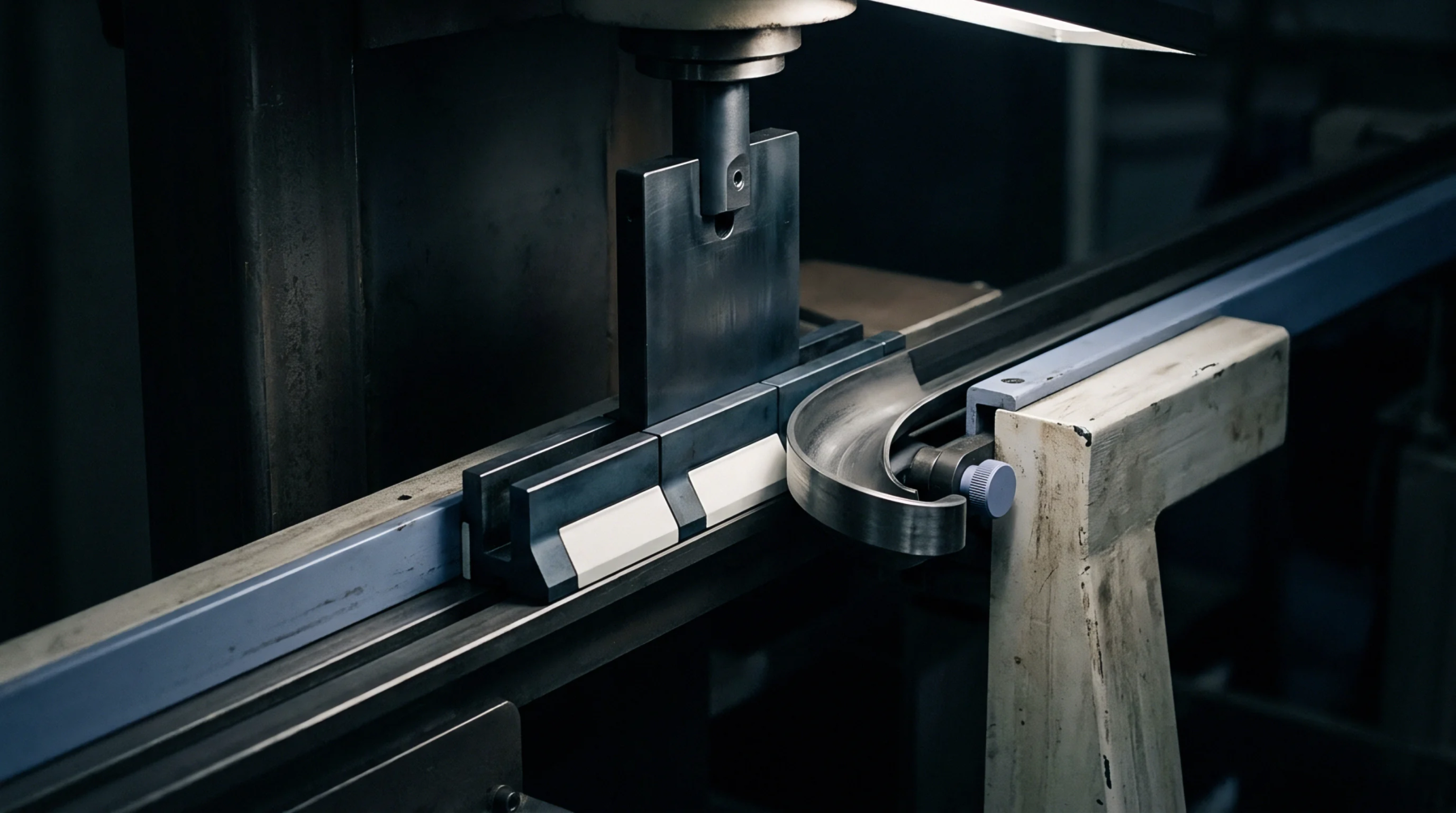
Dynamic Mechanical Analysis maps temperature and frequency-dependent storage moduli to optimize paperboard flexural stiffness and eliminate score cracking at high converting speeds.

Carton panel flexural deflection under dynamic suction is predicted by orthotropic plate equations using MD and CD elastic moduli, caliper, and shear stiffness.
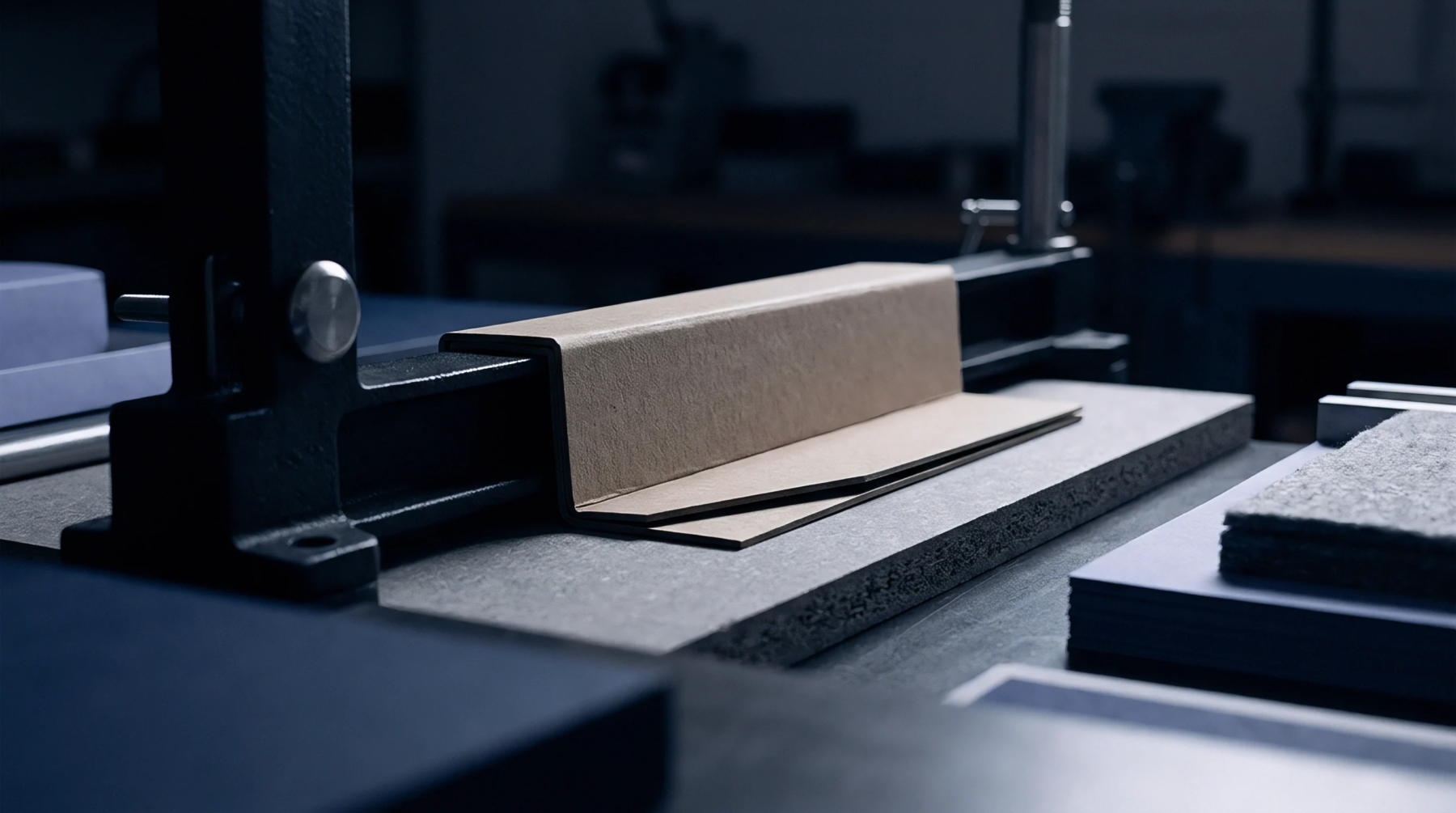
Verify photoinitiator migration limits through LC-MS/MS testing, inert cure controls, and compliant low-migration ink systems.

Controlled delamination in mechanical pulp cores governs crease recovery ratio, dictating high-speed cartoning efficiency and carton opening resistance.
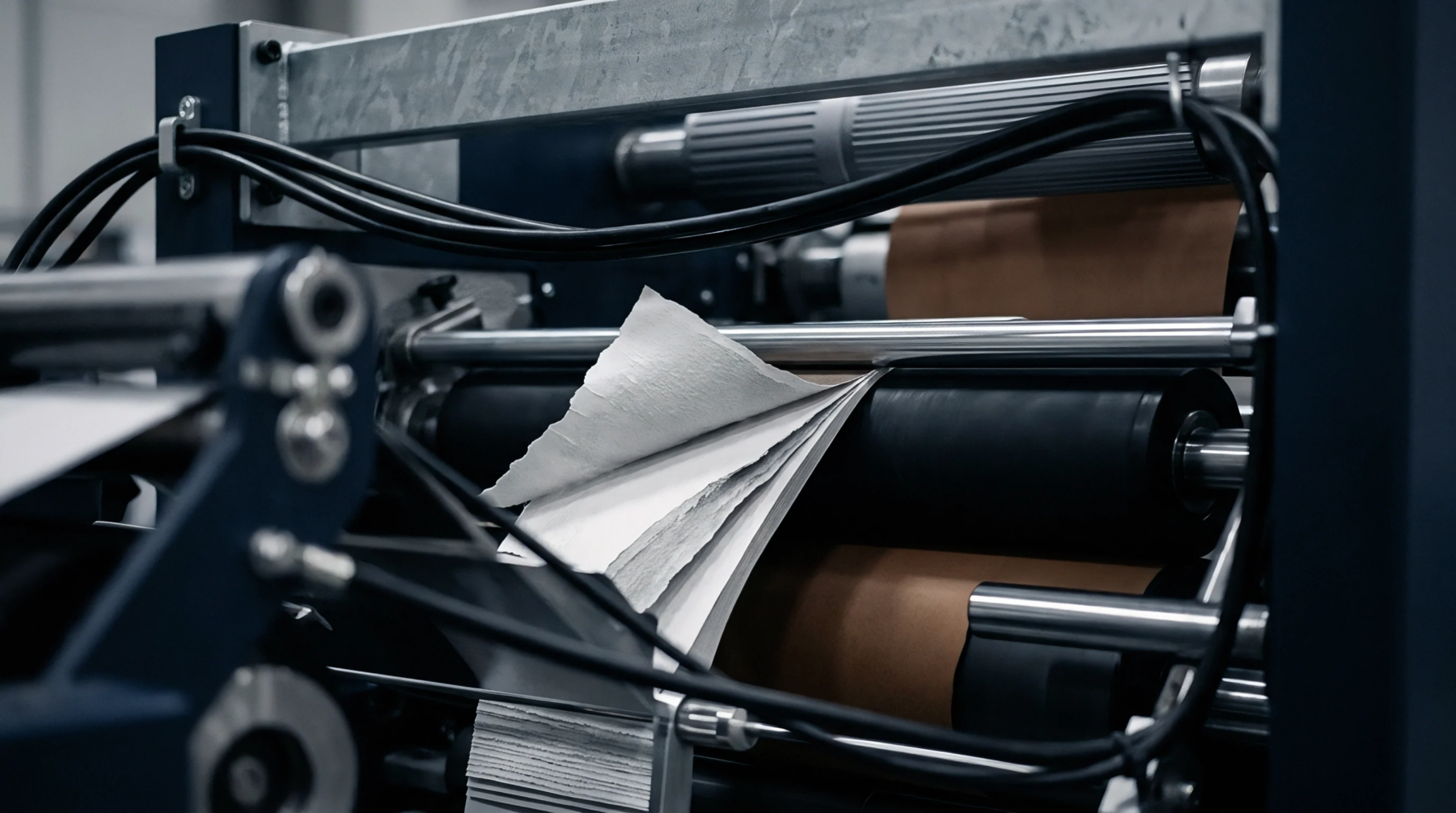
Z-direction fiber alignment gradients determine score cracking by shifting tensile strain capacity across paperboard plies during high-speed folding operations.

Calculate thermal expansion vectors across multi-zone platens to scale dies accurately, preventing perimeter register drift on hot foil stamping runs.
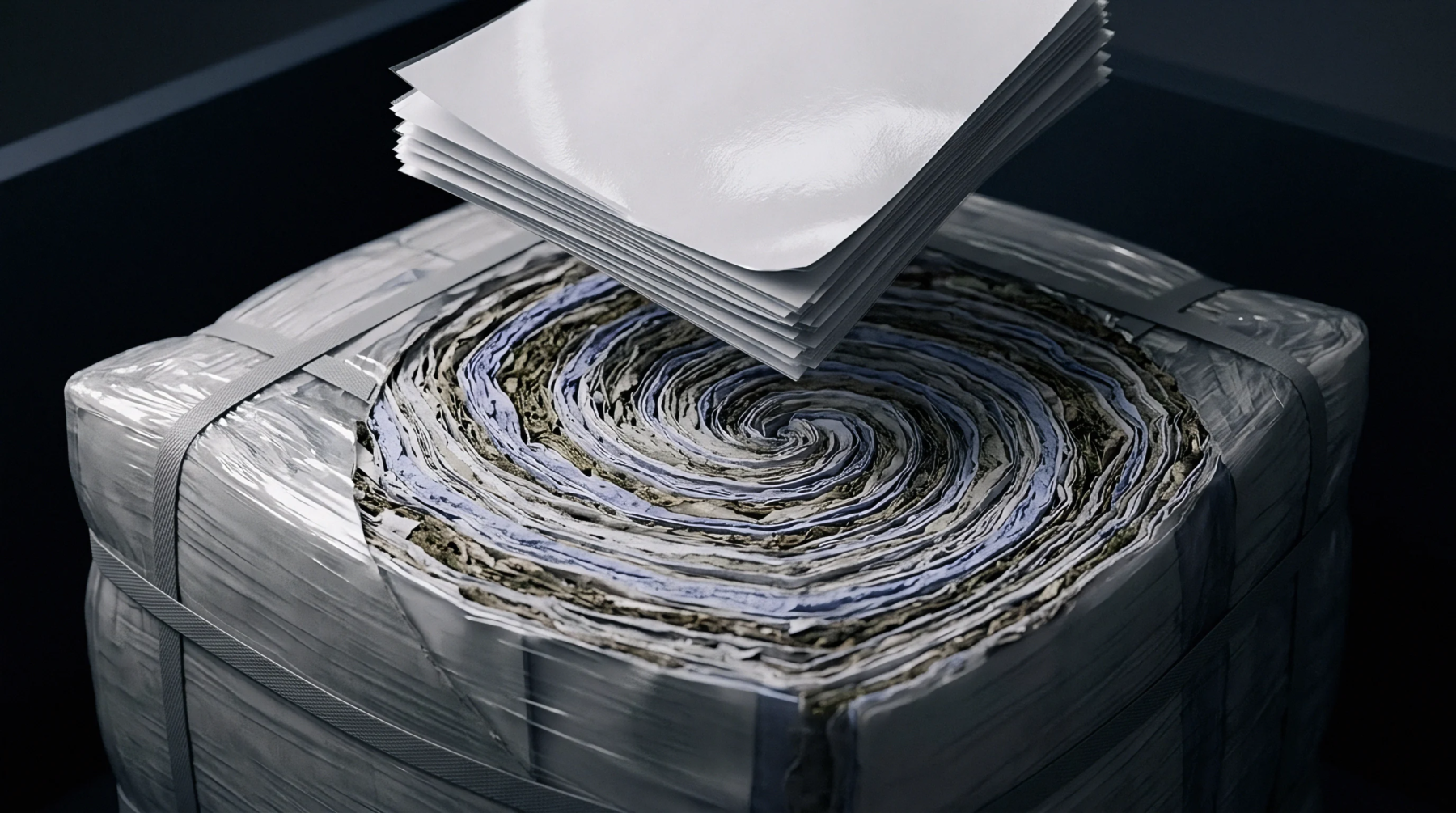
Deinking yield shrinkage calculation requires ash-corrected mass balancing at 525°C to separate mineral filler purge from claimable fiber losses.

Hygroexpansion coefficients quantify cross direction sheet distortion under humidity swings, preventing misregistration and box score cracking during converting.

Thermal impression passes desorb board moisture, driving cross-direction shrinkage that requires scaled tooling and immediate inter-pass humidity control.

Pre-press vector files for hot foil stamping require non-proportional scaling to offset paperboard moisture loss and thermal die growth.

Dynamic acoustic matrix monitoring isolates microbuckling in high-speed platen converted packaging cores, preventing hidden structural score line failure.
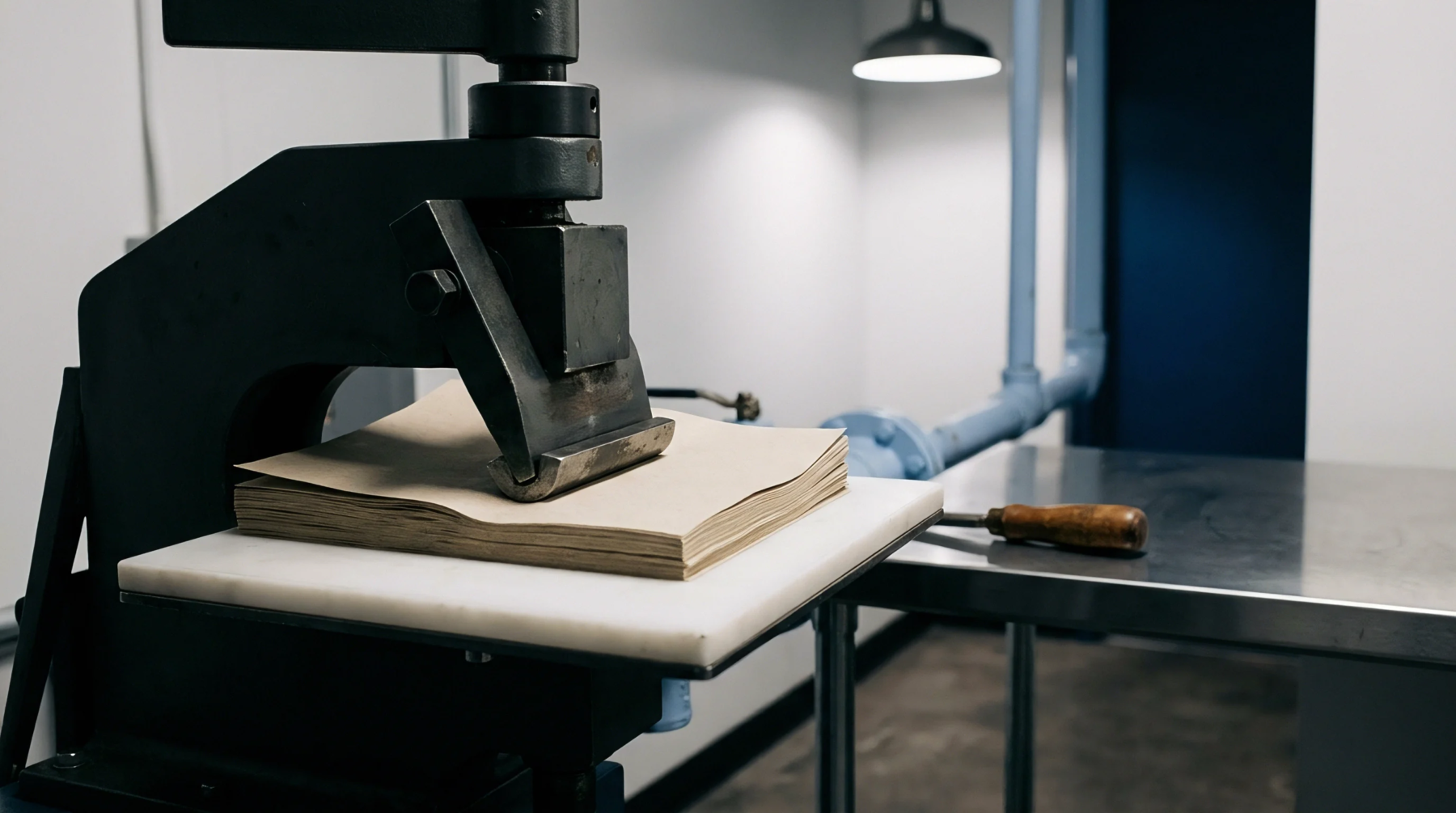
Dynamic platen drift drives severe internal core shear in laminated boards, requiring balanced die resistance, wider creasing channels, and lower tonnage.

Paperboard chain of custody accounting converts verified fiber inputs into defensible commercial packaging claims through transfer, percentage, or credit systems.
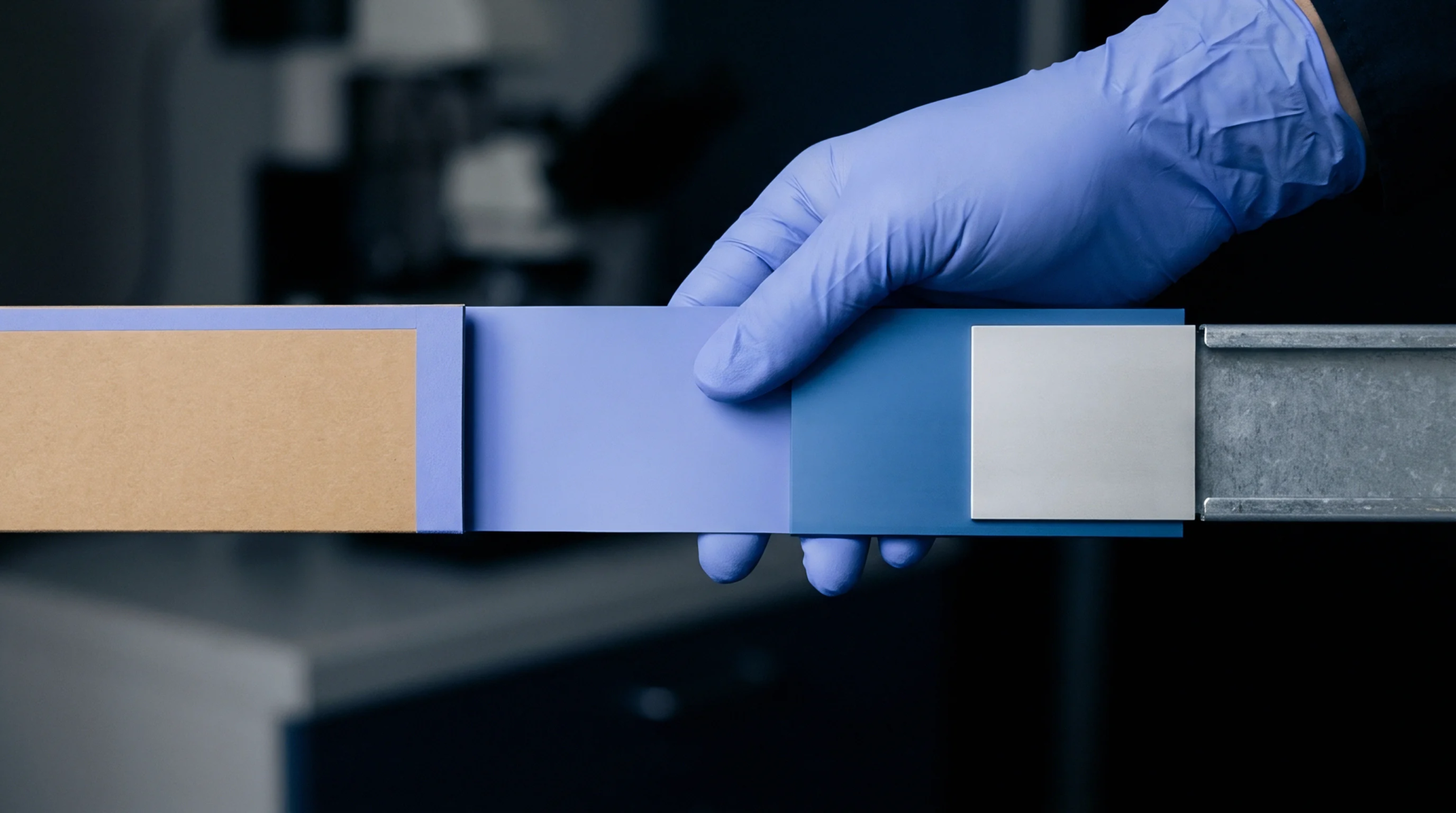
Decoupling viscoelastic fluid squeeze from optical light diffusion isolates true mechanical dot expansion across compressible paperboards.

Matching polymer dispersion glass transition temperature to folding line strain rate eliminates micro-cracking and preserves barrier integrity on high-speed gluers.

Dynamic crease resistance measures rapid deformation forces during converting, which diverge from static bench tests due to strain-rate coating stiffening.

Alkaline repulping of thermomechanical fibers trades mechanical deflaking efficiency against soluble chemical mass loss and screen reject yield penalties.
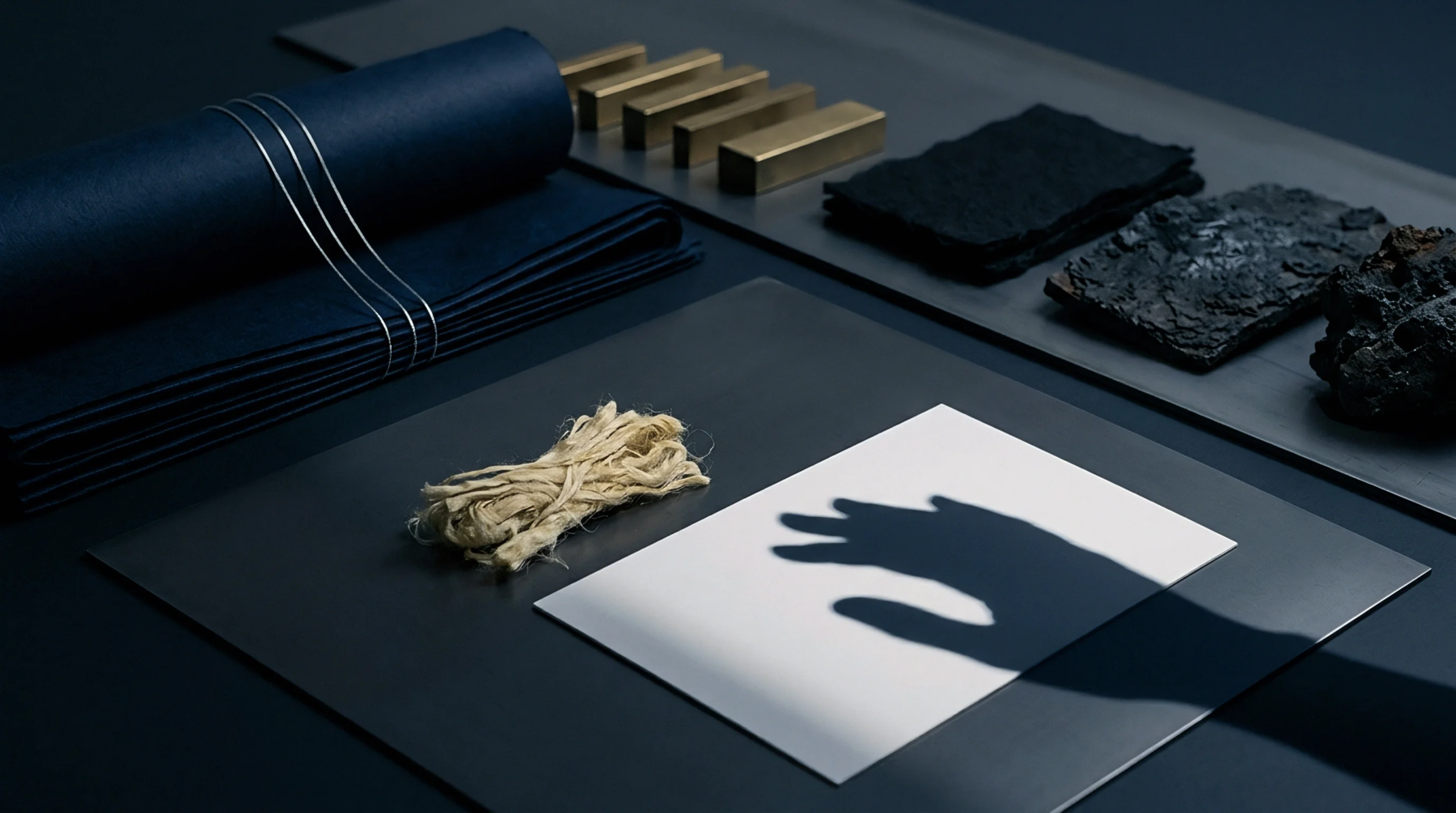
Charge neutralization to a negative two millivolt threshold maximizes wet-end drainage and press dryness without sacrificing mechanical pulp sheet bulk.
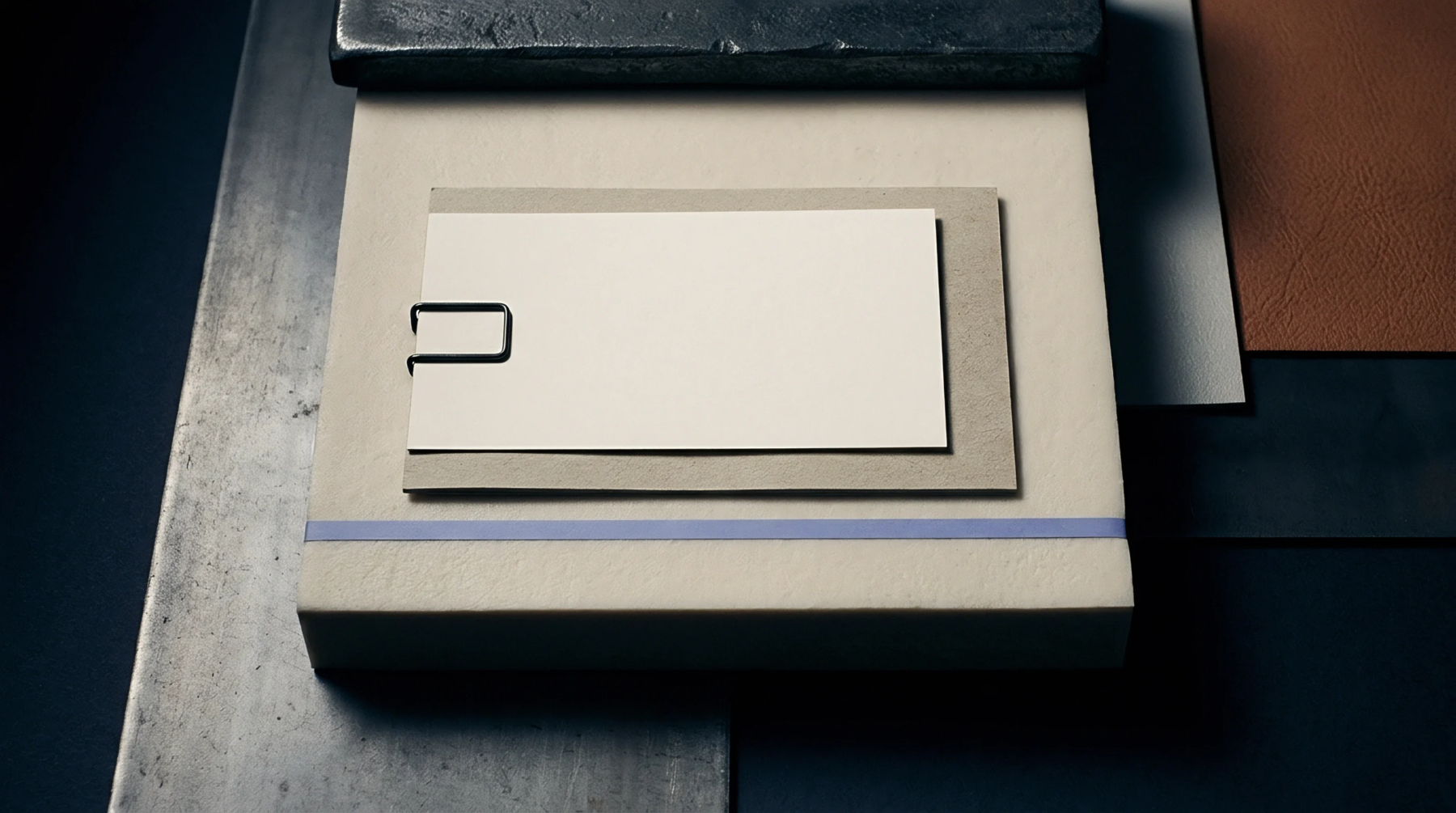
Calibrating steel counterplate channels for heavyweight virgin board sets width at 1.4 times board thickness plus rule width with 30 degree chamfers.
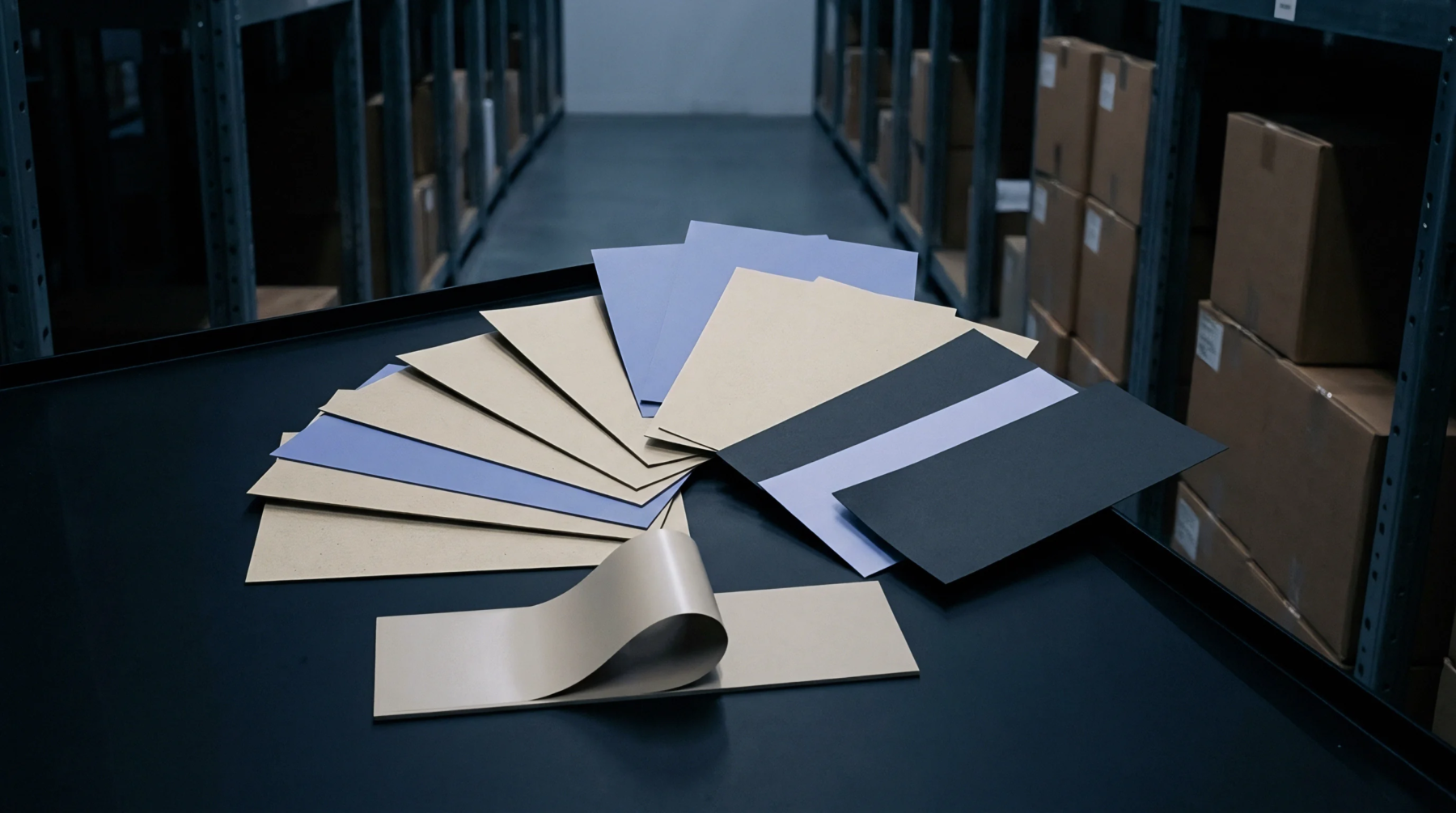
Select creasing matrix depth equal to FBB board thickness and calculate channel width using rule thickness plus 1.5 times thickness with-grain or 1.7 times across-grain.

Air-coupled ultrasonic transducers evaluate internal cartonboard score delamination inline at high speeds without surface contact or web marking.

Ultrasonic time of flight profiling quantifies internal paperboard delamination during creasing by measuring out-of-plane elastic modulus drops.
Expertise is a utility, not a secret. sentiention™ publishes its working knowledge as open reference: intelligence layer covering the materials it sources, the markets it enters, and the reference that serves both.