Z Direction Fiber Alignment Gradient Modeling for Multilayer Folding Boxboard Score Cracking Prevention
Z-direction fiber alignment gradients determine score cracking by shifting tensile strain capacity across paperboard plies during high-speed folding operations.
Mechanics
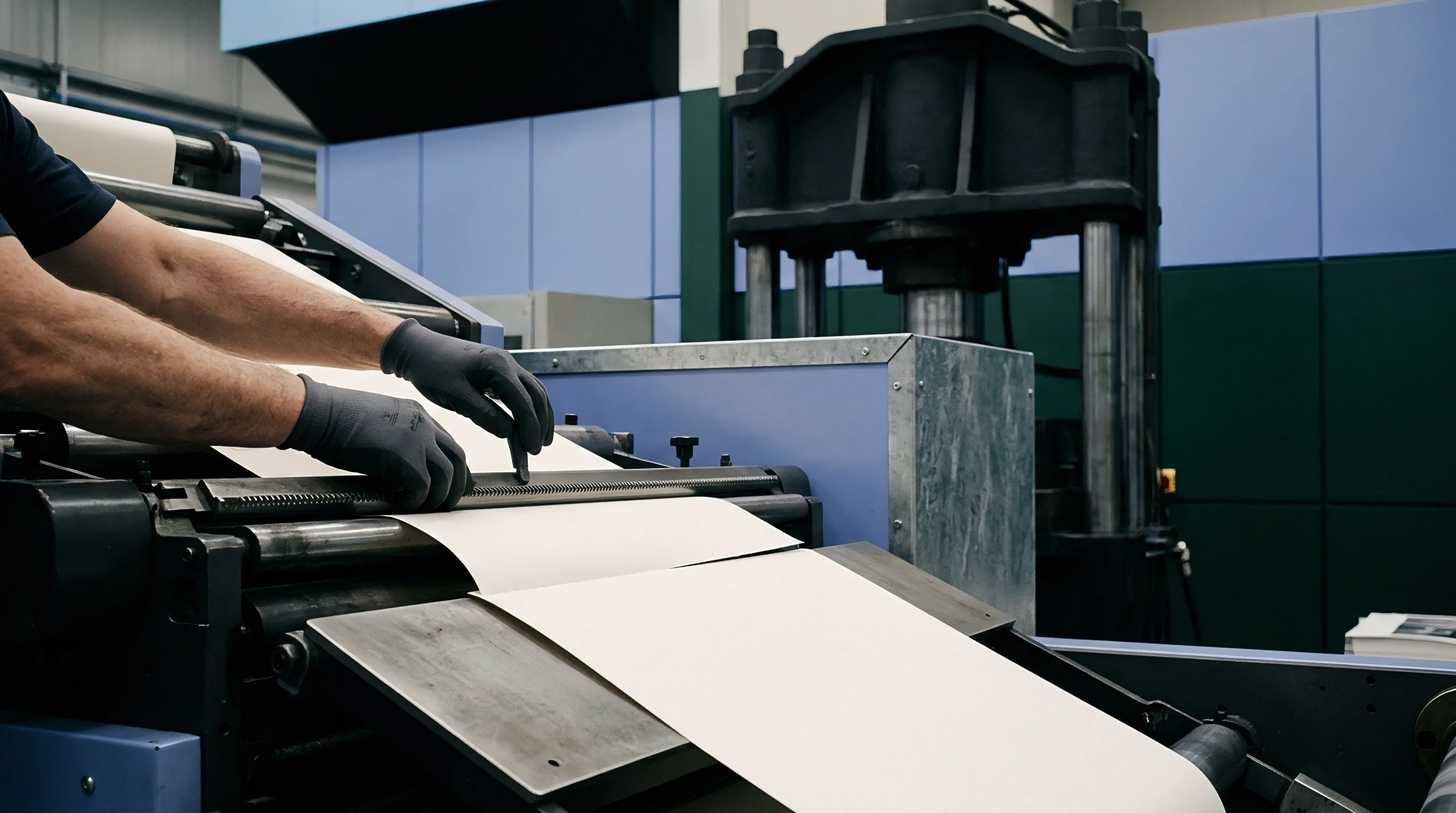
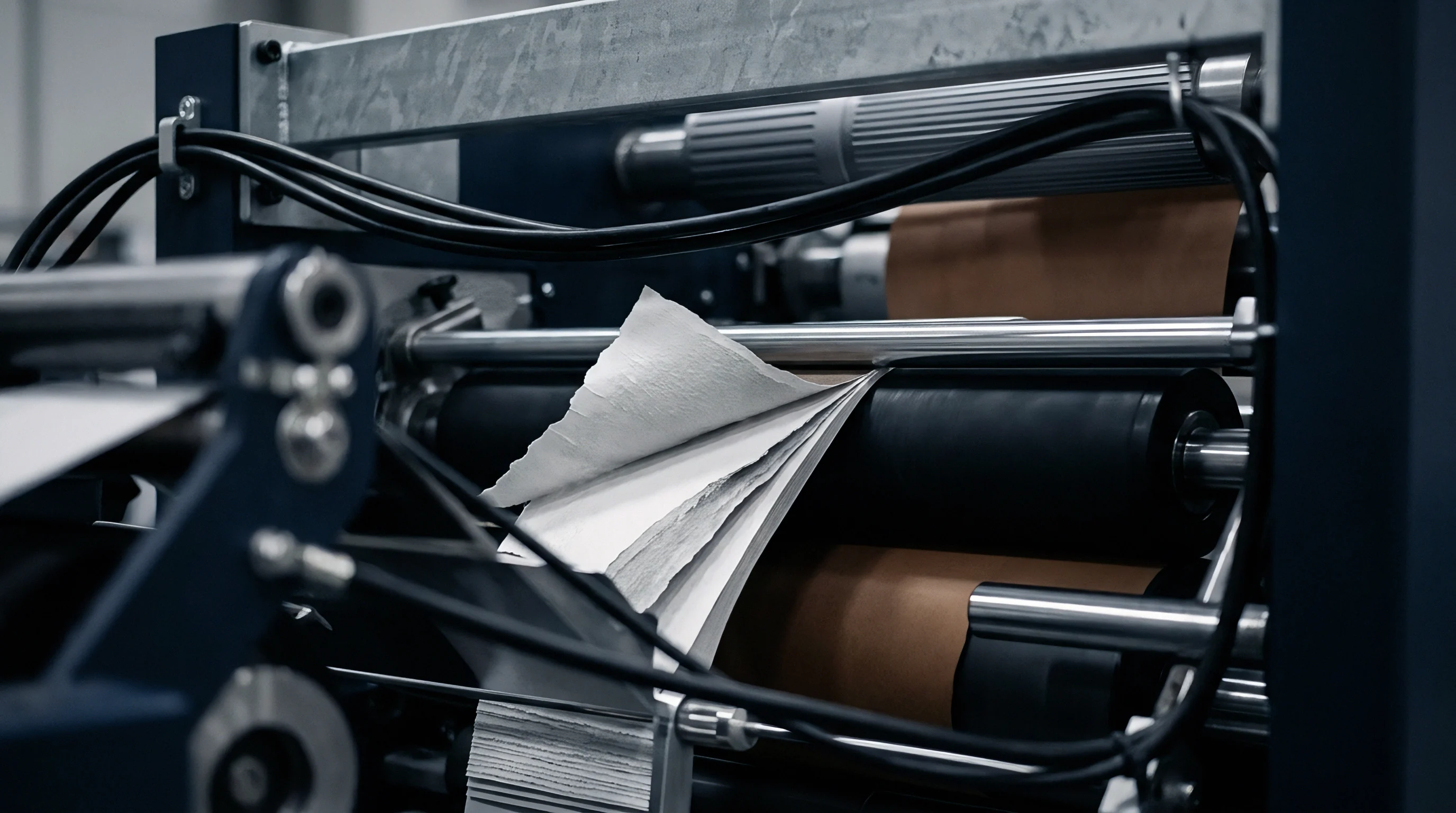
During creasing and ninety-degree carton erection, folding boxboard experiences simultaneous bending, compression, and interlaminar shear strain. Outer fibers break first, leading to structural failures along the score line like surface liner cracking, micro-delamination, or full-thickness splitting. Beyond ruining package appearance and compromising barrier coatings, these defects cause packaging lines running above five hundred cartons per minute to grind to a halt.
Stress Distributions in Creased Paperboard
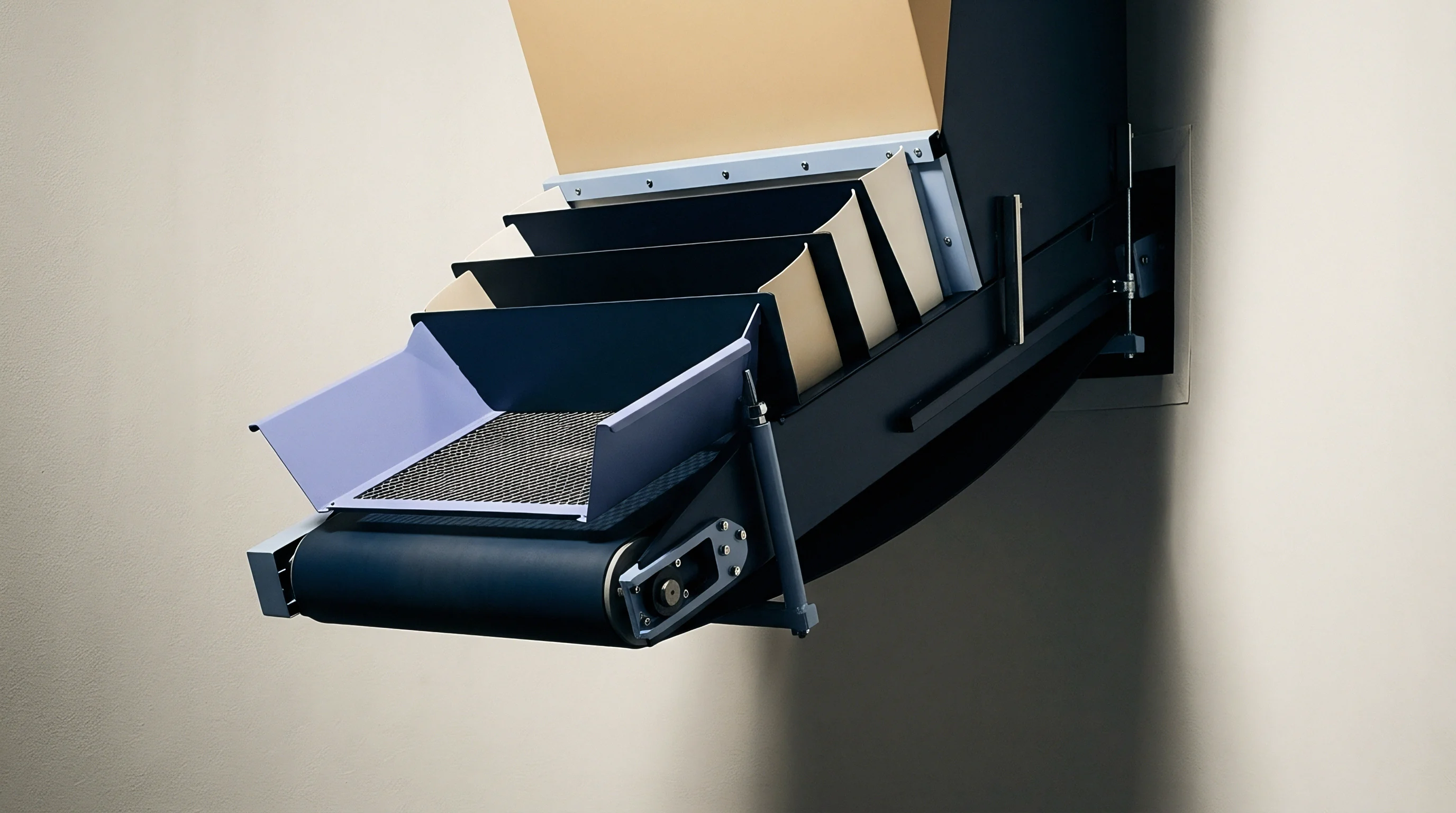
Outer plies endure heavy tension while inner plies are compressed, establishing a sharp stress gradient through the sheet thickness. Effective creasing relies on controlled internal delamination inside the central mechanical pulp plies to form a hinge that accommodates the outer liner’s bend radius without cracking the surface. However, if the z-direction fiber alignment gradient imposes too much machine-direction anisotropy on the surface plies, the top liner’s tensile strain capacity falls short of what the bend requires.
Fibers aligned mostly in the machine direction provide high tensile stiffness but stretch far less in the cross direction. Scoring perpendicular to this primary alignment applies circumferential strain straight across the fiber axes. When fiber orientation shifts abruptly between adjacent plies, shear stress concentrates at the interfaces, peaking near the center of the sheet.
If the surface layer cannot yield plastically as the male rule penetrates, these interlaminar stresses trigger early cracking.
Tensile stiffness orientation ratios measured by ultrasonic velocity at 23 degrees Celsius and 50 percent relative humidity drop below 1.45 in the top liner to trigger outer-fiber shear failure during 180-degree folding.
Surface treatments and pigment coatings further concentrate stress along the crease line. Double or triple mineral coatings of calcium carbonate and kaolin clay increase stiffness without adding strain tolerance, effectively forming a brittle shell over an anisotropic substrate. If the underlying fiber network has a steep z-direction orientation gradient, cross-machine tensile deformation gathers in a narrow bend zone, pushing past the coating matrix’s ultimate elongation limit as micro-cracks propagate along the fibers.
Thicker board calipers only intensify this bending strain. Standard folding boxboards between 200 and 450 grams per square meter use middle plies of groundwood, thermo-mechanical pulp, or chemi-thermo-mechanical pulp to maximize bulk and stiffness at low basis weights. But while the mechanical pulp core supplies bulk, its shorter fibers and random layout create different elastic properties than the outer bleached chemical pulp liners.
Large z-gradient shifts between tough chemical skins and the bulky mechanical core lead to uneven stress relaxation when the scoring die hits.
Evaluating the exact shear distribution between adjacent virgin and recycled plies under dynamic scoring impact remains difficult. Because numerical models struggle to capture the rapid moisture migration and frictional heating that take place within milliseconds of tool contact, establishing exact local energy dissipation thresholds still depends on empirical press trials.
Ply
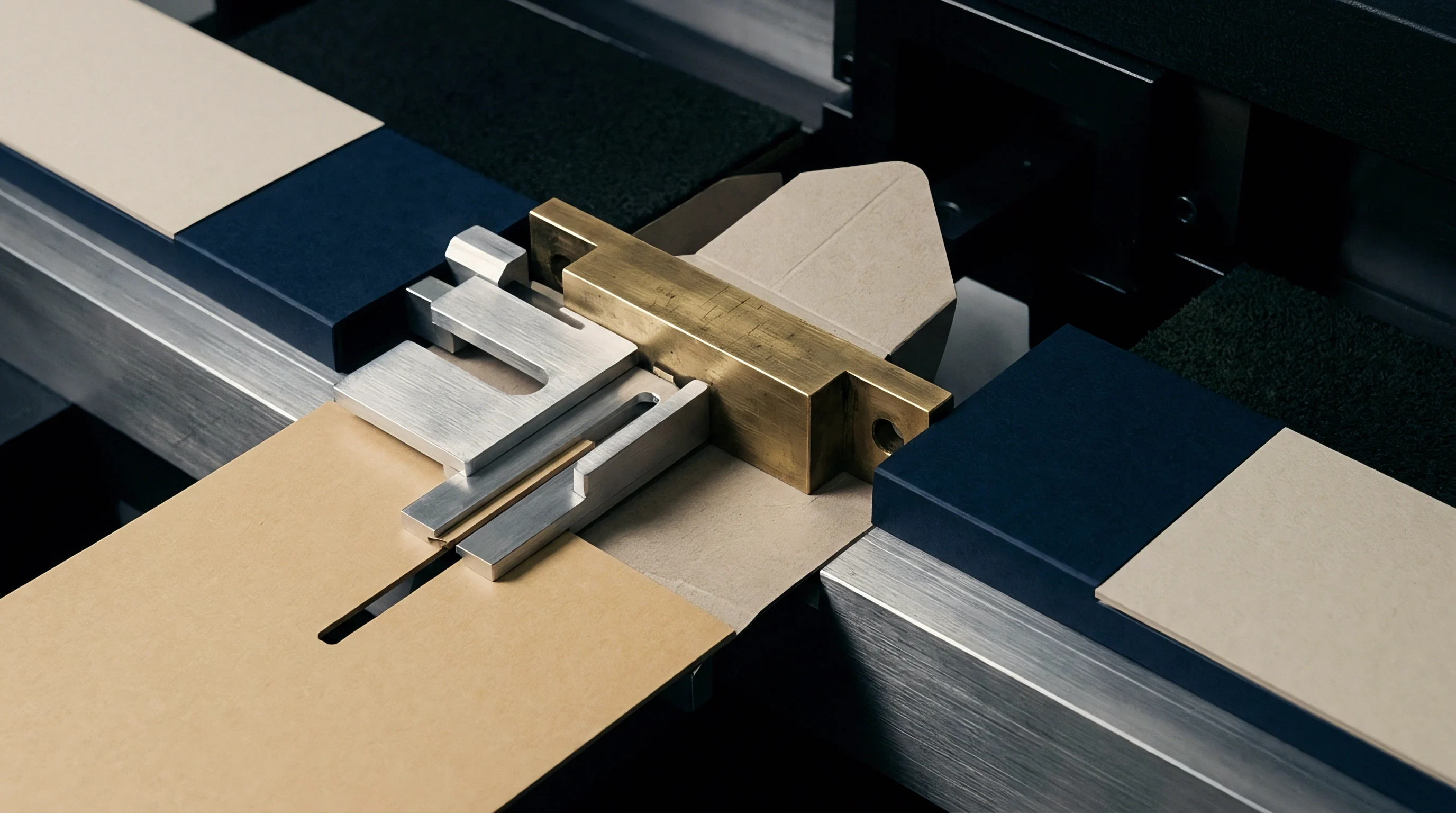
Gradient modeling of z-direction fiber alignment maps orientation across individual web layers, from the top print coating through to the reverse side. Multilayer boards need balanced stiffness profiles to withstand both score cracking and panel dishing. Each individual ply carries its own fiber orientation angle relative to the machine axis, as well as a distinct fiber length and coarseness profile.
Ultrasonic and Optical Orientation Measurement
Measuring tensile stiffness orientation ratios at specific depths shows how paper machine settings affect structural symmetry. Plies are isolated for ultrasonic testing through serial sheet splitting with adhesive tape or microtome sectioning. Ultrasonic pulses travel fastest along the primary fiber alignment within a ply, allowing in-plane elastic modulus tensor components to be calculated from the square of the sound velocity multiplied by ply density.
For surface layers, optical laser scattering offers a non-destructive alternative. A focused circular laser spot aimed at an unprinted surface scatters in an ellipse matching the surface fiber direction, where the ratio of the major to minor axis quantifies surface anisotropy. Comparing these surface optical readings against internal ultrasonic velocity measurements maps the actual z-direction gradient slope through the board.
| Ply Position | Furnish Type | Layer Thickness (µm) | MD/CD Stiffness Ratio | Mean Fiber Angle (deg) | Delamination Energy (J/m²) |
|---|---|---|---|---|---|
| Top Liner | Bleached Softwood/Hardwood Kraft | 45 | 1.35 | 2.1 | 185 |
| Under Layer | Bleached Hardwood Kraft | 35 | 1.60 | 5.4 | 160 |
| Middle Core 1 | Bleached CTMP | 160 | 2.10 | 8.2 | 110 |
| Middle Core 2 | Bleached CTMP | 160 | 2.05 | 7.9 | 115 |
| Back Liner | Unbleached Softwood Kraft | 50 | 1.40 | 3.0 | 195 |
Mathematically, the z-direction alignment gradient expresses fiber angle variance as a continuous function of normalized sheet thickness. High gradient values point to sudden shifts in fiber alignment across ply boundaries. During creasing, these steep gradients generate severe interlaminar shear stress, driving uncontrolled ply separation or fracturing the outer layer.
Micro-mechanical failure modes linked to z-gradient anomalies follow discrete structural breakdown paths:
- Liner Tensile Fracture occurs when the surface ply’s MD/CD stiffness ratio exceeds 1.8, causing cross-machine score lines to snap under light bending strain.
- Interlaminar Shear Splitting stems from sharp stiffness steps across the liner-core interface, driving delamination cracks outside the main creasing groove width.
- Compressive Ridge Buckling develops on the inner fold radius when low-density middle plies lack the compressive yield strength to withstand rule impact without collapsing.
- Coating Flaking and Delamination results from poor anchoring between brittle latex-pigment top coatings and highly anisotropic fiber networks underneath during ninety-degree folds.
Core density governs bending stiffness. If the middle ply’s tensile stiffness orientation ratio exceeds 2.0, the core resists the outward shearing needed to form a clean internal crease bulge. The outer liner is then forced to absorb the entire bending displacement, exceeding its tensile elongation limit, while fiber length sets overall tear energy.
Compliance with ISO 1924-3 tensile stiffness gradient thresholds prevents liner delamination claims during high-speed automated carton erection.
A balanced z-gradient profile requires outer plies to maintain an MD/CD stiffness ratio near 1.3 for isotropic strain resistance. Inner plies can carry higher orientation ratios to boost machine-direction bending stiffness, so long as the transition across layers remains gradual. Abrupt shifts in fiber orientation between adjacent headbox passes leave structural boundaries vulnerable to failure during die-cutting and creasing.
Keeping outer ply anisotropy below strict thresholds ensures uniform strain along score lines, regardless of how carton blanks are oriented on the press sheet.

Headbox
Stock delivery systems on multi-wire board machines set the fiber alignment profile for each layer, with the headbox jet-to-wire speed ratio serving as the main control lever for fiber anisotropy. Running a Fourdrinier or top-wire former at a jet-to-wire ratio of 1.0 produces a nearly isotropic sheet, whereas rush or drag conditions pull suspended fibers into machine-direction alignment.
Multi-Ply Forming and Fiber Suspension Dynamics
Dilute stock suspensions leaving the slice nozzle undergo intense shear before reaching the forming fabric. Shear forces inside the nozzle accelerate flow near the walls, orienting fibers along flow streamlines. On multi-ply machines with dedicated headboxes for each layer, consistency, slice lip settings, and drainage must be managed separately for each ply to control the overall z-direction orientation gradient.
Higher jet-to-wire speed ratios align fibers along the machine direction and increase the likelihood of cross-direction score cracking.
Step-diffuser blocks in modern hydraulic headboxes introduce controlled micro-turbulence to break up fiber networks. Higher turbulence randomizes fiber layout, suppressing the MD/CD anisotropy that drives score cracking. However, excessive turbulence disrupts sheet formation, impairing the basis weight uniformity and surface smoothness required for high-end printing.
- Sample stock from each headbox sampling port during production to measure slurry consistency and fiber length distributions.
- Calibrate jet velocity across all slice zones using high-speed optical Doppler anemometry to verify uniform jet-to-wire ratios across the web width.
- Adjust slice lip micro-actuators to eliminate cross-machine velocity vectors that skew fiber orientation away from the machine axis.
- Modulate vacuum levels on initial dewatering boxes to lock fiber orientation before wire shear can reorient the fibers.
- Monitor the dynamic tensile stiffness orientation profile continuously using wet-end microwave attenuation sensors.
Dewatering rates on top-wire formers directly shape the z-direction gradient. Rapid initial vacuum dewatering locks surface fiber orientation instantly, trapping shear-induced anisotropy from the slice nozzle. In contrast, gradual, double-sided drainage allows fibers to relax, producing a more isotropic surface ply that resists score cracking during conversion, aided by higher moisture levels that temporarily soften fiber bonds.
Failing to control individual headbox jet-to-wire ratios across layers leads to severe sheet curl and localized score rupture, forcing converting plants to drop operating speeds or reject entire shipments.
Tooling
Matrix channel width and creasing rule thickness dictate the mechanical strain placed on board during scoring. Tooling dimensions must align with sheet thickness, grammage, and the specific z-direction fiber profile; improper tooling choices nullify favorable paperboard properties and split outer liners even on board with low surface anisotropy.
What Tool Geometry Offsets High Z Alignment Gradients?
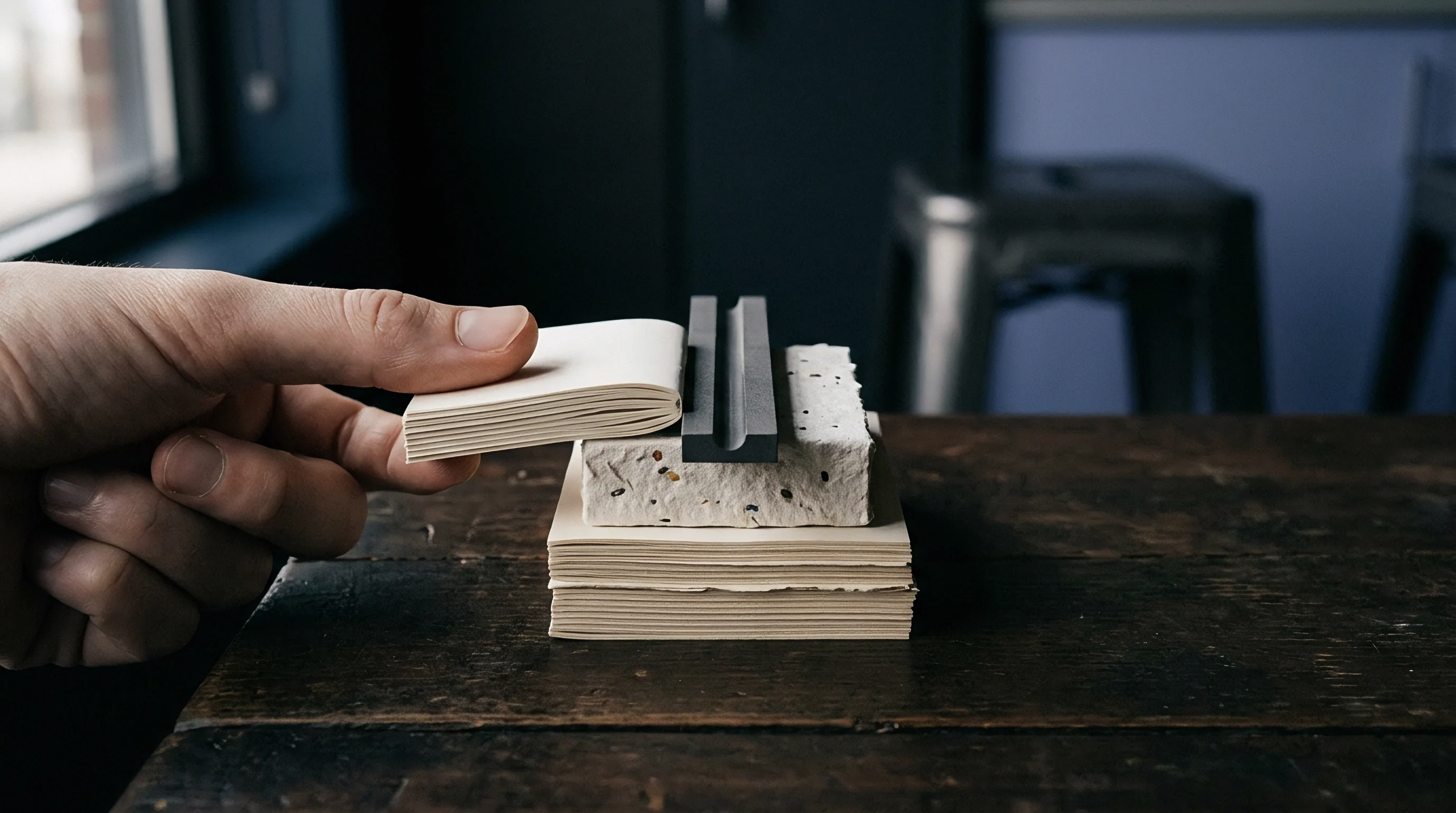
Adjusting matrix groove width relative to board caliper relieves peak tensile strain on highly oriented outer surfaces. While male rule thickness usually matches sheet caliper, groove width expands to accept rule width plus twice the board thickness. For boards with steep z-direction alignment gradients, expanding matrix groove width by ten to fifteen percent lowers maximum outer-fiber stretching by distributing deformation over a wider bend radius.
| Board Caliper (µm) | MD/CD Anisotropy Index | Rule Thickness (pt / mm) | Groove Width (mm) | Groove Depth (mm) | Clearance Ratio (%) |
|---|---|---|---|---|---|
| 300 | 1.2 – 1.4 | 2 pt / 0.71 | 1.30 | 0.45 | 100 |
| 300 | 1.5 – 1.8 | 2 pt / 0.71 | 1.45 | 0.40 | 115 |
| 450 | 1.2 – 1.4 | 3 pt / 1.05 | 1.95 | 0.65 | 100 |
| 450 | 1.5 – 1.8 | 3 pt / 1.05 | 2.15 | 0.60 | 110 |
| 600 | 1.2 – 1.4 | 4 pt / 1.42 | 2.60 | 0.85 | 100 |
| 600 | 1.5 – 1.8 | 4 pt / 1.42 | 2.90 | 0.80 | 112 |
The tip radius of the male creasing rule dictates initial contact stress. A sharp rule profile concentrates shear forces along a narrow line, punching into the top liner instead of initiating internal shear delamination. Conversely, a rounded tip with a radius equal to half the rule thickness distributes forces evenly, encouraging internal core delamination before surface stretch reaches its limit, while score line depth and surface tension influence fold force and delamination behavior.
Creasing tool selection decisions rely on quantifiable substrate inputs and machine velocity metrics:
- Rule Thickness Matching selects male rule point sizes aligned with nominal sheet caliper to establish proper shear plane angles.
- Matrix Channel Expansion widens female groove clearances when converting board with surface stiffness orientation ratios above 1.5.
- Counter-Plate Hardness Selection uses phenolic resin or steel counter-plates to maintain channel geometry across long production runs.
- Penetration Depth Calibration limits rule entry to seventy-five percent of sheet caliper to avoid punching through the reverse liner.
Die-cutter make-ready demands precise penetration calibration. Over-penetration forces the male rule past the sheet’s neutral axis, crushing inner plies and tearing the outer coated liner. Under-penetration fails to trigger internal delamination, leaving a stiff crease that ruptures during ninety-degree folding on packaging lines ~ relying on proper penetration calibrated to sheet caliper so delamination can buffer outer tensile strain.
While wider channel matrices can alleviate score cracking, excessive groove width produces loose, inaccurate folds that jam high-speed packaging equipment.
Specification
Including quantitative z-direction orientation targets in paperboard purchase contracts protects converting lines against sudden score cracking between production lots. Specifications should explicitly link tensile stiffness orientation ratios, bulk, and internal bond strength to guaranteed creasing performance. Buying board based only on basis weight and brightness leaves operations vulnerable to unannounced furnish changes and machine adjustments that compromise cracking resistance.
Economic Yield and Failure Cost Calculations
Comparing virgin mechanical pulp core formulations with recycled middle layers shows how fiber morphology dictates net carton yield. Although recycled fibers reduce raw material costs per metric tonne, shorter fiber lengths and degraded hydrogen bonding lower internal shear strength, narrowing the allowable creasing window.
For example, consider a production run of 500,000 cartons made from 350 GSM folding boxboard at a target caliper of 450 micrometers, running at 400 cartons per minute. Standard virgin CTMP core board costs $1,450 per tonne landed, compared to $1,250 per tonne for a recycled-content substitute, though waste rates often spike during cold runs on the latter.
The lower tensile strain limit of recycled middle plies requires wider creasing channels and slower press speeds to avoid score cracking. The operational costs, spoilage rates, and machine performance for both options are compared below.
| Parameter / Metric | Virgin CTMP Core FBB | Recycled Content Core FBB | Operational Variance |
|---|---|---|---|
| Landed Substrate Cost ($/tonne) | $1,450 | $1,250 | -$200 (-13.8%) |
| Sheet Weight for 500k Cartons (tonnes) | 87.5 | 94.5 (higher density) | +7.0 (+8.0%) |
| Total Substrate Material Cost ($) | $126,875 | $118,125 | -$8,750 (-6.9%) |
| Maximum Converting Speed (cartons/min) | 450 | 320 | -130 (-28.9%) |
| Production Run Press Time (hours) | 18.5 | 26.0 | +7.5 (+40.5%) |
| Press Hourly Machine Rate ($/hour) | $350 | $350 | $0 |
| Total Press Machine Cost ($) | $6,475 | $9,100 | +$2,625 (+40.5%) |
| Score Cracking Spoilage Rate (%) | 0.4% | 3.8% | +3.4% |
| Spoilage Scrap Cost ($) | $533 | $4,834 | +$4,301 (+806.9%) |
| Net Total Cost for Order ($) | $133,883 | $132,059 | -$1,824 (-1.36%) |
The initial raw material savings of $8,750 from purchasing recycled-content board are largely eaten away by slower press speeds and higher spoilage. Net savings collapse to $1,824, while delivery schedules lose seven point five hours to extra press time, and pallet moisture drift can degrade score stiffness. Any converting waste increase beyond three point eight percent completely wipes out the remaining price advantage.
Recycled chemical pulp substitutes in middle plies alter internal bond distribution and compress the allowable scoring depth window.
Quality assurance standards require mill test reports to supply tensile stiffness orientation data for top and bottom plies per ISO 1924-3. Specifying a maximum MD/CD orientation ratio of 1.45 for surface plies ensures enough cross-machine strain capacity to handle ninety-degree folds; board exceeding this limit requires pre-qualification press trials before commercial acceptance.
Contracts should also specify minimum z-direction delamination energy thresholds measured by internal bond testing under ISO 16260 or TAPPI T 569. Keeping internal bond strength between 110 and 150 Joules per square meter guarantees clean core delamination without outer liner cracking or sheet splitting. Substrates outside this range shift financial risk straight to the converter through unscheduled downtime and product returns.