Quantifying Low Migration Acrylate Conversion through Gas Chromatography Mass Spectrometry
Verify acrylate double bond conversion below specific migration limits using splitless GC-MS in SIM mode to quantify residual monomer density on packaging board.

Solvent
Polymerized UV ink films on folding boxboard retain residual unbound monomer trapped within the cross-linked acrylic network. Extracting these unreacted acrylates requires a liquid medium that expands the acrylic matrix without swelling or dissolving the underlying cellulose paperboard fibers. Acetonitrile and ninety-five percent volume-by-volume ethanol serve as primary extraction media in food contact compliance testing.
Dichloromethane provides complete solubility for low-molecular-weight diacrylates, though excessive solvation disintegrates synthetic barrier coatings and leaches background interference compounds into the test solution.
Agitation parameters determine extraction kinetics when isolating monomers like hexanediol diacrylate, dipropylene glycol diacrylate, and trimethylolpropane triacrylate. Ultrasonic bath treatment at forty degrees Celsius for thirty minutes balances lattice expansion against the thermal degradation of volatile acrylate functions. Temperatures exceeding fifty degrees Celsius risk thermally induced polymerization of residual monomers inside the extraction vial, artificially skewing quantified conversion values upward.
Maintaining a precise specimen surface area to liquid volume ratio, typically one hundred square centimeters of printed substrate per fifty milliliters of pure solvent, ensures reproducible recovery rates across variable substrate calipers.
At 40 °C under ultrasonic agitation for 30 minutes, 95% ethanol yields 98.4% extraction efficiency for hexanediol diacrylate from 350 gsm coated folding boxboard.
Substrate composition influences matrix interference during liquid extraction sequences. Clay-coated solid bleached sulfate boards absorb minimal solvent, leaving the liquid extract clean of cellulose fragments. Recycled folding boxboards containing residual fatty acids or rosin sizes require clean-up passes through solid-phase extraction cartridges packed with silica or aminopropyl phases to remove non-acrylic lipophilic components prior to gas chromatographic separation.
| Solvent System | Swelling Index (%) | Polymeric Board Matrix Breakdown | Target Acrylate Recovery Range (%) |
|---|---|---|---|
| Acetonitrile (Pure) | 14.2 | Negligible | 94.5 – 98.2 |
| Ethanol (95% v/v) | 11.8 | None | 91.0 – 95.8 |
| Dichloromethane | 28.5 | Severe Fiber Delamination | 97.8 – 101.4 |
| Acetone | 19.6 | Moderate Coating Dissolution | 93.2 – 97.0 |
Unreacted monomer residue remains permanently locked inside the cured ink skin and cannot migrate into dry food matrices during ambient storage.

Beam
Gas chromatographic separation vaporizes target analytes inside a heated injection port held at two hundred fifty degrees Celsius. Splitless injection mode transfers the vaporized extract onto a capillary column with minimal sample loss, maximizing sensitivity for low-abundance residual monomers. Carrier gas flow rates set to one point two milliliters per minute of ultra-high purity helium push the sample vapor cloud through non-polar or mid-polar stationary phases without inducing column phase bleed.
Chromatographic Ramp and Column Stationary Phase
Non-polar capillary tubes lined with five percent phenyl methylpolysiloxane retain acrylate esters based on boiling point variances. Oven temperature profiling starts at fifty degrees Celsius held for two minutes, followed by a ramp rate of ten degrees Celsius per minute up to three hundred degrees Celsius. This gradual heat escalation separates volatile monofunctional monomers from heavier difunctional and trifunctional acrylate structures.
High-boiling photoinitiator cleavage products, such as two-hydroxy-two-methylpropiophenone, elute separately from target diacrylates, preventing co-elution overlap during detection phase integration.
Splitless gas chromatography injection prevents low-volatility acrylate oligomers from fouling capillary inlet liners during high-throughput verification runs.

Mass Spectrometric Fragmentation Patterns
Impact dissociation at seventy electron volts breaks acrylic ester bonds into diagnostic mass-to-charge ratios. Electron ionization converts eluting acrylates into positively charged fragment ions. The acrylic carbonyl cation produces a dominant peak at mass-to-charge ratio fifty-five, corresponding to the CH2=CH-CO ion structure.
Methacrylate compounds yield a characteristic fragment peak at mass-to-charge ratio eighty-five due to the CH2=C(CH3)-CO ion. Selected Ion Monitoring mode targets these specific fragment ions alongside molecule-specific qualifier ions, eliminating matrix background signals generated by packaging adhesives or board sizes.
Selected ion monitoring enhances detector sensitivity by narrowing the mass analyzer window to predetermined fragmentation pathways. Operating the mass spectrometer in full-scan mode from mass-to-charge ratio thirty to five hundred allows identifying unknown degradation products, while selected ion monitoring focuses energy exclusively on quantifier ions like mass-to-charge ratio fifty-five for hexanediol diacrylate and mass-to-charge ratio eighty-five for trimethylolpropane triacrylate derivatives.
Whether high-energy impact dissociation creates synthetic acrylate fragments from photoinitiator cleavage products during high-temperature injection remains an open question in analytical method validation.

Peak
Quantitation accuracy rests on distinguishing true analyte response from chromatographic background noise. Baseline drift caused by stationary phase column bleed at high temperatures distorts integrated peak area values for late-eluting acrylates like ethoxylated trimethylolpropane triacrylate. Automated integration algorithms apply slope sensitivity criteria to identify accurate peak start and end points, preventing tailing edges from inflating quantified monomer values.
Which Extraction Temperature Minimizes Thermal Acrylate Degradation?
Operating sample preparation baths at forty degrees Celsius yields quantitative recovery without inducing premature monomer polymerization inside test vials. Higher thermal processing triggers free-radical cross-linking among unreacted acrylate groups in solution, dropping detectable monomer peaks below true physical concentrations. Ambient extraction at twenty degrees Celsius avoids thermal polymerization entirely, but matrix swelling efficiency drops, leaving up to fifteen percent of residual monomer trapped within the cross-linked ink film.
Internal Standard Calibration and Signal Noise
Deuterated target compounds added prior to agitation account for volatile analyte losses during sample transfer. Deuterated hexanediol diacrylate acts as an ideal internal standard because its chemical properties match the target analyte while its mass spectrum shifts upward by twelve atomic mass units. Calibration curves built from five concentration points between zero point zero five and five point zero milligrams per liter establish linear detector response with correlation coefficients exceeding zero point nine nine nine.
Inert gas purging reduces surface oxygen inhibition, converting volatile monofunctional monomers into insoluble cross-linked networks before atmospheric exposure occurs.
Chromatographic verification failures stem from baseline fluctuations and matrix co-elution during continuous press monitoring runs:
- Inlet Liner Contamination Non-volatile ink oligomers deposit inside quartz injection liners, causing analyte adsorption and tailing chromatographic peaks.
- Co-Eluting Plasticizer Interference Phthalate plasticizers migrating from packaging adhesives overlap target acrylate retention times, corrupting quantifier ion integration ratios.
- Detector Saturation Overload Concentration levels exceeding linear range bounds flatten peak apexes, producing falsely depressed residual monomer measurements.
- Column Phase Degradation Oxygen exposure at elevated oven temperatures strips stationary phase coatings, causing severe retention time drift across analytical sequences.
Baseline resolution improves when inlet liner maintenance occurs after running heavy resin extracts through capillary columns.

Arithmetic
Conversion ratios connect raw detector response to physical monomer mass remaining on printed substrate surfaces. Calculating fractional double bond conversion requires knowing the initial mass fraction of active acrylate monomers present in the wet ink formulation prior to curing. Post-cure gas chromatography mass spectrometry measures the remaining unreacted monomer mass density expressed in milligrams per square meter of packaging surface.
Conversion Equations for Residual Monomer Mass
Determining double bond consumption involves comparing extracted unreacted esters against initial wet ink film mass fractions. Take a five-color flexographic printing line depositing two point zero grams per square meter of wet ink containing thirty percent by weight hexanediol diacrylate. The initial monomer loading equals six hundred milligrams of hexanediol diacrylate per square meter.
Gas chromatography mass spectrometry analysis of the cured print disc measures a residual monomer concentration of three point six milligrams per square meter. The conversion percentage calculation proceeds directly:
Conversion Percentage = ((600 mg/m² – 3.6 mg/m²) / 600 mg/m²) 100 = 99.4%
Increasing ultraviolet curing energy from thirty-five millijoules per square centimeter to eighty millijoules per square centimeter drops residual hexanediol diacrylate from twelve point zero milligrams per square meter to zero point nine milligrams per square meter. Acrylate double bonds react under irradiation.
Annex I of EU Regulation 10/2011 restricts specific migration of hexanediol diacrylate to 0.05 mg/kg, forcing lot rejection when residual monomer density exceeds 0.008 mg/m² on printed board.
- Punch circular test specimens measuring exactly one hundred square centimeters from cured print samples using a precision board cutter.
- Place test specimens into glass extraction vials and add exactly twenty milliliters of acetonitrile containing deuterated internal standard.
- Seal vials with PTFE-lined septa and submerge in an ultrasonic bath held at forty degrees Celsius for thirty minutes.
- Filter liquid extract through a zero point two micrometer PTFE syringe filter into auto-sampler vials.
- Inject one microliter into the gas chromatograph mass spectrometer running in selected ion monitoring mode.
- Calculate residual monomer density in milligrams per square meter using the internal standard response ratio curve.
| Mercury Lamp Energy (mJ/cm²) | Double Bond Conversion (%) | Residual HDDA Density (mg/m²) | Calculated Specific Migration Potential (mg/kg) |
|---|---|---|---|
| 25 | 94.20 | 34.80 | 0.580 |
| 40 | 98.10 | 11.40 | 0.190 |
| 60 | 99.35 | 3.90 | 0.065 |
| 80 | 99.85 | 0.90 | 0.015 |
| 110 | 99.96 | 0.24 | 0.004 |
Purchase agreements specifying DIN EN 13130 compliance change the legal delivery point from press discharge to verified laboratory clearance certificates.
Limits
Regulatory frameworks governing food contact paperboard specify strict specific migration maximums for unreacted acrylate monomers. European Commission Regulation 10/2011 and Swiss Ordinance 817.023.21 establish legal thresholds for chemicals migrating from non-food-contact surfaces into food simulants. Monomers lacking specific toxicological evaluations fall under the default restriction of ten parts per billion, equivalent to zero point zero one milligram of substance per kilogram of packaged foodstuff.
Residual monomer migrates into dry food.
Specific Migration Thresholds in Food Contact
European compliance rules establish a default ceiling of ten parts per billion for un-evaluated chemical substances. Monomer structure directly dictates individual specific migration limits. Hexanediol diacrylate carries a specific migration limit of zero point zero five milligrams per kilogram, while tripropylene glycol diacrylate operates under a restriction of zero point zero one milligram per kilogram.
Achieving compliance requires double bond conversion values exceeding ninety-nine point nine percent on packaging lines producing direct or indirect food wraps.
Set-off Mechanics in Stacked Carton Blank Stocks
Pressure inside tight rewind rolls forces uncured surface chemistry onto the unprinted reverse side of packaging board. This physical transfer, termed set-off migration, bypasses functional polymer barriers because the contaminated reverse board face touches food directly after carton forming. Maintaining residual monomer levels below zero point zero one milligram per square meter prevents set-off contamination during high-density pallet stacking.
Over-curing brittle coatings creates micro-cracks. Set-off transfers monomer during storage.
Converter quality control systems evaluate multiple packaging line variables to ensure regulatory migration compliance:
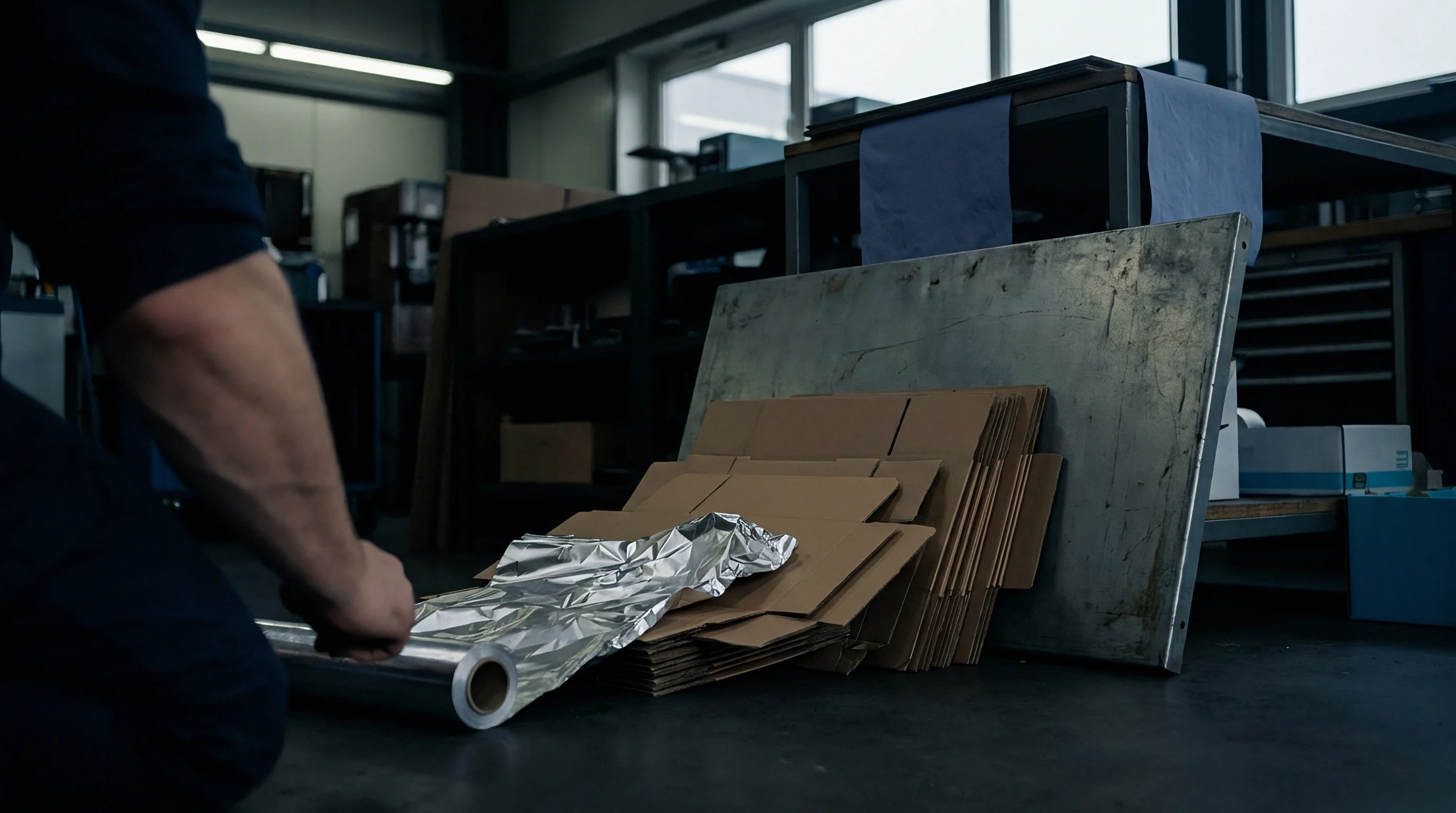
- Substrate Barrier Integrity Pinholes in aluminum foil or ethylene vinyl alcohol layers allow volatile acrylate vapor penetration into food cavities.
- Stacking Pressure Parameters Pallet load heights exceeding two meters increase reverse-side set-off transfer rates on unvarnished folding board.
- Photoinitiator Package Residuals High-molecular-weight polymeric photoinitiators reduce cleavage fragment migration compared to low-cost monomeric alternatives.
- Simulant Test Exposure Modified polyphenylene oxide matrix exposure at forty degrees Celsius for ten days simulates long-term dry food storage contact.
Distributing non-compliant food packaging triggers product recalls, inventory quarantine, and total forfeiture of converter accreditation with retail brand owners.
Toll
Commercial converter margins depend on balancing line speed against energy consumption in UV curing units. Running ultraviolet lamps at maximum electrical output raises surface temperature, causing paperboard moisture loss and curl while consuming substantial power. Optimizing photoinitiator concentration alongside inert gas purging achieves targeted double bond conversion without accelerating web degradation.
Unit Economics of Nitrogen Inerting and Curing Speed
Purging curing chambers with inert gas reduces photoinitiator dosage needs while doubling line throughput rates. Oxygen molecules at atmospheric concentrations scavenge free radicals, terminating acrylic polymer chain growth at the wet ink surface. Displacing oxygen with nitrogen gas down to concentrations below two hundred parts per million eliminates surface inhibition.
Line speeds increase from one hundred meters per minute to two hundred fifty meters per minute while maintaining residual monomer levels below regulatory limits. Energy costs scale with web width.

Spoilage Ledger for Non-Compliant Packaging Batches
Scrapping fifty thousand sub-specification folding cartons consumes profitability across four subsequent production runs. Inadequate cure identified post-conversion forces complete inventory destruction because unreacted acrylates cannot be cross-linked retroactively once stacked or finished. Continuous offline gas chromatography mass spectrometry verification catches cure drift within fifteen minutes of press bring-up, capping make-ready waste at minimum scrap thresholds.
Uncured resin ruins board recycling streams. Laboratory proofing rarely mirrors web speed.
| Cure Profile System | Web Speed (m/min) | Energy Consumption (kWh/1000 m²) | Nitrogen Consumption (m³/h) | Annual Operating Cost Index |
|---|---|---|---|---|
| Standard Air / Medium Pressure Mercury | 110 | 185.0 | 0.0 | 100.0 |
| High Energy Air / Iron Doped Mercury | 140 | 240.0 | 0.0 | 118.5 |
| Nitrogen Inerted / Medium Pressure Mercury | 260 | 115.0 | 42.0 | 88.2 |
| LED UV (395 nm) / Nitrogen Inerted | 280 | 45.0 | 38.0 | 74.6 |
Nitrogen gas injection at oxygen concentrations below two hundred parts per million reduces photoinitiator requirements by forty percent while suppressing acrylate volatilization across high-speed packaging runs.