
Optimizing Folding Boxboard Structural Stiffness for High Speed Retail Packaging
Optimizing folding boxboard stiffness requires balancing BCTMP core bulk with chemical pulp outer layers to maximize moment of inertia at target carton speeds.
Optimizing folding boxboard stiffness requires balancing BCTMP core bulk with chemical pulp outer layers to maximize moment of inertia at target carton speeds.
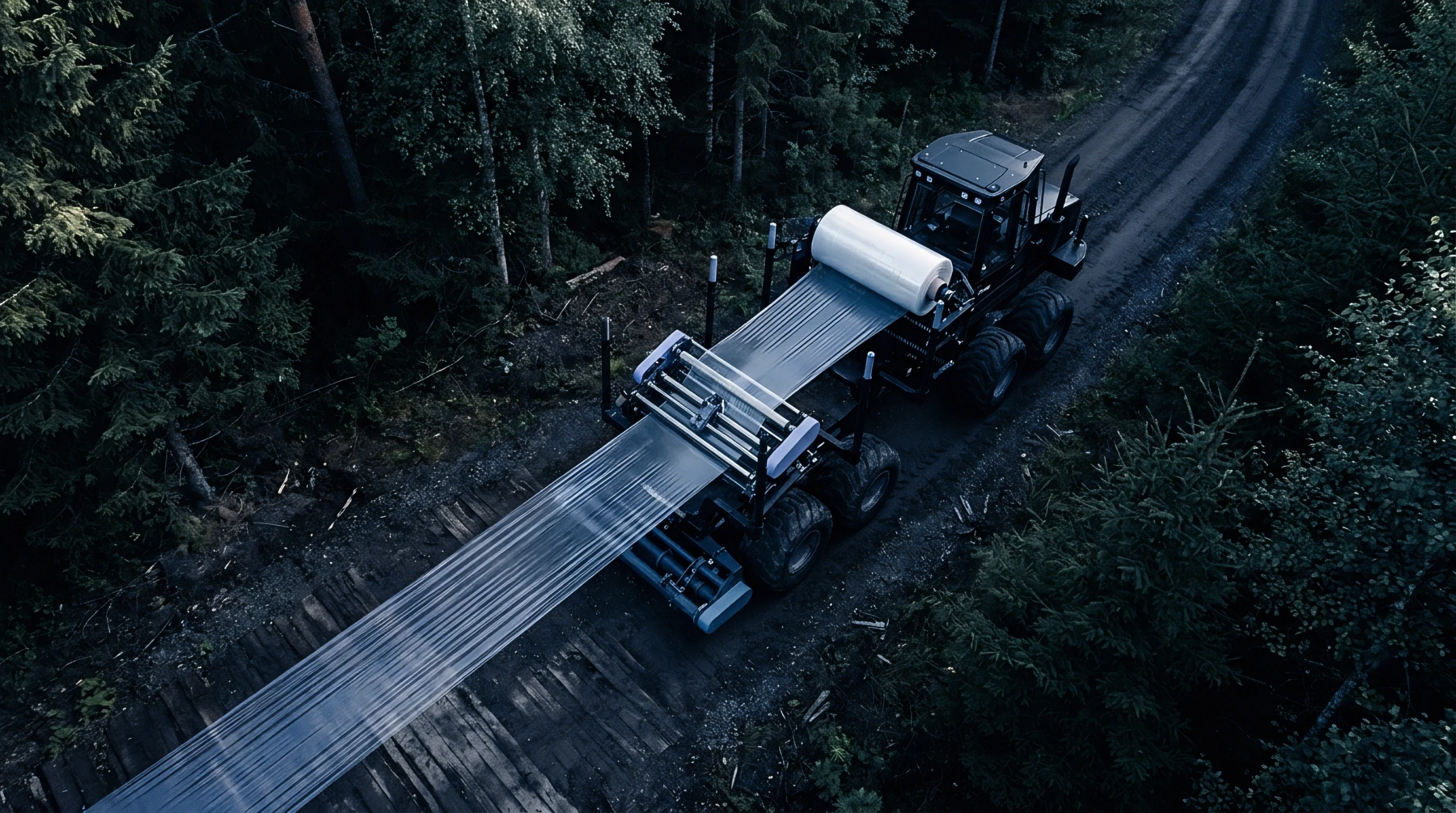
Matrix depth ratios dictate counter-die selection by balancing polymer yield strain against substrate compaction to preserve layer integrity under pressure.

Dynamic crease stiffness reduction ratios must be evaluated under operational strain rates of 1000°/s to 5000°/s to prevent high-speed cartoning line jams.
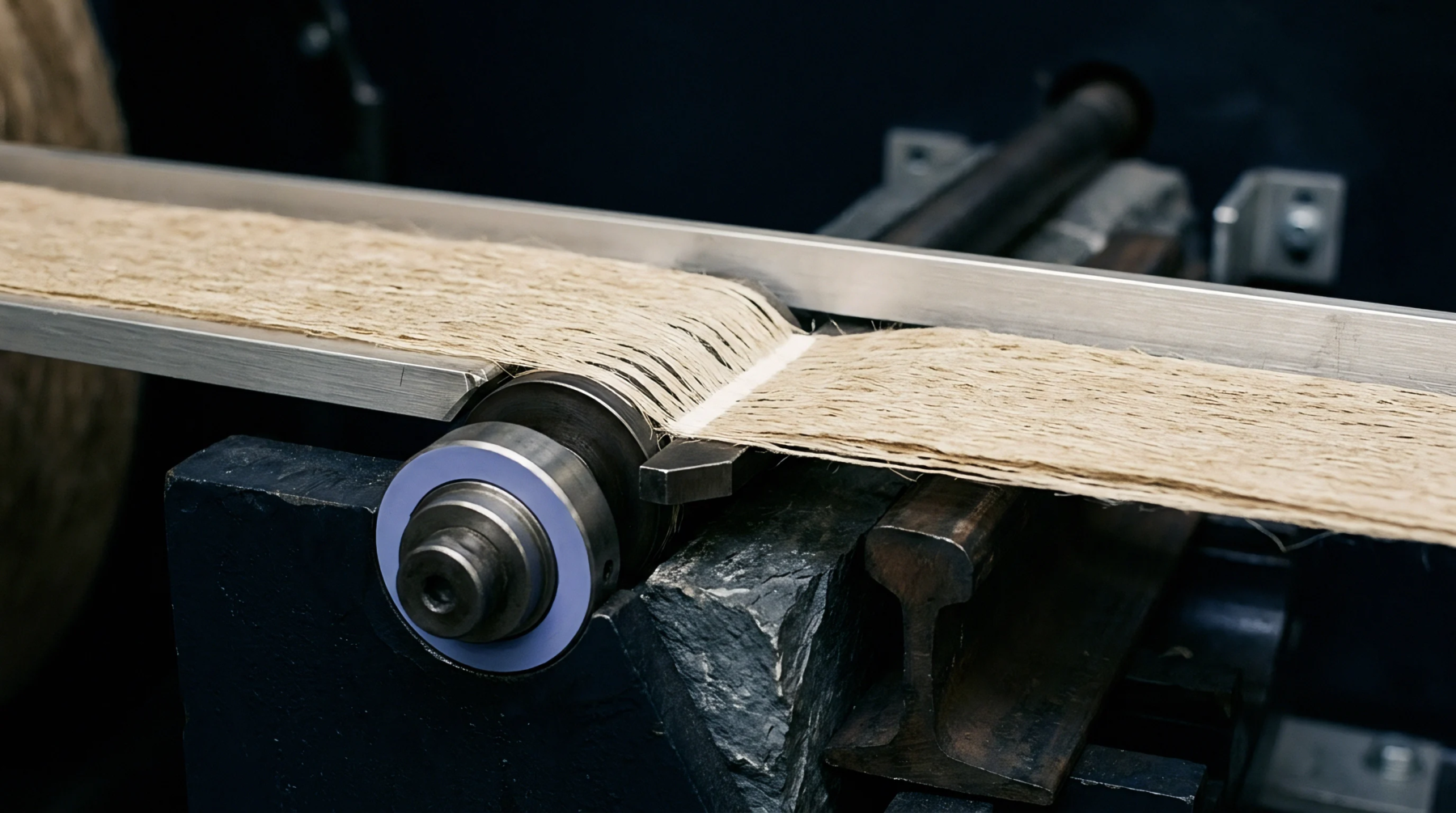
Inline blue laser triangulation measures paperboard surface topography at high speeds by overcoming fiber light penetration and isolating mechanical flutter.
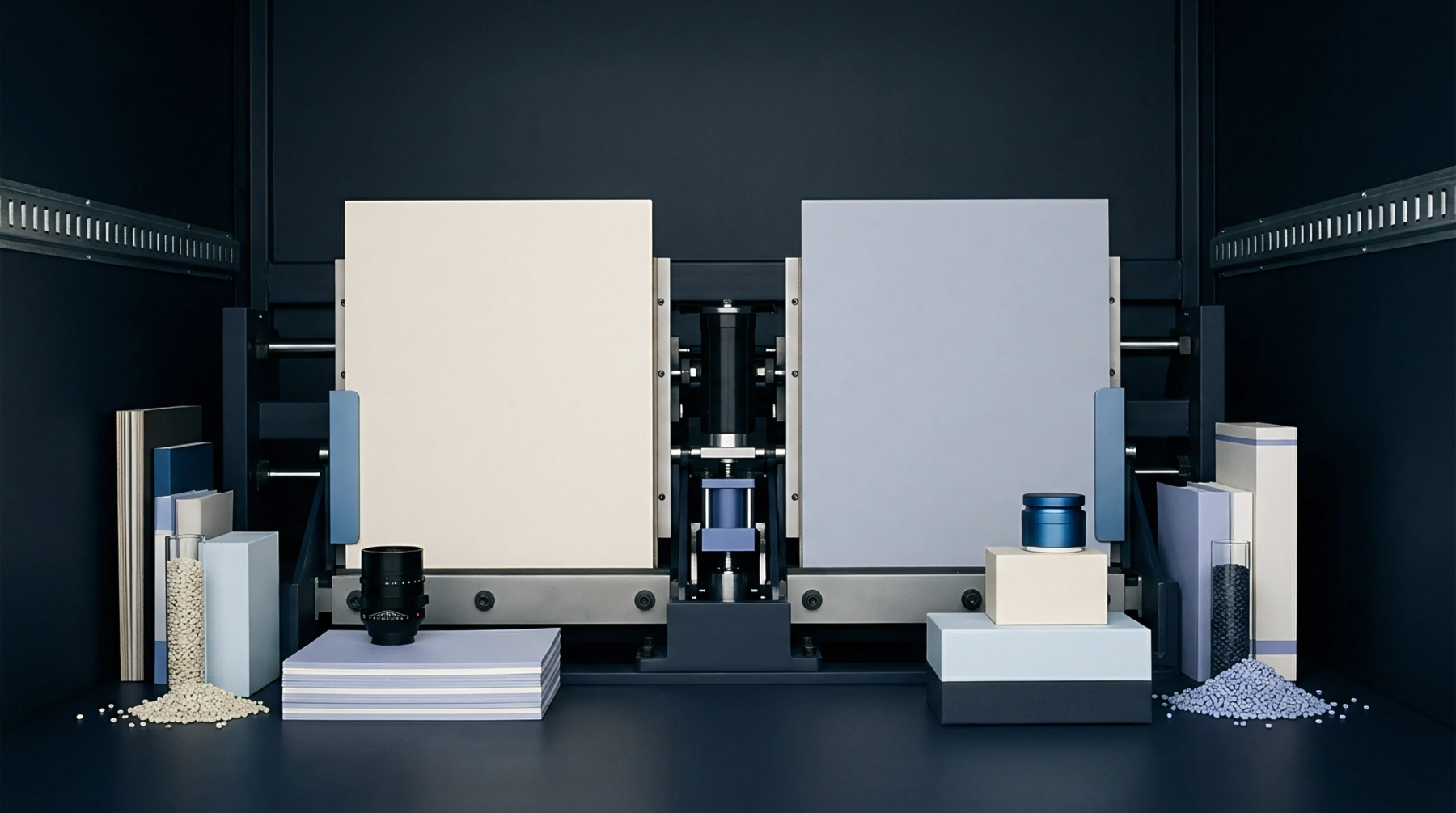
High strain shear during boxboard creasing causes polymer film micro fractures when local elongation exceeds film yield capacity along the outer bend radius.

Recycled paperboard verification requires valid chain of custody certificates, mass balance ledgers, and lab migration test reports to clear retail compliance.
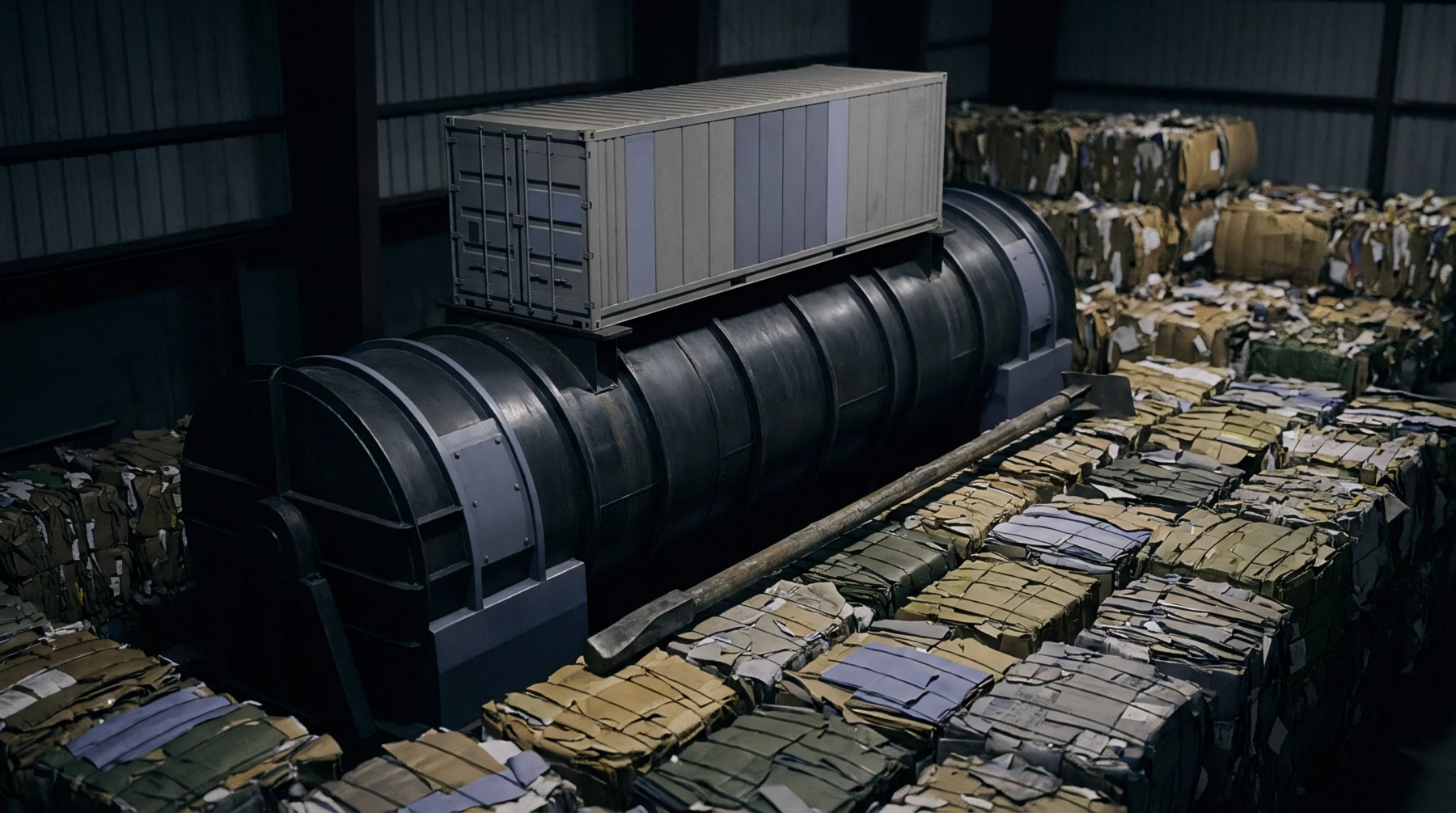
Paperboard loses up to sixty percent of top-load compression strength in high humidity due to transverse fiber swell and mechano-sorptive creep decay.
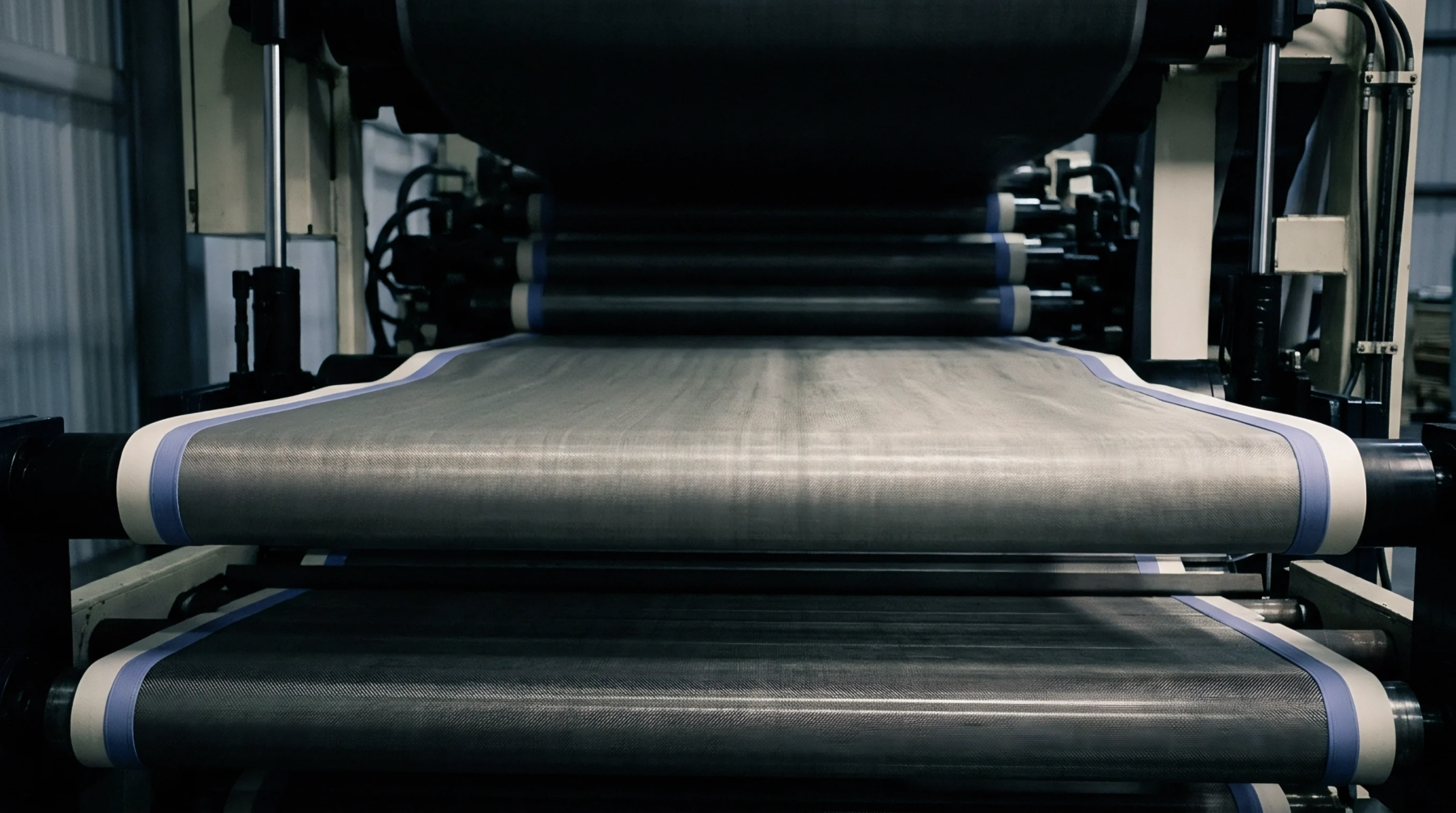
Moisture-gradient calendering plasticizes outer chemical skins while keeping mechanical cores dry, maximizing FBB bending stiffness and yield.

Counter matrix channel width equals creasing rule thickness plus 1.5 to 1.7 times board caliper under ISO 534 conditioning to optimize delamination.

Dynamic thermal expansion in heated brass chases requires prepress inverse scaling, zoned heat control, and controlled counter patching to prevent misregister and board hysteresis.
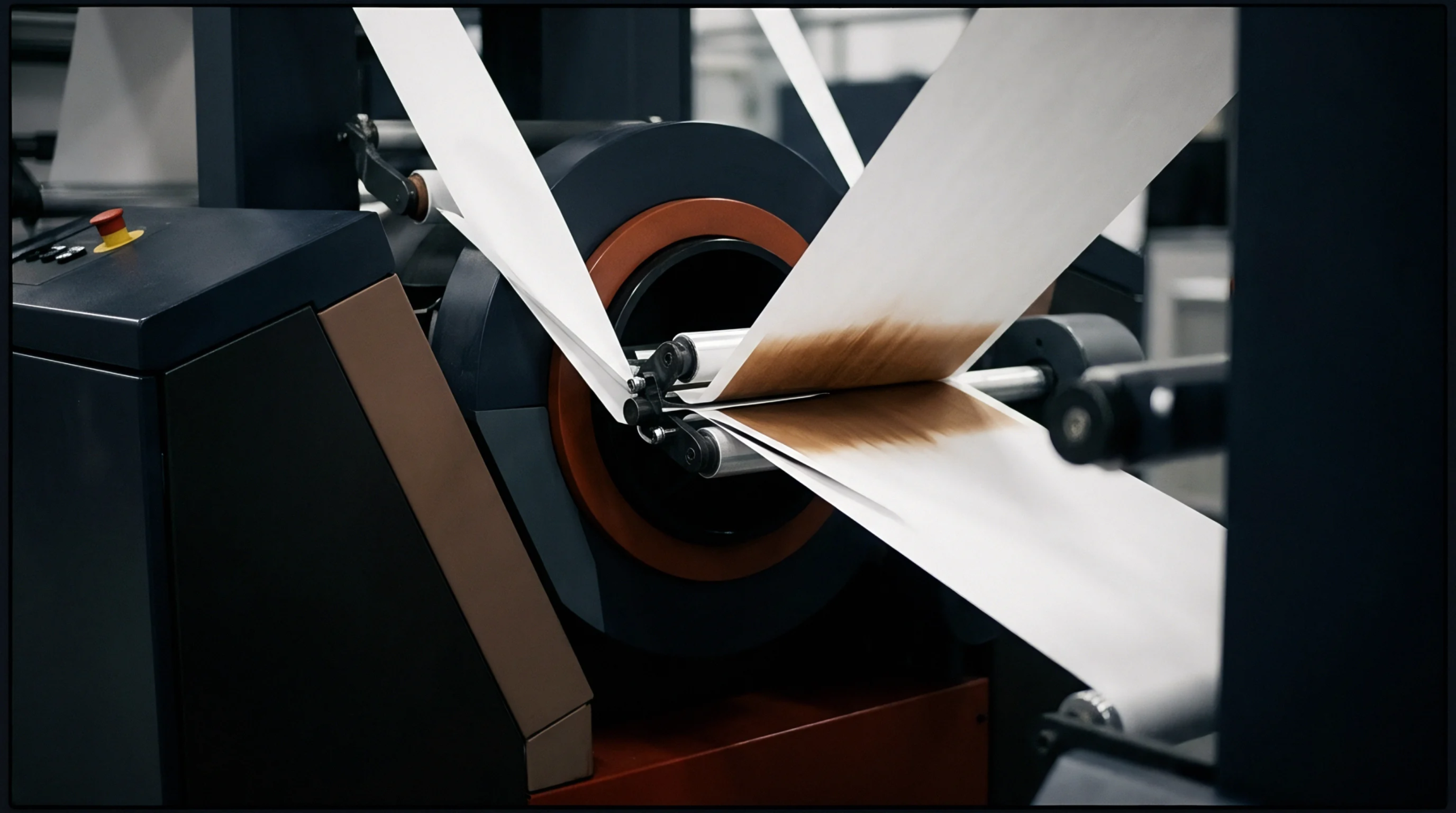
Active dual-beam telecentric triangulation eliminates web flutter noise by maintaining constant optical magnification and canceling out-of-plane displacement in real time.

Select matrix channel width equal to 1.5 times board caliper plus creasing rule thickness to achieve controlled internal ply delamination without liner cracking.
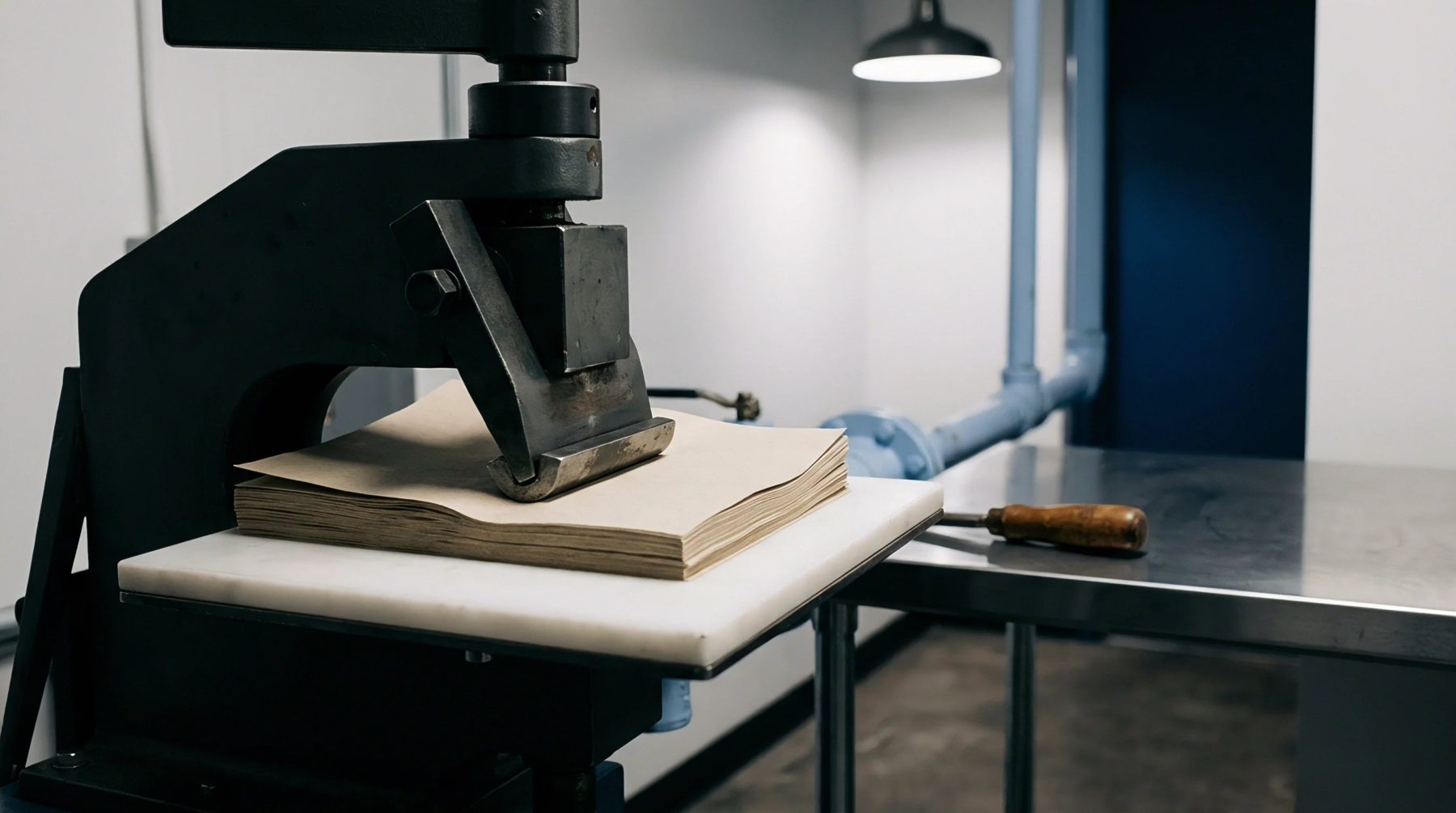
Piezoelectric stress wave monitoring detects cartonboard score cracking in real time by capturing high-frequency elastic strain transients at rotary die nips.
Volatile hydrocarbon qualification in recycled paperboard requires Tenax gas phase migration testing and LC-GC-FID analysis to verify MOAH levels below 0.15 mg/kg.
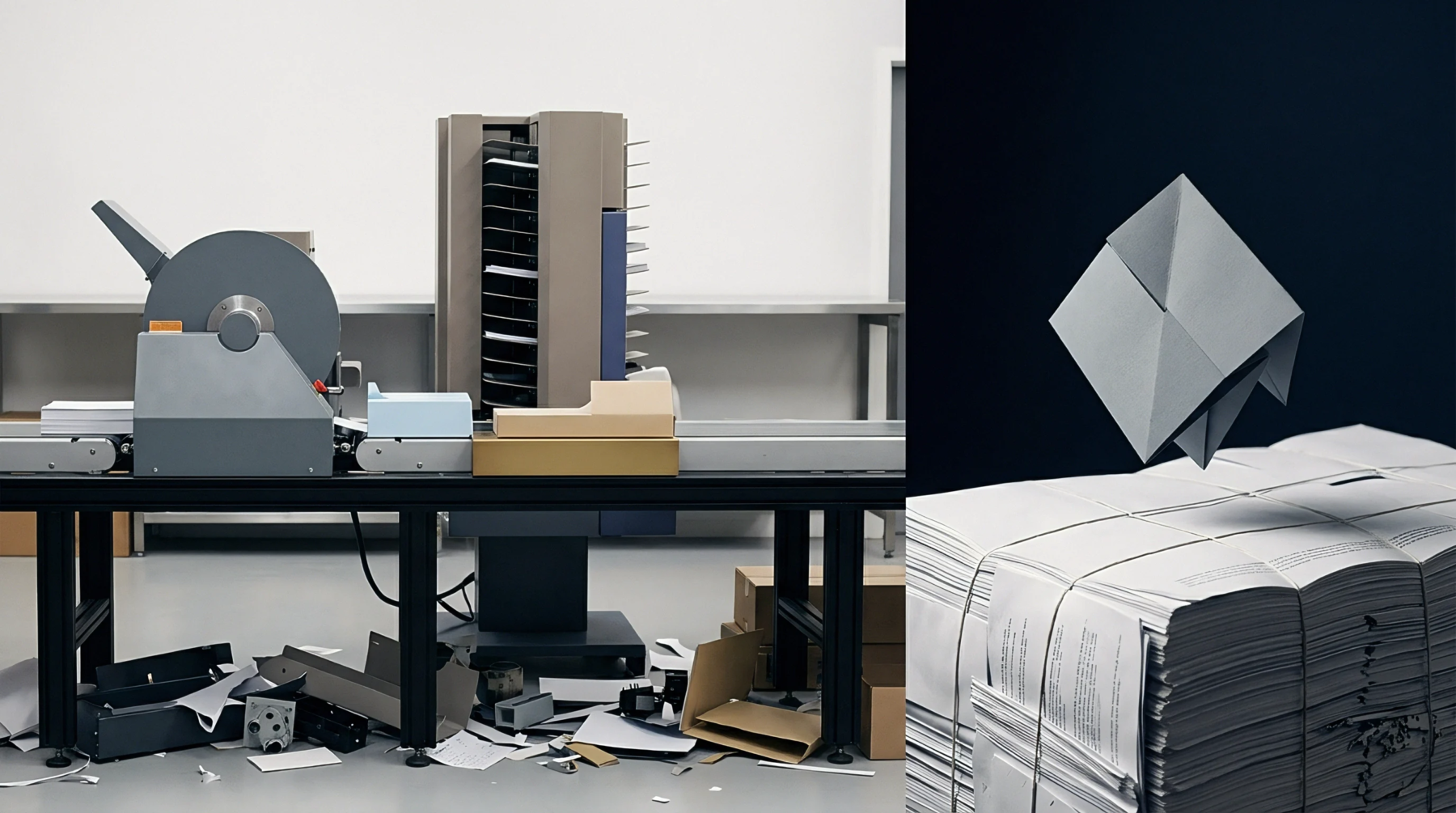
Substrate core thermal expansion limits dictate sheet dimensional stability, requiring precise thermal control to prevent misregister and bimetallic warp.
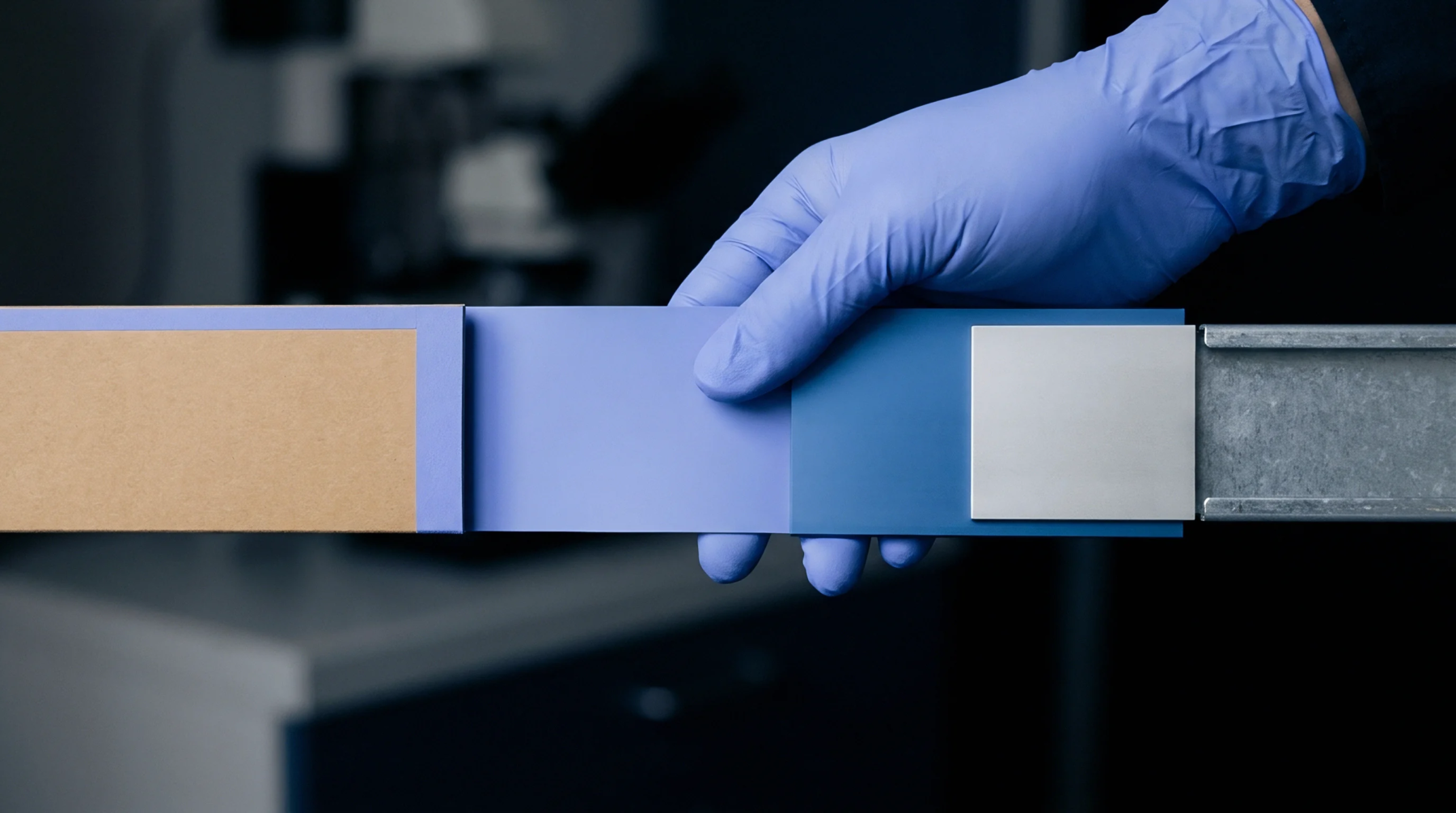
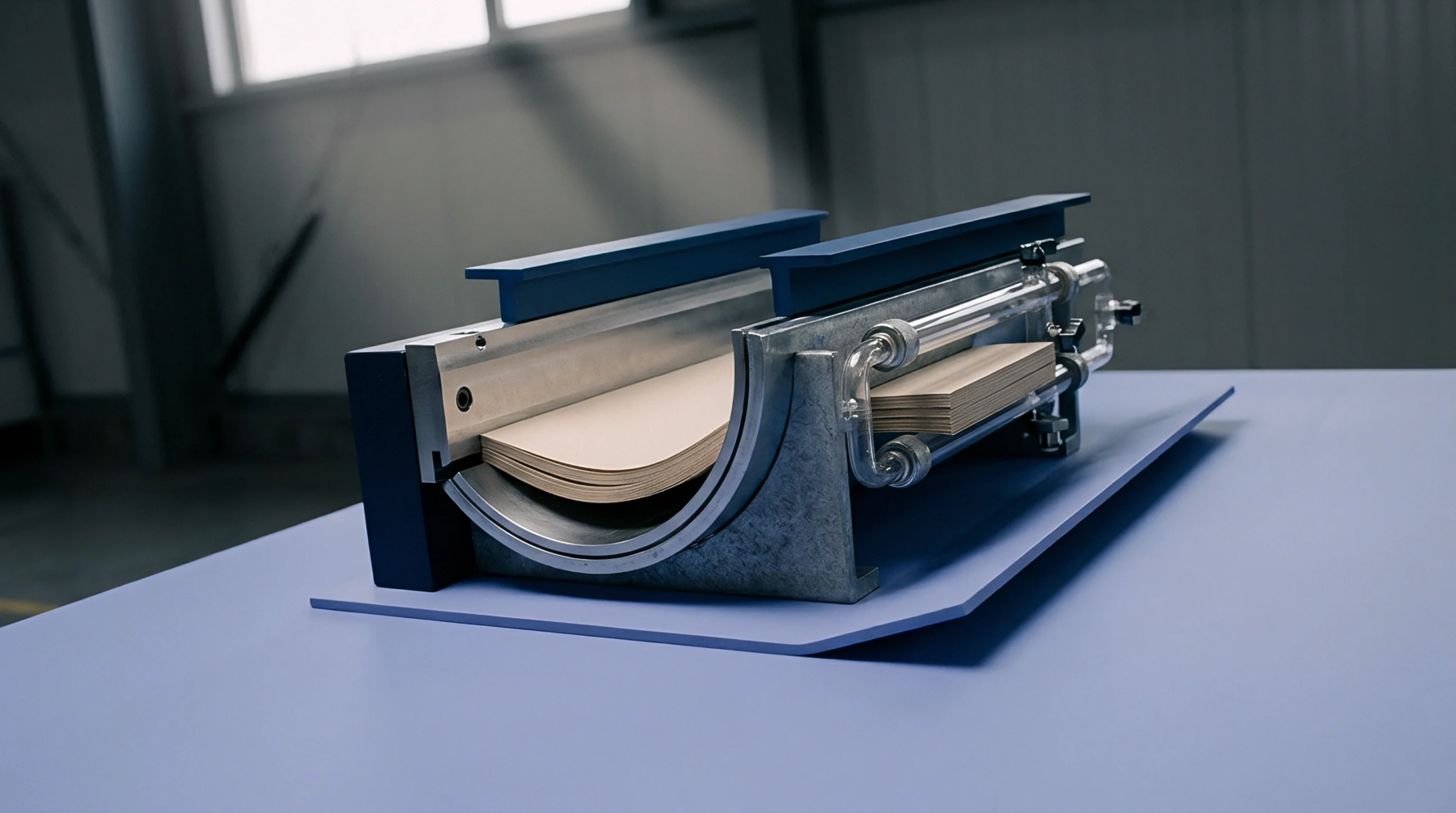
Calculate crease rule height by subtracting compressed board caliper from cutting rule baseline, sizing matrix width to rule thickness plus 1.5 to 1.8 times board thickness.

Paperboard credit systems balance financial ledgers rather than physical fibers, requiring buyers to separate administrative certificates from batch fiber testing.
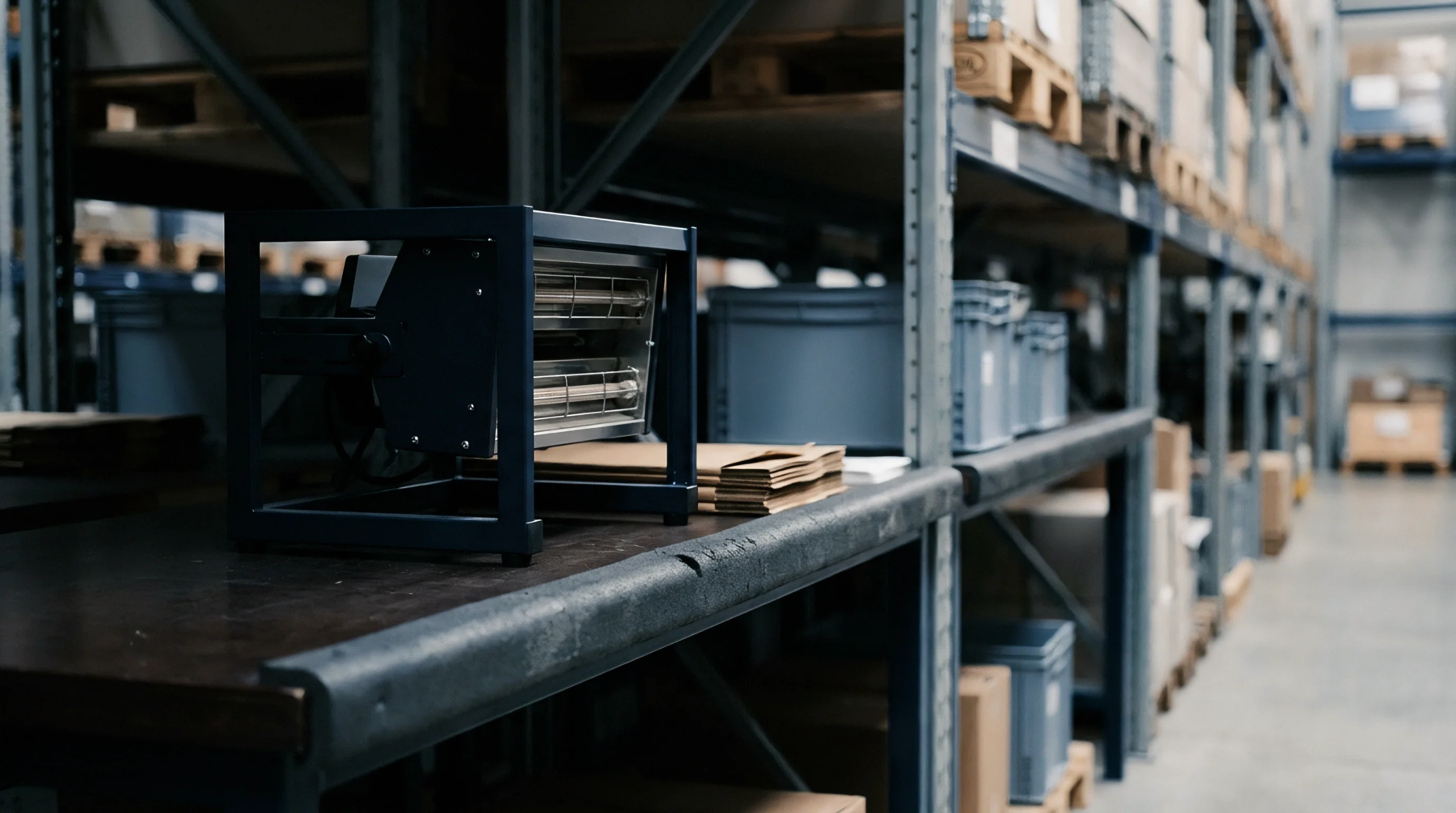
Unheated warehouse storage alters boxboard moisture equilibrium, inducing wavy edges and core bond loss; thermal acclimation before press release prevents spoilage.
Imposition layouts that nest cartons across grain directions reduce parent sheet trim but induce bimodal stiffness variance and high-speed feeder jams.

Landed sheet cost calculations require combining imposition trim, setup spoilage, moisture-adjusted mass, tare deductions, and scrap credits per unit.

Predicting downgauged boxboard creep buckling under cyclic tropical humidity requires integrating mechano-sorptive strain compliance into structural failure models.
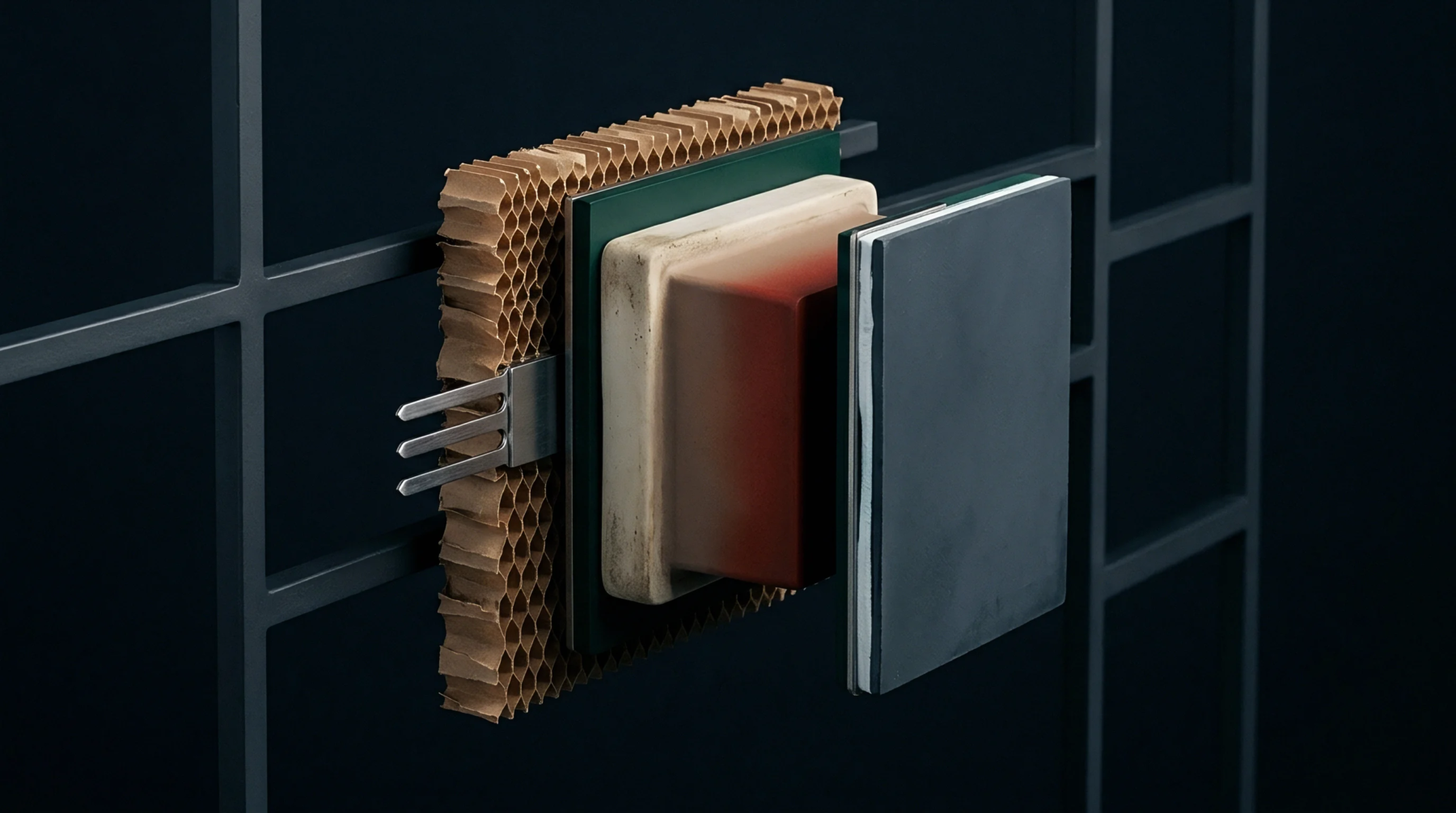
Optimizing CTMP core sulfonation and bulk yields lower grammage boxboard that maintains flexural rigidity while reducing landed carton cost.
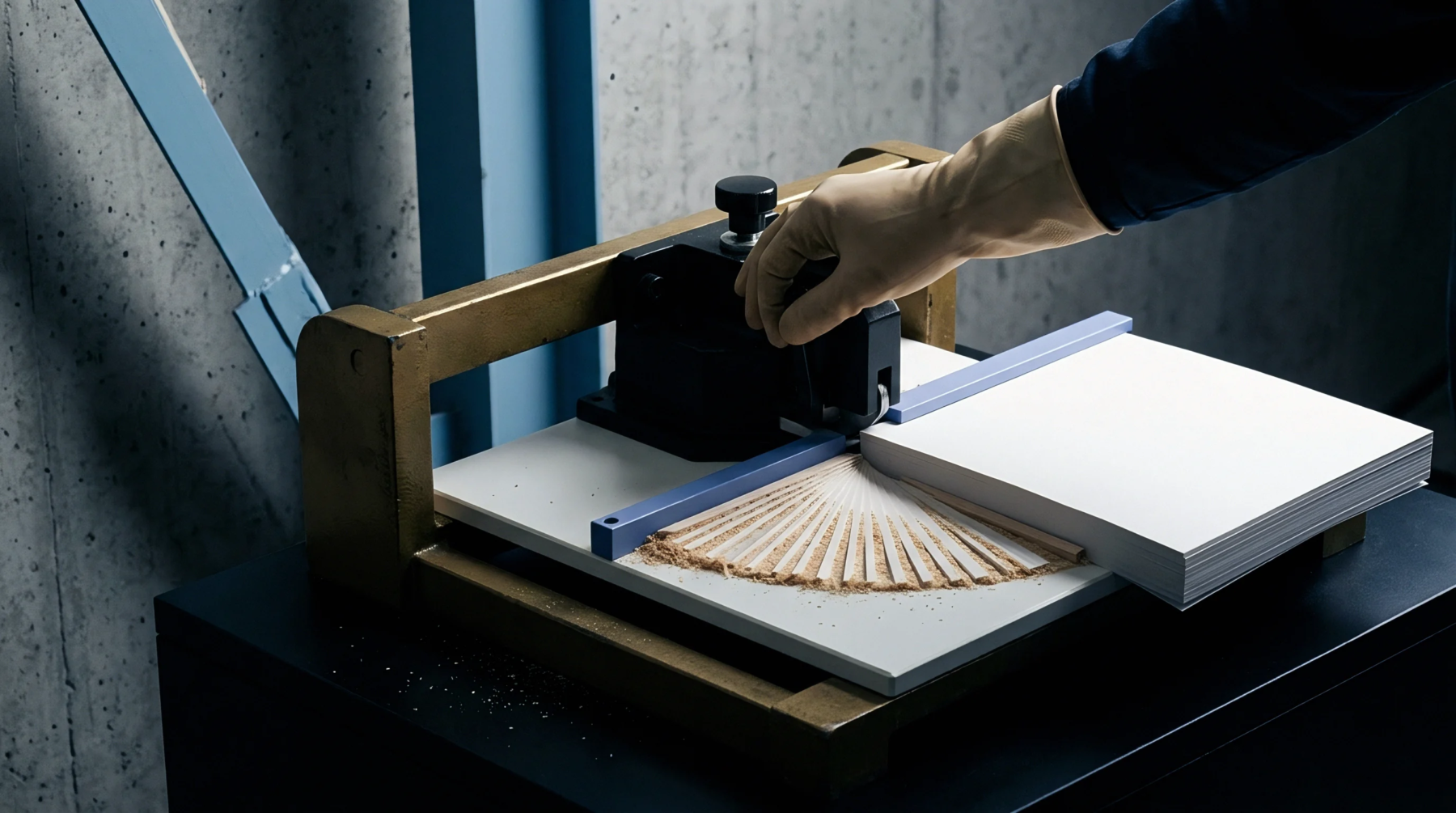
Preserving folding boxboard bending stiffness during weight reduction relies on maintaining mechanical core bulk while elevating outer ply elastic modulus.
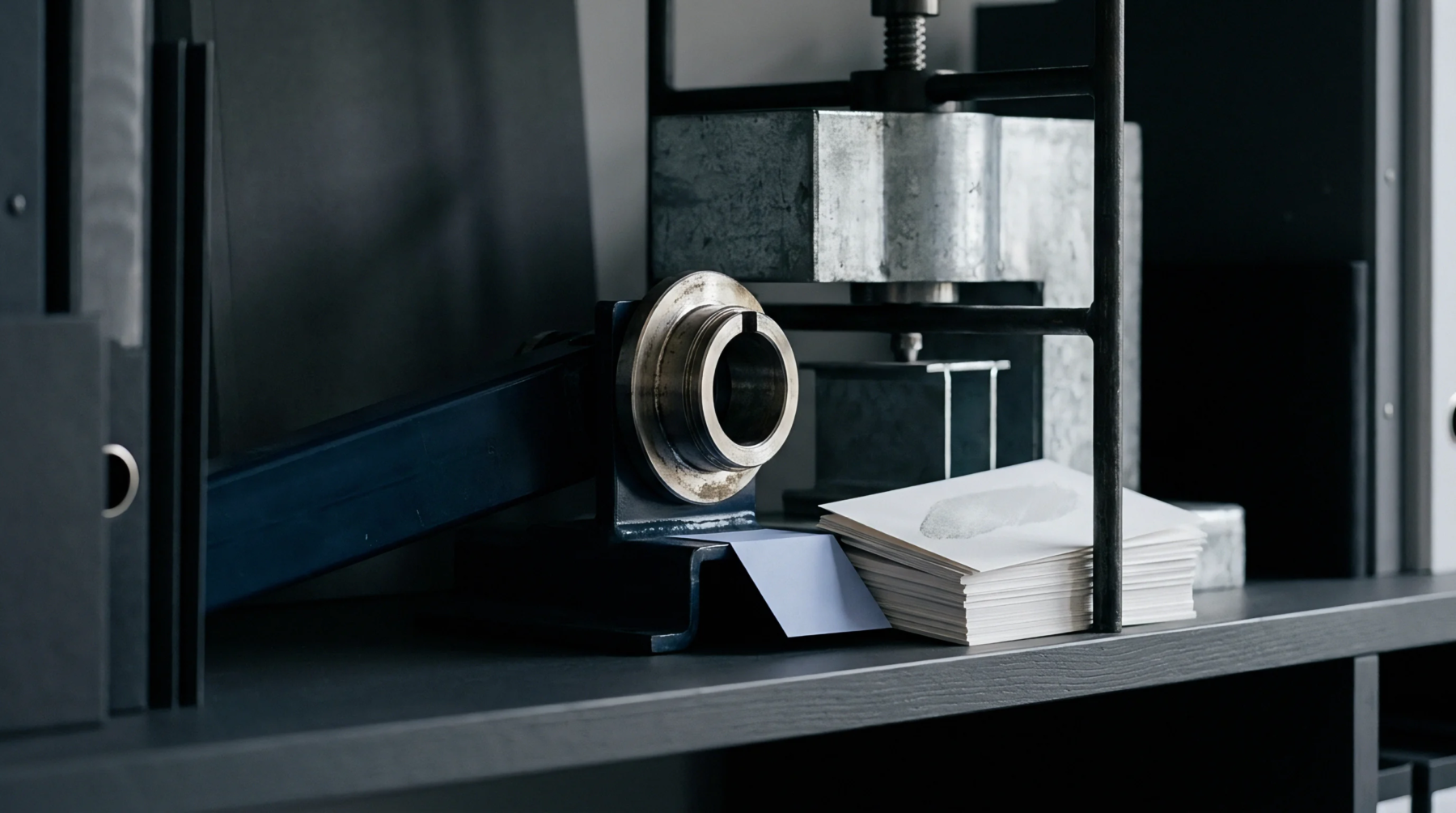
High strain rate board creasing requires matching tool clearance to middle-ply shear yield to prevent surface fracture.

Non-contact optical gauges eliminate mechanical board compression on high-speed lines, enabling tighter cross-machine caliper targets and reduced fiber mass.

Paperboard fiber ratio auditing requires pairing ISO 9184 Graff C microscopic stain counts with EN 16995 chemical marker testing and mass-balance credit ledgers

Converting yield audits require deducting CAD layout die-trim and setup waste from certified raw board inputs to prevent illegal over-allocation of packaging credit ledgers.

Verify certificate status against public scope schedules to ensure product group codes, grammages, and converting sites explicitly cover every delivered batch.
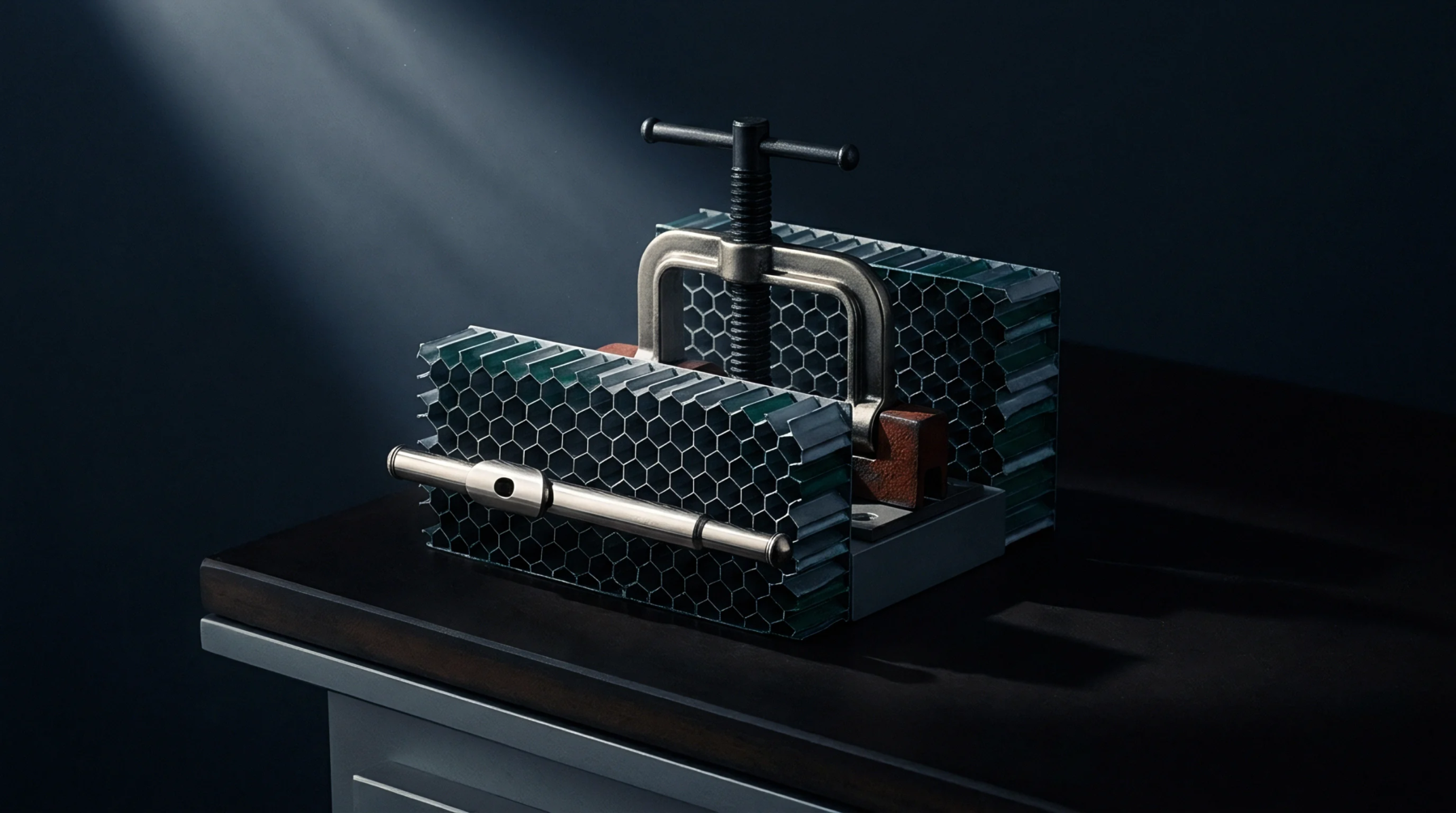
Downgauging folding boxboard demands increasing core bulk and outer ply elastic modulus to preserve caliper and bending stiffness under McKee formula laws.

Barrier coated folding boxboard converting demands female matrix channels widened to one point seven times caliper to prevent micro-fissuring.
Expertise is a utility, not a secret. sentiention™ publishes its working knowledge as open reference: intelligence layer covering the materials it sources, the markets it enters, and the reference that serves both.