Caliper Profile
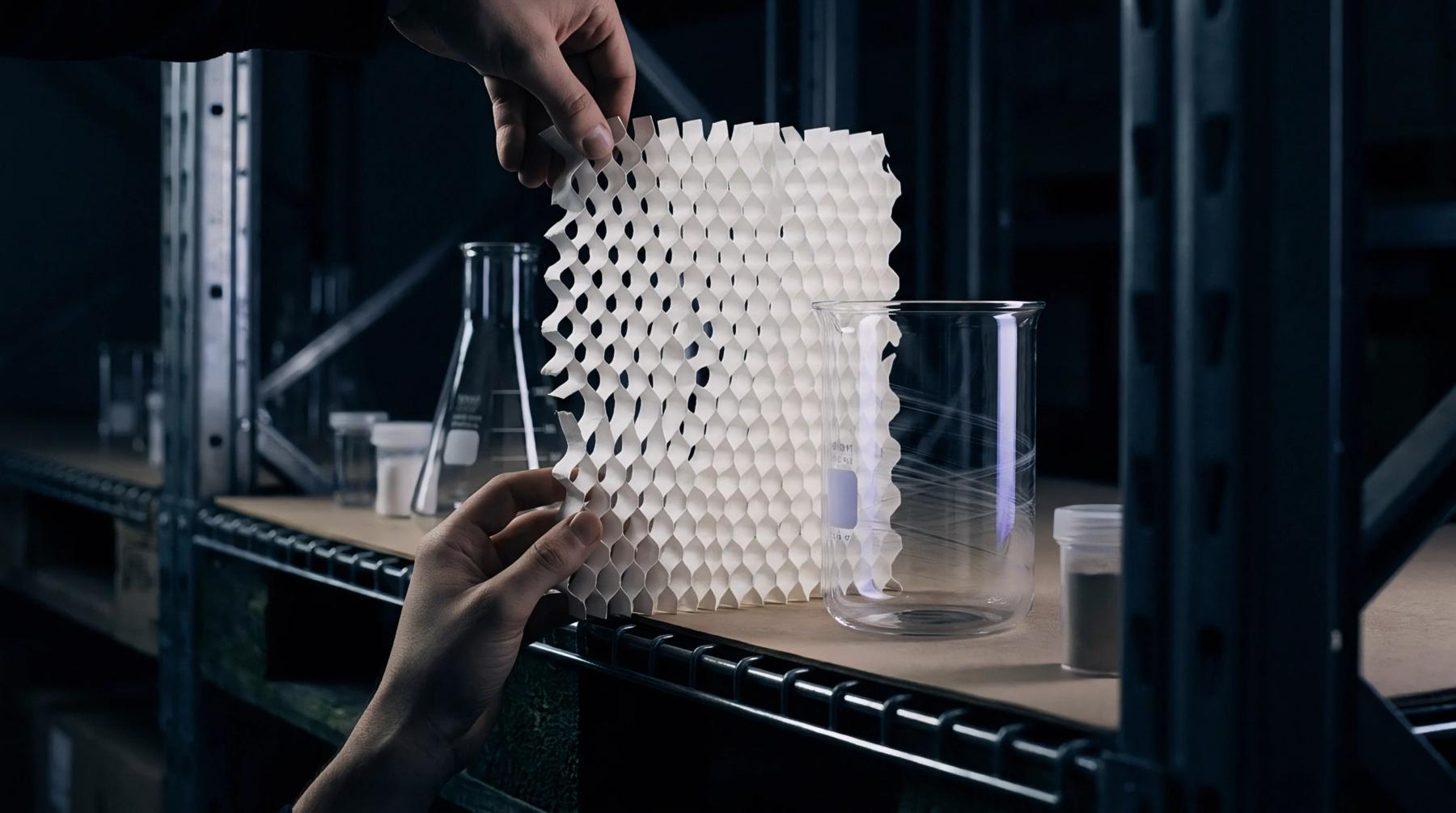
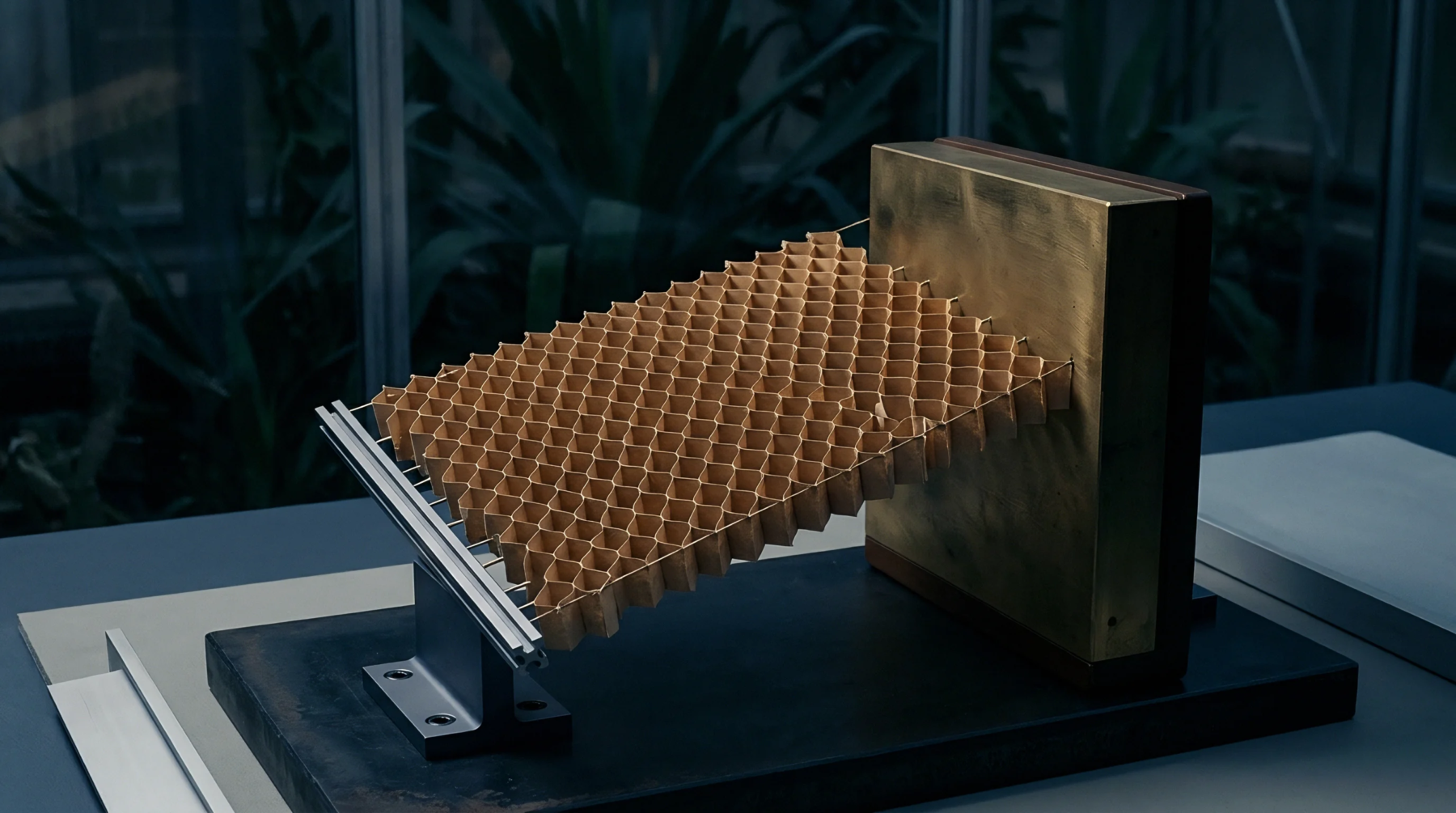
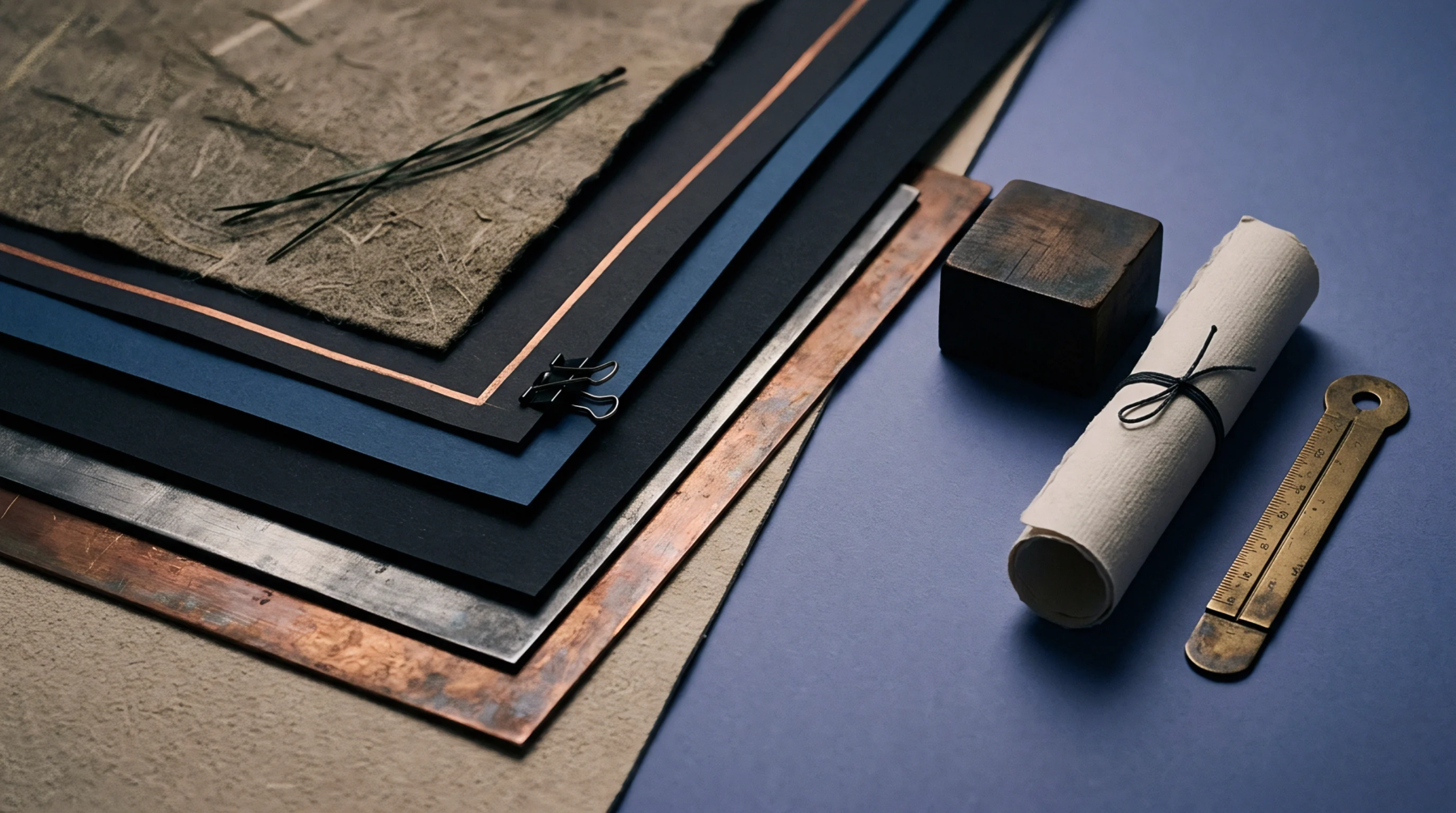
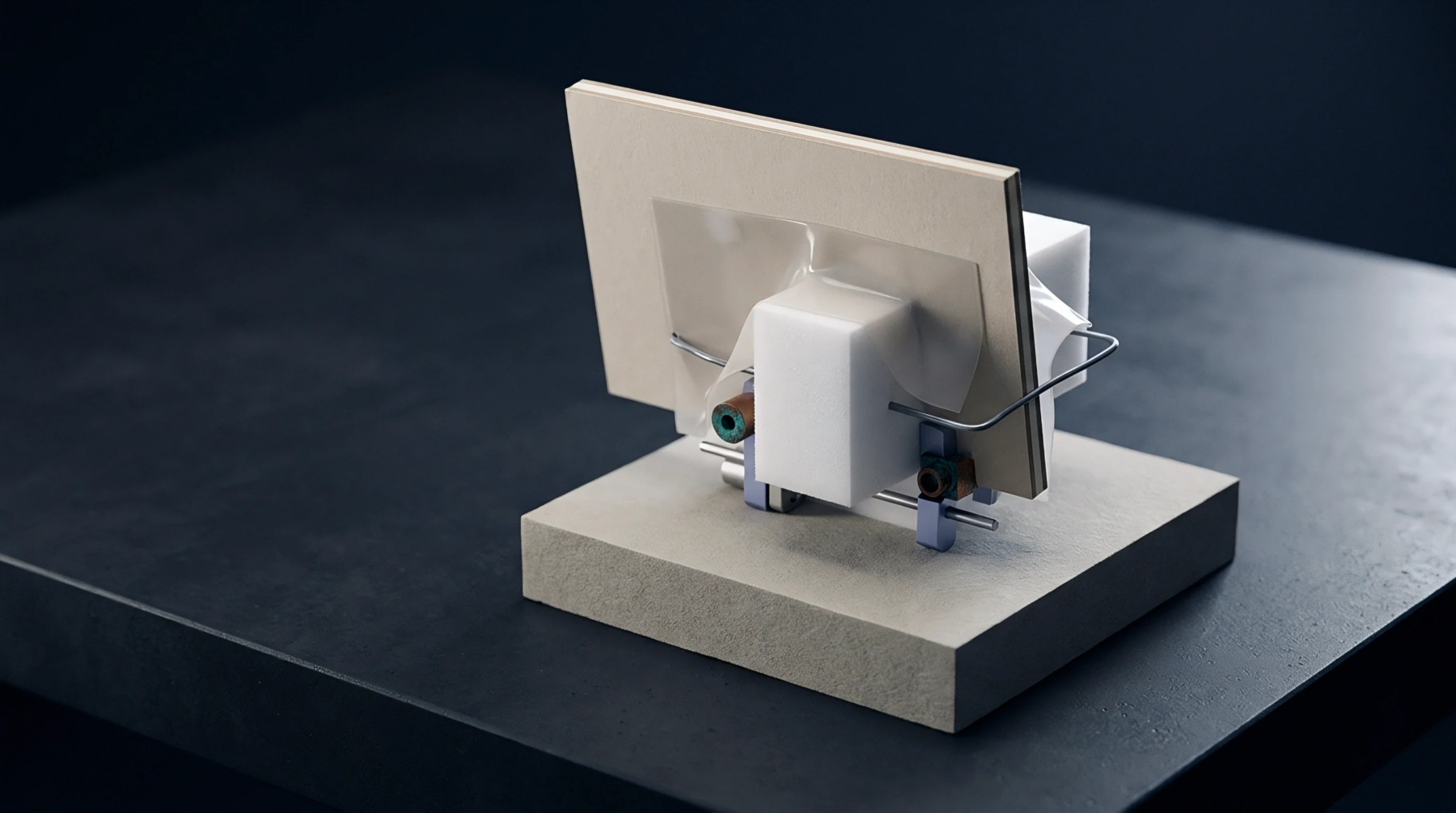
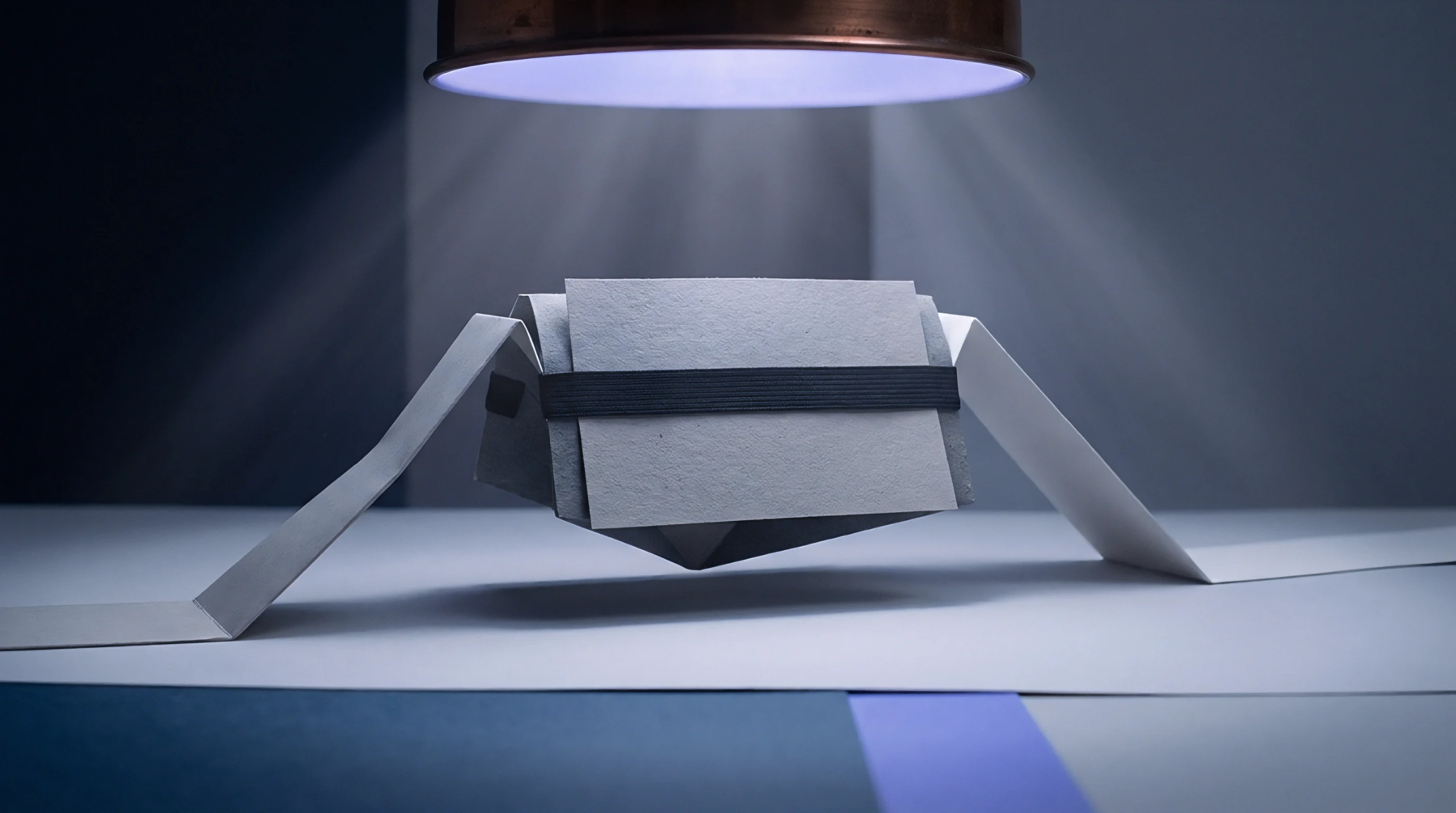
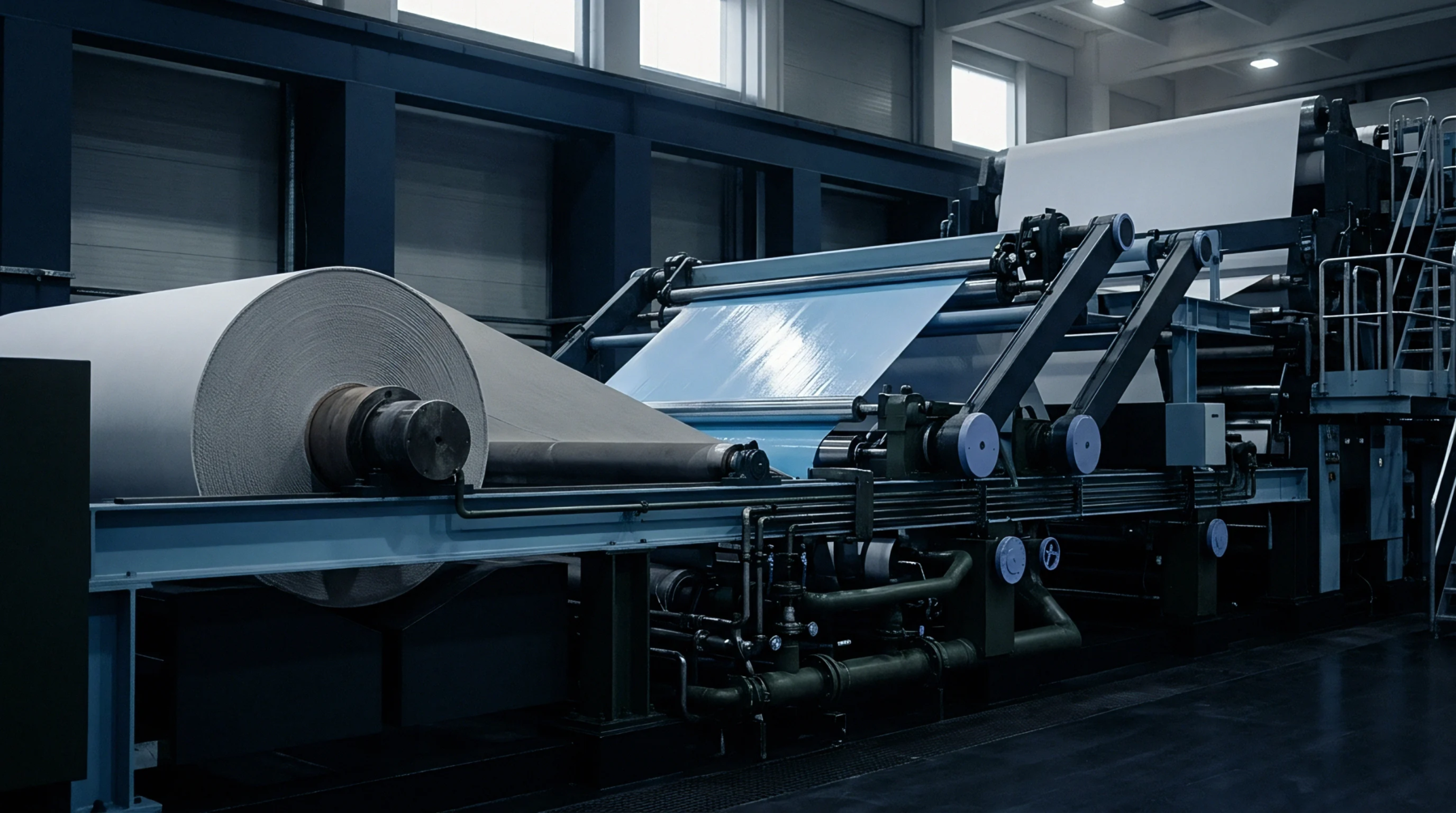
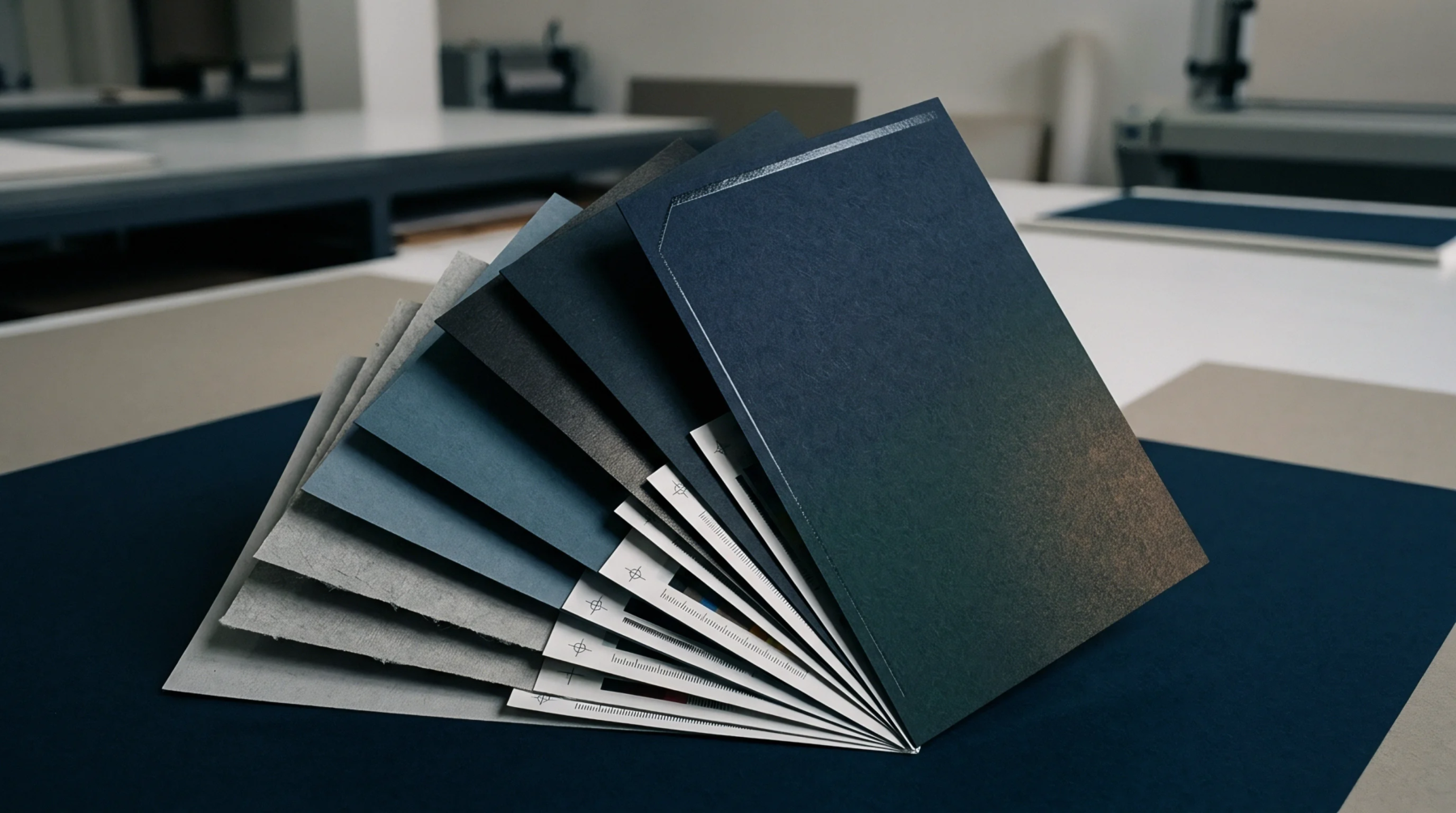
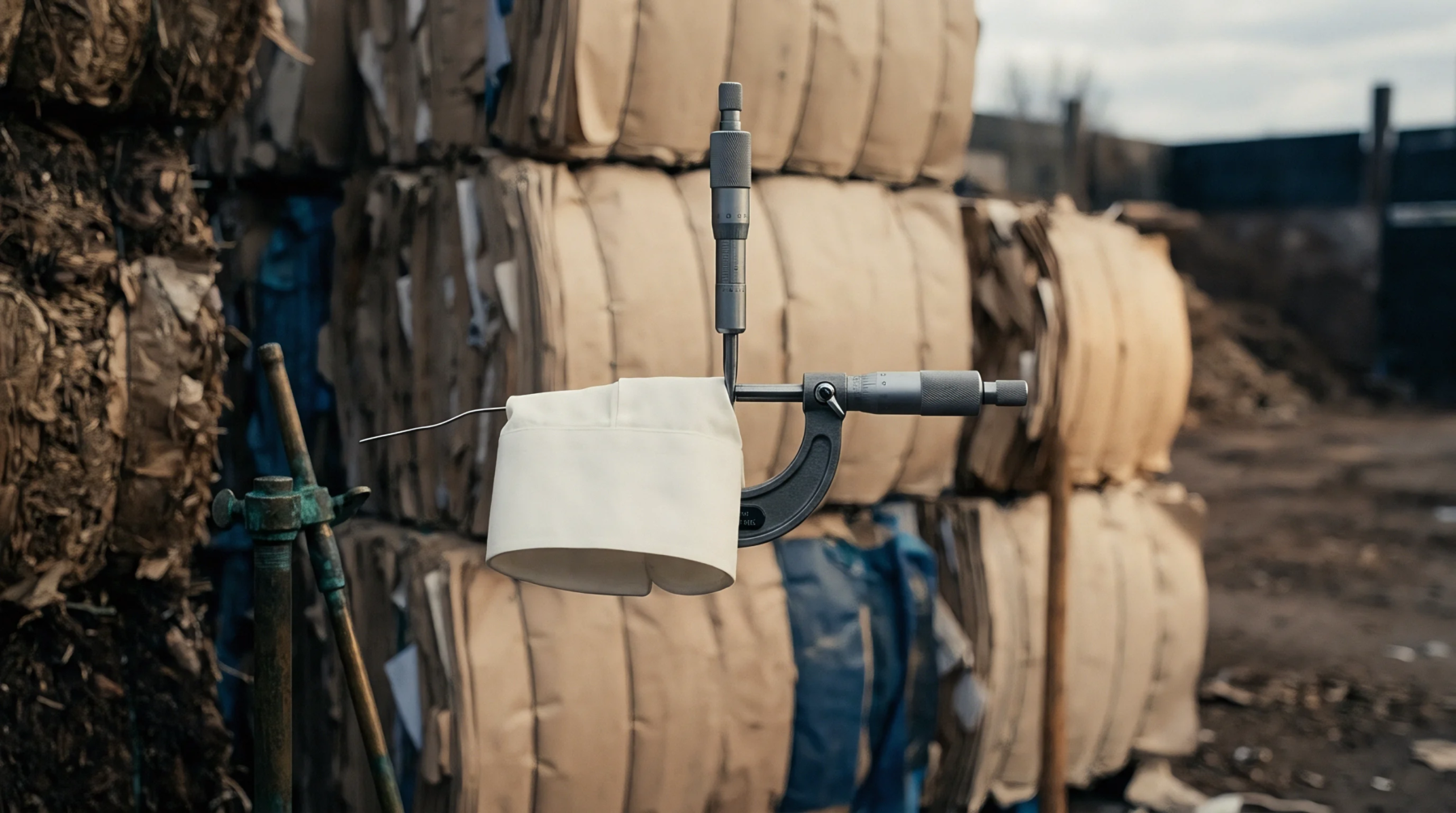
Multi-ply paperboard constructed from mechanical pulp layers sandwiched between bleached chemical pulp liners defines a layered packaging substrate engineered for high-speed folding cartons. Folding boxboard achieves structural rigidity through the internal thickness provided by unbleached mechanical pulp while presenting a smooth coated surface suitable for multi-color offset printing. Papermakers control caliper variations within tight tolerances across the machine width to ensure uniform creasing behavior during subsequent converting operations.
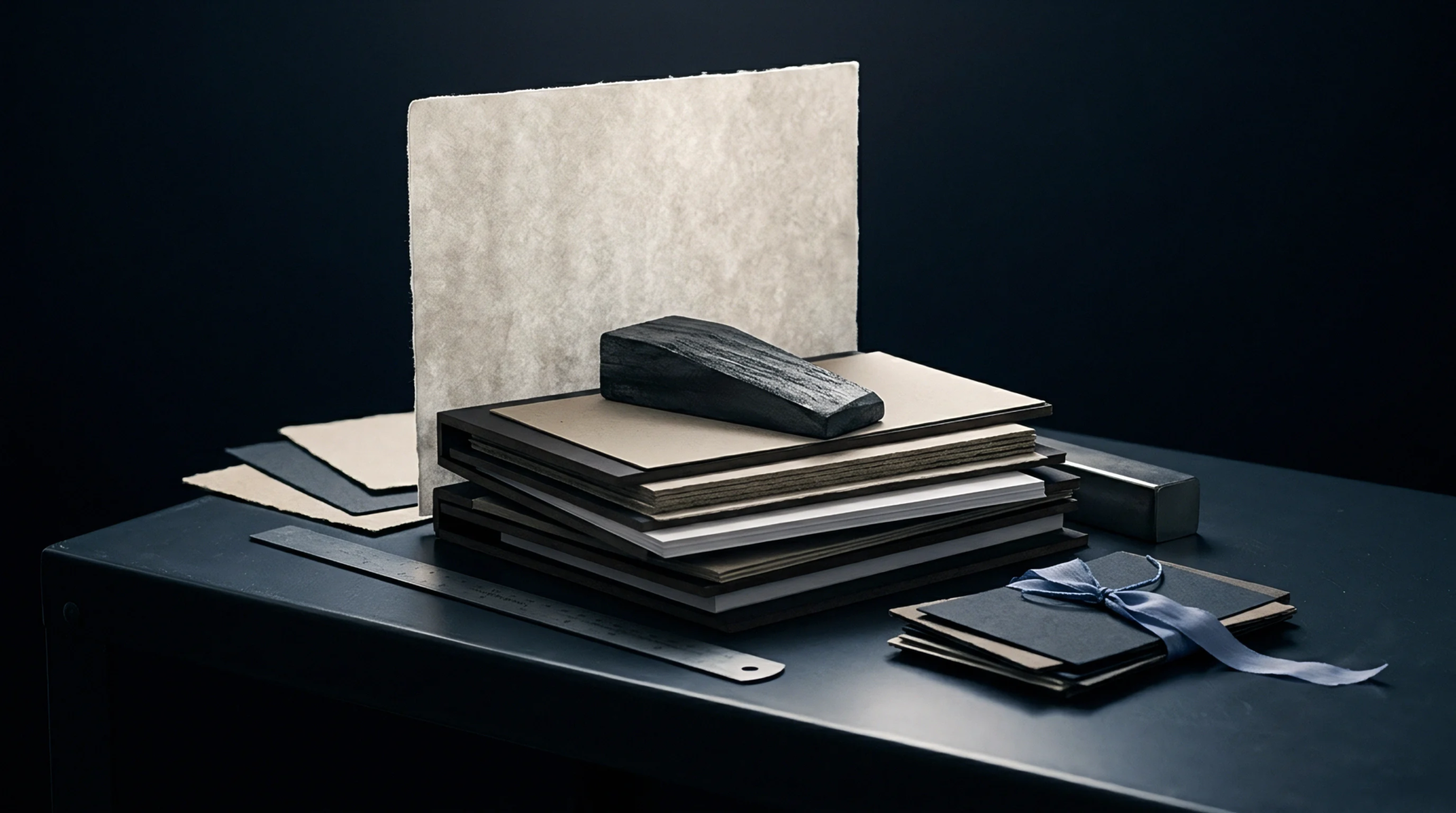
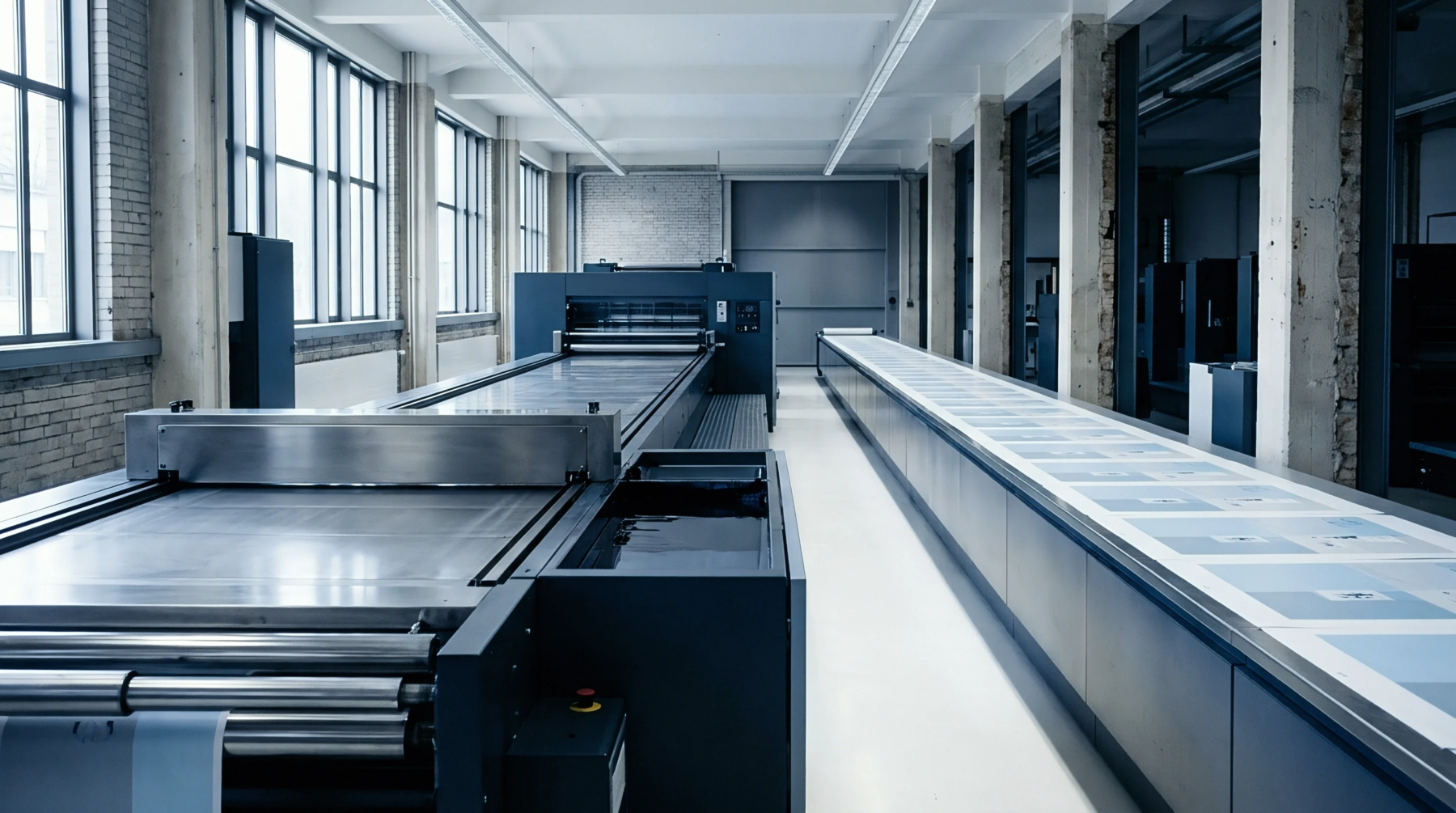
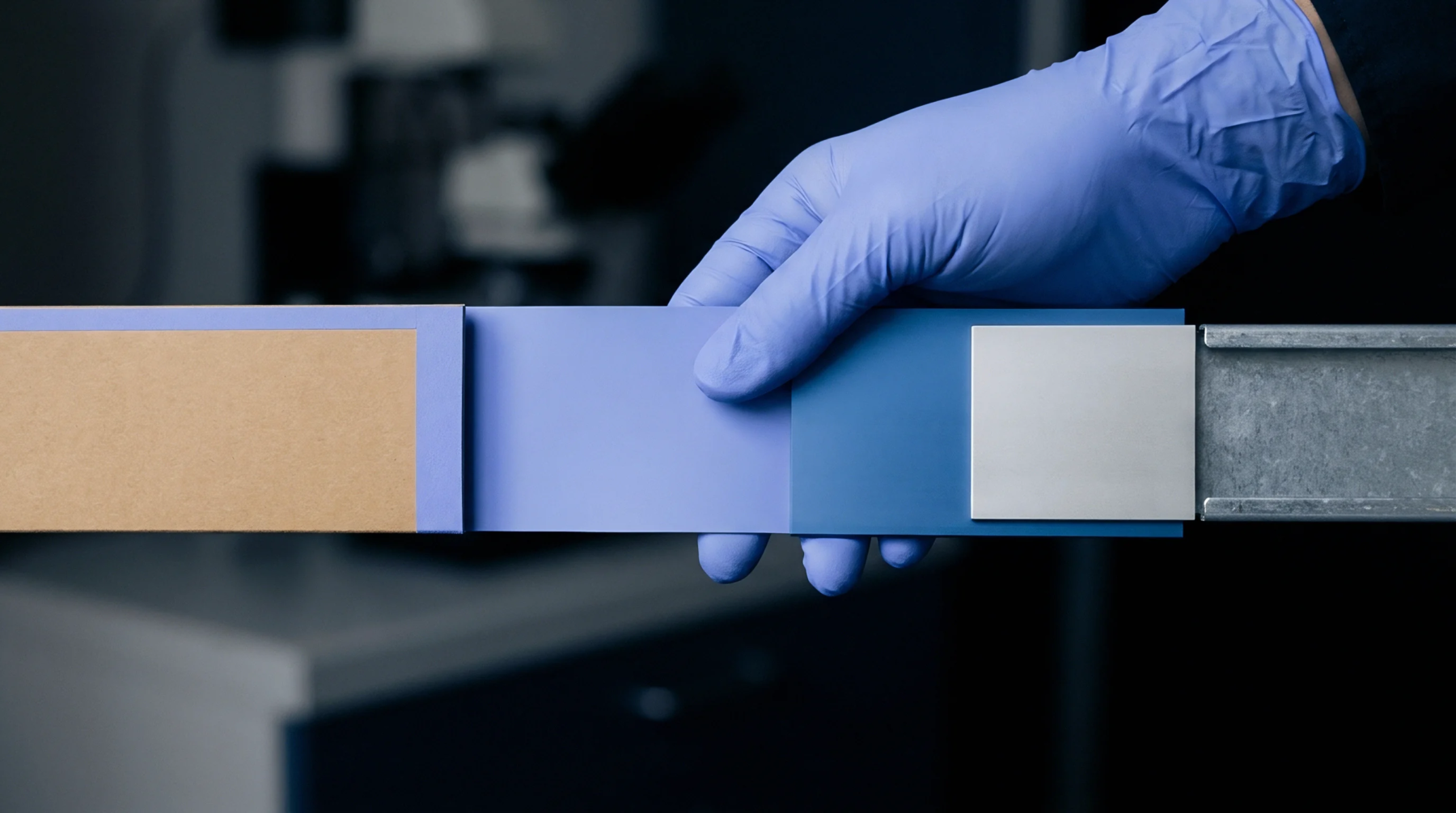
Converters specify this material grade when packaging pharmaceutical preparations, dry foods and cosmetics because the multi-ply construction balances high bending resistance with a low grammage compared to solid bleached board. The outer mineral coating receives ultraviolet varnishes and foil stamping without de-laminating from the underlying cellulosic matrix.
Crease Retention
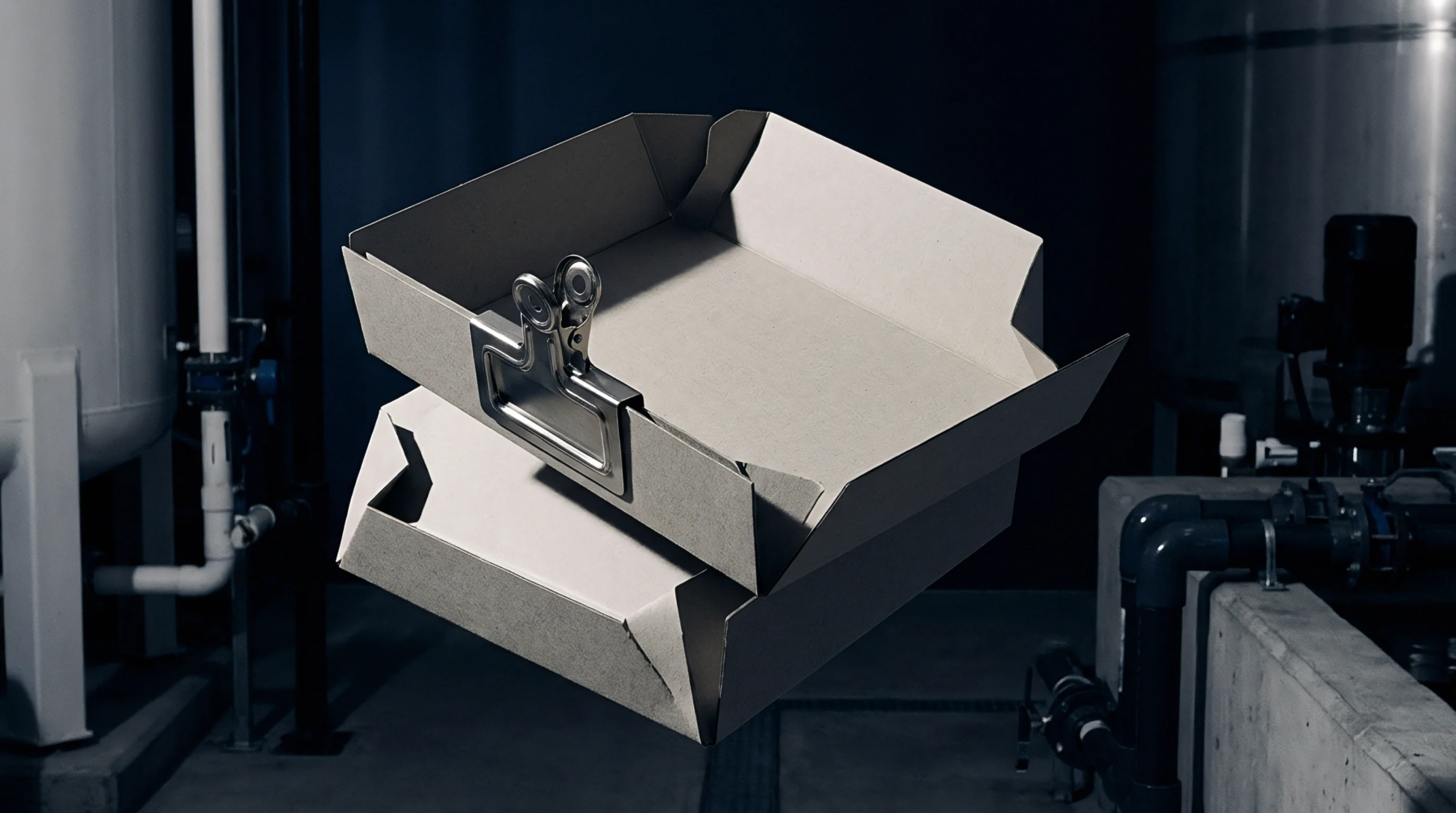
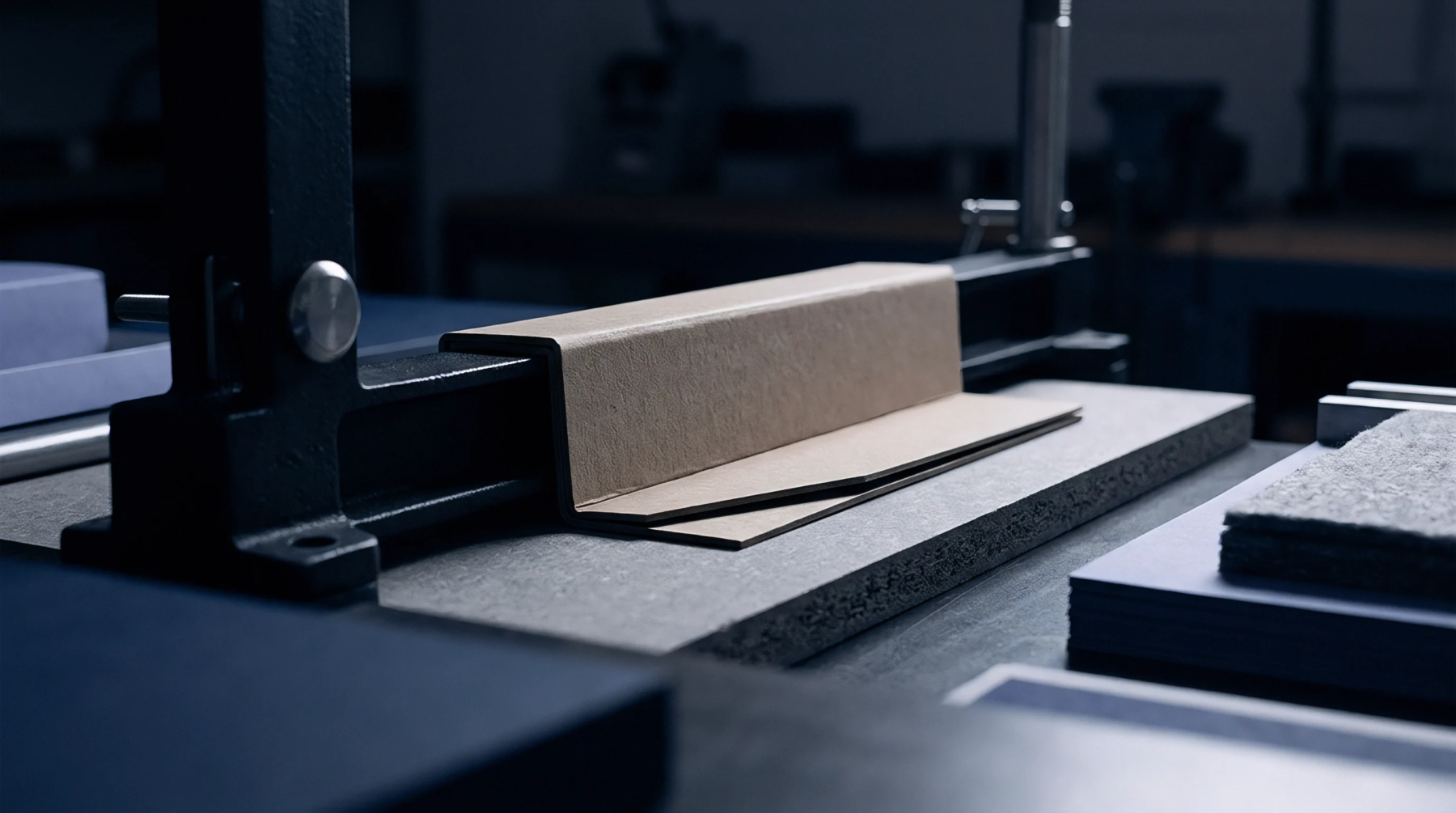
Mechanical failure along fold lines depends on the ratio between outer layer elongation and internal core compressibility. Folding boxboard accommodates sharp ninety-degree angles without cracking the printable top liner through careful coordination of cylinder pressing pressures during board formation. Packaging lines operating at high speeds require consistent bending resistance to prevent box jamming during automatic erection and glue-flap sealing.
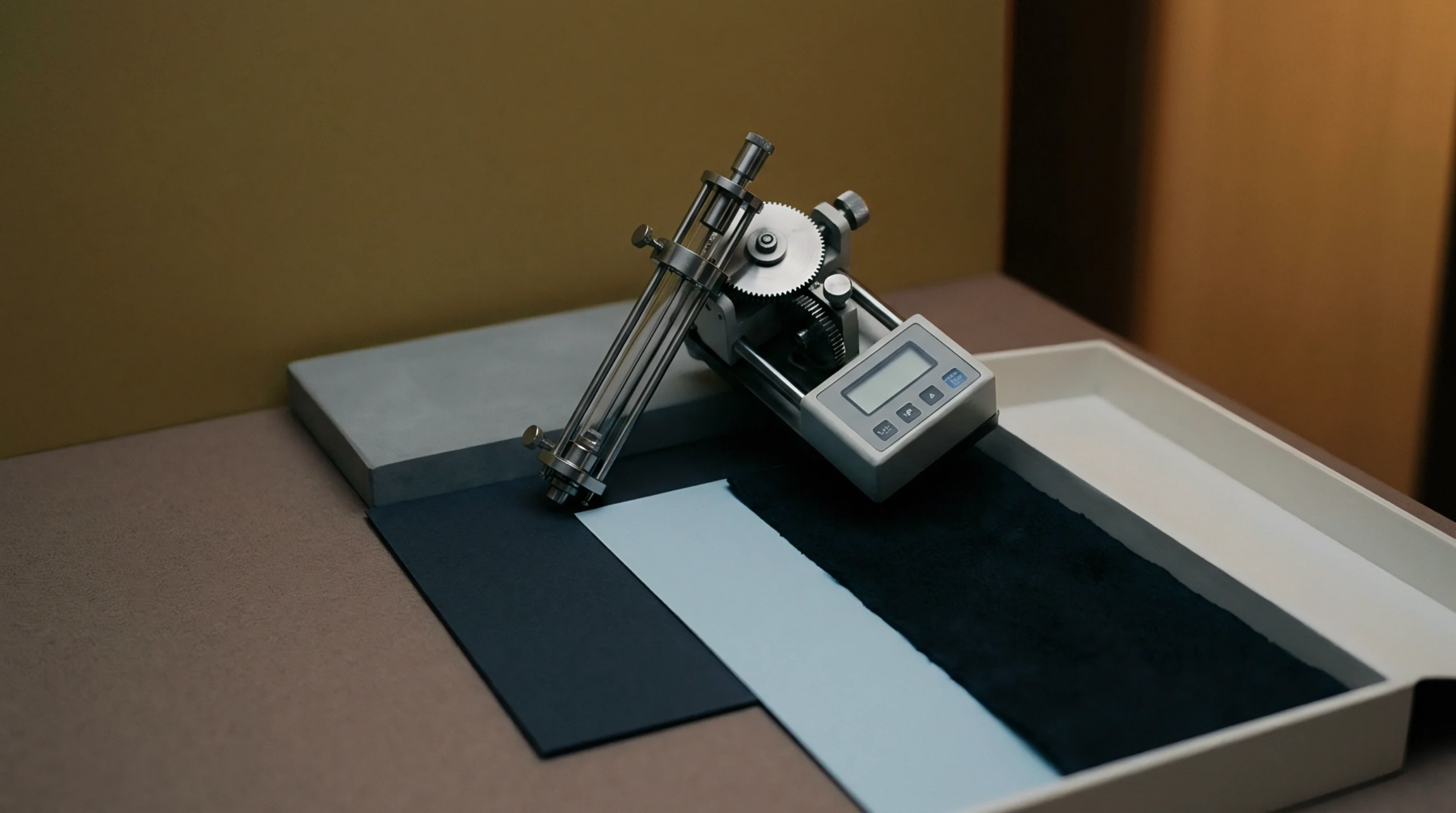
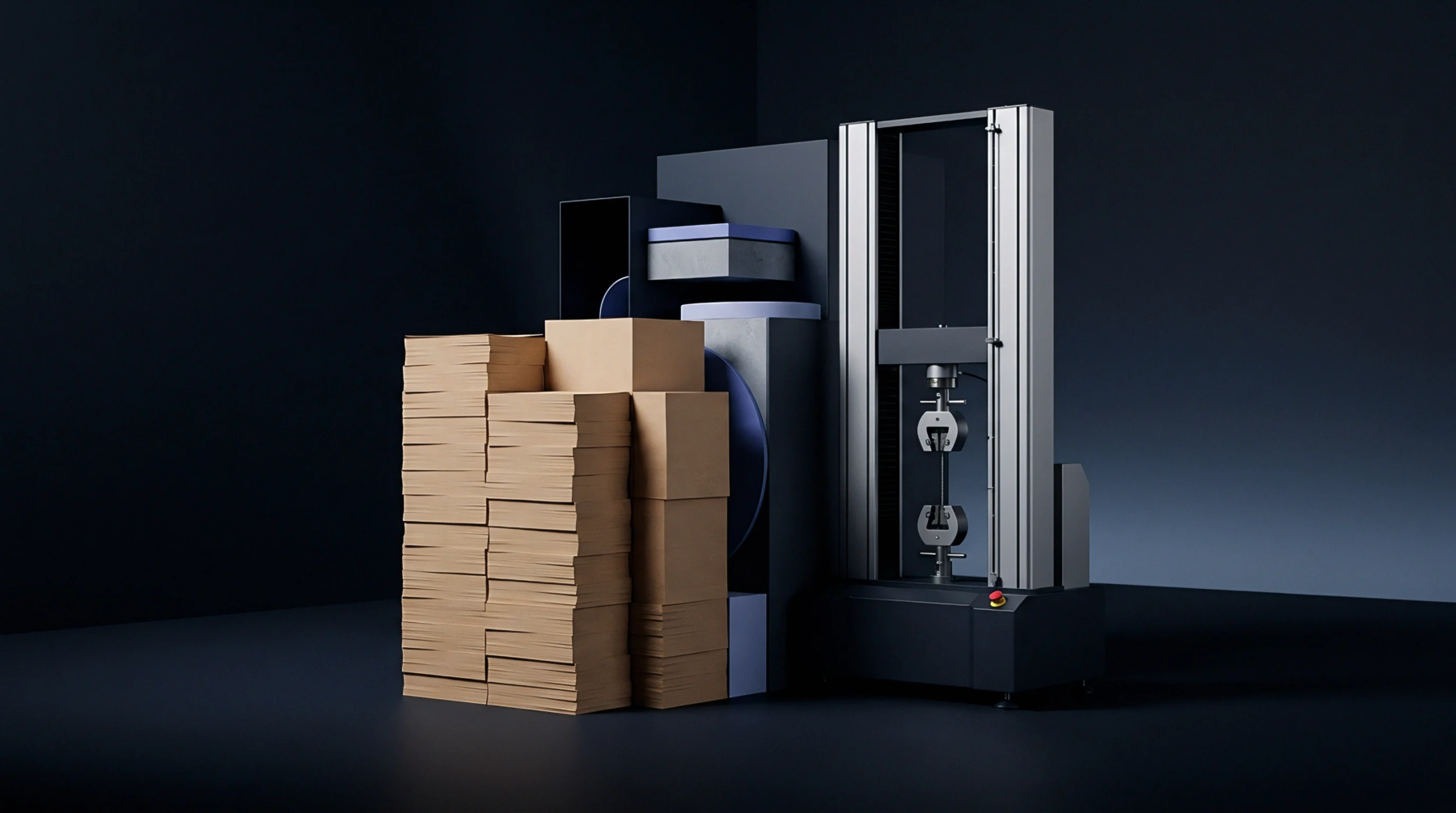
Mills measure bending stiffness in both machine and cross directions using standardized pendulum testing equipment to verify that the substrate withstands the hydrostatic pressure exerted by liquid or semi-solid contents.
Fibre Matrix
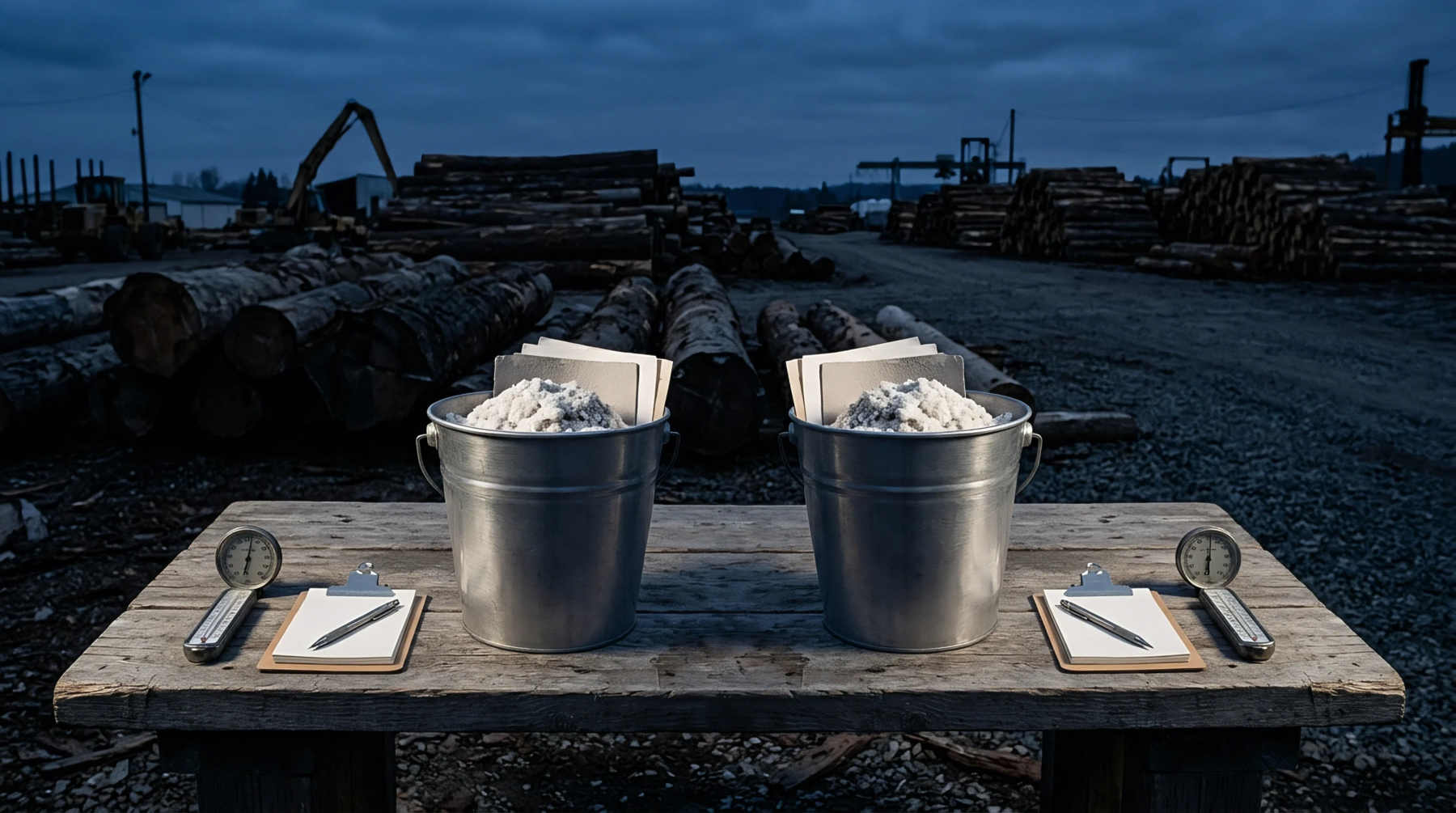
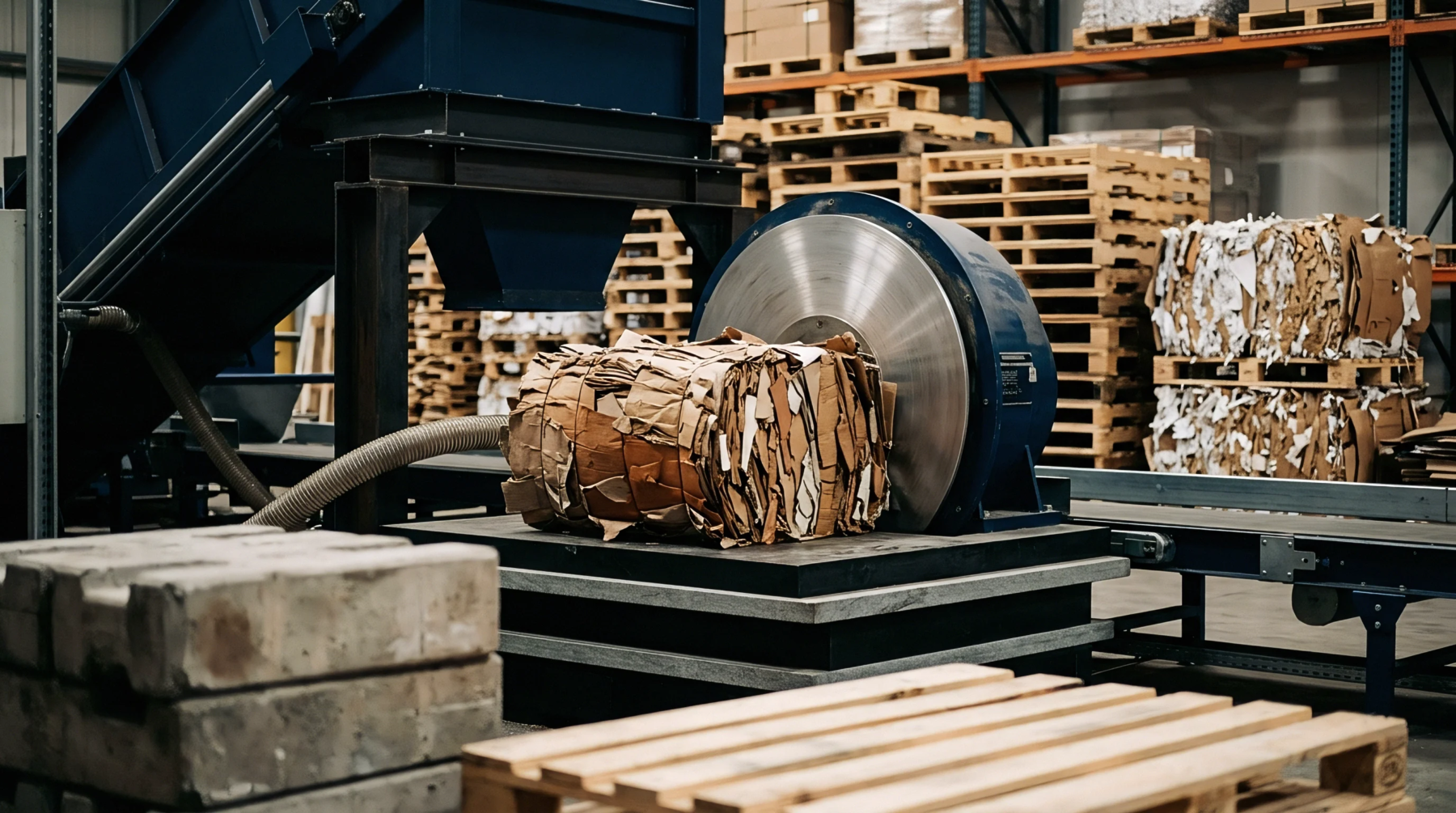
Virgin wood fibres sourced from sustainably managed coniferous and deciduous forests form the structural integrity required for food contact compliance. Folding boxboard avoids recycled fibre contamination when destined for direct secondary food packaging applications where mineral oil migration poses a contamination risk. Regulatory bodies enforce strict residue limits on finished cartons, compelling manufacturers to trace pulp origins back to certified forestry chains.
Chemical pulping processes extract lignin effectively, yielding strong top and reverse liners that resist tearing during die-cutting operations.