Dispersion Coating Formulations for Folding Boxboard Grades
Dispersion coating performance on folding boxboard relies on surface holdout, polymer Tg control, and low-shear application to balance moisture barriers against repulpability.
Dispersion coating performance on folding boxboard relies on surface holdout, polymer Tg control, and low-shear application to balance moisture barriers against repulpability.

Static headspace gas chromatography quantifies volatile residues in cartonboard to verify that converting passes meet food packaging migration safety limits.
Heat embossing lowers boxboard creep resistance by disrupting fiber bonds, demanding higher safety factor allowances in carton top-load calculations.

Stabilizing cylinder temperatures at twenty-six degrees Celsius limits fountain water pickup, keeping cross-direction sheet expansion below critical register.
Boundary tolerances for deinked pulp require batch testing under DIN EN 16995, limiting MOSH below 24 mg/kg and MOAH below 0.5 mg/kg with verified barriers.
Controlling vacuum deaeration and dynamic contact line capillary numbers below critical thresholds prevents microbubble pinholing in high-speed barrier coatings.
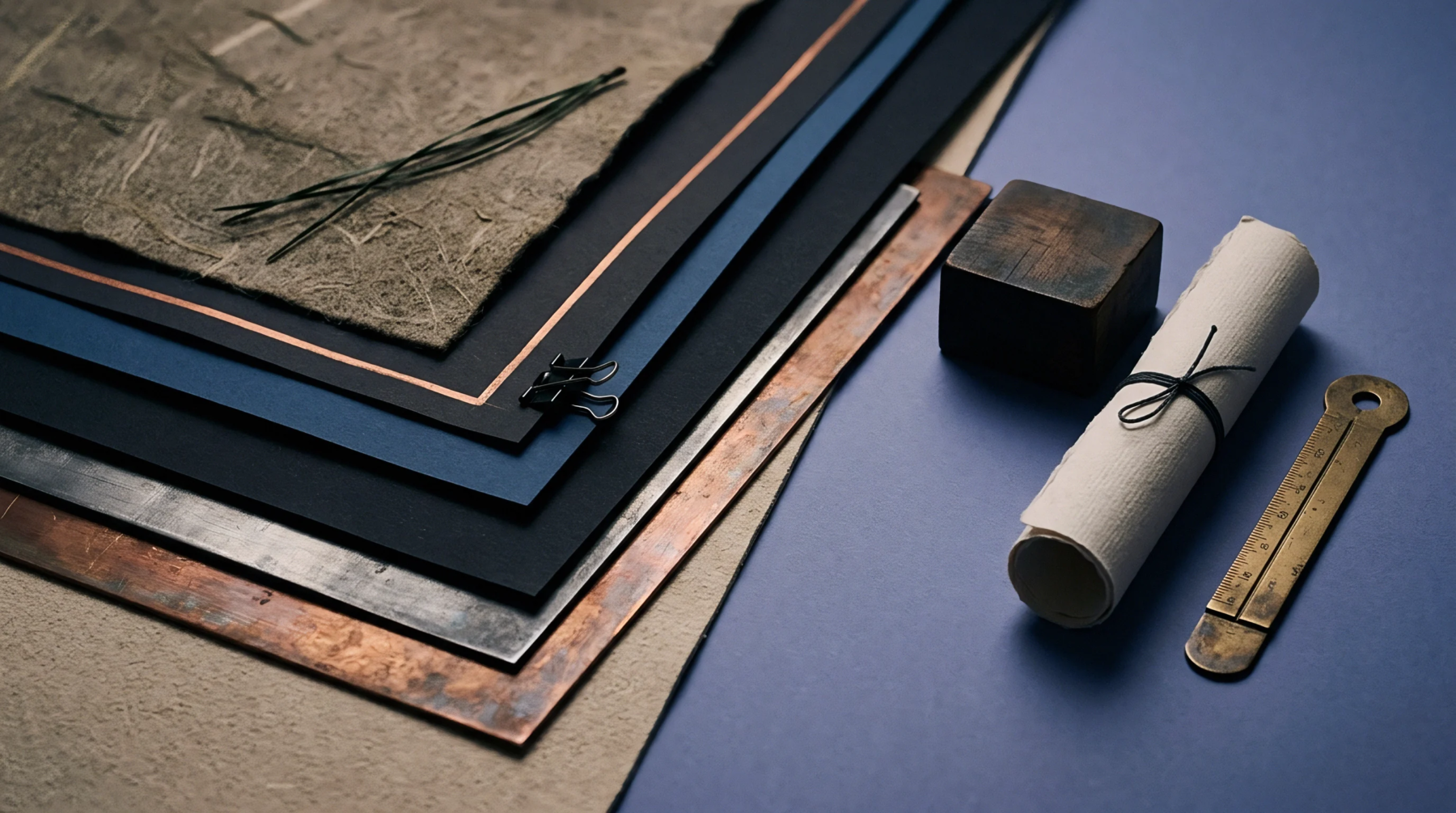
Calculate hot foil die shrink factors using exact alloy thermal coefficients and measured platen temperatures to prevent multi-millimeter register errors.
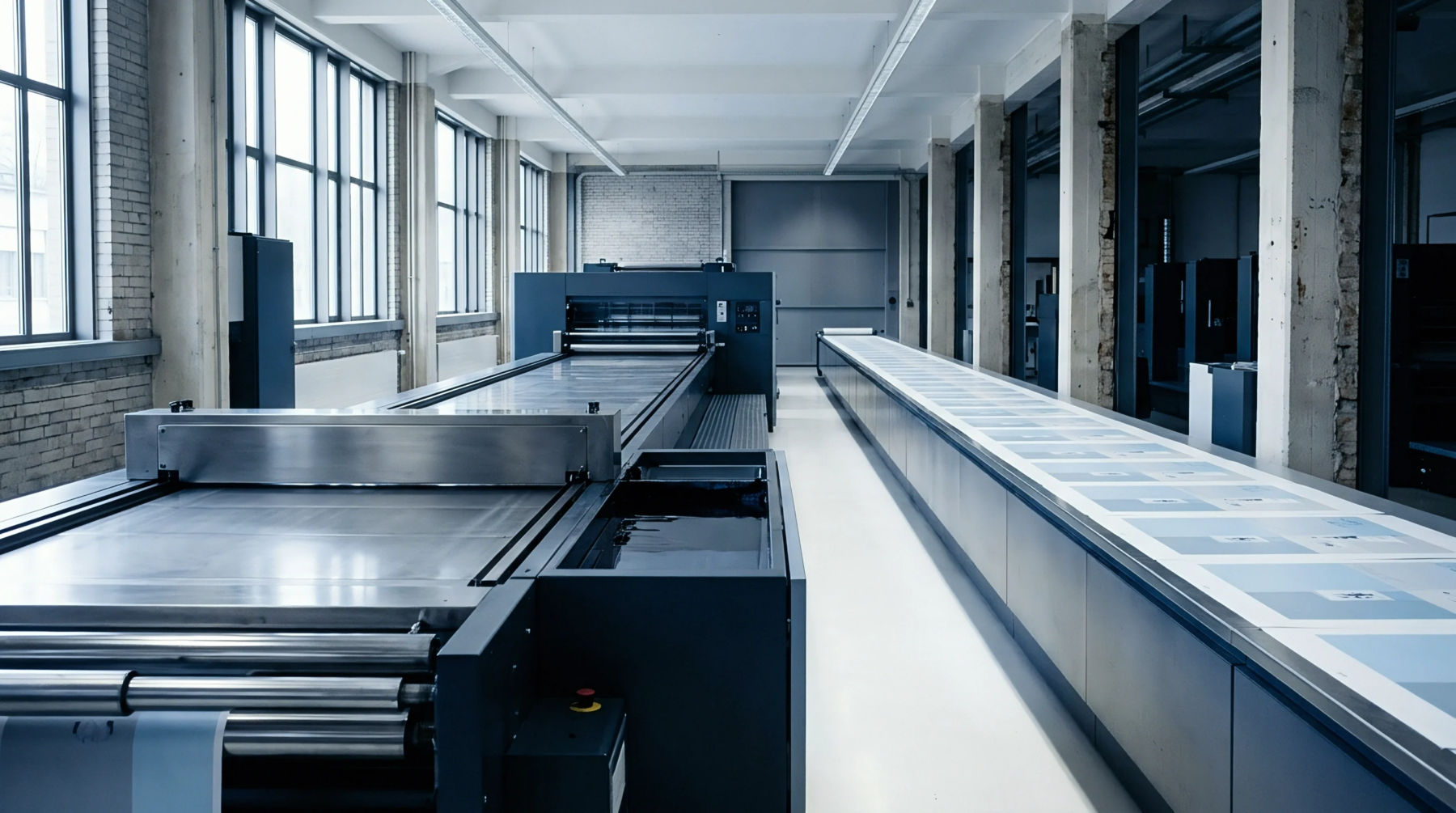
Select open-channel anilox engravings delivering 12 to 32 cm³/m² to lay down pinhole-free aqueous barrier films matched to paperboard roughness and sizing holdout.

Dynamic delamination in recycled board stems from hornified short fibers in middle plies, requiring balanced starch and scoring geometry to prevent conversion splits.
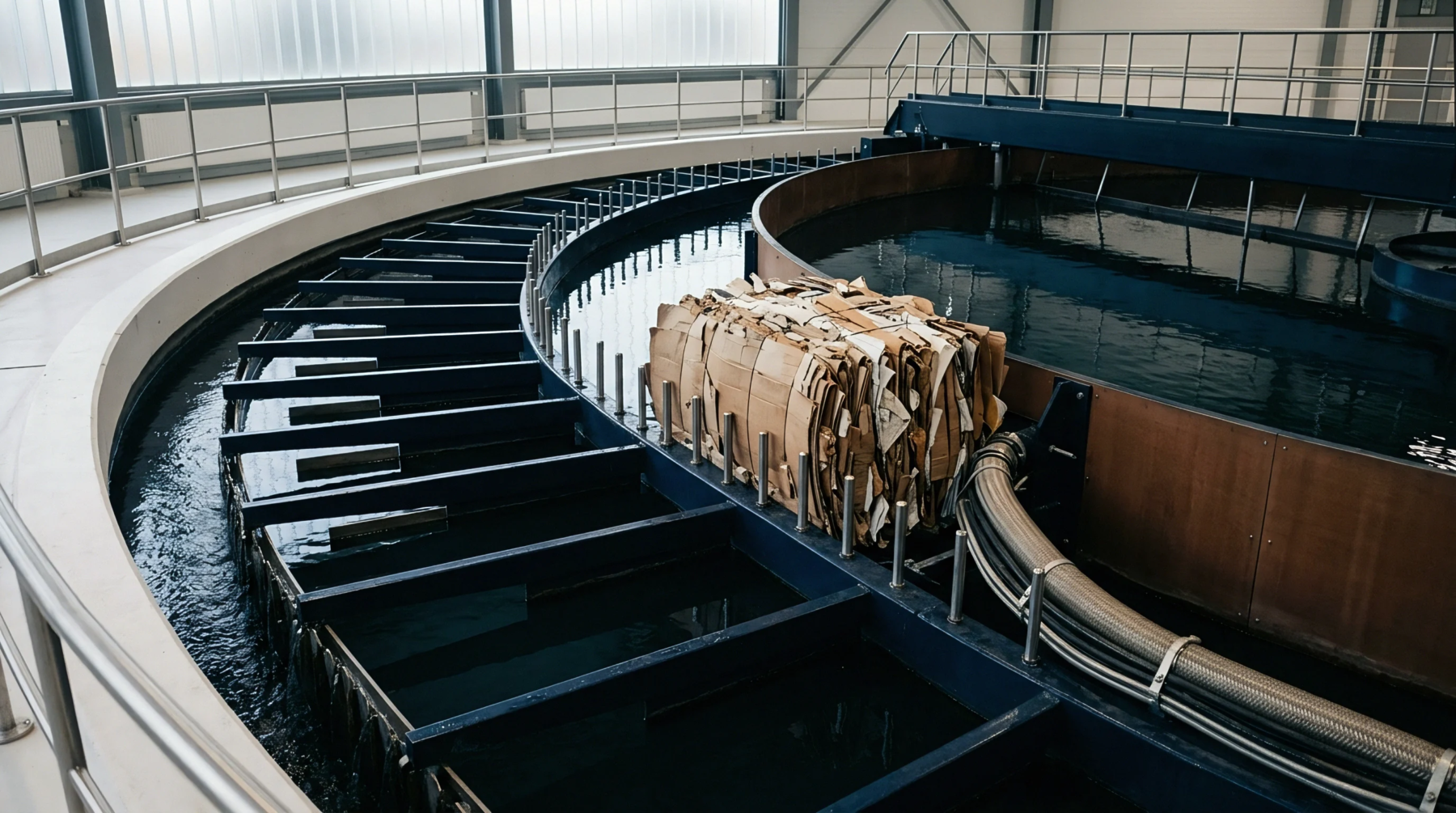
Creased aqueous barrier paperboard requires wider die channels and lower pigment volume to prevent coating rupture and massive water vapor transmission spikes.

Dynamic crease stiffness ratio optimization balances rule geometry and substrate mechanics to eliminate high-speed packaging jams and score cracking.
Verifying packaging fiber origin and food contact compliance demands audited chain of custody invoices paired with batch specific migration analytical reports.
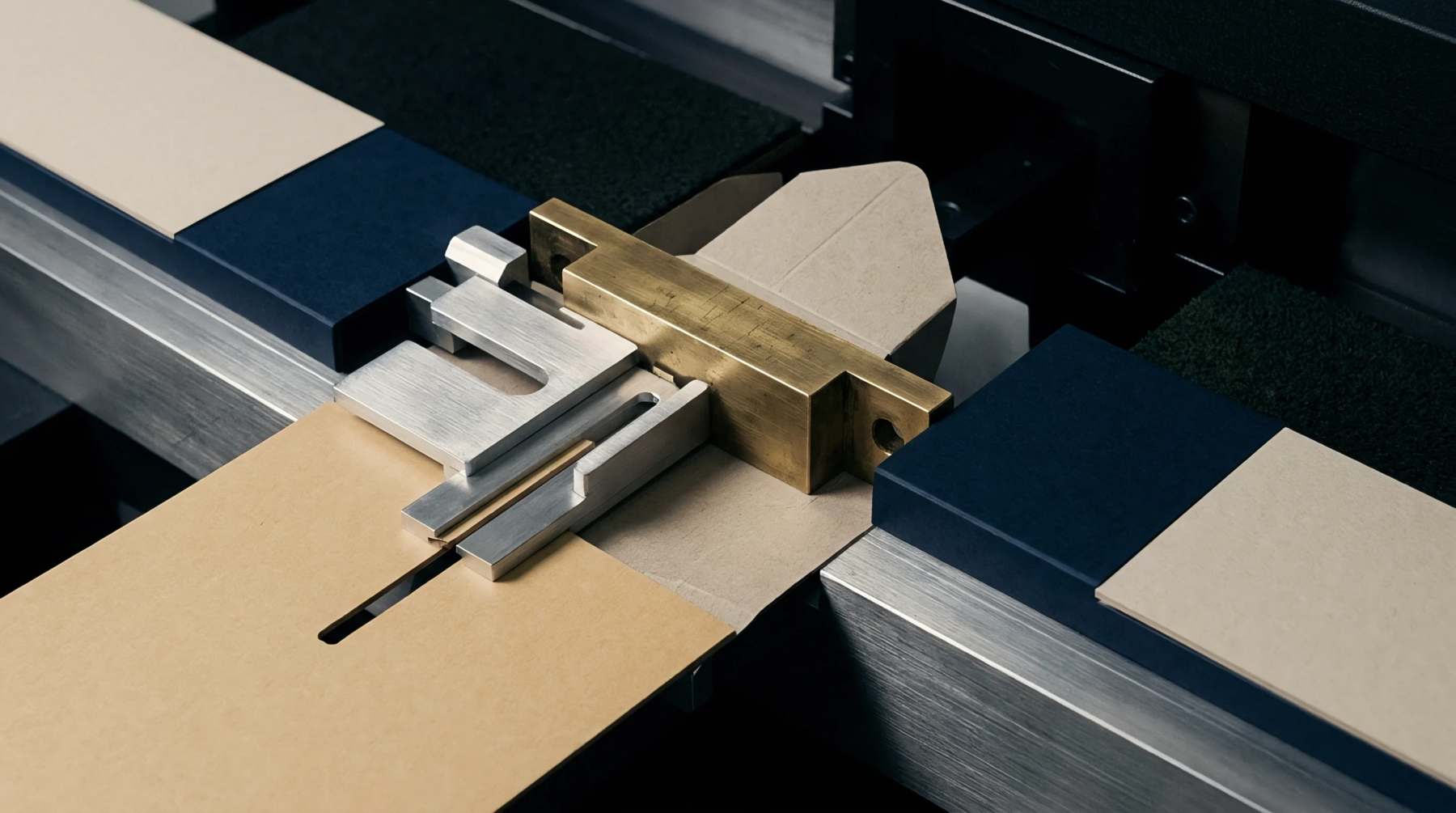
Match rule thickness to carton caliper using 2-point steel under 450 microns and 3-point above, sizing matrix width to rule plus 1.5 times caliper.
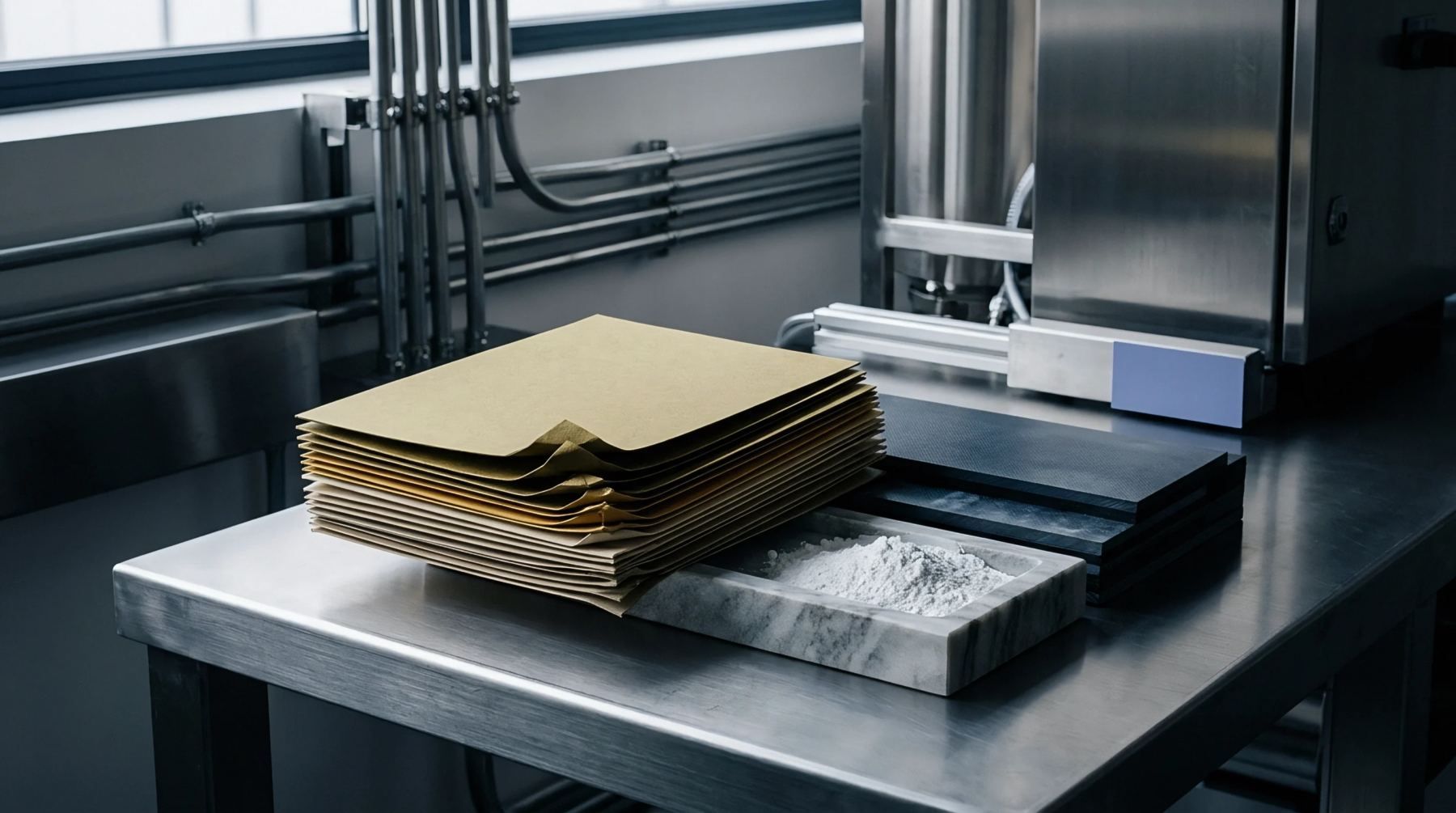
Verify paperboard public register scopes, enforce EN 1186 migration limits, track conversion mass balances, and secure supplier indemnities against customs holds.

Unadjusted deinking mass loss in credit ledgers inflates recycled board claims, creating severe compliance exposure during border customs inspections.
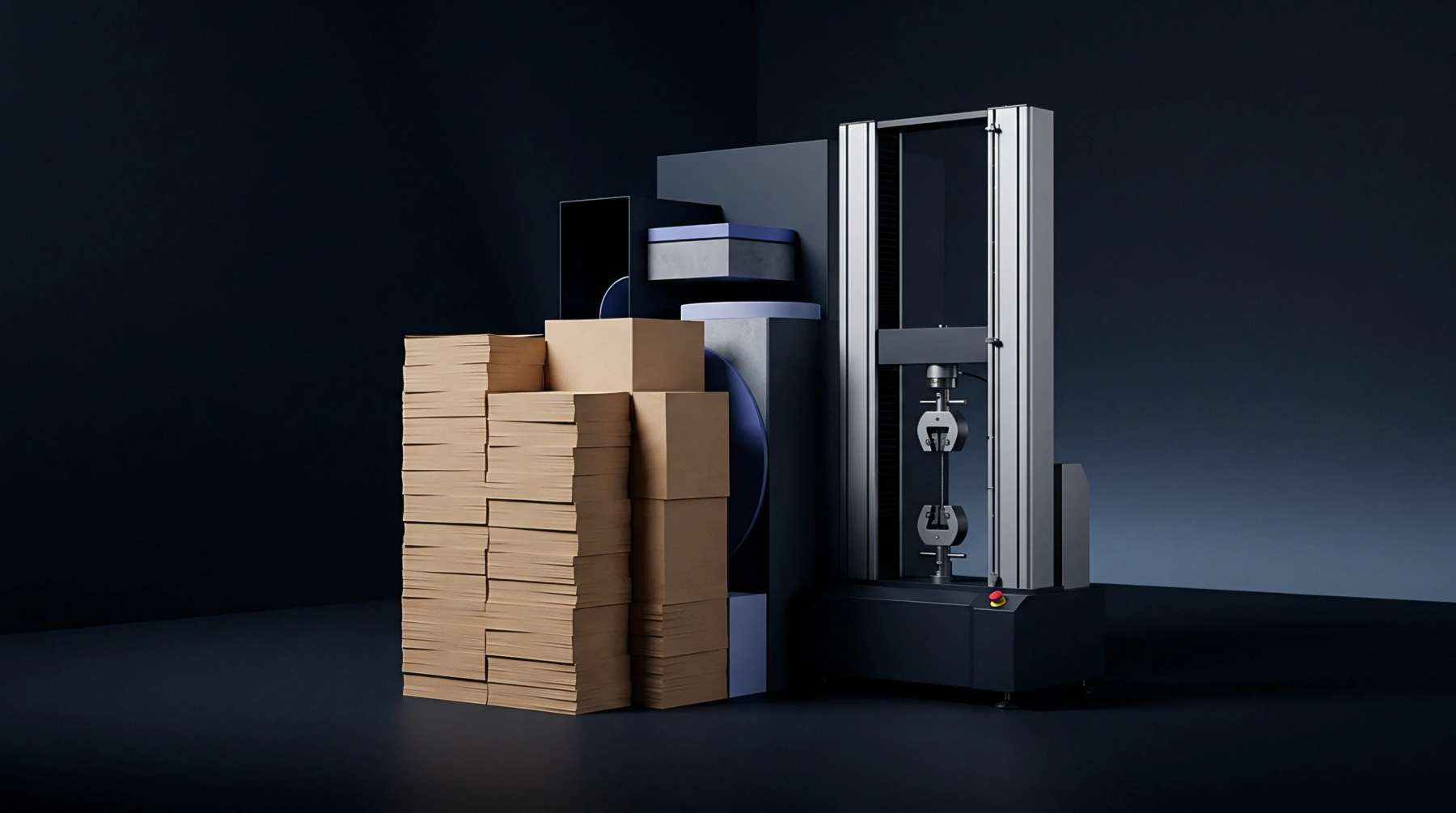
Boxboard claims require exact invoice codes, LC-GC-FID MOSH/MOAH testing under EN 16995, and ISO 2859-1 receiving audits to prevent customs holds.
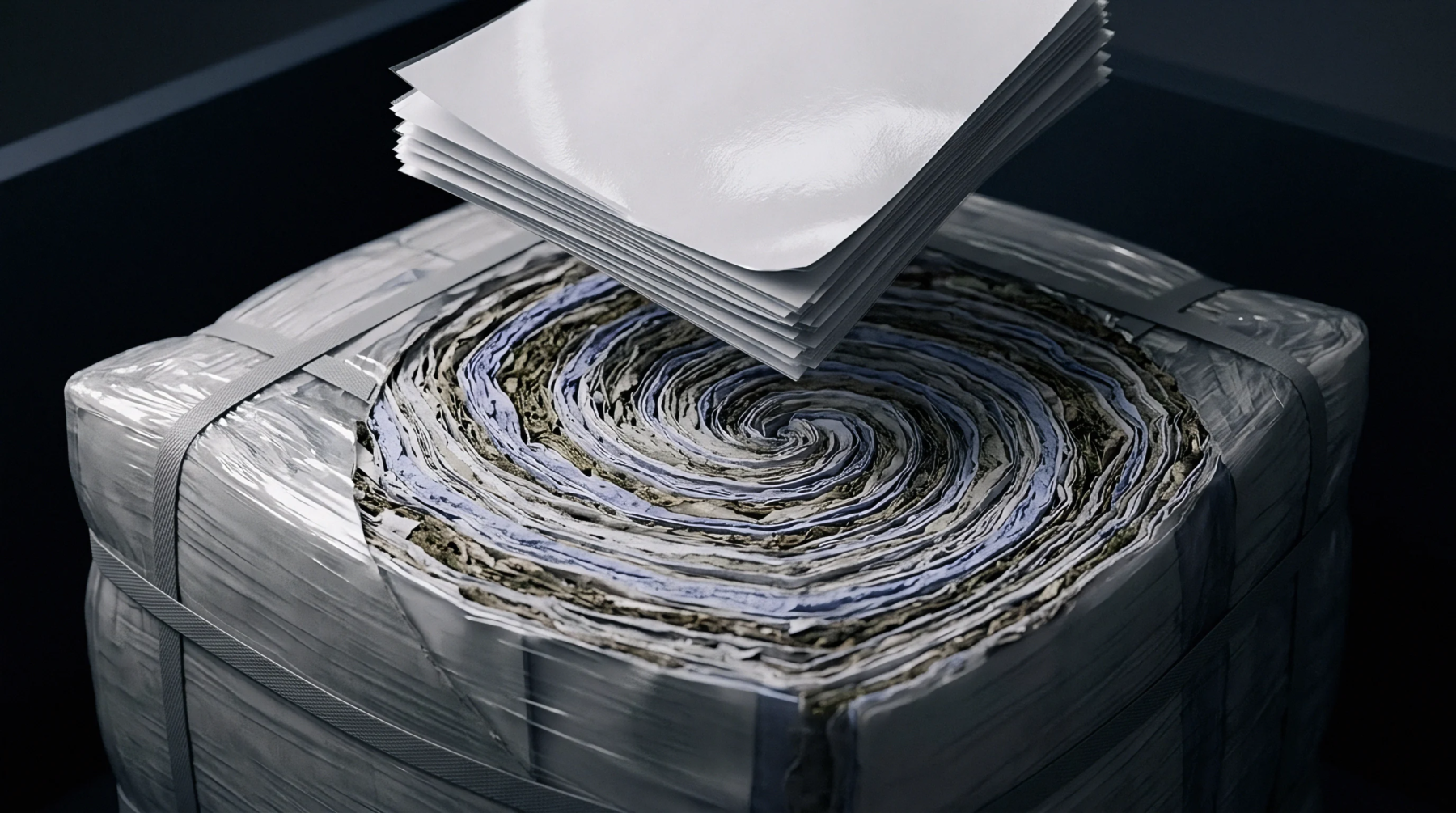
Verify physical furnish dockets and chemical marker assays rather than invoice credits to substantiate post-consumer claims in folding boxboard packaging.

Static Z-directional tensile metrics predict high-speed delamination only when scaled with the substrate strain-rate sensitivity exponent and shear modulus.

Low z-direction strength in hornified secondary furnish causes score cracking unless female matrix channels are widened to 1.8 times board caliper.
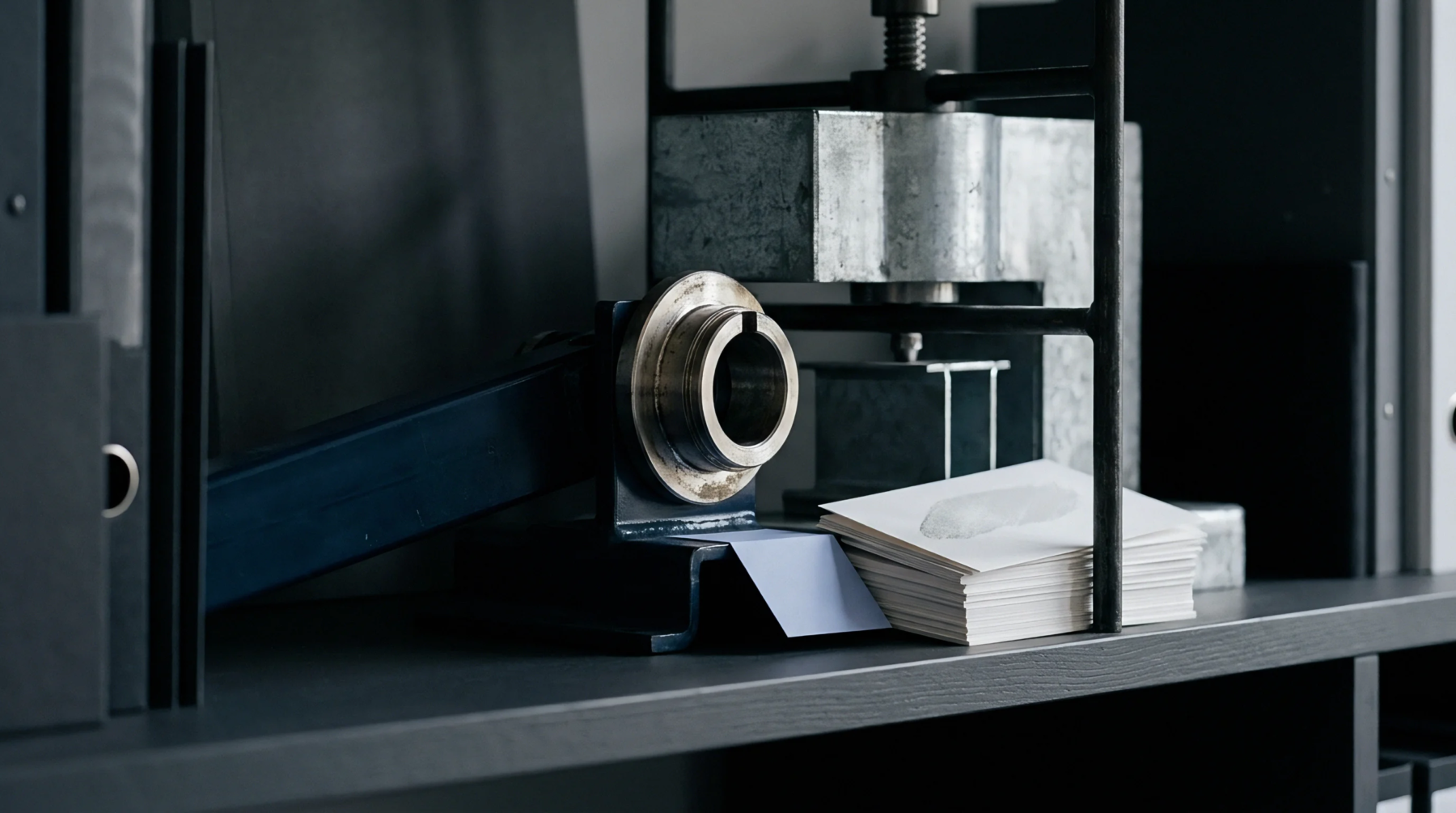
High-frequency pulse-echo ultrasound measures micron-scale extrusion coatings non-destructively, cutting resin overfill and preventing barrier delamination.
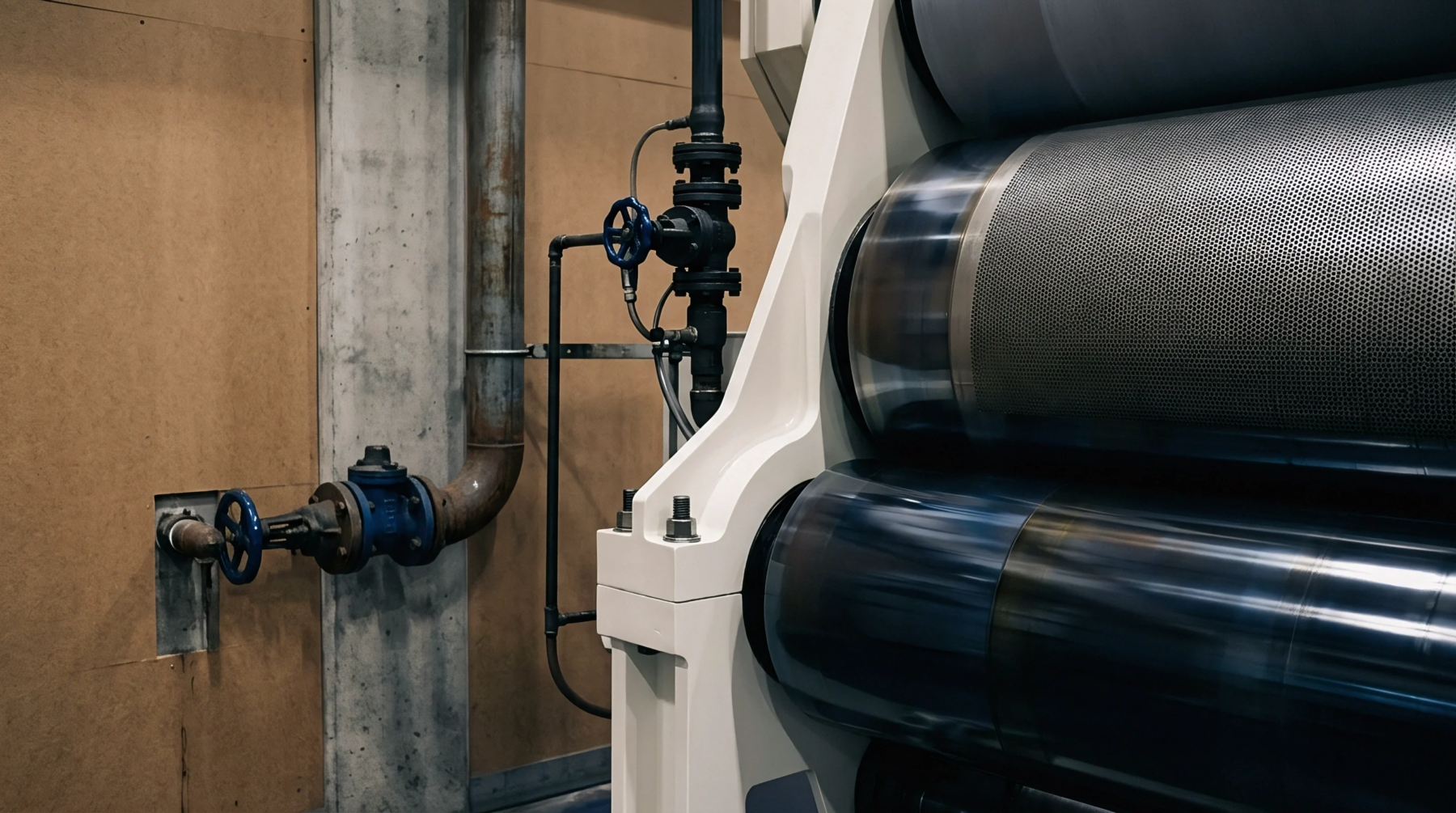
Acoustic emission acquisition isolates ultrasonic shear waves to detect rotary die blade micro-wear before visual burrs cause carton rejection and downtime.

Cross-direction elongation between 3.2% and 4.8% prevents outer liner cracking on folding boxboard when matrix channel width equals rule size plus 1.5 times caliper.
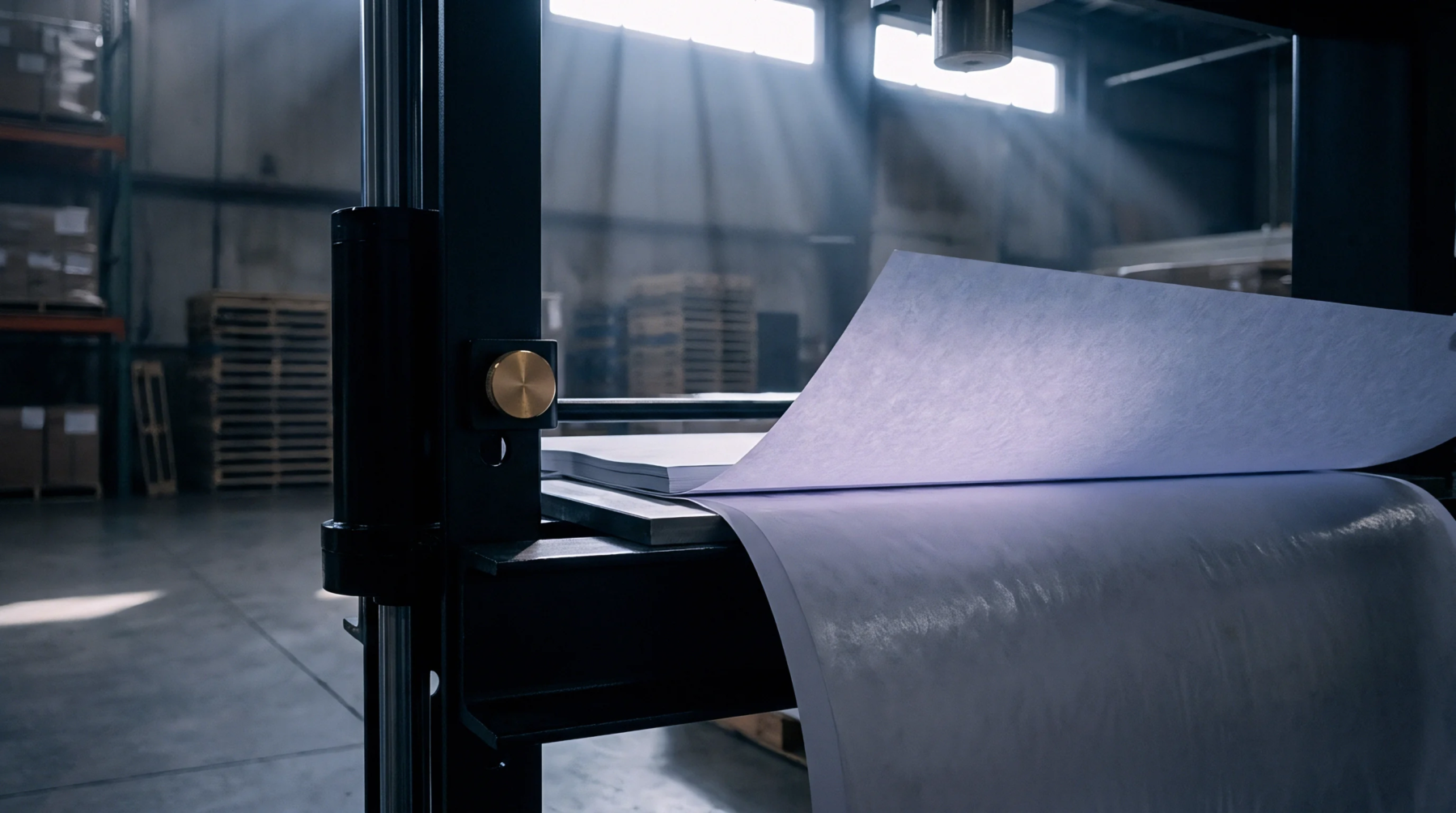
Physical parcel coordinates cannot decouple; converters must map every daughter reel to validated harvest plots to clear customs under statutory mandates.
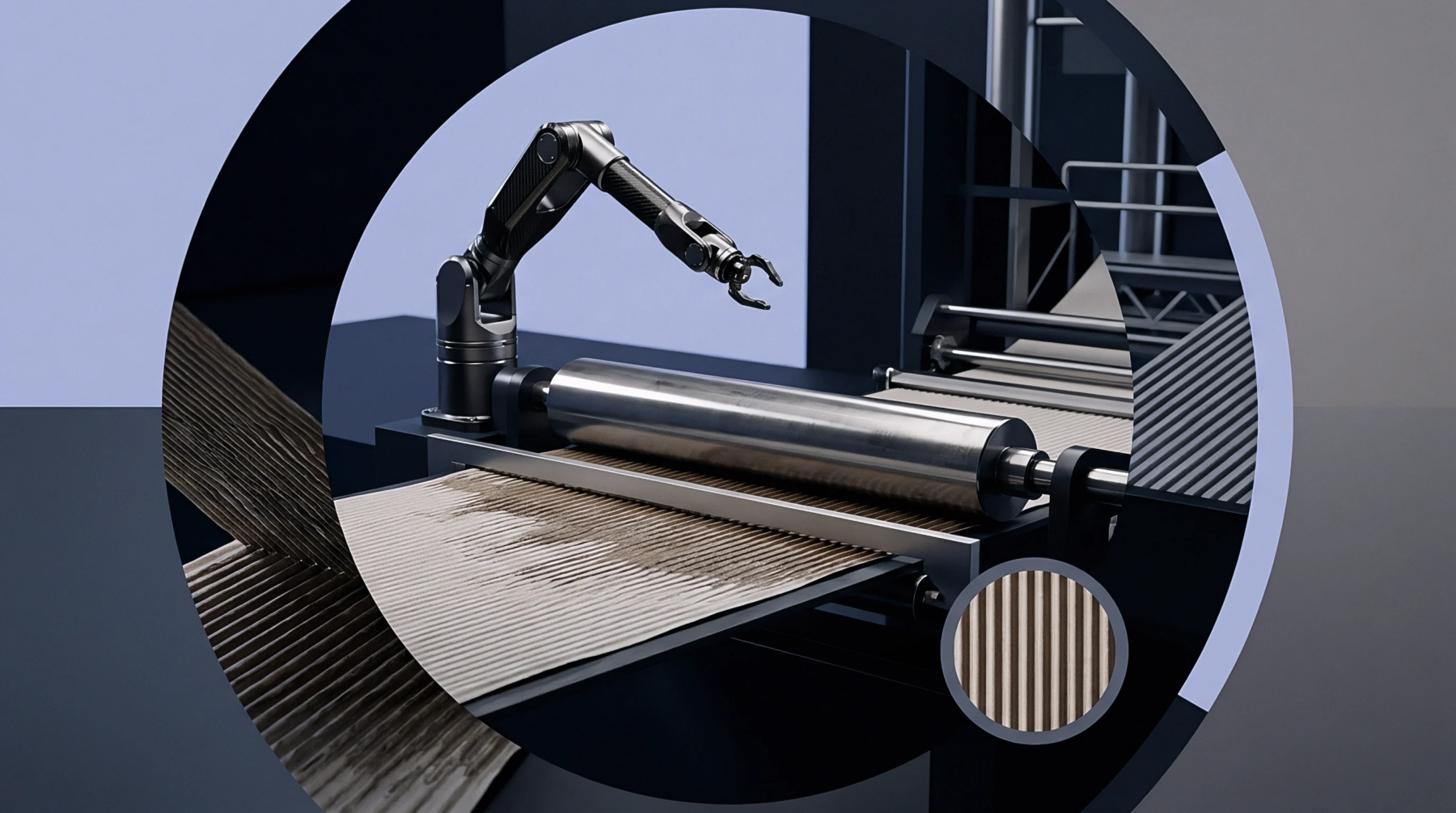
Dynamic calibration of press-embedded piezoelectric transducers guarantees balanced cutting tonnage, preventing crease fractures and costly tooling wear.

Optimize charge amplifier response during board scoring by coupling wideband Bessel filtering with ten-teraohm feedback to isolate true ply delamination.
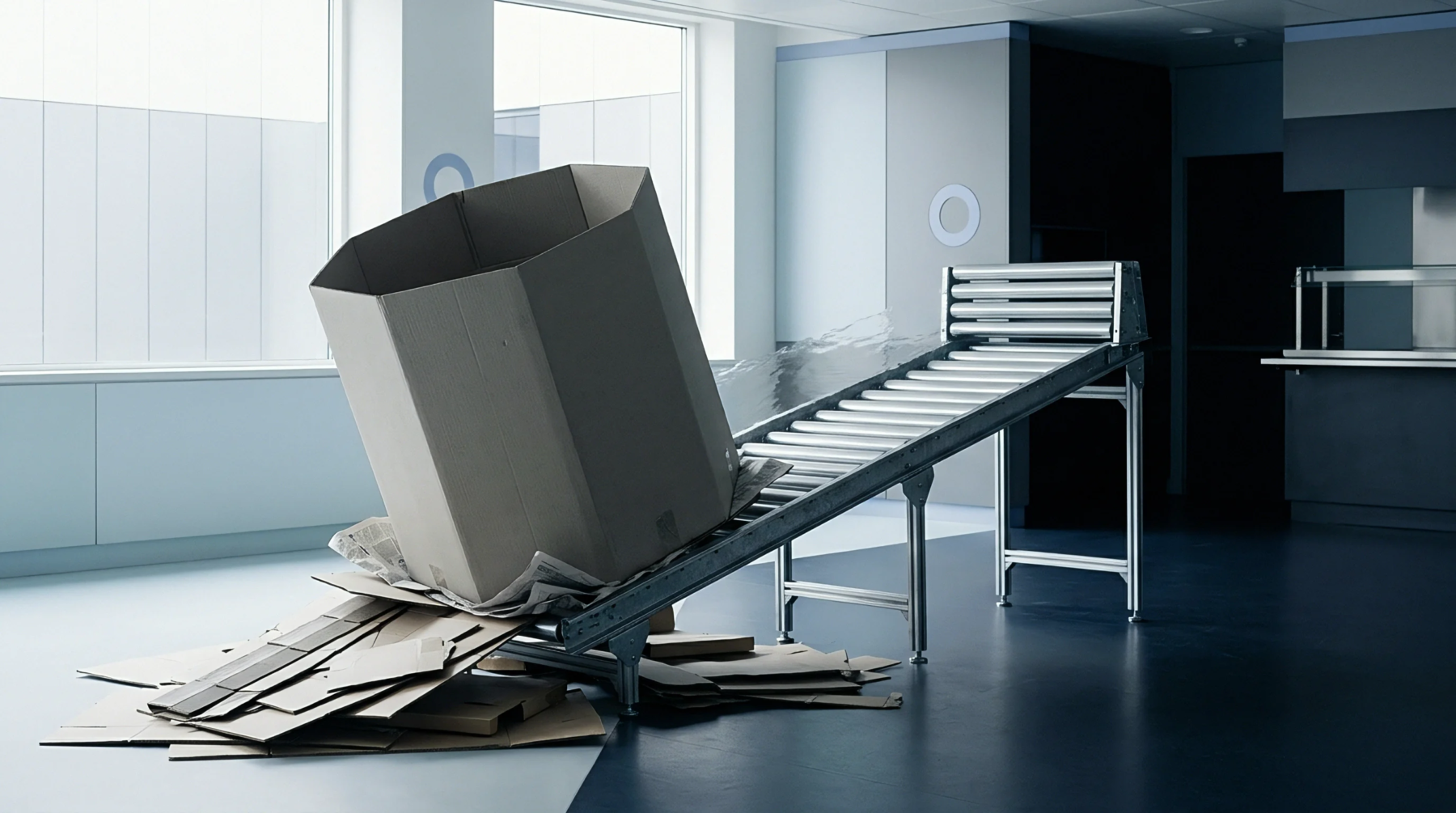
Establishing accurate carton material balance requires deducting core tare and moisture loss from gross board weight before tracking die skeleton trim.
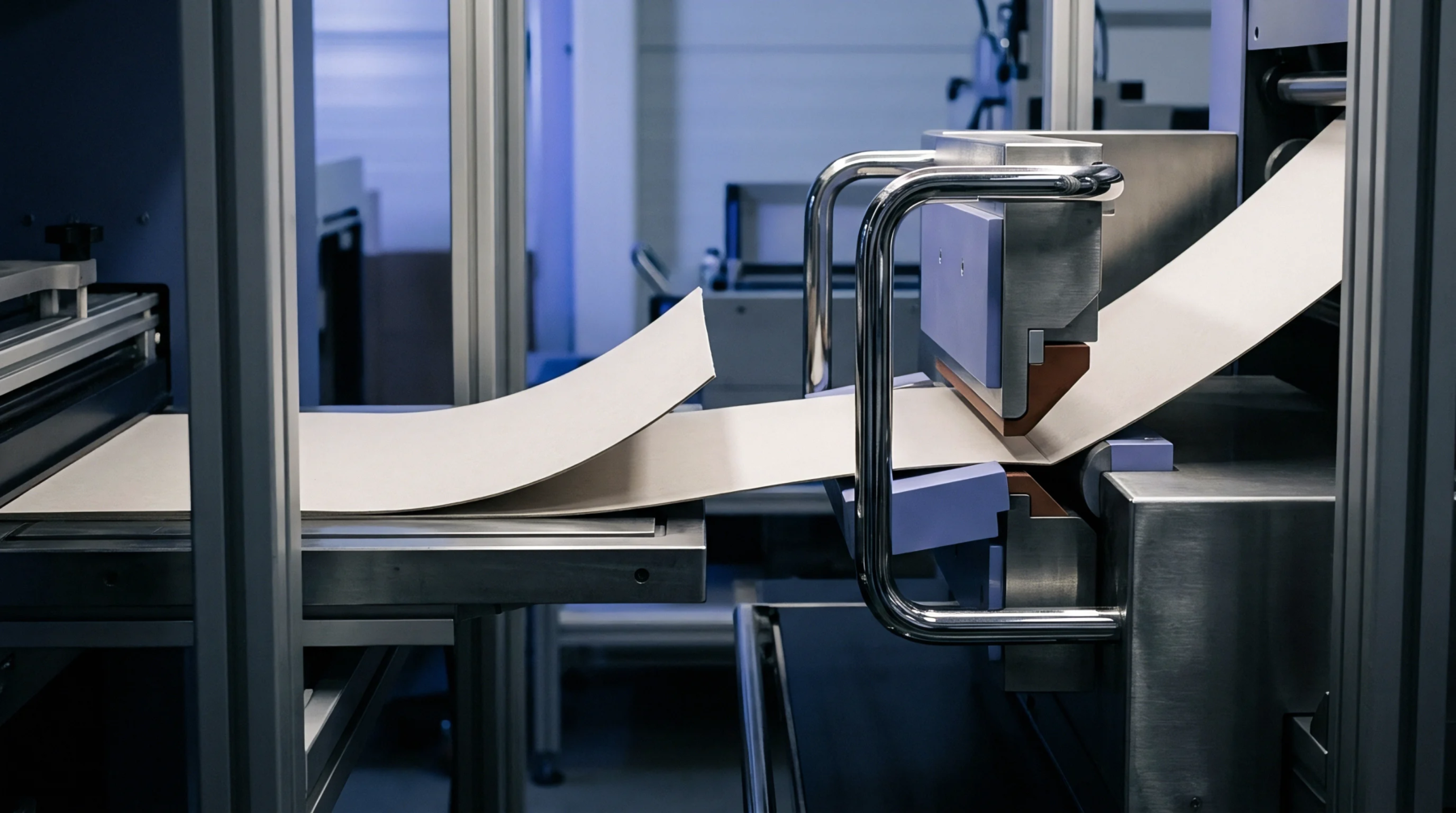
Recycled cartonboard converting demands minimum internal bond energies of 130 to 180 J/m² to prevent blistering during litho printing and delamination in creasing.

Controlled multi-ply board creasing requires tuning rule penetration energy to exceed core shear strength without passing the outer liner tensile fracture limit.

Cross-border mass balance ledgers fail when destination customs authorities reject foreign multi-site credit pooling, scrap retention, and temporal borrowing.

Acoustic emission calibrates multiply board creasing by tracking high-frequency ply delamination bursts to stop liner fractures before carton blanks leave the die.
Expertise is a utility, not a secret. sentiention™ publishes its working knowledge as open reference: intelligence layer covering the materials it sources, the markets it enters, and the reference that serves both.