
Mechanical Refining Controls Fiber Fibrillation and Multi Ply Boxboard Cohesion
Controlled mechanical refining balances internal fiber fibrillation and core bulk retention to maximize inter-ply cohesion and bending stiffness in multi-ply boxboard.
Controlled mechanical refining balances internal fiber fibrillation and core bulk retention to maximize inter-ply cohesion and bending stiffness in multi-ply boxboard.

Critical mixed-mode interfacial fracture toughness dictates high-speed paperboard converting success by preventing score line delamination under rapid shear and bending forces.
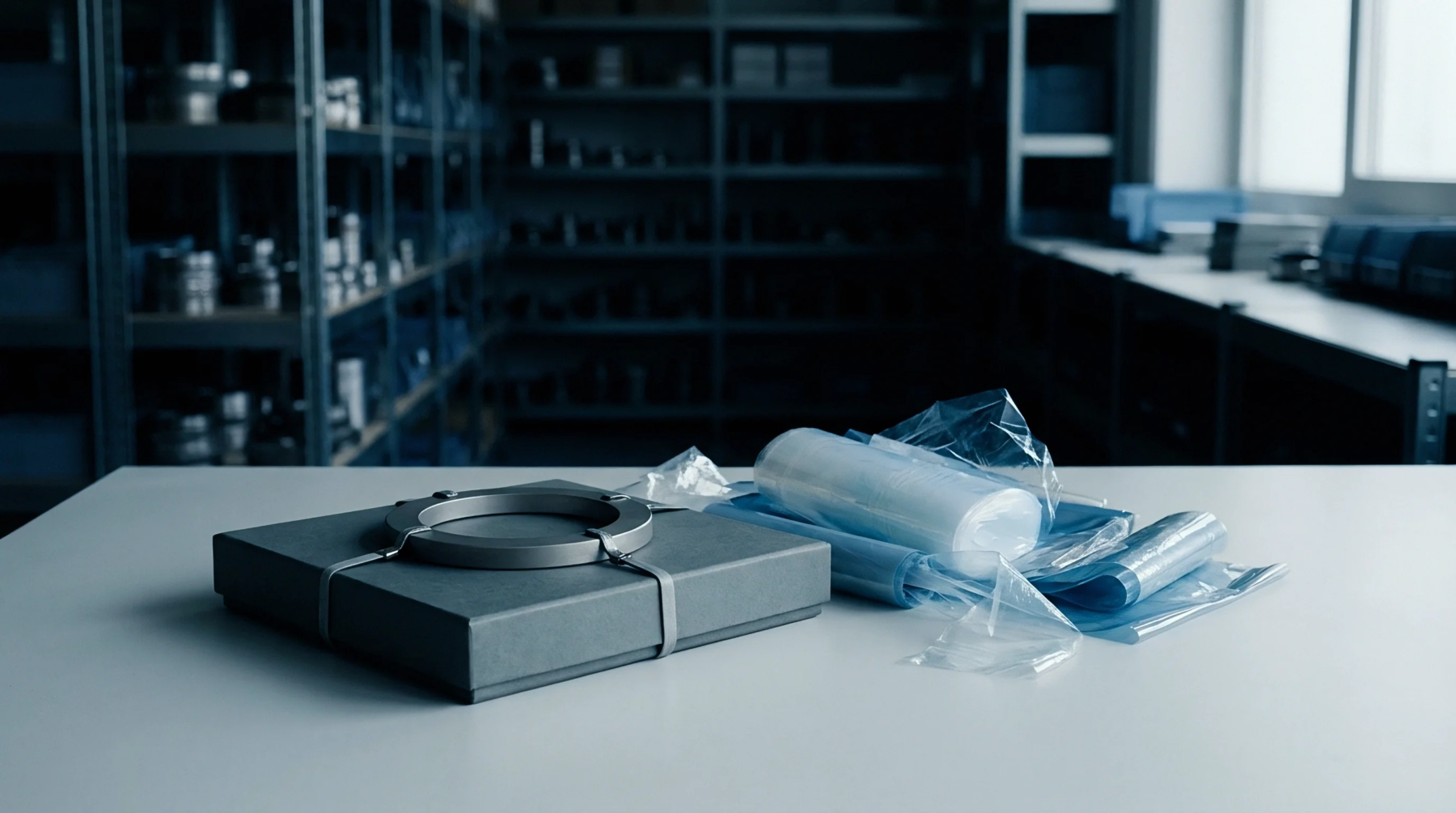
Viscoelastic shear slip along film-board interfaces is minimized by balancing web tension, maintaining adhesive storage modulus, and matching crease geometry.
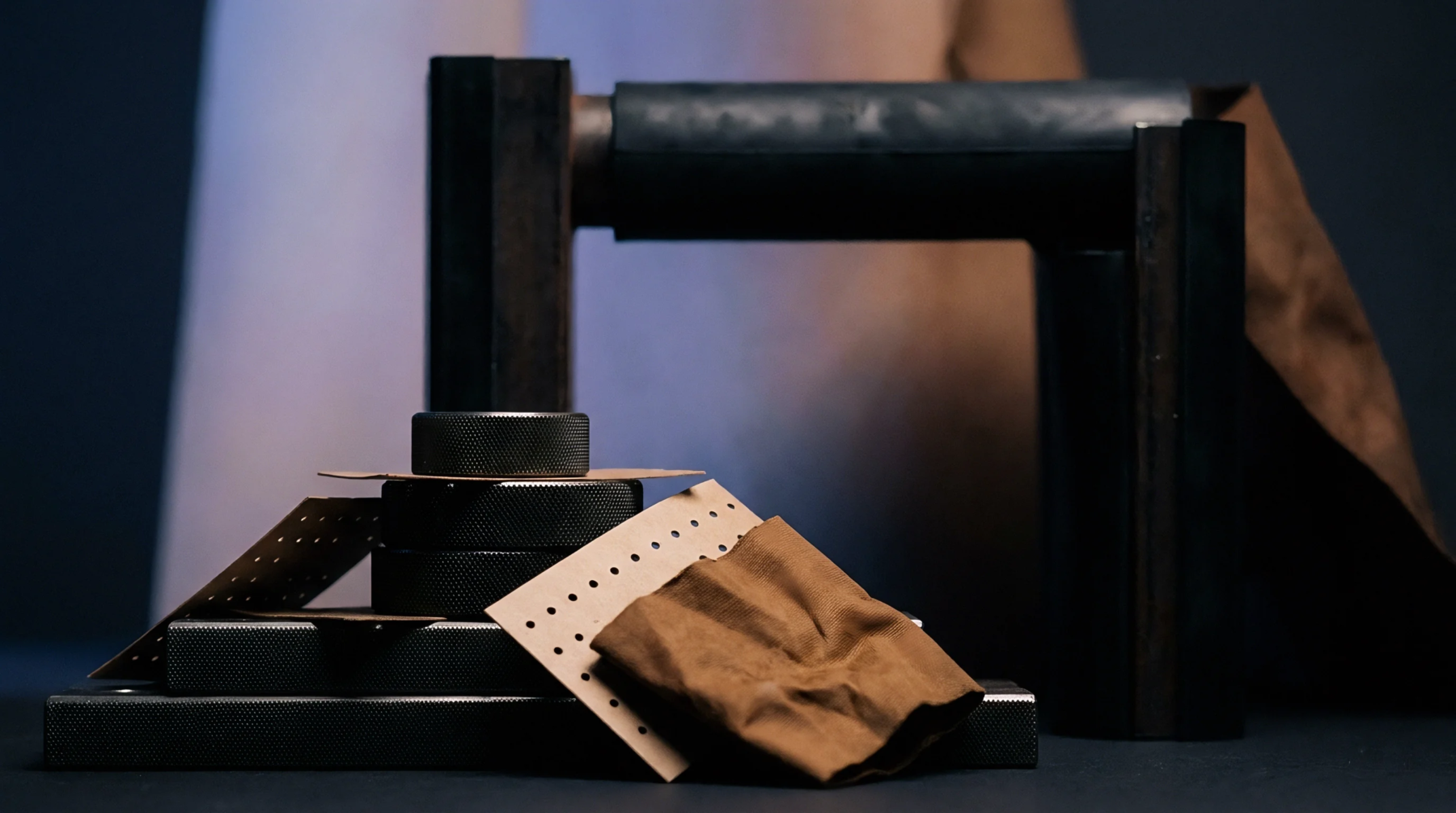
Paperboard reel temperature equilibration requires calculated staging times based on reel diameter and temperature differential to prevent condensation defects.

Uncoated boxboard grid ligaments fail through accelerated tensile creep when humidity swings break fiber bonds, requiring slot geometries that limit local dead-load stress.
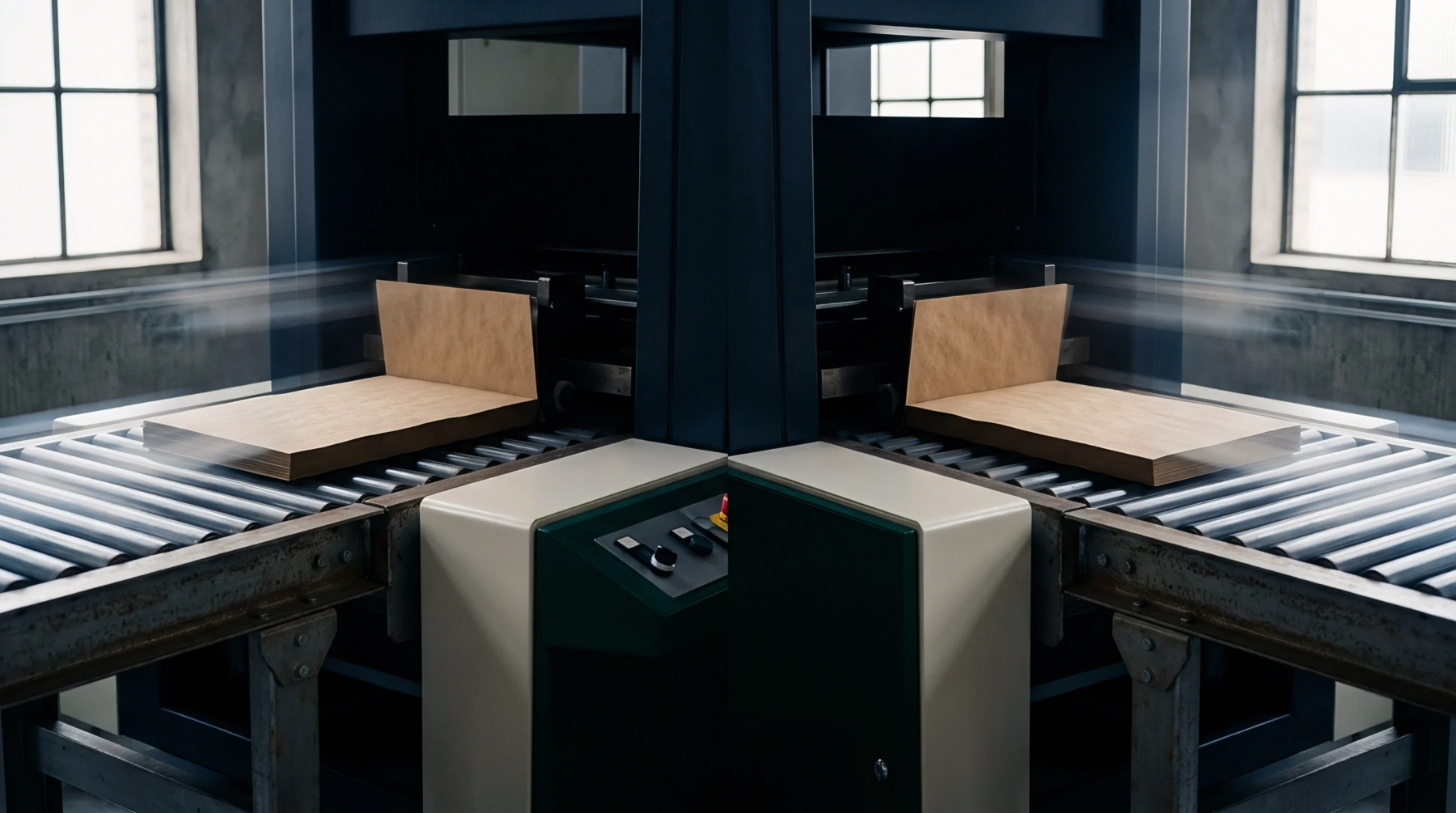
Paperboard pallets from cold storage require sealed thermal conditioning until core temperatures exceed pressroom dew points to prevent edge swelling and press failure.

Crease groove depth controls barrier strain limits; precise female matrix sizing prevents coating micro-cracking and maintains regulatory migration resistance.

Cross-direction grammage drift forces wider edge trim allowances on rotary sheeters, reducing deckle yield and creating converting quality issues.

Maximizing parent sheet trim efficiency in folding boxboard balances paperboard machine deckle widths, sheet grain orientation, and press margins for minimum cost.
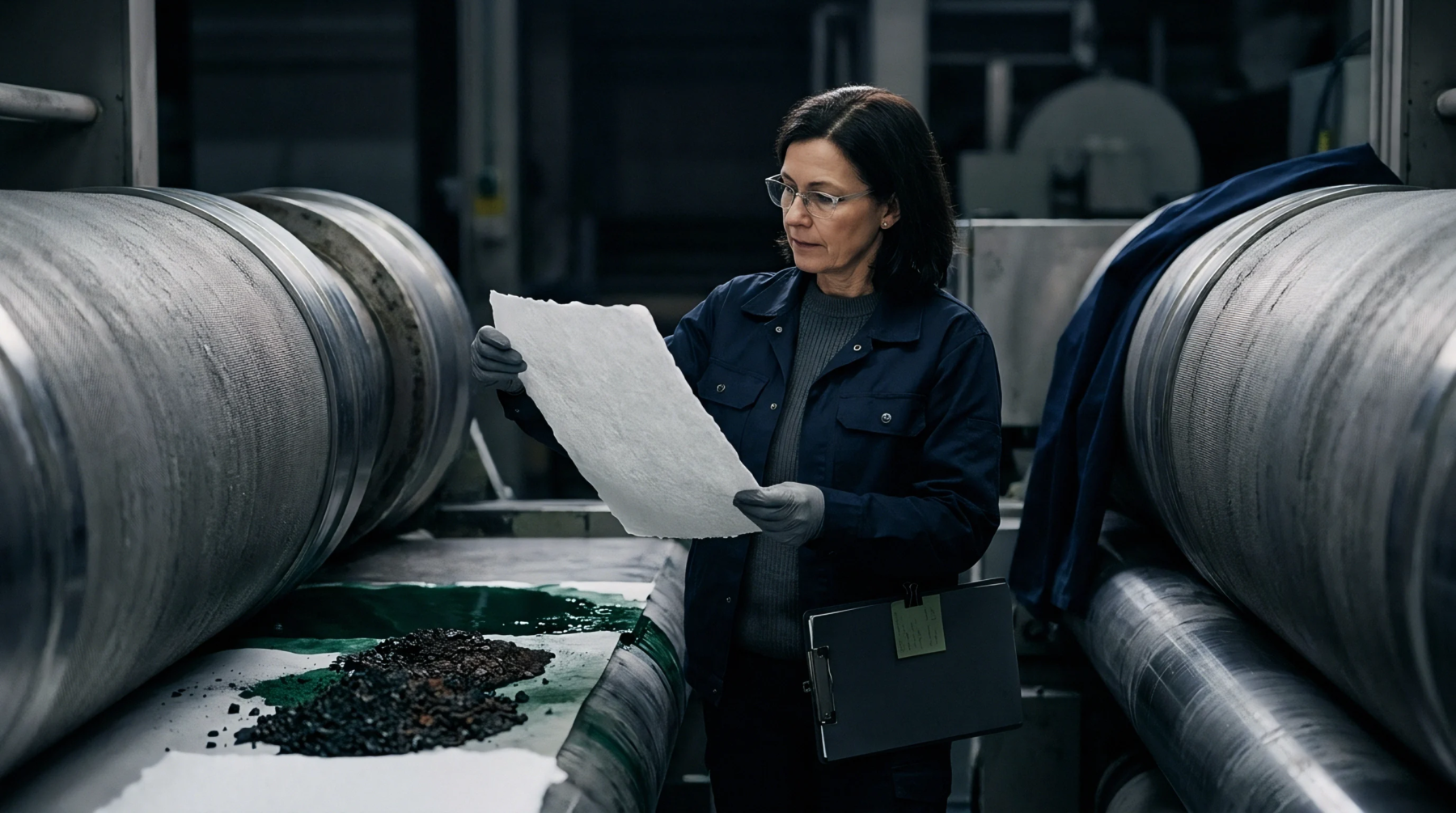
Internal bond strength in mechanical middle plies relies on fines retention and controlled refining to preserve bulk while meeting 180 J per square metre Scott Bond.
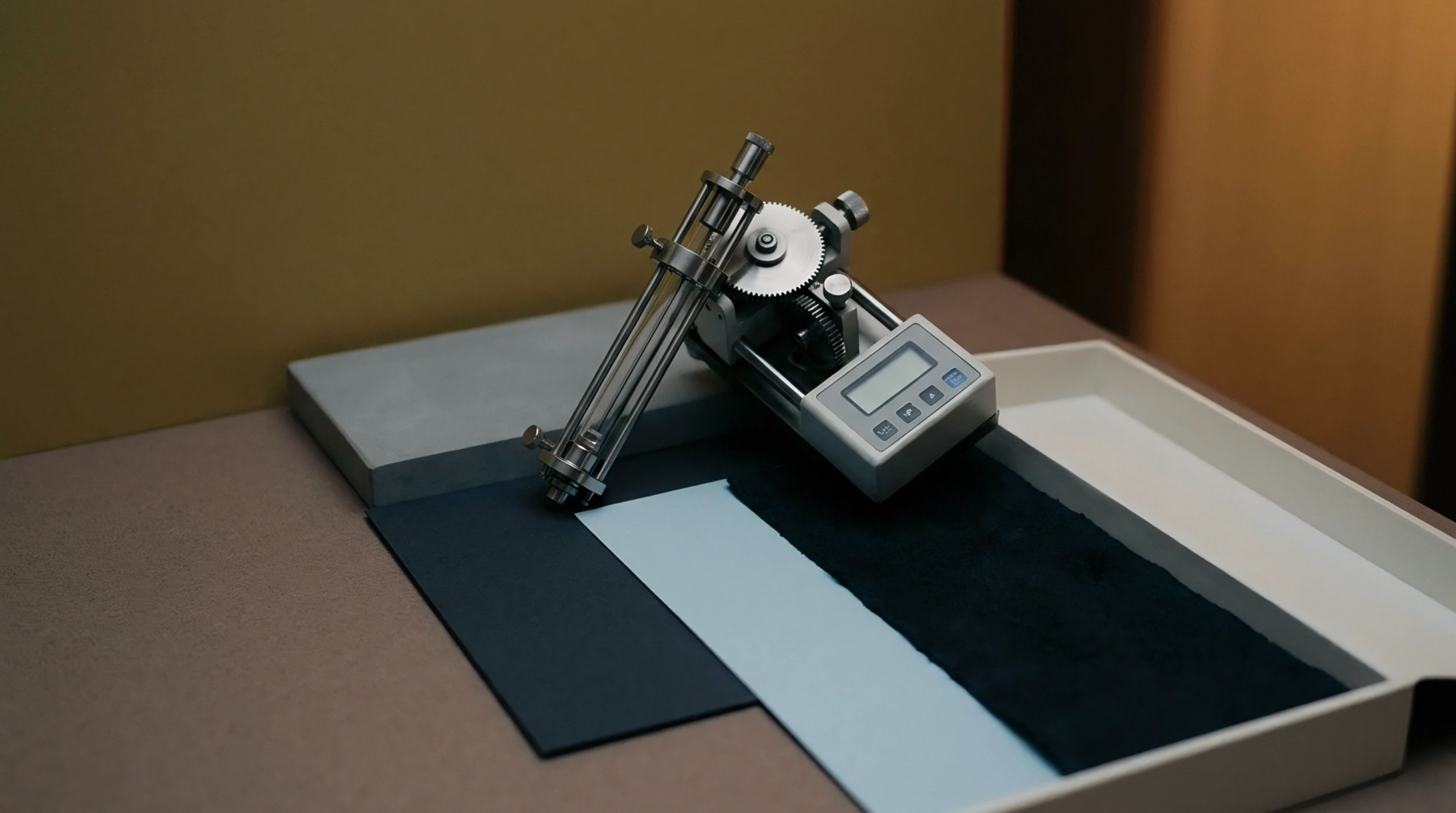
Optimizing thermal polyurethane lamination on cartonboard relies on matching nip heat to surface energy, balancing polar contact against fold stiffness.
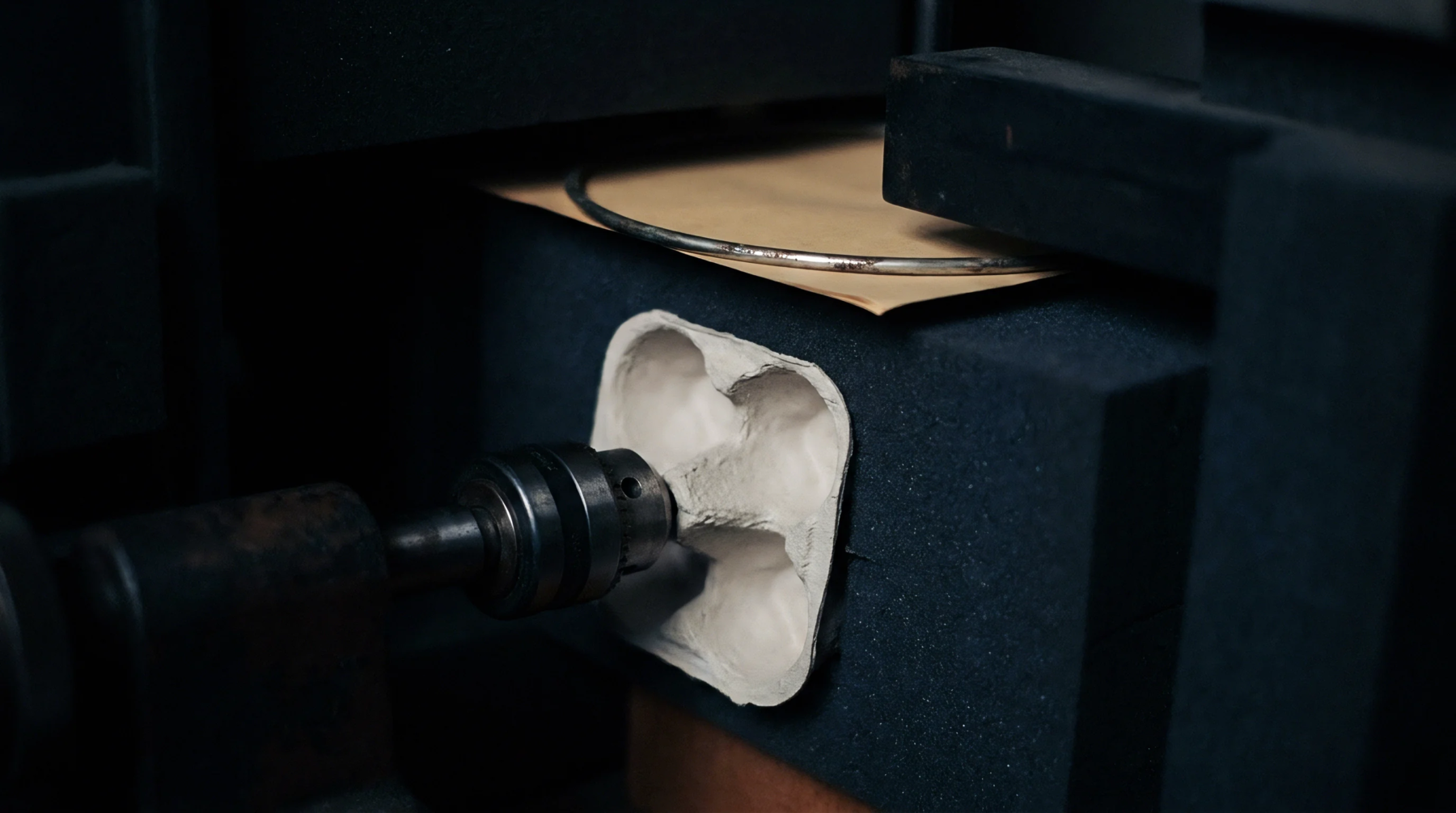
Dynamic shear dissipation rates in mechanical furnishes rise non-linearly above 12 percent equilibrium moisture content, accelerating packaging box failure.
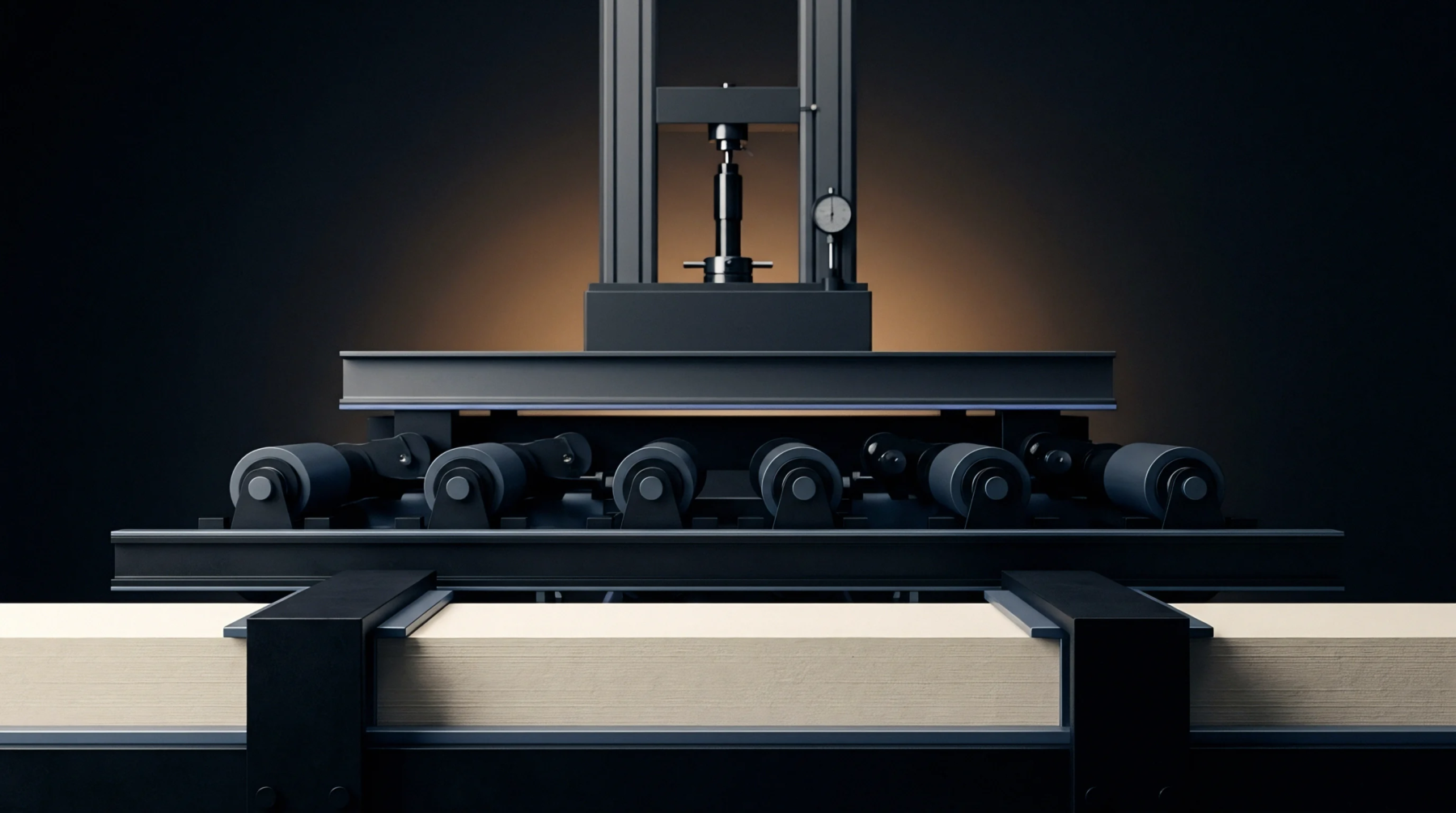
Transverse thermal gradient control in multi ply board lamination stabilizes cross direction web curl and prevents score line cracking across converting runs.
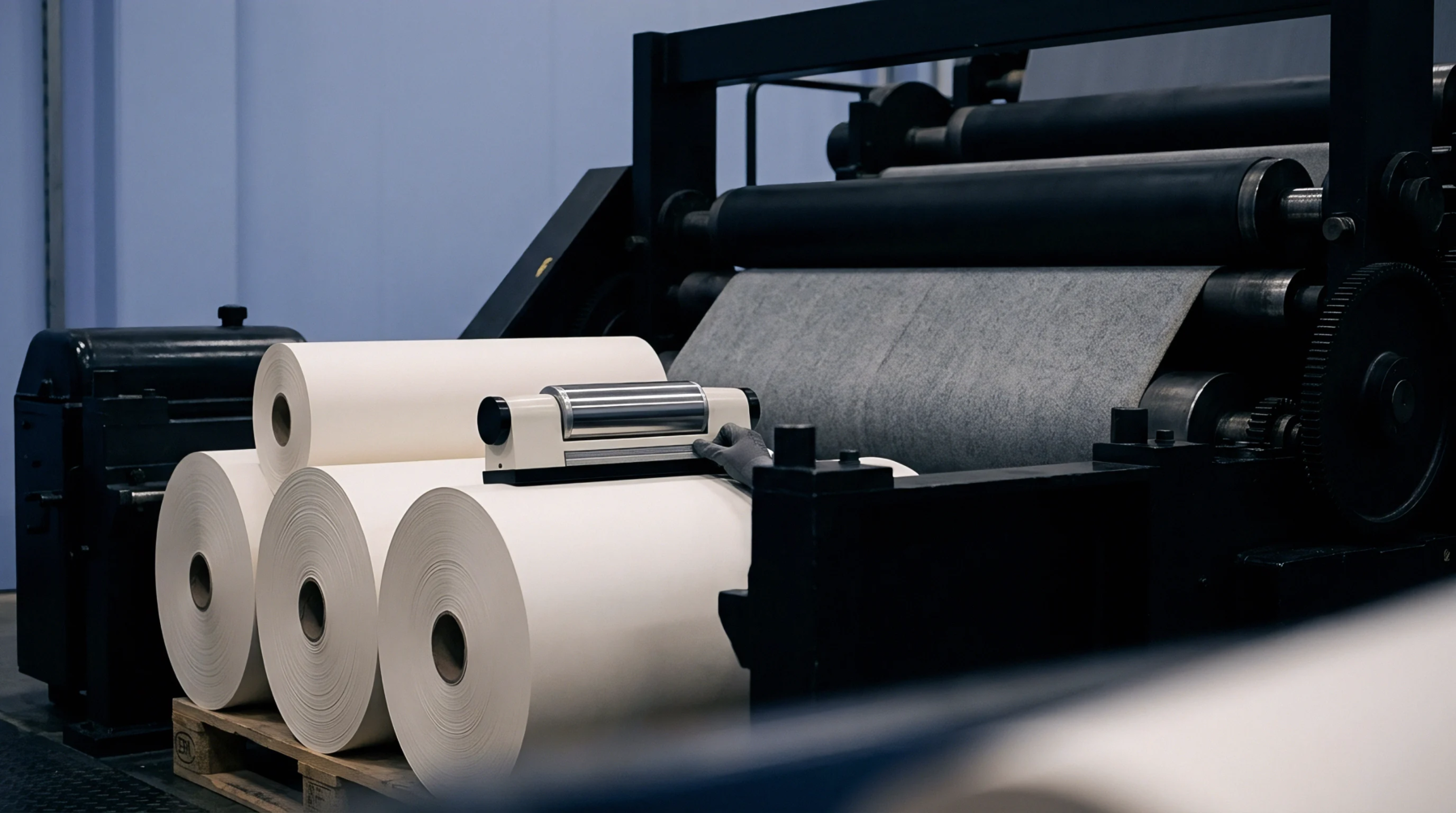
Controlling the jet-to-wire speed ratio limits fiber orientation anisotropy, preventing catastrophic cross-direction curl, register drift, and twist deformation.
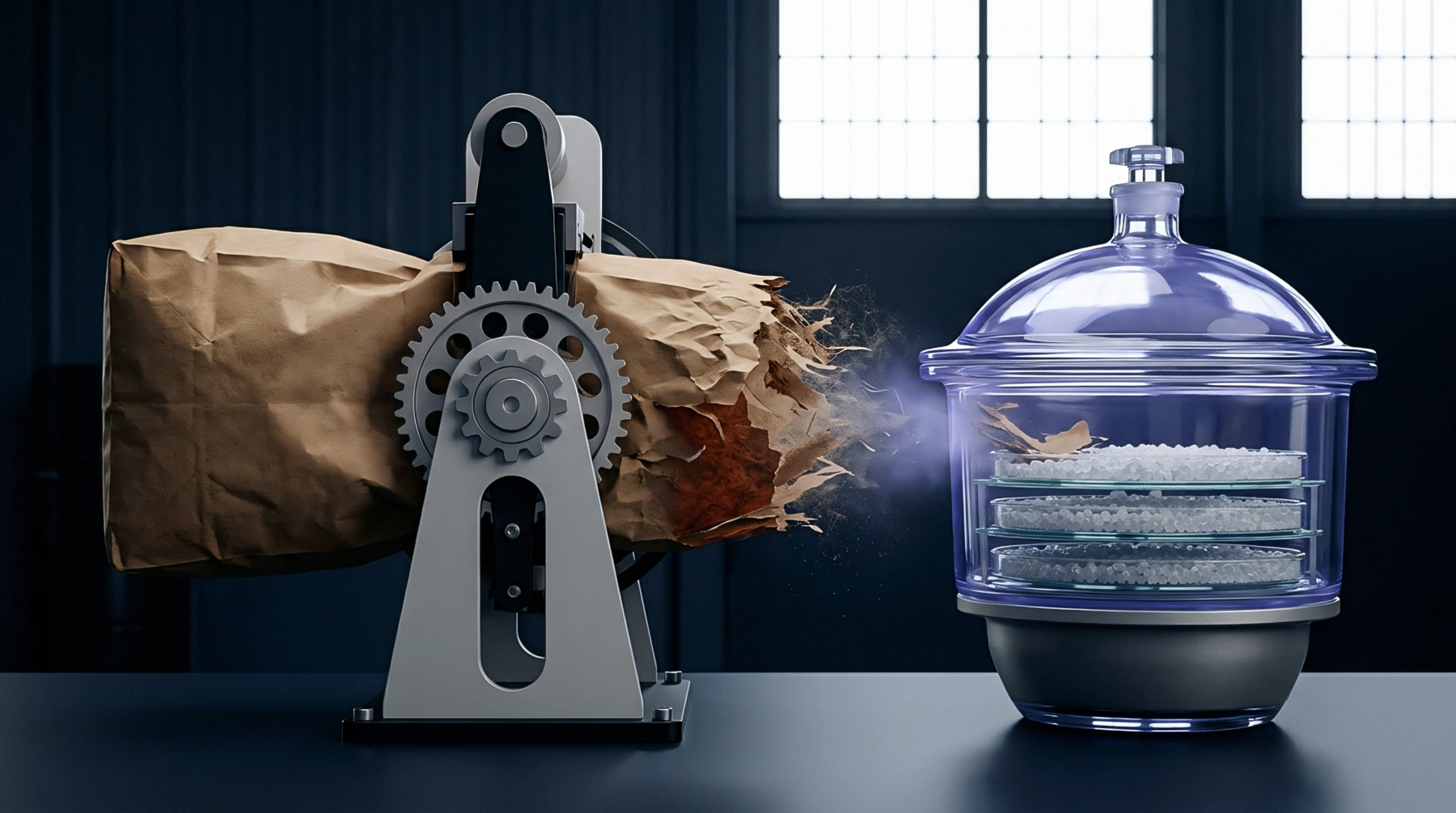
Dynamic moisture regain drives differential hygroexpansion between board and polyolefin, accelerating interfacial shear delamination along scored creases.

Optimize creasing matrix channel widths to twice board caliper plus rule thickness plus twenty percent to prevent interfacial shear delamination along creases.

Hytherthermal delamination occurs when rapid nip decompression flashes internal board moisture into steam that exceeds the substrate Scott bond strength.

Thermal polypropylene film adhesion on bleached paperboard requires EVA melt flow at 95-115 °C to achieve mechanical micro-pore locking and fiber tear failure.

Polyethylene lamination curl stems from thermal quench contraction opposing substrate hygro-expansion, governed by chill roll cooling and moisture balance.

Paperboard cross direction hygroexpansion reaches fivefold machine values, requiring climate staging and scaled tooling to prevent multi-pass register failure.

Optical score topography directly correlates with cartoner jam rates; controlled bead symmetry and internal ply shear reduce feeder misfeeds at high line speeds.

ISO 13655 M1 aligns ultraviolet excitation to CIE D50, preventing measurement drift between pressroom color targets and optically brightened paperboard shipments.
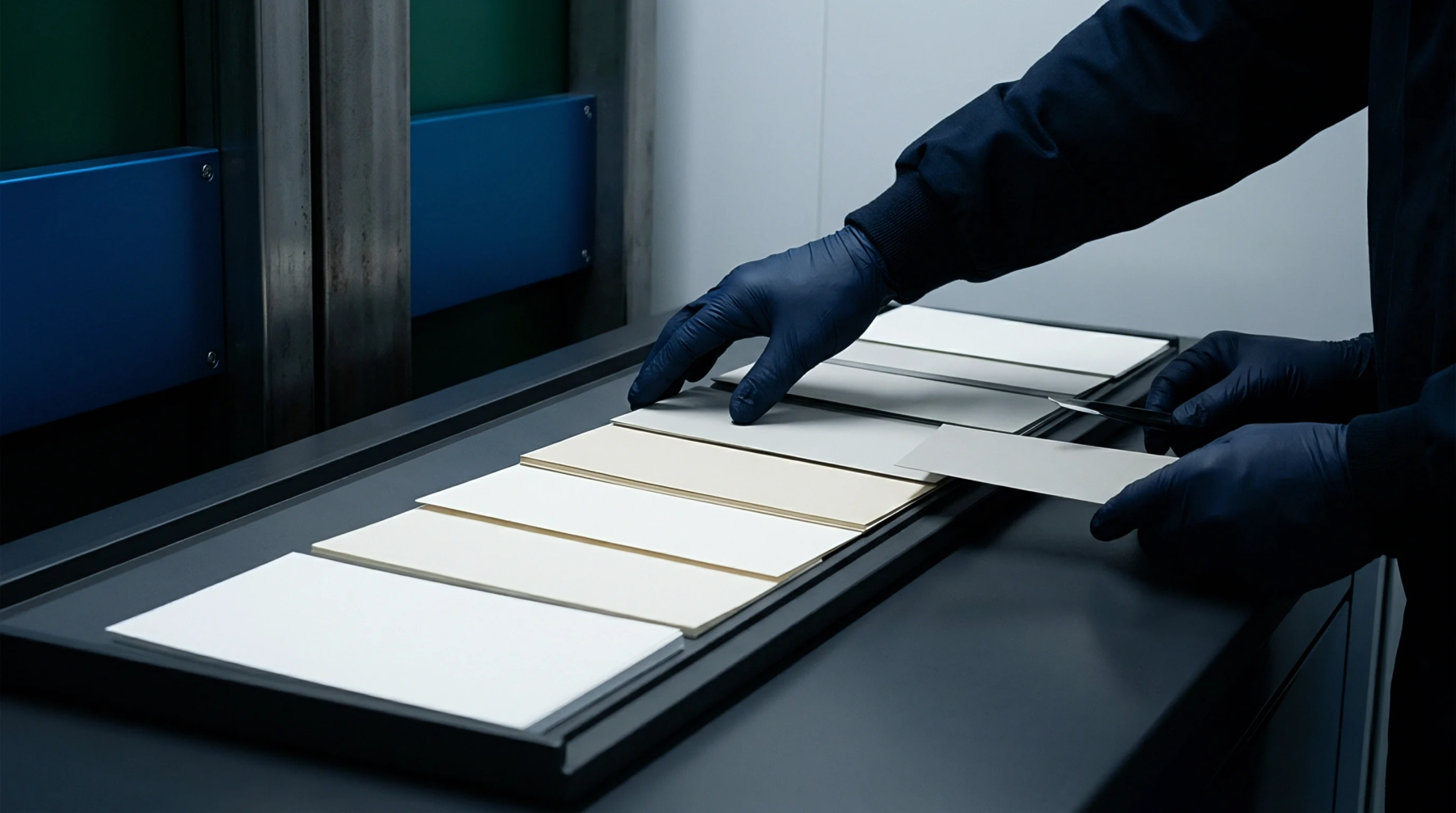
Blue laser triangulation resolves paperboard crease bead topography within two micrometers, eliminating red-light fiber scattering and manual micrometer error.
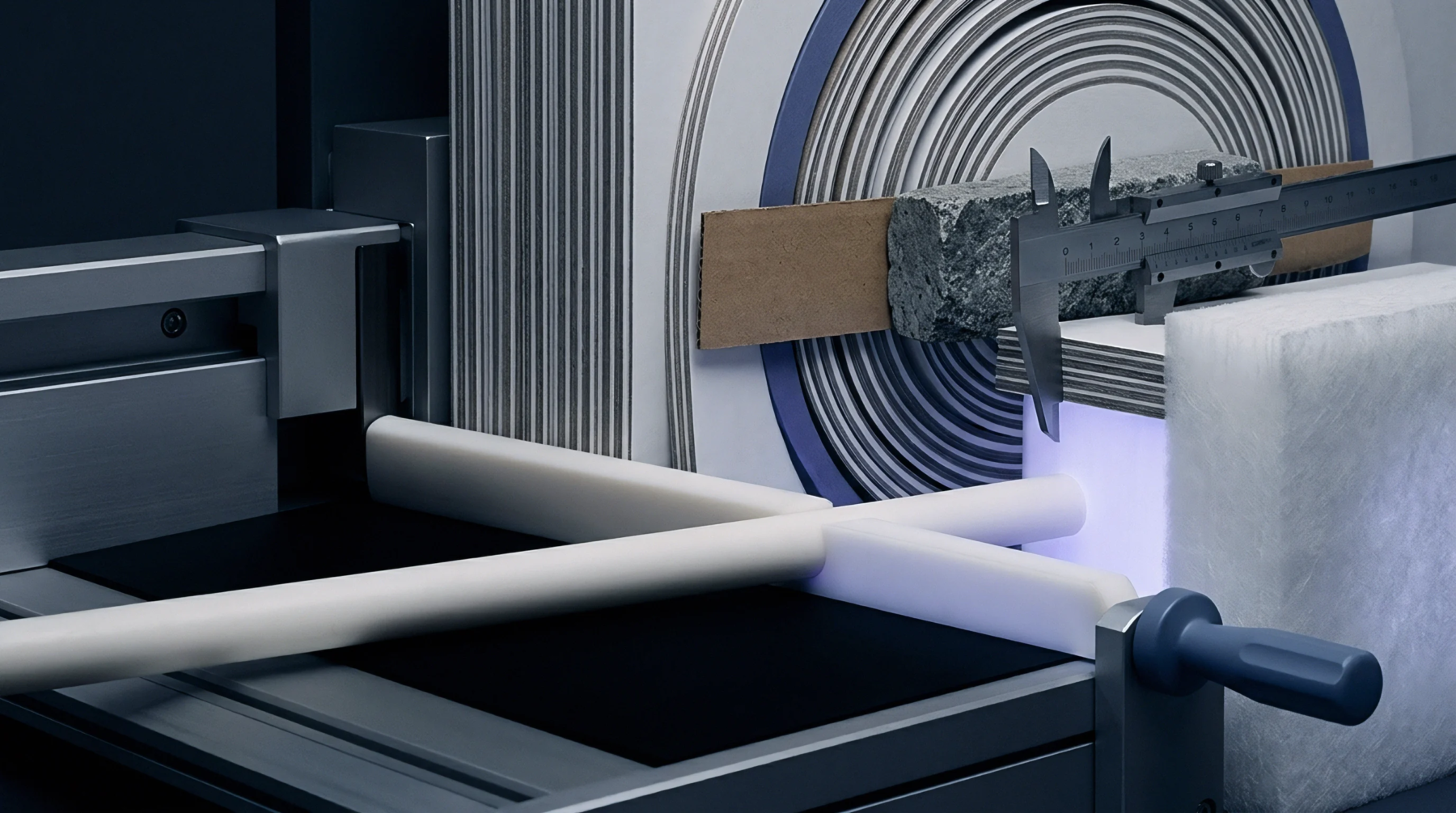
Calibrating paperboard yield stress via oscillatory mechanics prevents score line cracking by matching die channel dimensions to dynamic coating strain limits.
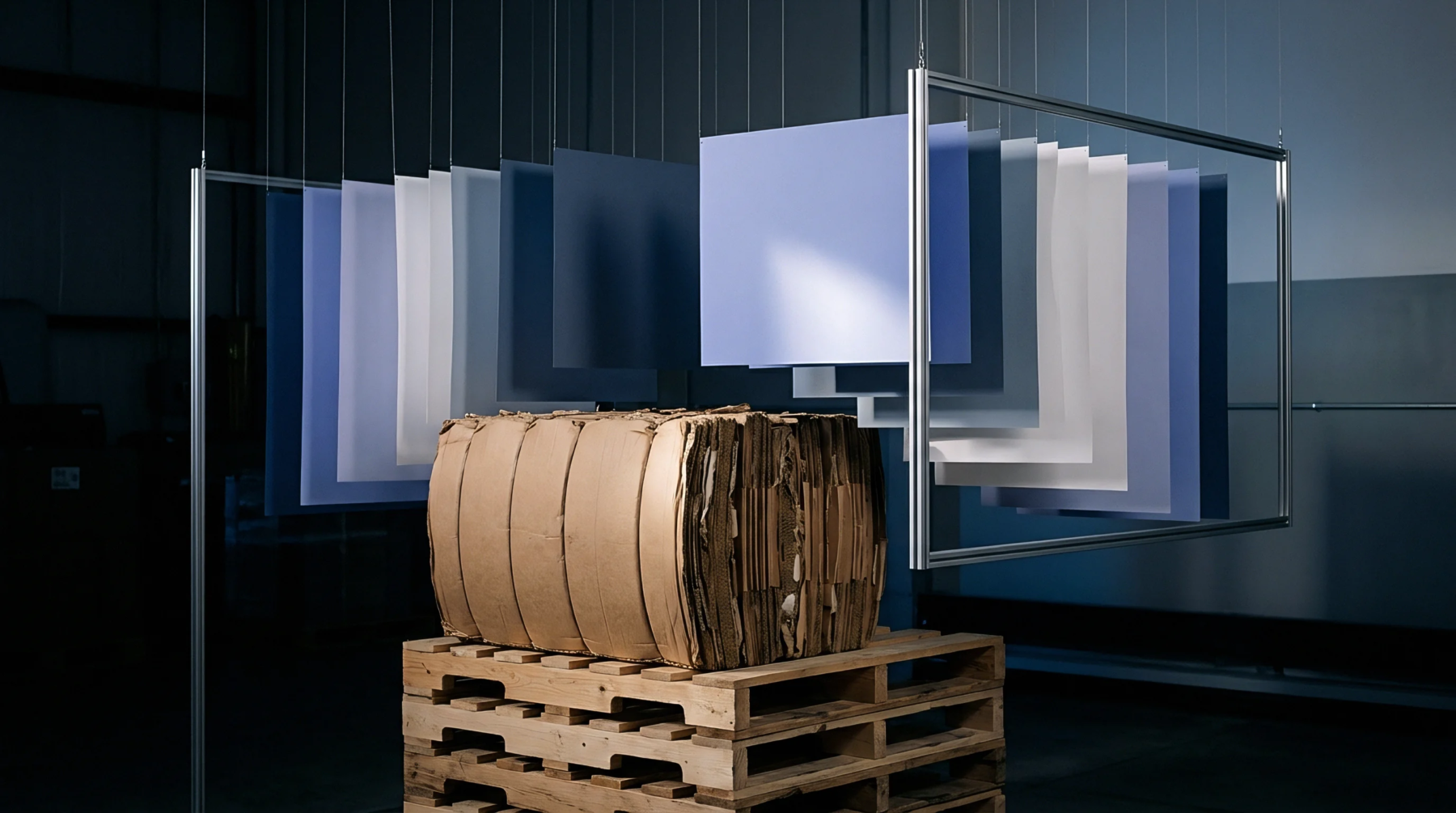
Resolving converting yield discrepancies requires batch-level gravimetric loss reconciliation within 48 hours to prevent expired credits from deficiting active ledgers.
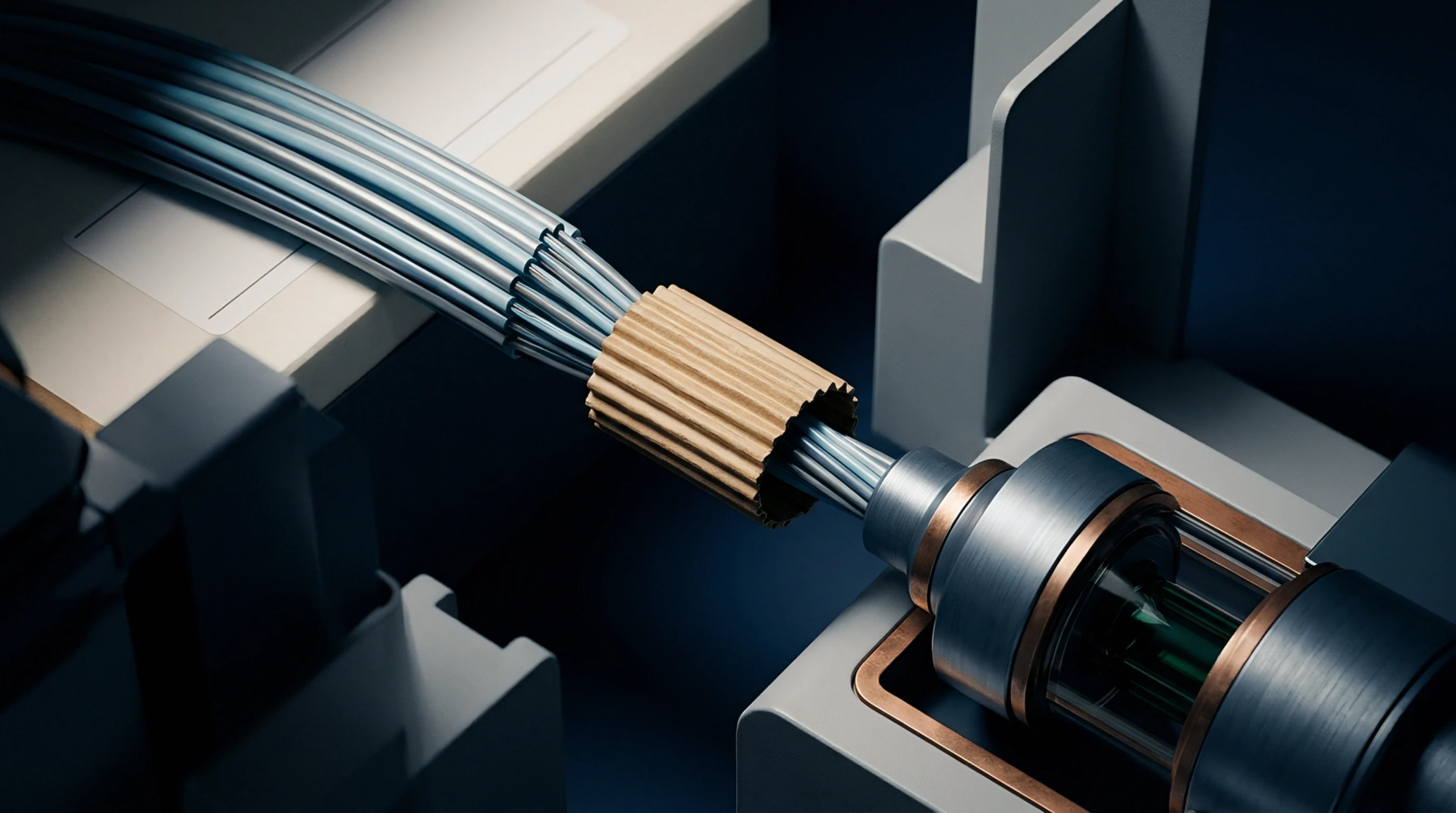
Polymer binders with glass transition points below eight degrees Celsius absorb outer-score tensile strain to prevent carton coating fracture during folding.
Aqueous barrier board selection requires balancing Cobb and WVTR specs against laboratory repulpability mass yields above 85 percent to minimize EPR eco-tariffs.
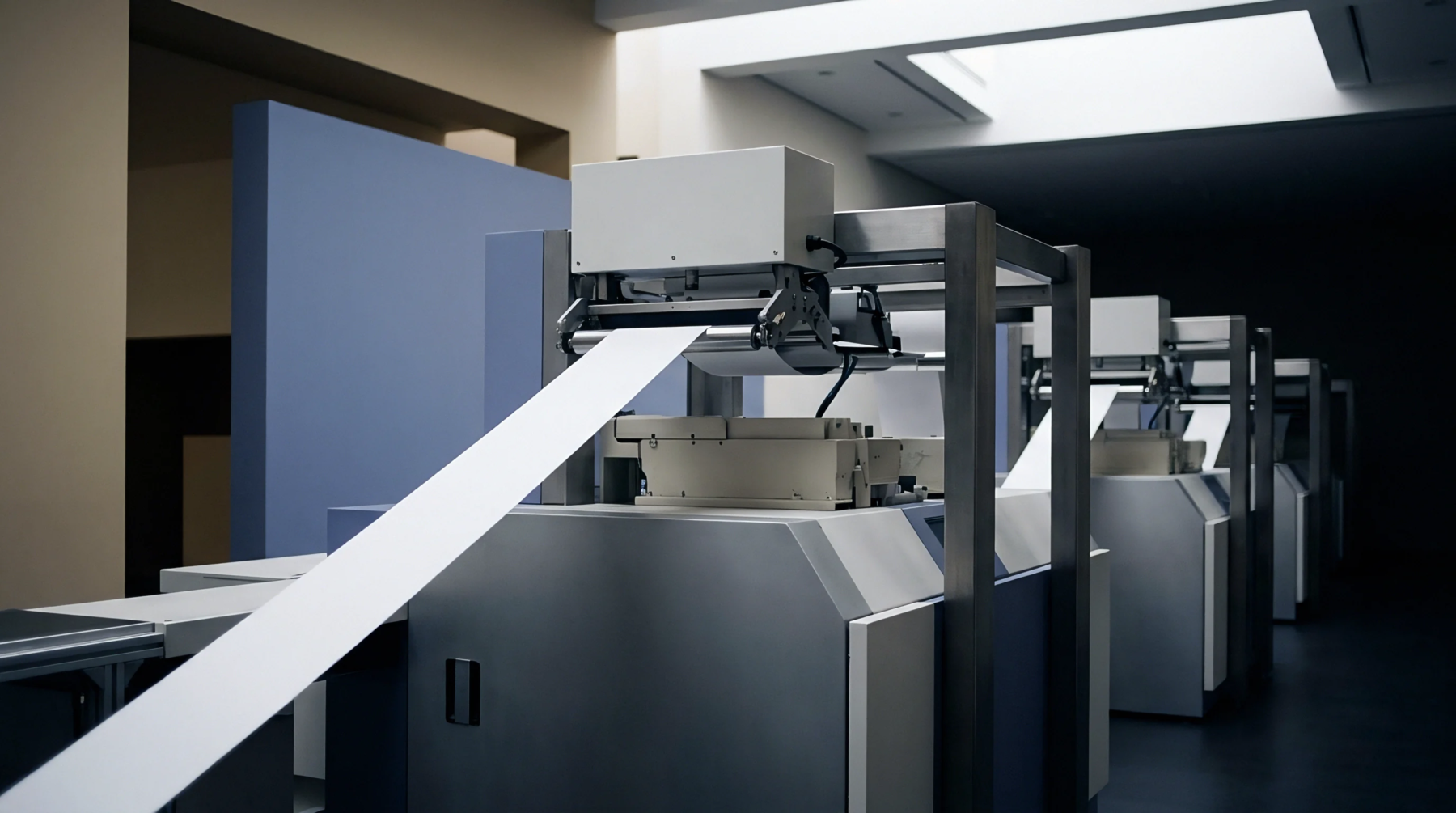
Folder gluers above four hundred meters per minute demand adhesives under fifty millinewtons per meter at twenty milliseconds to stop dry carton joints.
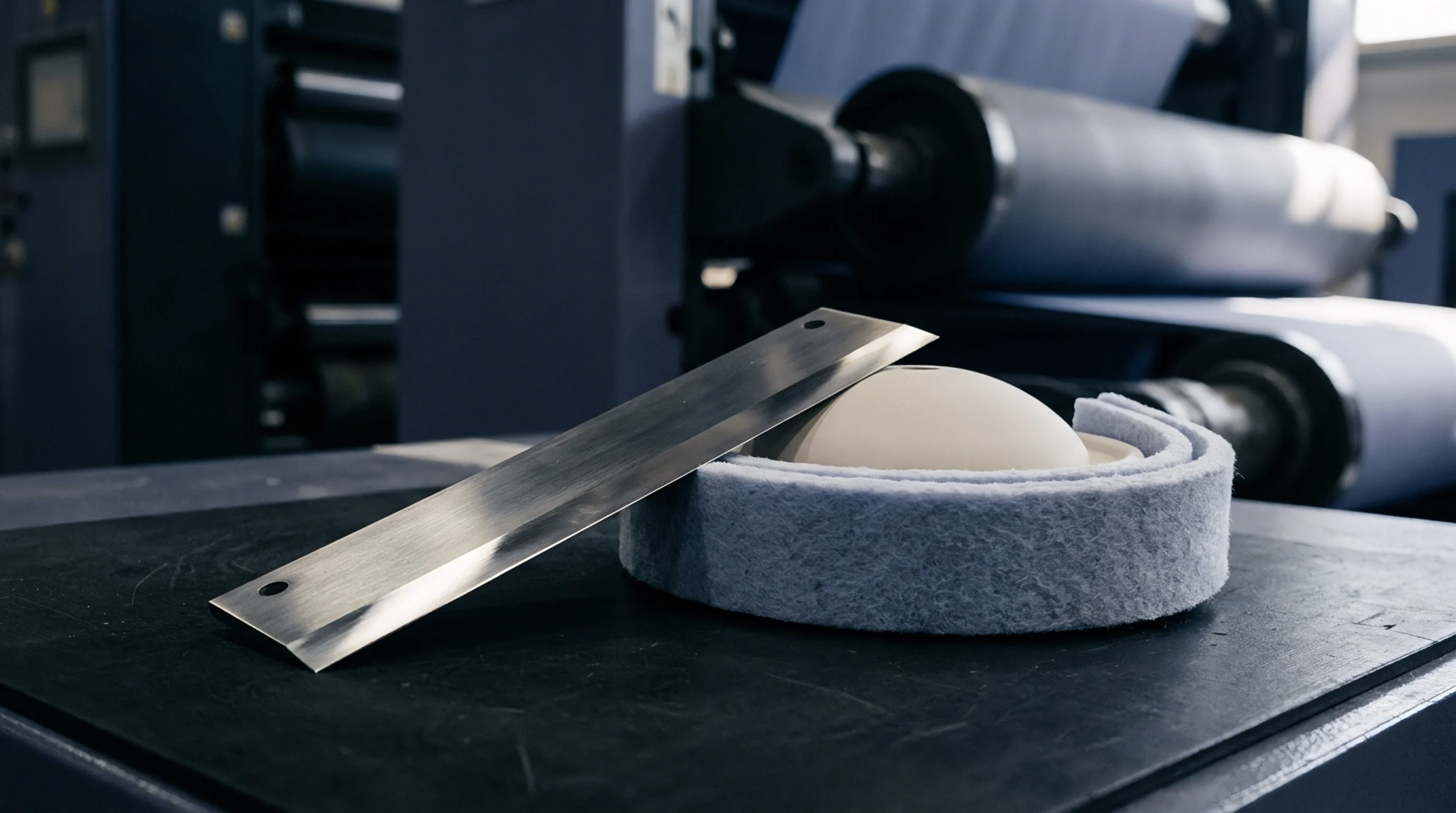
Micro-sticky contamination blinds press felts, driving up mill downtime, energy costs, and converter scrap rates through surface picking and coating failure.
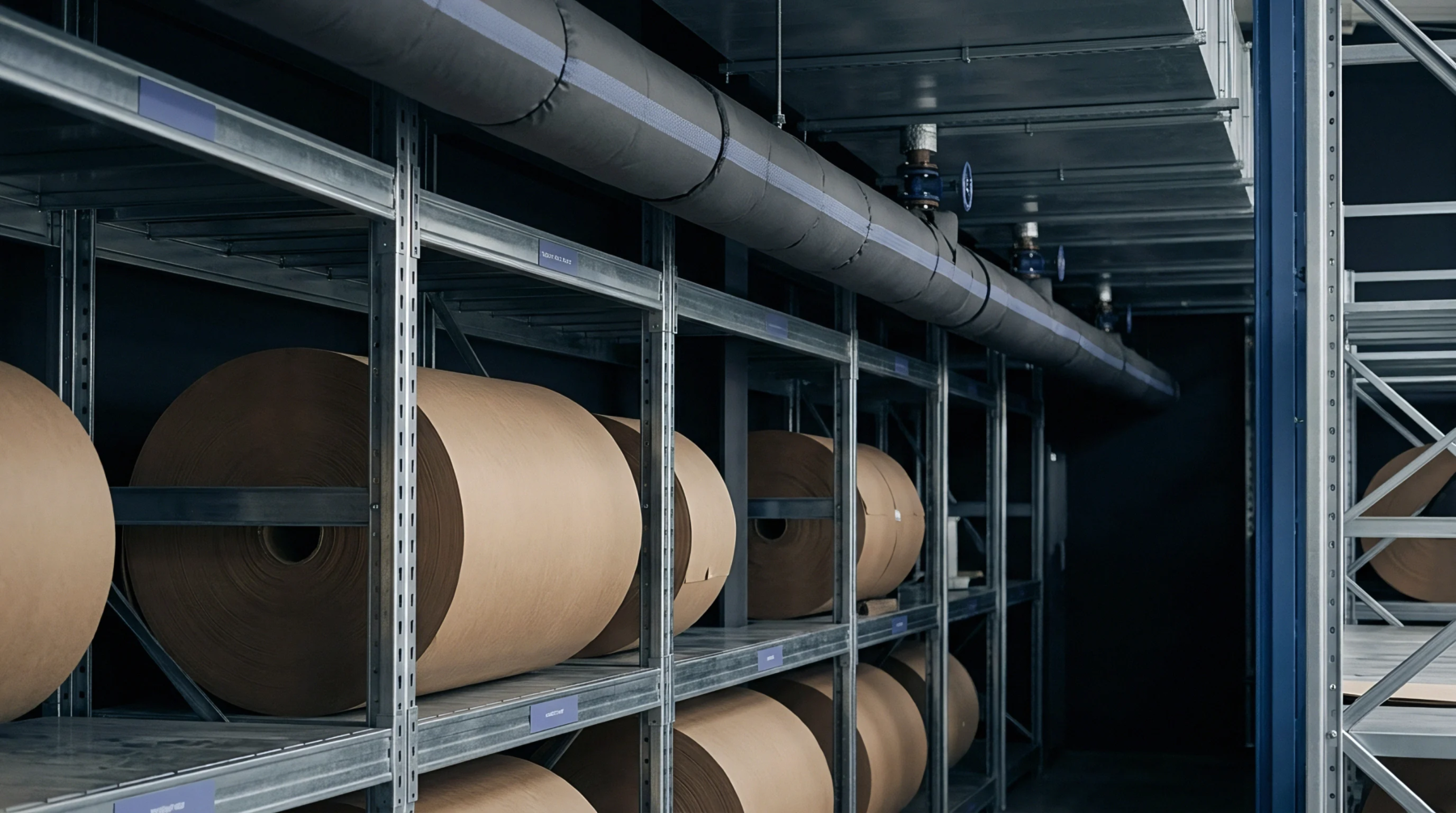
Aqueous adhesive jettings at 500 m/min require Trouton ratios under 50 and dynamic surface tension below 35 mN/m to prevent tailing and achieve rapid bond formation.
Expertise is a utility, not a secret. sentiention™ publishes its working knowledge as open reference: intelligence layer covering the materials it sources, the markets it enters, and the reference that serves both.