
Optimizing Multi-Ply Board Selection for High-Speed Folding Boxboard Packaging
Select high-bulk folding boxboard using caliper-derived yield arithmetic and verified crease recovery ratios to run stable on high-speed cartoning lines.
Select high-bulk folding boxboard using caliper-derived yield arithmetic and verified crease recovery ratios to run stable on high-speed cartoning lines.
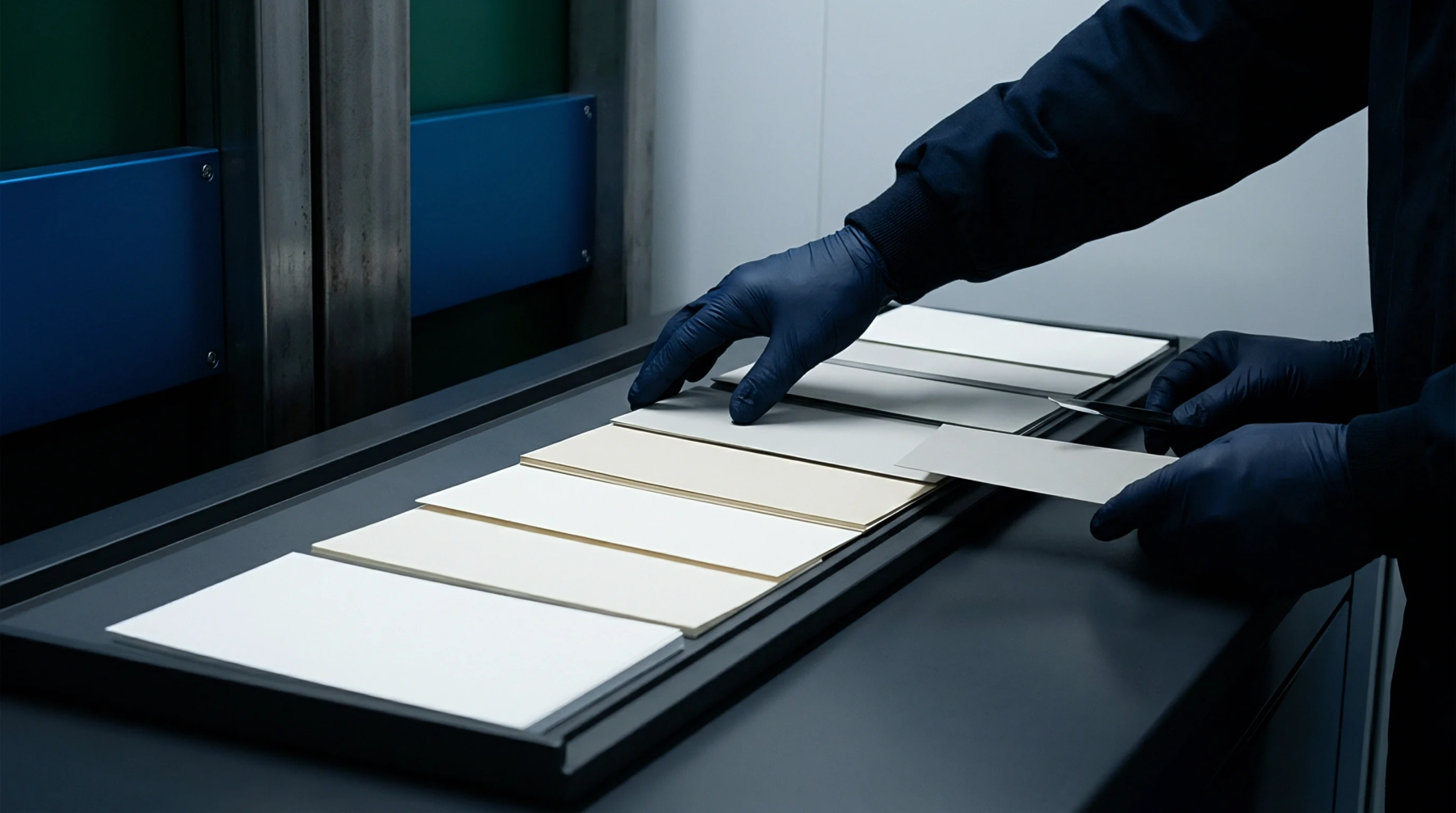
Paperboard migration testing requires solid adsorbents or single-sided extraction cells to evaluate chemical transfer without destroying cellulosic matrix integrity.
Maintain overprint varnish circulation velocity above 0.8 m/s with yield stress over 0.5 Pa to prevent silica dropout, cell plugging, and gloss drift.
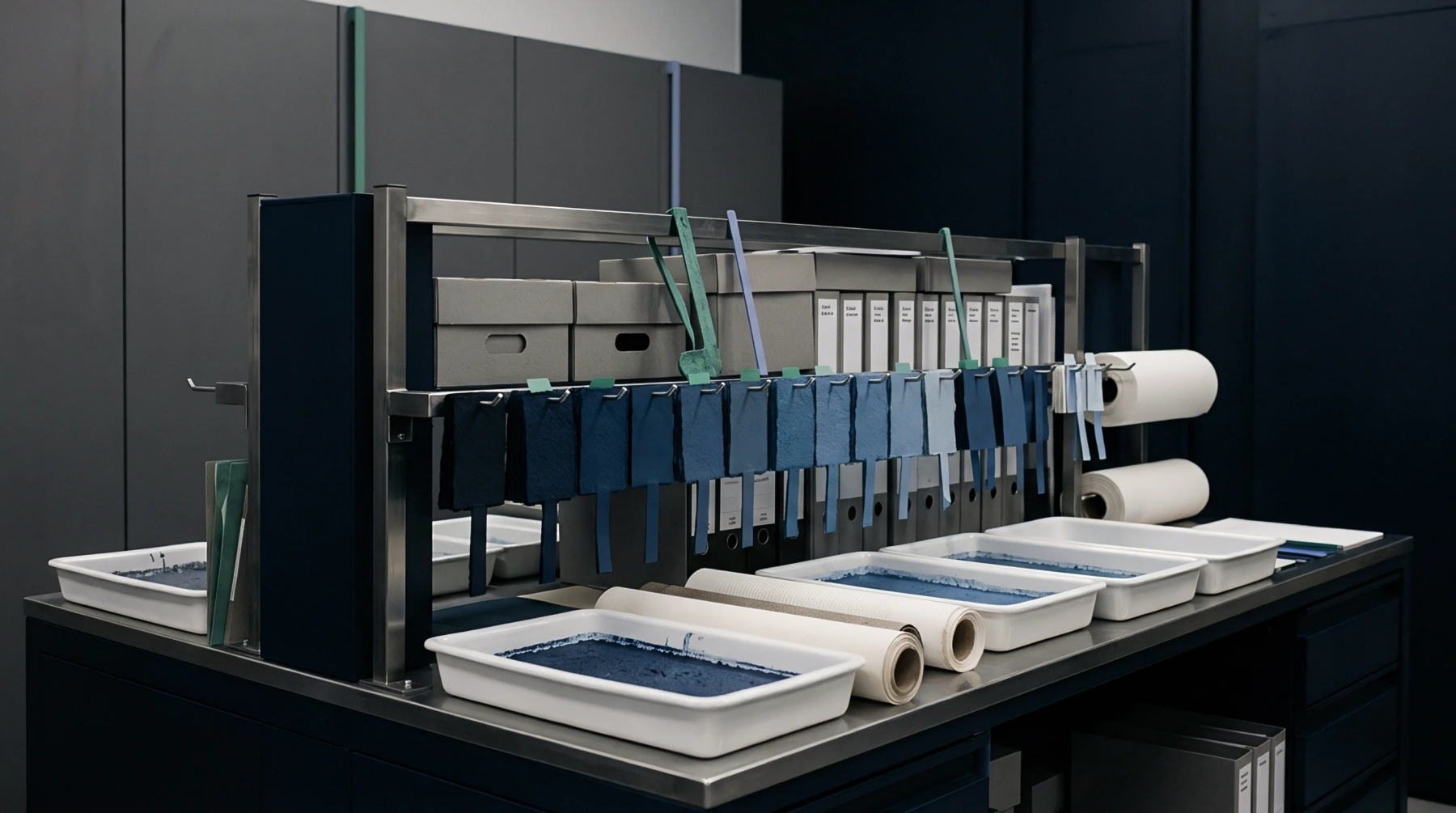
Dynamic moisture gradients across coated cartonboard slash bending modulus well before reaching equilibrium, demanding transient rather than static design.
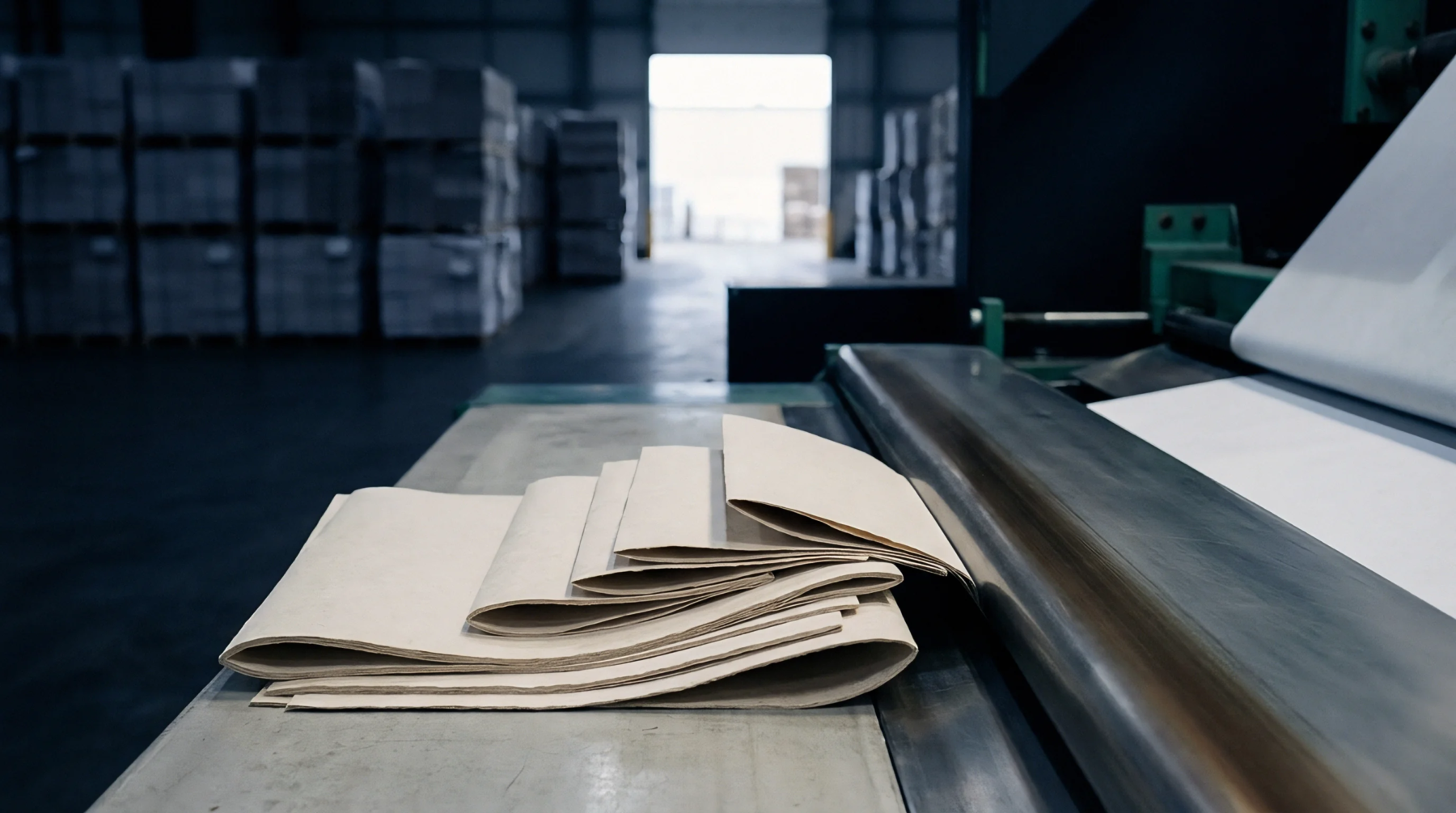
Packaging converters track certified fibre through transfer, percentage, or credit accounting, deducting production broke before issuing verified invoice claims.
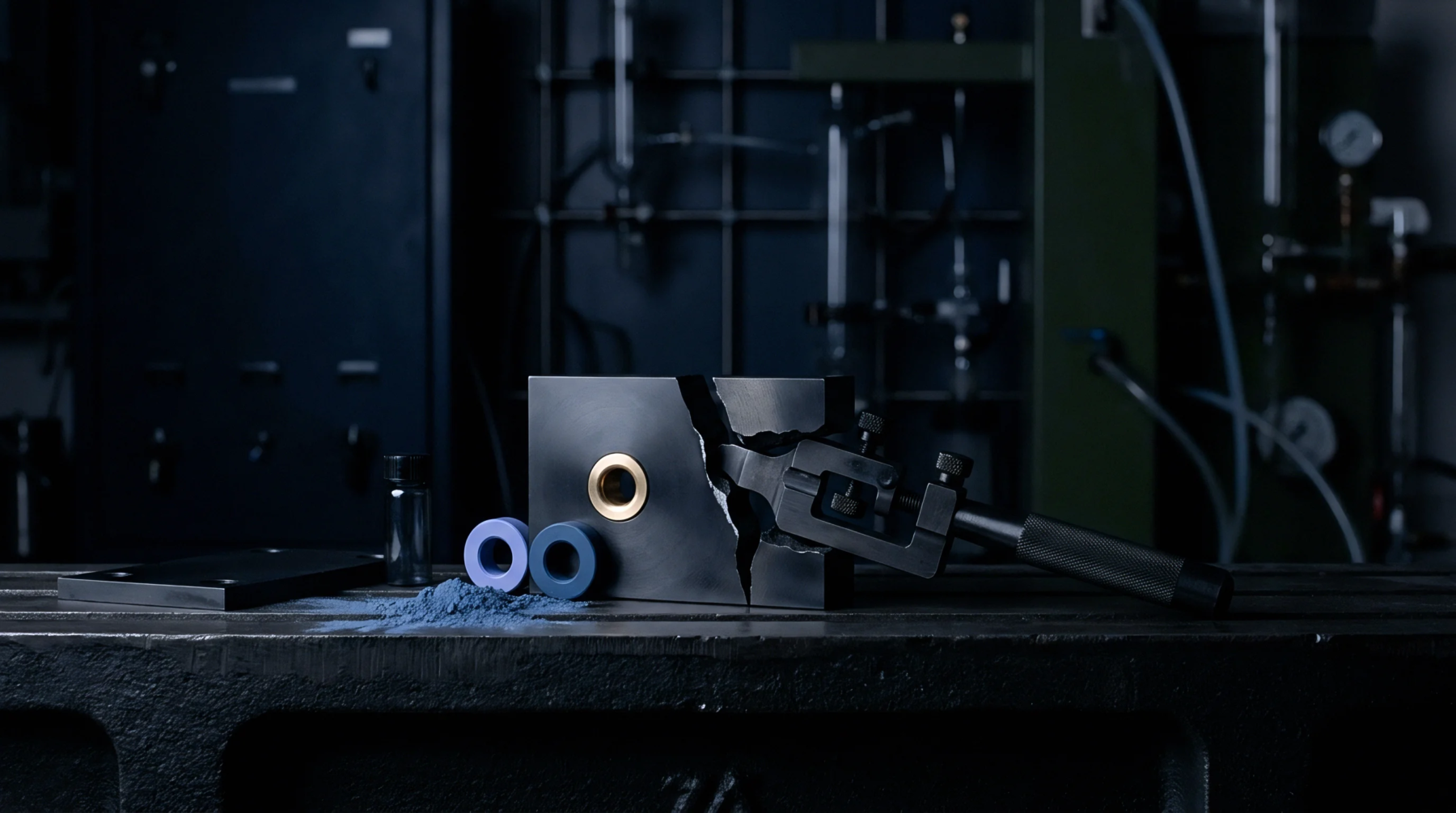
Dynamic strain velocity embrittles recycled multi-ply board, requiring widened crease channels and derated insertion speeds to prevent score line delamination.
Establishing auditable mass balance thresholds requires moisture-deducted fiber yields, verified conversion losses, and batch-specific ledger debits.
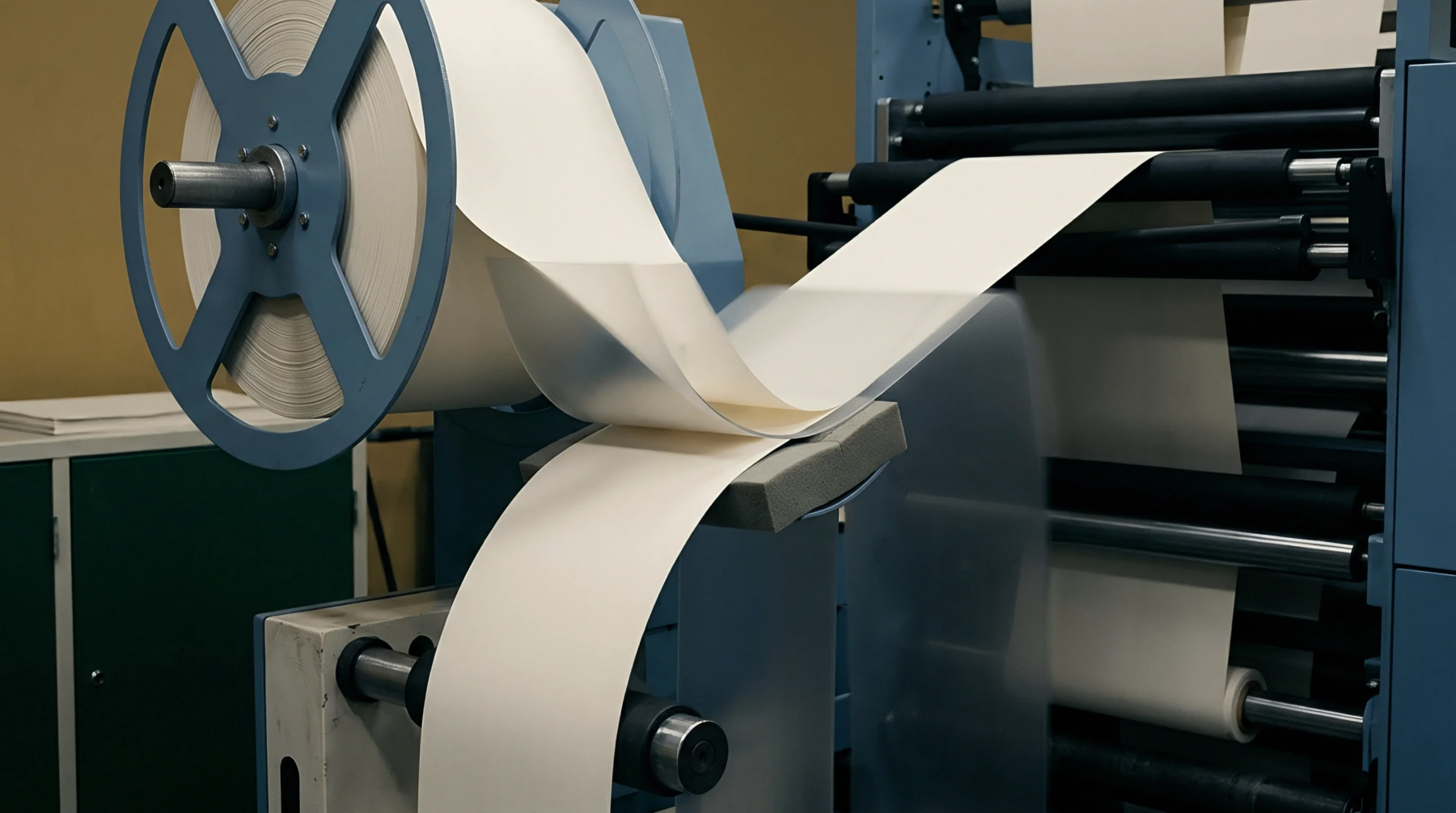
Optimizing high-speed board converting requires nonlinear viscoelastic models that tune matrix clearances and nip temperatures to microsecond dwell times.
Controlled wet-end starch dosing between 6 and 9 kg/t maintains Scott bond at 180 to 240 J/m², preventing score cracking and delamination at high press speeds.
Verifying paperboard claims demands cross-referencing public scope codes, validating invoice credit lines, and securing plot-level forest origin documentation.
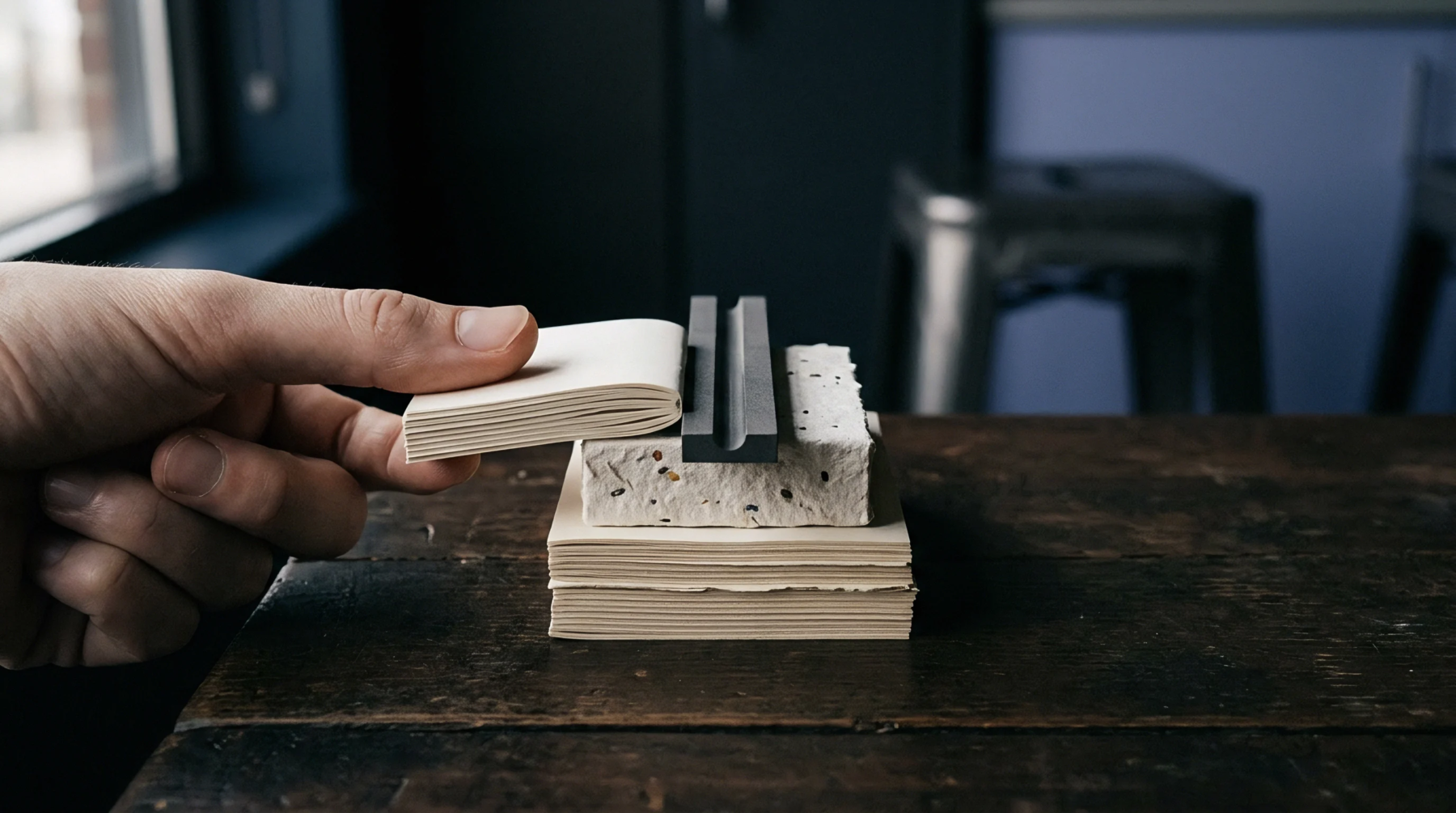
Controlled transverse shear delaminates the middle ply into sliding plates, lowering folding torque and protecting outer coated liners from tensile fracture.

Maintain board equilibrium moisture between 50 and 55 percent RH to prevent anisotropic fiber expansion, sheet fan-out register drift, and score cracking.
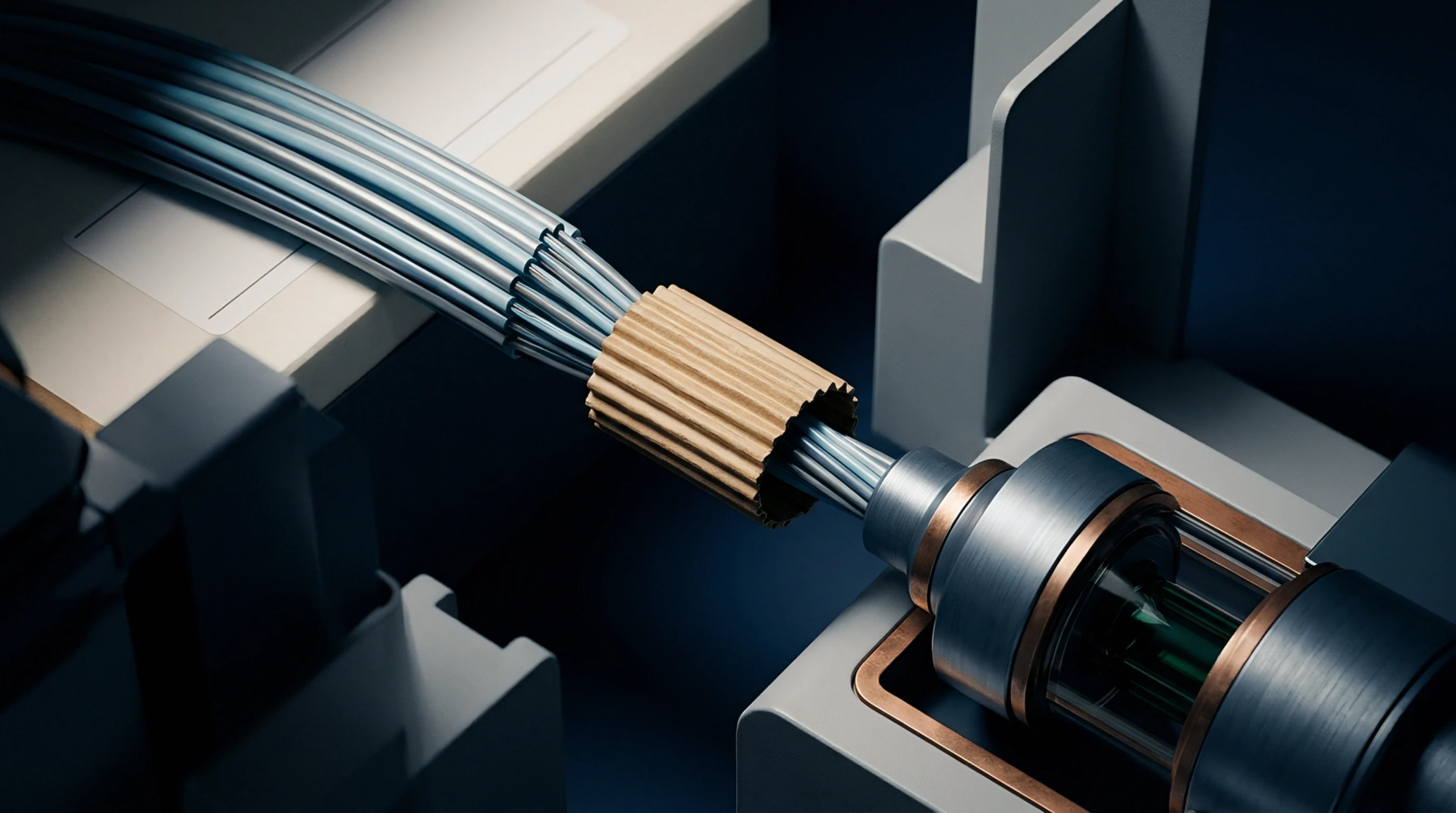
Extrusion coatings resist humidity until creasing strain shears polymer-fiber bonds, opening edge-wicking pathways that inflate converting scrap.

Mechano-sorptive cycling accelerates transverse delamination in recycled multi-ply board, collapsing stacked cartons when interlaminar shear exceeds ZD tensile bond.

Validate foreign packaging files by checking invoice claim strings on scheme registers, testing fiber furnish by microscopy, and screening barrier extraction.
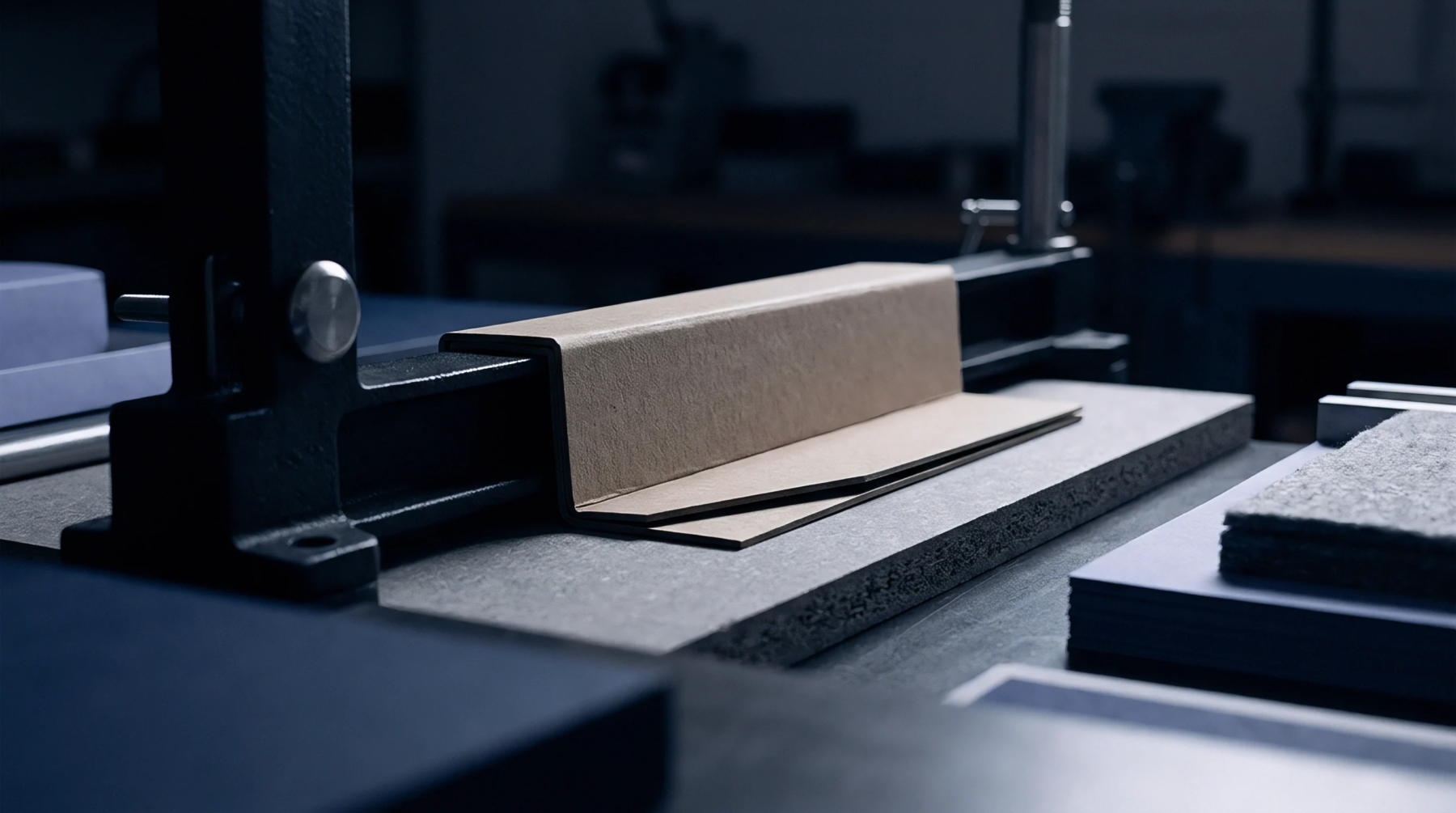
Verify paperboard food contact compliance through ISO 17025 migration reports matching exact converting geometries under European surveillance rules.

Compressive pallet pressure crushes cartonboard micro-roughness, multiplying contact area and forcing chemical migrants into reverse plies during storage.
Set-off migration prediction requires calculating pressure-dependent contact areas and temperature-driven diffusion rates across stacked cartonboard sheets.
Validate the invoice license code against the scheme register product group schedule to prevent invalid packaging claims, customs holds, and demurrage fees.
Twenty-degree gloss drops three times faster than seventy-five-degree gloss under Sutherland rub cycles because micro-scratches scatter narrow specular beams.
Abrasion sheen loss in coated cartonboard is quantified by measuring sixty-degree delta gloss after standardized contact-rub cycles under ASTM D5264.
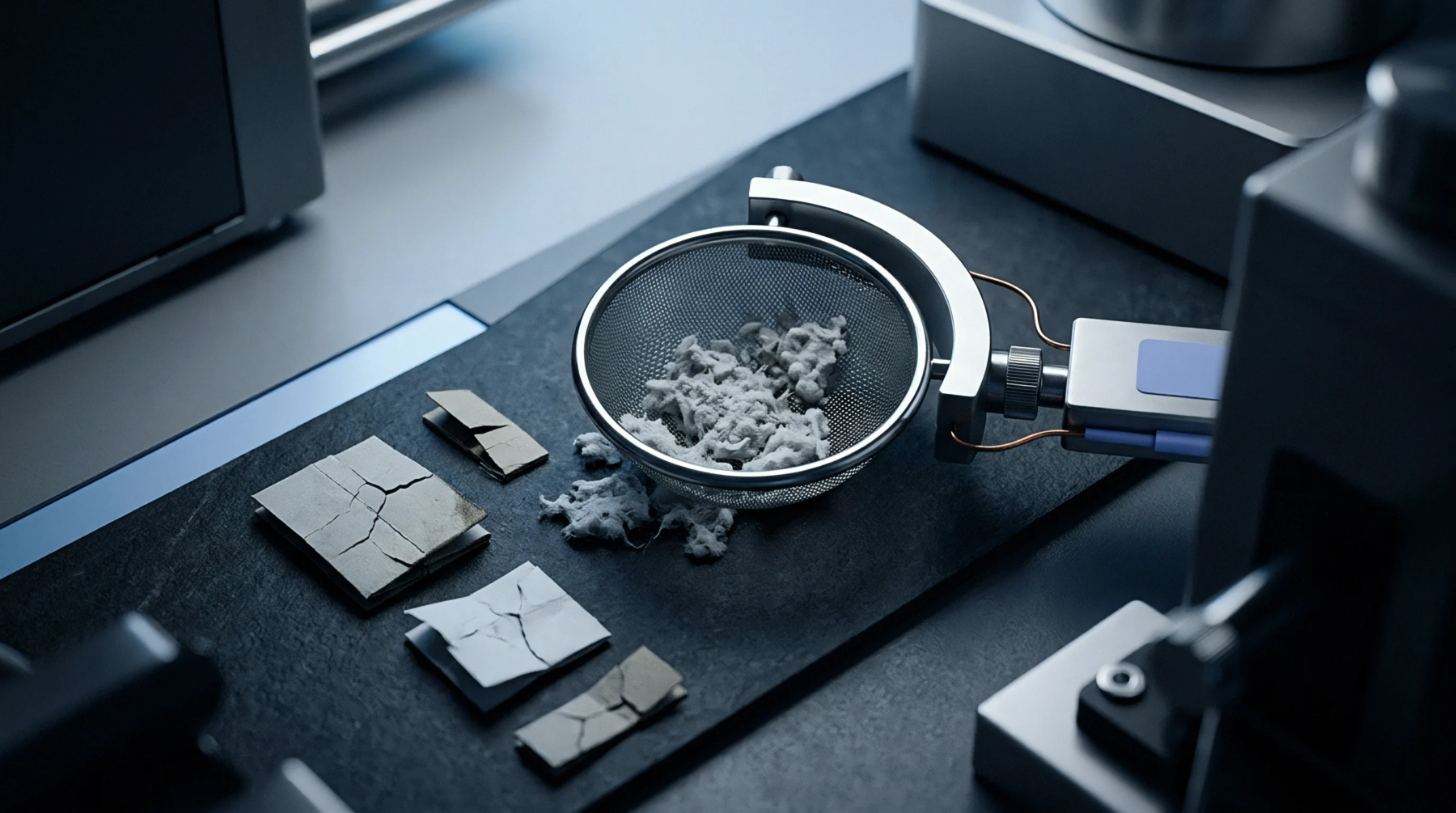
Dynamic multi-phase transport modeling sets hard recycled fiber blending limits and barrier performance criteria to prevent food-contact migration failures.
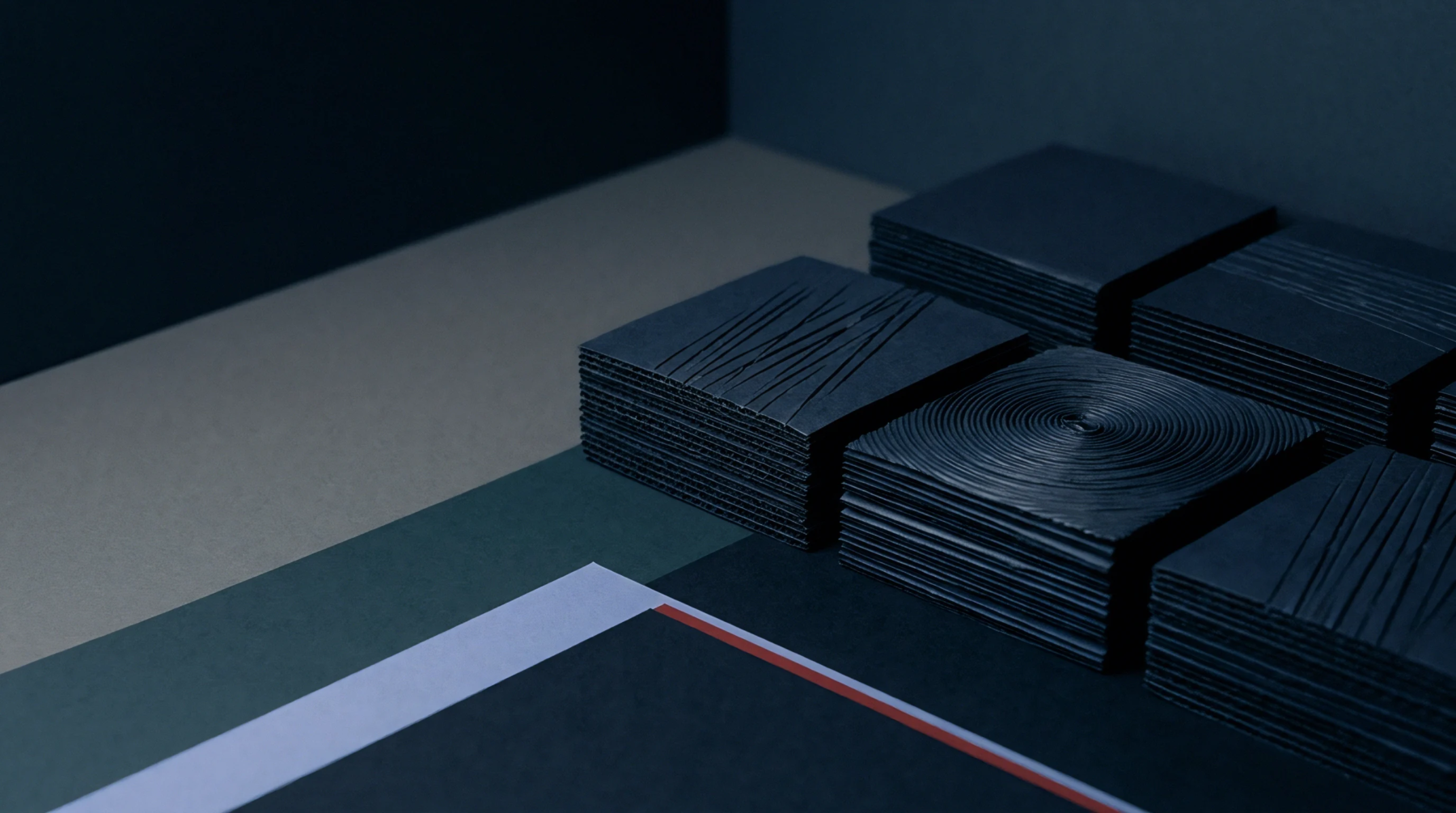
Subsurface scattering deconvolution isolates true paperboard topography from photon diffusion artifacts to protect sheet bulk and gravure print fidelity.
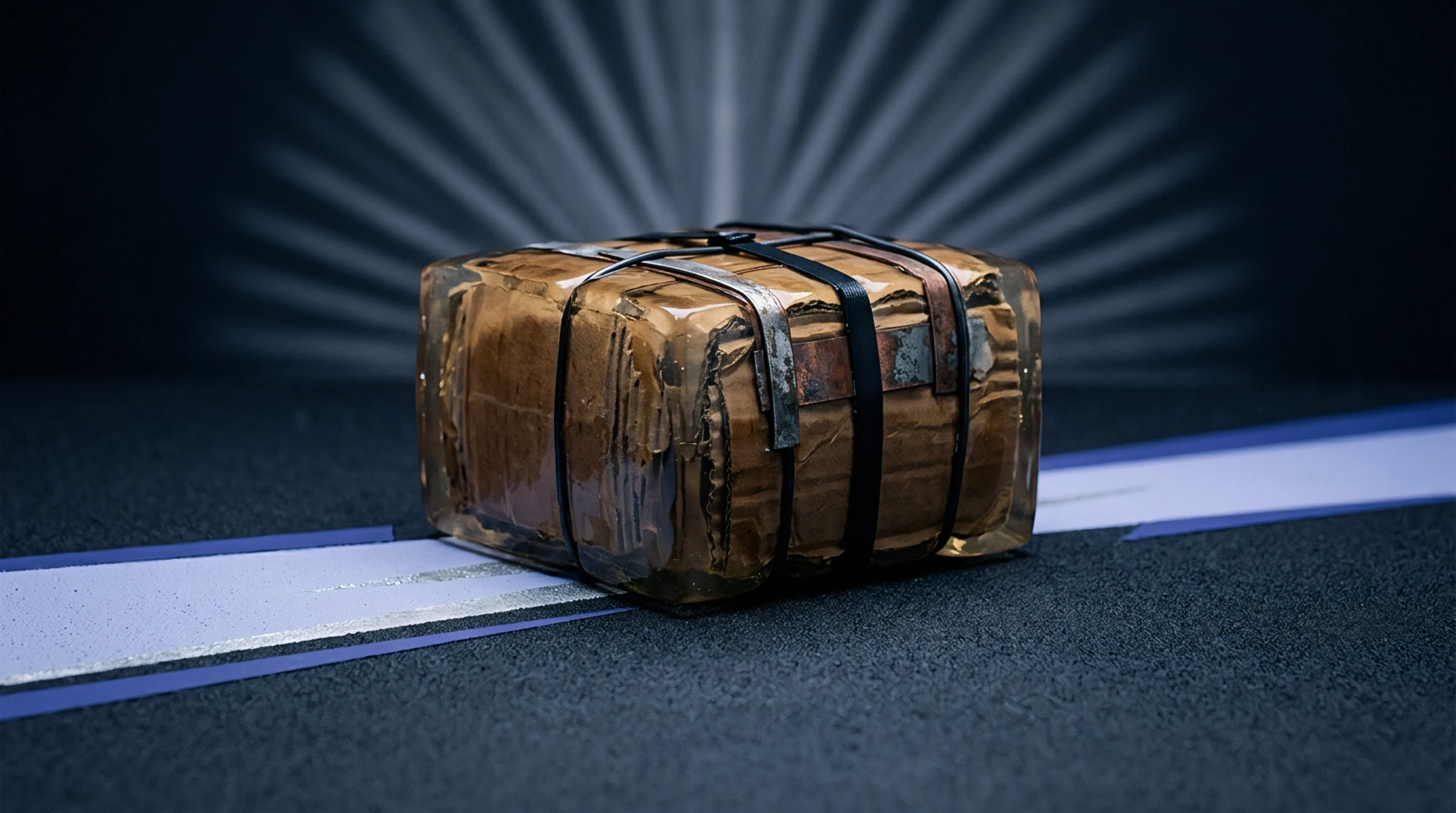
Kinetic modeling of sorption-induced strain reversion quantifies moisture-driven release of locked micro-stresses to prevent carton curl and score failure.
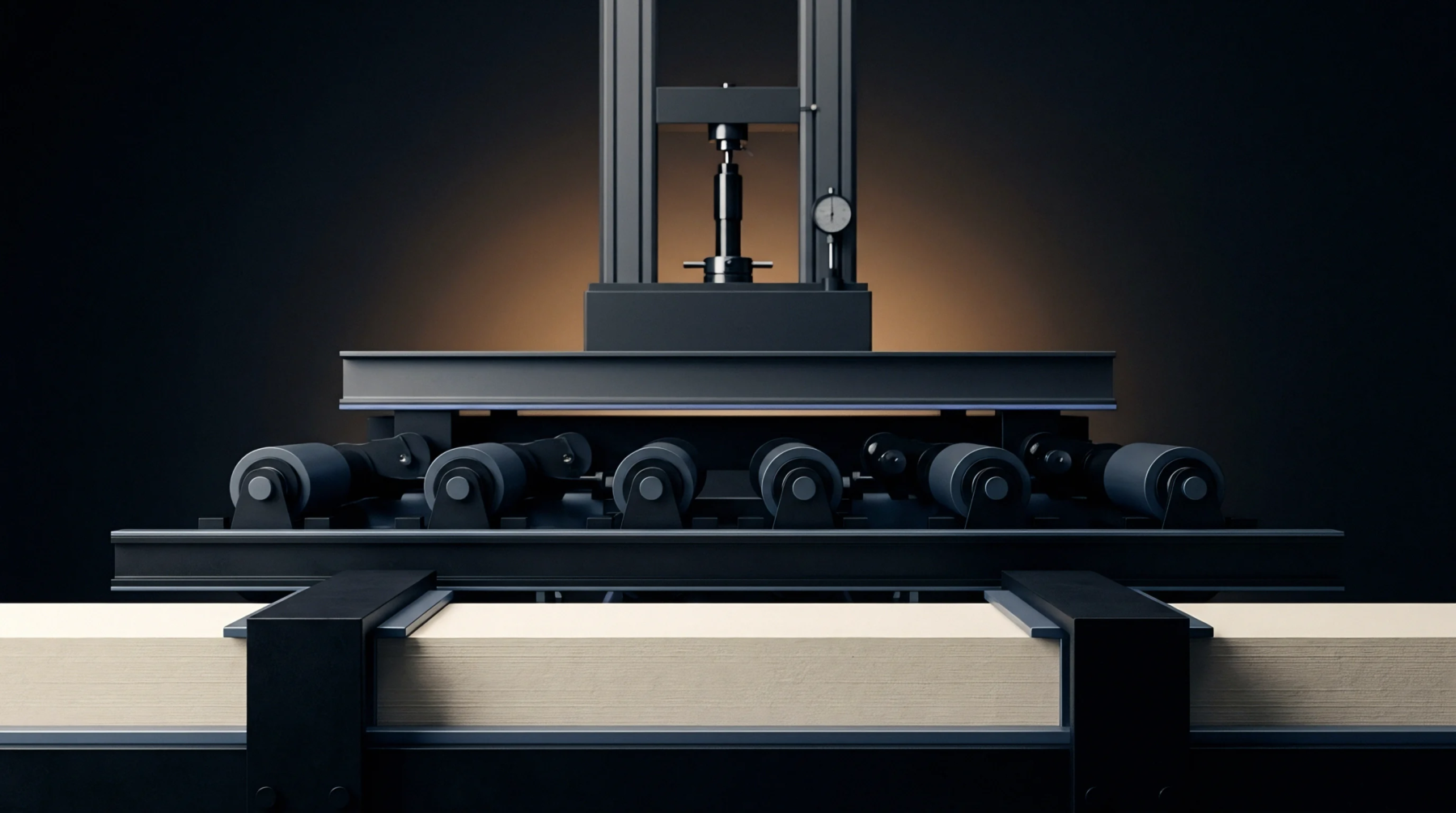
Air leak testing measures functional board compressibility under print impression, while optical triangulation isolates non-contact geometrical surface defects.
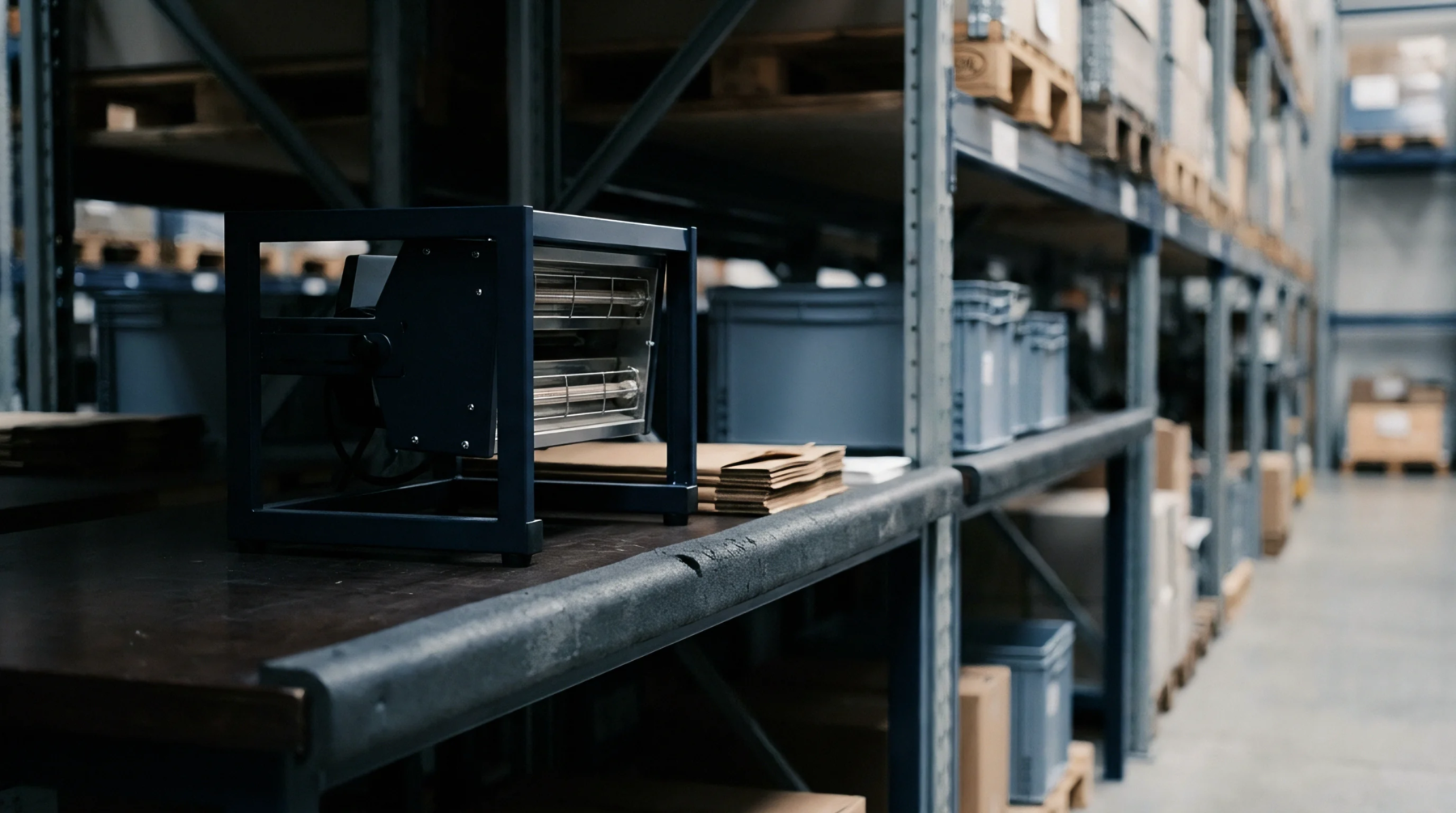
Thermal dwell matching polymer glass transition arrests micro embossed geometry loss, preventing stack creep from flattening diffraction peaks under pallet storage.

Micro-scale tooling forces hollow cellulosic cell walls past transverse yield, where apex radii under thirty micrometers balance wall densification against fiber shear.
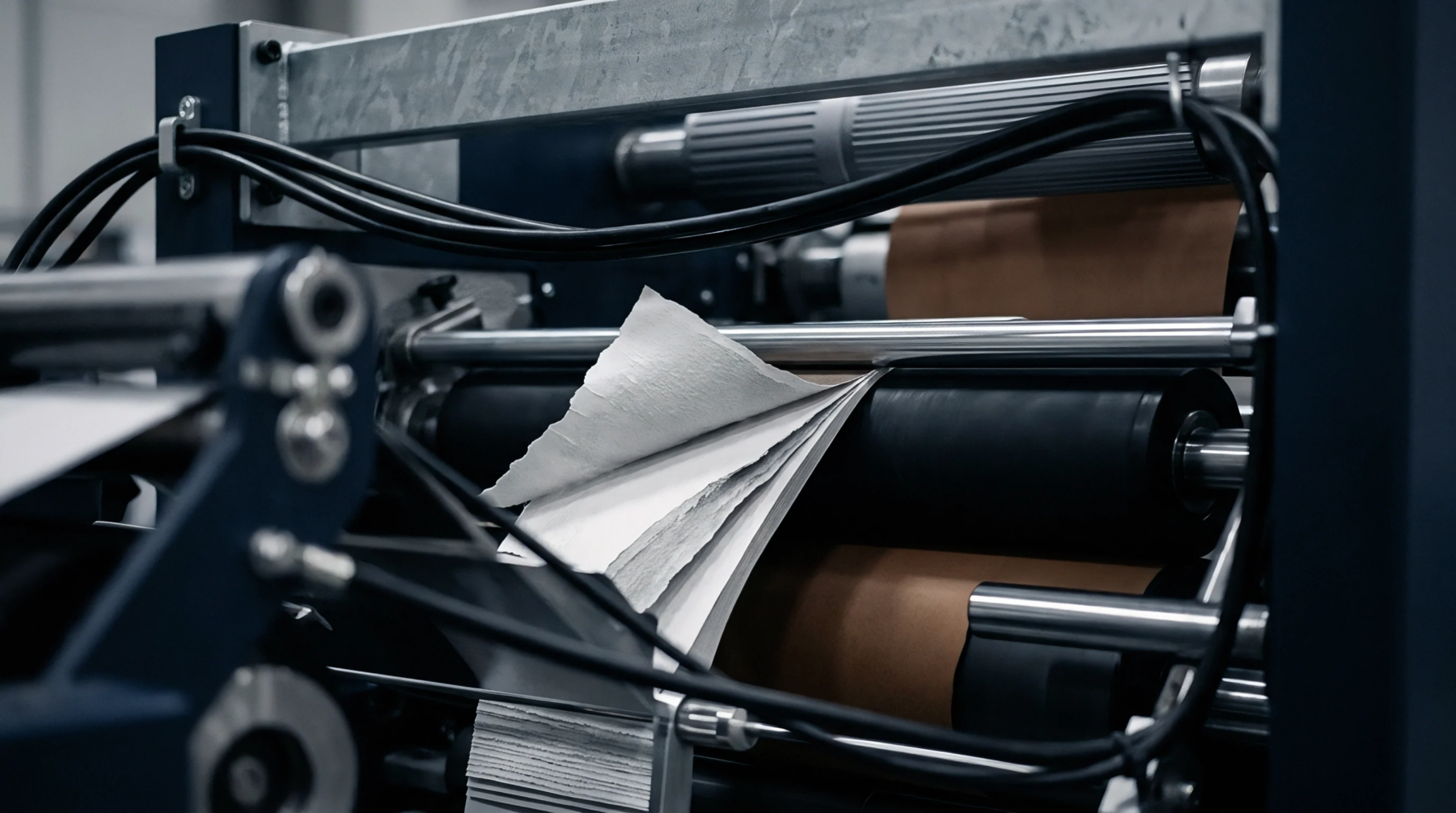
Inline ultrasonic attenuation spectra quantify free surfactant depletion in opaque mineral slurries to stabilize millisecond surface tension on high-speed coaters.
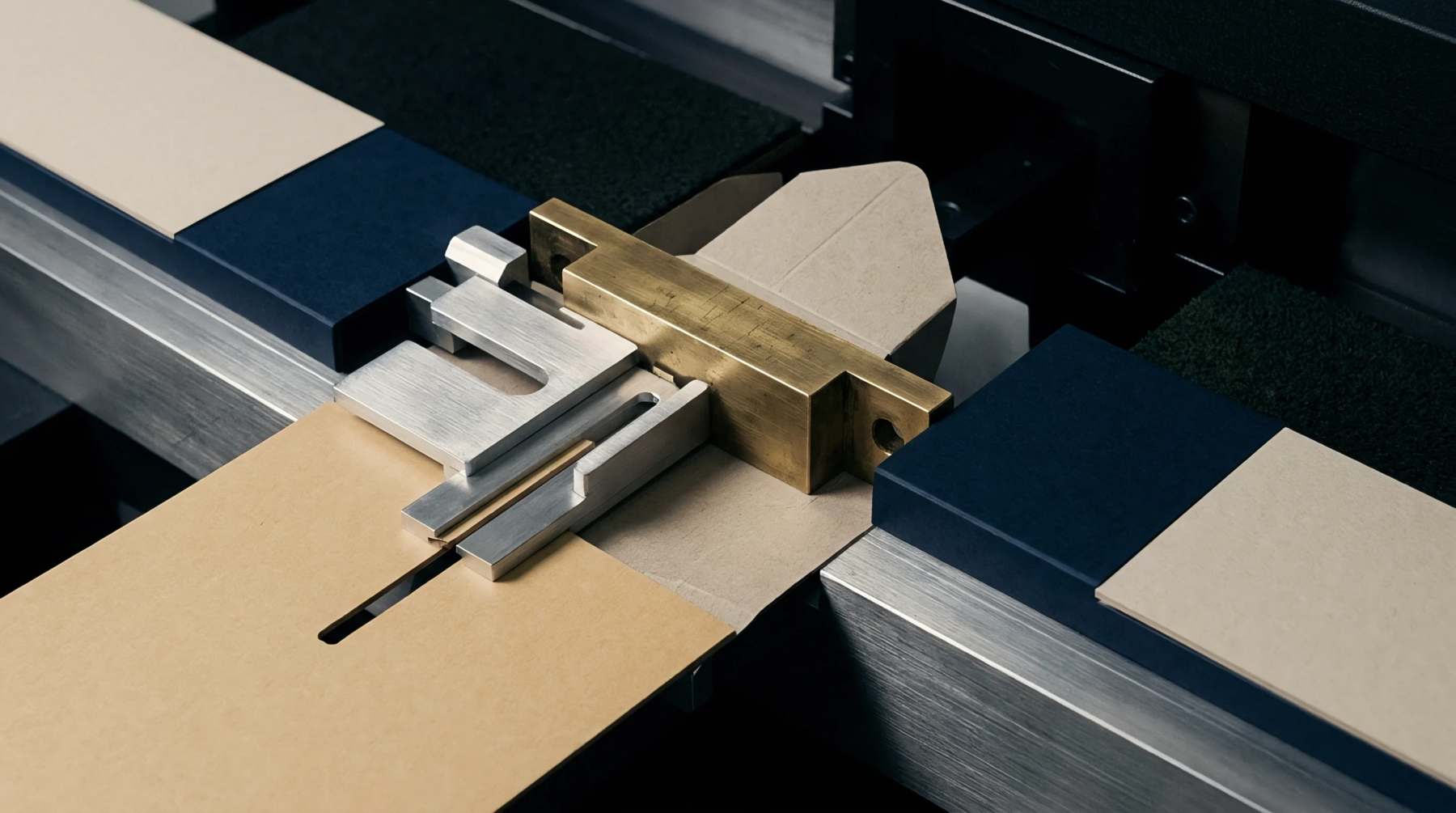
Clay coating orientation and core pulp density govern transient thermal lag across cartonboards, dictating minimum dwell times for heat seal activation.

Dynamic web quenching demands closed-loop embedded sensor telemetry because internal fluid setpoints fail to reflect actual die interface micro-dwell heat.
Expertise is a utility, not a secret. sentiention™ publishes its working knowledge as open reference: intelligence layer covering the materials it sources, the markets it enters, and the reference that serves both.