Microfibril Barrier Coating Sorption Isotherm Parameterization for Paperboard Packaging
Dynamic vapor sorption parameterization identifies the water activity threshold where microfibril coatings swell, plasticize, and forfeit barrier performance.
Dynamic vapor sorption parameterization identifies the water activity threshold where microfibril coatings swell, plasticize, and forfeit barrier performance.
Dynamic surface tension controls curtain coating stability and heel air entrainment, dictating run speed, defect rates, and operational packaging costs.
Standard testing requires disintegrating 4% stock at 40°C, separating films via 0.15mm slotted screens, and confirming >80% yield with macro-stickies below thresholds.
Thermally conditioning surface plies above binder glass transition depresses surface roughness without crushing core mechanical plies, boosting caliper yield.
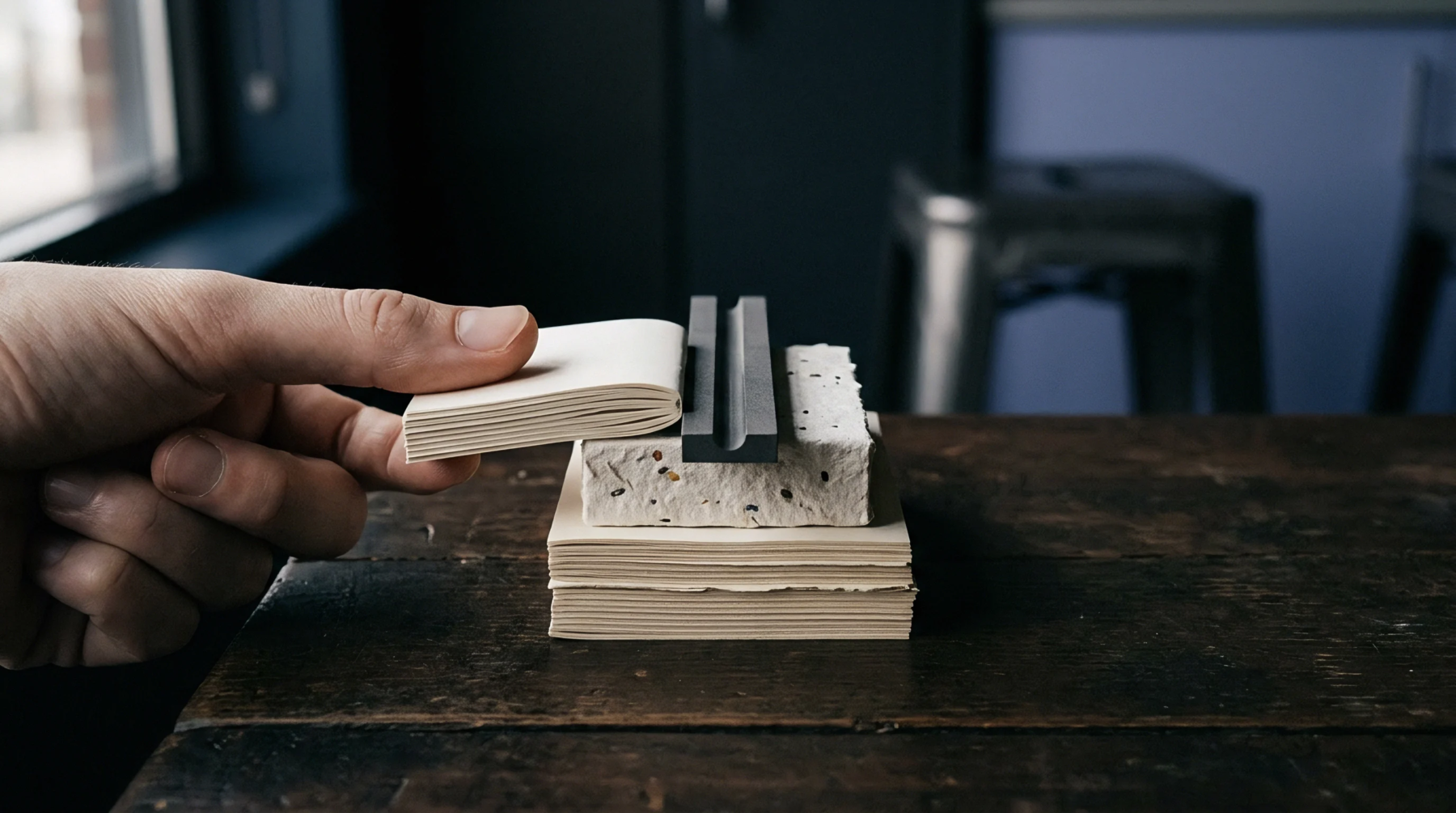
Polymer film lamination triggers severe EPR fee penalties across Europe; switching to certified repulpable dispersion barriers restores base fiber tariffs.

Single-sided lamination curl stems from thermal shrinkage and one-way moisture gradients, causing severe converting scrap that requires mechanical breaker controls.
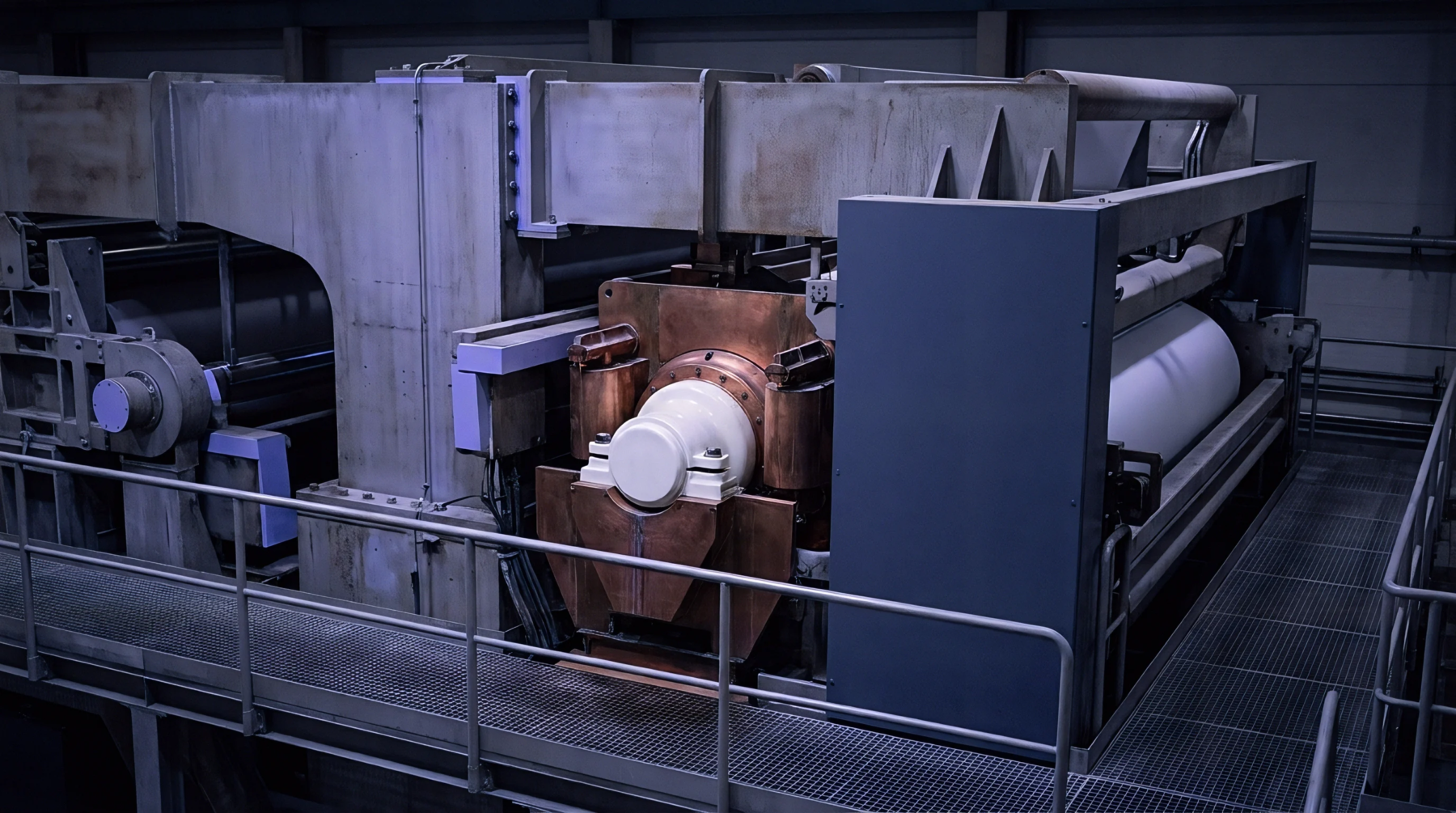
Temperature gradient calendering preserves FBB mechanical bulk by softening surface fibres while keeping core BCTMP below glass transition to protect stiffness.
Reconciling EUDR mandates with recycled pulp requires proof of pure post-consumer waste or plot coordinates for all virgin fibers in the furnish.
Dynamic moisture cycles accelerate double coated board stack creep through sorption asymmetry, requiring safety factors above 3.0 to avoid collapse.
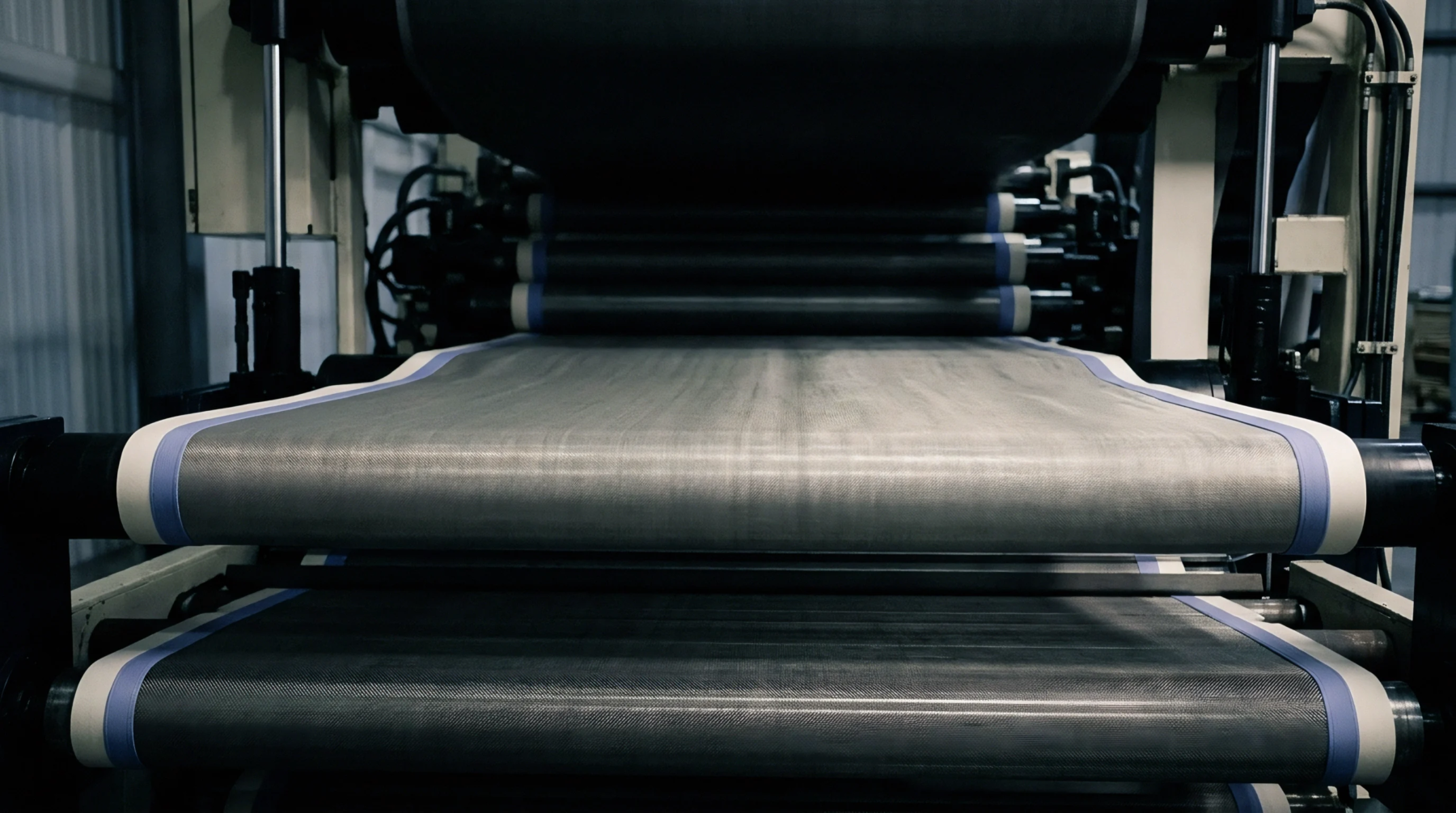
Reverse side water application restores moisture balance and eliminates curl by re-wetting dry wire-side fibers before converting stresses lock the sheet.
Mechanical decurling forces paperboard fibers past their plastic yield point to counteract the thermal contraction of single-sided laminating film.
High velocity contact loading softens polyolefin matte asperities through adiabatic shear heating, accelerating surface glazing and interfacial peel failure.
Bio-based barrier coatings undergo rapid free volume collapse post-converting, doubling storage modulus within seven days and causing severe crease cracking.
Water sorption depresses latex film glass transition temperatures, slashing barrier composite stiffness by up to 45% and requiring controlled crosslinking.
Nesting carton blanks across web deckles saves converting trim but rotates crease lines against machine grain, escalating carton erection failures at speed.
Polypropylene lamination delaminates at high crease strain rates because viscoelastic stiffening elevates shear stress beyond interfacial adhesive bond strength.
Aligning paperboard machine direction perpendicular to the pull axis maintains panel flatness under suction, preventing extraction jams at high machine speeds.
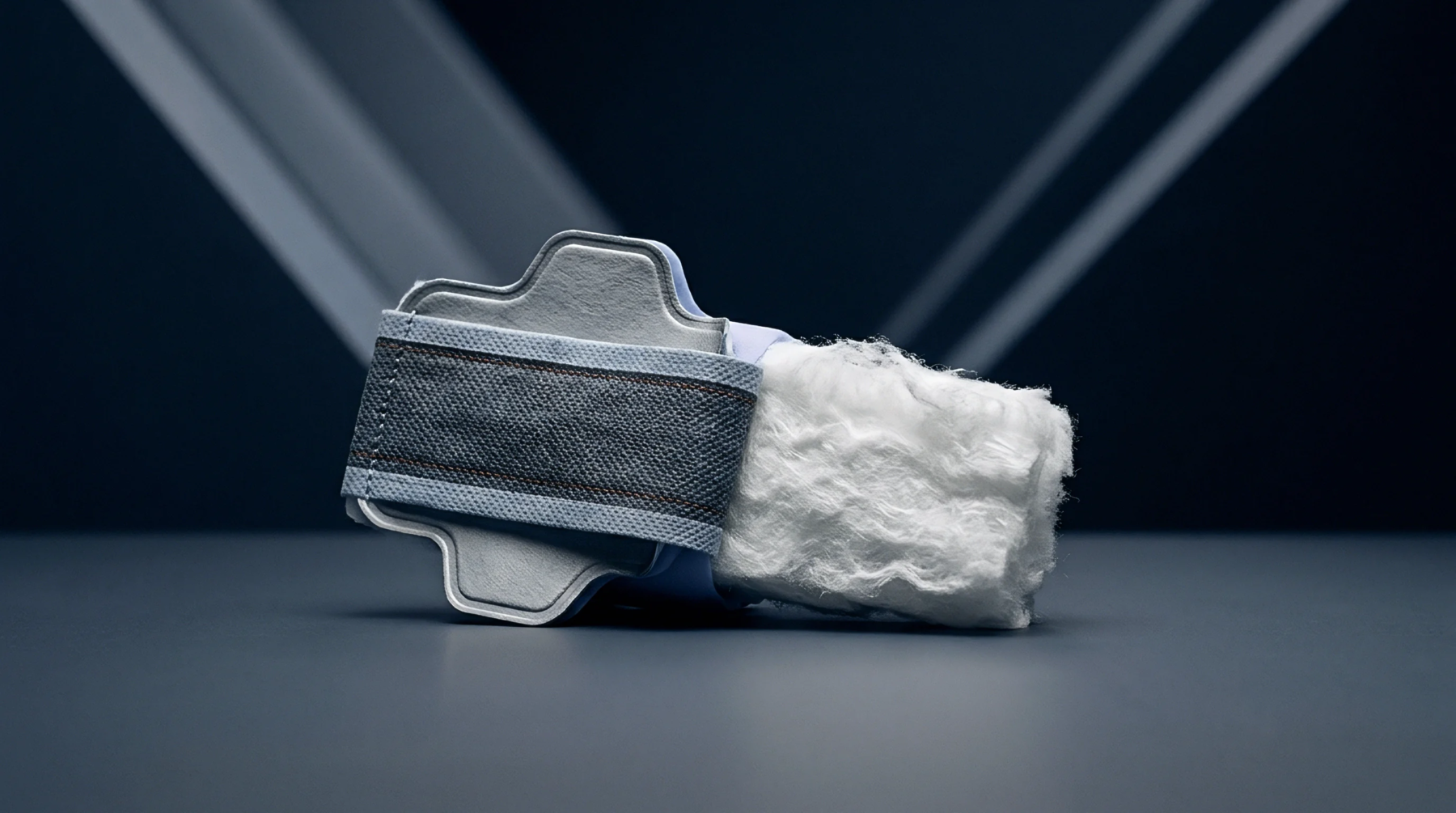
Matching grain direction and accounting for cross-direction hygroexpansion coefficients prevents multi-pass register drift and die-cutting layout waste.
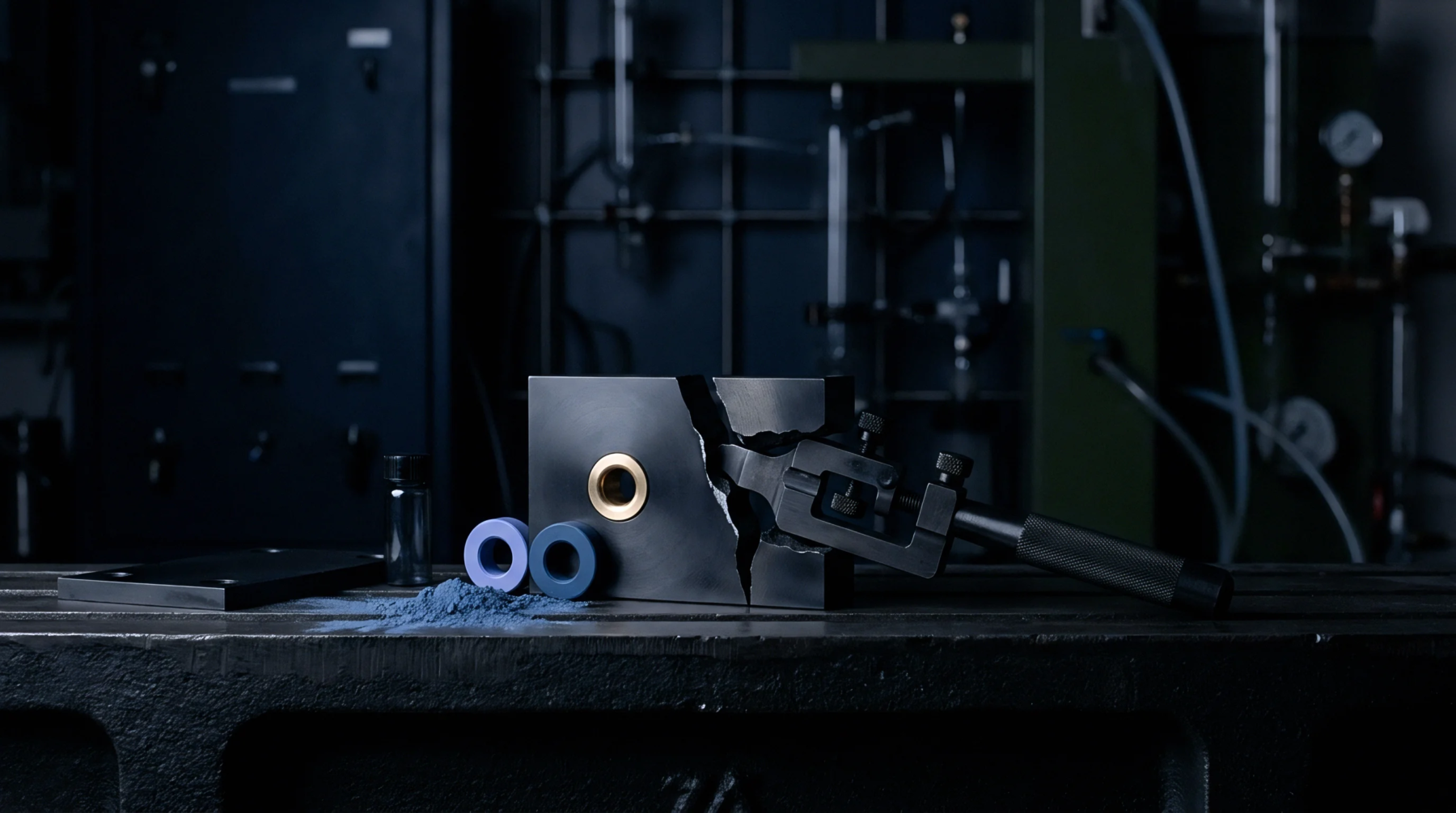
Matching folder gluer carrier belt speeds within one percent prevents surface shear from delaminating film coatings on scoring hinges.
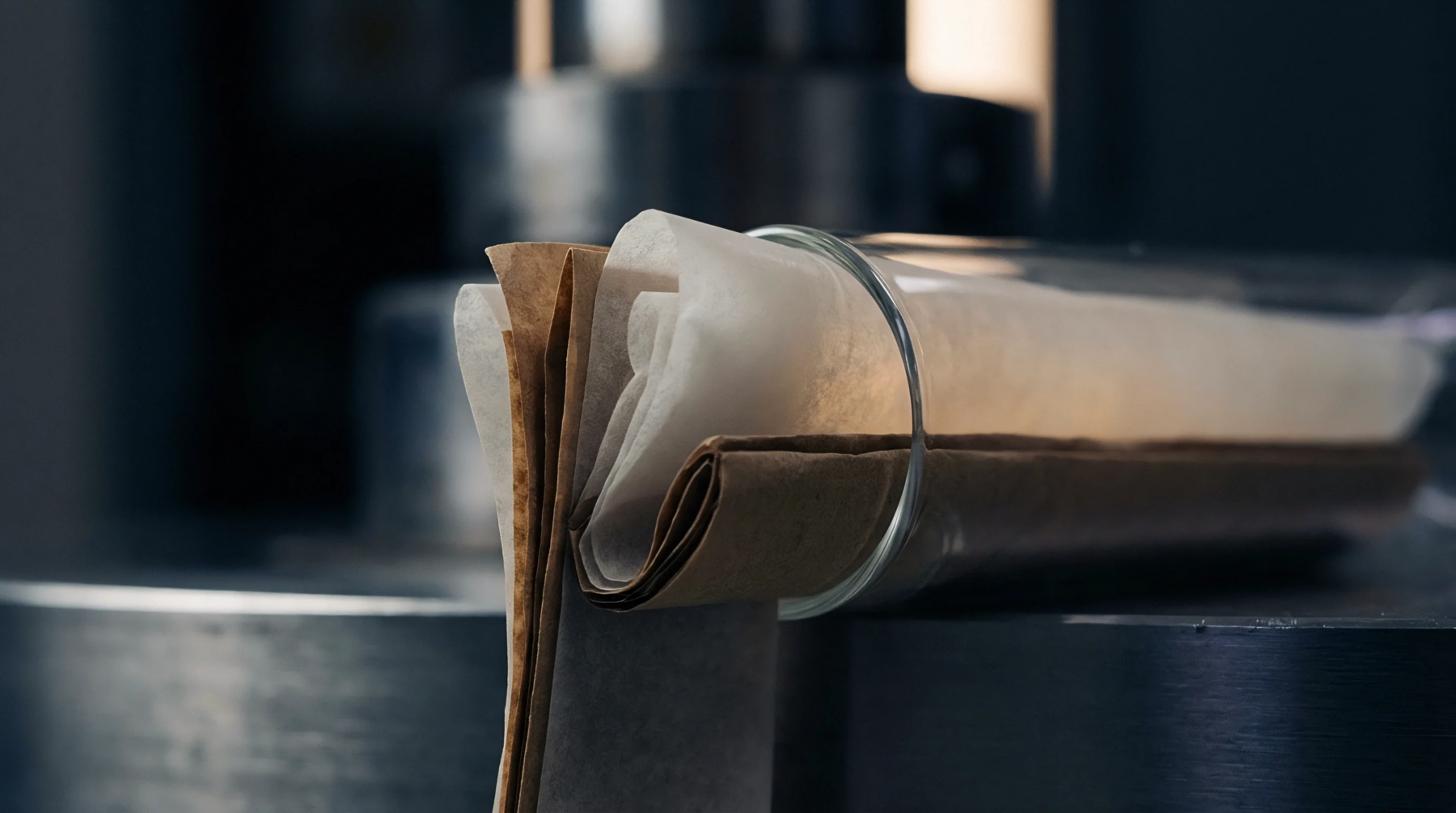
Validate chain of custody certificate codes and product group scopes on public scheme registers before approving invoices carrying on-pack sustainability marks.
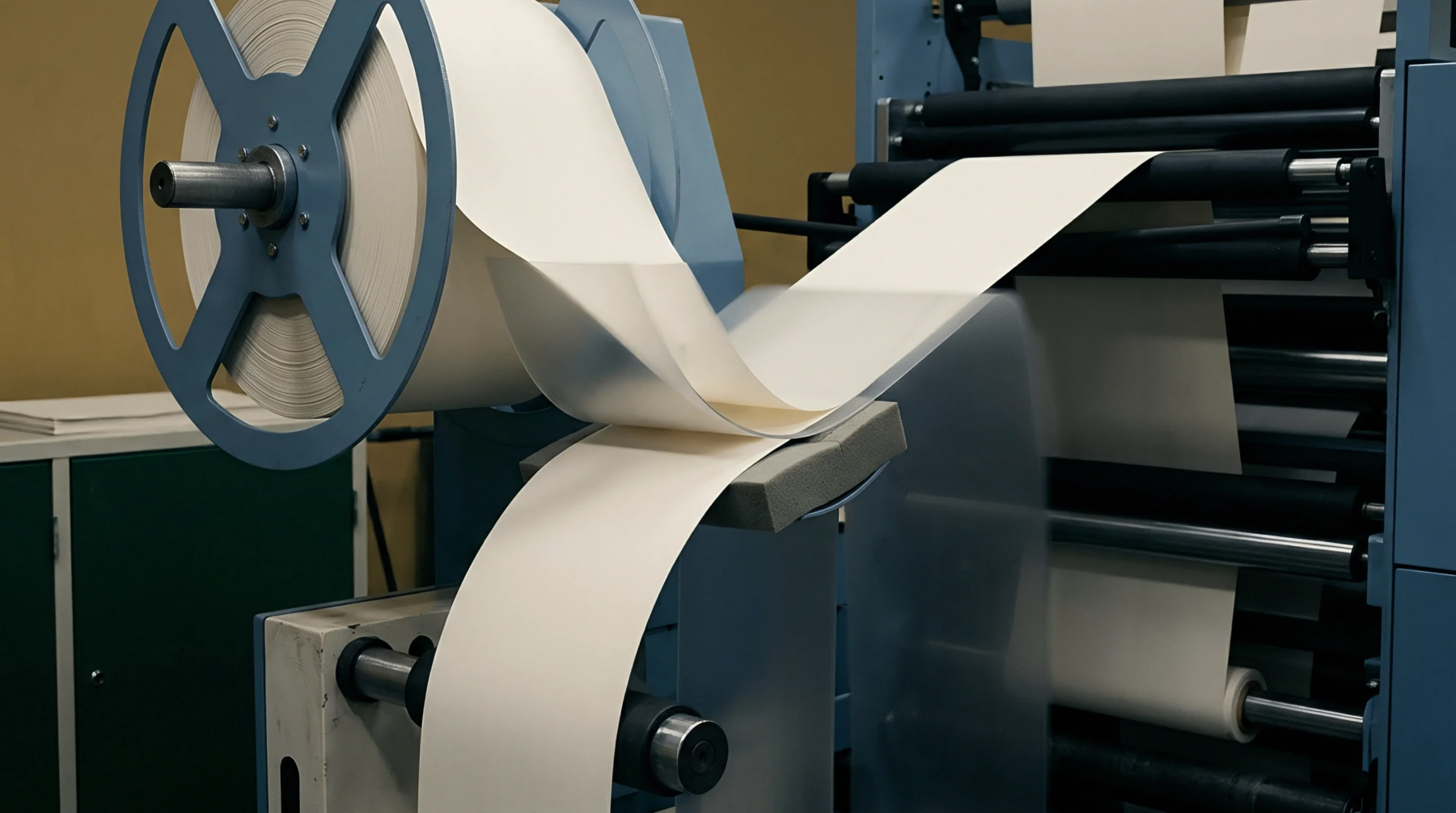
Dynamic folder-gluer speeds collapse polypropylene failure elongation from 150% to under 12%, demanding calibrated crease geometry to prevent split scores.
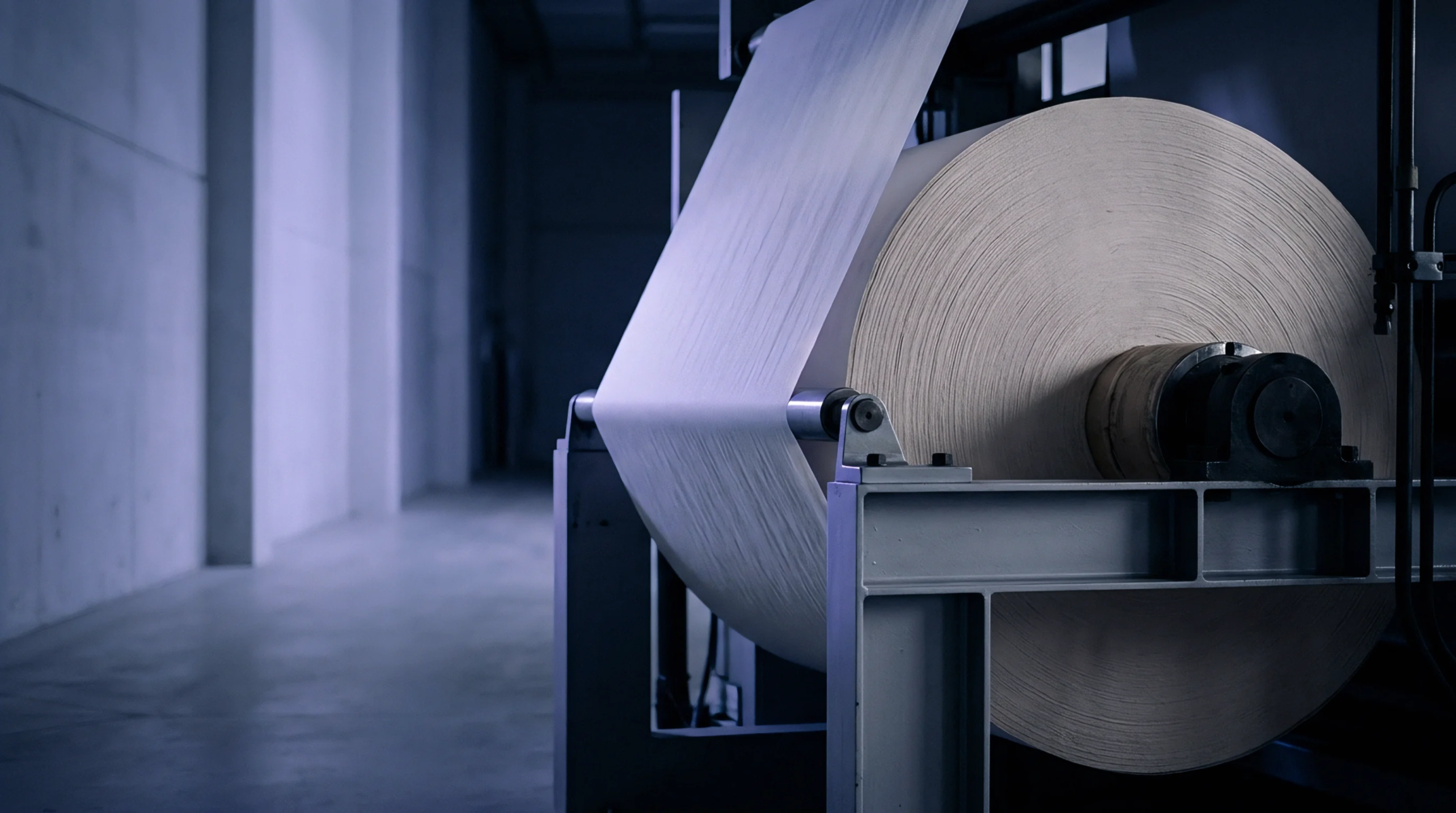
Calculating multi-pass web trim and spoilage requires compounding side-lay allowances, make-ready setup sheets, and hygroexpansive web expansion per pass.
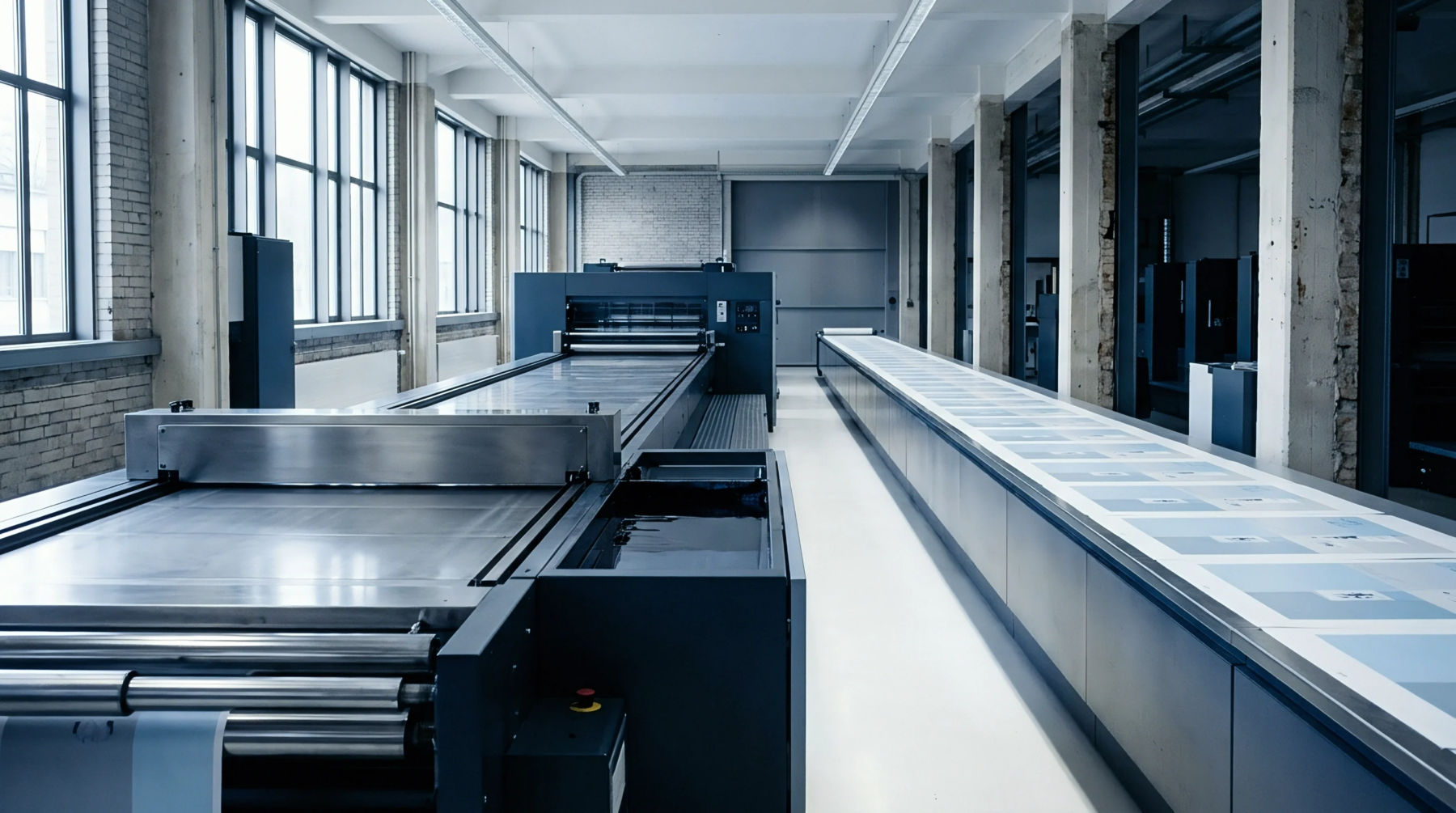
Parent sheet yield optimization balances mill deckle widths, carton grain direction, and interlocking nested dies to lower delivered carton unit costs.
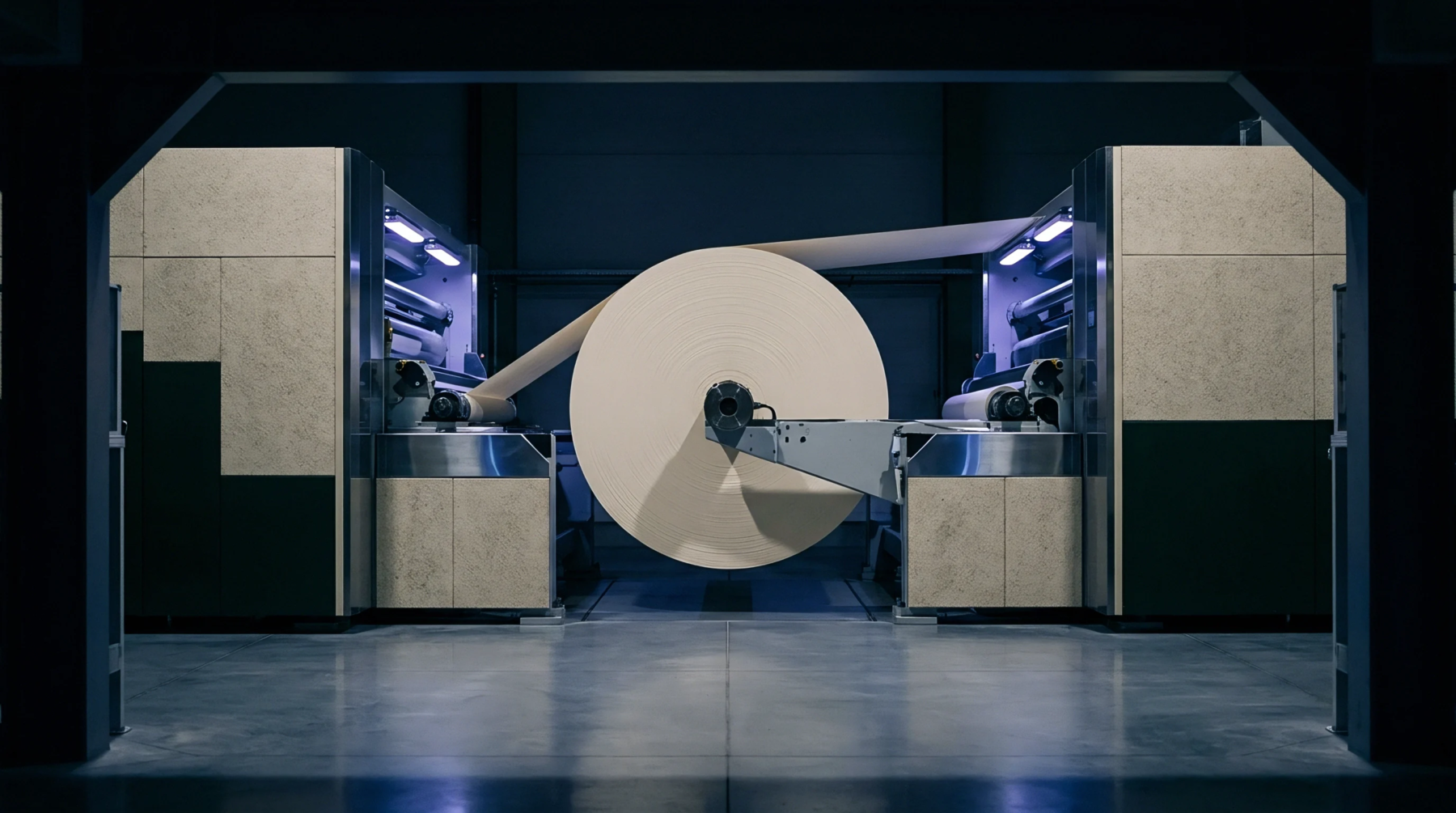
Dynamic surface tension at sub-five millisecond timescales controls droplet breakup, satellite suppression, and dome retention in high-build acrylic jetting.
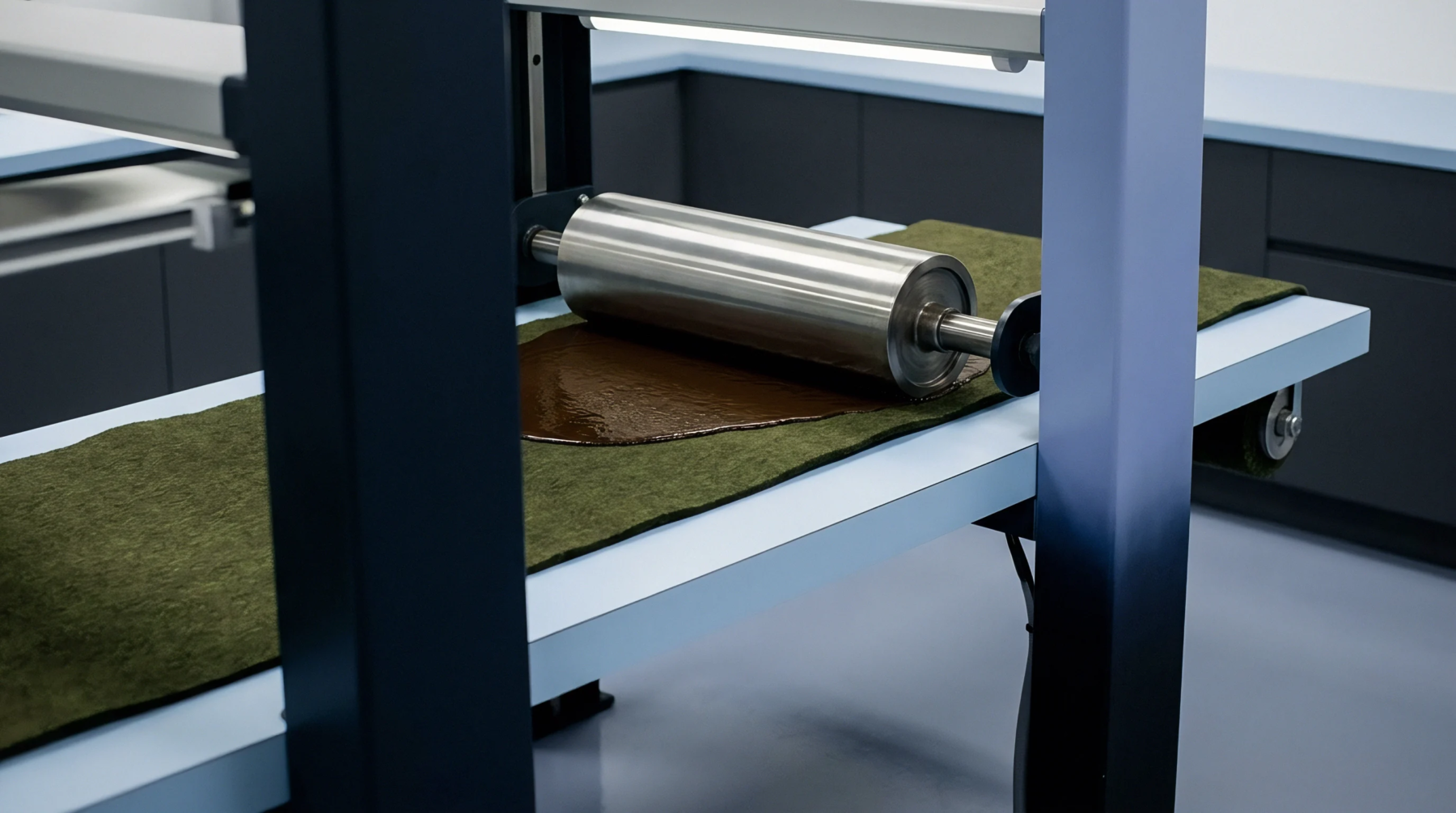
Mineral pigment shape dictates coating pore diameter, where narrow platelet networks accelerate ink vehicle separation and induce print chalking.
Digital spot varnish stability requires substrates above 38 mN/m and rapid LED pinning to lock 60-micron profiles without capillary spread or score cracking.
Elevated humidity reduces Z-directional tensile limits by forty percent, demanding wider matrix channels and pressure-sensitive tape with high tack shear adhesive.

Balancing polyisocyanate addition at 3.5 to 4.5 percent solids maintains high-humidity barrier holdout while preserving the elongation needed to prevent score cracking.
Selecting paperboard caliper and bulk requires balancing furnish density against flexural rigidity to maximize blank yield and carton compression strength.
Maintain crease depth penetration between 0.45 and 0.65 of board caliper with a 1.4 to 1.6 channel multiplier to promote internal shear and eliminate cracking.
Expertise is a utility, not a secret. sentiention™ publishes its working knowledge as open reference: intelligence layer covering the materials it sources, the markets it enters, and the reference that serves both.