Polymer Application
Water-based formulations applied to paperboard substrates form dispersion barrier coatings during converting operations to block moisture vapor, grease, and mineral oil migration through the cellulose matrix. Application occurs on size presses or blade coaters located on the paper machine or offline converting lines, depositing a continuous film weight measured in grams per square meter across the sheet surface. This mechanism ceases to function when pinholes rupture the film continuity or when fold cracking compromises the continuous polymer layer during subsequent creasing and converting stages.
Film Integrity
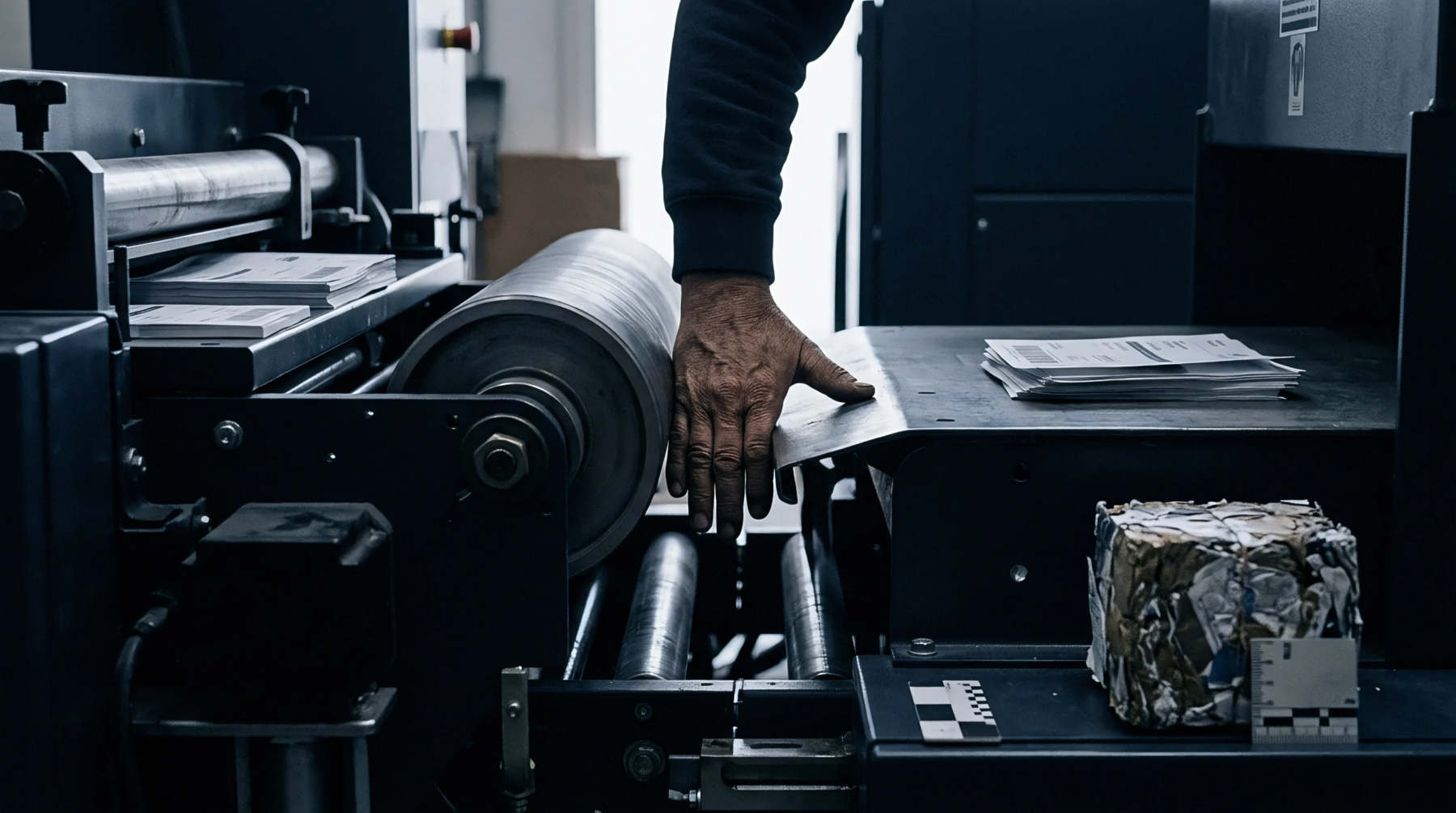
Coating weight optimization requires precise viscosity control at the coater head to prevent pinhole formation and ensure complete fiber coverage without soaking into porous base papers. Drying tunnels must apply graduated thermal profiles to evaporate water without causing blistering or micro-fissuring in the forming polymer film. Subsequent converting steps subject the treated board to high mechanical stress during die-cutting and carton erection, demanding sufficient elongation properties from the dried layer to prevent flaking along crease lines.
Brand owners specify maximum Cobb water absorption values and grease resistance ratings to verify that the applied chemistry meets food contact compliance and functional protection standards under ambient distribution conditions.
Substrate Interaction
Base paper porosity and smoothness dictate the minimum film weight required to achieve complete barrier properties without excessive raw material consumption. Fillers and sizing agents added to the pulp furnish alter surface energy, influencing how water-based emulsions wet out and coalesce during the drying phase. Converting equipment operators adjust web tension and nip pressures to protect the delicate surface structure of the coated board while feeding blanks through high-speed packaging lines.
Mill laboratories measure static and kinetic friction coefficients to ensure that coated surfaces maintain adequate slip for mechanical feeding without jamming production machinery.