
A Converter Certificate That Does Nothing for an Uncertified Mill
A converter's chain of custody certificate cannot retroactively grant certified status to packaging made from uncertified paper mill substrate.
A converter's chain of custody certificate cannot retroactively grant certified status to packaging made from uncertified paper mill substrate.

Substrate selection fixes structural caliper, web trim yield, repulpability, and EPR eco-modulation fee tiers, governing net landed carton costs.

Verify mass balance claims by auditing dry-fiber yield calculations, credit window expiry dates, and scope lines before printing claims on packaging.

Radiant UV lamp infrared energy and mechanical nip friction strip paperboard surface moisture, driving hygrothermal curl and score cracking that require cold-mirror optics, UV-LED arrays, or chilled impression rolls to preserve converting yield.

Matching substrate furnish and bulk to press stress secures structural integrity, optimizes print quality, and minimizes total landed packaging cost.

Aligning packaging redesign cycles with PPWR recyclability milestones requires qualifying substrates 36 months before regulatory enforcement dates.
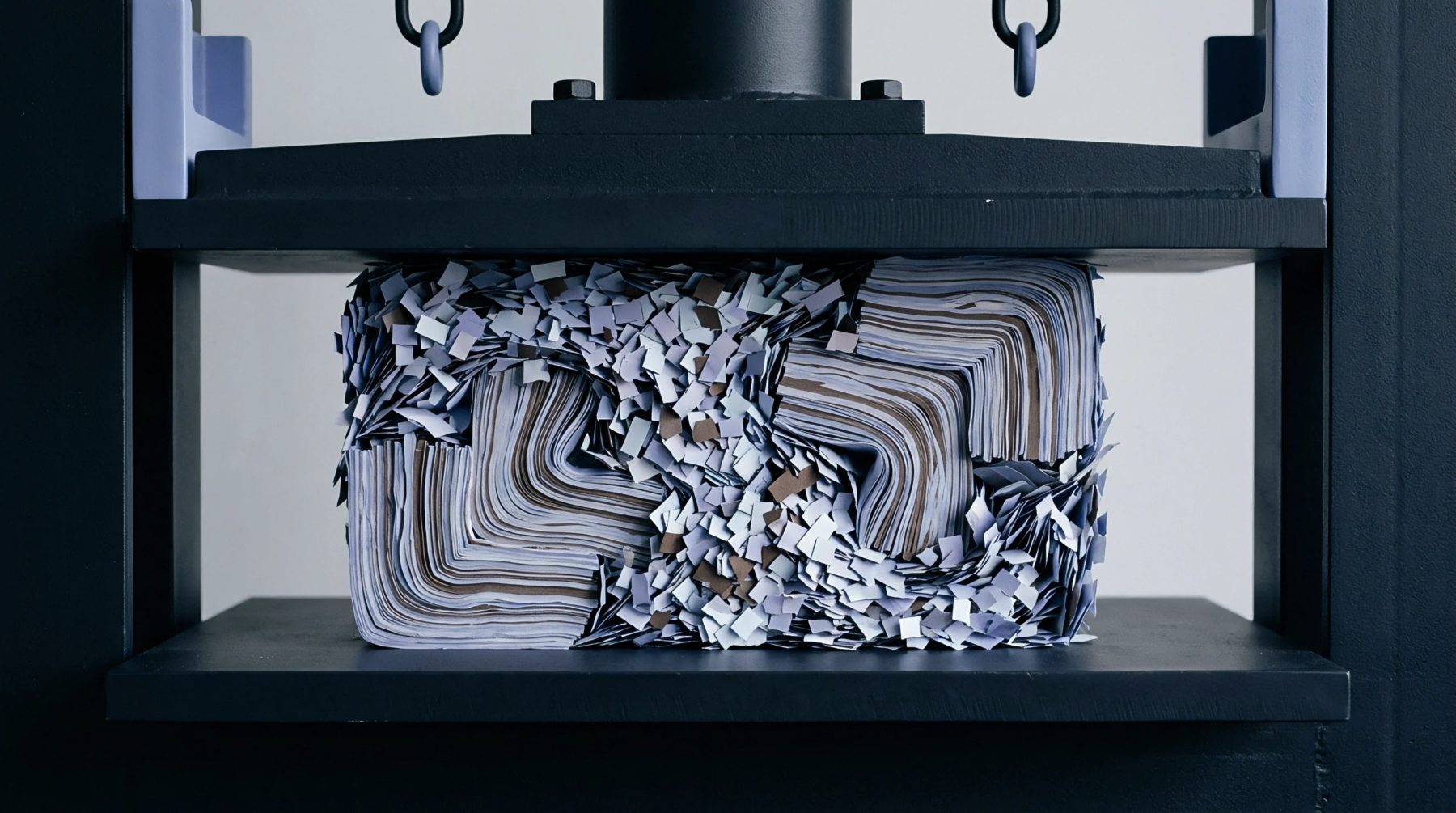
Recycled fibre shortening and hornification limit bending strain, requiring wider matrix channels and virgin top layers to prevent score cracking.

Matt lamination cracks at the crease because silica matting inclusions reduce film elongation capacity, requiring expanded matrix channels to lower folding strain.
Unannounced paper grade substitution alters structural fiber bonding and surface chemistry, demanding dockside physical and chemical testing before press loading.

Commercial landed cost variance depends on sheet yield, press spoilage, and EPR de-inkability fee surcharges triggered by grade substitution.

Online acoustic emission monitoring detects micro delamination along carton scores in real time to prevent line jams and outer liner cracking.

Grammage and caliper specifications require ISO test method conditioning standards and tight bulk tolerance clauses to prevent converting line failures and yield losses.
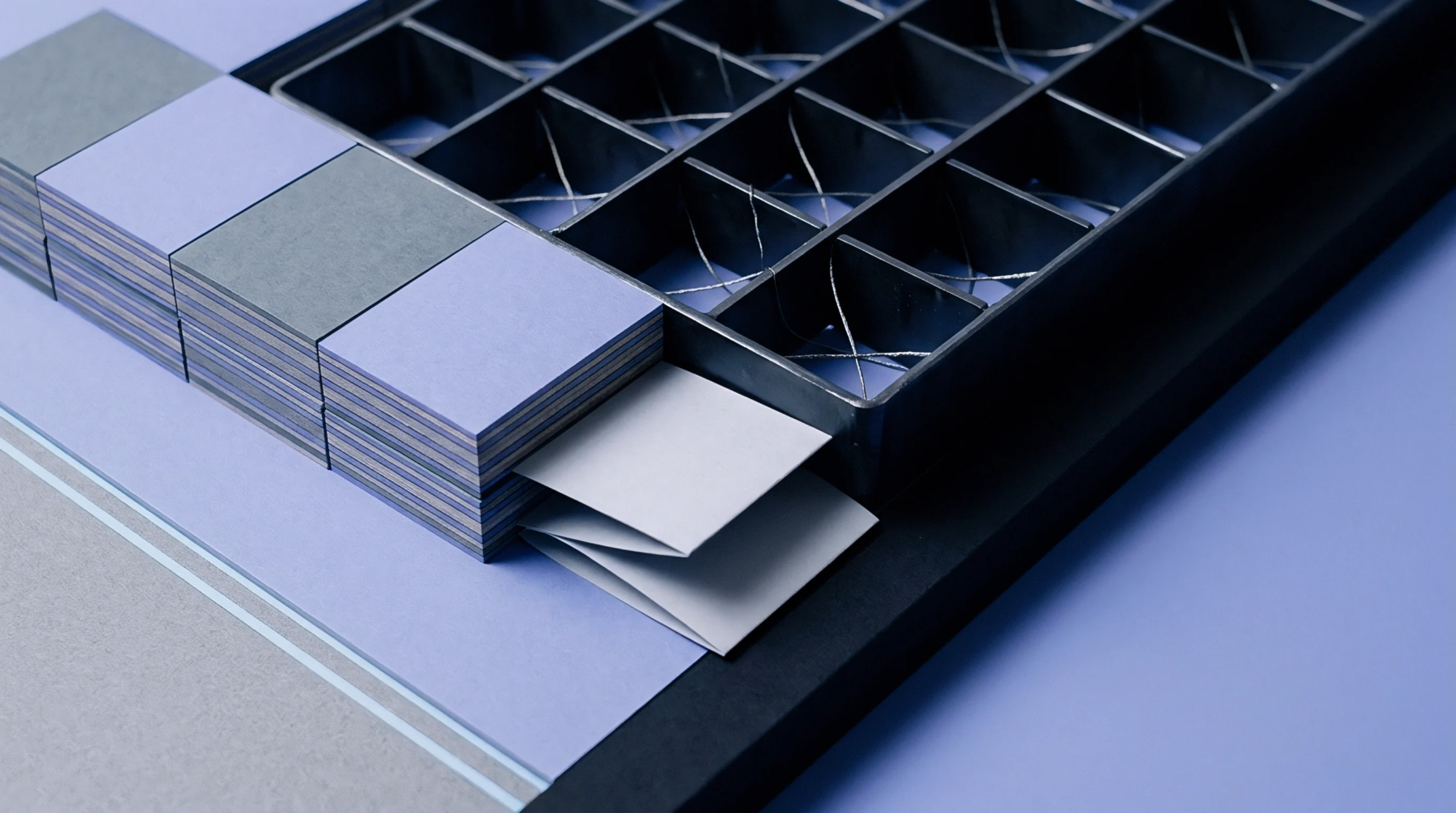
Committing embossing die funds before verifying batch-specific board caliper causes die clearance errors, crushed paperboard profiles, and ruined tooling.
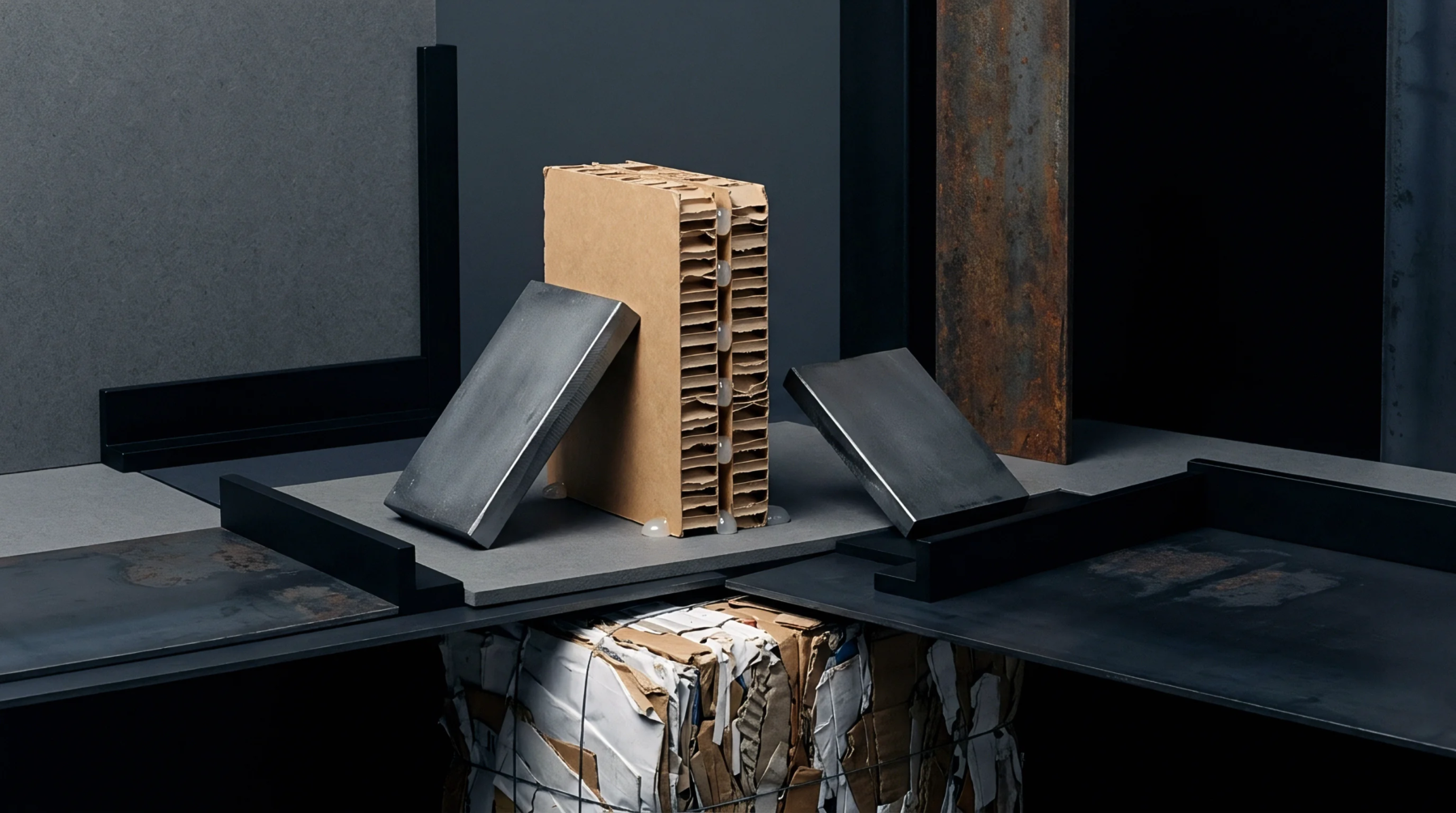
Parent sheet yield and trim waste govern grade selection when high-bulk downgauging balances mill deckle fit, layout imposition, and net landed cost per unit.
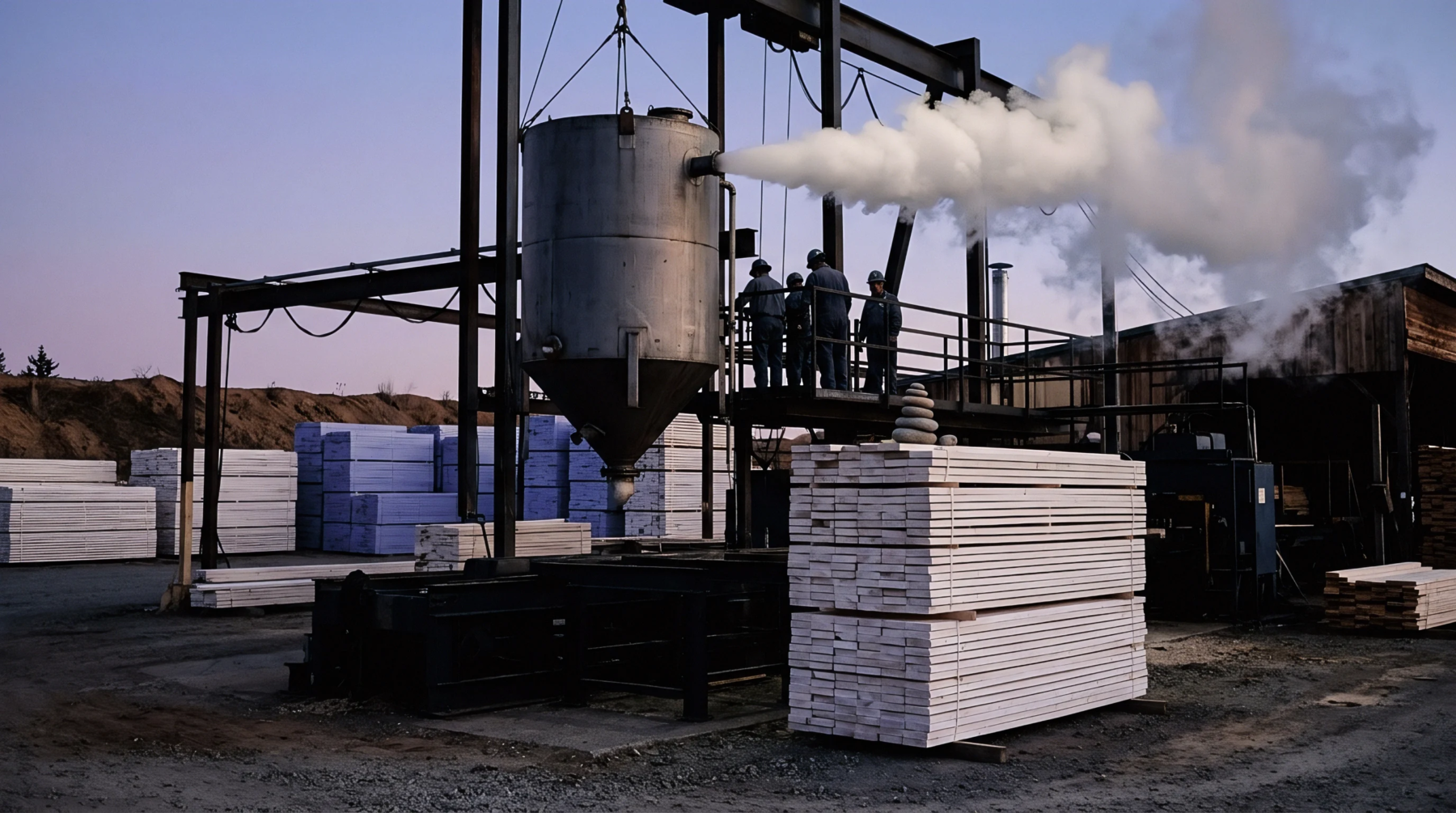
Unheated storage drives moisture ingress along sheet edges via psychrometric gradients, requiring sealed barrier wraps and strict thermal acclimation before press run.
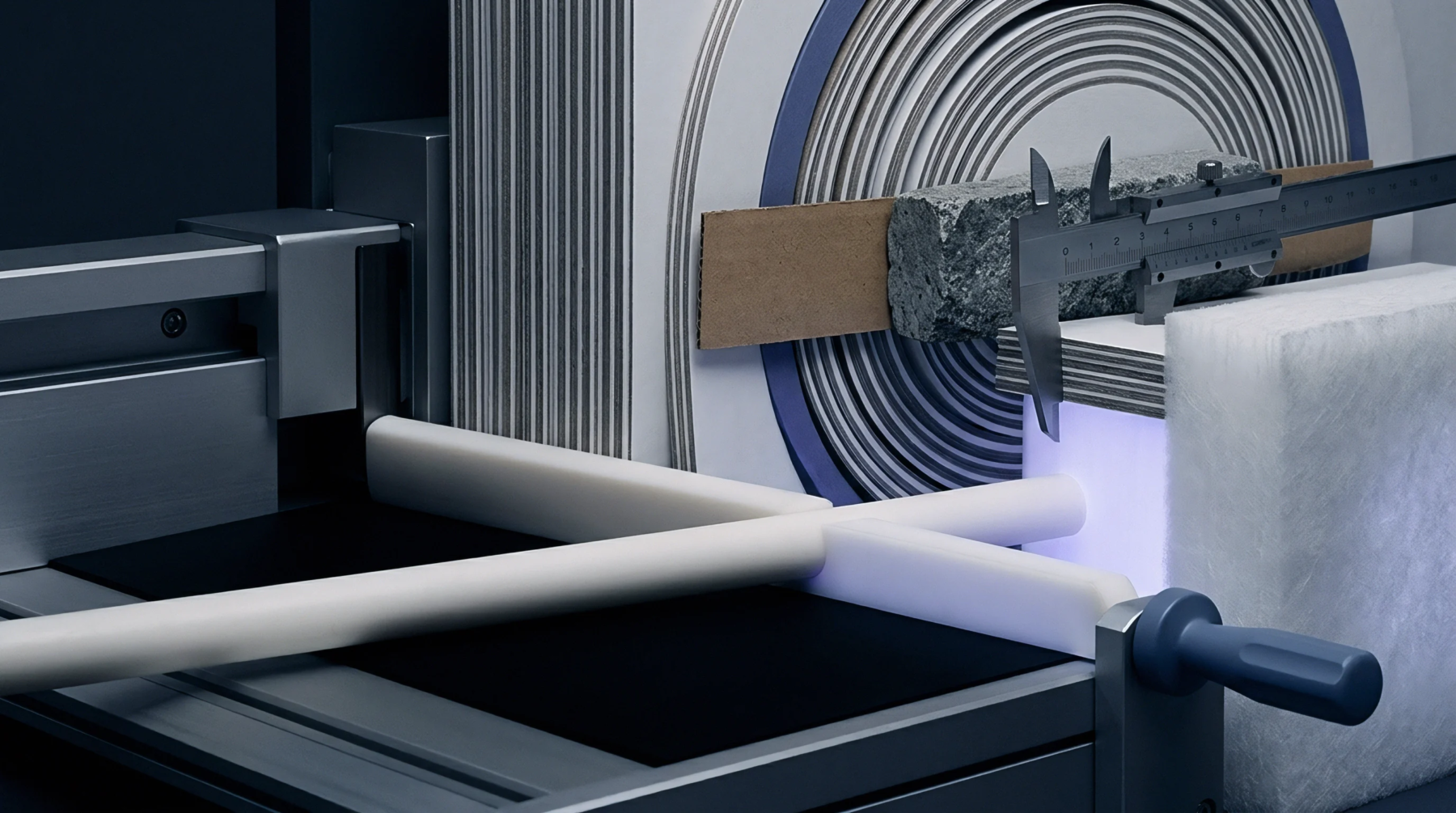
Calibrating matrix channel width to rule thickness plus 1.6 times composite caliper prevents matte skin fracture on co-extruded film laminated paperboard.

Mill credit accounting requires dry fiber mass balance calculations, yield factor adjustments for coating mass, and strict rolling credit ledger management.

Optimize matrix channel clearance using board caliper and rule thickness formulas to guarantee internal ply delamination while preventing outer liner score cracking.
Acceptance sampling and statistical process control protect packaging conversion quality by linking Cpk capability limits to standardized lot verification rules.

Flexographic dispersion barrier coatings retain water and grease resistance under crease stresses only when coating elongation capacity matches board strain.
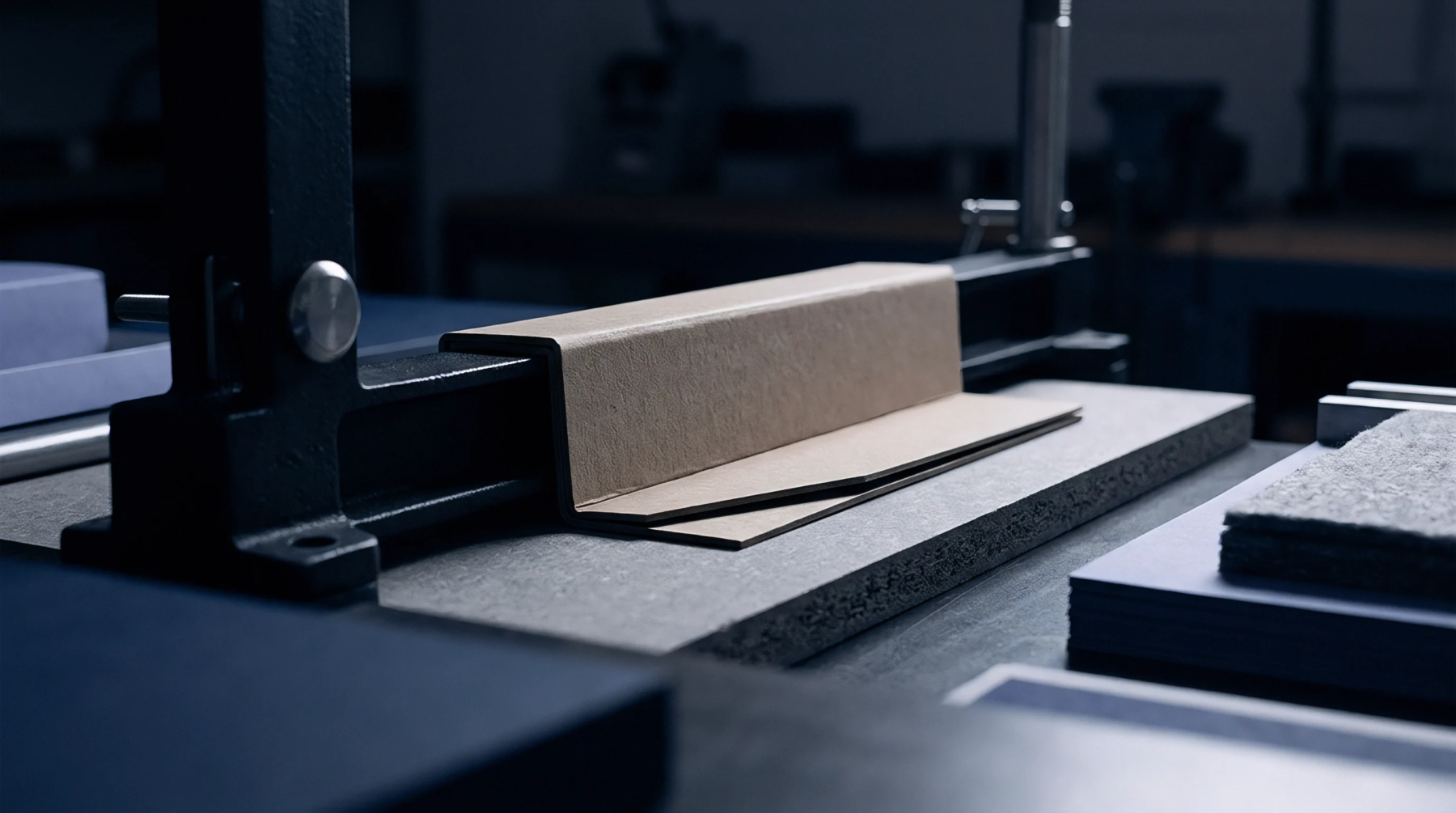
Inline acoustic wave sensing detects sub-surface paperboard delamination during scoring, stopping un-creased board defects before downstream cartoning line jams.
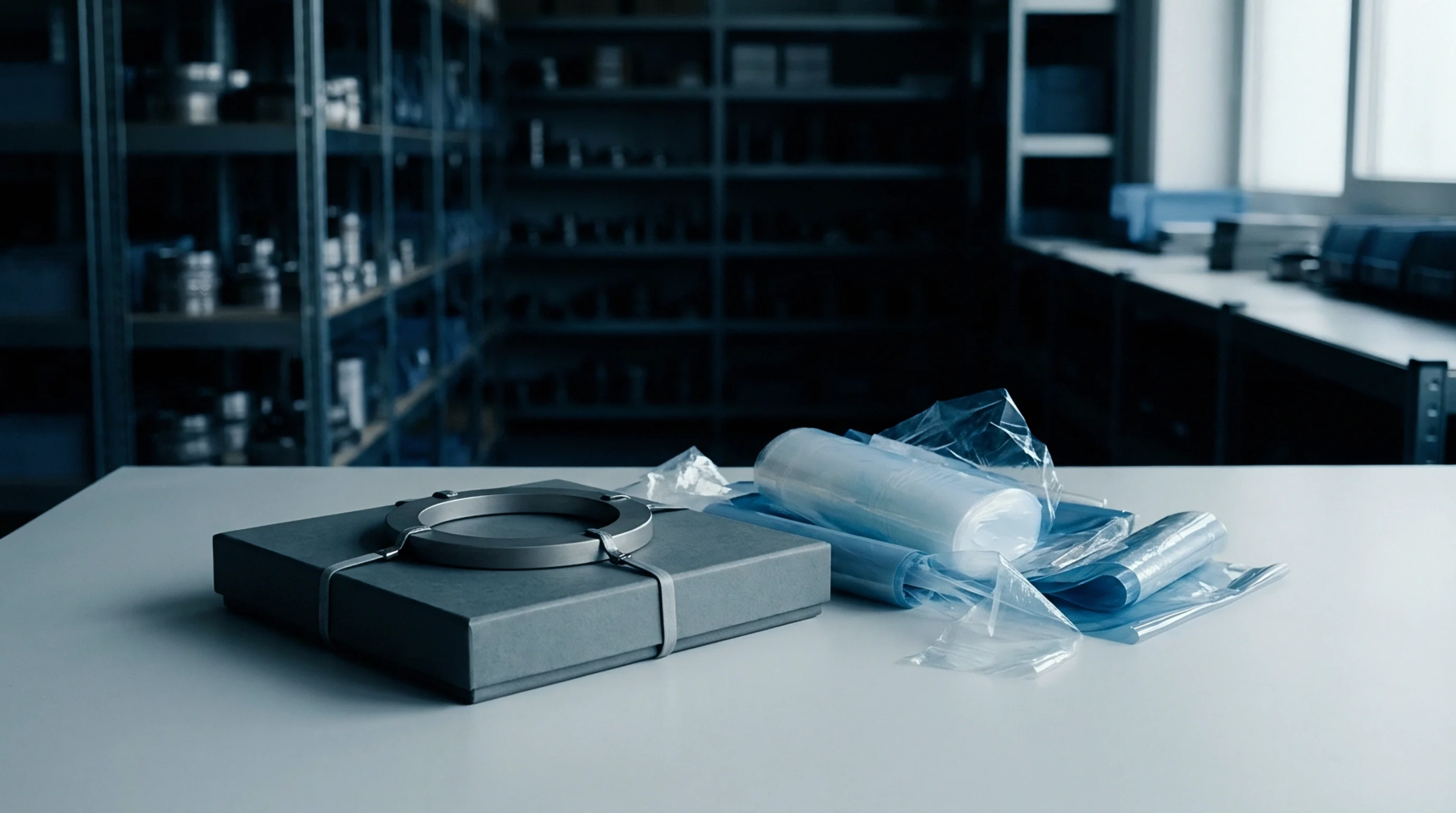
Single-sided plastic lamination causes heavy converting scrap and triggers severe EU EPR eco-modulation tariffs when plastic film mass exceeds 5 percent.
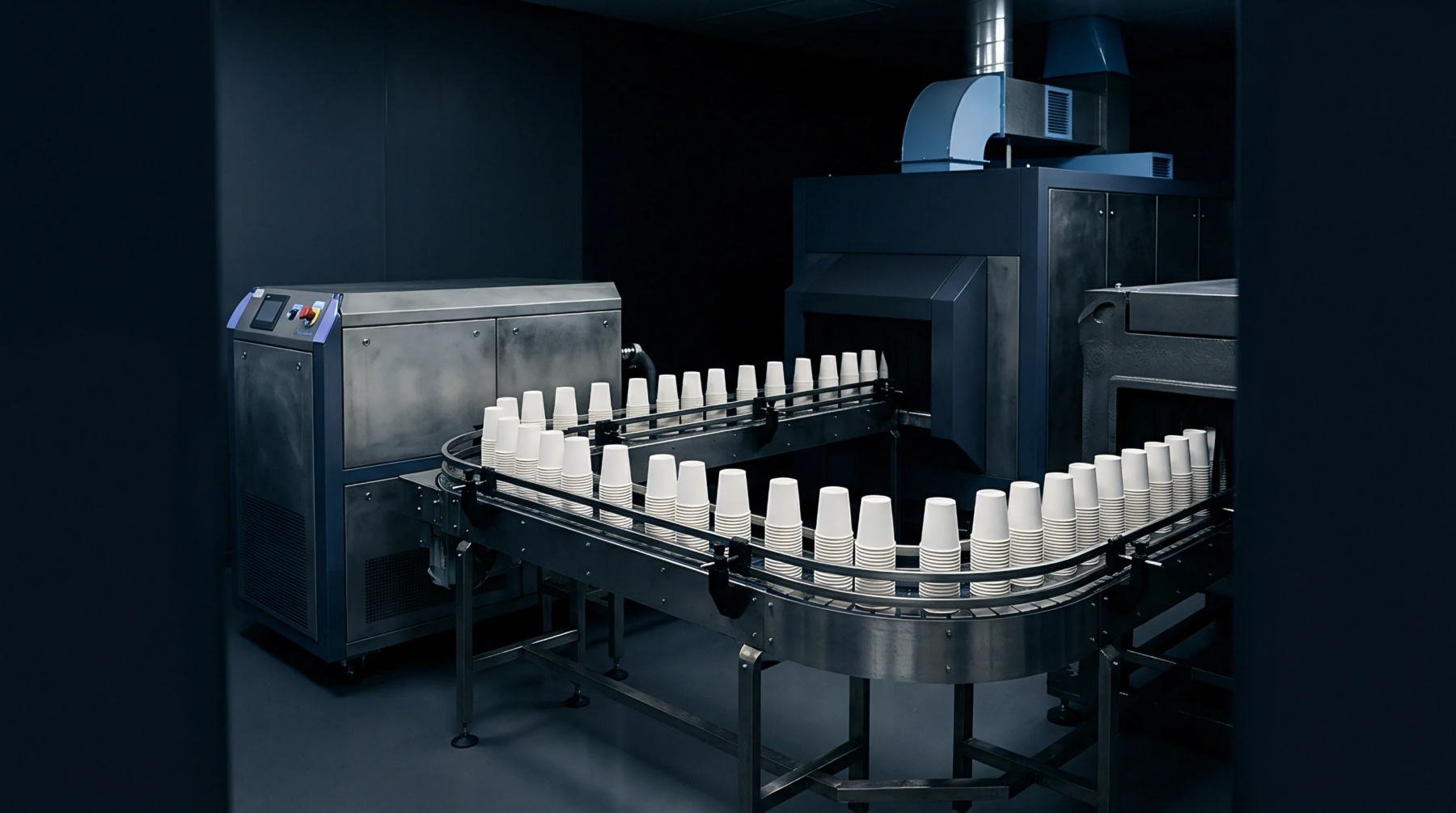
Non-contact laser profiling accuracy on board converting lines depends on blue laser selection, dynamic vibration damping, and proper spatial filter settings.
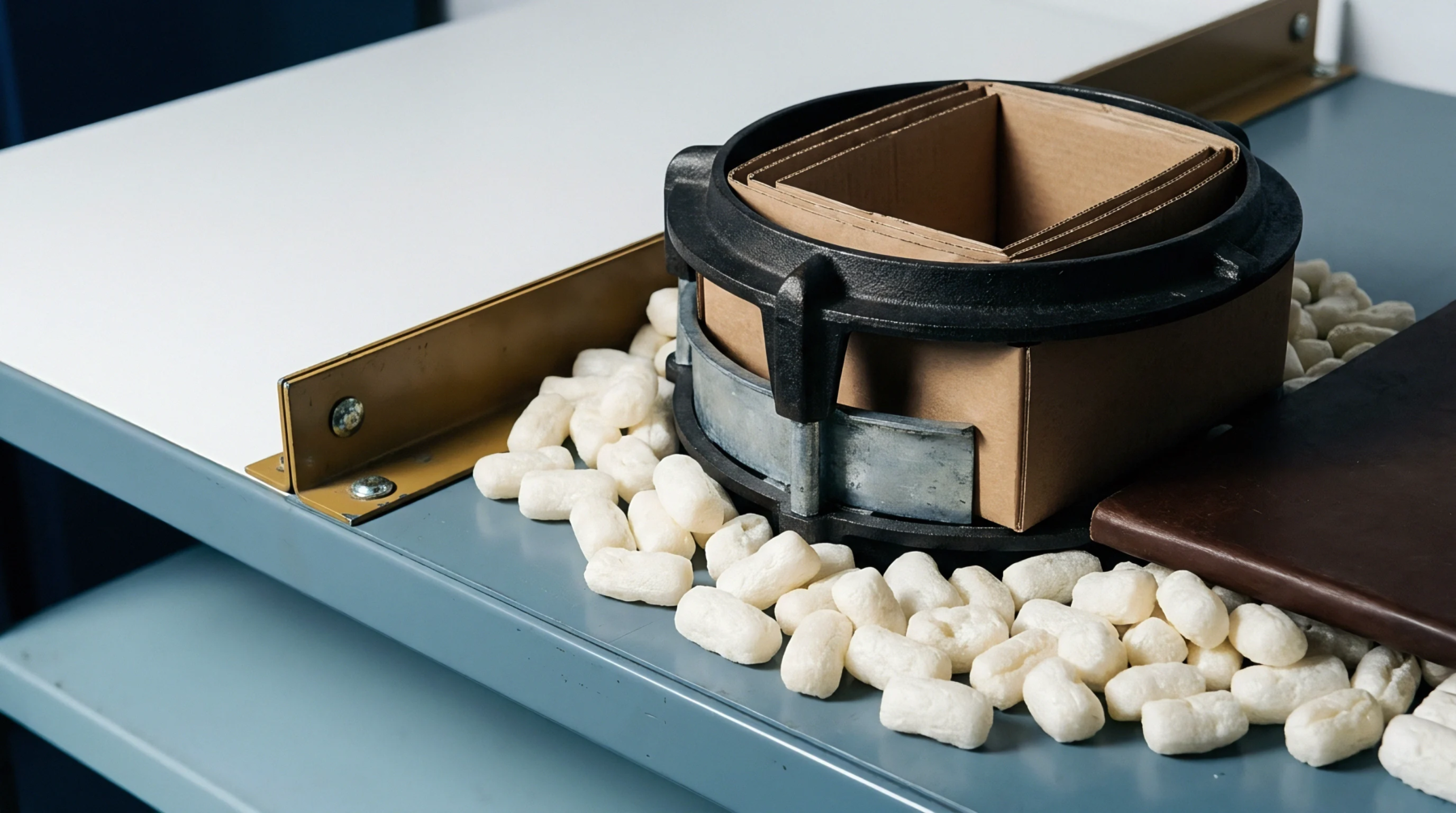
Predicting dynamic Z-direction fiber compression requires balancing dwell time, thermal diffusivity, and lignin glass transition to maximize permanent set.
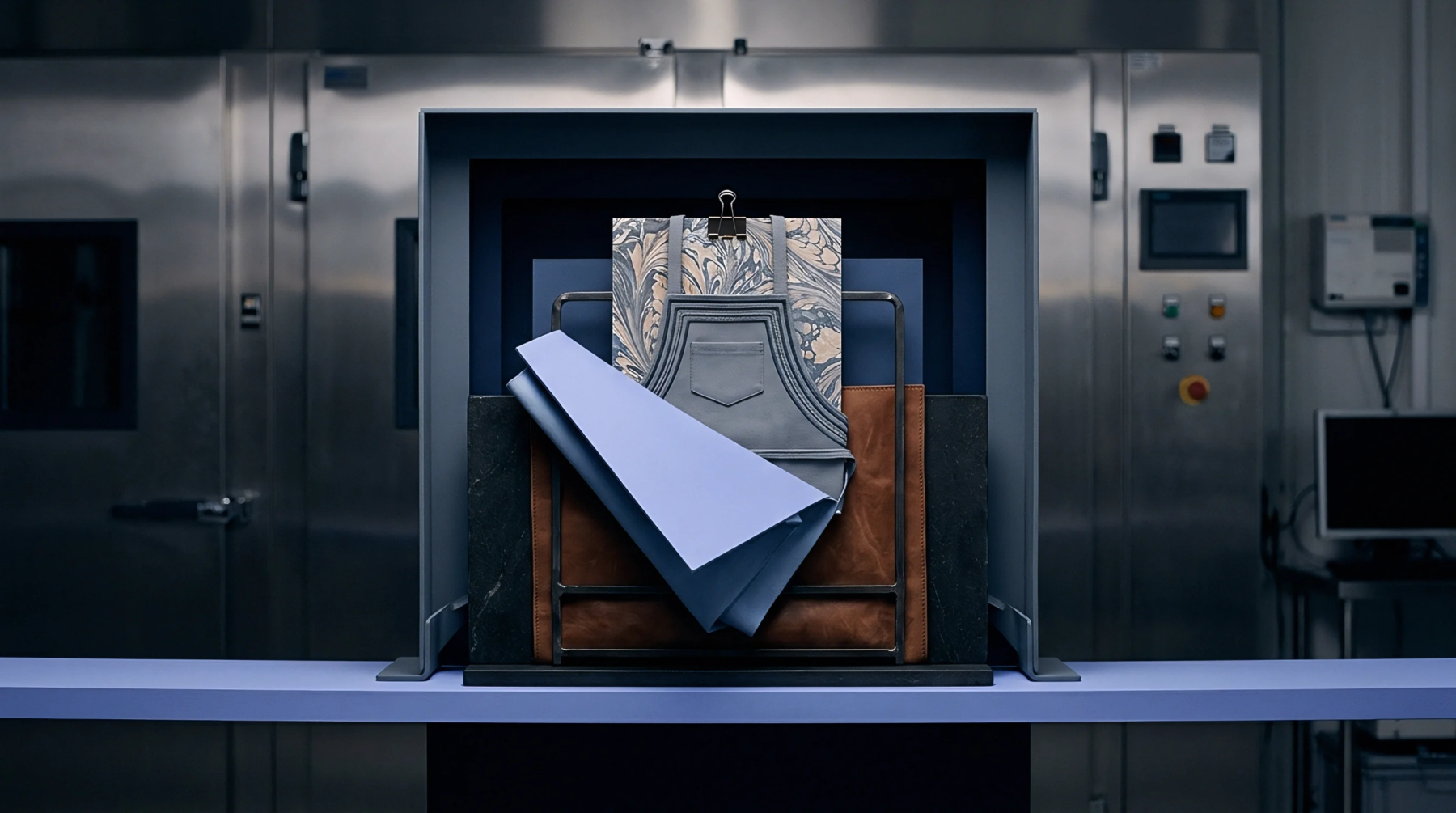
Controlled inter-ply shear delamination inside the middle layers under rule stroke impact converts rigid board into thin lamina, eliminating score cracking.

Sutherland rub sled pressure elevates specular gloss by shearing coating asperities into smooth optical planes, requiring hard crosslinked resins to limit delta gloss spikes.

Wide matrix channels and shallow penetration depth prevent polymer micro-fractures in dispersion-coated folding boxboard during creasing.

Inline optical displacement calibration requires dynamic differential sensing and spatial encoder synchronization to eliminate web flutter and thermal drift errors.
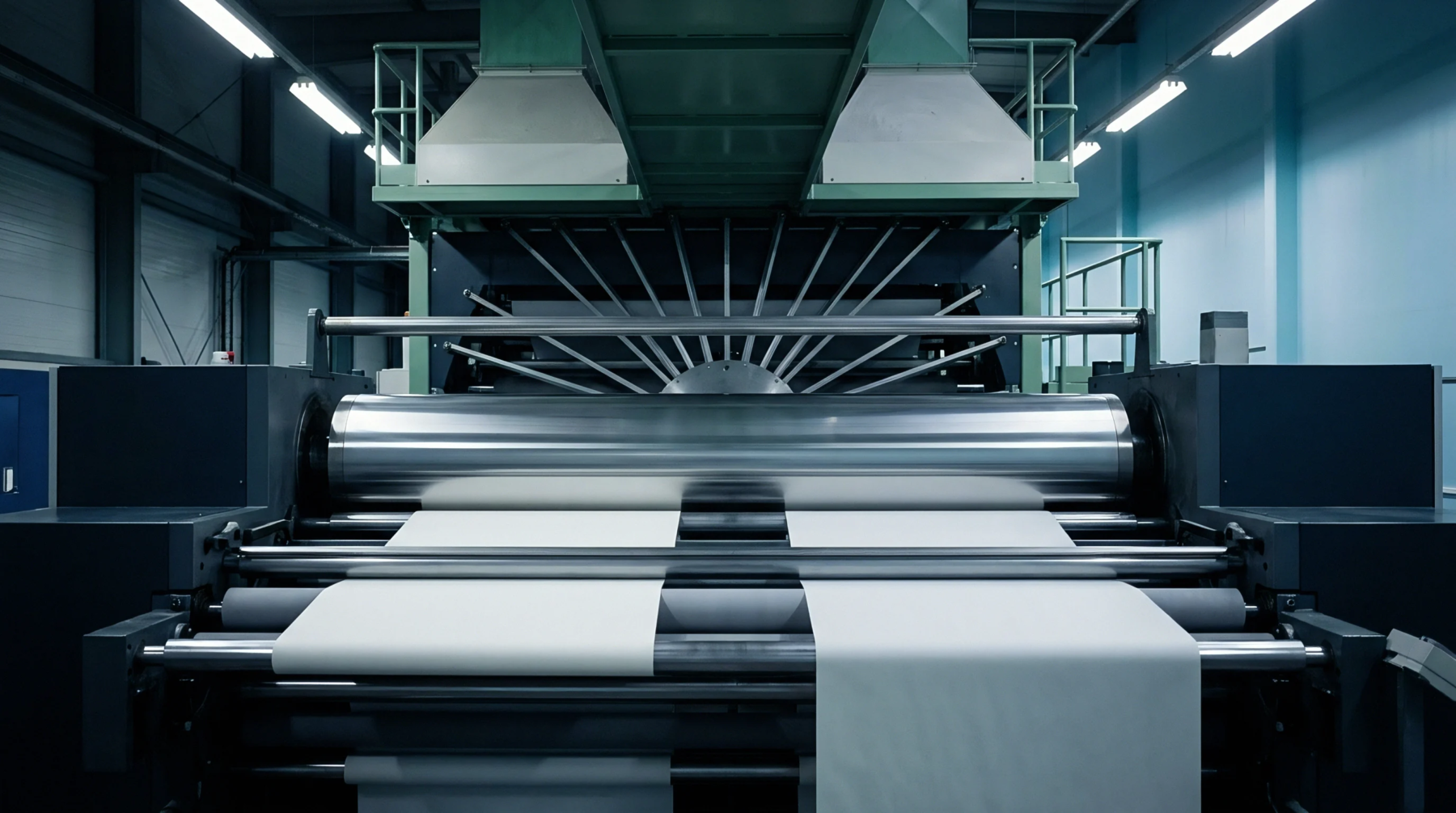
Active dual-beam telecentric triangulation combined with real-time FPGA filtering cancels web vibration and speckle noise to guarantee sub-micron inline caliper accuracy.

Optimizing creasing rule tip radius and channel geometry enables controlled internal board delamination, eliminating coating cracking and springback jams.
Expertise is a utility, not a secret. sentiention™ publishes its working knowledge as open reference: intelligence layer covering the materials it sources, the markets it enters, and the reference that serves both.