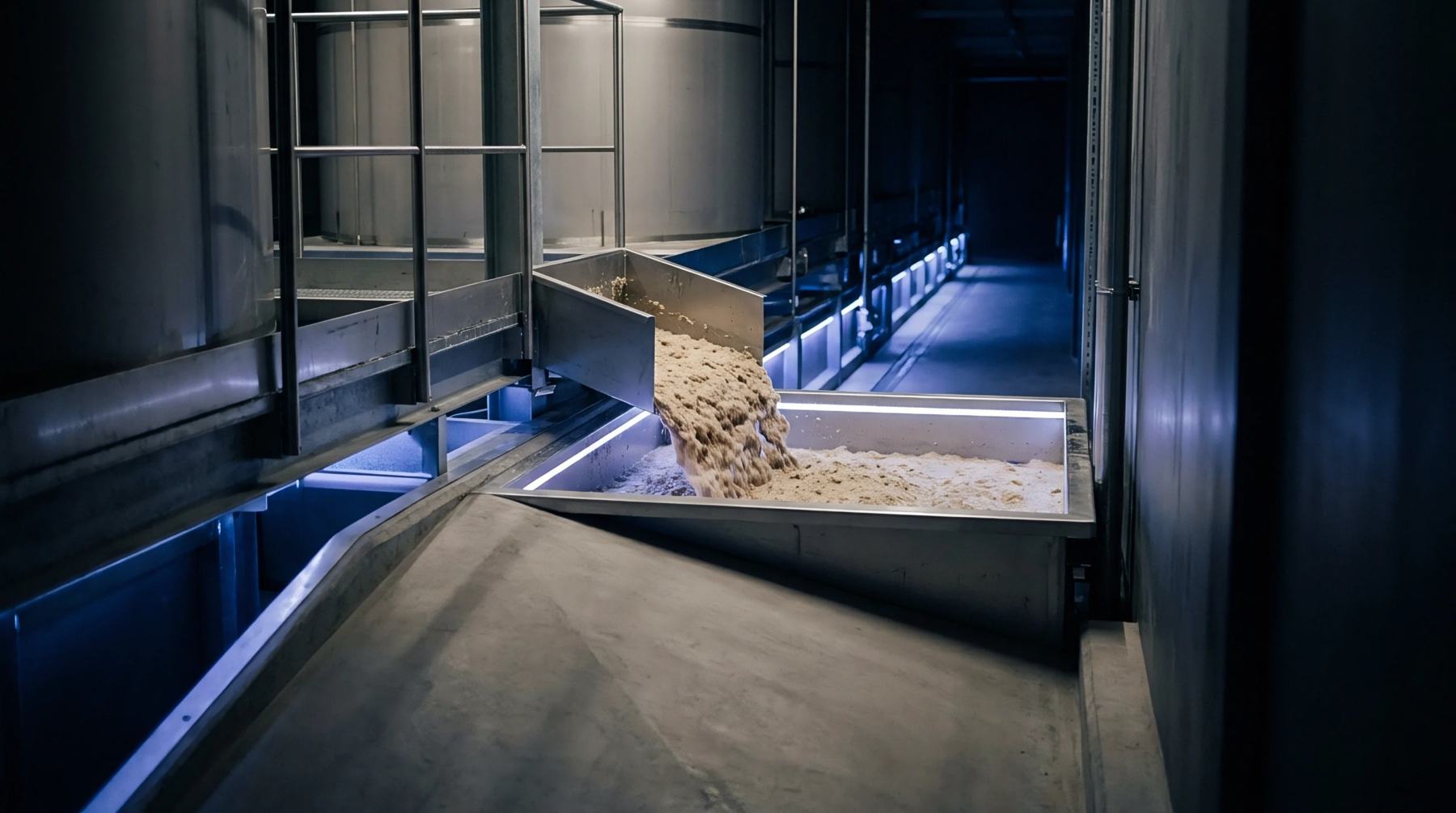
Raw Fibre Input Ratios in Multi-Ply Board Processing
Controlling virgin chemical-to-mechanical ratios across multi-ply board dictates flexural stiffness, barrier integrity, and customs duty classifications.
Controlling virgin chemical-to-mechanical ratios across multi-ply board dictates flexural stiffness, barrier integrity, and customs duty classifications.
Inline piezoelectric acoustic sensors detect internal board ply fracture during rotary scoring, enabling real-time crease depth control and waste reduction.
Controlled interlaminar delamination during high bulk boxboard creasing requires widened matrix channels to fracture low-density cores without breaking liners.

Wood extractive flux from mechanical pulps degrades coating adhesion and heat seals unless base sheet acetone extractives remain strictly below 0.6 percent.
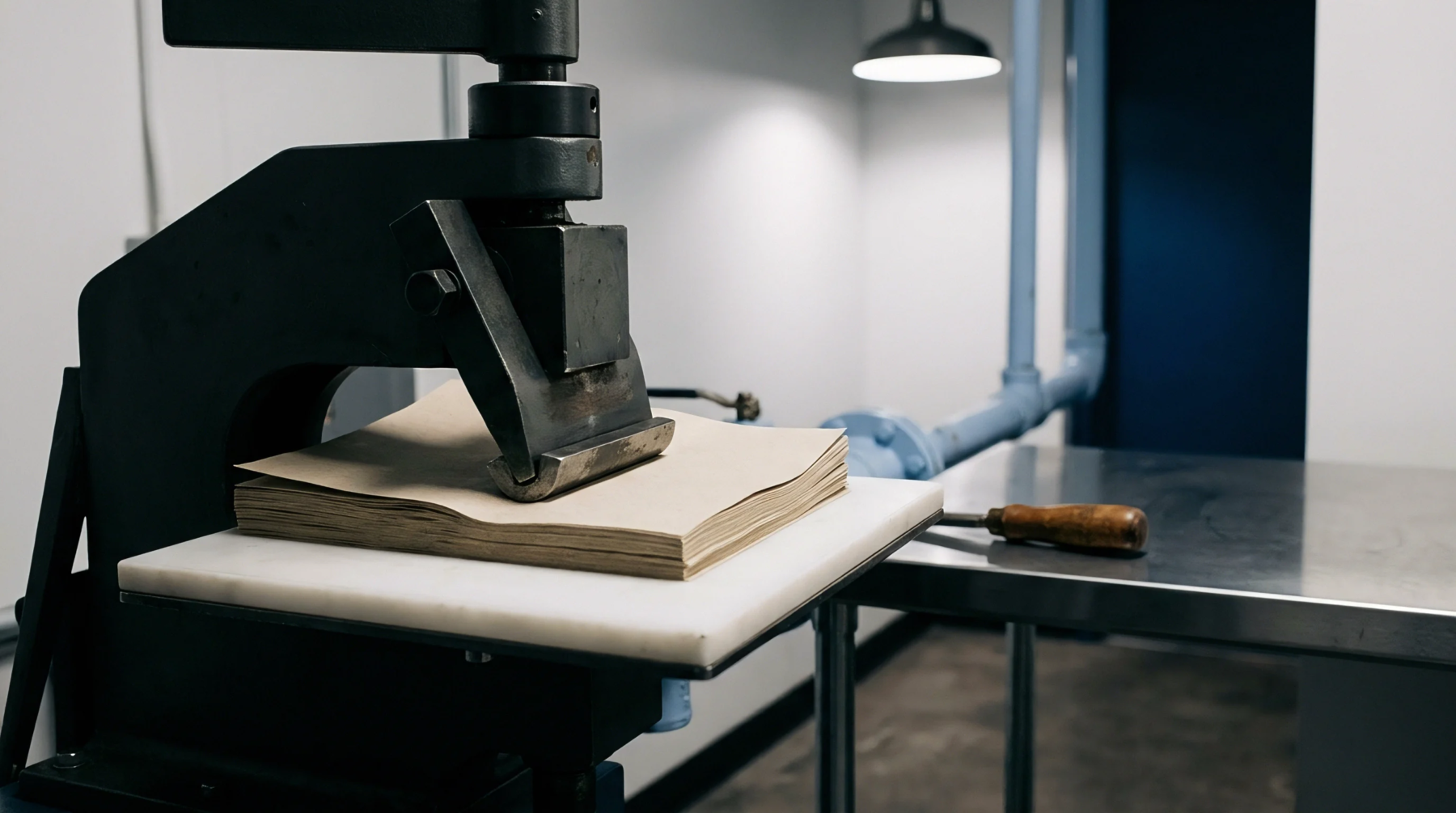
CTMP core plies maximize packaging board bending stiffness at lower basis weights, lowering landed carton costs despite lignin brightness reversion limits.
Predicting delamination boundaries in down-gauged BCTMP board requires narrowing matrix clearance to match reduced core mass under millisecond impact.

Calculated boxboard bending stiffness loss under cyclic moisture must account for core transverse shear compliance, which cuts carton panel rigidity by 40 percent.

Microfibrillated cellulose additions restore z-direction shear resistance in high hardwood cartonboard, preventing folder-gluer score delamination.
Tuning middle-ply CTMP density between 0.45 and 0.55 g/cm³ balances board flexural rigidity against vacuum porosity to prevent converting feeder misfeeds.

Dynamic heat gradients deflect triangulation beams by altering air refractivity; laminar purge tunnels stabilize the optical path to restore micrometer accuracy.

Cross-border mass balance credits fail statutory import rules; buyers must mandate physical batch traceability and contractually shift customs hold liability.
Centralised credit accounts require plant-specific conversion factors and strict rolling FIFO schedules to prevent unearned claims and customs rejections.
Multi-site credit ledgers require continuous mass-balance reconciliation, strict scrap deductions, and geographic boundaries to prevent customs compliance failure.

Calibrate inter-deck lamp irradiance to dynamic cross-direction desiccation curves, preventing register wander across recycled plies without slowing web speed.

Long softwood fibers maximize board bending resistance by increasing elastic modulus on outer plies while maintaining the caliper needed for flexural stiffness.
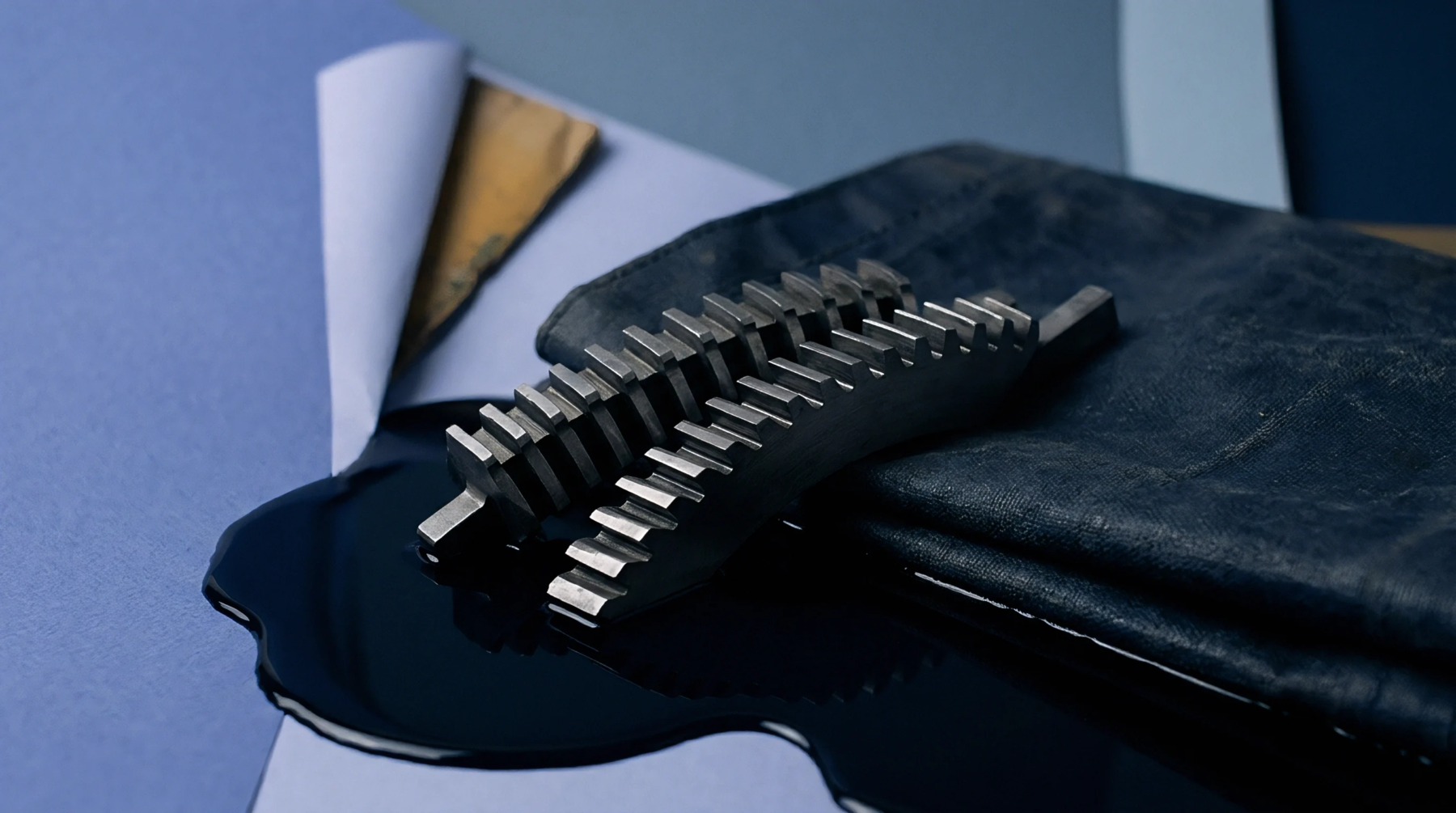
Molten frying fats trigger rapid autocatalytic hydrolytic scission and lipid plasticization in bio-polyester coatings, demanding high crystallinity and custom creasing.

Hot and cold water extractives quantify soluble chemicals in uncoated paperboard, governing compliance limits under BfR and FDA food packaging standards.

Reconciling Taber and L&W stiffness requires empirical grade-specific calibration curves rather than linear conversion to prevent PPWR minimisation audit failures.
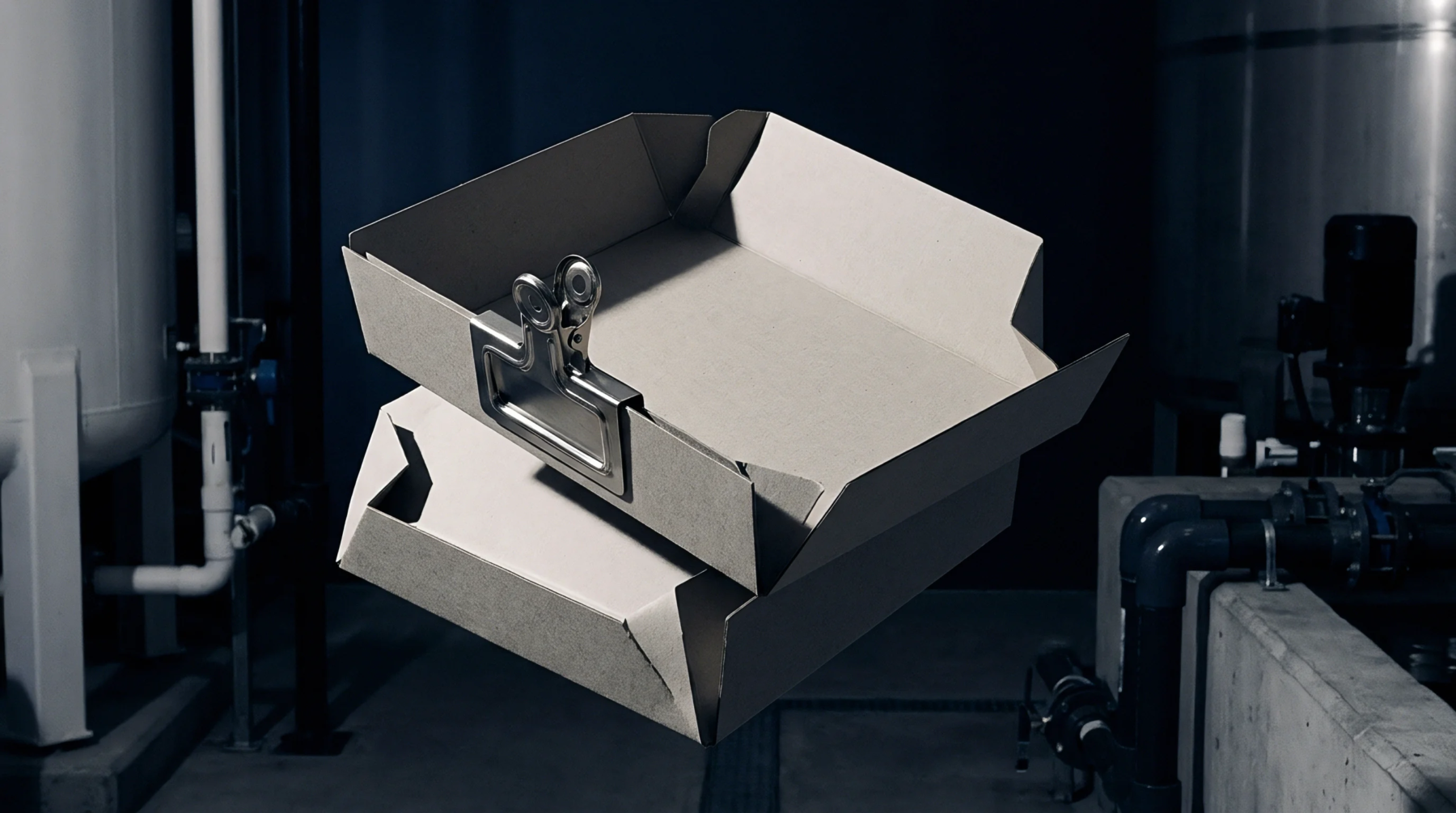
UV lamp radiation drives moisture loss and thermal expansion in sheetfed litho, causing tail fan-out and downstream die-cutting registration failures.

Anisotropic hygroexpansion expands sheetfed boxboard up to six times more cross-grain than with-grain, requiring strict relative humidity control to hold register.

Base matrix channel width for virgin folding boxboard on rule thickness plus 1.45 times caliper, setting channel depth equal to measured sheet thickness.

Cross direction bending resistance governs crease recovery force, requiring precise scoring die geometry to prevent carton springback during high-speed packing.
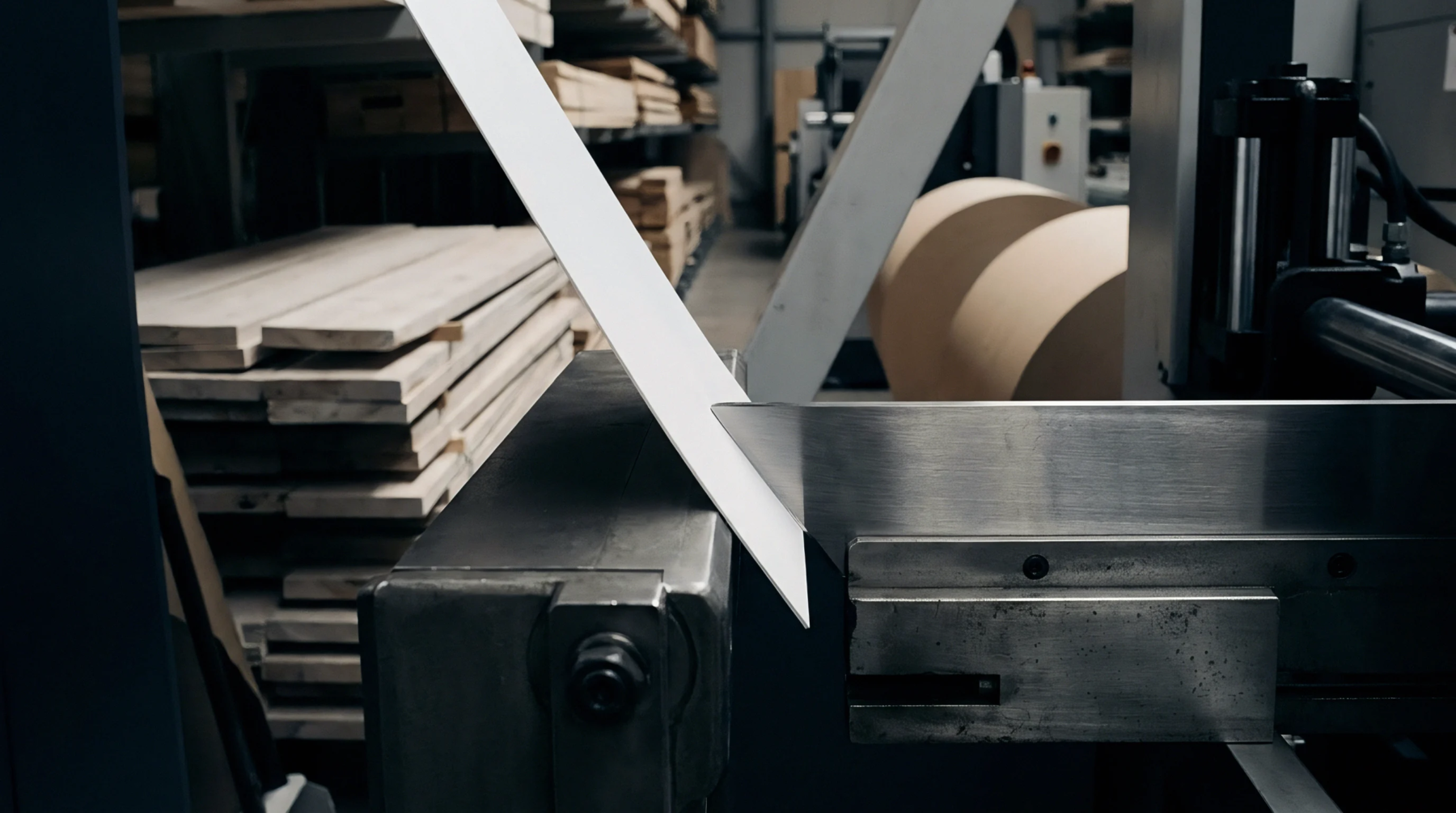
Swapping cartonboard to higher bulk furnishes increases square metre yield per tonne, reducing landed pack costs despite higher per-tonne substrate prices.
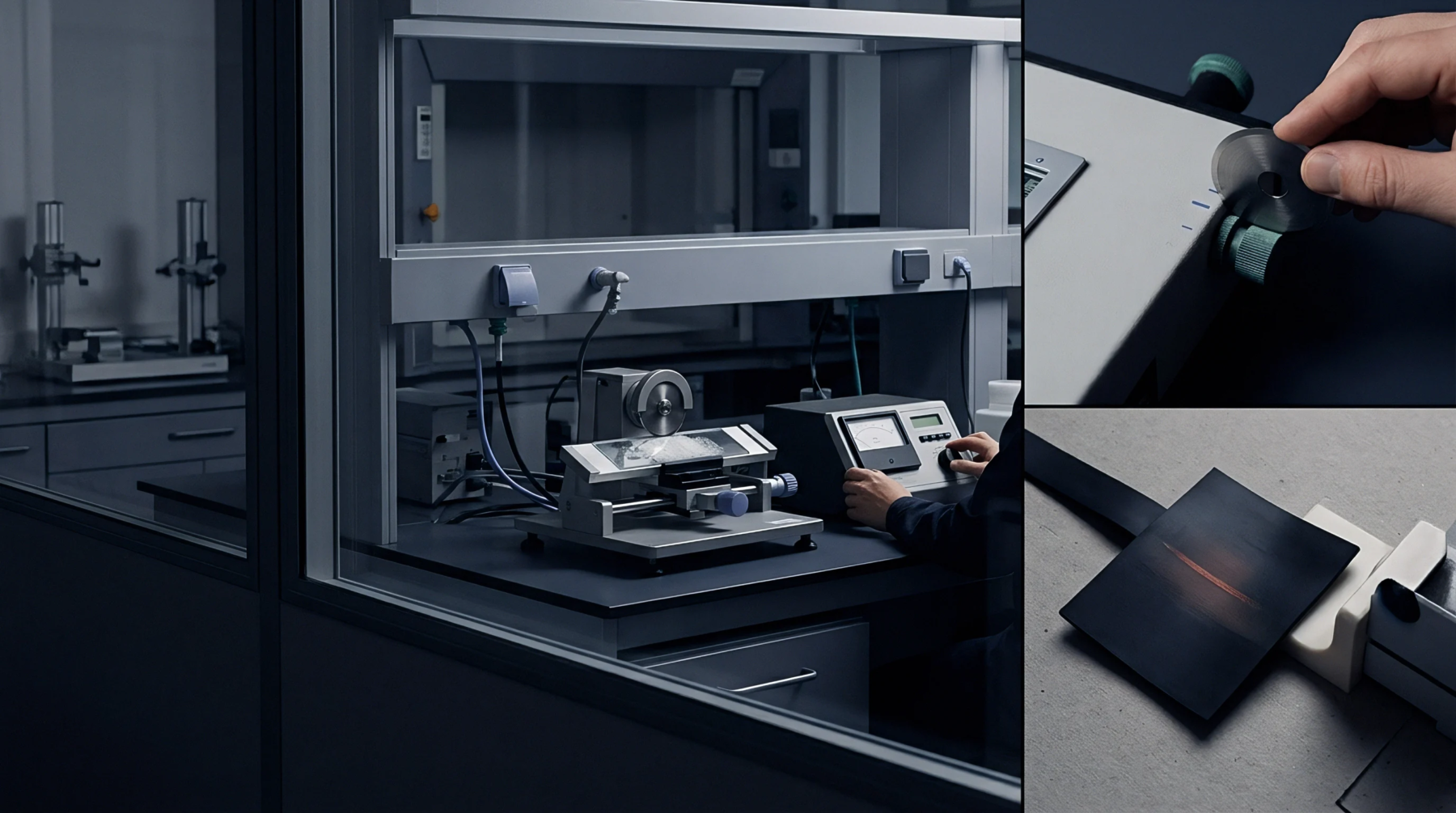
Verify functional barrier continuity on creased board corners using DIN EN 13676 and Tenax GC-FID to eliminate chemical migration risks and customs detention.

Dynamic multi-ply board creasing requires rate-dependent matrix clearance adjustments to prevent top-liner shear splitting during millisecond tool indentation.
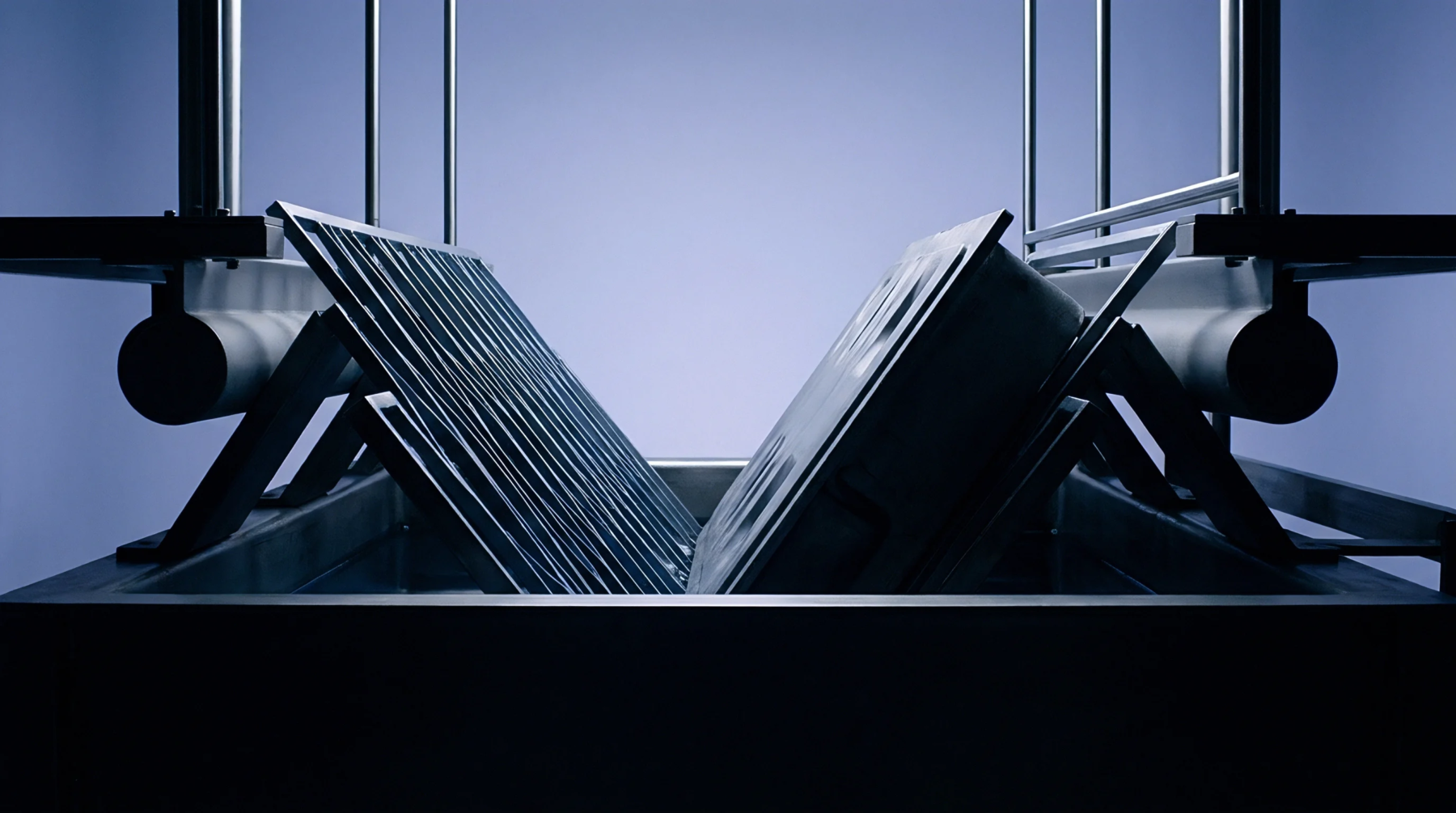
Determining migration compliance relies on exact food simulant testing, functional barrier verification, and complete analytical records across all converter tiers.

Calculate creasing matrix channel width using the formula W = T + (F × C), selecting factor F between 1.4 and 1.7 based on board grade and fiber stiffness.

Recycled board demands matrix channels widened to rule thickness plus 1.7 to 1.9 times caliper to induce core delamination and prevent liner splitting.
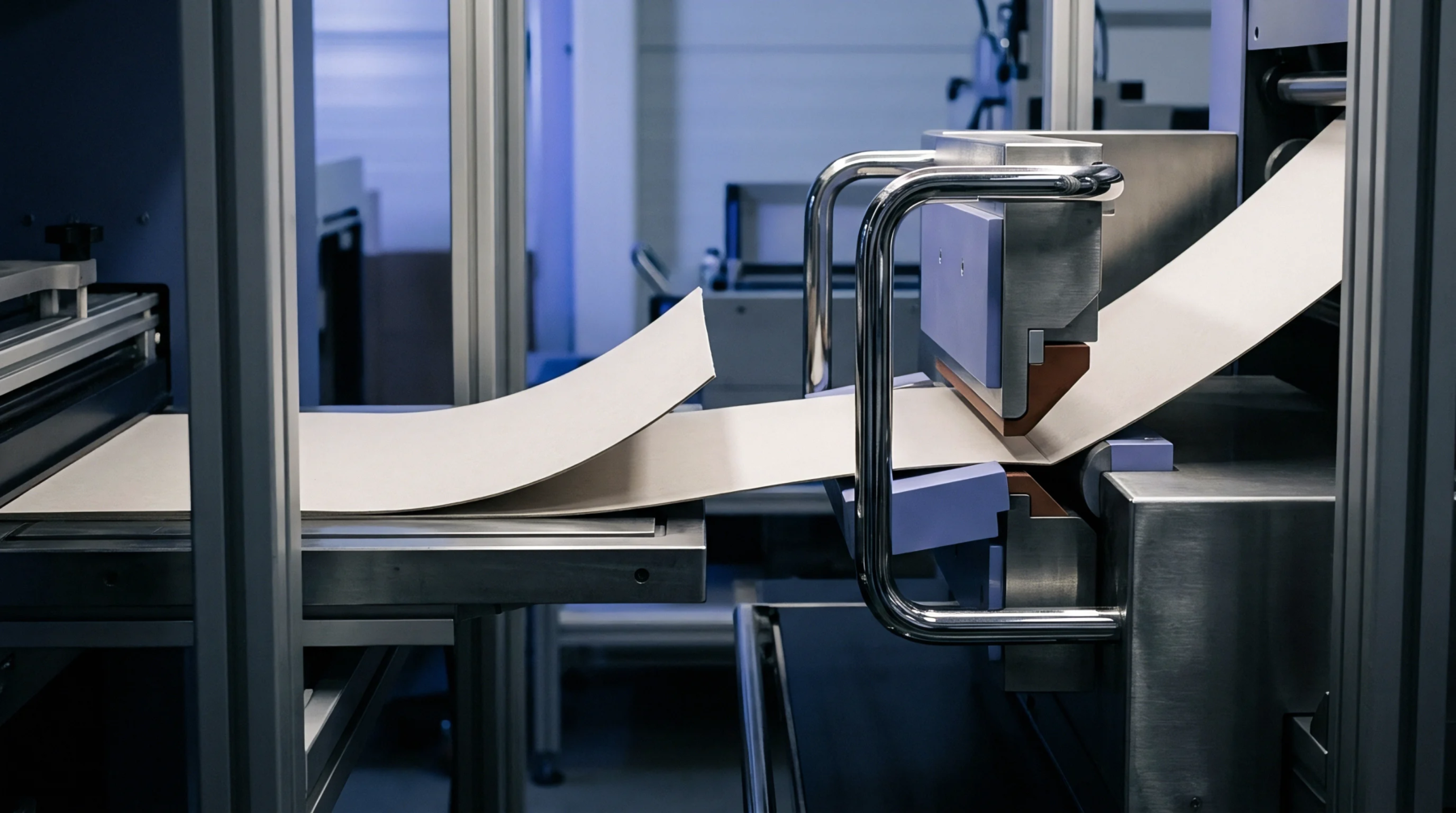
Rounded three-point creasing rules and wide steel counter channels prevent subzero dispersion barrier cracking by suppressing tensile shear along carton folds.
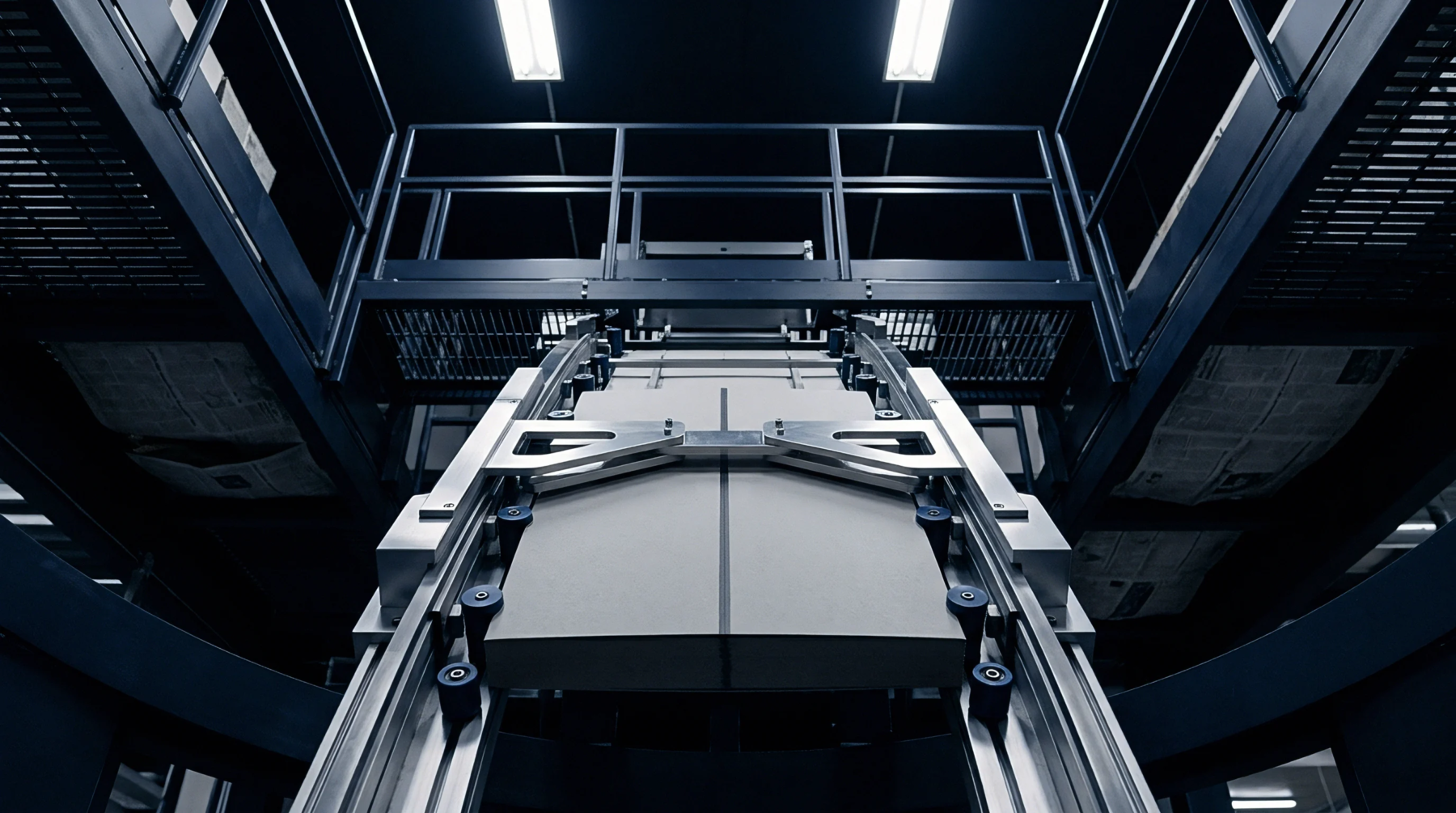
Aqueous barrier boards in cold chains resist moisture only when latex flexibility prevents crease cracking and edge wicking is sealed against dew point condensation.
Expertise is a utility, not a secret. sentiention™ publishes its working knowledge as open reference: intelligence layer covering the materials it sources, the markets it enters, and the reference that serves both.