Fibre Verification
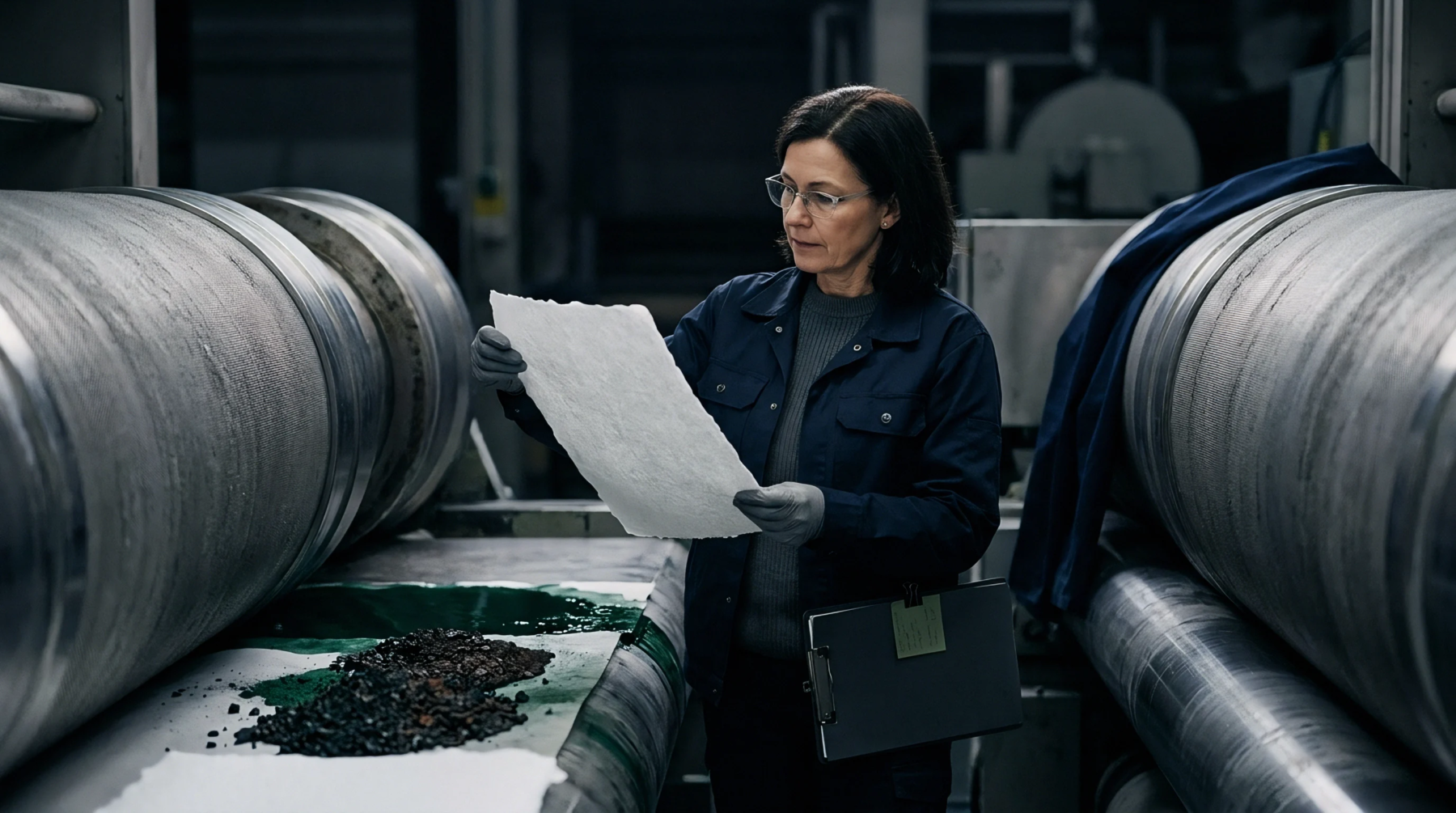
Post-consumer material classification defines paper products derived exclusively from secondary stock previously used by end consumers rather than industrial waste byproducts recovered during initial manufacturing stages. The fsc recycled label identifies substrates that pass rigorous chain of custody audits confirming zero inclusion of virgin wood pulp within the final fibre matrix. Audits track every transfer of ownership from collection centres to the final converting facility to prevent contamination from non-certified sources.
Mills receive distinct documentation for every batch of reclaimed stock which must demonstrate successful diversion from municipal waste streams. Documentation gaps trigger immediate loss of status for the entire production lot because the label guarantees specific input purity rather than mere paper performance. This designation acts as an evidence based claim for buyers who prioritize circular economy mandates over raw material extraction.
Chain Custody
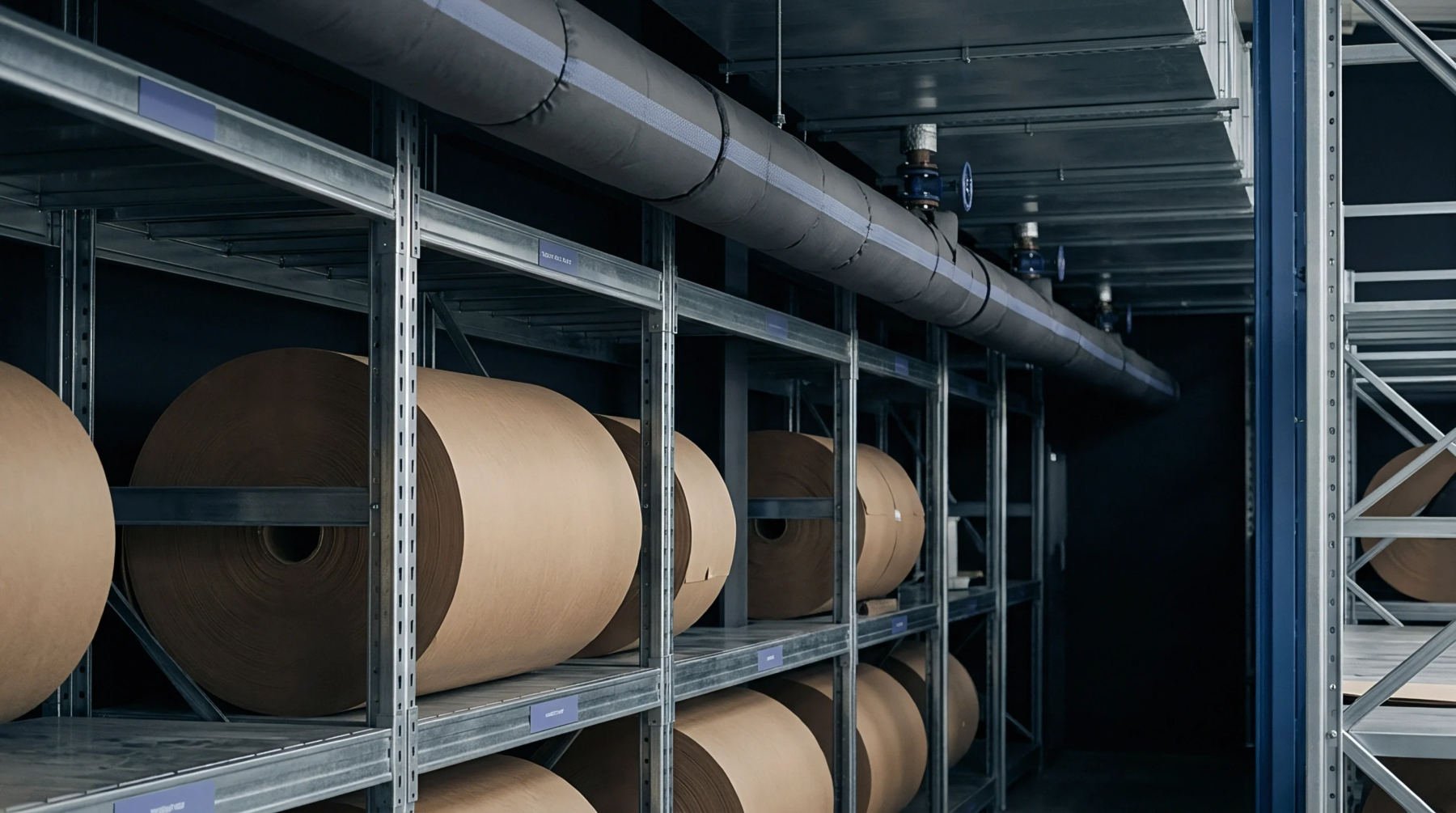
Paper converters acquire this certification by maintaining strict physical separation between certified recycled stock and all other material inputs inside the manufacturing site. Inventory control software records the volume of reclaimed fibre exiting the pulping stage to ensure output tonnage matches the certified input records. Production managers perform monthly reconciliations of these mass balance data points to account for process shrinkage during the forming of paper sheets.
Non-conforming material entering the line forces the immediate reclassification of affected inventory because mixing compromises the credibility of the entire batch. Machine operators often flush paper delivery systems before commencing a run of certified stock to remove trace amounts of fibres from prior production cycles. Such measures ensure that internal production parameters protect the integrity of the material source.
Conversion Tolerance
Finished packaging stock bearing this mark demands consistent structural rigidity despite the inherent shortening of cellulose fibres during the repetitive recycling cycles found in secondary pulp. Engineers account for this loss of mechanical strength by adjusting basis weights or additive chemistry during the paper making process. Print quality remains stable provided the surface sizing handles the lower porosity associated with high concentrations of reclaimed pulps.
Excessive moisture levels in the converting environment create stability issues for these substrates during high speed folding or carton erection. Final product quality relies on the precise management of these physical variables.