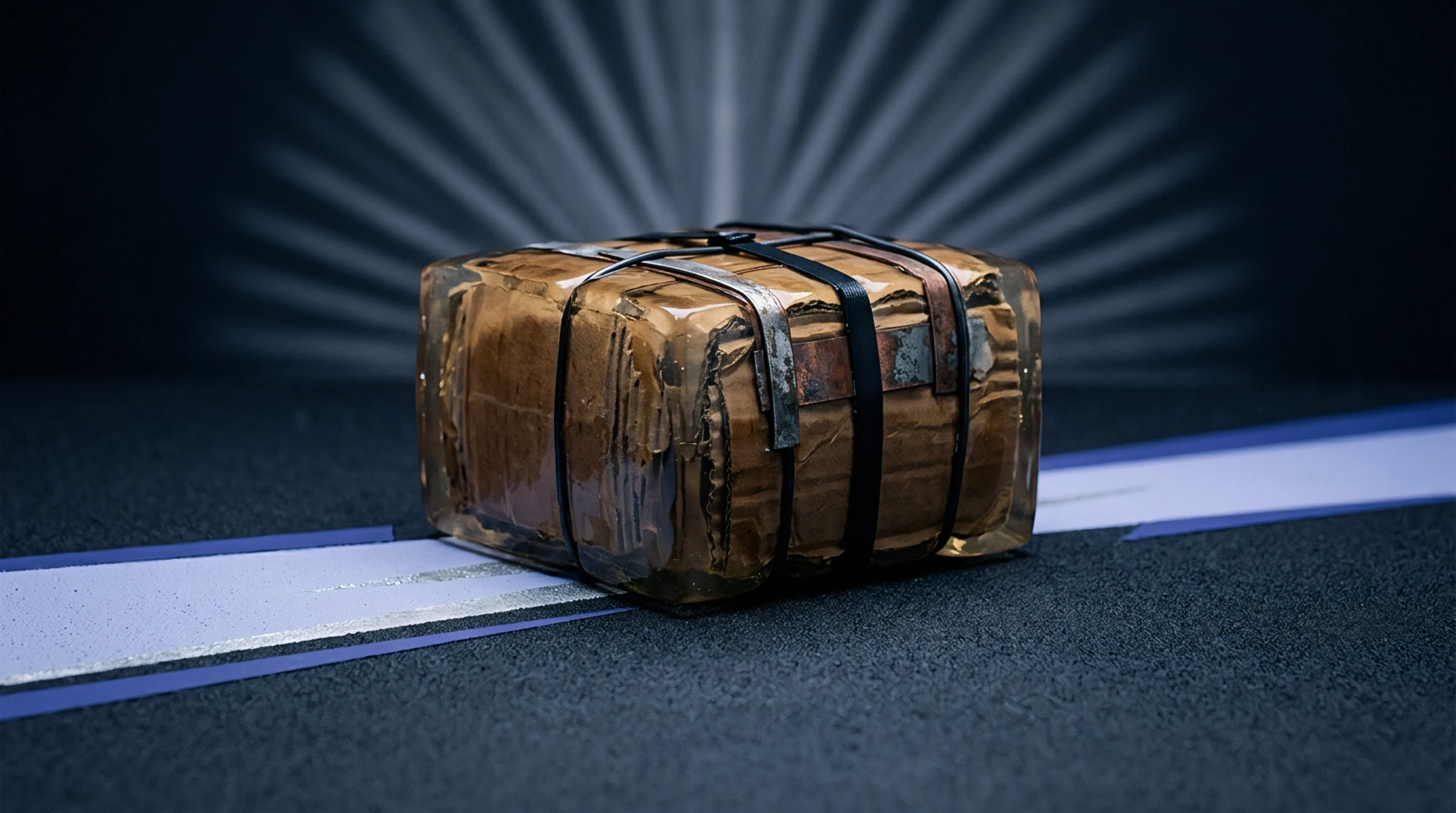
Protective Chemistry
Liquid chemistry formulations applied on paperboard substrates create non-porous surface coatings that resist fluid penetration. Synthetic resin dispersions designated as barrier varnishes block water vapor and grease from migrating into cellulose fibres. Flexographic or gravure units deposit these fluid coatings during inline converting operations.
Crosslinking agents increase network density within the dried polymer layer, preventing oil pinholing during storage.
Permeation Mechanism
Polymer matrix structures slow molecular diffusion through tortuous path geometry inside the dry film. When aqueous dispersions of acrylic or styrene-butadiene copolymers dry, individual polymer particles coalesce into a continuous protective layer over the paperboard surface. Film continuity determines whether barrier varnishes maintain resistance under mechanical folding stresses.
Cracking along crease lines exposes raw paperboard fibers, creating channels where oil and moisture enter the package core. Film thickness must achieve complete fiber coverage while remaining flexible enough to withstand high-speed folding operations on carton gluers. Pinholes form if wet film weight drops below critical thresholds required to level over surface topography.
Higher coat weights increase barrier performance but elevate drying energy demands and substrate curl propensity. Test methods like ASTM F1249 quantify water vapor transmission rates through coated board samples.
Application Limit
Repulpability limits dictate where functional polymers replace traditional extruded polyolefin laminates. Water-based barrier varnishes allow recycling plants to repulp treated paperboard without generating non-dispersible plastic film fragments in mill pulpers. Hydrophobic additives reduce repulpability when concentration thresholds exceed repulping guidelines.
Repulping tests evaluate fiber recovery ratios and stickies formation during agitation.