Fibre Yield
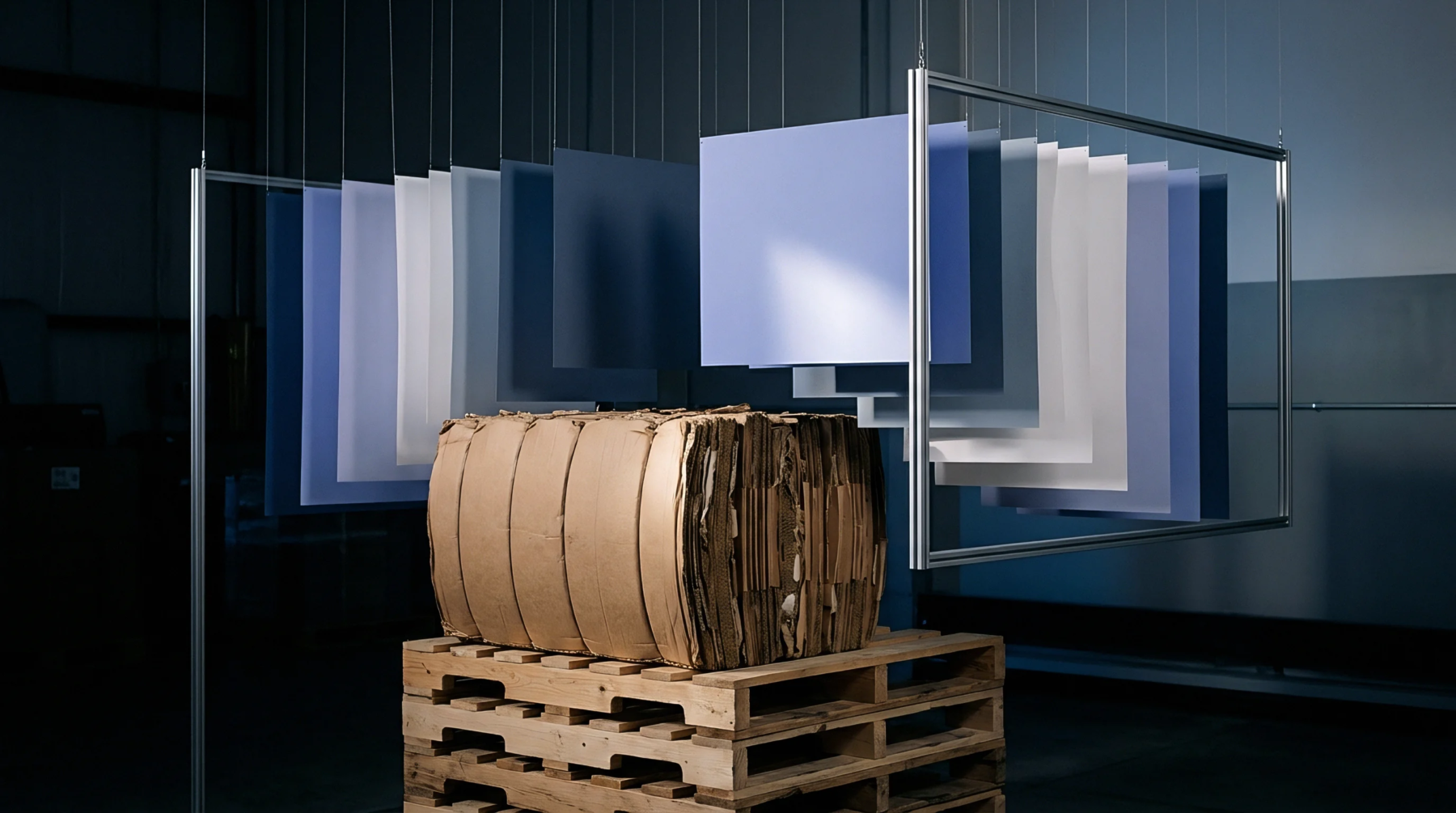
Pulp production through mechanical refining under heat uses pressurized steam to soften lignin bonds before mechanical disc shear separates the wood matrix. Thermomechanical pulp achieves high conversion rates from raw timber logs because thermal softening preserves nearly all original wood components within the resulting slurry. Wood chips pass through a preheater where steam pressures soften the middle lamella, enabling individual fibres to pull apart with minimal breakage of the cellulose skeleton.
Low refining consistency generates unwanted fines while high consistency protects fibre length, requiring precise control over steam pressure and residence time. Commercial groundwood mills balance electrical energy consumption against desired tear strength by adjusting plate clearances inside the pressurized refiner.
Surface Stiffness
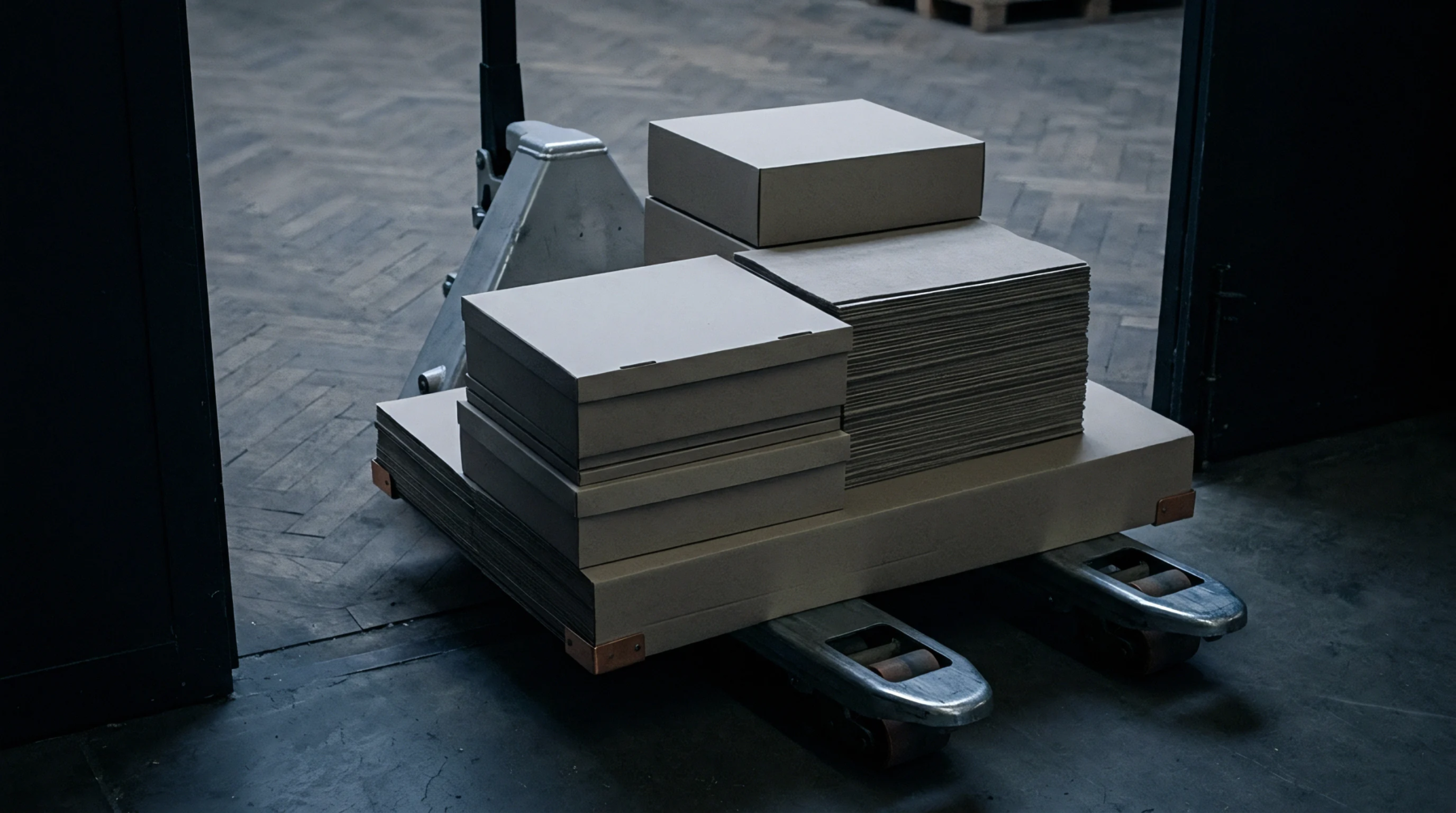
Paper manufacturers blend this coarse pulp stock into newsprint and lightweight coated paper grades to provide necessary bulk and bending resistance. High stiffness values allow lower grammages to maintain sufficient caliper for high speed printing presses without web breaks or excessive ink show through. Residual lignin components left inside the cellulosic matrix impart rigidity to the sheet, though this same fraction contributes to rapid yellowing under ultraviolet light exposure.
Surface smoothness improves when secondary refining reduces coarse fragments, yet over refining damages opacity by collapsing hollow lumens within the fibre wall.
Binder Demand
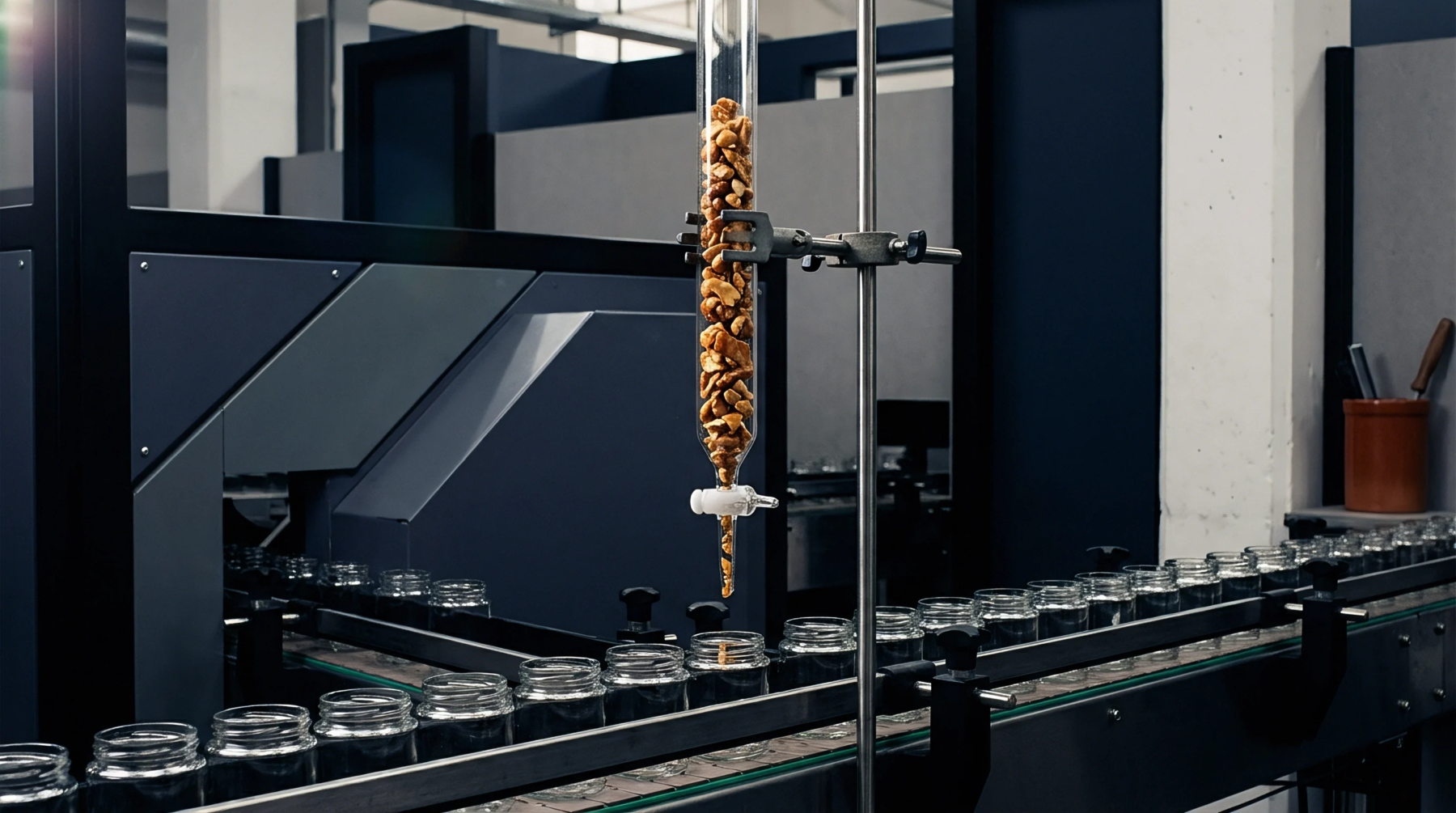
Coated mechanical papers manufactured from high yield pulp require careful adjustment of latex and starch binder ratios during pigment coating preparation. Porous sheet surfaces absorb liquid binders rapidly, demanding higher binder proportions to prevent surface picking during offset printing runs. Excessively porous webs draw adhesive away from pigment particles, leaving weak coatings that shed mineral dust under blanket cylinders.
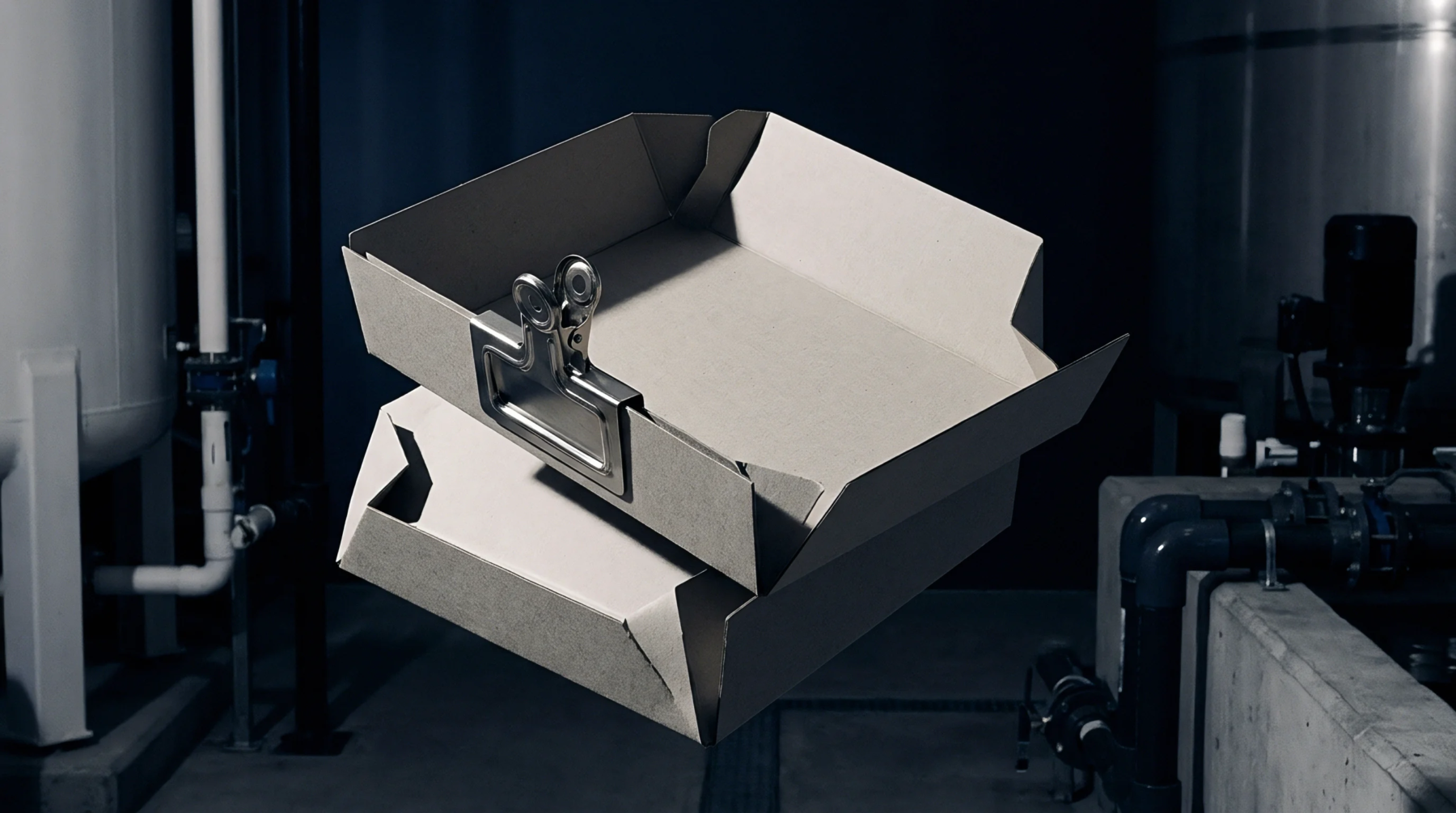
Packaging converters measure air permeability to predict coating absorption rates, ensuring offset inks dry uniformly across variable board substrates.