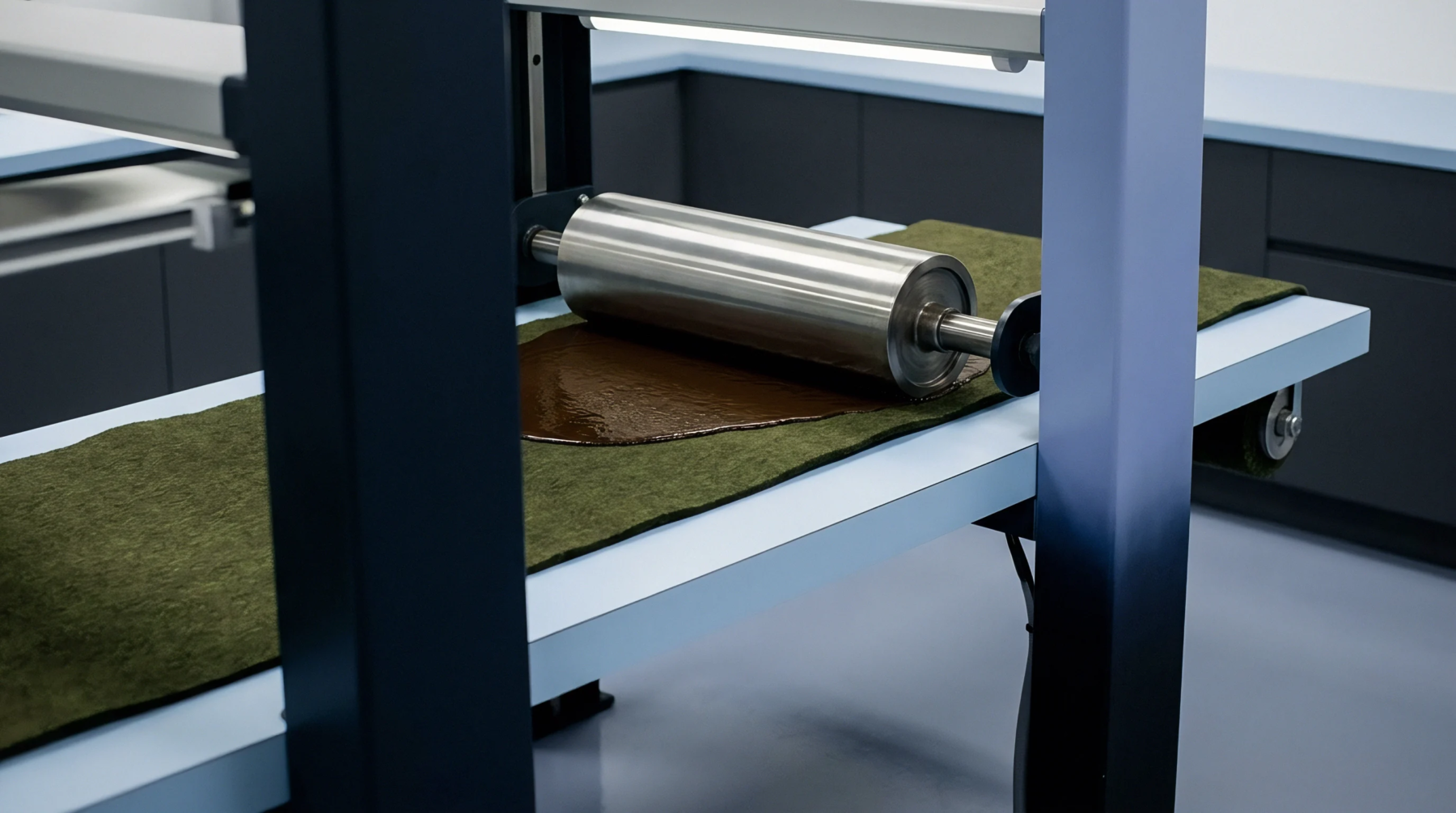
Cylinder Geometry
Measured across the bare steel body, plate cylinder diameter dictates the absolute repeat length of a flexographic or gravure print run. Mechanical engineering sets this exact dimension during the initial milling process to match specific gear pitches or direct drive motor encoders on the press chassis. Production facilities demand tolerances measured in micrometers because minor dimensional deviations accumulate across every single rotation of the press.
Substrate tension and ink transfer efficiency rely entirely on this physical measurement remaining constant under high speed operating conditions.
Repeat Length
Calculating the correct circumference requires multiplying the linear dimension by the mathematical constant pi. Converting plants schedule specific cylinder sizes to fit packaging layouts without generating excessive substrate waste between impressions. Print repeatability suffers when thermal expansion alters the metal during long production runs in unconditioned pressrooms.
Machine operators adjust impression pressure based on the physical size of the roller to maintain dot sharpness on folding carton substrates.
Gearing Tolerance
Pitch line requirements bind the physical size of the plate cylinder to the drive gear teeth mounted on the shaft ends. Press manufacturers specify exact dimensional relationships between plate cylinders and impression rollers to eliminate gear marking on high quality flexible packaging films. Undersized rollers force excessive pressure adjustments that distort relief plates and degrade fine halftone reproduction.
Mechanical wear eventually reduces the outer surface boundary, requiring precise plating restoration or complete replacement to preserve accurate registration across multi color printing units.