Dynamic Retention Measurement and Additive Fixation in Multi-Ply Board
Dynamic retention measurement under machine-level shear is mandatory to prevent un-fixed chemical additive migration and guarantee multi-ply board strength.

Strata
Modern multi-ply paperboard machines operate at wire speeds exceeding 1,000 meters per minute, generating hydrodynamic shear forces in the forming zone that reach shear rates between 8,000 and 15,000 reciprocal seconds. Under these turbulent conditions, static laboratory retention tests fail to predict how functional chemicals attach to wood fibres and mineral fillers. Multi-ply folding boxboard (FBB) and coated recycled board (CRB) rely on distinct furnish compositions across individual plies to optimize stiffness, printability, and raw material costs.
A typical three-ply or four-ply sheet combines high-freeness virgin bleached kraft pulp on the outer layers with low-cost recycled old corrugated containers (OCC) or groundwood mechanical pulp in the center core. Each ply encounters completely different shear fields, dewatering pressures, and white water recirculation conditions during web formation.
Chemical additives introduced at the wet end—including cationic starches, alkyl ketene dimer (AKD) sizing, polyacrylamide (PAM) retention aids, and microparticle silica systems—must absorb onto particle surfaces within seconds before the stock hits the forming wire. When shear forces exceed the shear strength of chemical flocs, unattached additives pass through the forming fabric into the white water loop. Shear breaks weak colloidal flocs.
In multi-ply systems, this dynamic drainage creates a complex Z-directional distribution of fines and functional chemistry across the board structure. Unbound starch migrates under heat.
Hydromechanics of Multi-Ply Web Formation
The forming section of a multi-ply board machine uses either multiple Fourdrinier wires, top-wire formers, or multi-channel headboxes with flexible vanes. Dewatering rates differ across each plies wire assembly. As water drains rapidly through the forming fabric under vacuum pulses generated by hydrofoils and suction boxes, fine mineral particles and short wood fibres move relative to the coarse fibre matrix.
Vacuum pulses drain water fast. This dynamic migration creates a non-uniform Z-directional fines profile, where the wire side of an individual ply experiences significant washing of fines while the top side retains a higher density of small particles.
Chemical additives adsorb onto high-surface-area fines at rates up to five times greater than onto long virgin kraft fibres. The specific surface area of mechanical pulp fines ranges from 5 to 12 square meters per gram, compared to 1.5 square meters per gram for unrefined softwood kraft fibres. Consequently, when dynamic shear forces detach fines during early dewatering, the functional additives attached to those fines pass directly into the machine chest white water.
The concentration of un-fixed chemical additives in the wet-end water loop rises rapidly, causing systemic foam generation, deposit formation, and loss of drainage efficiency.

Ply-Specific Shear Profiles and Fines Entrapment
Outer plies demand exceptional surface strength and smoothness for high-speed flexographic or offset printing. To achieve this, top liners are formed under lower consistency (0.3% to 0.5% solids) and controlled shear rates to deliver uniform sheet formation. Inner core plies operate at higher headbox consistencies (0.8% to 1.4% solids) where mechanical interlocking of coarse fibres dominates over chemical retention.
The shear field in the center ply former must break up fiber networks without stripping cationic retention polymers from the furnish.
| Board Layer Zone | Furnish Composition | Headbox Consistency (%) | Hydrodynamic Shear Rate (1/s) | First-Pass Fines Retention (%) |
|---|---|---|---|---|
| Top Liner | Bleached Softwood / Hardwood Kraft | 0.35 – 0.45 | 10,000 – 14,000 | 68 – 74 |
| Under Liner | Deinked Pulp / Bleached Hardwood | 0.50 – 0.70 | 8,000 – 11,000 | 72 – 78 |
| Center Core | Unbleached OCC / Thermo-Mechanical Pulp | 0.95 – 1.35 | 4,000 – 7,500 | 82 – 88 |
| Back Liner | Unbleached Softwood Kraft / Mixed Waste | 0.60 – 0.80 | 7,000 – 9,500 | 75 – 81 |
Fines entrapment governs sheet density. When dynamic retention aids are miscalibrated for the specific shear field of a ply, fines pass into adjacent plies during simultaneous web consolidation or get washed into the press section. Misaligned retention across plies alters the z-direction density gradient, reducing the bending stiffness (S) of the multi-ply structure.
Bending stiffness scales with the third power of total caliper and depends directly on keeping low-density, high-bulk core furnishes strictly separated from high-density outer liners. Loss of fines from outer plies reduces internal bond strength (Scott Bond), causing delamination during high-speed folding operations on carton conversion lines.
Dynamic retention efficiency dictates the Z-directional distribution of strength additives, directly altering the ultimate bending stiffness of multi-ply paperboard structures.
Ignoring ply-specific dynamic shear forces leads directly to uncontained chemical carryover between white water loops, resulting in erratic sizing performance, severe wire blinding, and off-specification Scott Bond values that trigger total lot rejections at the converting plant.

Screen
Accurate measurement of chemical retention requires testing equipment capable of replicating the exact hydrodynamic shear forces and vacuum profiles present on high-speed forming wires. Traditional static freeness testers and Canadian Standard Freeness (CSF) funnels measure gravitational drainage under zero-shear conditions. These static methods produce misleading data regarding chemical fixation, as they cannot simulate the shear-induced detachment of polyelectrolyte flocs or the fast vacuum pulses of suction boxes.
Laboratory evaluation relies on dynamic drainage measurement devices that isolate hydrodynamic shear from chemical dosage variables. TAPPI Standard Method T 261 defines fine particle retention using dynamic jar apparatuses, while modern Dynamic Drainage Analyzers (DDA) extend this capability by applying controlled vacuum filtration under adjustable impeller stirring rates.

Dynamic Retention Jar Vs Vacuum Drainage Analyzer
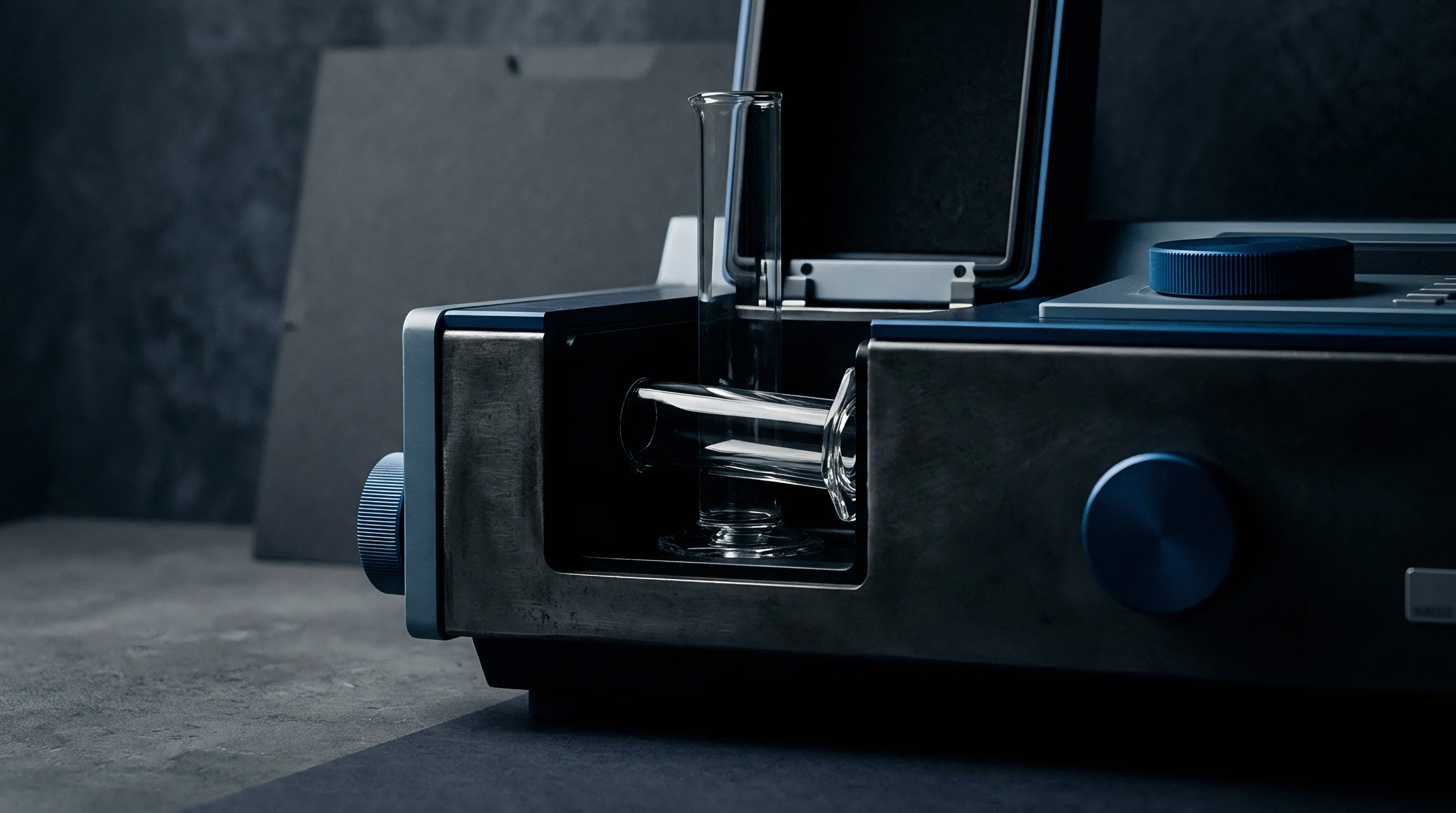
The Britt Dynamic Retention Jar (DRJ) consists of a cylindrical chamber equipped with a variable-speed impeller and a precision screen mesh, typically 200-mesh (76-micrometer openings). Stock slurry is placed in the jar, and the stirrer operates at speeds between 500 and 1,500 revolutions per minute, creating turbulent mixing that prevents fiber mat formation. The liquid passing through the screen represents the un-retained fraction of fines, fillers, and soluble chemical additives.
The ratio of retained fine material to total fine material in the original stock defines the first-pass fines retention (FPFR).
Dynamic Drainage Analyzers improve upon the Britt Jar by measuring the exact time required to form a fiber mat under applied vacuum while stirring. The instrument records filtration speed, ultimate sheet permeability, and filtrate turbidity in real time. Filtration speed curves provide precise quantitative data on how fast chemical polymers flocculate the furnish under dynamic agitation.
Which Hydrodynamic Test Predicts Machine Wire Loss?
Vacuum-assisted dynamic drainage testing correlates directly with actual machine wire losses because it incorporates both high shear during mixing and directional pressure differentials during sheet consolidation. Stirring speed alone in a standard Britt Jar does not capture the intense dewatering rate that occurs at the high-vacuum suction boxes of a gap former. Modern DDA systems apply a controlled vacuum step (typically 100 to 500 millibar) immediately after high-shear stirring stops, capturing the transition from turbulent suspension to compact fiber mat formation.
Evaluating dynamic chemical performance requires controlling four distinct mechanical parameters during laboratory testing. Slurry temperature must match mill approach flow conditions precisely, as temperature alters water viscosity and polymer configuration.
- Impeller Rotational Speed establishes the precise hydrodynamic shear rate applied to the colloidal suspension, varied between 400 RPM for core plies and 1,500 RPM for high-speed gap former liners.
- Vacuum Application Rate simulates the dewatering pulse intensity of wet-end suction elements, pulling liquid through the forming mesh at differentials up to 60 kilopascals within 200 milliseconds.
- Filtrate Optical Turbidity quantifies un-retained colloidal solids and un-fixed starch complexes continuously using photodiode absorption sensors operating at 880 nanometer wavelengths.
- Screen Mesh Geometry replicates the precise aperture size and weave pattern of the commercial forming fabric, using stainless steel wire meshes ranging from 75 to 150 micrometers.
Drainage curves reveal dewatering rates. A steep pressure drop during the vacuum phase indicates rapid mat formation driven by effective microparticle bridging, whereas a prolonged pressure drop signals drainage resistance caused by un-flocculated colloidal fines blunting the forming mesh.
Chemical suppliers often claim that elevated polymer dosages automatically compensate for machine speed increases, asserting that higher molecular weight retention aids offset extreme hydrodynamic shear without impacting sheet formation or appearance.
Fixation
Fixation defines the irreversible chemical and physical attachment of functional additives onto fiber surfaces under dynamic shear. Chemical additives do not merely need to be present in the stock slurry; they must resist physical stripping when subjected to turbulent fluid motion and high-pressure press nip nips. Cationic charge density, polymer chain length, and reaction kinetics dictate whether an additive remains fixed to the cellulosic substrate or washes out into the process water.
Colloidal charge dictates chemical demand. In closed-loop paper mill circuits, dissolved organic contaminants—commonly referred to as anionic trash—compete directly with fiber surfaces for cationic additives. Anionic wood extractives, lignosulfonates, oxidized starch, and carboxymethyl cellulose neutralize cationic polymers before they can adsorb onto fibers, destroying chemical retention efficiency.
Polyelectrolyte Complexation and Microparticle Fixation Mechanics
Fixation mechanisms rely on electrostatic attraction, hydrogen bonding, and physical entanglement. Dual-component additive systems utilize high-charge-density, low-molecular-weight cationic fixatives (such as polyDADMAC or polyPEI) combined with high-molecular-weight anionic polyacrylamides (APAM) and inorganic microparticles (bentonite clay or colloidal silica).
The cationic fixative neutralizes the negative surface charge of the fines and anionic trash, reducing the zeta potential of the system toward neutral (-5 to 0 millivolts). Once charge neutralization occurs, the long-chain retention polymer forms large, loose bridges between fiber particles. Inorganic microparticles then interact with these polymer bridges under high shear, causing the loose flocs to contract into small, dense, shear-resistant structures that drain rapidly without degrading sheet formation.
| Board Layer | Primary Chemical Fixative | Target Zeta Potential (mV) | Added Starch Retention (%) | Un-fixed Chemical Residual (ppm) |
|---|---|---|---|---|
| Top Liner | Cationic Starch (DS 0.04) + Silica | -2.5 to -4.0 | 92 – 96 | 120 – 180 |
| Under Liner | PolyDADMAC + Cationic PAM | -1.0 to -3.5 | 88 – 93 | 220 – 310 |
| Center Core | High-Charge PolyPEI + Bentonite | +1.0 to -2.0 | 78 – 84 | 450 – 680 |
| Back Liner | Alum + Cationic Starch | -4.0 to -6.5 | 84 – 89 | 280 – 410 |
Charge demand shifts with furnish. Recycled OCC furnishes used in center plies carry anionic trash levels up to ten times higher than virgin bleached kraft furnishes, requiring precise pre-fixation dosing before introducing expensive strength polymers.

Worked Example: Additive Retention Balance in a Three-Ply Folding Boxboard
Consider a multi-ply board machine producing 400 tonnes per day of 350 g/m² folding boxboard comprising a 60 g/m² top liner (virgin Kraft), a 230 g/m² core (recycled OCC/TMP), and a 60 g/m² back liner (virgin/recycled blend). The mill applies cationic wet-end starch at a rate of 1.5% (15 kg per tonne of dry fiber) to the core ply to achieve target internal bond strength (Scott Bond target: 180 J/m²).
Assume the core ply furnish exhibits a dynamic first-pass starch retention of 80% under standard operating shear (8,000 s⁻¹). The remaining 20% of un-fixed starch enters the core white water loop. At a production rate of 230 tonnes of core furnish per day, the total starch mass added to the core headbox equals 3,450 kg per day.
Un-fixed starch entering the water system equals 690 kg per day (3,450 kg × 0.20).
If the mill operates a semi-closed water system with a fresh water intake of 10 cubic meters per tonne of board, the steady-state concentration of dissolved, un-fixed starch in the core water circuit reaches approximately 172 milligrams per liter. Free starch impairs water sizing. This un-fixed starch undergoes enzymatic degradation, generating short-chain organic acids that depress system pH, increase biological oxygen demand (BOD), and cause severe foaming in the headbox approach piping.
Un-fixed wet-end chemicals that fail to adsorb onto fibers create predictable operational and quality failures on converting lines.
- Press Roll Picking occurs when un-fixed cationic starch and AKD size accumulate on granite or synthetic press roll surfaces, tearing fibers from the wet web and creating surface voids. Unfixed resins cause press picking.
- Coating Streak Defects arise when free synthetic polymers recirculate into the coater supply loop, causing localized flocculation of calcium carbonate pigment particles in the blade tip zone.
- Hydrophobic Size Inversion takes place when un-attached AKD oligomers deposit randomly onto dry board surfaces without covalent bonding, reducing surface energy unevenly and disrupting water-based ink wetting.
- Floc Culprit Slime Deposits form when un-reacted polyacrylamide retention aid reacts with recirculated alum, creating rubbery agglomerates that drop onto the forming fabric and puncture the web.
What fundamental chemical equilibrium governs the desorption rate of cationic polymers when recirculated white water ionic strength increases beyond ten millisiemens per centimeter?

Extract
Chemical additives that fail to fix permanently to the fiber matrix remain mobile within the sheet structure. During machine drying, water evaporates from the outer surfaces of the web, creating a convective liquid flux from the core ply toward the outer liners. Un-fixed chemical additives, soluble polyelectrolytes, and residual monomers migrate along this Z-directional moisture gradient, concentrating at the dry board surfaces.
Extractables migrate during thermal converting. When multi-ply board undergoes heat-sealing, extrusion coating, or high-temperature drying during conversion, mobile chemical residues alter surface chemistry, affect heat-seal bond integrity, and risk migrating into packaged contents. For paperboard specified for food packaging, mobile chemical additives face strict regulatory thresholds under European and international safety frameworks.
Chemical Residue Distribution and Z-Directional Migration
Z-directional chemical analysis confirms that un-fixed additives migrate heavily to the surface layers during the final section of steam-heated drying cylinders. Dynamic retention measurement directly predicts the volume of mobile extractables. A board produced with high dynamic retention (first-pass retention above 85%) exhibits uniform Z-directional chemical concentration, whereas low dynamic retention (first-pass retention below 70%) results in severe surface enrichment of residual additives.
Alum drops slurry pH quickly. When aluminum sulfate (alum) or polyaluminum chloride (PAC) is over-dosed to force charge neutralization, residual soluble aluminum ions concentrate at the board surface. Surface aluminum reacts with rosin sizes and synthetic coatings, causing surface embrittlement, dusting during die-cutting, and loss of creasing performance on high-speed box-forming lines.

Food Contact Extractability under BfR XXXVI and EN 645
Paperboard intended for direct food contact must comply with safety regulations such as European Framework Regulation EC 1935/2004 and the German Federal Institute for Risk Assessment (BfR) Recommendation XXXVI for Paper and Board. Verification testing mandates measuring cold water extractables under European Standard EN 645 and hot water extractables under EN 647.
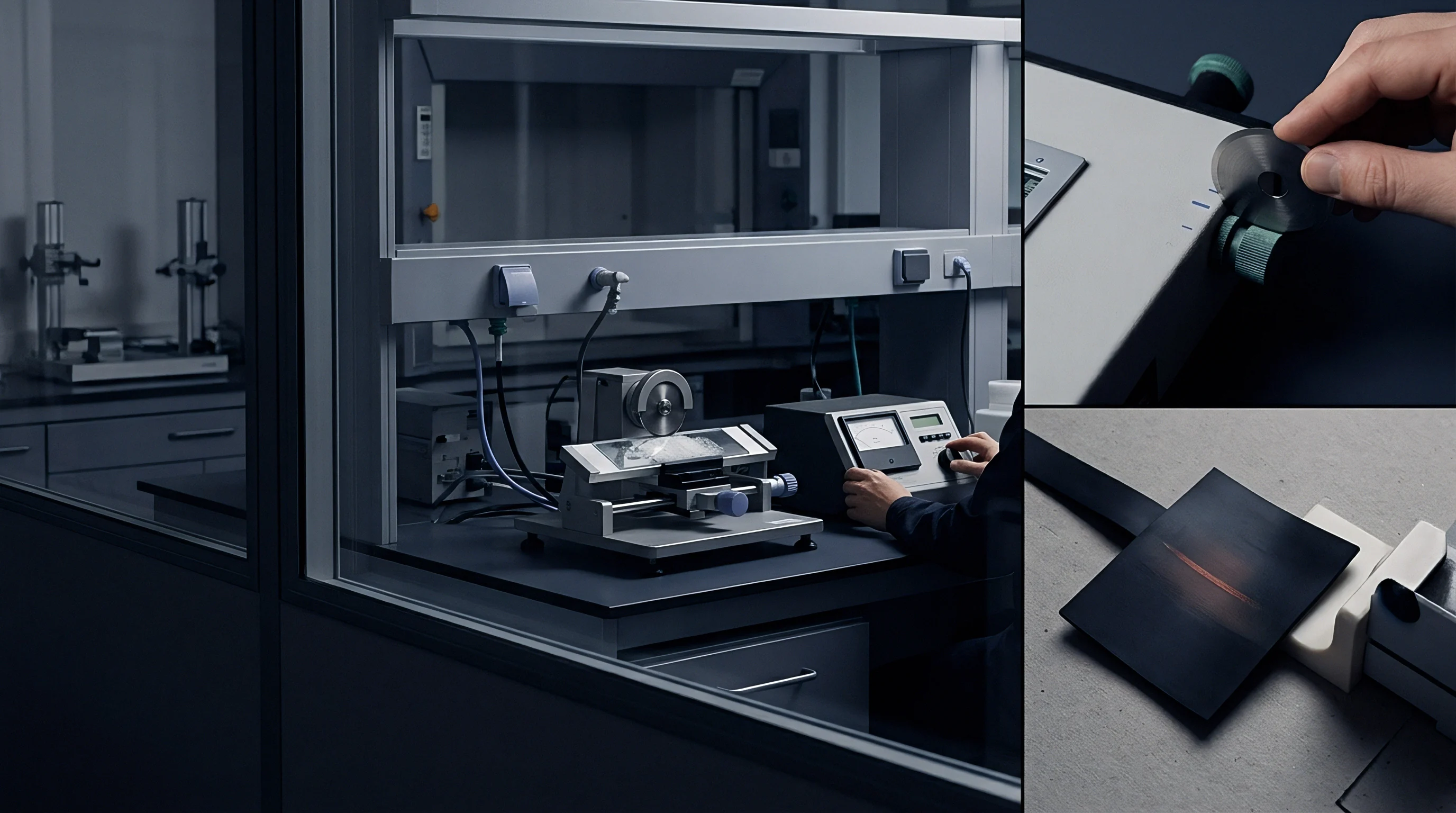
Cold extracts expose mobile chemistry. The analytical protocol subjects a defined board surface area to extraction in deionized water at 23 degrees Celsius for 24 hours (EN 645) or 80 degrees Celsius for 2 hours (EN 647). The resulting extract is analyzed for specific migratable substances, including glyoxal, primary aromatic amines, residual acrylamide monomer, organotin compounds, and dry strength polymers.
| Chemical Additive Class | Functional Purpose | Minimum Required Fixation (%) | Standard Test Method | Regulatory Extract Limit |
|---|---|---|---|---|
| Cationic Polyacrylamide (CPAM) | Retention & Drainage | 95.0 | EN 645 (Cold Water) | Acrylamide < 0.10 mg/kg paperboard |
| Alkyl Ketene Dimer (AKD) | Hydrophobic Internal Size | 90.0 | EN 647 (Hot Water) | Un-reacted AKD hydrolysate < 5.0 mg/dm² |
| PolyDADMAC | Anionic Trash Fixative | 92.0 | EN 645 (Cold Water) | Residual DADMAC monomer < 0.05 mg/kg |
| Epichlorohydrin-PAAE Resin | Wet Strength Agent | 98.0 | EN 647 (Hot Water) | 1,3-Dichloropropanol (1,3-DCP) < 2.0 ppb |
| Fluorescent Whitening Agents (FWA) | Optical Brightening | 99.0 | EN 648 (Bleeding Test) | No transfer allowed (Grade 5 visual) |
Un-fixed wet-strength resins present severe food contact compliance risks. Polyamidoamine-epichlorohydrin (PAAE) resins contain trace synthesis by-products, specifically 1,3-dichloro-2-propanol (1,3-DCP) and 3-monochloro-1,2-propanediol (3-MCPD). If PAAE resin fixation falls below 98% dynamic efficiency, residual un-reacted resin hydrolyzes in wet food packaging applications, releasing chloropropanols into the food matrix at levels exceeding statutory migration limits.
Dynamic retention testing provides the baseline qualification data needed to guarantee that wet-end chemical additives will not exceed statutory cold-water extraction limits during food contact compliance audits.
Supply contracts for food-grade multi-ply board explicitly incorporate European Standard EN 645 extraction testing thresholds, stipulating that any lot demonstrating cold-water extractable nitrogen levels above 0.1 milligrams per square decimeter triggers immediate product quarantine at the buyer’s warehouse expense.
Receipt
Verifying chemical fixation and dynamic retention requires integrating real-time wet-end monitoring data directly into commercial board specifications and compliance dossiers. Sourcing practices must demand comprehensive documentation that bridges laboratory performance, mill execution, and regulatory certification. A paperboard specification that defines physical grammage and caliper without mandating dynamic retention limits leaves the buyer entirely exposed to batch-to-batch strength variations and chemical migration failures.
Fibre orientation alters tensile strength. Machine-direction to cross-direction (MD/CD) stiffness ratios depend heavily on wet-end drainage velocity. When dynamic retention drops, wet-end operators routinely adjust headbox flow rates and shake parameters to hold formation, inadvertently altering fiber orientation and ruining calculated carton crease stiffness values.

Verification Procedures for Recycled Fiber Cleanliness and Chemical Yield
Closed loops concentrate dissolved organic solids. Recycled content mandates under regulations such as the EU Packaging and Packaging Waste Regulation (PPWR) force mills to increase post-consumer waste ratios in multi-ply board. High recycled content elevates anionic trash levels, increasing the risk of chemical fixation failure.
Buyers must require mills to provide continuous wet-end charge titration logs and dynamic retention verification metrics alongside standard mill certificates of analysis (CoA).
A rigorous audit protocol verifies chemical yield and fixation through systematic documentation and sampling across the supply chain.
- Wet-End Charge Stability Records confirm that headbox zeta potential stayed within the target band of -5 to 0 millivolts throughout the entire production run.
- First-Pass Retention Audit Logs demonstrate that real-time optical retention sensors maintained first-pass total retention above 75% and fines retention above 65% across all plies.
- Cold Water Extract Certificates validate compliance with EN 645 standards, proving that un-fixed organic nitrogen and monomer residues remain below statutory food contact limits.
- FSC Chain-of-Custody Transfer Claims prove that all virgin and recycled fiber sources match the certified percentages declared on shipping documents and invoice lines.
Establishing chemical fixation integrity on multi-ply board relies on a clear operational principle: dynamic retention measured at peak machine shear predicts converting reliability far more accurately than any static strength test conducted on dry finished board.