Laboratory Screening Protocols for Recycled Fibre Quality Control
Screening recycled pulp demands immediate gravimetric Somerville testing, gas chromatography extraction, and rigid bale intake documentation before furnish commit.

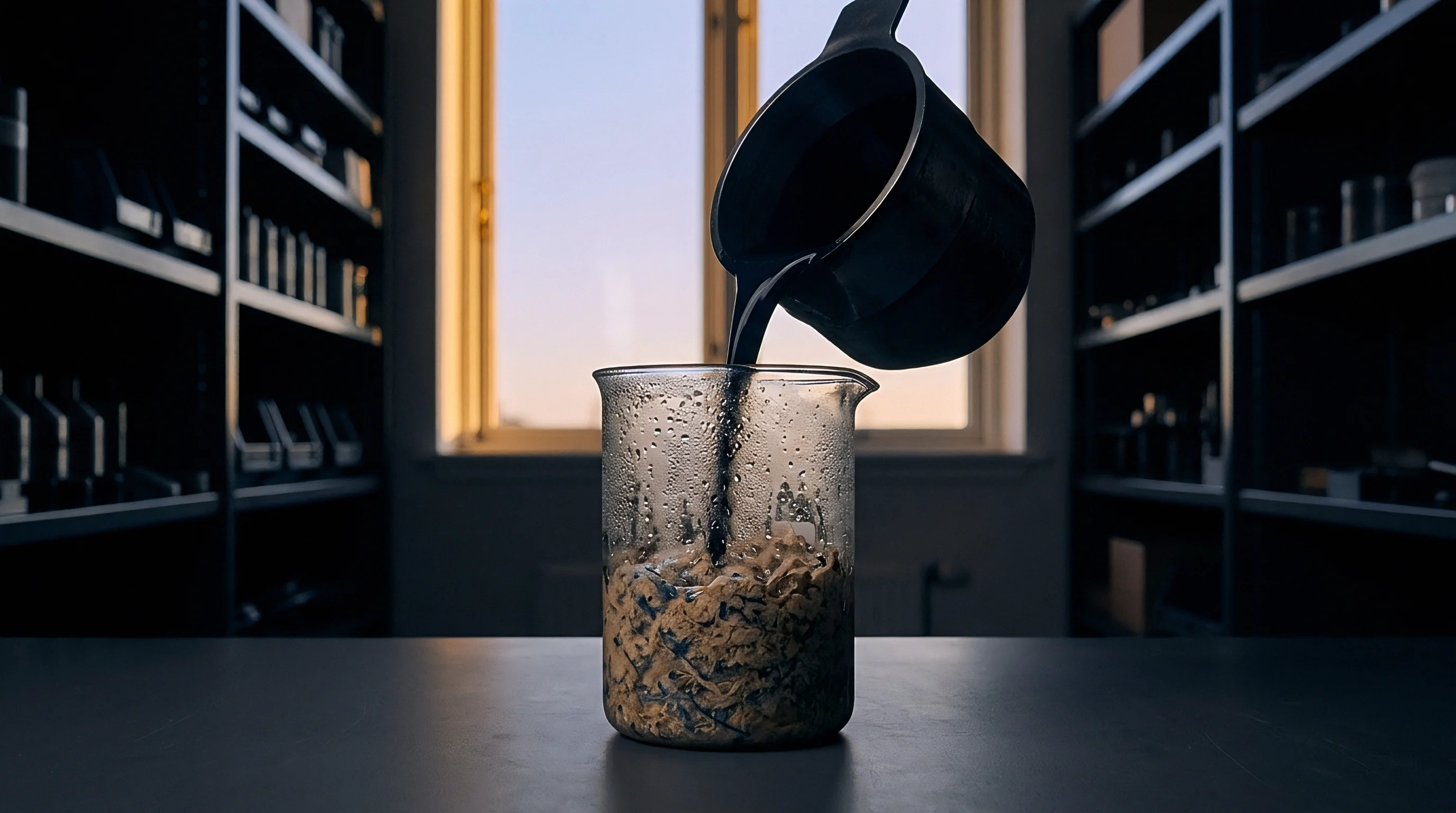
Pulp
A gravimetric reading of 8.2 percent residual moisture on an incoming EN 643 Grade 1.05 lot halts the unloading ramp. Water weight exceeding the commercial eight percent reference baseline shifts the invoiced dry fibre mass, transferring unearned capital directly to the raw material broker. Rapid intake verification protects the conversion line before contaminated or saturated bales enter the pulper line.
Core drill sampling provides the defensive evidence for raw material disputes. Technicians draw cylindrical core samples across the bale geometry, piercing past the weathered perimeter to evaluate true equilibrium moisture. Parallel testing quantifies non-paper components, combustible organic fractions, and non-combustible fillers.
Laboratory ovens drying test specimens at 105 degrees Celsius establish true dry yield within four hours of arrival. Ash tests conduct thermal calcination inside ceramic crucibles, separating useful cellulosic yield from inorganic loading materials.
EN 643 restricts total non-paper components in standard corrugated waste to a maximum threshold of one percent by weight, triggering commercial rejection upon laboratory confirmation of excess plastic film.
Inorganic fillers reduce tensile strength. Calcium carbonate and kaolin clay particles occupy space within the paper web without forming hydrogen bonds. Recovered graphic papers carrying heavy mineral loadings depress corrugated burst factors.
Fiber processing costs escalate when inert mineral fines load wastewater clarification clarifiers and sludge dewatering presses.

Moisture Gravimetry and Bale Core Sampling
Core drills extract secondary material across five distinct points per compacted bale unit according to ISO 287 protocols. Laboratory scales record the wet specimen weight immediately to prevent ambient evaporation loss. The drying cabinet maintains 105 degrees Celsius until consecutive hourly weighings diverge by less than zero point one percent.
The resulting mass differential calculates total bale water content. Wet strength resins resist alkaline soaking.
- Bale Insertion drives a hollow core auger forty centimeters into the bale center to extract an unweathered cross section.
- Specimen Sealing transfers the extracted core into an airtight vapor-barrier bag within thirty seconds of withdrawal.
- Thermal Desiccation exposes divided specimen clumps to circulating heated air at 105 degrees Celsius inside a calibrated laboratory oven.
- Dry Mass Determination establishes the final calcined weight inside a sealed desiccator jar containing active silica gel.
Drainage drops abruptly. Disintegration testing according to ISO 5263 evaluates how rapidly compacted secondary fibers separate in water. A standard pulp disintegrator subjects thirty oven-dry grams of sample stock to thirty thousand revolutions at three thousand revolutions per minute.
Visual inspection of handsheets made from this pulp slurry identifies flakes that resist hydraulic shear. Unbroken fiber flakes indicate the presence of wet-strength polyamidoamine-epichlorohydrin resins or hot-melt cross-linking agents.

Inorganic Ash Partitioning under Controlled Calcination
High temperature muffle furnaces heated to 525 degrees Celsius combust organic cellulosic fractions inside quartz crucibles following ISO 1762 procedures. The residual white powder isolates total inorganic filler content without decomposing calcium carbonate into calcium oxide. Secondary ash determination conducted at 900 degrees Celsius according to ISO 2144 quantifies the volatile carbonate fraction through carbon dioxide release.
Mill declarations omit specific additives.
| EN 643 Grade Designation | Commercial Grade Description | Maximum Moisture Content | Inorganic Ash Limit 525 C | Prohibited Materials Limit |
|---|---|---|---|---|
| Grade 1.02 | Mixed Paper and Board | 10.0 Percent | 14.5 Percent | 1.50 Percent |
| Grade 1.05 | Old Corrugated Containers | 9.0 Percent | 8.0 Percent | 1.00 Percent |
| Grade 2.05 | Sorted Office Paper | 8.0 Percent | 18.0 Percent | 0.50 Percent |
| Grade 3.10 | Multi Printing Furnish | 8.0 Percent | 22.0 Percent | 0.25 Percent |
| Grade 4.01 | New Shavings Corrugated | 8.5 Percent | 5.0 Percent | 0.10 Percent |
The broker asserts that the baled magazine overage occurred during baler clearing and will vanish inside the hydrapulper dilution.

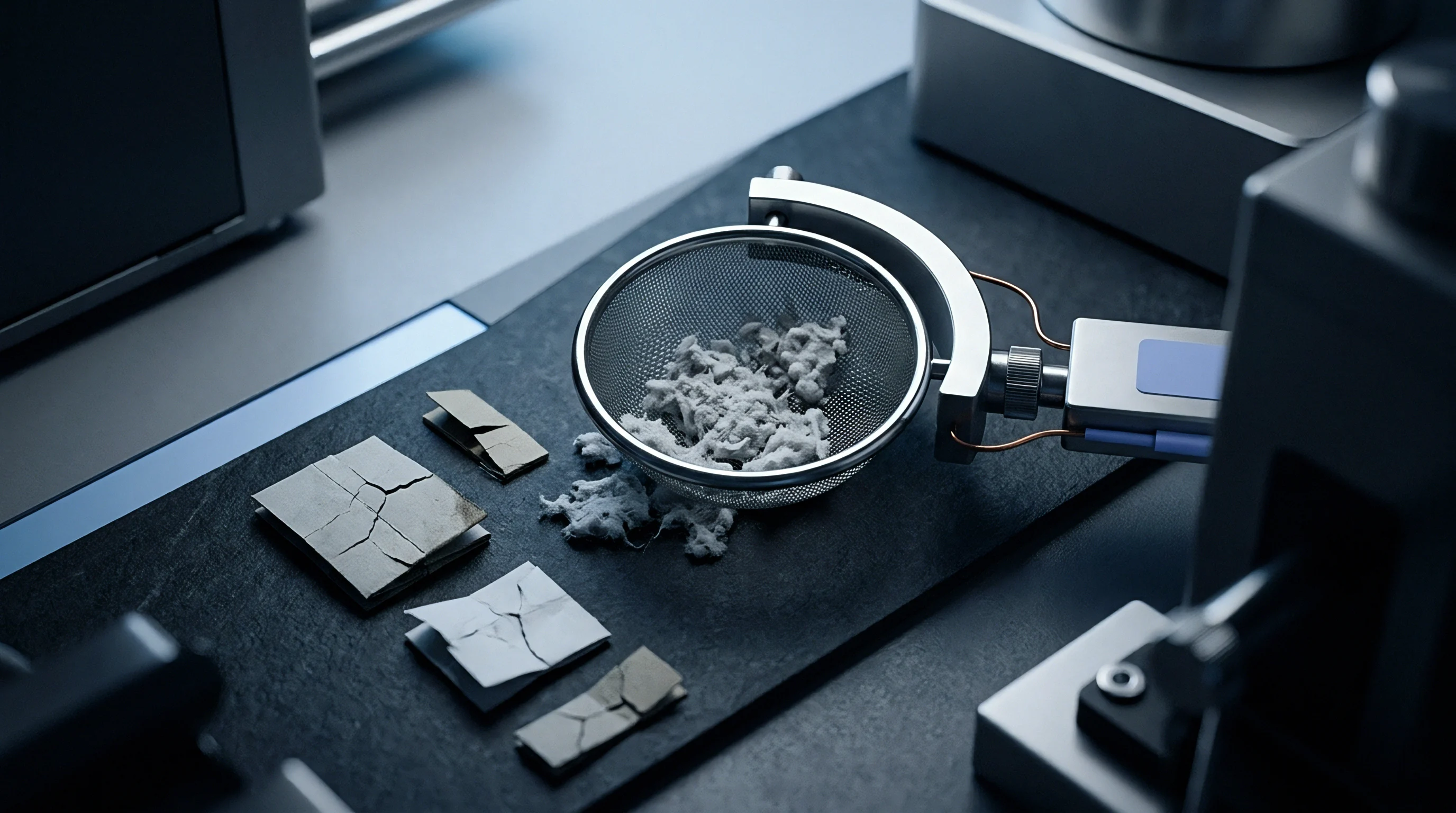
Fractionation
Bauer-McNett classifiers partition dispersed aqueous suspensions across stainless steel wire meshes under standardized hydrodynamic flow. The screening sequence isolates long reinforcement fibres, intermediate sheet-forming fractions, and short fines according to TAPPI T 233 and ISO 5635. Each chamber holds a vertical wire grid agitated by a dedicated impeller.
Water flows through four cascading stages at twenty-eight liters per minute, washing detached fines through the wire weaves.
Successive recycling loops degrade cellulosic morphology. Drying cylinders on paper machines cause irreversible hornification within fiber cell walls. Internal fibrils collapse inward, closing micro-pores and eliminating accessible hydroxyl bonding sites.
Fiber walls collapse under hornification. This physical shrinkage restricts fiber re-swelling during repulping operations. Hornified pulp yields bulky, brittle paper webs with lower burst indices and reduced tensile energy absorption.
Secondary fibres with diminished average length yield denser sheets with reduced tear resistance and slower water release on the forming wire.
Screening operations isolate shives, fiber bundles, and unpulped flakes from free papermaking fibers. Somerville laboratory screens employ precisely slotted plates to separate undefibered wood particles from refined stock. Laboratory technicians weigh the rejected shive mass after drying to calculate the precise percentage of unrefined material.
The shive index determines the mechanical screening energy demanded during mill processing.

Fiber Length Distributions and Drainage Penalties
Successive wire screens ranging from 14 mesh down to 200 mesh capture distinct length populations under continuous liquid recirculation. The 14-mesh screen retains the longest softwood tracheids providing tear resistance. Hardwood fibers and fragmented softwood elements gather across the 48-mesh and 100-mesh screens.
The 200-mesh wire retains short parenchymal cells and broken fiber fragments. Slotted screens trap rigid flakes.
- Drainage Impedance occurs when ray cells and crystalline mineral debris blind suction boxes and forming wires on the wet end.
- Tensile Decay develops from broken fibril stumps that fail to bridge gaps between neighboring fibers during wet pressing.
- Dust Generation results from weakly bound secondary fines shearing away from the dry sheet during high-speed rotary die cutting.
- Chemical Sizing Waste escalates because fragmented fines exhibit disproportionately high specific surface areas that absorb expensive internal sizing emulsions.
Hydrocyclones separate by particle density. Drainability testing through the Schopper-Riegler method per ISO 5267-1 or Canadian Standard Freeness per ISO 5267-2 identifies drainage velocity. Unrefined virgin kraft pulps register approximately 15 to 20 degrees Schopper-Riegler, draining water rapidly.
Recycled fluting and testliner stocks loaded with hornified fines regularly reach 45 to 60 degrees Schopper-Riegler. High drainage values force operators to slow machine operating speeds to prevent crushing in the press section.

Laboratory Shive Separation and Somerville Screening
Precision machined flat plates containing zero point one five millimeter slots isolate unseparated wood bundles and agglomerated matter following TAPPI T 275 standards. A calibrated rubber diaphragm pulses twenty-four liters of water per minute beneath the slotted plate. Usable single fibers align with hydrodynamic currents and wash through the narrow slots into the discharge drain.
Rigid shives and unpulped flake fragments remain trapped on the upper surface. Inspectors seal suspect storage bays.
Stock that sheds its fines too readily creates porous sheets lacking surface smoothness.


Stickies
Microscopic image analysis under ultraviolet light isolates tacky synthetic elastomers deposited onto fluoropolymer filter surfaces. Recycled furnish carries pressure-sensitive adhesives, hot-melt glues, wax coatings, and latex binders derived from label stock and spine bindings. These synthetic contaminants fragment into deformable particles during mechanical repulping.
Papermaking processes divide these contaminants into macrostickies and microstickies based on size exclusion boundaries.
Macrostickies measure greater than one hundred micrometers in equivalent spherical diameter. Slotted laboratory screens easily capture this coarse particulate fraction. Microstickies pass through slotted screening baskets, remaining suspended within the liquid pulp slurry as colloidal or dissolved polymers.
Slurries thicken during vacuum filtration. When thermodynamic conditions shift on the paper machine, dissolved microstickies precipitate onto forming fabrics, press felts, and drying cylinder surfaces.
Slotted Somerville screening through zero point one zero millimeter apertures separates macrostickies from pulp slurries maintained at one point five percent consistency at forty degrees Celsius.
Testing protocols established under INGEDE Method 4 define precise quantitative standards for macrosticky screening. Pulp stock undergoes defibering in a laboratory hydrapulper before delivery to a vibrating screen equipped with a 0.10 millimeter slotted plate. Screen rejects transfer onto a black filter paper disc.
A laboratory heat press applies ninety-five degrees Celsius and four bar pressure against a silicone release sheet. Tack increases under elevated temperatures. The heated press cycle bonds adhesive contaminants to the filter substrate.
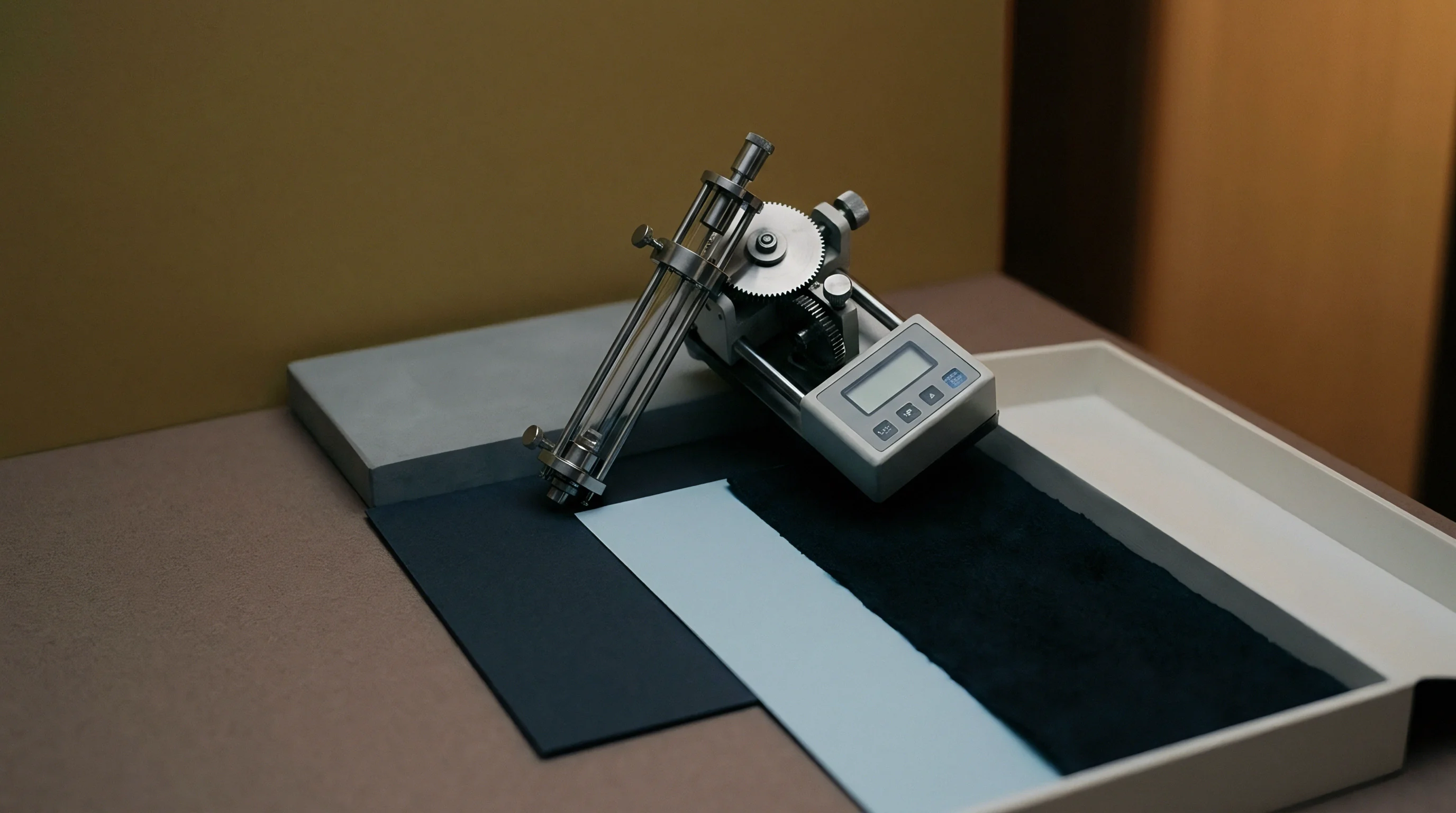
Slotted Screen Filtration and Visual Area Quantification
Mechanical depackaging of processed paper slurries through 0.10 millimeter slotted baskets isolates water-insoluble polymeric debris per INGEDE Method 4. Aluminum oxide powder dusted across the filter paper adheres specifically to tacky particles. Digital flatbed scanners capture high-contrast optical images under controlled directional lighting.
Image analysis software scans the surface, tabulating total particle counts, individual particle areas, and cumulative sticky area expressed in square millimeters per kilogram of bone-dry pulp.
- Specimen Defibering disperses three hundred dry grams of secondary pulp at four percent consistency inside a standard disintegration vessel.
- Slotted Classification washes the diluted stock through a zero point one zero millimeter screen plate under continuous water shower agitation.
- Thermal Transfer sandwiches the washed reject solids between black substrate paper and a siliconized donor sheet under heated mechanical platen pressure.
- Contrast Enhancement coats adhesive spots with hydrophilic white pigment particles to generate stark optical boundaries for software segmentation.
Heat reactivates tacky polymer surfaces. Laboratory analysis of adhesive contamination demands strict adherence to thermal standards. The field disputes optical threshold settings during automated particle categorization.
INGEDE Method 4 sets optical grayscale cutoffs that distinguish true adhesive particles from inert plastic films. Operator variation during the dusting phase shifts measured macrosticky area totals by up to twenty-five percent across duplicate runs on identical pulp samples.
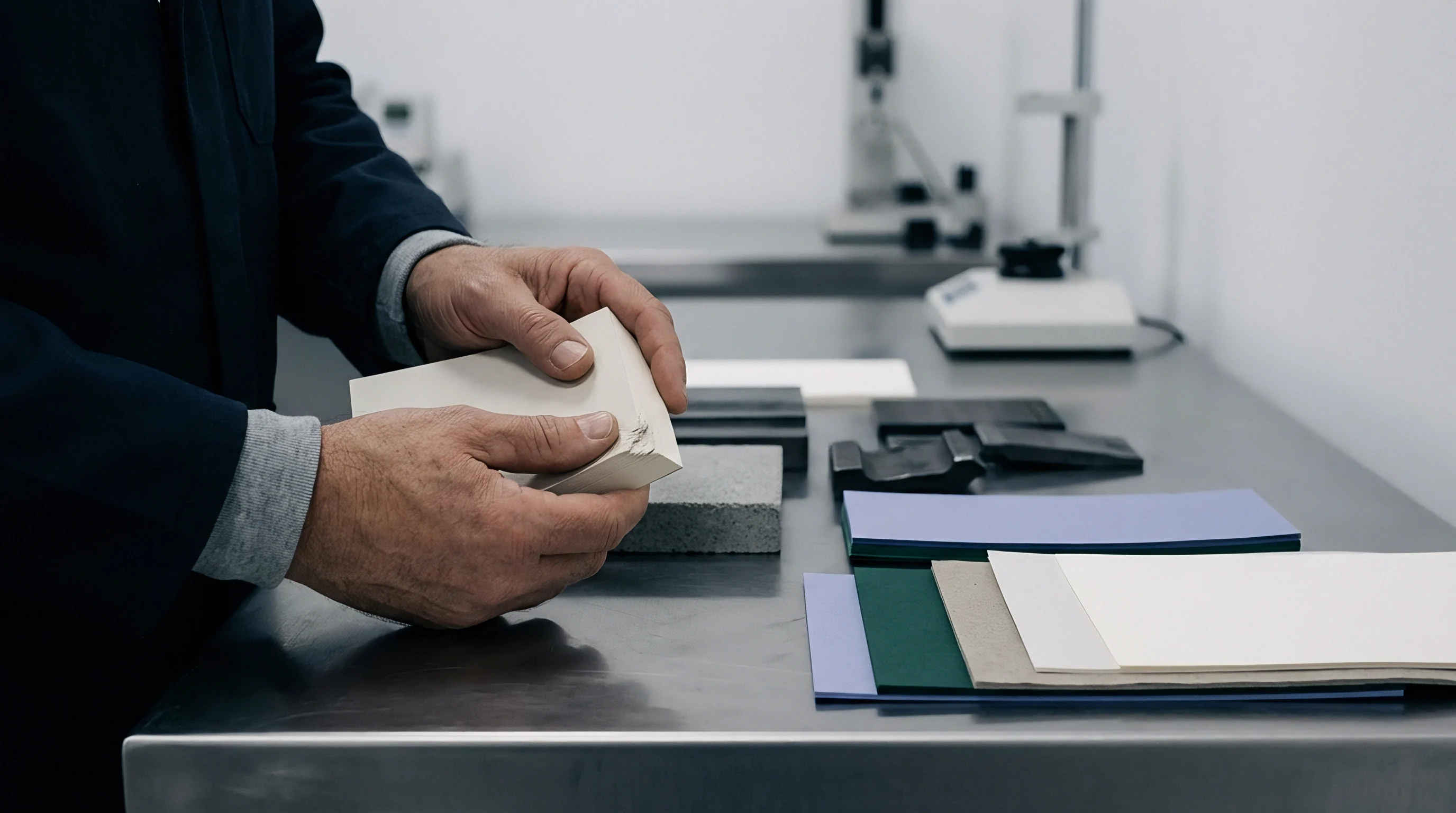
Does Deposit Count Track Total Macrosticky Area?
Digital scanners evaluate contrasting particles against dyed cellulose backgrounds to tabulate both absolute count and cumulative square millimeters per kilogram of dry stock. Particle count diverges sharply from total deposit area. A pulp sample showing twelve hundred discrete micro-particles may yield a lower overall tack risk than a sample carrying forty large, deformable hot-melt fragments.
Large particles flatten under mechanical press nips, spreading across square millimeters of forming wire. Microstickies pass through slotted baskets.
Take an incoming shipment of fifty metric tonnes of Grade 1.05 old corrugated containers. Laboratory screening measures a macrosticky concentration of eight hundred square millimeters per kilogram. Converting lines processing this material at thirty tonnes per hour encounter twenty-four thousand square millimeters of active adhesive mass every sixty minutes.
At this concentration, deposition rates on calendar rolls exceed tolerable operational thresholds within two hours of continuous operation.
| Contaminant Class | Particle Size Range | Laboratory Detection Standard | Chemical Composition | Mill Operational Risk |
|---|---|---|---|---|
| Macrostickies | Greater than 100 Microns | INGEDE Method 4 / TAPPI T 277 | Ethylene Vinyl Acetate, Polyvinyl Acetate | Forming Wire Plugging, Sheet Holes |
| Microstickies | Between 20 and 100 Microns | Extraction and Deposition Testing | Polyacrylates, Styrene Butadiene Latexes | Press Felt Filling, Cylinder Build-Up |
| Colloidal Stickies | Between 0.1 and 20 Microns | Centrifugal Turbidimetry | Wood Resins, Fatty Acids, Sizing Residues | Wet End Chemical Consumption |
| Dissolved Synthetics | Sub-Micron Solution | Total Organic Carbon / COD Analysis | Polyvinyl Alcohol, Starch Derivatives | Biological Wastewater Upset |
Excessive adhesive loading causes web breaks in the dryer section, leaving unsellable cull rolls and damaged calendar rolls across an entire converting shift.


Leachates
Organic compounds transfer out of repulped sheets into warm aqueous simulants within sixty minutes of liquid immersion. Chemical safety requirements for secondary fiber packaging hinge on containing volatile, semi-volatile, and non-volatile migrant species. Mineral oil saturated hydrocarbons (MOSH) and mineral oil aromatic hydrocarbons (MOAH) represent the primary chemical risks in recovered fiber streams.
Graphic newsprints, offset publication inks, and industrial packaging adhesives supply continuous inputs of these hydrocarbon chains.
Food contact clearance demands rigorous analytical extraction. BfR Recommendation XXXVI and Council of Europe Resolution CM/Res(2020)9 set rigorous migration limits for recycled cellulosic items placed next to moist, fatty, or dry goods. Unverified documentation halts border releases.
Recovered boards intended for food containers undergo cold-water extraction according to EN 645 and hot-water extraction under EN 647. Gas chromatography coupled with flame ionization detection and mass spectrometry identifies organic contaminants leaching from the finished paper web.
Recycled furnish carrying solvent-based printing inks introduces mineral oil aromatic hydrocarbons that migrate through conventional paper barriers into dry foodstuffs.
Solvents extract unreacted monomers rapidly. Phthalate plasticizers such as diisobutyl phthalate (DIBP) and bis(2-ethylhexyl) phthalate (DEHP) originate from dispersion adhesives used in carton sealing and label attachment. Packaging converters during the early 1990s transitioned newspaper inks from heavy petroleum solvents toward vegetable oil esters to curb workplace exposure, yet residual mineral hydrocarbons persist within industrial board loops.
Heavy metals settle in effluent sludges.
Aqueous Extraction Protocols for Aqueous Simulants
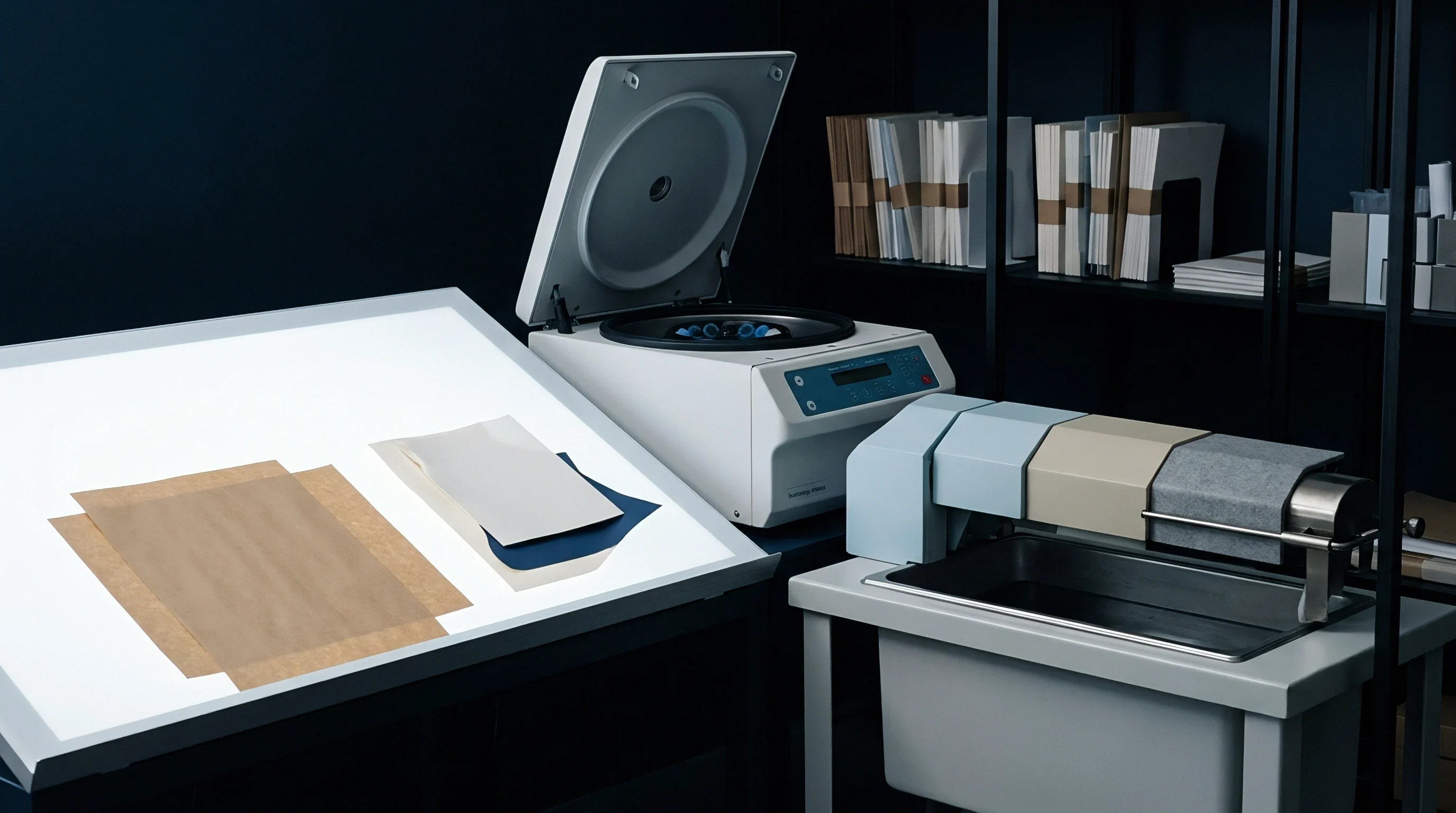
Standardized testing according to EN 645 for cold water and EN 647 for hot water exposes disintegrated cellulosic specimens to specific thermal regimes. Cold extraction immerses ten grams of paper in two hundred milliliters of deionized water for twenty-four hours at twenty-three degrees Celsius. Hot extraction subjects identical material charges to two hours of immersion at eighty degrees Celsius.
The resulting aqueous extract undergoes filtration through glass fiber discs prior to colorimetric and chromatographic analysis. Partition coefficients dictate vapor release.
How Do Polar Extractables Evade Standard Headspace Gas Chromatography?
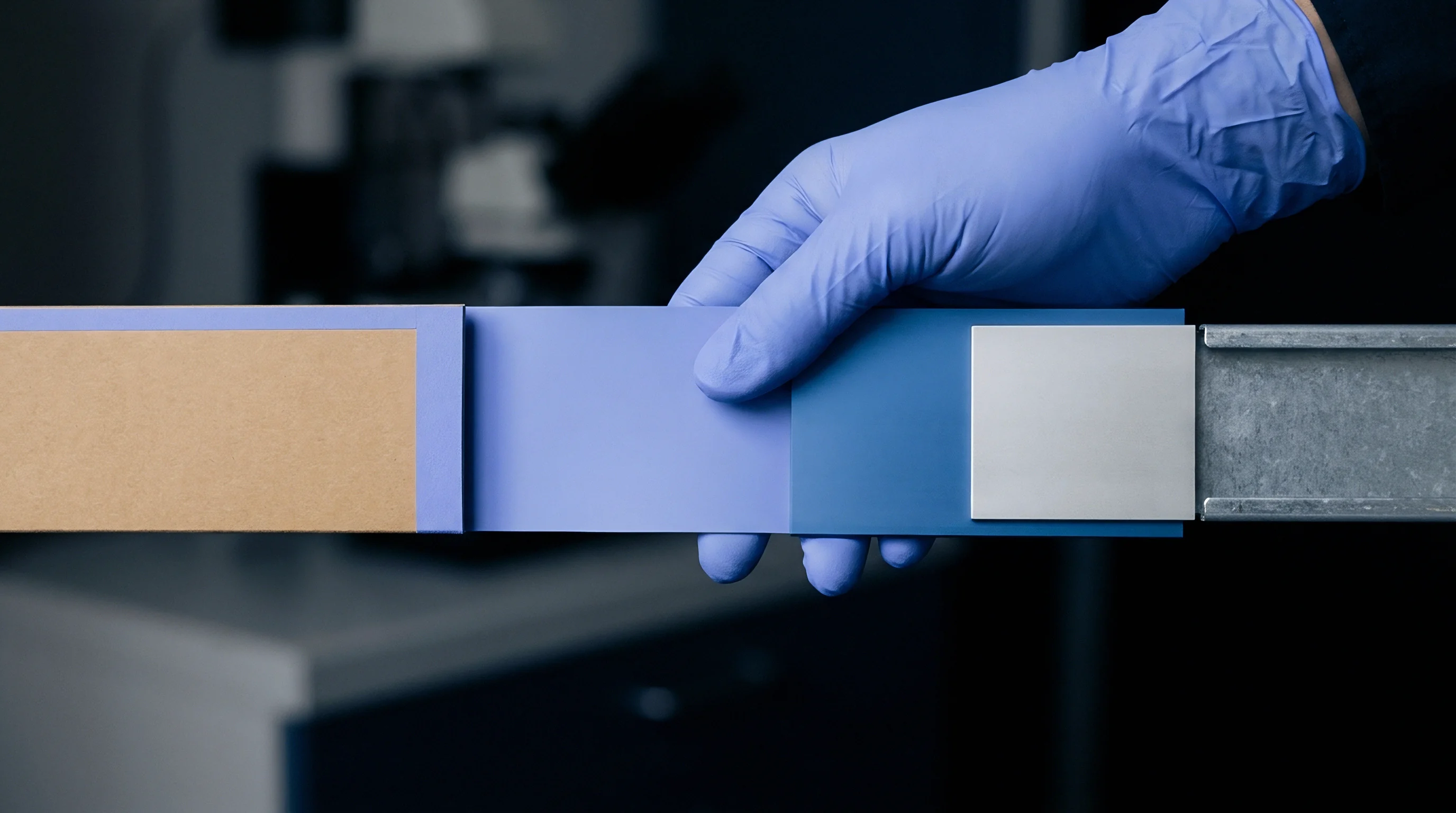
Thermal desorption columns release volatile organic molecules while leaving higher molecular weight carboxylates and plasticizers bound to the solid stationary phase. Static headspace gas chromatography vaporizes low-boiling components directly from dry paper matrices. Polar extractables like bisphenol A, 4,4-diaminodiphenylmethane, and long-chain alkylphenols remain unvolatilized at standard vial incubation temperatures of eighty degrees Celsius.
Complete recovery requires solvent extraction using polar organic mixtures like ethanol and dichloromethane.
Solid phase microextraction (SPME) coupled with gas chromatography-mass spectrometry bridges the analytical window. Immersion of a polydimethylsiloxane fiber into the aqueous leachate adsorbs semi-volatile polar compounds. The analyst transfers the coated fiber directly into the heated gas chromatograph injector port.
Thermal energy desorbs the captured analytes into the carrier gas stream, allowing separation of plasticizers and ink photoinitiators.

Hydrocarbon Fractionation via Coupled Liquid Chromatography
Online coupled HPLC-GC-FID systems partition saturated mineral hydrocarbons from aromatic rings through silica gel separation columns in compliance with DIN EN 16995. A normal-phase liquid chromatography column separates hydrocarbons based on molecular polarity. The saturated hydrocarbon fraction elutes first under an n-hexane mobile phase.
Back-flushing the column with dichloromethane isolates the aromatic ring fraction. Both streams transfer directly into dual gas chromatography columns equipped with flame ionization detectors.
Laboratories quantify hydrocarbon fractions across specified carbon number ranges. Saturated chains between C16 and C35 represent bioaccumulative threats within human adipose tissues. Aromatic structures spanning C16 through C35 represent genotoxic hazards.
Analytical uncertainty complicates compliance testing. Chromatographic humps generated by synthetic polyalphaolefins and natural plant waxes overlap petroleum-derived mineral oil signals. Standard testing requires chemical epoxidation to eliminate interference from naturally occurring terpenes.
| Chemical Substance Class | Target Analytes | Analytical Testing Method | Extraction Reagent and Condition | Maximum Permissible Limit |
|---|---|---|---|---|
| Saturated Hydrocarbons | MOSH (C16 to C35) | DIN EN 16995 HPLC-GC-FID | Hexane / Ethanol Extraction 24h | 2.0 Milligrams per Kilogram |
| Aromatic Hydrocarbons | MOAH (C16 to C35) | DIN EN 16995 HPLC-GC-FID | Silica Clean-Up, Dichloromethane | 0.5 Milligrams per Kilogram |
| Phthalate Plasticizers | DIBP, DBP, DEHP | EN 15519 GC-MS Analysis | Isooctane Solvent Reflux 2h | 0.3 Milligrams per Kilogram |
| Photoinitiators | Benzophenone, 4-MBP | Acetonitrile LC-MS/MS | Ultrasonic Acetonitrile 60 min | 0.1 Milligrams per Kilogram |
| Primary Aromatic Amines | Aniline, Toluidines | EN 17163 Spectrophotometry | Aqueous Extract at 80 C | 10 Micrograms per Liter |
Testing laboratories encounter fundamental detection boundaries when evaluating complex post-consumer packaging. Gas chromatography coupled to mass spectrometry struggles to identify every uncalibrated chromatographic peak below ten micrograms per kilogram. Current analytical libraries lack reference mass spectra for complex oligomeric non-intentionally added substances (NIAS).
Buyers protect their commercial packaging files by specifying certified functional barrier layers rather than attempting to secure absolute chemical purity guarantees on post-consumer secondary pulp furnish.
Phthalates persist in paper matrices.
Whether upcoming European packaging regulations will enforce a universal molecular weight cutoff for non-intentionally added substances in corrugated board remains unsettled among regional market surveillance authorities.
Clearance
Commercial releases hinge on documentary alignment between accredited testing data and the physical bill of lading. Customs clearance officers, food safety enforcement auditors, and converting plant receiving managers inspect secondary fiber shipments against rigid qualification standards. Every material claim printed on a corrugated shipper demands direct tracing to an accredited test report.
Missing laboratory documents expose the commercial buyer to severe customs impoundments and supply chain disruptions.
Chain of custody declarations verify raw material legitimacy. Forest Stewardship Council (FSC) and Program for the Endorsement of Forest Certification (PEFC) certificates require exact matching between supplier invoice category allocations and audited physical delivery manifests. A supplier invoice asserting an FSC Recycled claim requires an uninterrupted chain of custody code verifiable in the public FSC registry.
The absence of an active certificate registration invalidates recycled content packaging claims at import borders.

Traceability across Chain of Custody Documentation
Transaction verifications require exact matching between supplier invoice category allocations and audited physical bale delivery manifests. Auditors review raw material purchase ledgers, baled stock consumption records, and finished board sales accounts. The percentage credit accounting system permits mills to balance non-certified inputs against verified post-consumer volumes across defined calendar windows.
The buyer inspects the formal certificate scope line to verify that the supplier holds clearance for the exact grade designation delivered on site.
Packaging declarations filed under European Union legislation define mandatory recycled content percentages verified through EN 15343 auditing standards. The Packaging and Packaging Waste Regulation (PPWR) establishes rigid post-consumer recycled content quotas for industrial transport packaging. Shippers verify compliance through accredited conformity passports.
Failure to document post-consumer percentages risks heavy eco-modulation financial penalties and administrative sales bans across European member states.
Conformity Passports under Extended Producer Rules
Laboratory test reports issued under ISO/IEC 17025 accreditation establish defensible technical evidence for regulatory authorities. The inspection file must contain specific testing certificates detailing macrosticky area, residual monomer limits, and heavy metal concentrations tested per EN 920. Declarations of compliance must explicitly reference the specific batch numbers listed on the physical shipping container.
Generic declarations covering entire mill product lines without batch-specific laboratory testing data fail customs documentary inspections.
Contract specification clause 14.3 shifts all demurrage and return freight expenses to the raw material seller whenever laboratory verification detects prohibited outthrows exceeding half of one percent by dry weight.