
Determining Interfacial Fracture Toughness Standards for Multi Ply Recycled Packaging Boards
Interfacial fracture toughness testing via Double Cantilever Beam methods defines internal delamination limits in multi-ply recycled packaging board.
Interfacial fracture toughness testing via Double Cantilever Beam methods defines internal delamination limits in multi-ply recycled packaging board.

Determining softwood and hardwood fiber ratios across plies ensures bending stiffness and score integrity in recycled folding boxboard specifications.

Upstream packaging fiber due diligence demands point or polygon geolocation tied to segregated physical lots before mill intake.
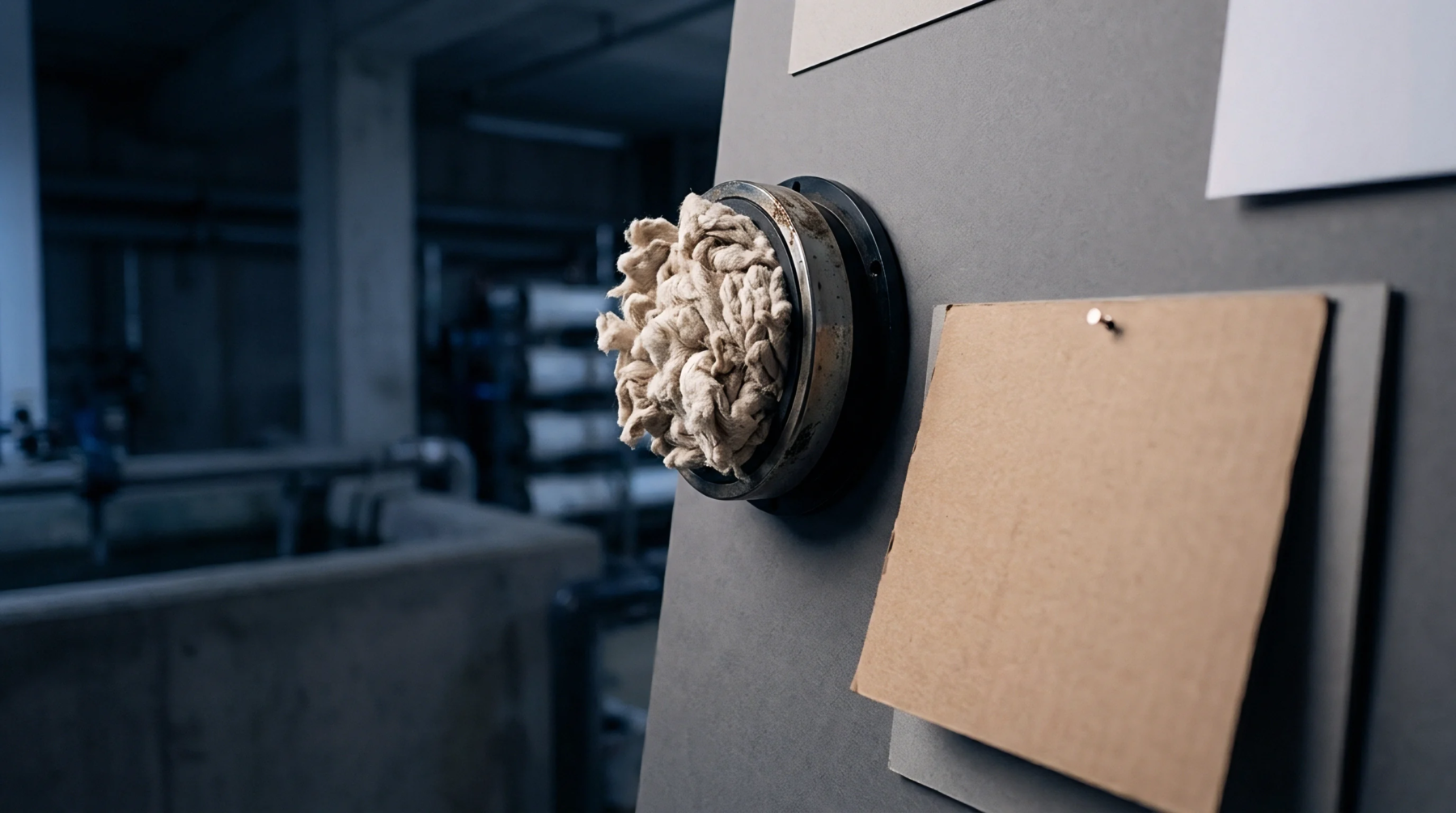
Optical fiber morphology analysis verifies virgin softwood content by quantifying tracheid bordered pits, Graff C colorimetry, and lumen collapse ratios.

Piece-wise direct standardization transfers chemometric pulp refining calibrations across optical nodes without regenerating full sets of offline laboratory data.
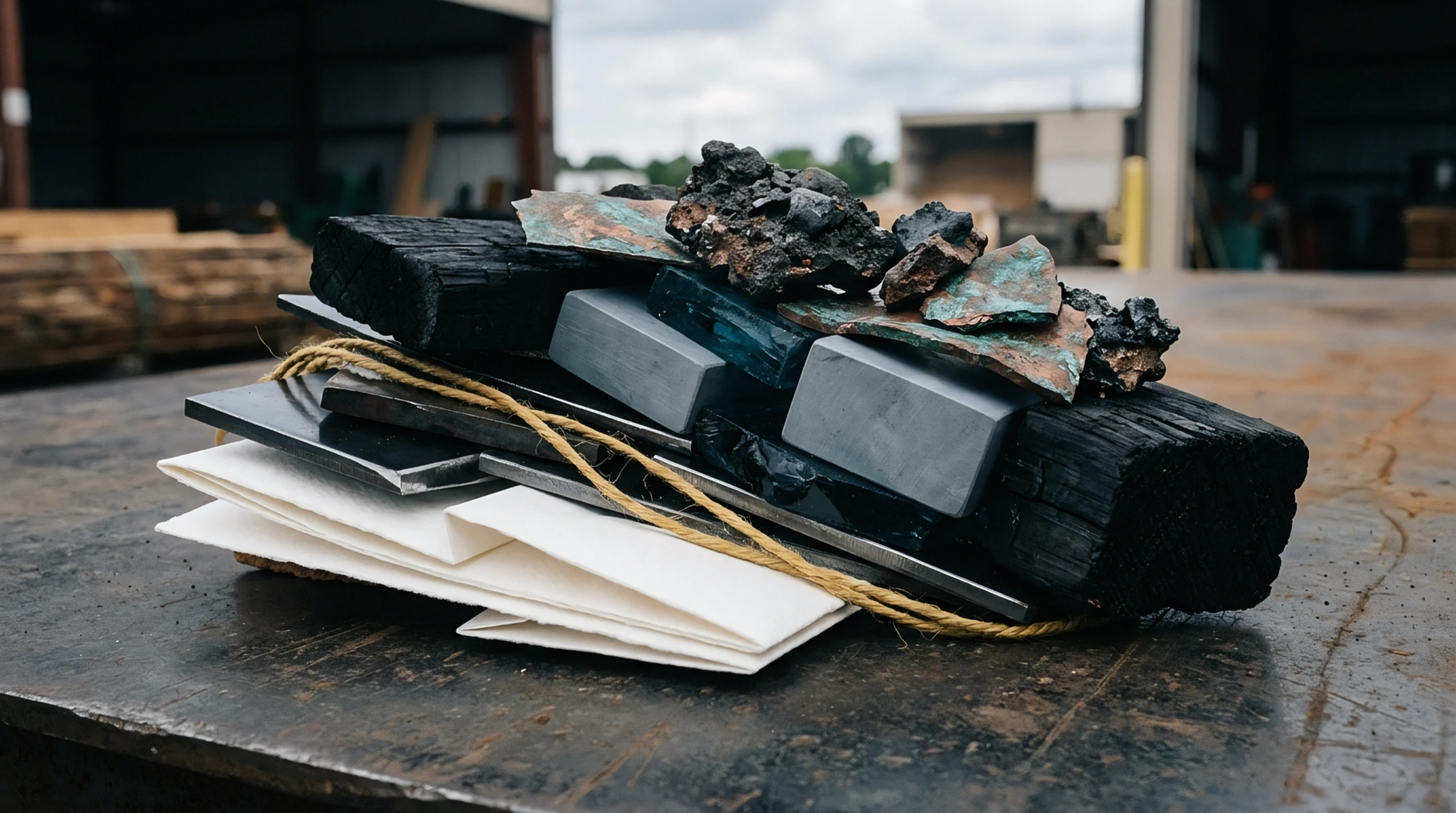
Automated optical morphology testing under ISO 16065-2 quantifies fiber shortening and hornification to control secondary substrate strength and yield.
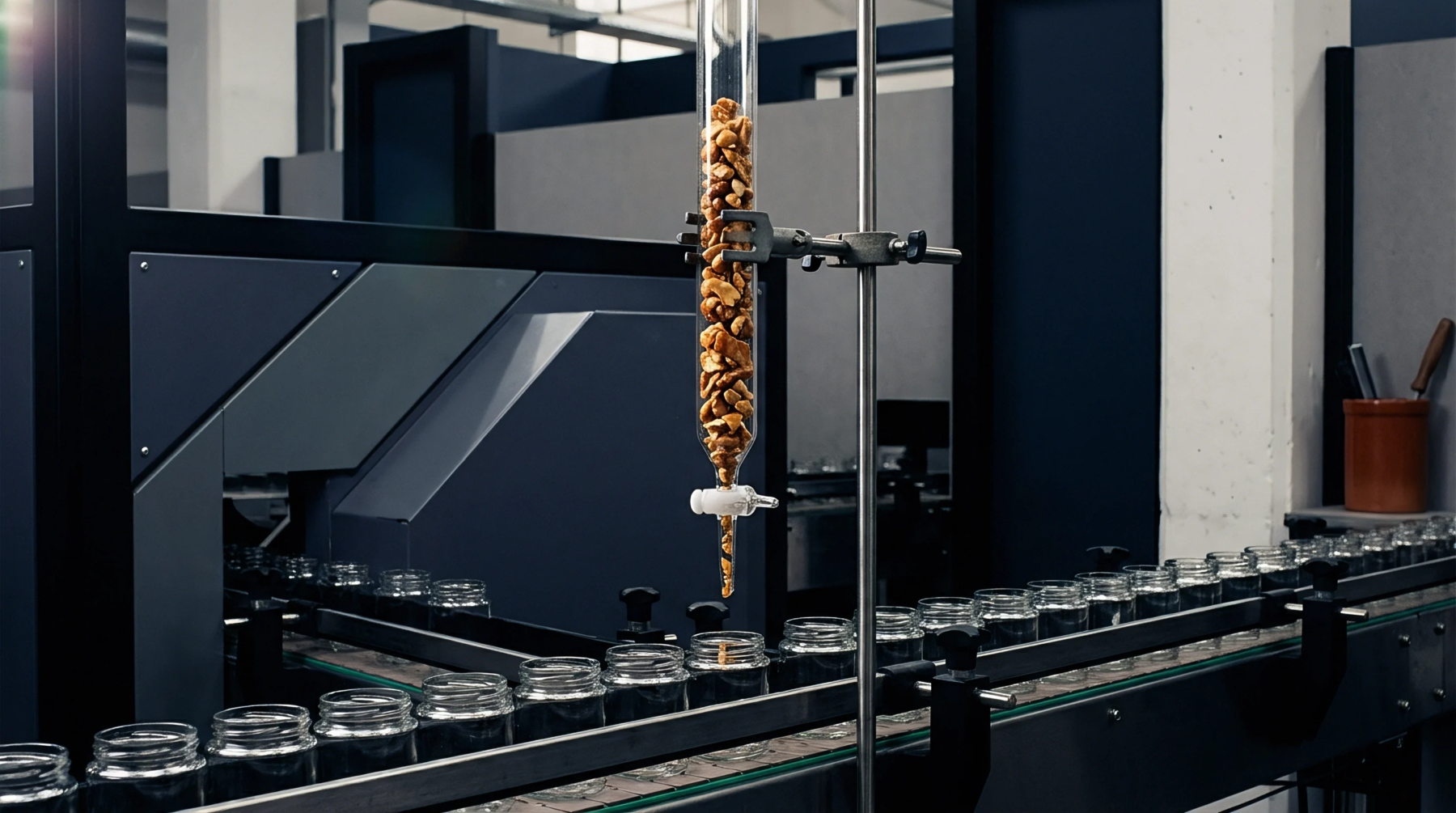
Analytical testing verifies physical furnish markers and migration safety, while administrative chain records prove legal recycled content claims.
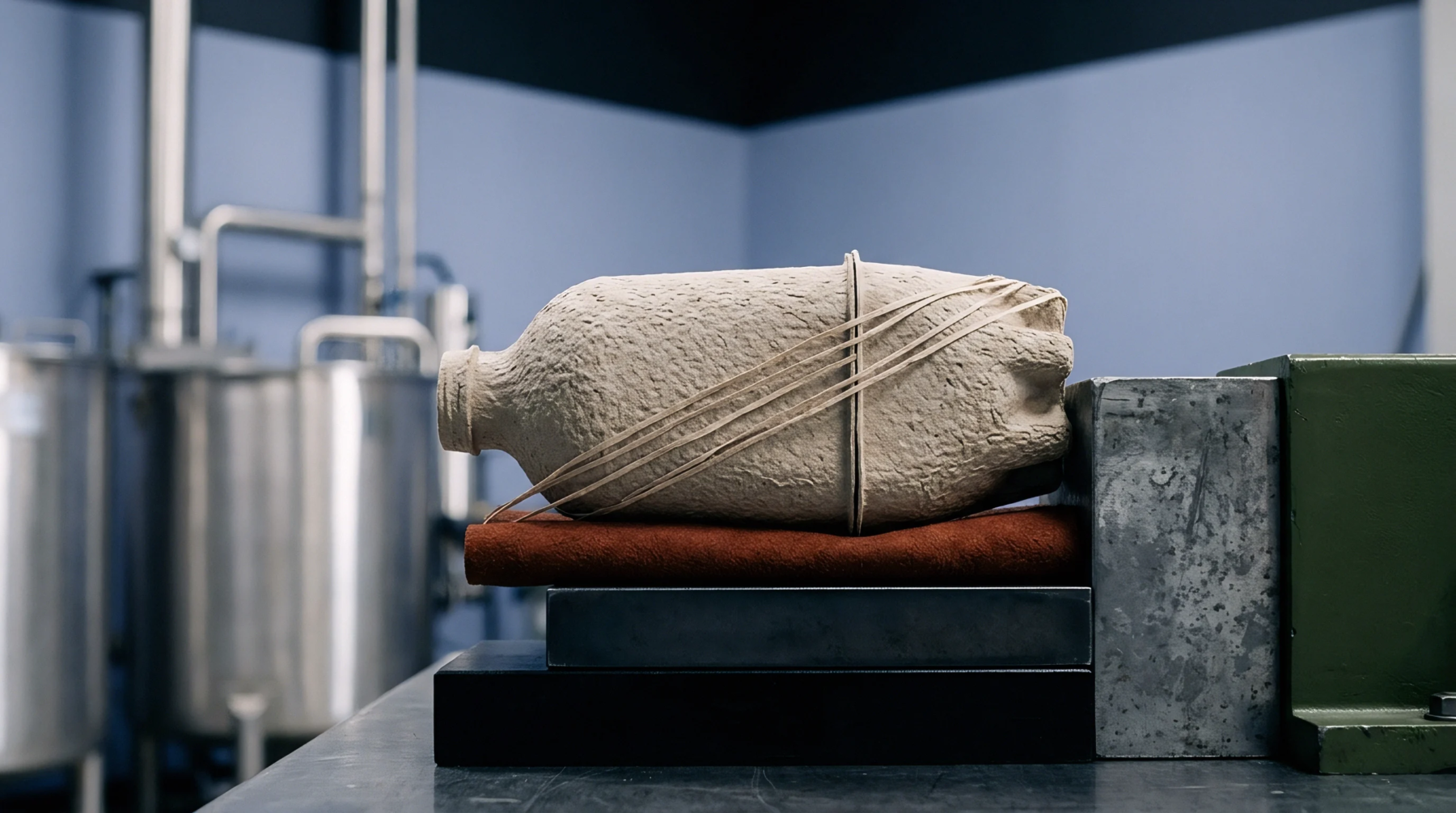
Mass balance ledgers allocate administrative fiber credits across mill networks, but laboratory microscopy governs physical batch compliance at customs borders.
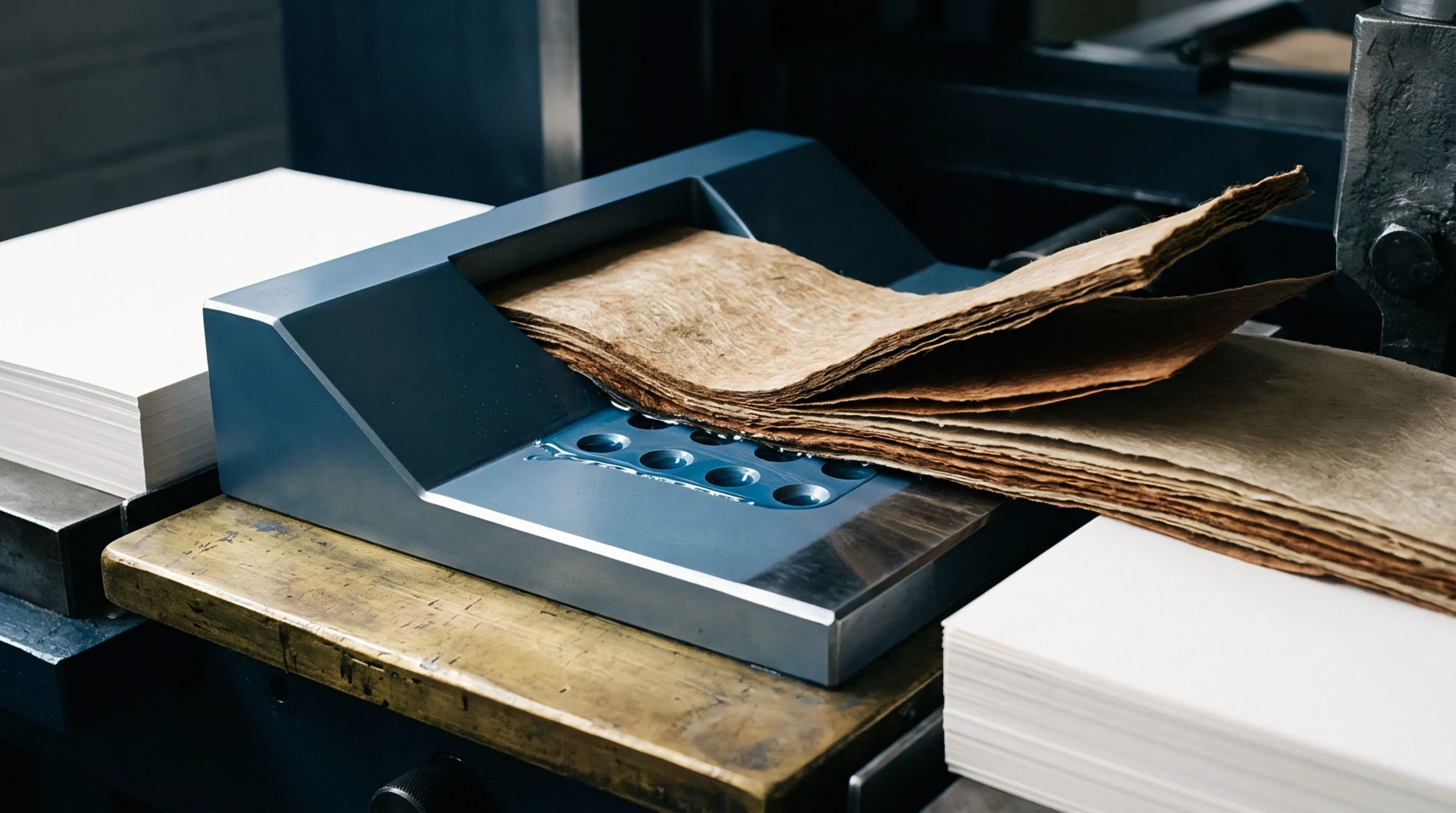
Verifying virgin softwood content in packaging paper relies on fiber morphology analysis, ISO chemical pulp identification, and trace chemical markers
Expertise is a utility, not a secret. sentiention™ publishes its working knowledge as open reference: intelligence layer covering the materials it sources, the markets it enters, and the reference that serves both.