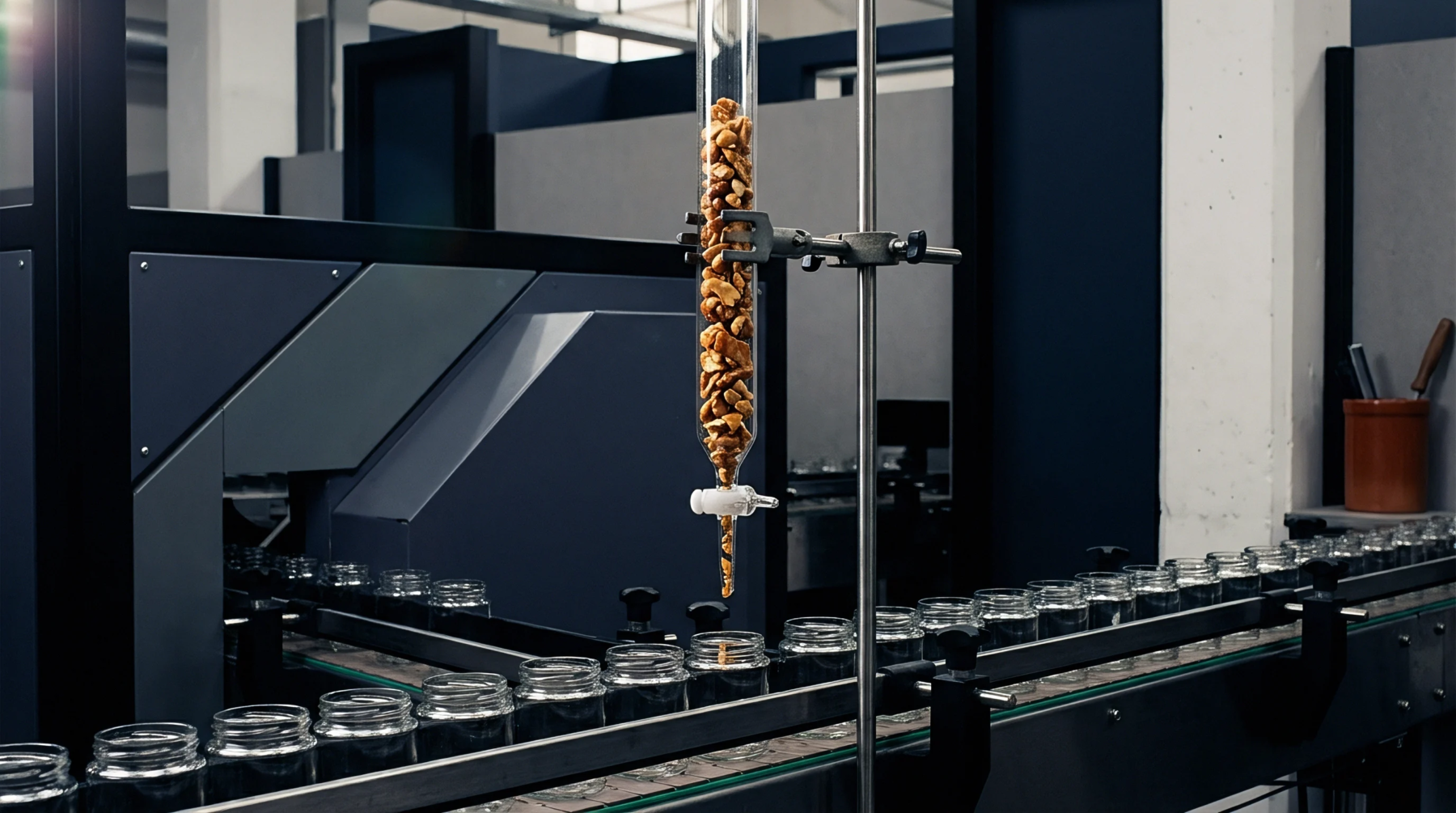
Chemical Marker
Synthetic organic compounds in the naphthalene family represent the standard chemical tracer for identifying recycled paperboard content in packaging materials. Paper mills utilize recycled pulp which frequently contains diisopropylnaphthalene originating from carbonless copy papers. This substance remains within the paperboard matrix after conventional deinking processes.
Because it does not occur in virgin wood fibres, its presence distinguishes recycled grades from pristine chemical pulps.
Transfer Pathway
Airborne mass transfer governs the movement of this semi-volatile organic solvent from recycled paperboard to dry food products. Gas phase diffusion allows diisopropylnaphthalene to bypass physical barriers and deposit onto paperboard surfaces during storage. High temperatures accelerate this migration through the air space inside closed packages.
Coated paper boards or specialized polymer linings can obstruct this movement.
Extraction Process
Quantitative analysis of the solvent utilizes gas chromatography coupled with mass spectrometry to determine concentrations in milligrams per kilogram of paperboard. Mill quality control teams extract the compound using organic solvents to verify compliance with food contact guidelines. Dry food simulators receive exposure to the packaging to measure direct migration rates.
Low detection limits permit the accurate measurement of minute residues in food simulants. Liquid chromatography offers an alternative method for laboratories assessing board samples. This measurement establishes the boundary beyond which recycled board requires a functional barrier.