Construction Stratification
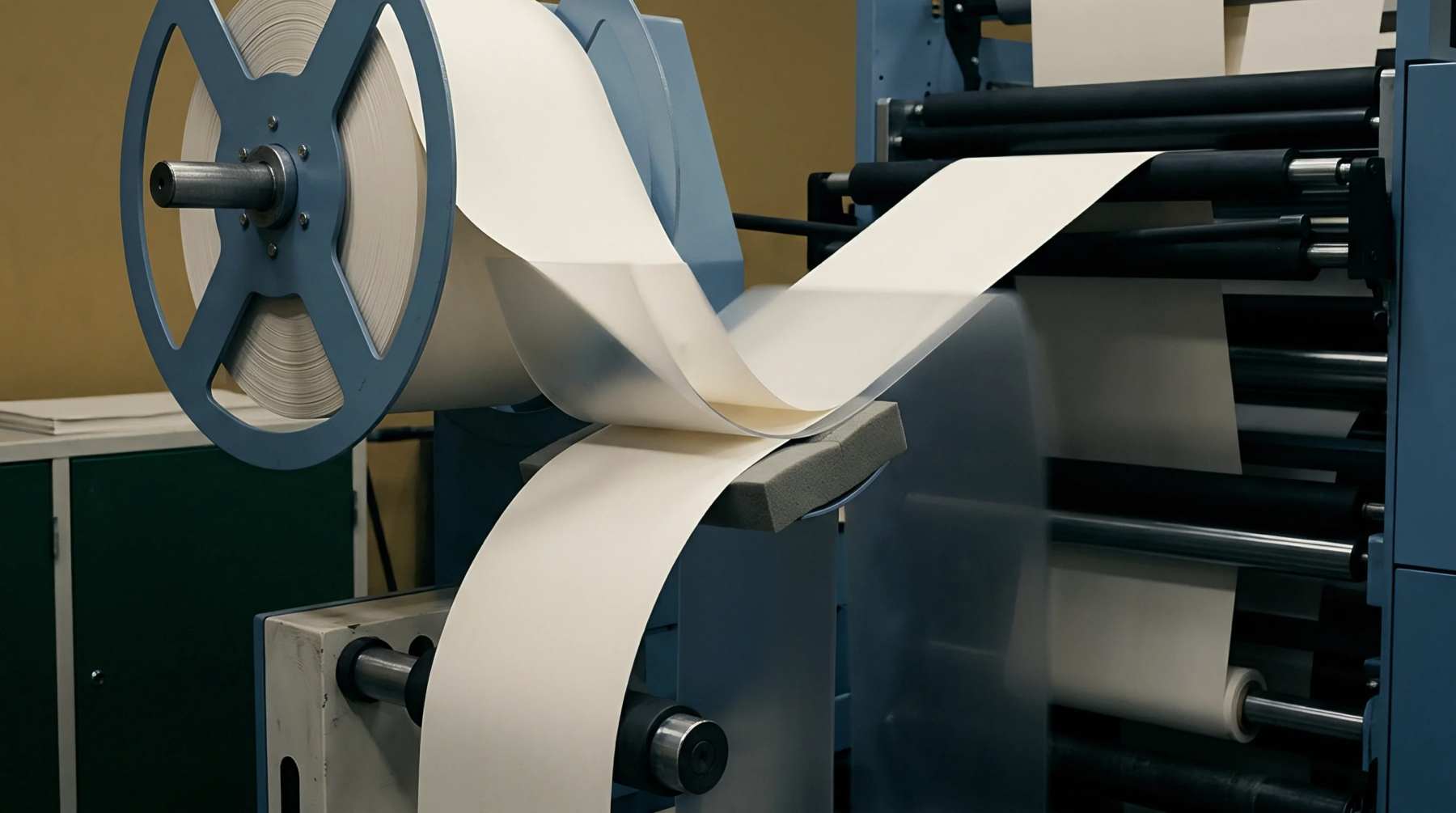
Laminated fibrous sheets provide the physical structure required for high-caliper containerboard and folding cartons. Multi-ply paperboard gains its dimensional stability from the arrangement of individual layers, which allows manufacturers to distribute different wood pulp grades across the thickness of the sheet. Inner layers frequently utilize recycled fibres to reduce cost while the exterior plies receive bleached virgin pulps to ensure consistent surface printability or regulatory compliance for food contact applications.
Precise control over the moisture content and basis weight of each sheet before the compression stage determines the final stiffness of the finished product.
Performance Variance
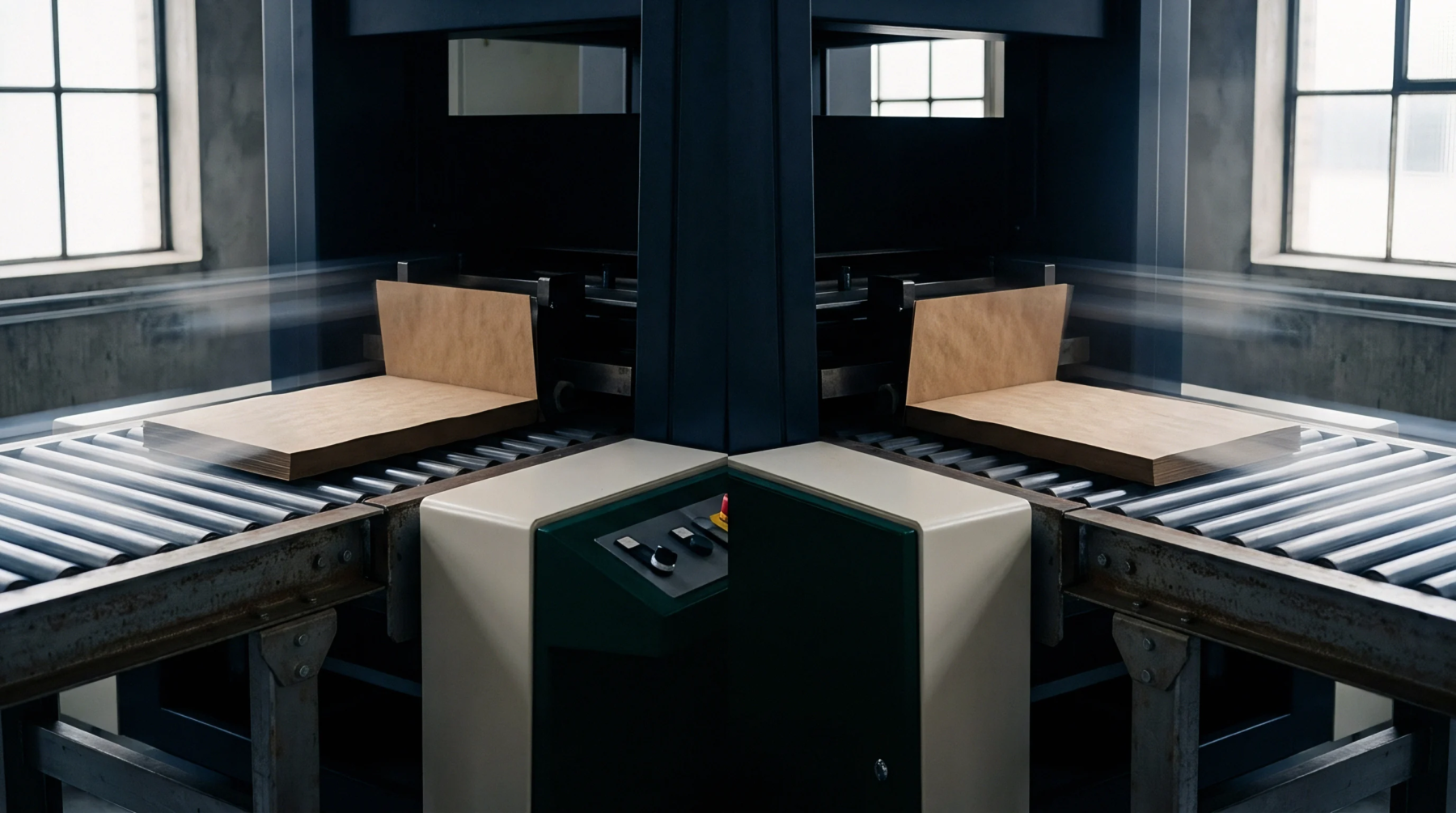
Structural integrity depends upon the orientation of fibres within the stack, where cross-directional strength often dictates the resistance of a box to vertical loading. Manufacturers manipulate the forming cylinders to influence fibre alignment, which ensures that a package retains its geometry during warehouse stacking. A high ratio of mechanical pulp in the center increases the bulk of the material, whereas chemical pulp in the outer layers offers the bonding strength necessary to prevent edge delamination during die cutting.
Proper alignment of these plies prevents curling when the board passes through a heat-set printing press or an adhesive application station. Variability in the number of layers allows for specific adjustments in the bending stiffness of the sheet without increasing the total weight.
Material Integrity
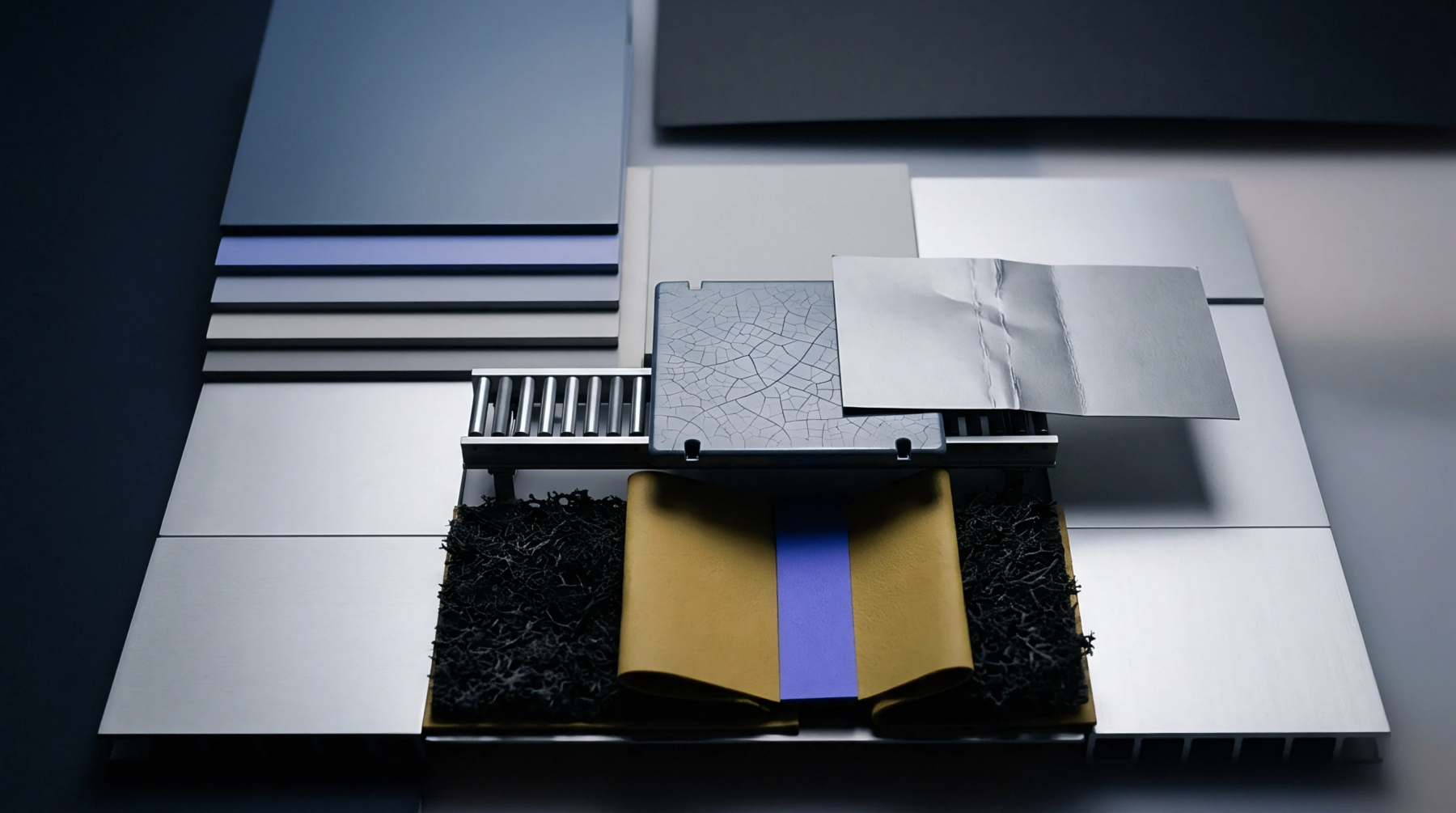
Quality control laboratories verify the adhesion between layers using a standard ply-bond test, which measures the force required to separate the bonded faces under controlled tension. A failure to achieve sufficient fiber-to-fiber entanglement indicates inadequate refining of the pulp or poor pressure settings during the wet-end process. Low bonding strength results in splitting when the board undergoes folding, which compromises the integrity of the protective barrier for the packaged contents.
High-speed packing lines require uniform ply adhesion to maintain the performance specifications of the carton through every stage of the distribution cycle.